

Will China Attempt to Invade Taiwan in the Next Ten Years?
The Atlantic Council’s Global Foresight Survey asks whether the People’s Republic of China will attempt a military takeover of Taiwan within the next decade. The poll finds that 70 % of security experts believe an invasion is likely, and more than 40 % anticipate a world war breaking out in the same period. Respondents identify a Taiwan‑related crisis as the most probable trigger, with 43 % naming it the top flashpoint in the East and South China Seas. The findings reflect a shift from Washington’s long‑standing policy of strategic ambiguity toward a more explicit deterrence posture, highlighted by the new U.S. National Security Strategy and the announcement of the largest‑ever arms package for Taipei. Regional leaders echo these concerns. Japanese Prime Minister Fumio Kishida publicly linked peace in the Taiwan Strait to Japan’s own security, while the Atlantic Council’s Tiger Project on Indo‑Pacific war deterrence offers deeper analysis of escalation risks. If the survey’s outlook materializes, the Indo‑Pacific could become the epicenter of a broader conflict, reshaping global supply chains, prompting heightened defense spending, and forcing multinational corporations to reassess exposure to geopolitical risk.

Iran Wants to "Inflict Great Pain" Throughout the Middle East Following US-Israel Attacks
Following recent U.S. and Israeli strikes, Iran declared its intention to inflict significant pain throughout the Middle East, signaling a broader escalation. Victoria Taylor, director of the Iraq Initiative at the Atlantic Council, said Tehran's move to widen the conflict...
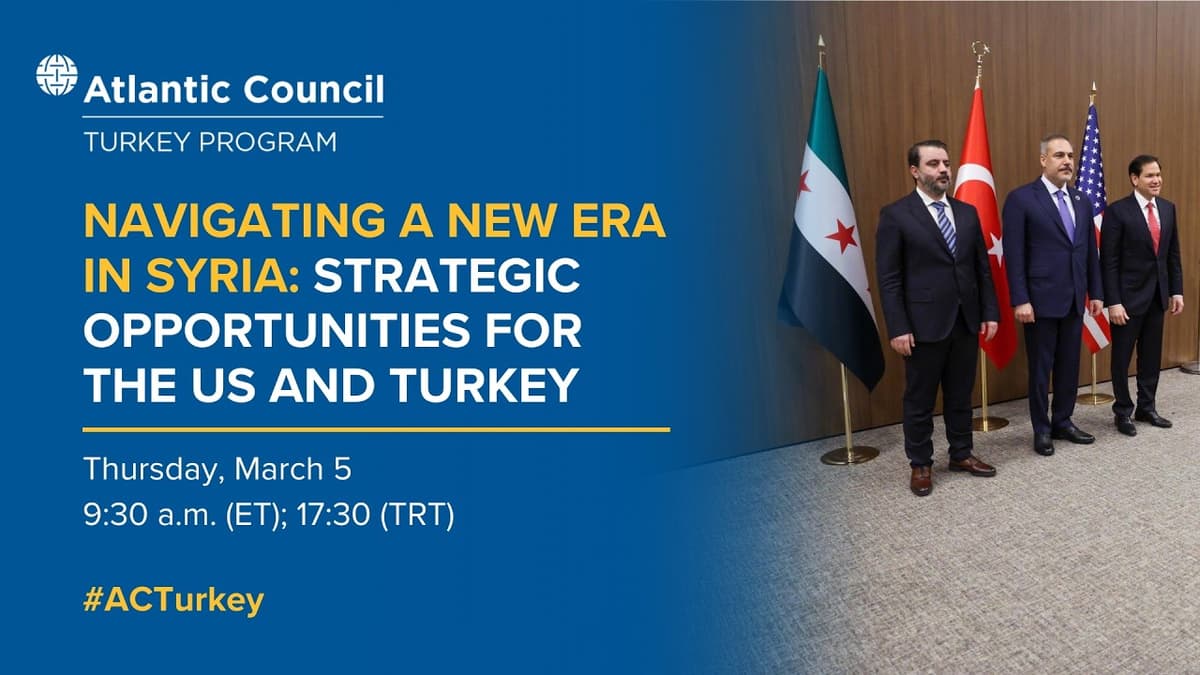
Navigating a New Era in Syria: Strategic Opportunities for the US and Turkey
The Atlantic Council panel examined Syria’s path toward economic reintegration, emphasizing how renewed U.S.–Turkey cooperation could shape the country’s reconstruction. Participants highlighted the lingering fallout from fifteen years of war—mass refugee flows, security threats from the PKK, ISIS and Iran,...
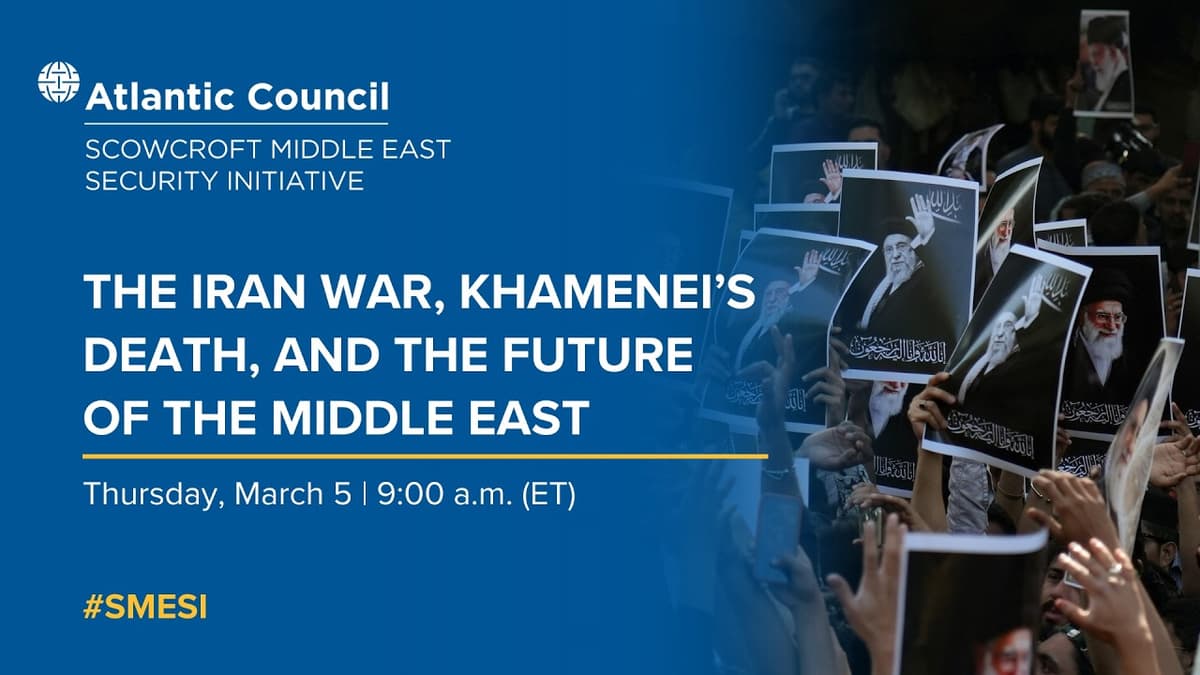
The Iran War, Khamenei's Death, and the Future of the Middle East
The video showcases an unboxing of the Samsung Galaxy Watch Active 2, 40 mm model, presented in a striking pink‑gold finish. The creator, Tyler, walks viewers through the sleek packaging, noting the premium aesthetics of both the watch and its box,...

EXIM Bank Chairman John Jovanovic on US Priorities for Global Competitiveness
The Atlantic Council hosted Export‑Import Bank Chairman John Jovanovic to outline the U.S. administration’s blueprint for restoring global competitiveness. Jovanovic framed the bank’s mission around four strategic pillars—returning to fundamentals to re‑industrialize America, asserting energy dominance, securing supply‑chain resilience,...

Trump’s 'Peace Through Strength' Doctrine in Iran Explained
The speaker frames Trump’s Iran approach as a “peace through strength” doctrine favoring short, sharp uses of force rather than protracted occupations. The administration aims to avoid an Iraq/Afghanistan-style quagmire, claiming it has already met key objectives—reinforcing red lines, removing...

What's Next After the Death of Iran's Supreme Leader Ali Khamenei?
The video frames the death of Iran’s Supreme Leader Ali Khamenei as a historic turning point after 36 years of hardline rule that entrenched revolutionary ideology, backed repression at home and aggressive foreign policy abroad. The narrator ties Khamenei’s tenure...
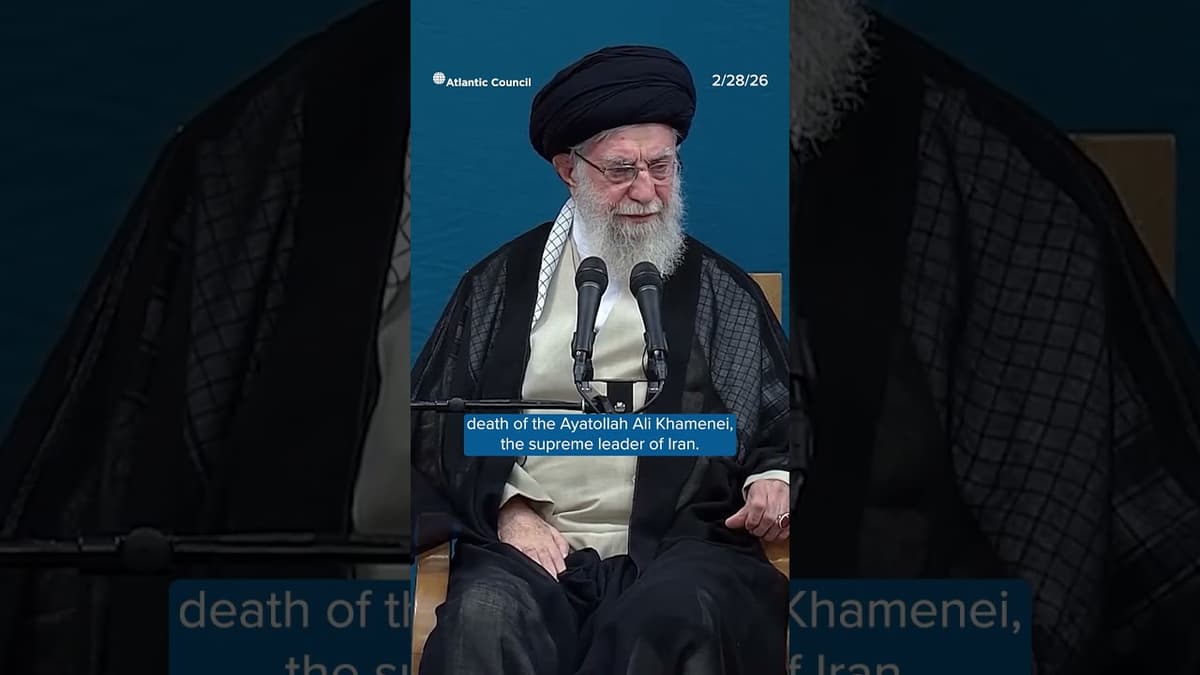
View From Tel Aviv After US and Israel Strike Iran
Dan Shapiro reported from the roof of Tel Aviv’s municipal building, describing a harrowing day of repeated sirens, missile interceptions and a direct strike that killed one civilian and wounded roughly fifteen, including children. The attacks followed coordinated Iranian missile...
Pick Your Poison: The Enduring Threat of Biological Toxins
The Bipartisan Commission on Biodefense convened at the Atlantic Council to chart the evolving threat landscape of biological toxins. Experts examined how state and non‑state actors could weaponize agents such as ricin, botulinum toxin, and newly engineered proteins. The briefing...
Removing the "Mechanism of Harm": Lessons From Syria for US-Turkey Relations
A former military and State Department adviser argues that US-Turkey ties have been strained for a decade by conflicting Syria policies, and likens the need to resolve that strain to the medical principle of removing the "mechanism of harm." He...
China and Latin America, Explained: A Conversation with Brian Fonseca
The video features Dr. Brian Fonseca discussing how China’s expanding economic, technological, and security footprint in Latin America and the Caribbean is reshaping U.S. hemispheric strategy. He frames the issue within the latest U.S. National Security Strategy, which labels Beijing...
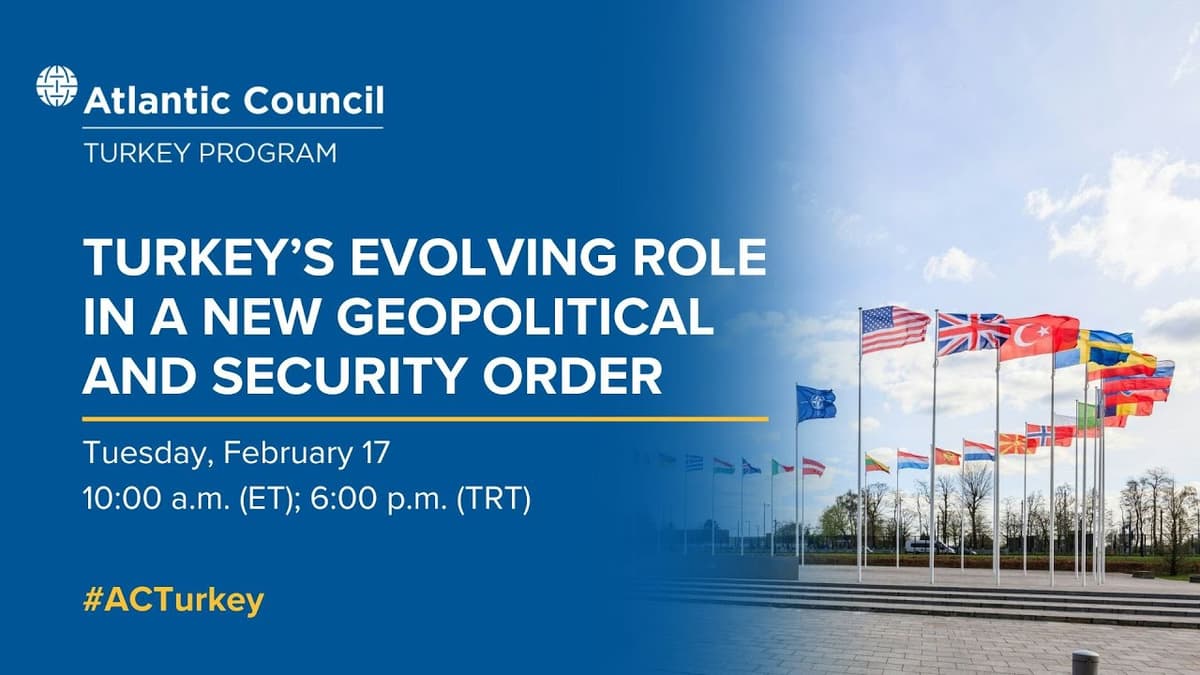
Turkey's Evolving Role in a New Global Geopolitical and Security Order
Speakers at the Atlantic Council event argued that amid a perceived shift away from a US-led rules-based order, Turkey is consolidating its role as a middle power by pursuing strategic autonomy through hedging, expanded defense and energy self-sufficiency, regional mediation,...
Evolving Relationship Between US and Europe on Display at Munich Security Conference
The Munich Security Conference centered on the future of the transatlantic partnership, highlighting a noticeable shift in Washington’s tone. After a year of sharp rhetoric, U.S. officials presented a more conciliatory, "charm offensive" aimed at easing tensions with European allies. Analysts...
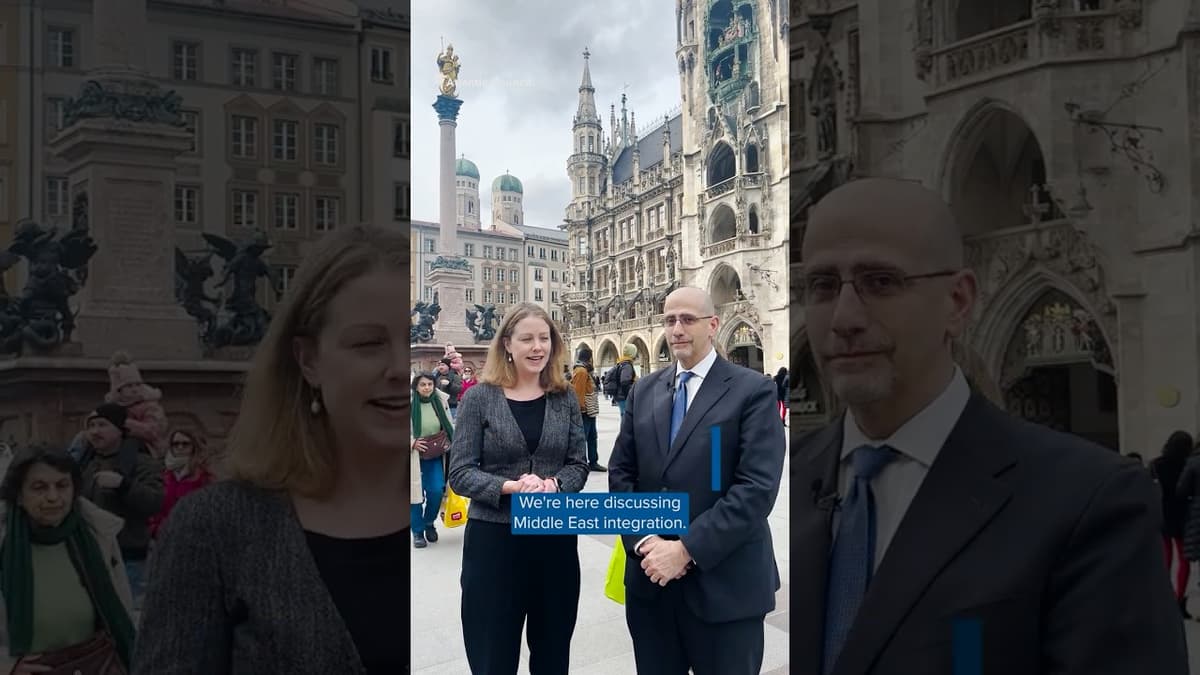
On the Ground in Munich: The Agenda for Middle East Integration at MSC
The Munich Security Conference 2026 turned its spotlight on a bold agenda for Middle East integration, drawing a parallel to Europe’s post‑World War II unification that helped end centuries of instability. Delegates acknowledged that the aftermath of the Gaza war has...
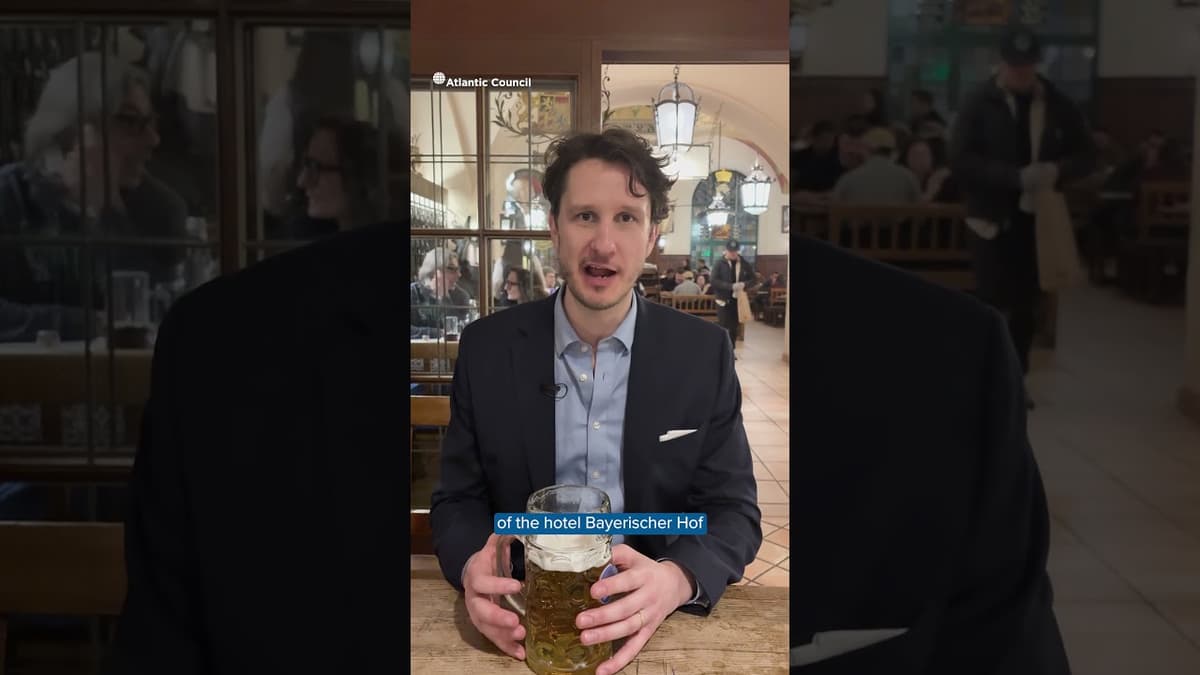
On the Ground: What to Expect at the Munich Security Conference 2026
The 2026 Munich Security Conference convenes world leaders and security experts amid growing doubts about the durability of the post‑Cold‑War order. Hosted by the Atlantic Council in Munich’s historic hotel venue, the gathering arrives as the United States settles into...
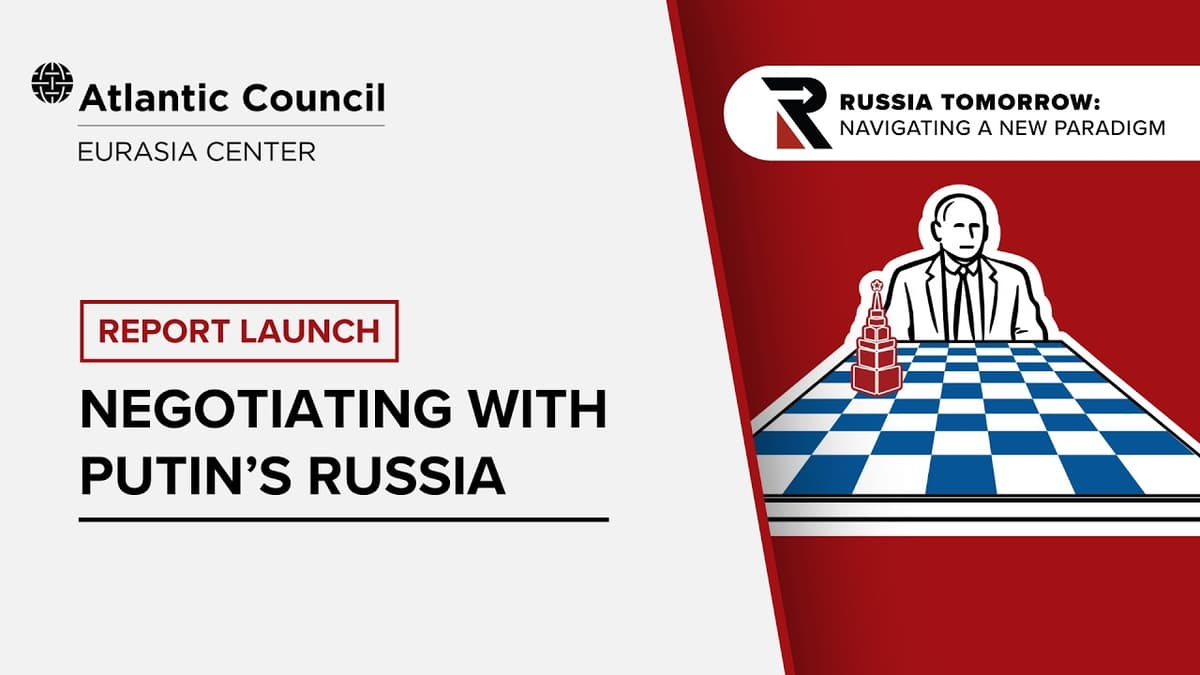
Report Launch: Negotiating with Putin’s Russia
The Atlantic Council released a new paper, "At the table negotiating with Putin’s Russia," by Donald Jensen and Yulia Osmolovska that examines Russian negotiation practice. The authors argue Moscow treats diplomacy as non-kinetic warfare aimed at decisively winning, not seeking...
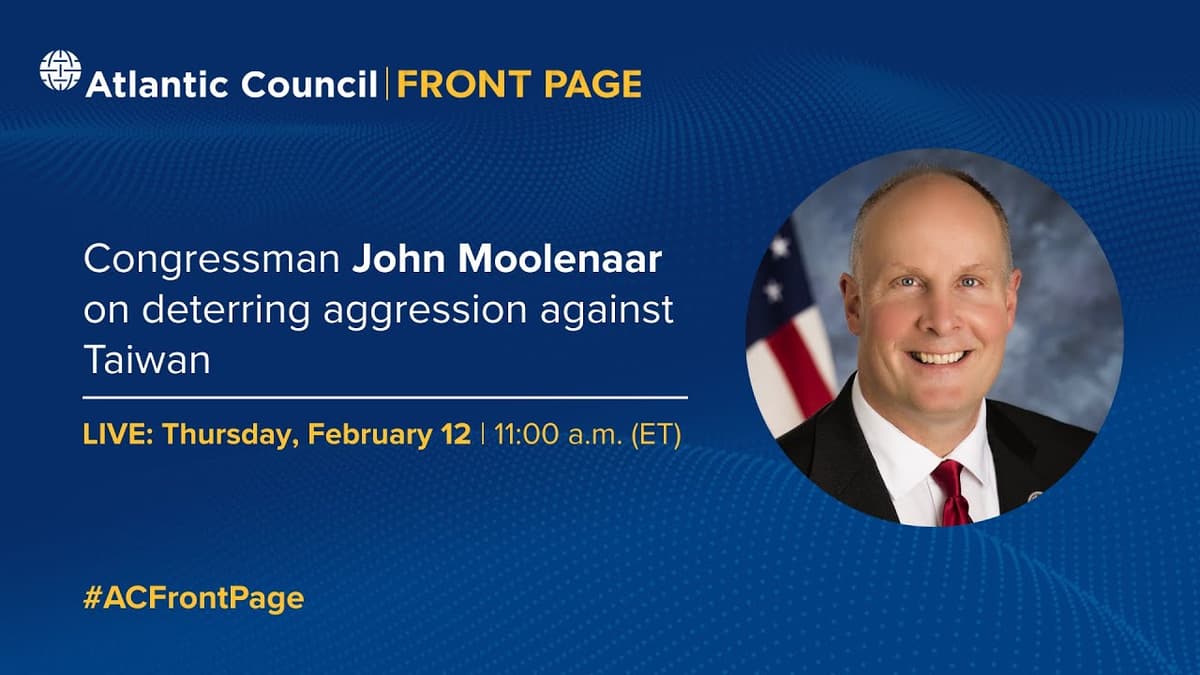
Congressman John Moolenaar on Deterring Aggression Against Taiwan
Congressman John Moolenaar told an Atlantic Council audience that deterring a Chinese attack on Taiwan is a top U.S. national‑security priority. He highlighted a new bipartisan House Select Committee report that outlines how Beijing’s goal to forcefully annex Taiwan by...
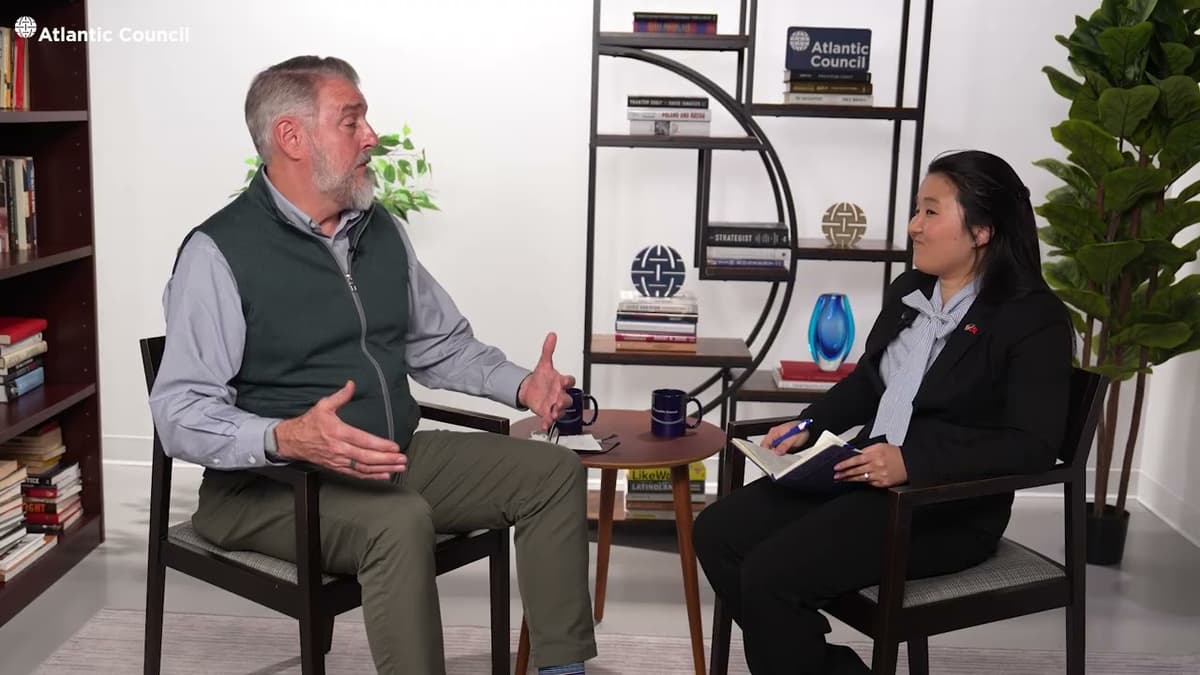
He Predicted War with China in 2025. Now Retired Gen. Minihan Discusses Why It Hasn't Happened—Yet.
Retired four‑star General Mike Minahan sat down with the Atlantic Council’s Indo‑Pacific Security Initiative to explain a 2023 internal memo that famously warned, “I hope I’m wrong, but I think we will fight in 2025.” The document, drafted after he took...
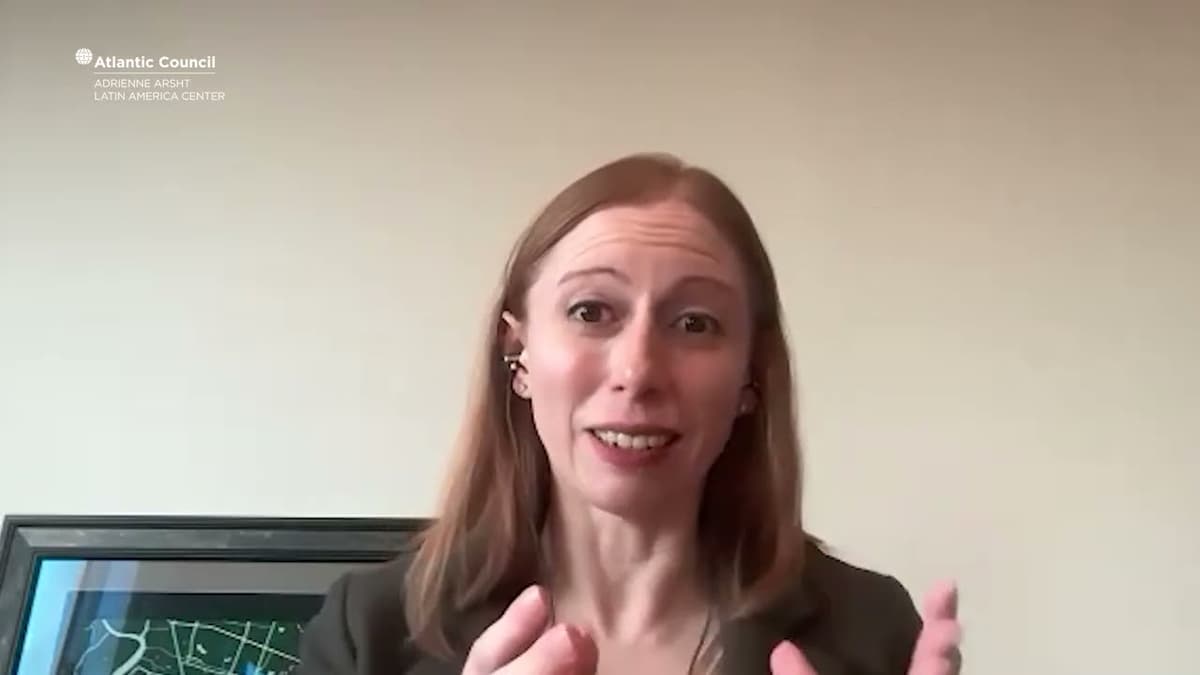
China and Latin America, Explained: A Conversation with Samantha Custer
The episode examines why Latin America and the Caribbean have turned to Chinese investment, featuring development‑finance expert Samantha Kuster. She outlines how China’s credit lines and policy‑bank lending have grown dramatically, with Beijing financing roughly 3,300 projects worth $33 billion since...
Kroenig on NPR on Iran
Atlantic Council vice‑president and Scowcroft Center senior director Matthew Kroenig appeared on NPR on Feb. 11 to discuss the Trump administration’s ongoing negotiations with Iran. He outlined the limited progress of back‑channel talks aimed at reviving a nuclear agreement and highlighted...
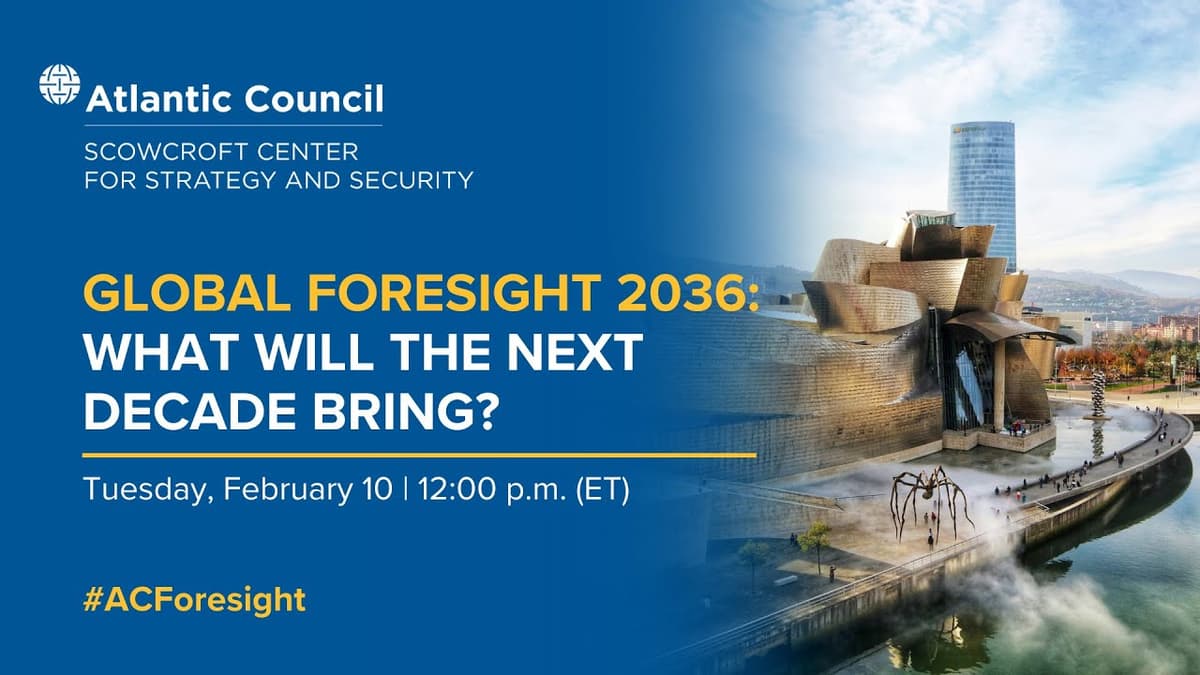
Global Foresight 2036: What Will the Next Decade Bring?
The Atlantic Council unveiled its fifth annual Global Foresight 2036 report, a multi‑component effort that combines a survey of roughly 450 geostrategists from 72 countries, a series of “snow leopard” under‑the‑radar trends, and a new video series on artificial intelligence....

Is a Dollar Vibe Shift Under Way?
The Atlantic Council’s GeoEconomics Center podcast explores whether a sustained dollar depreciation is emerging. Host Dan McDowell explains how a weaker greenback could reshape U.S. trade balances, investment flows, and national‑security calculations. The discussion highlights potential benefits for exporters alongside higher...
Global Foresight 2036: Forecasting with Artificial Intelligence
The video “Global Foresight 2036” uses ChatGPT to illustrate how artificial‑intelligence tools synthesize expert forecasts about two high‑impact scenarios: the likelihood of a major war in the next ten years and the arrival of artificial general intelligence by 2036. Analysts surveyed...

Mining Corridors as Catalysts: Building on the Lobito Model
In December 2025 the United States and the Democratic Republic of Congo signed a strategic partnership that gives Washington preferential access to Congolese mineral deposits. The article argues that the next step is building logistics corridors, using the Lobito Corridor—linking...
Global Foresight 2036
The Atlantic Council’s Scowcroft Center released Global Foresight 2036, its fifth strategic‑foresight report. Drawing on a survey of nearly 450 geostrategists and foresight practitioners, the paper outlines a ten‑year vision across geopolitics, the global economy, technology, and Earth systems. It highlights...
AI and the Future
Three years after ChatGPT's debut, Atlantic Council experts caution that current AI, built on large language models, excels at pattern‑based tasks but lacks true predictive power for complex geopolitical outcomes. They highlight AI's probabilistic nature, limited ability to generate new...
Welcome to 2036: What the World Could Look Like in Ten Years, According to Nearly 450 Experts
An Atlantic Council survey of 447 experts from 72 nations paints a bleak picture of the world in 2036. Most respondents expect China to become the top economic power, while the United States retains military superiority, creating a bipolar or...
Kroenig on School of War Podcast on Nuclear Weapons
On February 9, Atlantic Council senior director Matthew Kroenig appeared on the School of War podcast to discuss China’s rapidly expanding nuclear arsenal. He highlighted recent Chinese test activities and the pace at which Beijing is increasing warhead counts and delivery...
How 2025’s US Tariff Shocks Can Give Way to Constructive Reforms in 2026
The Trump administration’s 2025 trade strategy oscillated between aggressive, unpredictable tariff threats and a quieter push for long‑standing trade objectives. While high tariffs and threats destabilized markets, the administration began issuing exemptions and rolled back many threats, stabilizing tariff levels...
Kroenig on BBC on US Escalating Pressure Against Cuba
Atlantic Council vice‑president Matthew Kroenig appeared on the BBC on February 8 to discuss the United States’ intensifying pressure on the Cuban regime. He outlined a multi‑pronged strategy that includes expanded sanctions, diplomatic isolation, and support for civil‑society actors. Kroenig emphasized...

Mining without Rules: The Risky US Bet on the Deep Sea
In April 2025 President Trump issued an executive order authorizing U.S. companies to mine critical minerals in international waters, directly contravening the United Nations Convention on the Law of the Sea (UNCLOS). The move aims to secure rare‑earth supplies amid...
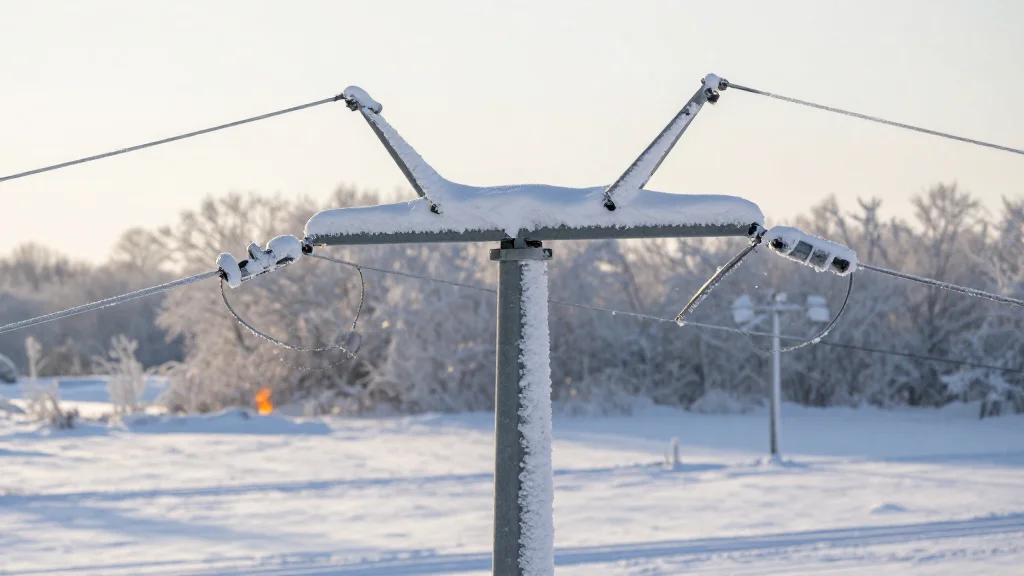
Death by Cold: Russia Is Attempting to Freeze Millions of Ukrainian Civilians
Russia has intensified a winter bombing campaign that systematically strikes Ukraine’s power plants, transmission lines, and heating infrastructure, leaving millions without essential energy amid sub‑zero temperatures. Analysts label the strategy a modern "kholodomor," echoing the Soviet‑era famine, and argue it...
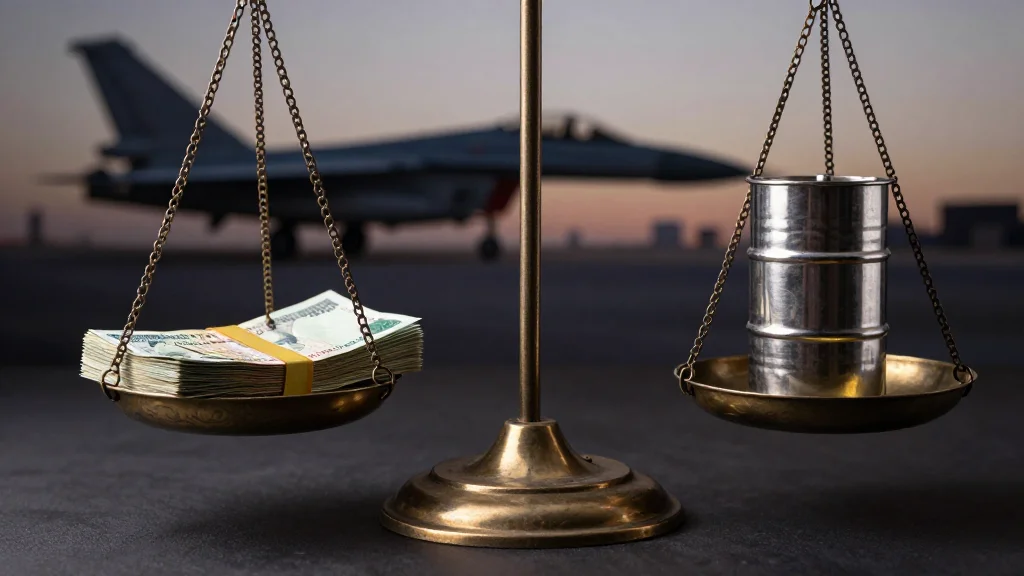
Iran Can Still Normalize Its Economy—But the Path Will Be Painful and Slow
Iran’s inflation, hovering around 20% and spiking above 40% during sanctions, has become a structural feature of its macro‑economy. The country’s fragmented exchange‑rate system, fiscal deficits financed by the central bank, and dominant state‑linked enterprises perpetuate price pressures. Analysts argue...
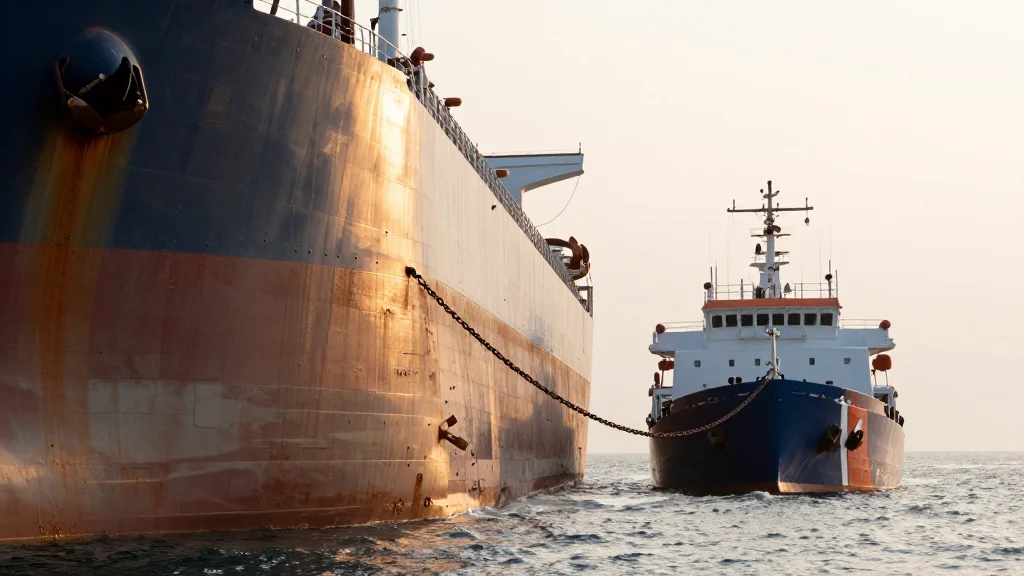
When Economic Warfare Meets Gunboat Diplomacy: What to Know About the US Seizures of Shadow Fleet Tankers
U.S. authorities have seized at least seven tankers linked to Venezuela’s shadow fleet, part of a broader push to disrupt illicit oil flows from Iran, Russia and Venezuela. The seizures rely on civil forfeiture statutes rather than wartime prize law,...
Charai for The Jerusalem Strategic Tribune: Yemen Is Not a Gulf Rivalry—It Is a Test of Whether Extremism Can Be...
Charai argues that the Yemen conflict should be viewed less as a Saudi‑UAE versus Iran Gulf rivalry and more as a litmus test for the international community's ability to contain extremist movements. He highlights that the war’s primary driver is...
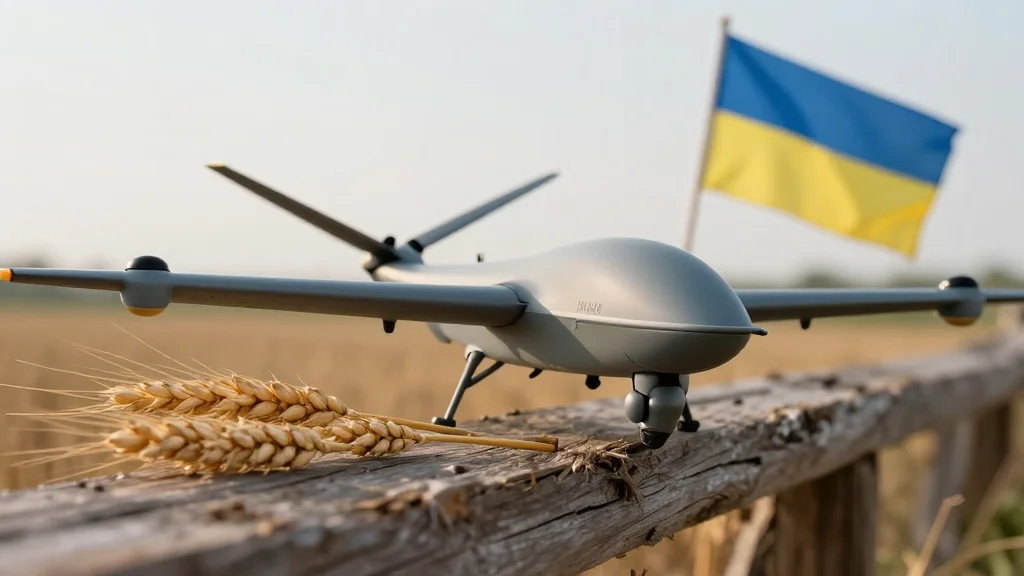
Yevgeniya Gaber Joins Ukrainian State News Agency “Ukrinform” To Discuss the Evolution of Turkey-Ukraine Bilateral Relations
Yevgeniya Gaber, a senior fellow at the Atlantic Council, has joined Ukraine’s state news agency Ukrinform to provide expert commentary on the evolving Turkey‑Ukraine relationship. She emphasizes how Turkey’s strategic calculus balances its ties to Russia with its growing economic...

Sweden’s Role in Countering Hybrid Threats in the Baltic Sea Region
Sweden’s accession to NATO has closed the strategic gap in the Baltic Sea, but Russia continues to exploit sub‑threshold hybrid tactics that target critical undersea infrastructure. The alliance’s conventional superiority does not automatically translate into deterrence against sabotage, GPS jamming,...

Andrew Peek Joins Atlantic Council’s Adrienne Arsht National Security Resilience Initiative as Inaugural Director
Andrew Peek has been appointed the inaugural director of the Atlantic Council’s Adrienne Arsht National Security Resilience Initiative, housed within the Scowcroft Center for Strategy and Security. In this role he will steer efforts to embed resilience as a core pillar...

Memo to the President: Steps to Secure a Prosperous, US-Aligned Venezuela
Following the January 3 capture of Nicolás Maduro, a memo authored by former U.S. officials outlines a roadmap for Washington to steer Venezuela toward a prosperous, U.S.-aligned future. It calls for immediate benchmarks on human‑rights reforms, dismantling of paramilitary groups, and...