News•Mar 10, 2026
Has the EU Found a ‘Magic Bullet’ to Its Enlargement Conundrum or a New Distraction?
EU foreign policy chief Kaja Kallas urged faster enlargement, calling it an antidote to Russian aggression. Member states remain cautious, fearing that admitting poorer, less democratic candidates could erode unanimity‑based decision‑making. Brussels is debating a two‑tier EU where new members would forfeit veto rights while retaining market access and funding, with Albania and Montenegro leading the fast‑track. Meanwhile, Western Balkan leaders push for limited EU economic integration without full institutional rights, raising questions about the bloc’s credibility.
By Atlantic Council – All Content
News•Mar 9, 2026
Fighting Mercenaries: A Ukrainian Soldier’s Perspective
In the Guns for Hire podcast, Ukrainian drone pilot Dimko Zhluktenko explains how his unit counters Russian Shahed drones and adapts to a war where procurement cycles run in weeks. He highlights the psychological strain of facing waves of expendable...
By Atlantic Council – All Content
News•Mar 9, 2026
New START Might Be Dead, but Legally Binding Arms Control Isn’t
The New START treaty lapsed in February 2026, leaving a void in the U.S.-Russia nuclear framework. Analysts argue that arms‑control remains vital for managing great‑power competition, even as Russia and China resist engagement. A pragmatic U.S.-Russia proposal emphasizes inspections, data...
By Atlantic Council – All Content
News•Mar 6, 2026
Inside Trump’s Long-Term Economic Strategy, with EXIM Bank’s John Jovanovic
John Jovanovic, chairman of the U.S. Export‑Import Bank, outlined a long‑term economic agenda that aligns with former President Trump’s focus on export resilience and strategic stockpiles. He detailed Project Vault, a demand‑driven critical‑mineral reserve designed to curb just‑in‑time vulnerabilities. Jovanovic also...
By Atlantic Council – All Content
News•Mar 6, 2026
Hajjar Chemali Interviewed on CNN Discussing the Growing Economic Collapse Inside Iran
In a recent CNN interview, political analyst Hajjar Chemali warned that Iran’s economy is spiraling toward collapse. He highlighted hyperinflation, a depreciating rial, and shrinking oil revenues as core drivers. Chemali also noted rising unemployment and mounting public unrest as...
By Atlantic Council – All Content
News•Mar 6, 2026
How the White House’s Plan B on Tariffs Can Give It All the Trade Leverage It Needs
The Supreme Court’s February 20 decision barred the president from imposing tariffs under the International Emergency Economic Powers Act, ending the Trump administration’s primary trade‑leverage tool. Until that ruling, the administration had clinched eight reciprocal trade agreements and ten framework deals...
By Atlantic Council – All Content
News•Mar 5, 2026
The Renminbi Is Winning over Africa—But Can It Rival the Dollar?
The US dollar still dominates Africa’s trade, finance and debt, but China’s renminbi is gaining traction. African policymakers have launched the Pan‑African Payment and Settlement System (PAPSS) to enable local‑currency cross‑border payments, yet adoption remains modest. Since 2024, renminbi usage...
By Atlantic Council – All Content
News•Mar 5, 2026
Enforce Sanctions to Prevent Russia From Benefitting in a Prolonged Iran Crisis
The United States and its allies are warning that the Iran‑Israel conflict could lift oil prices to $80‑plus per barrel, creating a lucrative window for Russia’s sanctioned oil stockpiles. Russia, facing dwindling revenues after years of sanctions, now eyes the...
By Atlantic Council – All Content
News•Mar 4, 2026
Temnycky in Real Clear Defense on the Impact of Russia’s Full-Scale Invasion on US and European Security
Mark Temnycky argues that Russia’s full‑scale invasion of Ukraine has shattered the post‑Cold War security paradigm in Europe, forcing the United States and its allies to re‑arm and rethink deterrence strategies. He warns that the policy choices made by Washington,...
By Atlantic Council – All Content
News•Mar 4, 2026
Kroenig Quoted in The New York Times on US Policy in Iran
The New York Times quoted Atlantic Council senior director Matthew Kroenig on March 3, revealing that President Trump is expected to favor a rapid, limited operation in Iran rather than a drawn‑out conflict. Kroenig, a nuclear strategy expert, said the administration aims to...
By Atlantic Council – All Content
News•Mar 4, 2026
Kroenig on Reagan Institute Podcast on US Policy Toward Iran
On March 3, Atlantic Council vice‑president and Scowcroft Center senior director Matthew Kroenig appeared on the Reagan Institute podcast to discuss U.S. policy toward Iran. He examined the tension between preemptive military options and diplomatic engagement amid Tehran’s nuclear advancements and...
By Atlantic Council – All Content

News•Mar 3, 2026
#AtlanticDebrief – What’s in Store for the Three Seas Summit? | A Debrief From Amb. Romana Vlahutin
The Atlantic Council’s #AtlanticDebrief interview with Croatia’s Special Envoy Romana Vlahutin outlines the agenda for the 2026 Three Seas Summit in Dubrovnik. Senior Fellow Ian Brzezinski and Vlahutin discuss how the summit will focus on strategic connectivity, energy diversification, and...
By Atlantic Council – All Content

News•Mar 3, 2026
How a Crisis over a Stockpile of Uranium Created an Opening for US Reengagement in Niger
The failed December 7, 2025 coup in Benin has left Niger’s military government even more isolated, sharpening a diplomatic opening for Washington. Niger’s junta seized roughly 1,000 tons of uranium yellowcake from French firm Orano, but legal rulings and transit obstacles have frozen...
By Atlantic Council – All Content
News•Mar 3, 2026
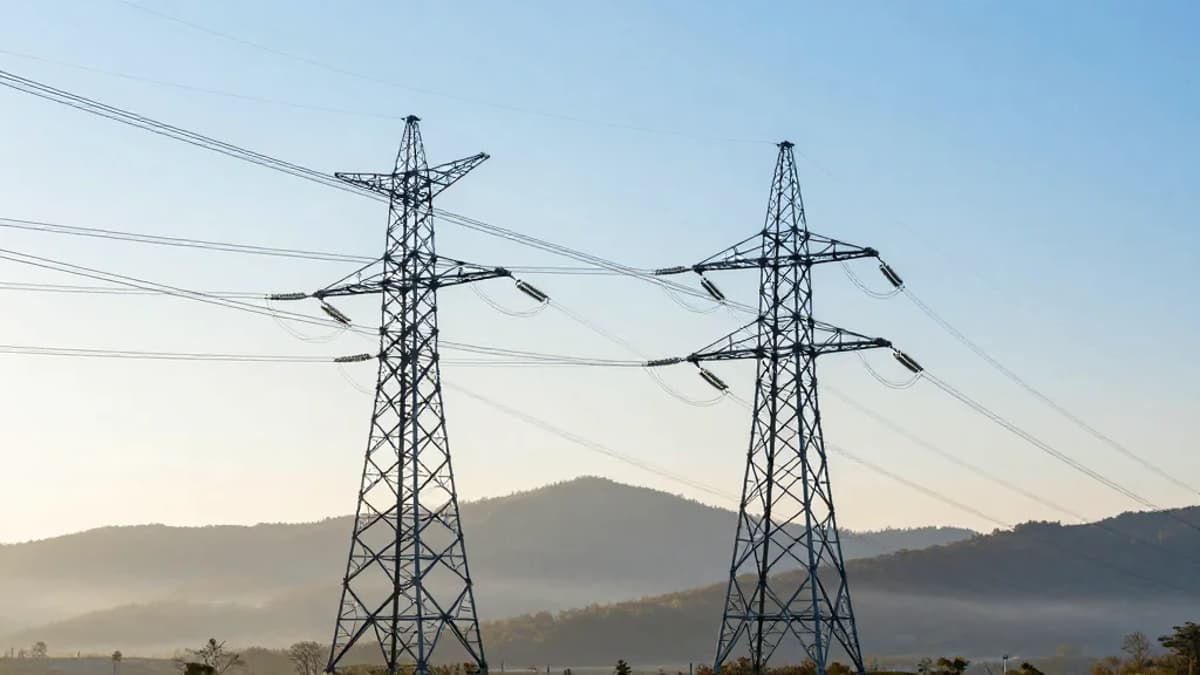
Expanding Transmission Infrastructure to Achieve Low-Cost, Reliable, and Abundant Energy
U.S. electricity demand is surging, driven by data centers and electrification, but transmission construction has stalled, dropping from 1,700 miles per year (2010‑14) to just 350 miles (2020‑23). The report identifies four key barriers—cumbersome permitting, aging infrastructure costs, siloed utility...
By Atlantic Council – All Content
News•Mar 3, 2026
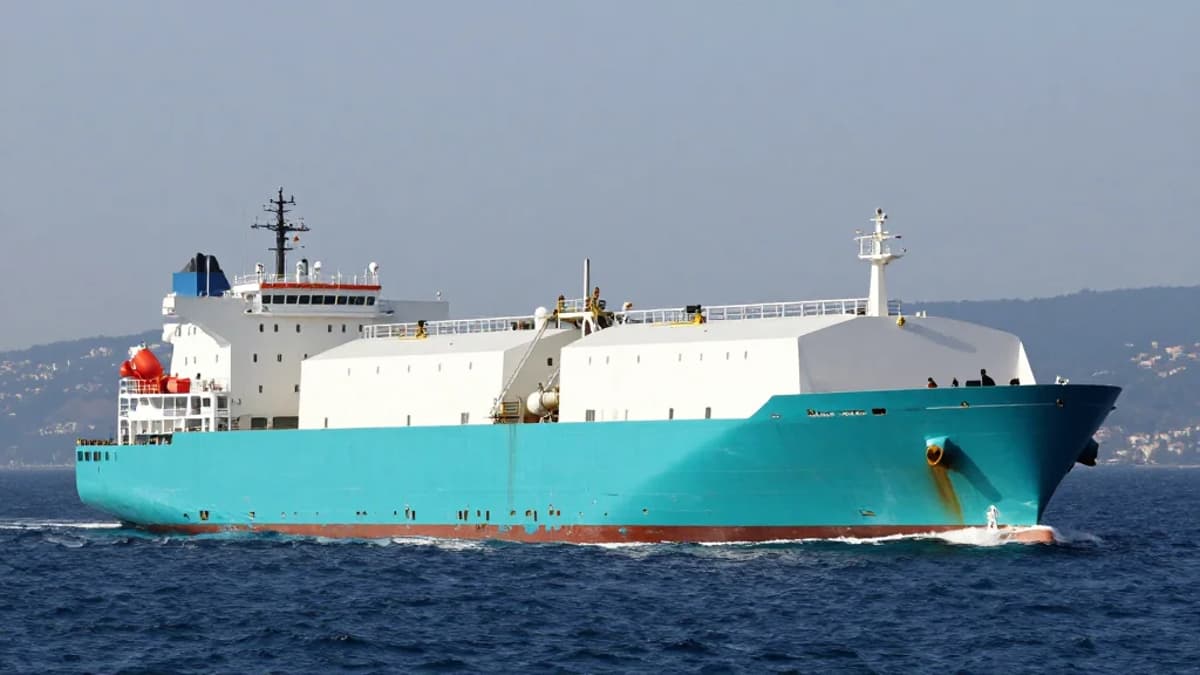
Turkey’s Gas Diversification Strategy and Rising Share of LNG
Since Turkey’s 2016 energy policy, the country has transformed from a pipeline‑dependent gas importer to a diversified market anchored by rapid LNG expansion. Regasification capacity rose fivefold to 150 million cubic metres per day, driven by a fleet of FSRUs that...
By Atlantic Council – All Content