
The 2025 Africa Cup of Nations Was an Economic Success. Here’s How Other Tournaments Can Replicate It.
The 2025 Africa Cup of Nations in Morocco generated commercial revenue that was 90 percent higher than the 2023 edition, driven by record‑breaking broadcast agreements and sponsorships. CAF’s commercial model proved that a predictable tournament can attract sizable private investment, contrasting with the largely government‑funded African Games in Ghana and the African Nations Championship in Algeria. The article argues that many African sport bodies lack dedicated commercial arms, limiting their ability to secure similar deals. It proposes a United African Sports Committee to unify CAF, ANOCA and AUSC efforts and replicate AFCON’s success across future events.

Atlantic Council Commission on AI Lays a Roadmap for US Leadership in the Age of AI
The Atlantic Council Commission on AI released a comprehensive roadmap to secure U.S. leadership in artificial intelligence. It outlines a six‑domain strategy—innovation, talent, governance, supply chain, energy, and allies—anchored by seven cross‑cutting imperatives such as public trust, holistic ecosystem management,...
Powering AI
U.S. AI ambitions now hinge on a reliable electricity supply as larger models and expanding data‑center workloads push power demand sharply upward. The grid is aging—over half of coal plants and many transformers date back to the 1970s—and the United...
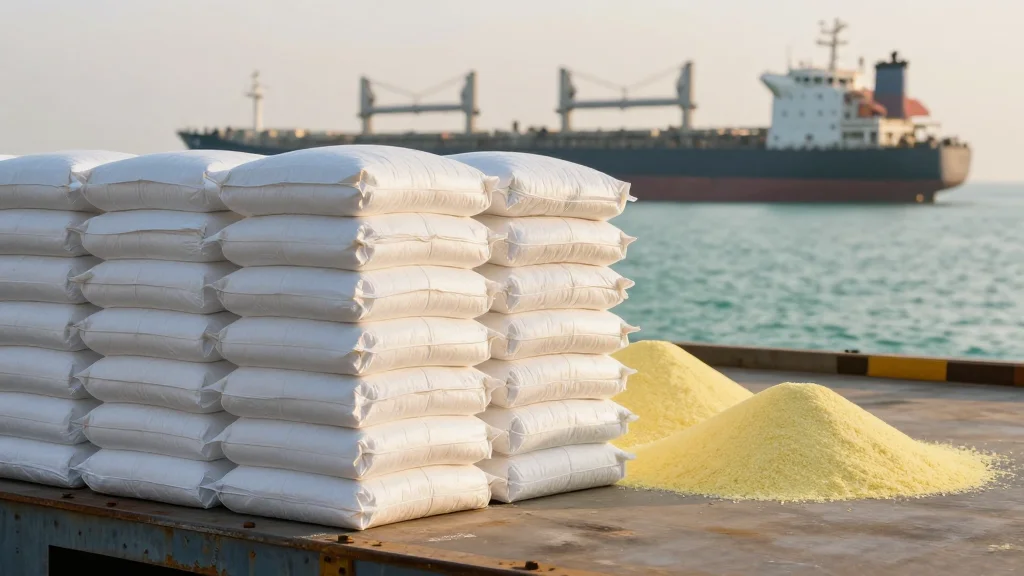
How the US Can Use Its Natural Gas Abundance to Ease Rising Fertilizer Prices
The Iran‑Iran conflict has choked the Strait of Hormuz, removing roughly 50% of the world’s traded sulfur and 36% of urea from the market, sparking a cascade of fertilizer price spikes. U.S. benchmark ammonia and urea prices have risen over...
Can the EU’s Mutual-Defense Clause Replace NATO’s Article 5?
Amid growing U.S. military disengagement, the EU is moving to operationalize its mutual‑defense clause, Article 42.7, through simulations and policy planning. While the clause cannot replace NATO’s Article 5 due to institutional and capability gaps, it offers a complementary tool for European...

The Race for Madagascar Has Already Started
Madagascar’s October 2025 coup and subsequent power reshuffle have thrust the island into a geopolitical spotlight. The nation sits on sizable deposits of nickel, cobalt, graphite and other critical minerals essential for modern technologies. Russia has deepened ties, providing weapons, training...
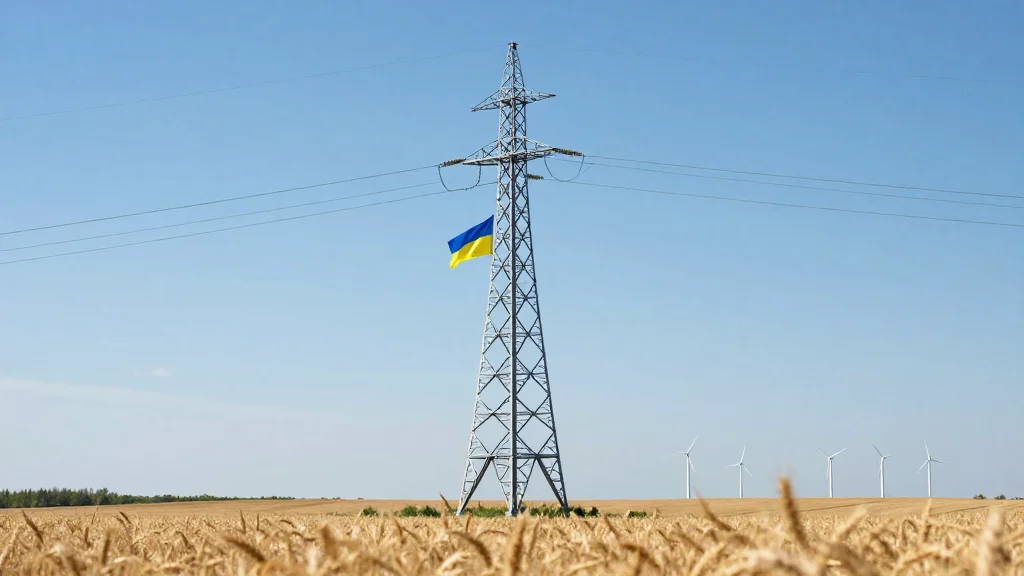
Ukraine’s Legacy Grid and Wartime Agility Could Help Answer Europe’s Energy Problem
Ukraine’s aging Soviet‑built transmission network is being re‑aligned with Europe’s electricity market after a 2022 disconnection from Russia. A new legislative package integrates Ukraine’s spot market into the ENTSO‑E system, allowing surplus power to flow westward. The EU‑backed Ukraine Facility...
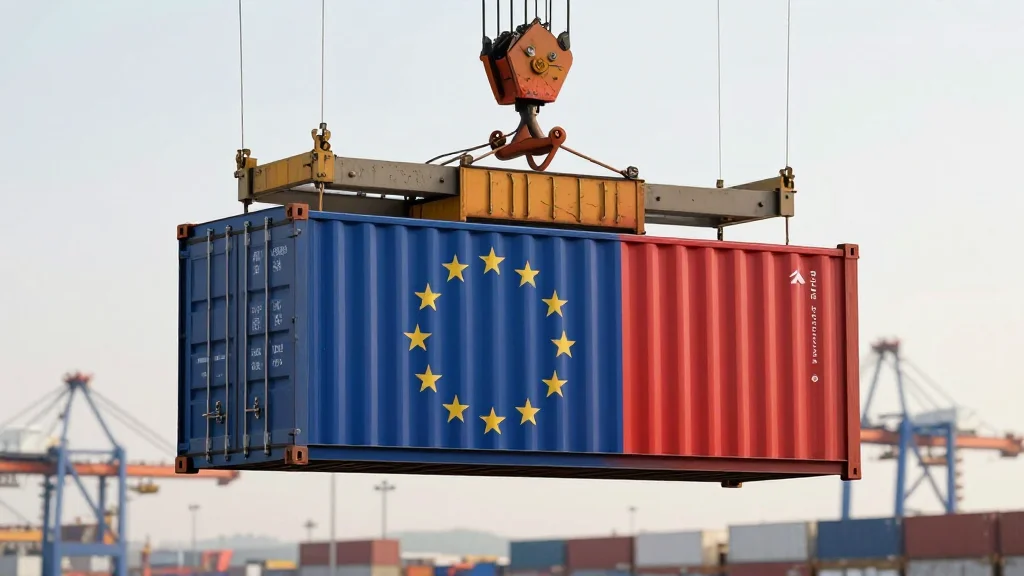
As China’s Surpluses Become Unbearable, the EU Is Edging Toward Its Own Section 301
The EU’s goods‑trade deficit with China surged to roughly $436 billion in 2022, while Chinese overcapacity continues to flood European markets. Brussels plans to roll out new economic‑security tools by September 2026, including tighter public‑procurement rules that limit any single supplier to...

Information Fires: Building C-C5ISRT Advantage in Competition
The paper argues that countering adversary C5ISRT (command, control, communications, computers, cyber, intelligence, surveillance, reconnaissance, targeting) during the competition phase is essential for U.S. deterrence. It highlights gaps in doctrine, acquisition speed, measurement, and joint integration that hinder rapid deployment...
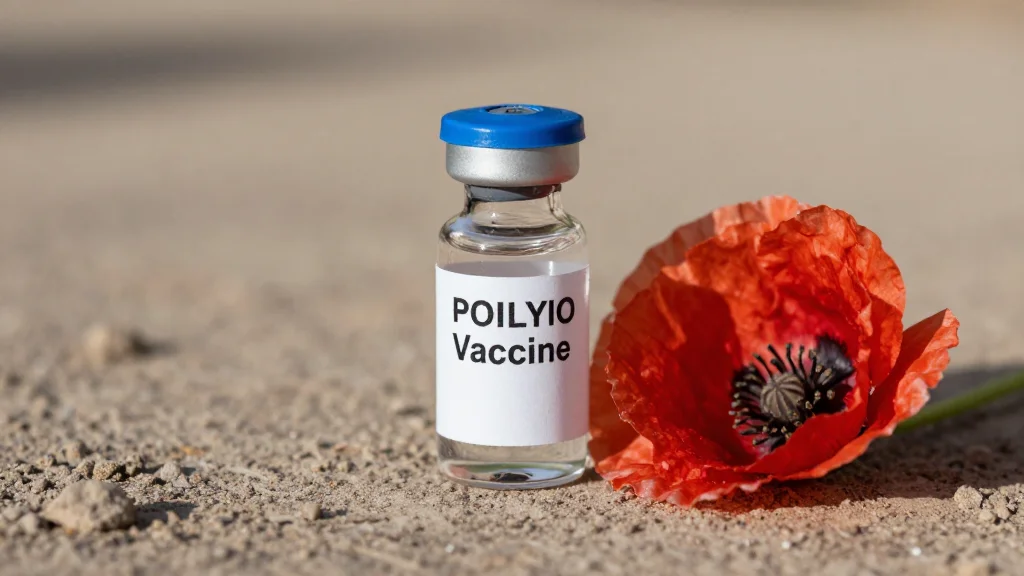
How Terrorism Imperils Pakistan’s Polio Eradication Efforts
Gunmen attacked a police escort for polio vaccinators in Hangu, Khyber Pakhtunkhwa, killing one officer and wounding four. Pakistan, one of only two polio‑endemic countries, reported three wild‑polio cases in 2026, all in high‑risk provinces that overlap with terrorist hotspots....
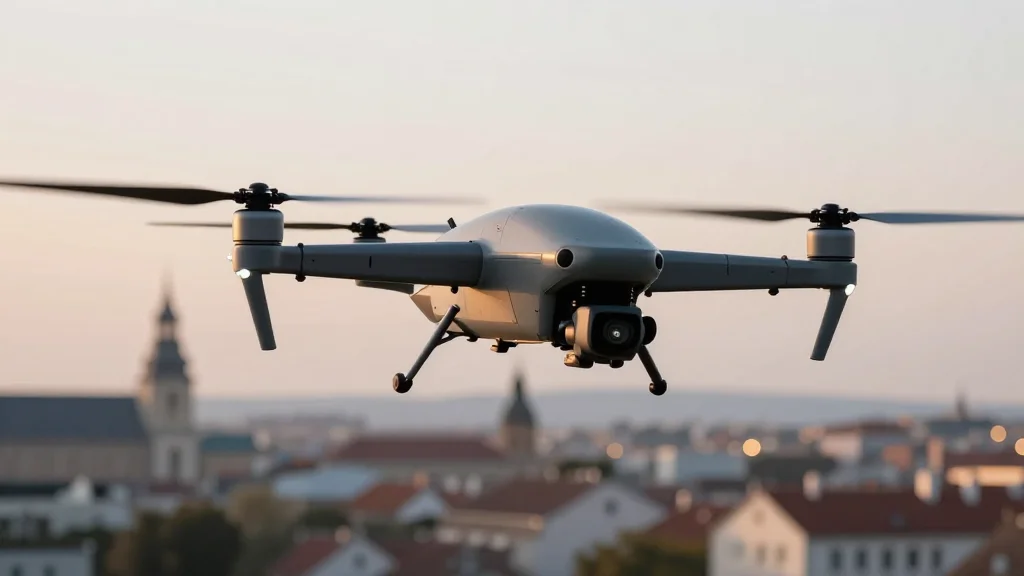
Ukraine’s Battlefield Success Should Not Lead Us to Underestimate Russia
European leaders are rapidly boosting defense budgets and forging security pacts, warning that Russia remains a growing threat. Peter Dickinson argues that Ukraine’s remarkable resistance should not be taken as evidence of Russian weakness, because Moscow has rebuilt a larger,...
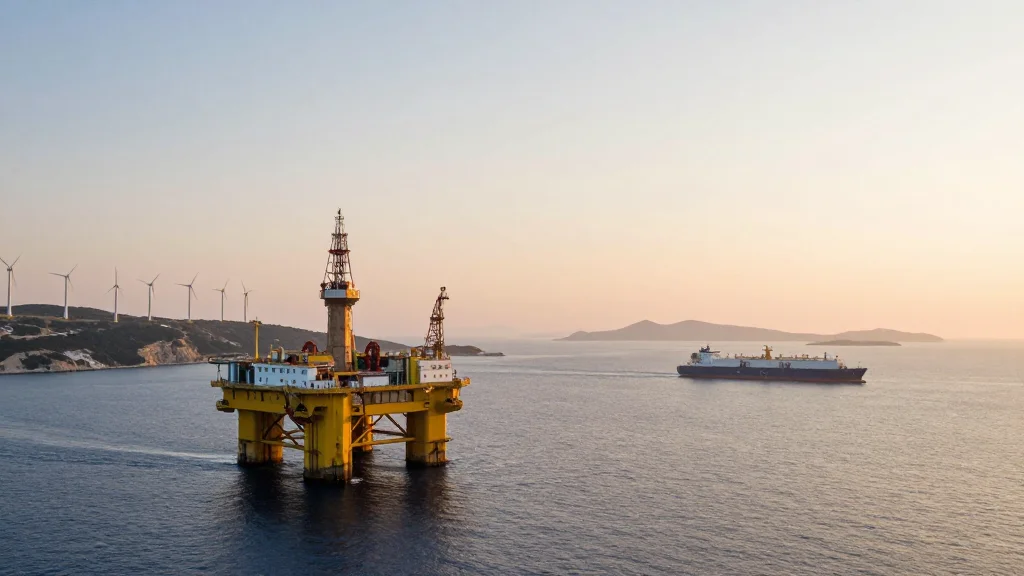
Greece’s Energy Realism: A Bridge for Transatlantic Energy Cooperation
Greece is positioning itself as a strategic energy bridge through four initiatives: reviving offshore hydrocarbon exploration, expanding renewables to over half of electricity generation, building the Vertical Corridor LNG hub, and deepening the 3+1 partnership with Cyprus, Israel and the...
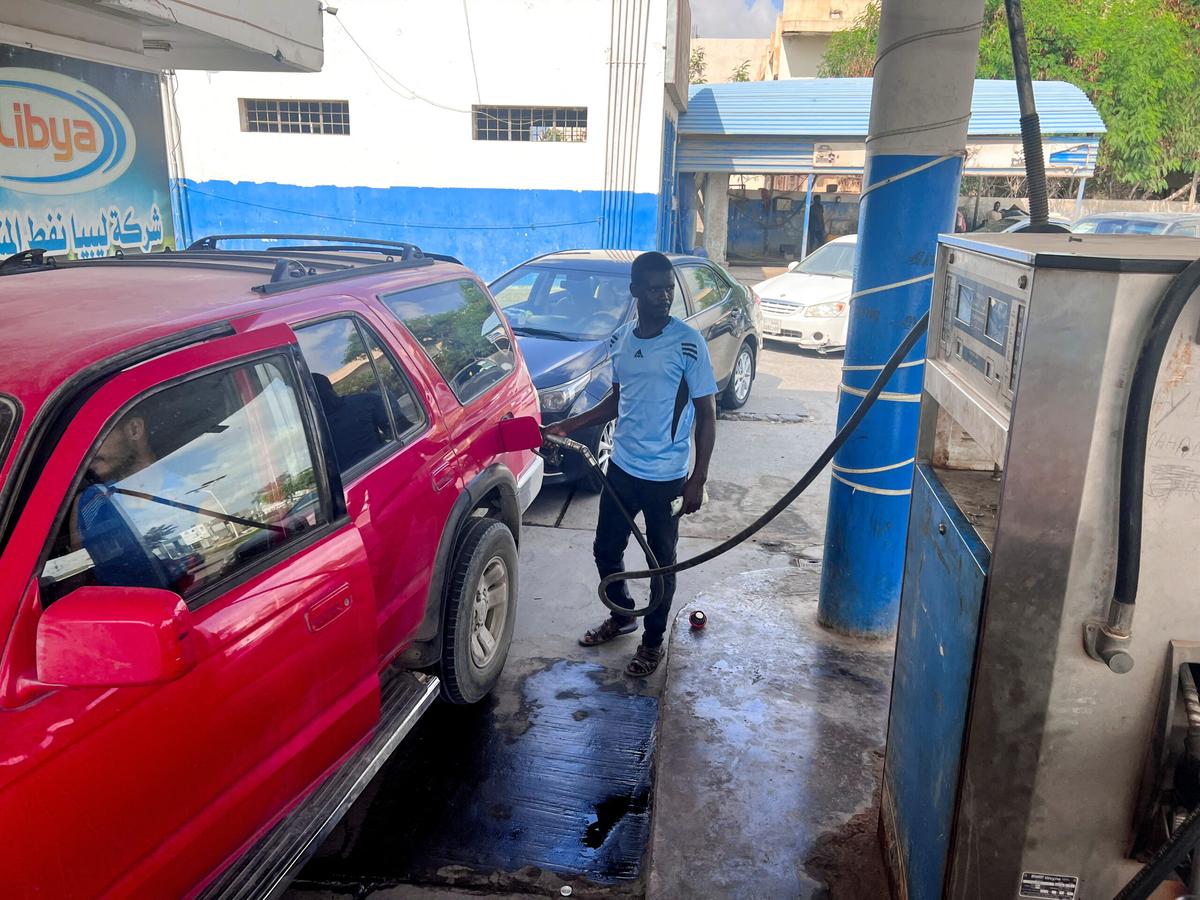
An Oil Windfall Will Not Fix Libya’s Economy
Libya’s oil output hit a ten‑year high of 1.4 million barrels per day, with a target of 1.6 million bpd by end‑2026, while Brent crude hovers around $100. Despite the revenue surge, the dinar’s double devaluation this year has driven a 27.7%...
Chhangani’s Research Featured in a Financial Times Article on the Uptick in Transaction Value Settled on CIPS in March Amidst...
A Financial Times article highlighted a sharp rise in transaction value settled on China’s Cross‑Border Interbank Payment System (CIPS) in March, citing research by Dr. Rohan Chhangani of the Atlantic Council. The data shows a 28% year‑over‑year increase, bringing total...

Lipsky Cited in a New York Times Article on the Specter of Trump’s Tariffs over G7 Ministers Meeting.
At a recent G7 finance ministers’ summit, officials warned that former President Donald Trump could re‑impose tariffs on imported oil and related products, reviving trade tensions that lingered after his 2024 exit. The New York Times cited Atlantic Council expert Josh Lipsky,...
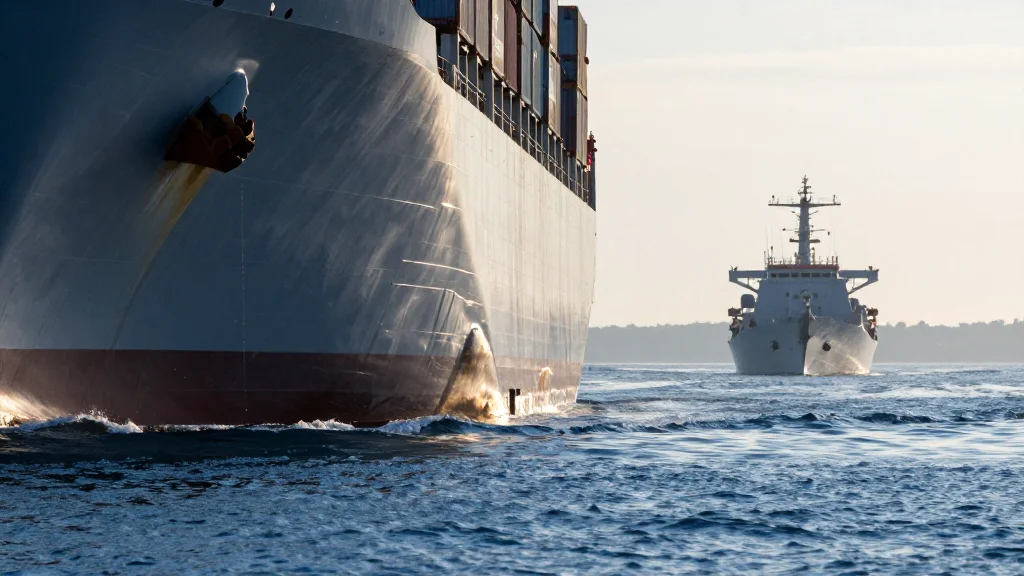
Braw in Future on the Risk to Seafarers in the Strait of Hormuz
Elisabeth Braw, a senior fellow at the Transatlantic Security Initiative, released a briefing on the escalating risk to seafarers navigating the Strait of Hormuz. She argues that heightened geopolitical tension and the threat of mines are disrupting commercial traffic and...
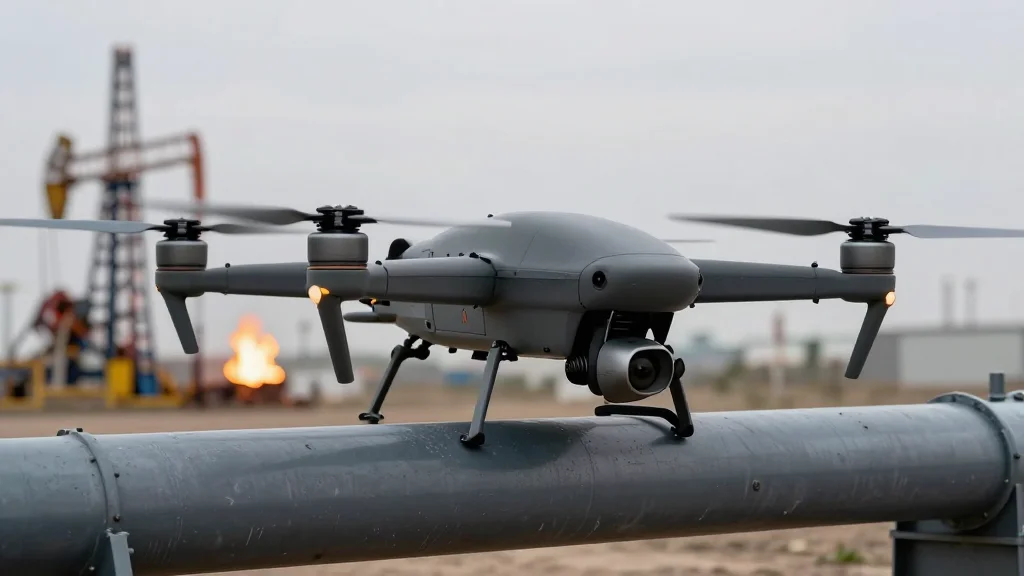
The Iran Problem Won’t Be Solved without a Counter-Drone Coalition
After a 40‑day bombing campaign by the United States and Israel, Iran shifted to an asymmetric strategy, using cheap drones and missile attacks on Gulf energy facilities and the Strait of Hormuz to impose economic pressure. The Iranian drone swarm...
Wieslander in Swedish Media During NATO Helsingborg Meeting
Anna Wieslander, Director for Northern Europe, appeared on three Swedish programs after the NATO Foreign Ministers' meeting in Helsingborg. She highlighted the U.S.–Sweden Technology Prosperity Deal, noted the meeting’s calm tone but lack of major decisions, and stressed the need...
Golden Dome Needs a Price Tag and a Clear Objective to Succeed
The Congressional Budget Office estimates the Golden Dome for America missile‑defense program will cost about $1.2 trillion, far higher than the Pentagon’s $185 billion figure. The system relies heavily on space‑based interceptors, which the CBO says could require thousands of units and...

As Russian Losses Mount in Ukraine, Putin Seeks More Foreign Fighters
The Kremlin announced plans to enlist at least 18,500 foreign fighters in 2026, a sharp increase from the roughly 27,000 foreigners who have already joined since the invasion began. Recruitment campaigns target economically vulnerable communities across the Global South, using...
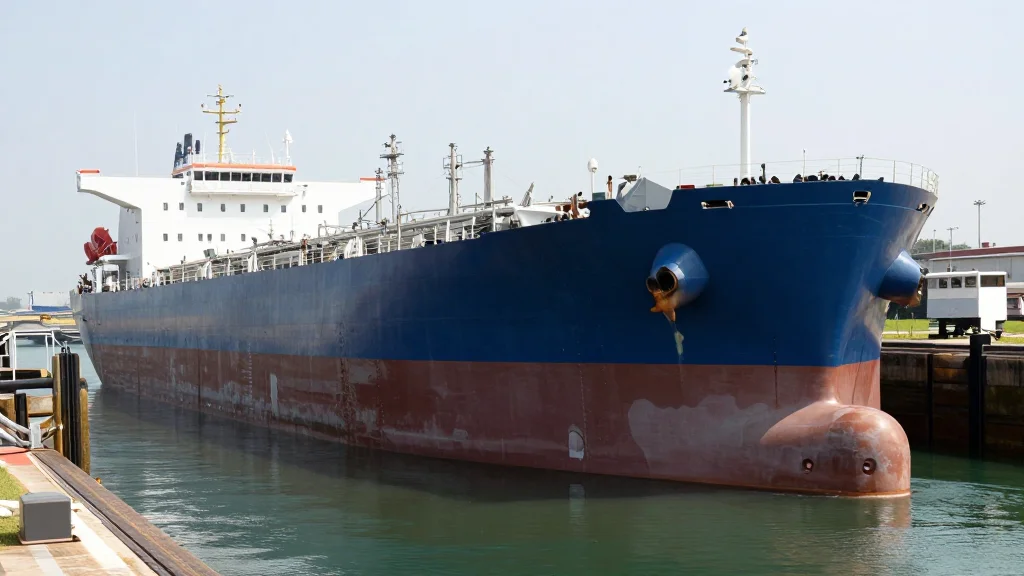
With the Strait of Hormuz Closed, the Panama Canal Is Busier than Ever. It Should Use This Windfall Wisely.
The closure of the Strait of Hormuz has forced shippers to reroute vessels through the Panama Canal, boosting daily transits by roughly 20% to as many as 41 ships on peak days. Energy‑carrying tankers are the primary drivers, pushing auction...

Energy Sanctions Dashboard: October 2025
The Atlantic Council’s Energy Sanctions Dashboard shows that U.S. sanctions on Russia, Iran and Venezuela have removed millions of barrels per day from global markets between 2014 and 2025, while China has become the chief destination for the remaining crude....
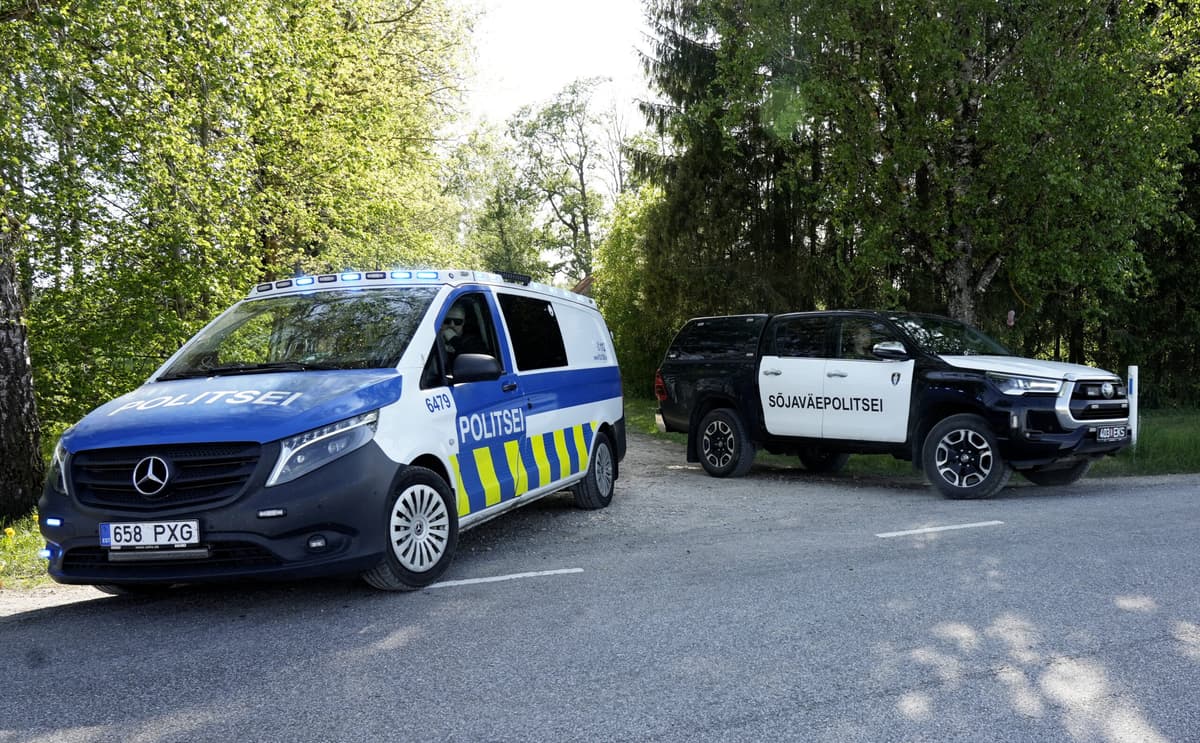
How Russia Exploits Drone Incursions in the Baltics—And How to Respond
A Romanian F‑16 downed a drone over Estonia as Lithuania and Latvia scrambled after similar incursions, marking a surge of stray UAVs in the Baltic airspace since March. The drones are largely Ukrainian assets that have been jammed or rerouted...

The Global Push for Local-Currency Cross-Border Payments Is Intensifying
The adoption of instant payment systems (IPS) and ISO 20022 messaging is accelerating worldwide, with more than 100 nations now operating fast‑payment networks. Regional projects such as China’s CIPS, the BIS‑led Nexus hub, ASEAN’s cross‑border QR framework, Brazil’s Pix links, and...

A Demand-Driven Energy Transition
Clean energy now often costs less than new fossil generation, yet U.S. grids face a backlog of over a terawatt of renewable projects awaiting interconnection. Accelerating electricity demand—driven by AI data centers, electric transport, and industrial electrification—has outpaced infrastructure capacity,...

Responsibility Is the Surest Path to Resilience in the Minerals Age
Rohitesh Dhawan, ICMM CEO, warns that the emerging Minerals Age will be defined by soaring demand for copper, lithium, nickel and other critical minerals as the world shifts to electrification, AI and heightened geopolitical rivalry. Supply chains are fragile: China...
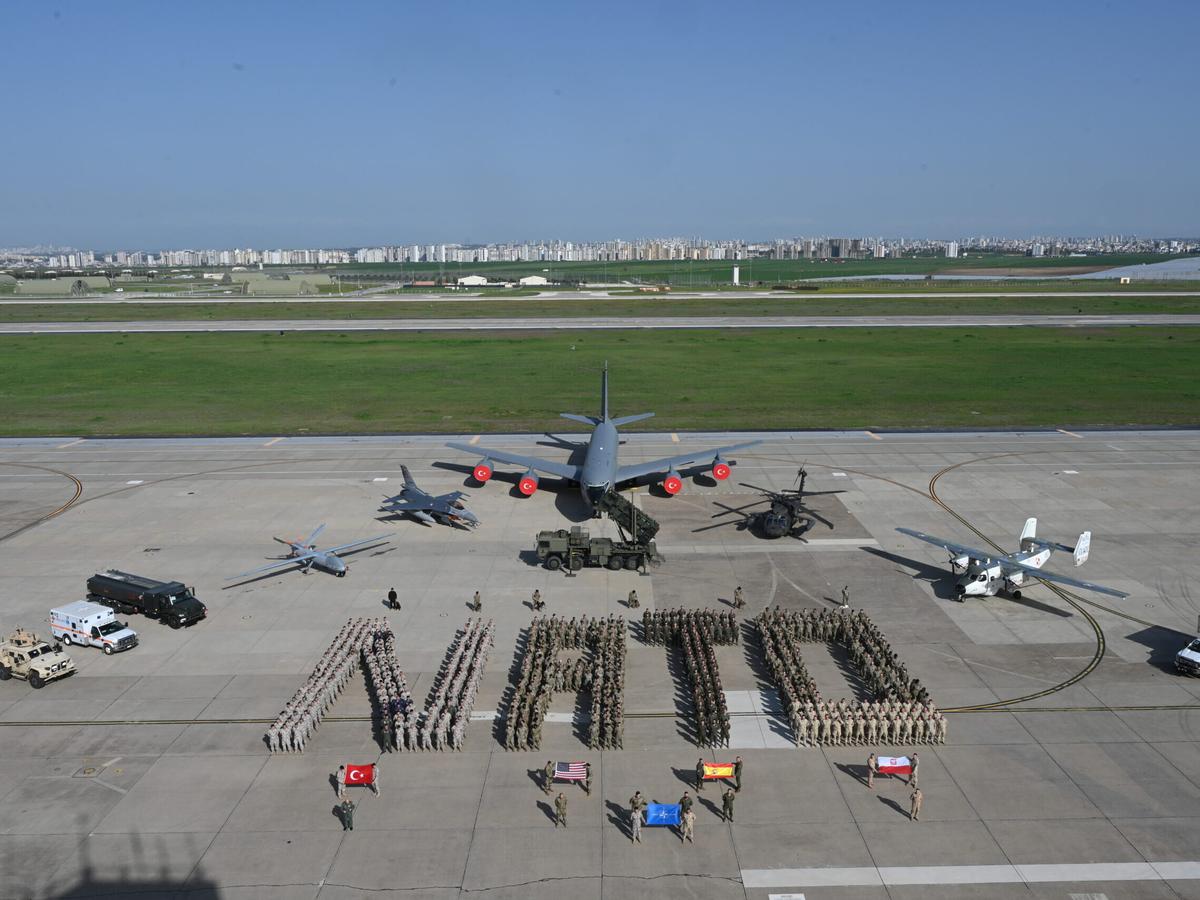
The Future of European Nuclear Deterrence—And Turkey’s Role in It
European leaders are revisiting a collective nuclear deterrent as Russia’s aggression and doubts about U.S. security guarantees reshape the continent’s threat landscape. France, under President Macron, is championing a “forward deterrence” concept that seeks to Europeanize its sea‑based and airborne...
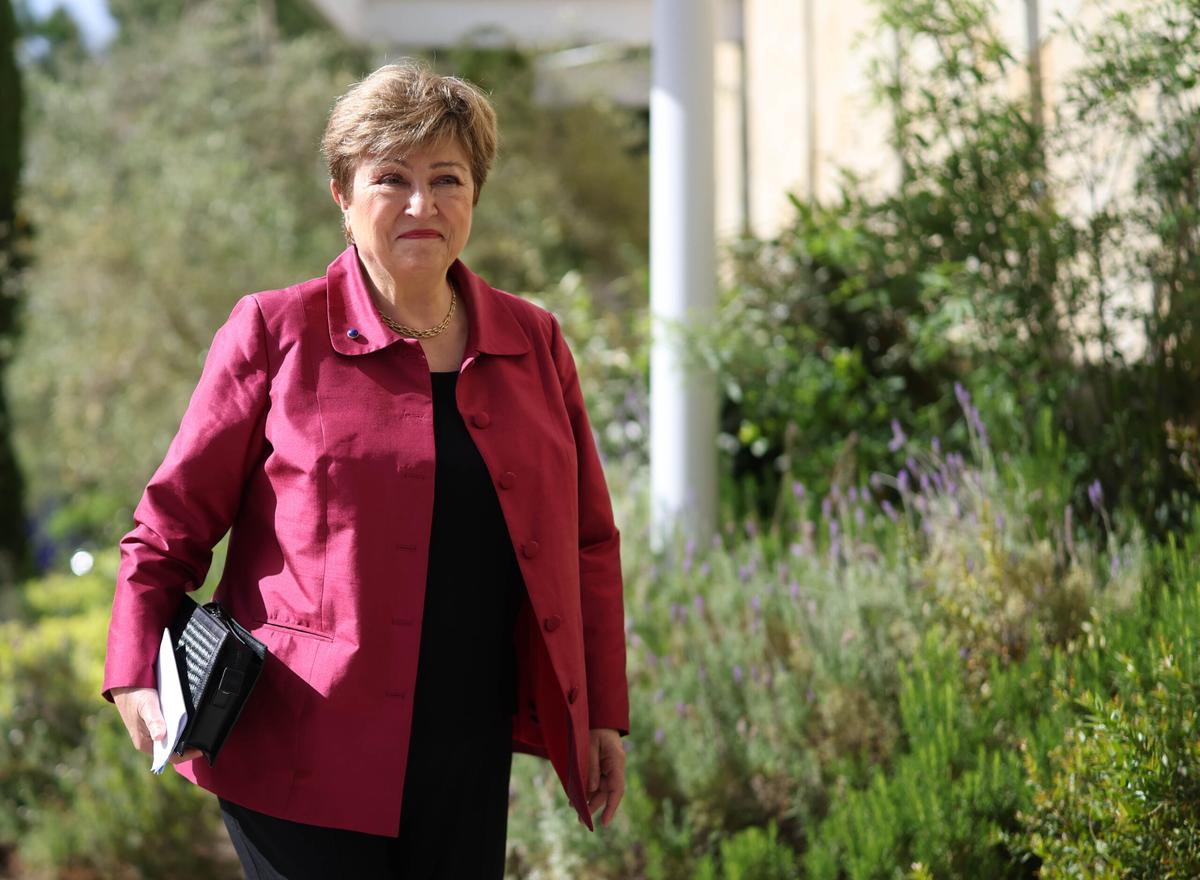
‘Numbers Are Getting Worse’: The Head of the IMF on the Iran War Shock, Inflation, AI Risks, and More
IMF Managing Director Kristalina Georgieva warned that oil prices hovering above $100 a barrel are pushing inflation, borrowing costs and financial‑stability risks higher, threatening a slowdown in global growth. She highlighted the emerging Europe‑Gulf partnership, emphasizing deeper trade, defense cooperation...
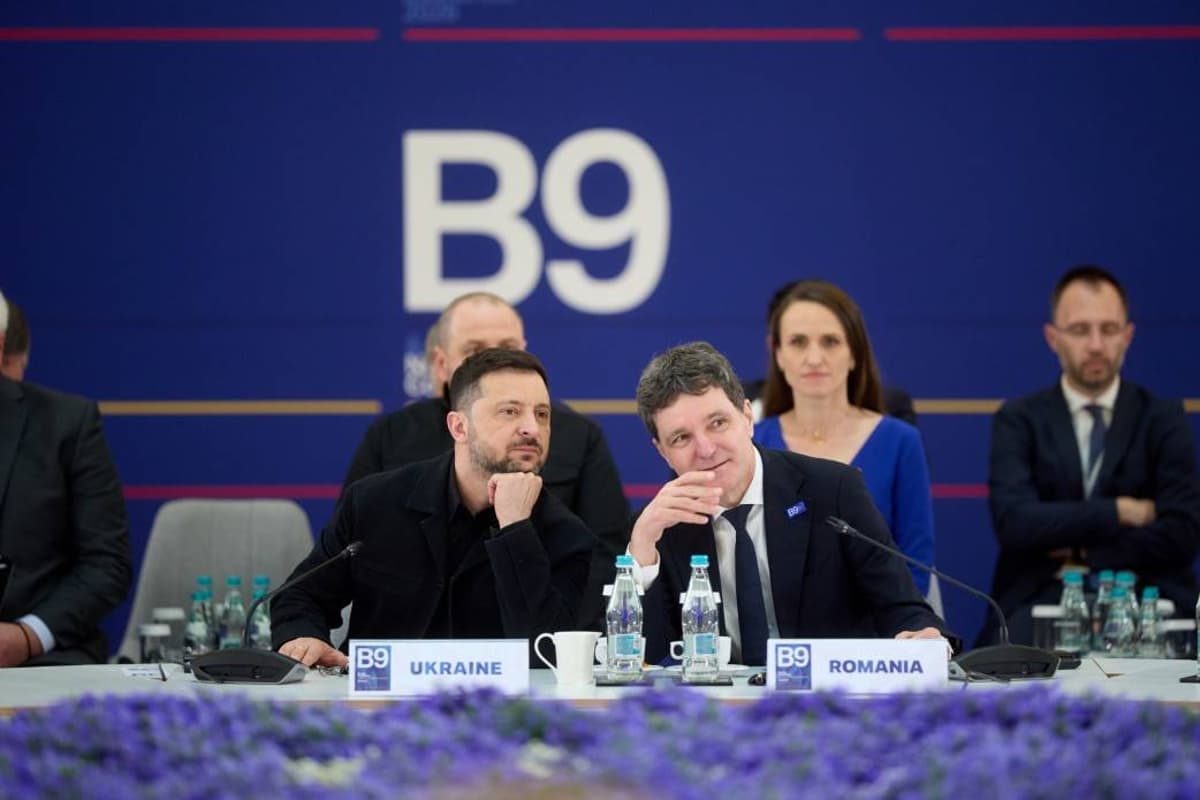
Dispatch From Bucharest: NATO’s Center of Gravity Is Shifting Eastward
The Bucharest Nine and Nordic Allies summit in Romania underscored NATO’s eastern and northern flanks as a new strategic center of gravity. Leaders from Central‑Eastern Europe, the Nordics, NATO Secretary‑General Mark Rutte and Ukraine’s President Zelenskyy called for stronger air...
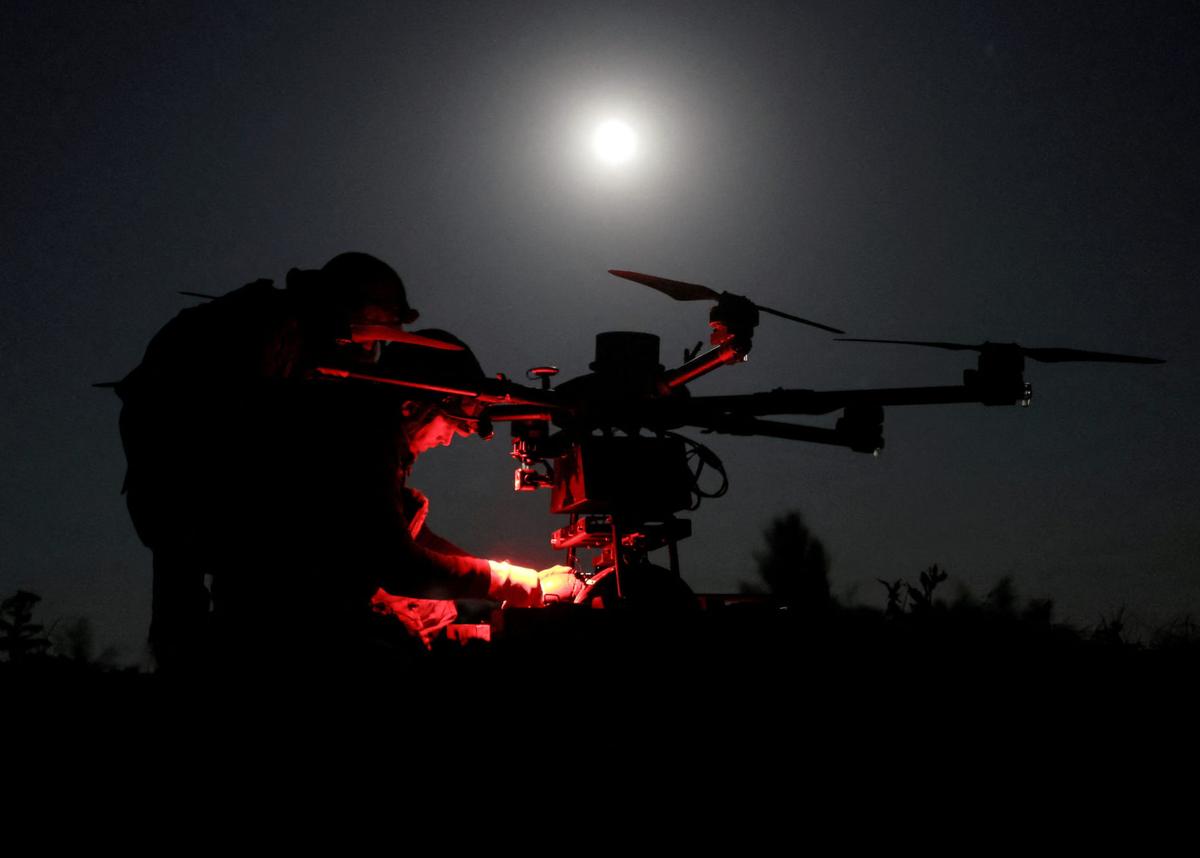
Ukraine’s Experience Can Teach Europe How to Defend Against Russia
Ukraine’s wartime adoption of drones, a dedicated Unmanned Systems Forces command, and a data‑centric combat ecosystem has turned its armed forces into a defense‑tech powerhouse. The article details the Army of Drones bonus program, the DELTA combat platform, and the...

Hackers Using AI Just Found a ‘Zero-Day.’ The Spyware Industry Is Watching.
Google disclosed that hackers for the first time employed artificial intelligence to locate and weaponize a zero‑day vulnerability that could bypass two‑factor authentication across its services. The breakthrough collapses the traditional cost, time and expertise barriers to zero‑day development, a...

After the Iran War, the Gulf’s Next Economic Phase Awaits
The Atlantic Council warns that after the Iran‑related conflict, GCC nations must rebuild growth by shifting from oil‑centric models to diversified economies. Disruptions to the Strait of Hormuz highlighted the vulnerability of crude, LNG and chemicals flows, while sovereign wealth...

The Impacts of the Iranian Crisis on Japan’s Energy Strategy
The February 28 US‑Israeli strike on Iran sent shockwaves through global energy markets, raising prices and testing supply chains. Japan, despite importing the bulk of its fossil fuels, weathered the crisis better than most Asian peers thanks to sizable crude‑oil reserves,...
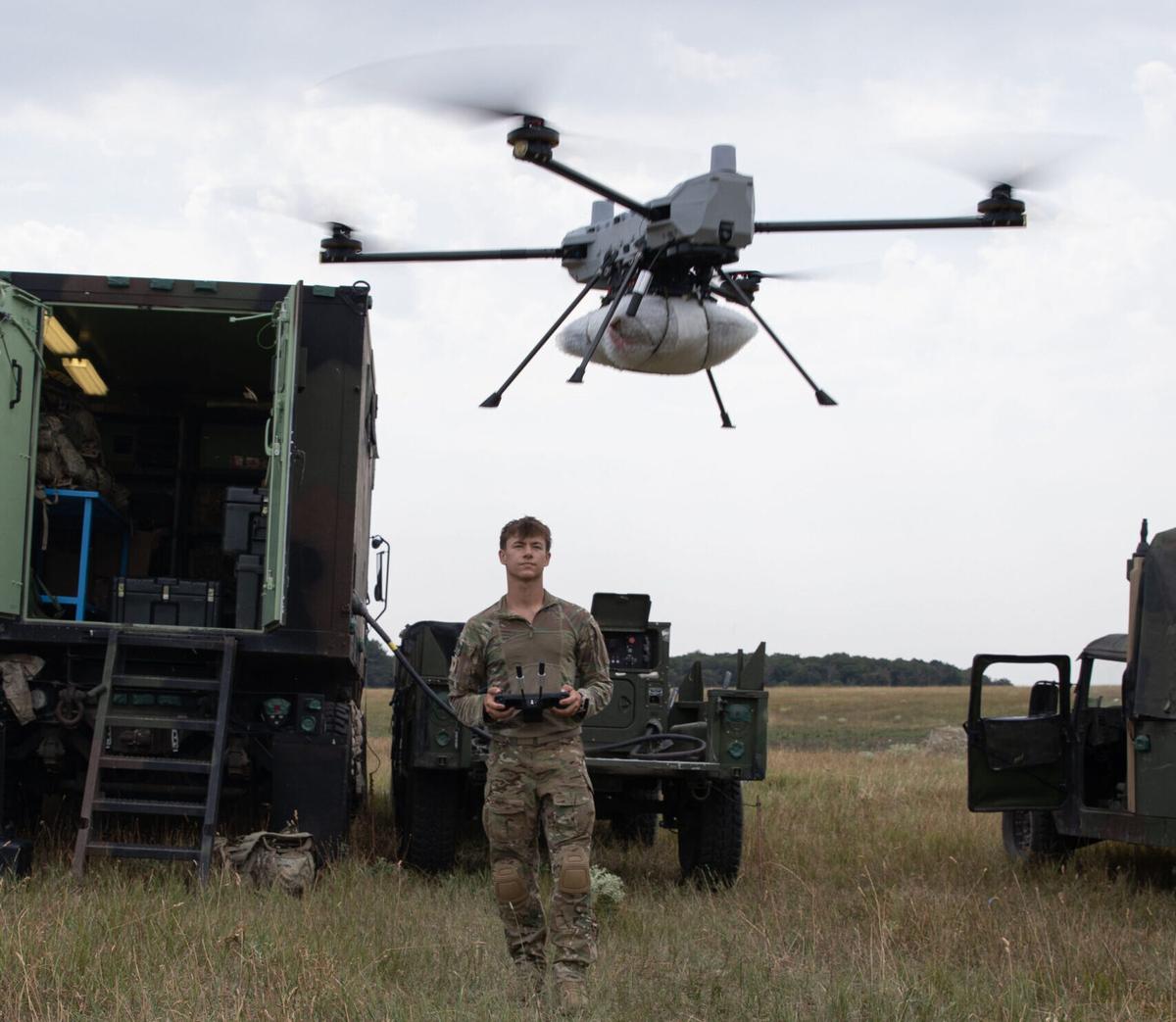
The US Needs a Comprehensive Batteries Strategy to Ensure Its Battlefield Edge
U.S. defense experts warn that China now dominates more than 80% of global battery cell production and 98% of lithium‑iron‑phosphate cathodes, giving Beijing a strategic edge in dual‑use technologies. They call for a comprehensive national battery strategy that prioritizes breakthrough...
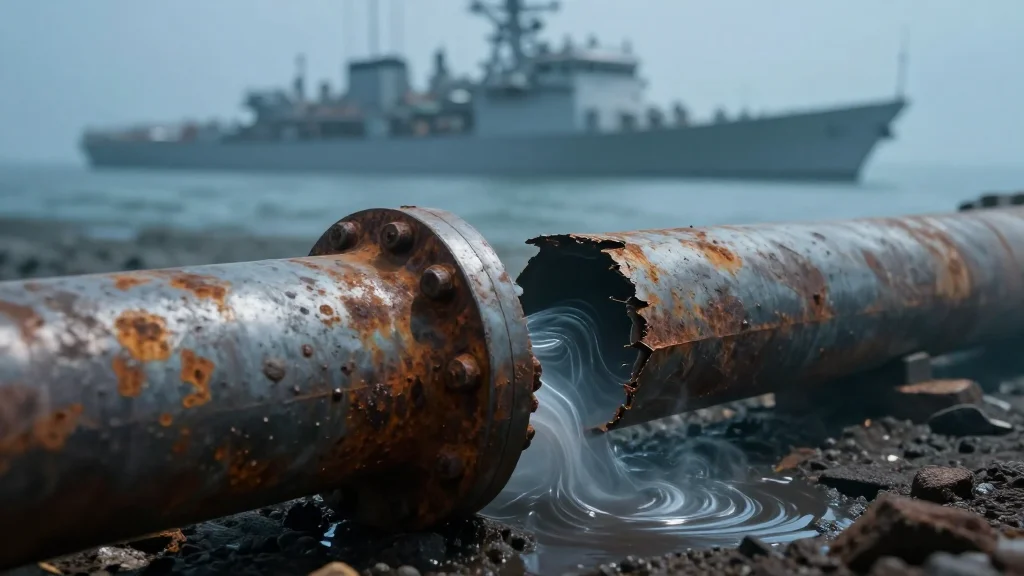
Braw in Prospect on What Constitutes an Act of War
Elisabeth Braw, senior fellow at the Transatlantic Security Initiative, published a Prospect piece on May 18 2024 examining how international law defines an act of war. The article uses the ongoing Nord Stream pipeline sabotage trial and the liability of its insurers as...

A Connected Threat Needs a Connected Framework
The April‑8 cease‑fire in the US‑Iran conflict left the Strait of Hormuz partially closed and damaged Qatar's Ras Laffan LNG complex, with repairs expected to take three to five years. The disruption rippled through maritime insurance, sanctions, fertilizer feedstocks, helium for...

Kroenig and Marine Published in the Bulletin of the Atomic Scientists
Matthew Kroenig and Alyxandra Marine, senior fellows at the Atlantic Council, authored a piece in the *Bulletin of the Atomic Scientists* urging the United States to lead a new trilateral arms‑control framework. The authors argue that a three‑party pact—most plausibly...

How Gulf Investments Are Responding to the US-China Critical Minerals Competition
The United States is intensifying its focus on critical minerals, launching initiatives like FORGE and Project Vault to curb Chinese dominance in the Democratic Republic of Congo (DRC). Gulf sovereign‑wealth funds—UAE’s ADQ, Qatar Investment Authority, and Saudi Arabia’s PIF—are pouring billions...
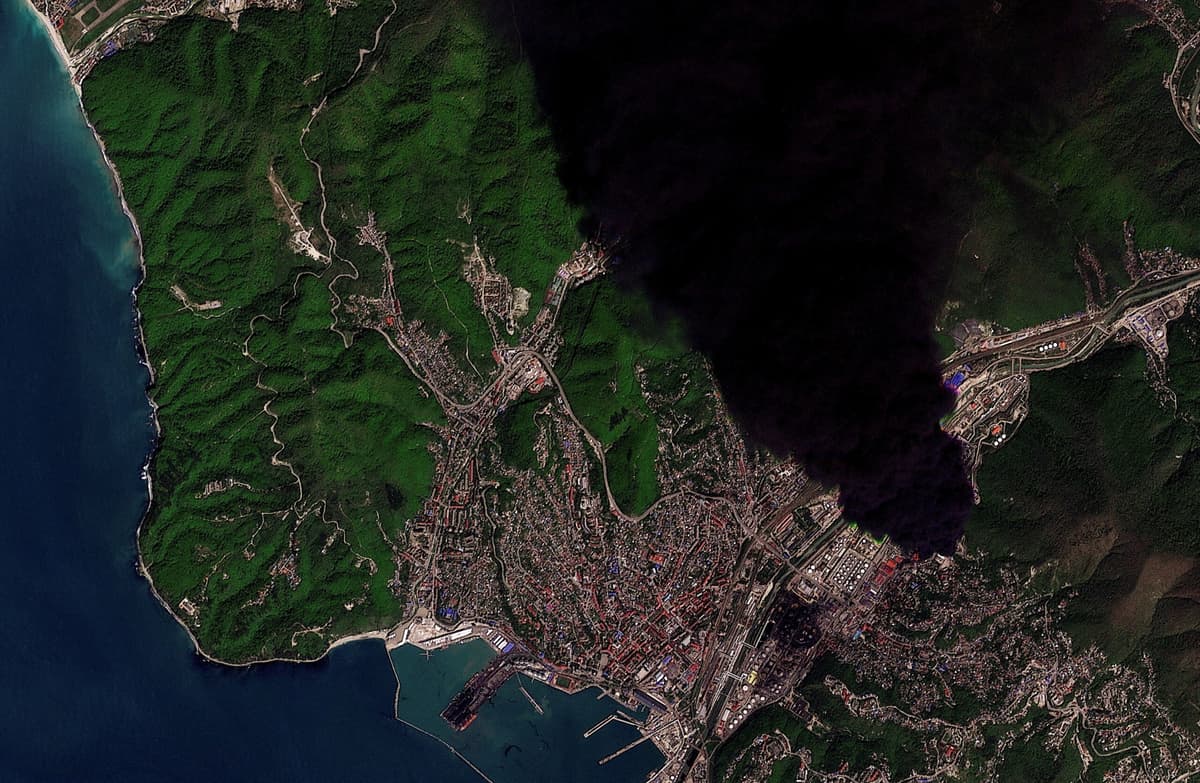
Ukrainian Long-Range Drones Are Turning Russia’s Size Into a Weakness
Ukraine has shifted its war strategy toward deep‑strike operations, deploying domestically produced long‑range drones and cruise missiles that can reach targets over a thousand kilometres inside Russia. The upgraded arsenal now threatens roughly a quarter of Russia’s territory and more...
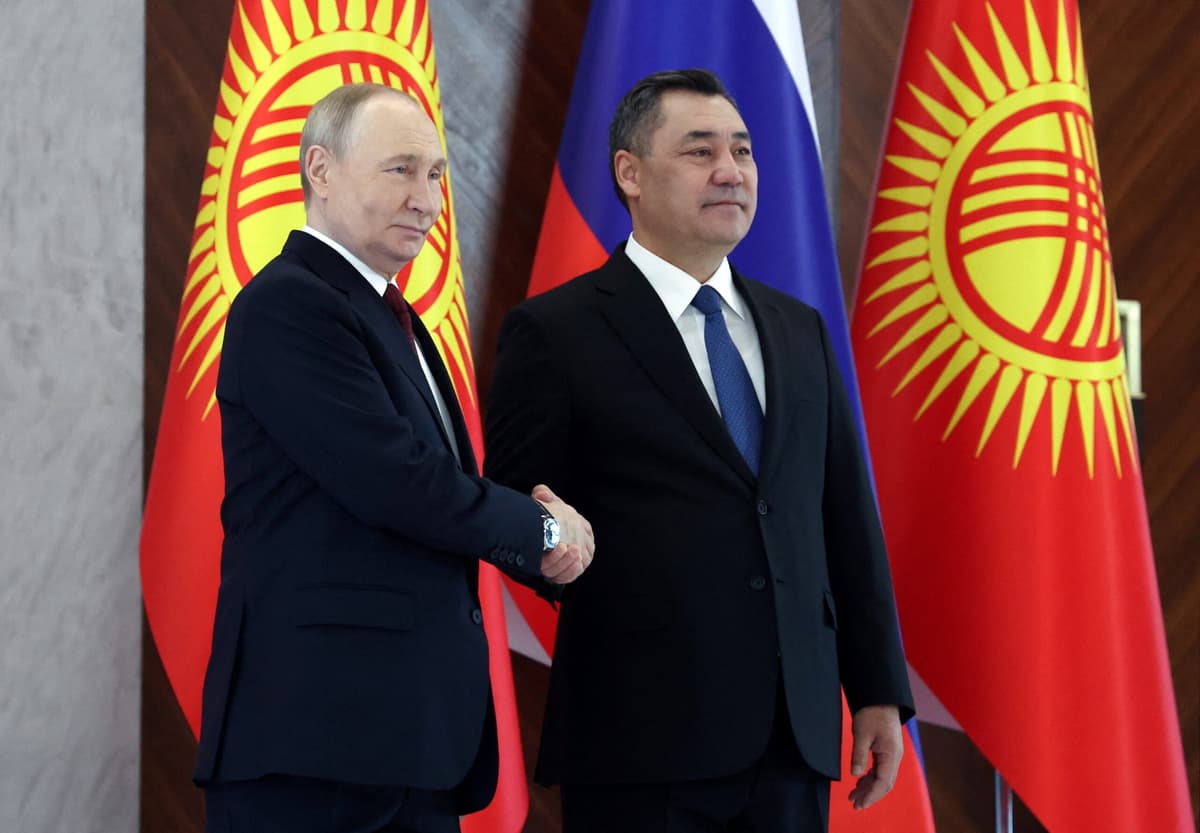
EU Targets Kyrgyzstan as Brussels Seeks to Prevent Russian Sanctions Evasion
The European Union has deployed its new anti‑circumvention tools to sanction Kyrgyzstan, banning the export of computer numerical control machines and other dual‑use technologies. EU officials say Kyrgyz imports of Western dual‑use goods have jumped roughly 800% since the 2022...

The Missing Link in the US Energy Advantage: Connecting Supply to Demand
The United States now produces oil and natural gas at record levels, but aging permitting processes prevent timely construction of pipelines and export facilities. Growing electricity demand from AI, data centers, and advanced manufacturing is creating a "Demand Decade" that...
The IMF’s Policy Advice Needs a Louder Voice
The IMF’s 2026 Comprehensive Surveillance Review arrives amid an energy crisis, widening global imbalances, and accelerating trade fragmentation. While the Fund’s analytical capacity remains strong—evidenced by sharp warnings on China’s exchange‑rate misalignment and the United States’ looming 140% debt‑to‑GDP ratio—its...
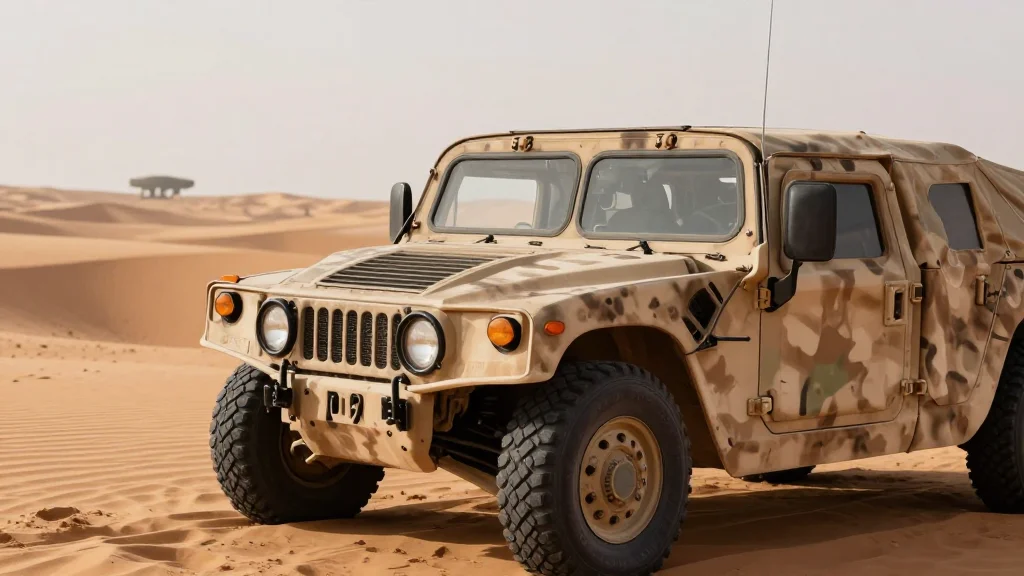
Dispatch From Libya: Why the US Needs a Renewed Counterterrorism Commitment in Africa
USAFRICOM's Flintlock 2026 exercise in Sirte brought rival Libyan forces together with U.S. and international partners, showcasing a partner‑centric model for counterterrorism. The piece warns that Africa’s jihadist threat—particularly in the Sahel, Mali and Somalia—is expanding and now finances global...

Five Outcomes that Would Make Trump’s Trip to China a Success
President Donald Trump’s week‑long summit in Beijing is framed as a tactical encounter rather than a strategic reset. Both leaders will chase concrete gains—China on export controls, Taiwan rhetoric and tariffs; the U.S. on Chinese purchases of soybeans, aircraft and...
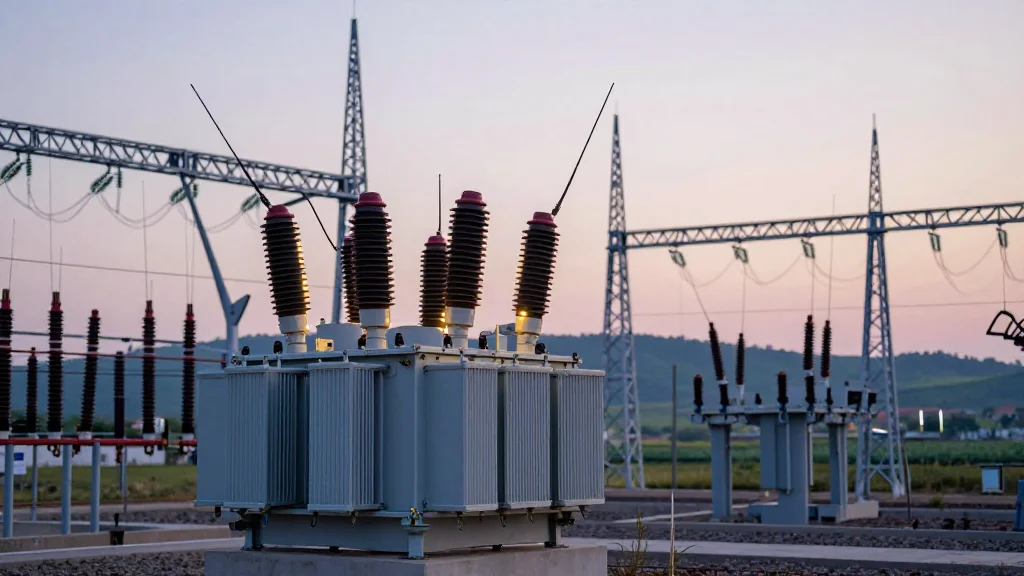
Community Trust Powers Energy Growth in the United States
Duke Energy announced a $103 billion regulated capital investment plan spanning the next five years to meet soaring electricity demand driven by a manufacturing resurgence, AI adoption, and rapid population growth in the Southeast and Midwest. The utility stresses that speed...

Kroenig Published in Foreign Policy on Iran’s Uranium Enrichment
Atlantic Council vice president Matthew Kroenig published a piece in Foreign Policy on May 11, arguing that Iran has no legitimate right to enrich uranium. He urges that any future U.S.‑Iran agreement, including under a Trump administration, should embed a...

Now Is the Time for a US ‘Grand Deal’ with Azerbaijan
The article proposes that the Trump administration work with Congress to repeal Section 907 of the FREEDOM Support Act, ending the ban on U.S. arms sales to Azerbaijan. In exchange, Baku would release unjustly detained individuals, including high‑profile Azerbaijani activists and...
So What’s the Strategy for China?
The Atlantic Council’s Scowcroft Center released a new podcast, “So What’s the Strategy?,” featuring former deputy secretary of state Kurt Campbell discussing President Joe Biden’s China strategy, the Trump administration’s approach, and Donald Trump’s upcoming meeting with Xi Jinping. Campbell, known...
Kroenig Interviewed on KNX News on the Conflict in Iran
On May 7, Atlantic Council Vice President and Scowcroft Center Senior Director Matthew Kroenig appeared on KNX News to discuss the ongoing conflict in Iran. The interview focused on Tehran's recent military actions, regional security ramifications, and the United States'...
Bauerle Danzman Quoted in Washington Post Article on How the Meta-Manus Unwinding Is Unlikely to Be a Priority During the...
Sarah Bauerle Danzman told the Washington Post that the unwinding of Meta’s controversial AI initiative, dubbed “Meta‑Manus,” will not be a focus of the upcoming Trump‑Xi summit. The meeting, scheduled for early May, is expected to center on trade, security...