Tannebaum Quoted in Politico Article on the Realities of This Year’s Milken Institute Global Conference
Daniel Tannebaum, senior fellow at the Atlantic Council, was quoted in a Politico piece dissecting the Milken Institute Global Conference’s upbeat agenda. While the summit projected robust growth, Tannebaum warned that lingering inflation, debt‑service pressures and geopolitical frictions temper optimism. He highlighted the conference’s focus on climate finance, digital transformation, and emerging‑market investment as critical but underscored the need for realistic policy scaffolding. The article frames the event as a barometer of investor sentiment versus on‑the‑ground economic realities.

McDowell Cited in Bloomberg Article on How Swap Lines Could Undermine Faith in the Dollar
The Bloomberg piece spotlights U.S. dollar swap lines, a network of credit arrangements that let foreign central banks tap emergency dollar liquidity. Daniel McDowell, an Atlantic Council expert, warns that the growing reliance on these lines could signal underlying dollar...
The Future of US Energy Security: Building on Lessons From the Iran War
The Iran war has triggered the largest energy disruption in modern history, exposing both strengths and gaps in U.S. energy policy. America’s embrace of the shale revolution and the 2015 repeal of the crude‑oil export ban turned the country into...

To Realize Returns on Their AI Investments, Corporations Must Consider Their Workers
Corporations pouring billions into AI are still stuck in pilot phases, with fewer than 40% reporting profit. The World Economic Forum projects 170 million new jobs by 2030 but also 92 million displaced roles, especially in routine functions. Leaders often invest heavily...
What Gulf States Need in a US-Iran Deal
Direct US‑Iran talks in Islamabad collapsed after 21 hours, leaving no deal and prompting a US naval blockade. The Gulf Cooperation Council (GCC) was not consulted, even though Iranian missiles and drones struck airports and energy sites across six Gulf...

Egypt’s Bet on Land Monetization
Egypt’s external debt has swelled to $163 billion, forcing roughly $8 billion in annual interest payments. To curb borrowing, Cairo has turned to land‑monetization, handing state land to foreign investors who fund development and share revenues. Flagship deals include the $35 billion Ras el‑Hekma...
How the Iran War Is Affecting Latin America and the Caribbean’s Economic Outlook
The Iran war has triggered a fresh energy shock by disrupting the Strait of Hormuz, which carries roughly one‑fifth of global oil and gas. Latin America and the Caribbean are seeing inflation expectations rise as higher fuel, fertilizer and food...

Unlocking the Next Source of US Energy Dominance
The U.S. Department of Energy’s ARPA‑E has poured $4.2 billion into 1,700 energy R&D projects, catalyzing a surge in commercial fusion ventures. Data centers, now 4.4% of U.S. electricity use, could climb to 10% by 2028, driving grid investment and new...
Ukrainian Battlefield Gains Expose Russia’s Communications Problems
In April 2026 Ukraine recaptured 10‑12 km of territory on the southern front, marking the first Russian setback since summer 2024. The gains were driven not by new weaponry but by Russia’s deteriorating command‑and‑control network after SpaceX disabled its troops’ access to Starlink....

Fortifying US National Security with a Hidden Energy Advantage
The article argues that expanding domestic geothermal and naturally occurring geologic hydrogen can bolster U.S. national security by providing resilient, on‑site power for military installations. Rising natural‑gas prices and geopolitical tensions highlight vulnerabilities of centralized grids. The DoD already pilots...
The Real Trouble with the US Debt Topping 100 Percent of GDP
U.S. publicly held debt topped $31.3 trillion in March, reaching 100.2% of GDP—the first time since 1946. The surge pushes net interest payments above defense spending and is projected to grow to 4.6% of GDP by 2036. While other advanced economies...
Are We Headed Toward a US-China Trade Showdown?
President Donald Trump is set to travel to Beijing within two weeks, sparking speculation of a renewed US‑China trade showdown. The upcoming talks will likely focus on contentious issues such as the Iran war, Washington’s push for stricter “rules of...
Dispatch From Kyiv: Europe Steps up on Security as the US Steps Back
Europe is rapidly reshaping its security posture after Russia’s invasion of Ukraine and perceived U.S. unreliability. NATO members have accelerated defense spending to the fastest pace since 1953, with Germany targeting 460,000 combat‑ready troops and Poland aiming for 500,000. The...
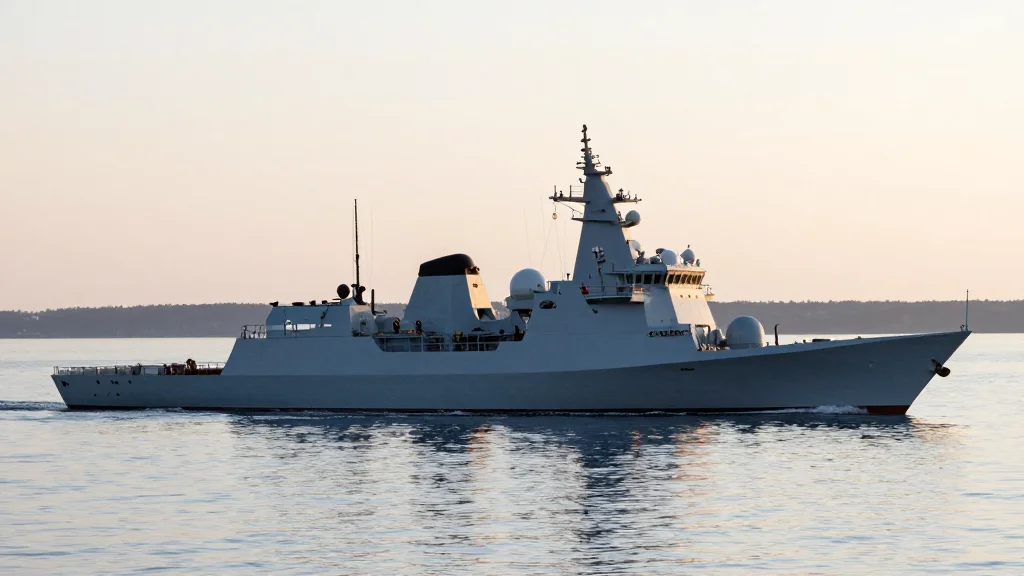
‘Zeitenwende’ Is Anchoring Germany’s Role as a Baltic Sea Power
Germany’s "Zeitenwende" overhaul, driven by Chancellor Friedrich Merz, is reshaping Berlin into a Baltic Sea security anchor. Defense spending is slated to rise to roughly $178 bn by 2029—a 70% jump—backed by a trillion‑dollar loan and €50 bn ($55 bn) procurement plan. The navy...

Anna Eshoo Joins Bipartisan Commission on Biodefense
Anna Eshoo, a former California congresswoman who served from 1993 to 2025, has been appointed as a commissioner on the Bipartisan Commission on Biodefense. During her tenure, she was the ranking member of the Health Subcommittee and helped shape key...

Syria Needs a Trustworthy Digital Ecosystem to Support Its Revival
Syria’s median age of 23 contrasts with a 64% offline population, a barrier to post‑conflict growth. After sanctions lifted in 2025, the government partnered with Nokia for trial 5G, launched the $800 million SilkLink fiber‑optic project, and connected to the Medusa...

Chinese Electric Vehicle Exports Rise Amid the Oil Crisis, Posing a Dilemma for Importing Countries
Chinese electric‑vehicle exports surged to record levels in 2025 and continued rising through March 2026, driven by high oil prices from the Iran war. Canada has approved the entry of 49,000 Chinese EVs at a 6.1% tariff, while Chinese automakers...

Powering Data Centers in Emerging Markets
Artificial intelligence and cloud growth will push global data‑center electricity use past 945 TWh by 2030, prompting developers to look beyond saturated hubs in the U.S., Europe and East Asia. Emerging regions such as Southeast Asia, the Middle East, Latin America,...

The IEA’s Fatih Birol on ‘the Greatest Energy Security Threat in History’
International Energy Agency Executive Director Fatih Birol told an Atlantic Council event that the ongoing war in Iran represents the greatest energy security threat in history. He warned that disruptions in the Strait of Hormuz could force oil prices to...

Developing an Africa-Focused Tech Agenda for the United States to Outcompete China
In December 2025 the Atlantic Council convened a high‑level workshop on U.S.–China competition in Africa’s tech ecosystems. The memo highlights Africa’s fast‑growing, youthful market—projected to exceed 2.5 billion people by 2050—and the need for the United States to match China’s tailored,...
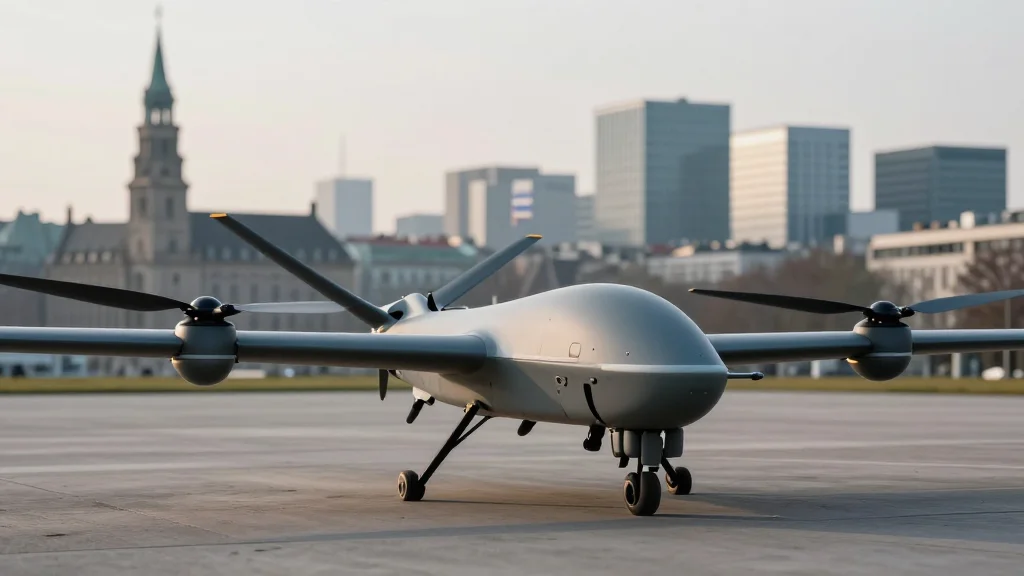
Europe Needs Ukraine as It Looks to Counter Growing Russian Threat
European leaders are shifting from viewing Ukraine as an aid recipient to treating it as a core security partner. Ukraine’s armed forces, now the largest and most modern in Europe, lead in drone warfare and are training troops across the...

How the Trump Administration Can Get Even More Out of Its Diplomacy with Lukashenka
The Trump administration, led by Special Envoy John Coale, has leveraged diplomatic talks with Belarusian President Aleksandr Lukashenko to secure the release of roughly 500 political prisoners, including Polish journalists. In return, Washington has offered limited sanctions relief and a...
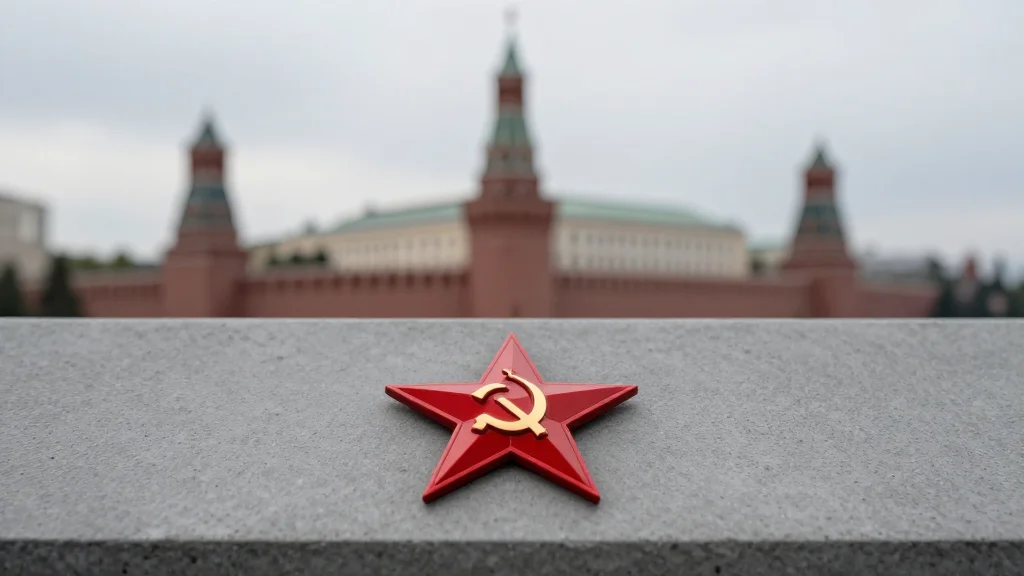
Putin’s Parade Once Projected Power. Now It Reveals Russia’s Weakness.
Russian President Vladimir Putin faces growing doubts over his Victory Day parade as Ukraine’s deep‑strike attacks threaten Moscow’s security. The Kremlin announced the 2024 parade will be stripped of tanks and heavy equipment, marking a stark downgrade from previous years....
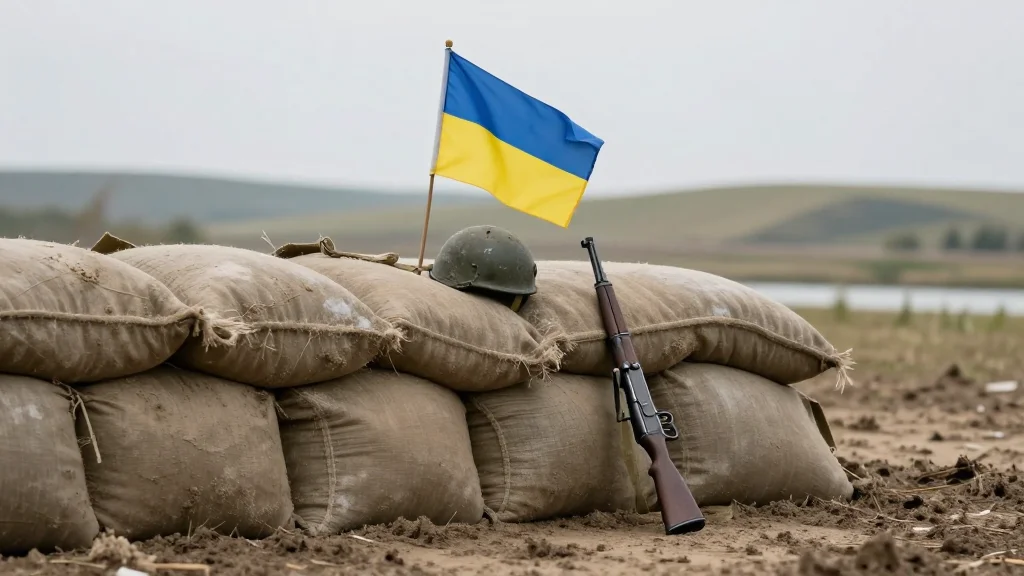
Zelenskyy Refuses Russian Demands to Surrender Ukraine’s Vital Fortress Belt
Ukrainian President Volodymyr Zelenskyy has flatly rejected Russia’s demand that Ukraine surrender the northern Donetsk “fortress belt,” a roughly 6,000‑square‑kilometer, 50‑kilometer defensive zone linking Kramatorsk, Slovyansk, Kostyantynivka and Druzhkivka. The area represents about 20% of Donetsk province still under Kyiv’s...

Mythos, Not the Iran War, Is the Most Significant Geopolitical Warning of Our Time
Frederick Kempe warns that the geopolitics of artificial intelligence, not the Iran conflict, will shape the next era. He highlights Anthropic’s frontier model Mythos, which can autonomously discover thousands of software flaws affecting finance, communications and critical infrastructure. The piece...

How Colombia Can Reduce Security Threats Ahead of Its Presidential Election
Colombia’s first‑round presidential election on May 31 faces heightened security threats, including a surge in political violence, expanding illegal armed‑group activity, and a wave of disinformation. In 2025, 415 violent incidents targeted political leaders, and armed groups grew 23.5% to over...

A Blueprint for a US-South Korea Combined Multi-Domain Task Force
The United States and South Korea are drafting a combined Multi‑Domain Task Force (MDTF) that would merge U.S. capabilities with the ROK’s advanced technology and regional expertise. The plan builds on the existing Combined Forces Command and the ROK’s own...

Braw in Foreign Policy on Trump’s Iran War and Strains on U.S. Allies’ Arms Exports
Elisabeth Braw, a senior fellow at the Transatlantic Security Initiative, warned in a Foreign Policy piece that the United States’ escalating war with Iran is forcing Washington to divert weapons earmarked for allies. This reallocation is creating shortages and delays in...
Charai for The Jerusalem Strategic Tribune: The Crown’s Moral Voice: King Charles in Washington and the Test of Western Clarity
King Charles III’s recent visit to Washington was framed as a moral appeal for Western unity, especially amid rising authoritarian pressure and NATO’s strategic recalibration. In speeches to U.S. leaders and think‑tank audiences, the monarch highlighted climate action, democratic values,...

Israel and Lebanon Are Closer to Peace than They Appear
Israel and Lebanon held their highest‑level talks in four decades, agreeing to a temporary cease‑fire extended for three weeks. The truce follows intense US pressure from President Trump, who sees Lebanon as a potential spoiler in broader US‑Iran negotiations. Lebanon’s...

Taking the Three Seas Initiative to the Next Level
The Three Seas Initiative, now a 13‑nation coalition covering the Baltic, Black and Adriatic seas, has built an investment fund that posts roughly 15% annual returns but still operates without a permanent bureaucracy. With a combined GDP of over $3 trillion...

Three Scenarios for the USMCA’s Review—And Why Auto Manufacturers Should Prepare Now
The United States‑Mexico‑Canada Agreement (USMCA) faces its mandatory review this July, forcing auto makers to anticipate possible changes to tariff and content rules. The deal currently mandates 75% regional content, a 40‑45% labor‑value threshold and a $16‑per‑hour wage floor, but...
Dollar Dominance Monitor Cited in Financial Times Article on Quantity of Global Trade Invoiced in Dollars
The Financial Times cited the Dollar Dominance Monitor (DDM) in a new analysis showing that roughly 85% of global trade is still invoiced in U.S. dollars, down from a peak of about 90% in 2020. The DDM attributes the modest...
Tannebaum Quoted in CNN Article Explaining that the Recent Iranian Crypto Freeze Will Not Dent the Country’s War Efforts
The U.S. Treasury announced it has frozen roughly $2.5 billion in cryptocurrency tied to Iran’s Revolutionary Guard and related entities. In a CNN interview, Atlantic Council senior fellow Daniel Tannebaum argued the action is unlikely to materially impair Tehran’s ability to...
Chhangani Quoted in The Banker Article Explaining that New Pakistani Laws Now Allow Registered Virtual Asset Service Providers to Hold...
The Banker cited Chhangani to explain that Pakistan has enacted new legislation permitting registered Virtual Asset Service Providers (VASPs) to maintain bank accounts within the country. The law introduces a licensing framework, mandatory anti‑money‑laundering (AML) controls and aligns the regime...
Atlantic Council Front Page Event with U.S. Trade Rep. Jamieson Greer Cited in Bloomberg on the Issue of Transshipment Under...
Bloomberg reported that U.S. imports worth roughly $300 billion have been rerouted through third‑country transshipment to sidestep tariffs imposed under the Trump administration. The practice exploits a loophole in the United States‑Mexico‑Canada Agreement (USMCA) that allows goods to retain preferential status...
CBDC Tracker Cited in Reuters Article Reporting India’s CBDC Tests
A Reuters piece on India’s central bank digital currency (CBDC) tests referenced the Atlantic Council’s CBDC Tracker, underscoring the tracker’s role as a go‑to source for real‑time project data. The article highlighted India’s ongoing digital rupee pilot, which is testing...

Chhangani’s CIPS Data and Lipsky Cited in NY Times Article
The New York Times cited Atlantic Council experts Alisha Chhangani and Josh Lipsky in a piece on China’s Cross‑Border Interbank Payment System (CIPS) and its growing role in Iran’s trade. Chhangani’s data show CIPS transaction volumes with Iran surged to...

Donovan and Nikoladze Cited in FXStreet Article Stating that Central Banks Building up Gold Reserves to Shield From Sanctions or...
In a recent FXStreet analysis, Atlantic Council experts Kimberly Donovan and Maia Nikoladze highlighted a surge in central‑bank gold purchases. They argue that banks are stockpiling the metal to hedge against potential sanctions and a looming financial crisis. The commentary...

Chhangani’s CIPS Data and Lipsky Cited in Article by The Economist Discussing the Positive Impacts of the America-Iran War on...
The Economist cited research from Chhangani and Lipsky showing that the ongoing America‑Iran conflict has boosted the adoption of China’s Cross‑Border Interbank Payment System (CIPS). Data indicate a roughly 40% jump in CIPS transaction volume as Iranian firms seek alternatives...
Lichfield’s Testimony Quoted in House of Lords’ International Relations and Defense Committee’s 3rd Report of Session 2024–26
Charles Lichfield, senior fellow at the Atlantic Council, was quoted in the House of Lords International Relations and Defense Committee’s third report for the 2024‑26 session. His testimony emphasized the urgency of bolstering UK defence spending, deepening NATO interoperability, and...

Mühleisen’s Interview with Luxembourgish Minister Pierre Gramegna Featured in a European Stability Mechanism Article
The Atlantic Council published an interview conducted by Mühleisen with Luxembourg’s Finance Minister Pierre Gramegna, focusing on the European Stability Mechanism (ESM). Gramegna outlined Luxembourg’s support for strengthening the ESM’s capital framework and expanding its crisis‑response tools. He also stressed...

Atlantic Council Front Page Event with World Bank Group President Ajay Banga Featured in Reuters Article on Funds for Countries...
World Bank President Ajay Banga announced at an Atlantic Council Front Page event that the institution could mobilize up to $100 billion to support countries devastated by war. The proposed financing package would combine concessional loans, grants, and guarantees to spur...
Banque De France Governor François Villeroy De Galhau’s Speech From the Atlantic Council Featured in Banque De France Article
Banque de France Governor François Villeroy de Galhau delivered a speech at the Atlantic Council that was subsequently highlighted in a dedicated Banque de France article. He underscored the strategic value of a robust transatlantic partnership for monetary stability, digital‑currency...

What Orbán’s Defeat in Hungary Means for the Western Balkans
Viktor Orbán’s surprise defeat on April 12 ends a 16‑year era in which Hungary acted as the Balkans’ chief patron of illiberal regimes. Under Orbán, Budapest funneled roughly $1.6 billion in foreign direct investment into the region, backing Serbia’s President Aleksandar Vučić, Chinese‑financed...

Annual Report 2025/2026: Financial Summary
The Atlantic Council released its 2025 financial results, marking the latest snapshot of the think‑tank’s fiscal health ahead of an audit. The report outlines revenue streams, asset positions, and the diversity of its donor base, emphasizing continued growth and broader...
Charai for The National Interest: Judge Jared Kushner by What He Changed
The National Interest piece, authored by Atlantic Council analyst Ahmed Charai, assesses former White House adviser Jared Kushner by the concrete policy shifts he engineered during his tenure. It highlights Kushner’s role in brokering the Abraham Accords, reshaping U.S. aid to...
In Renegotiating the USMCA, Mexico Should neither Rush nor Stall
The United States‑Mexico‑Canada Agreement (USMCA) entered its mandatory review on March 16, prompting Mexico to weigh three strategic paths: pursue ambitious tariff protections and deeper supply‑chain ties, settle for the status quo, or accept a rushed deal that could harm its...
The Shadow Fleet Is Undermining the Maritime Order More Brazenly than Ever
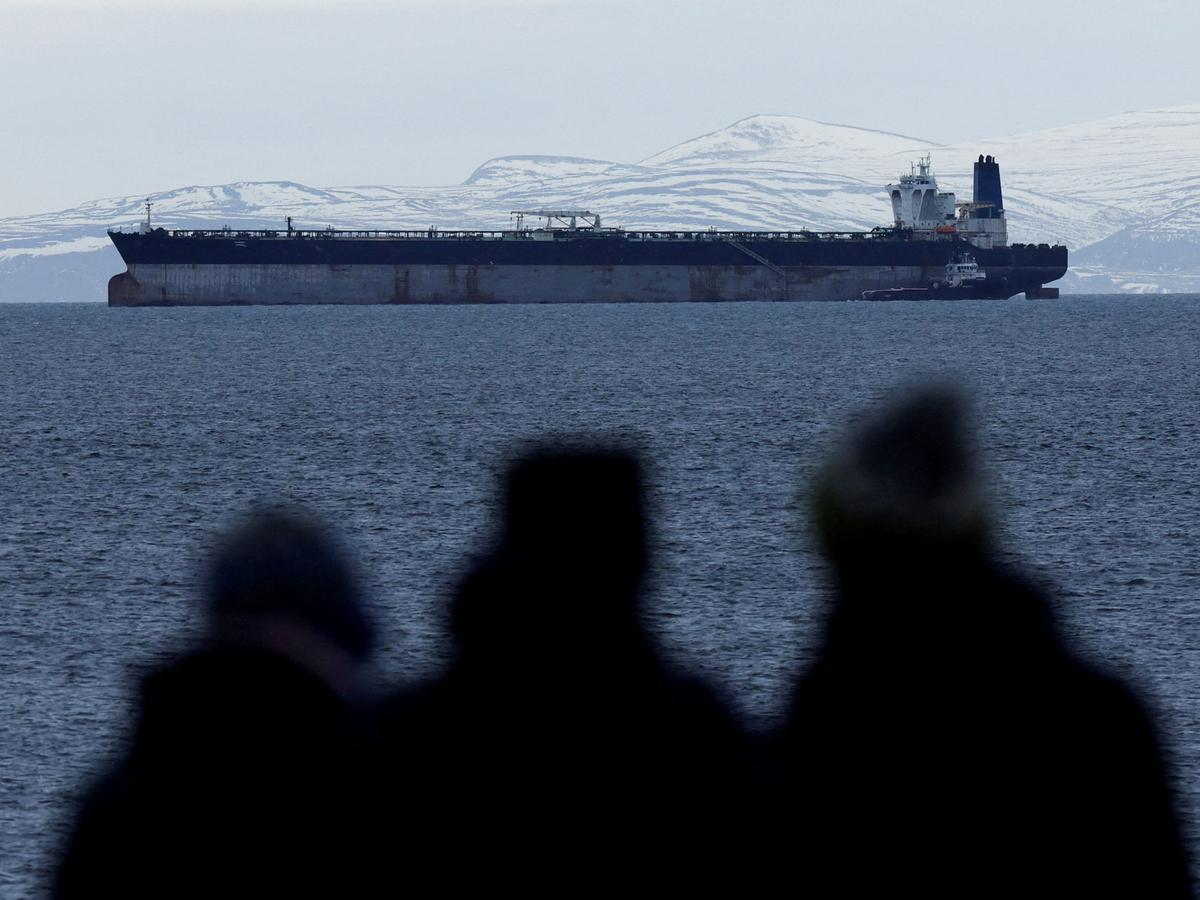
In 2026 Baltic Sea nations, France, India and others intensified inspections, detaining more shadow‑fleet vessels than ever before. Russia responded by deploying naval escorts for shadow ships through the English Channel and Baltic Sea, while Iranian vessels continued to evade...

The Strait of Hormuz Closure Forces a Choice: Ration Oil Now or Pay a Steep Price Later
The Strait of Hormuz closure after the U.S. counter‑blockade has removed roughly 13% of global oil supply, pushing Brent crude to about $95 a barrel and draining strategic inventories. Daily production outages now exceed 13 million barrels per day, with an...