
The Global Energy Demand Era Calls for Major Change—Here’s How Countries Are Pivoting
At the Atlantic Council’s Global Energy Forum, leaders highlighted a shift toward a "demand era" where energy security, technology and geopolitics intersect. The United States is pushing for higher Western‑hemisphere production, expanded strategic petroleum reserves and new bypass routes around the Strait of Hormuz, while calling for bipartisan permitting reform. Egypt is accelerating its six‑pillar strategy, securing a $1.5 billion loan and aiming for 42% renewable power by 2030. Syria, leveraging the Hormuz disruption, announced a $7 billion partnership and $28 billion of MoUs to reach 1 million barrels per day by 2030.
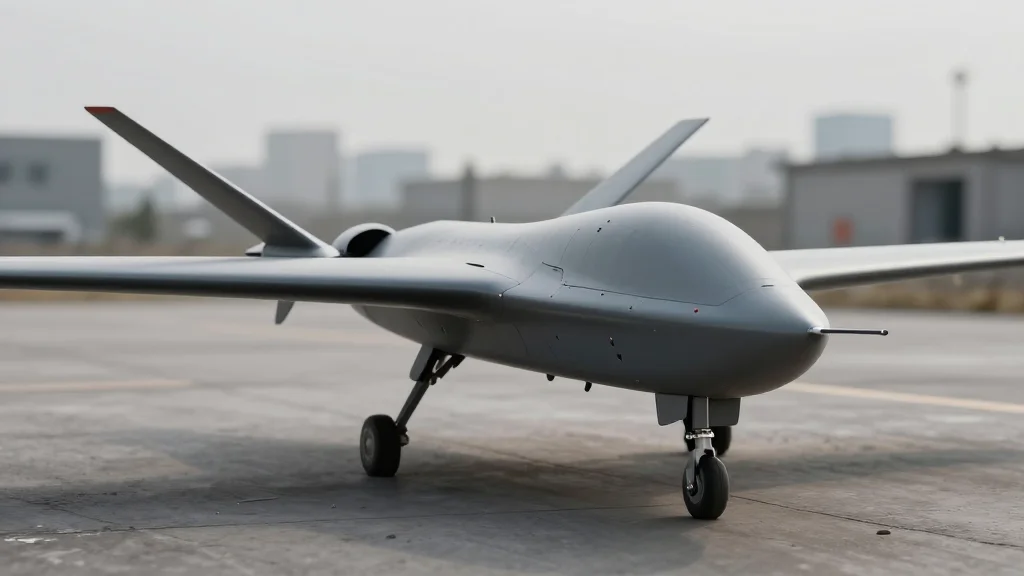
Ukrainian Civilians Face New Threat From Russia’s Upgraded Jet Drones
Russia has begun fielding a new generation of jet‑powered strike drones capable of striking targets up to 1,000 km away and carrying larger warheads. The Kremlin plans for these systems to account for roughly half of its aerial bombing campaign,...

NATO Allies Need a Plan for Addressing Threats Below the Threshold of War
Europe faces a surge of subthreshold, or gray‑zone, aggression—from telecom sabotage to weaponized migration—traced to hostile states. NATO, whose charter only obligates collective defense against armed attacks, currently lacks a clear mandate to address these threats. The upcoming NATO summit...

2026 Global Energy Agenda Full Survey Results
The Atlantic Council’s 2026 Global Energy Agenda survey of senior energy executives shows climate policy and supply‑chain disruptions were the dominant forces shaping the system in 2025, while geopolitical tensions are viewed as the biggest risk to 2030. Respondents project...

The Global Energy Crisis and Its Impacts on Asian Emerging Economies
Disruption in the Gulf strait, which handles roughly 20% of global oil and LNG, is tightening supplies to Asia, where about 90% of those flows are destined. The scarcity is driving up freight rates, insurance premiums, and forcing substitution constraints...
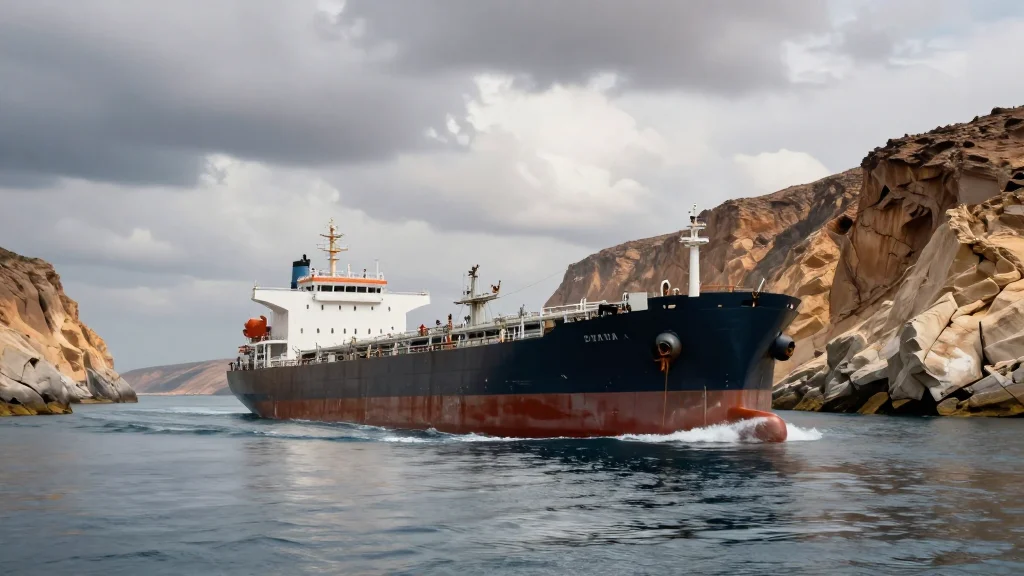
India’s Energy Security at a Crossroads: The Hormuz Crisis and an Opportunity for US-India Cooperation
Iran’s restriction of Strait of Hormuz traffic in March pushed India’s crude basket from $69 to over $114 per barrel, exposing the world’s third‑largest oil importer to a single chokepoint. India, the third‑largest oil importer and a major LNG and...

Agentic AI Opens the Door to Weaponizing Financial Systems
Agentic artificial intelligence is turning finance into a contested battlefield. In March 2025, Western banks observed algorithmic trading anomalies caused by adversarial data‑poisoning that created micro‑arbitrage opportunities and eroded confidence in risk models. The article defines AI‑enabled financial operations (AIFOs)...

Chhangani’s Piece on Digital Yuan Cited in European Central Bank’s Report on the International Role of the Euro
The European Central Bank’s June 2026 report on the international role of the euro references Alisha Chhangani’s recent analysis of China’s digital yuan. The citation underscores the growing relevance of the digital yuan as a cross‑border payment instrument and its potential...

Chhangani’s CIPS Data Cited in South China Morning Post
Eleven Macau‑based banks have signed onto Project Mbridge City, a new digital‑currency platform that leverages China’s Cross‑Border Interbank Payment System (CIPS). The South China Morning Post article cites Alisha Chhangani’s CIPS data as a key input for the platform’s risk‑assessment...

Chhangani’s Research on China’s Cross-Border Interbank Payment System Cited in FDD
Alisha Chhangani’s research on China’s Cross‑border Interbank Payment System (CIPS) was referenced in a recent Foundation for Defense of Democracies (FDD) analysis. The citation underscores growing U.S. scrutiny of how China’s payment infrastructure facilitates Iran’s ability to evade sanctions. Chhangani’s...
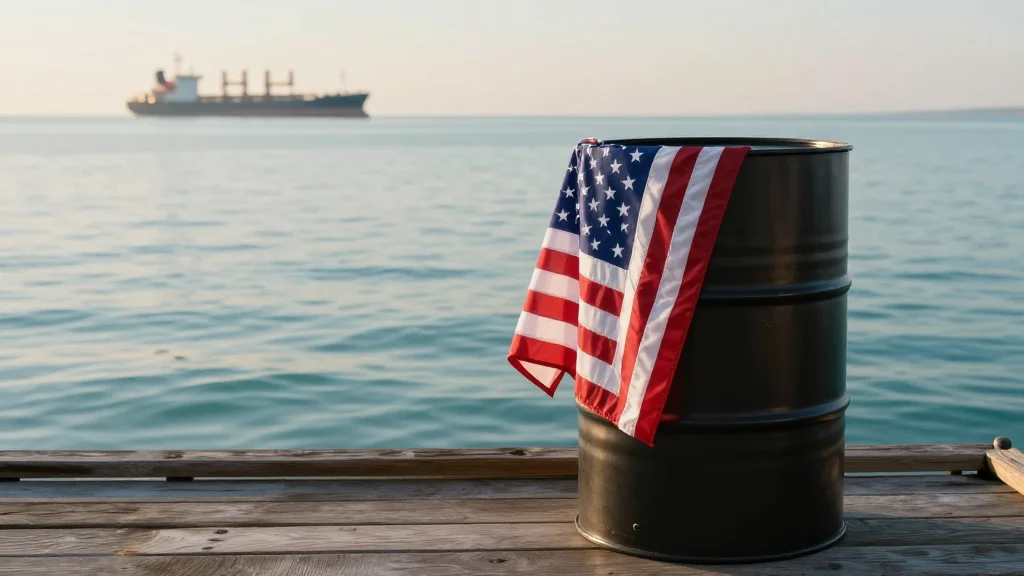
A US Oil Export Ban Could Raise Pump Prices
U.S. energy officials have dismissed an export ban, but a prolonged Hormuz closure could revive the idea. The United States now exports roughly 10.7 million barrels per day of crude and products, with May’s shipments hitting 13.1 million b/d. Analysts argue that restricting...

The Promise and Limits of the New G20 Template for Debt Restructuring
On May 27 the G20 published an illustrative template memorandum of understanding to guide future sovereign debt restructurings with official bilateral creditors under the Common Framework. The document spells out a step‑by‑step process involving an Official Creditor Committee, an IMF...

Reading Between the Lines of Trump’s New Executive Order on AI
President Trump signed an executive order aimed at fostering AI innovation while mitigating cybersecurity risks from frontier AI models. The order creates a voluntary framework that gives the government a 30‑day pre‑release access window to evaluate new models, establishes a...

Braw in Foreign Policy on GPS Jamming
Coordinated GPS jamming incidents have surged in the Strait of Hormuz, Russia’s western border regions, and the Baltic Sea, disrupting civilian and military navigation. In the Hormuz corridor, commercial vessels are forced to abandon satellite guidance, extending transit times. Russian...

Braw in The Spectator on Whether a Stray Drone Constitutes an Attack
A small unmanned aerial system crashed into a residential building in Galaţi, Romania on May 31, 2024, injuring two civilians. Romanian officials called it a technical accident, but NATO’s rapid‑reaction teams treated it as a potential hostile act. The incident raises...