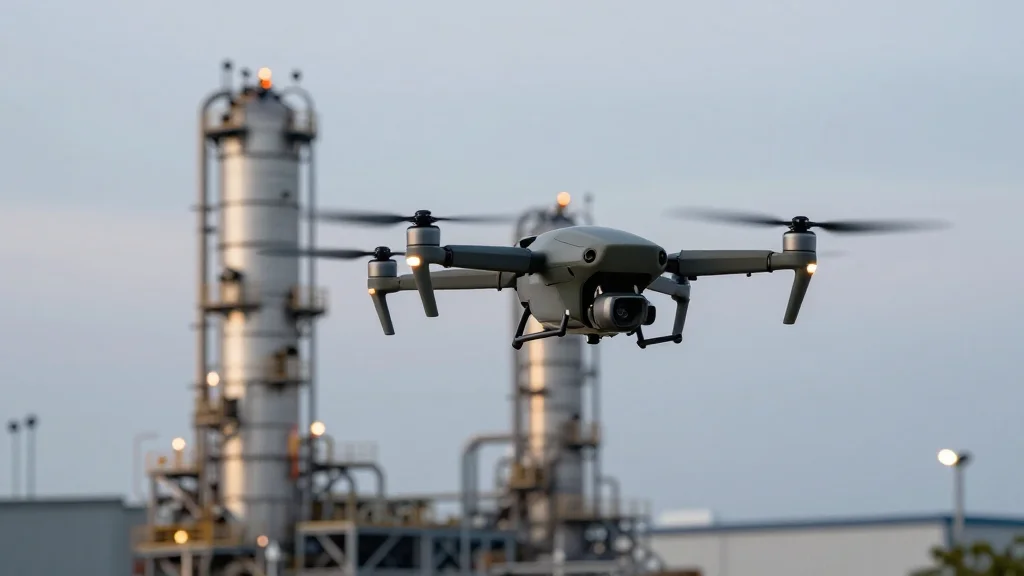
Russia Threatens Europe as Ukraine Escalates Strikes on Putin’s Oil Industry
Ukraine has dramatically escalated its drone campaign against Russia’s oil terminals, pipelines and refineries, slashing export capacity by roughly 40 percent. The surge reflects a maturing domestic drone industry that in March 2026 launched more cross‑border attacks than Russia for the first time. Repeated strikes on Baltic and Black Sea ports are designed to choke the Kremlin’s war‑funding stream as global oil prices rise amid the Iran conflict. Moscow has warned European partners, but Kyiv continues to sign security pacts to expand its drone capabilities.

Using the USMCA Review to Strengthen Regional Integration
The US‑Mexico‑Canada Agreement is slated for a 2026 review, prompting a Binational Task Force to propose concrete reforms. Steel and automotive sectors remain flashpoints, with Section 232 steel tariffs now at 50% and long‑standing disputes over rules of origin. The task...
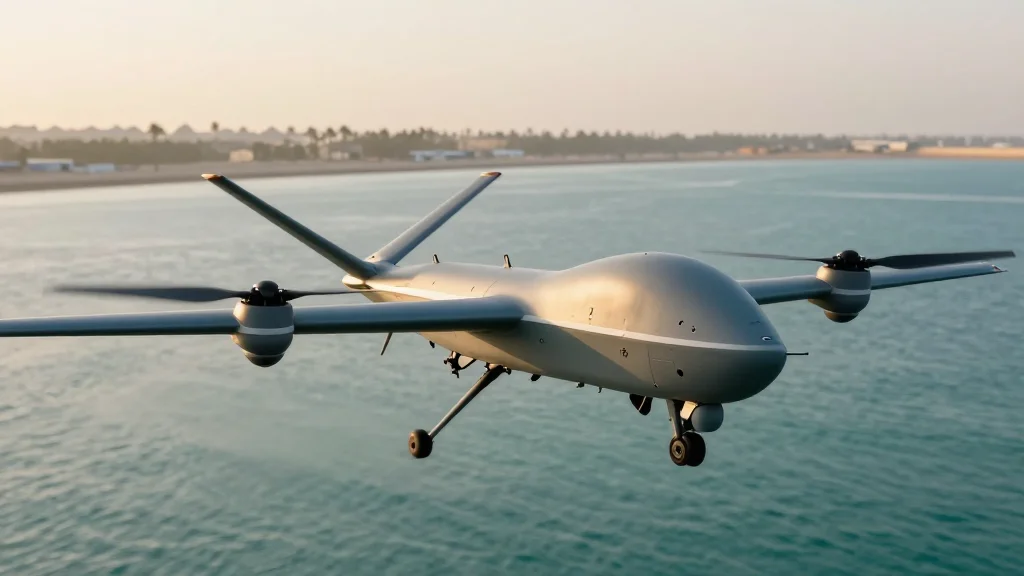
‘They Have Been Exposed’: The Iran War Upends Gulf States’ Security and Business Model
Iran’s retaliation to the US‑Israeli conflict has reshaped Gulf security, with 83% of its missile and drone strikes aimed at GCC countries and the United Arab Emirates bearing the brunt. The wave of attacks has shattered the long‑held perception of...

Five Ideas to Make the Upcoming NATO Summit in Ankara a Success
With less than 100 days to the 2026 NATO summit in Ankara, Atlantic Council experts outline five steps to turn the meeting into a strategic win. They suggest concrete Arctic Sentry actions on Greenland, a NATO Transition Planning Group to...

A US Tech Agenda Focused on Latin America to Outcompete the People’s Republic of China
The Atlantic Council workshop in Bogotá highlighted Colombia’s rapid tech growth and its increasing reliance on Chinese investment. In 2024 Colombia attracted $513 million in venture capital and saw Chinese firms secure over $3.1 billion in infrastructure contracts, while U.S. tech investment...
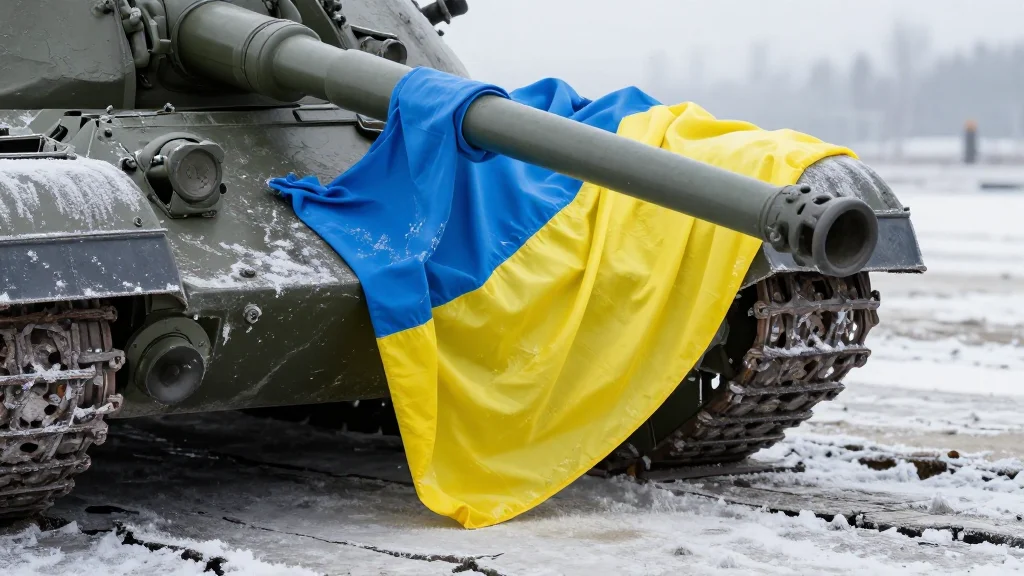
Russia Invaded Ukraine in 2014 Long Before the Full-Scale War of 2022
While most outlets portray the Russia‑Ukraine war as starting with the February 2022 invasion, the conflict actually began with Russia’s annexation of Crimea in February 2014 and the covert campaign in the Donetsk and Luhansk regions. During the eight‑year pre‑2022 phase more...

Four Scenarios for Geopolitics After the Iran War
Iran announced it will reopen the Strait of Hormuz for vessels on pre‑approved routes, even as President Donald Trump pledged to keep a U.S. blockade on Iranian ships. The cease‑fire remains fragile, and both sides are still negotiating a settlement....

Banque De France Governor François Villeroy De Galhau: ‘Europe and America Will Either Win Together or Fall Together’
François Villeroy de Galhau, governor of the Banque de France, warned that Europe and the United States must cooperate or risk mutual decline. He highlighted that global growth reached 3.4% in 2025, outpacing IMF forecasts, while the euro area posted...
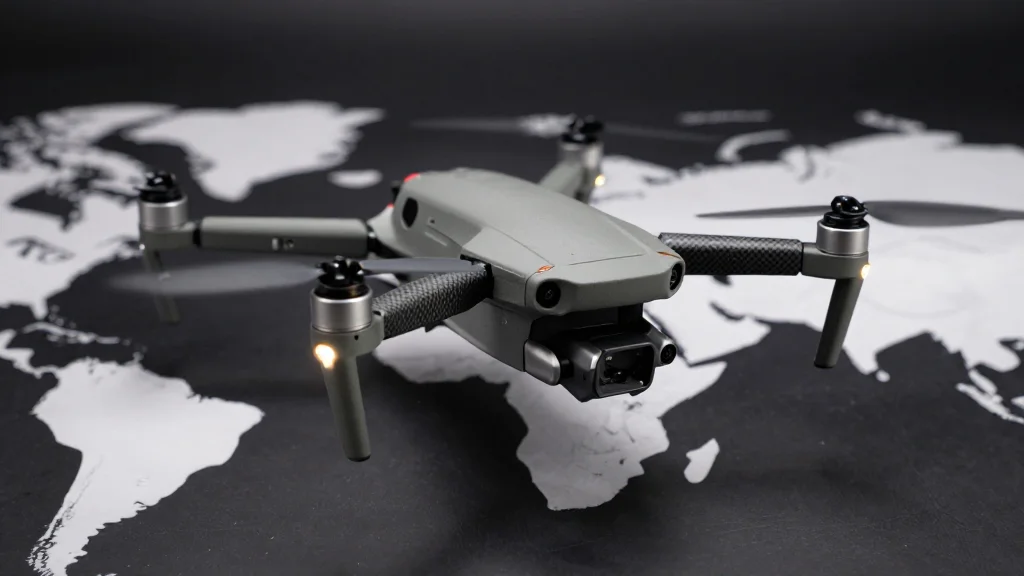
Drone Diplomacy: Ukraine Strengthens Security Role in Europe and the Gulf
Ukraine has turned its wartime drone expertise into a diplomatic asset, signing security deals across Europe and the Gulf. In the past four years Kyiv built a domestic drone industry capable of producing millions of units annually and is now...

Dispatches From the Front Lines of Russia-Linked Cyberattacks on Europe
Sweden’s civil defence ministry has formally attributed a 2025 cyberattack on a western heating plant to a pro‑Russian group linked to Russian intelligence, marking the first public attribution of such activity to state‑aligned actors. The incident mirrors a December 2025...

Repurposing NASA’s Gateway Partnerships in the Face of ‘Ignition’
NASA announced a pause to its Gateway lunar‑orbit station, redirecting resources to the newly unveiled Ignition program that targets a permanent surface base on the Moon. The shift follows the Artemis II splashdown and comes amid a proposed $3.4 billion cut to...
Could Bulgaria Replace Hungary as Putin’s Proxy Inside the EU?
Viktor Orbán’s electoral defeat ends Hungary’s outspoken pro‑Russian stance in the EU, raising hopes in Kyiv for stronger Western backing. Bulgaria’s parliamentary vote on April 19 could elevate former president Rumen Radev, a known Kremlin sympathizer, to a governing role. If Radev’s...
Ajay Banga on the Global Economic Outlook Amid War with Iran
World Bank President Ajay Banga warned that the ongoing war with Iran will push global inflation up by roughly 0.9 percentage points and trim real GDP growth by about 0.4 percentage points. He linked the inflationary pressure to higher energy prices and...

The Iran War Is Not About China
The ongoing Iran war is driven primarily by U.S. policy choices, Israeli strategic calculations, and Iran’s reactive posture, not by Chinese orchestration. While Beijing has engaged in visible diplomacy—shuttle missions, telephone outreach, and a five‑point peace proposal—it has refrained from...

Bertrand Featured in Latinvex on Decapitation Strikes in Mexico
On March 12, Charlotte Bertrand, a project assistant at the GeoStrategy Initiative, saw her analysis of decapitation strikes against Mexican drug cartels republished by Latinvex. The piece evaluates recent high‑profile operations that eliminated cartel leaders and measures their impact on violence,...
The Islamic Republic of Iran Should Be Held Accountable for Aiding Russia’s Crimes Against Ukraine
The United States and allied nations are urging that Iran be held criminally liable for supplying Shahed‑style drones to Russia, which have been used to strike Ukrainian civilians and infrastructure. Evidence shows Tehran has produced, exported, and trained Russian operators...
Kroenig Interviewed on CNN on the Blockade of the Straight of Hormuz
Atlantic Council Vice President Matthew Kroenig appeared on CNN on April 14 to discuss the United States’ decision to block the Strait of Hormuz. He framed the move as a strategic deterrent aimed at curbing Iran’s hostile behavior in the...

Three Elements Trump’s ‘Pax Silica’ Needs to Succeed
The State Department launched Pax Silica, an AI supply‑chain coalition with eleven signatory nations, aiming to build a trusted partner network that can rival China’s dominance. Unlike prior efforts, the initiative groups members by specific AI‑related capabilities and places the...
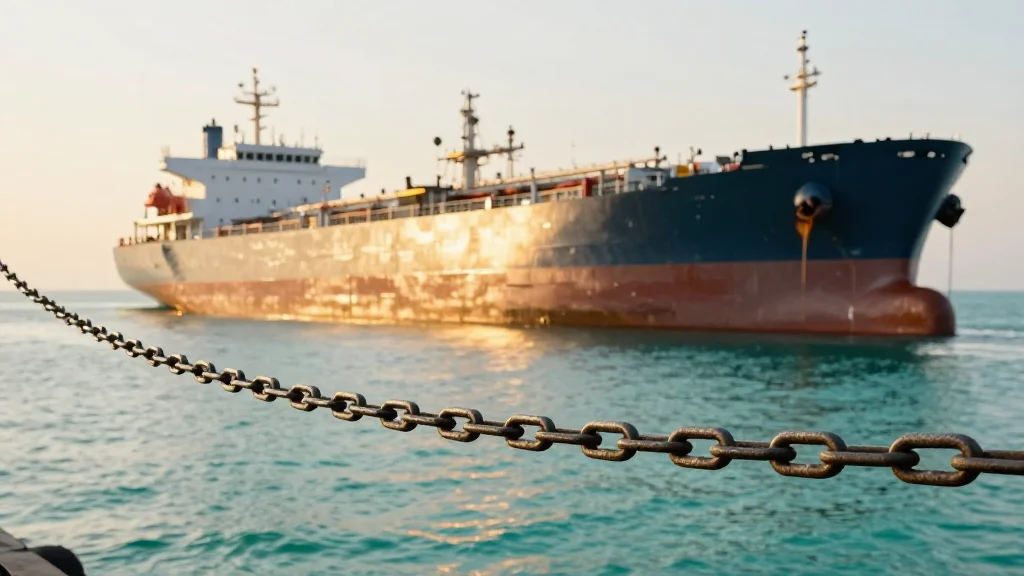
15 Charts that Explain Why the Strait of Hormuz Shutdown Matters for the Global Economy
The United States announced a blockade of the Strait of Hormuz on April 12, effectively shutting down one of the world’s most vital commodity corridors. The closure halts exports of crude oil, LNG, jet fuel, diesel, ammonia, sulfur, helium and...
Charai for The Jerusalem Strategic Tribune: Lebanon and Israel Have Opened a Historic Door. Washington Must Not Let Iran Shut...
The article content was not provided, so I cannot generate a summary.

The IEA’s Fatih Birol: Oil Prices Will Soon Begin ‘Reflecting the Severity’ of the Energy Crisis
International Energy Agency chief Fatih Birol warned that current oil prices are lagging behind the true severity of the energy shock caused by the Iran war and the closure of the Strait of Hormuz. He said daily global oil output has...

The Debt Comes Due—But There Is No One to Pick up the Tab
The IMF warned that public debt levels are now the highest in two decades, with global debt‑to‑GDP at about 94 percent in 2023. While the organization highlighted the war‑driven demand for up to $50 billion in support, its broader message focused...
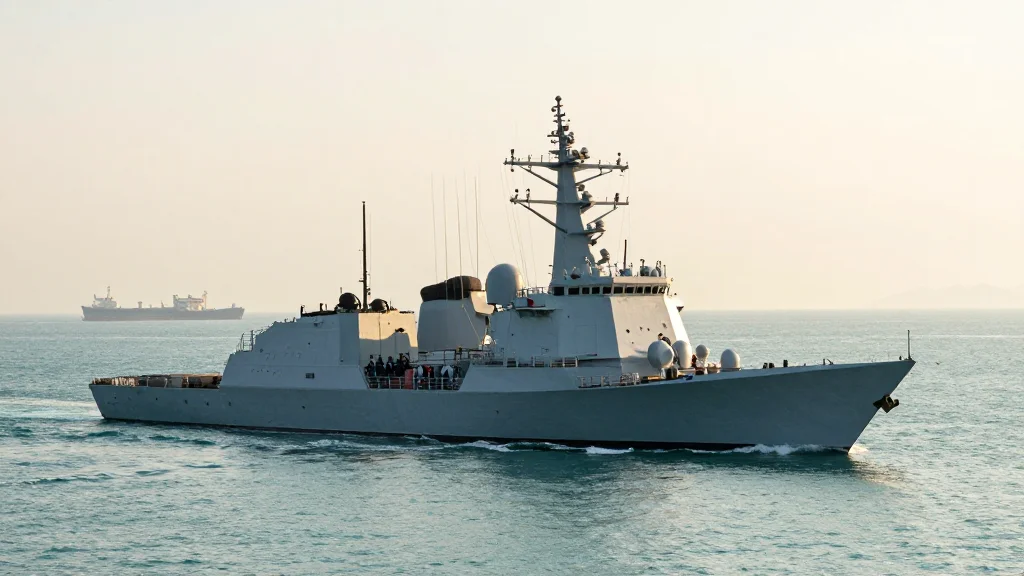
Kroenig Quoted in The Wall Street Journal on the US Blockade of Hormuz
Atlantic Council senior director Matthew Kroenig was quoted in The Wall Street Journal discussing the United States’ consideration of a blockade of the Strait of Hormuz. He argued the Trump administration is intensifying pressure on Iran by threatening limited strikes...

Brussels and Kyiv Should Have Realistic Expectations About Magyar’s Hungary
Hungary’s parliamentary election delivered a decisive win for opposition leader Péter Magyar, whose centre‑right Tisza party captured 138 of the 199 seats, ending Viktor Orbán’s sixteen‑year rule. The super‑majority gives Magyar a mandate to roll back Orbán‑era policies and to...

Fatih Birol: The IEA Is ‘Ready to Act’ with Additional Releases of Reserves if Needed
Dr. Fatih Birol told an Atlantic Council audience that the International Energy Agency has already released a historic 400 million barrels from its emergency reserves and stands ready to deploy additional stock if the Middle‑East crisis deepens. He warned that the current...
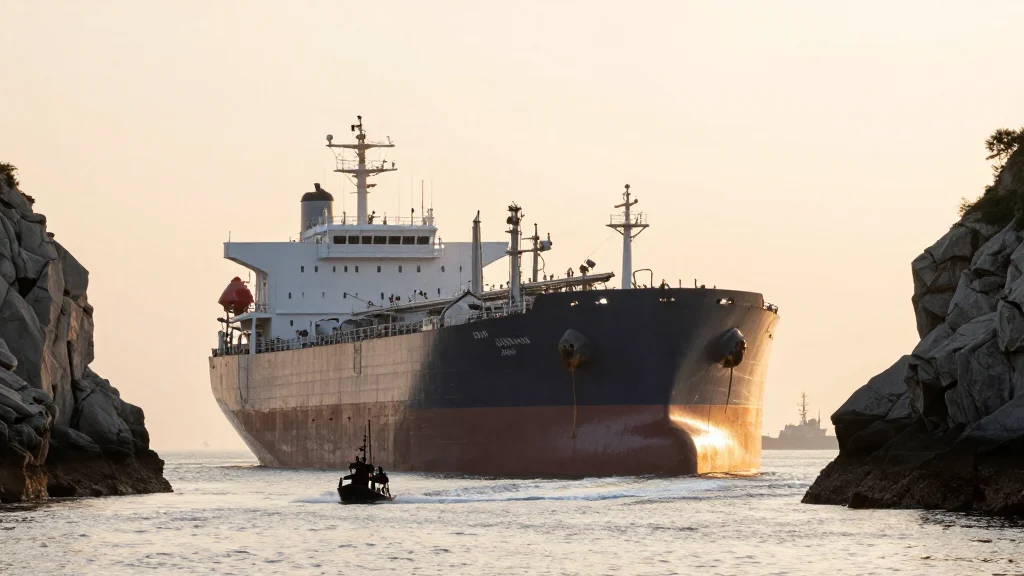
Kroenig Interviewed on NPR on Iran’s State-Sponsored Piracy
On April 11, Atlantic Council vice‑president and Scowcroft Center senior director Matthew Kroenig appeared on NPR to discuss Iran’s state‑sponsored piracy in the Strait of Hormuz. He warned that Tehran finances pirate networks that target commercial vessels, heightening risks for...
Inside the IMF-World Bank Spring Meetings as Leaders Grapple with War and Supply Shocks
The IMF and World Bank opened their 2026 Spring Meetings in Washington under the shadow of the Iran‑Israel war and the closure of the Strait of Hormuz, which have spiked oil by more than 20% and European gas by over...
Washington Needs a ‘Plan Venezuela’ Before It’s Too Late
The authors argue that Washington must launch a multiyear "Plan Venezuela" modeled on the successful Plan Colombia, which transformed Colombia from a narco‑state into a democratic security partner. After a brief U.S. raid that removed Nicolás Maduro, the article warns...
Trump Must Break Tehran’s Machinery of Coercion
The Atlantic Council op‑ed urges President Trump to dismantle Iran’s coercive apparatus, which includes proxy militias, a growing ballistic‑missile program, and a contested nuclear pathway. It argues that re‑imposing robust sanctions, bolstering Gulf allies, and applying coordinated diplomatic pressure can...
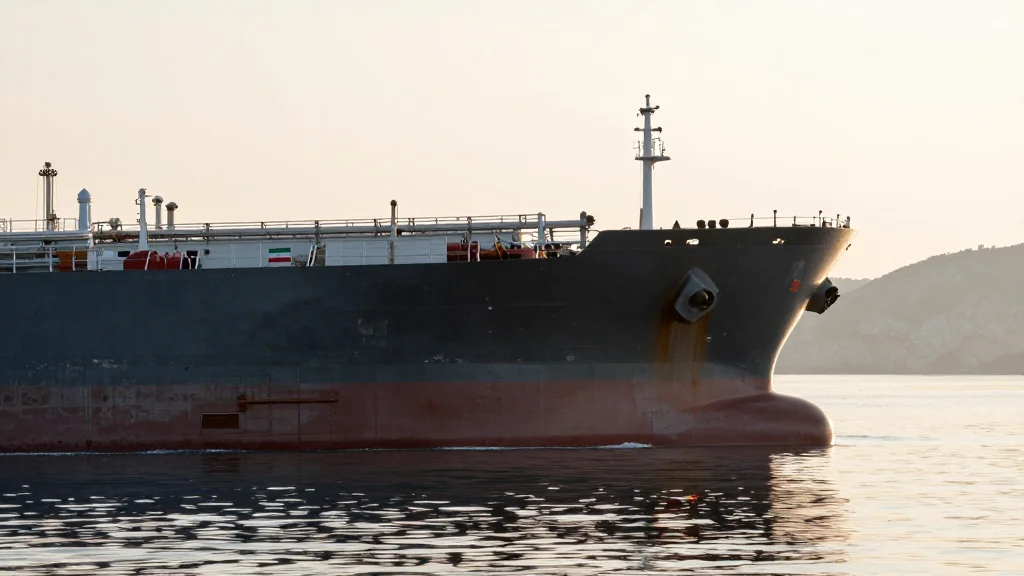
Chhangani Cited in House of Saud Article on How Iran Avoids US Sanctions and Sell Oil to China
Alisha Chhangani was quoted in a House of Saud analysis describing how Iran circumvents U.S. sanctions to continue oil shipments to China. The piece outlines Tehran's use of covert shipping routes, shell companies, and diplomatic channels to mask the origin...

AC Front Page Event with World Bank Group President Ajay Banga Featured in Reuters Article on Slower Global Growth and...
The Atlantic Council hosted a front‑page event featuring World Bank Group President Ajay Banga, whose remarks were subsequently highlighted in a Reuters piece on the slowdown in global growth. Banga warned that the ongoing Middle East conflict is pushing oil prices...
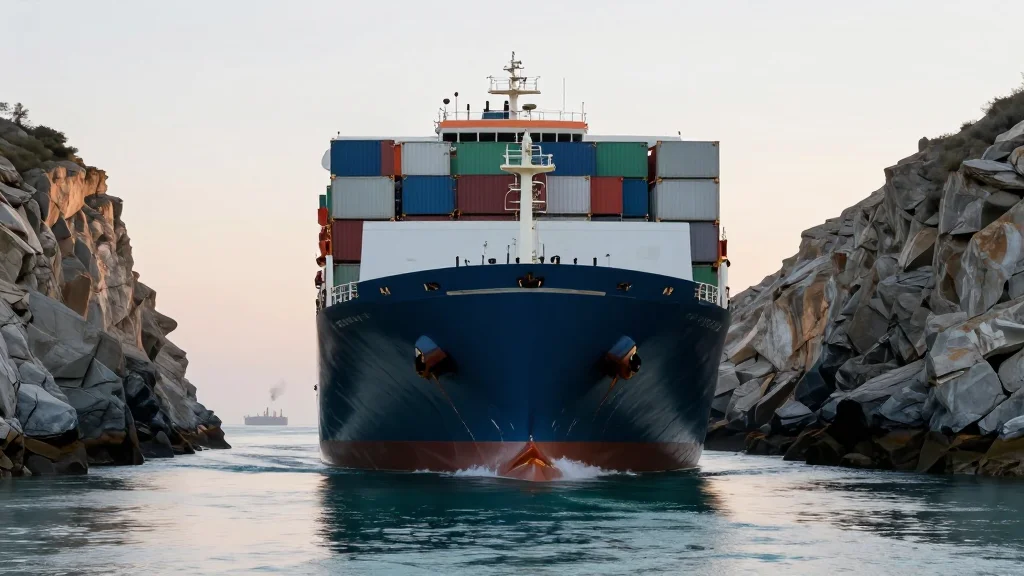
Tannebaum Cited in Politico Article on Risks to Shipping Companies Transiting Hormuz, and the Waterway’s Indispensability to the Global Economy.
Former U.S. Treasury official Robert Tannebaum was quoted in a Politico piece highlighting the heightened risks facing shipping firms that navigate the Strait of Hormuz. He stressed that the narrow waterway remains a chokepoint for roughly one‑fifth of the world’s...
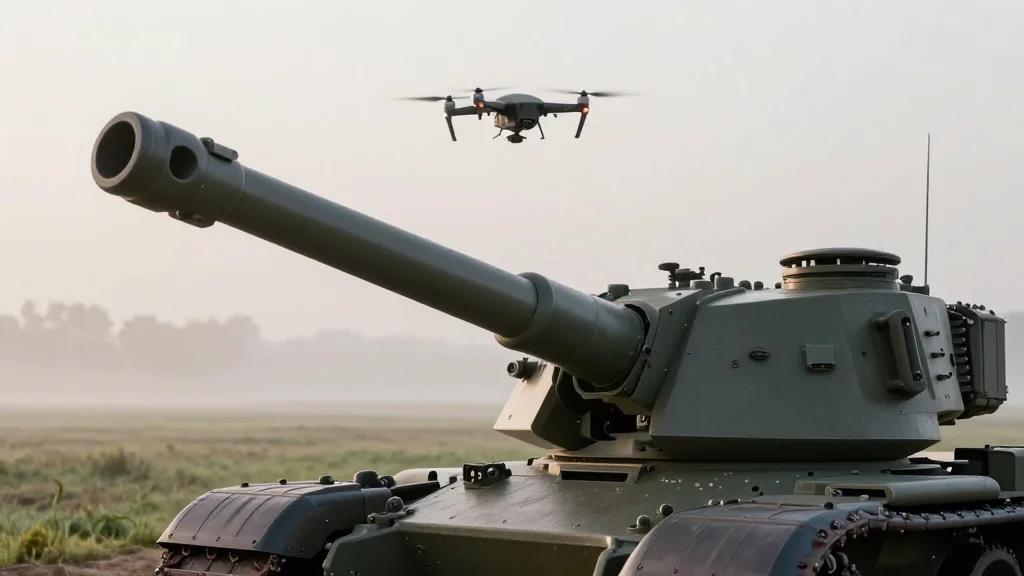
Dispatch From Vilnius: Warfare Is Evolving Rapidly. Here’s How NATO Can Keep Up.
The war in Ukraine shows that while armor, airpower and missile defense remain essential, outcomes are now driven by artillery volume, munitions availability and operational speed. Russia’s wartime production outpaces most European nations, exposing capability and capacity gaps across NATO....

Navigating the European Union’s AI and Health Data Framework
The EU is consolidating GDPR, the AI Act, and the European Health Data Space (EHDS) into a unified framework that treats health‑focused AI as high‑risk, imposing strict data provenance, validation and post‑deployment oversight. Cross‑border transfers of health data now carry...
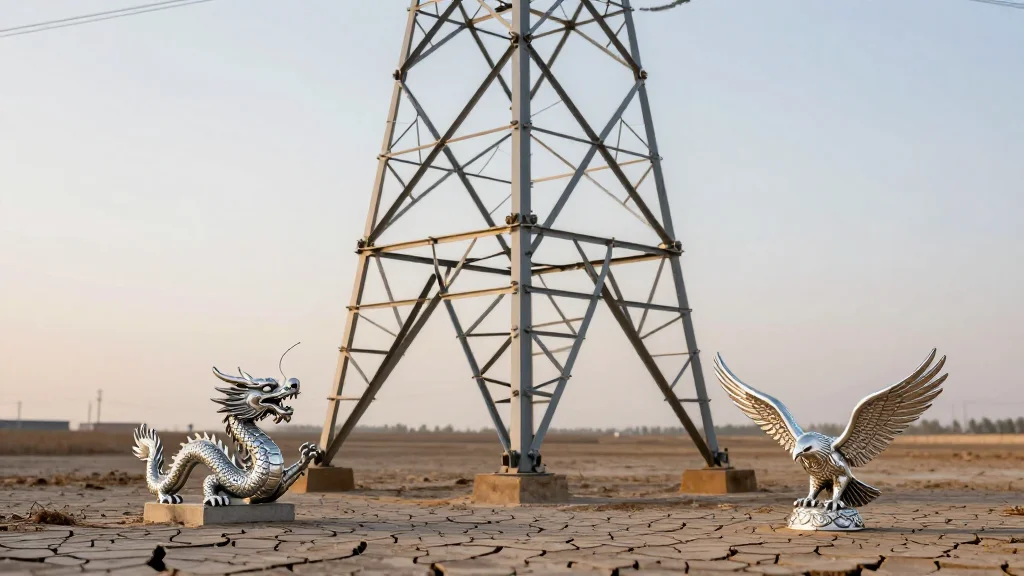
A US Strategy for Energy Competition with China in Emerging Markets
Emerging economies will drive the bulk of global energy demand growth over the next 20 years, turning them into a strategic battleground for influence. China has leveraged the Belt and Road Initiative to provide over $230 billion in concessional loans and...
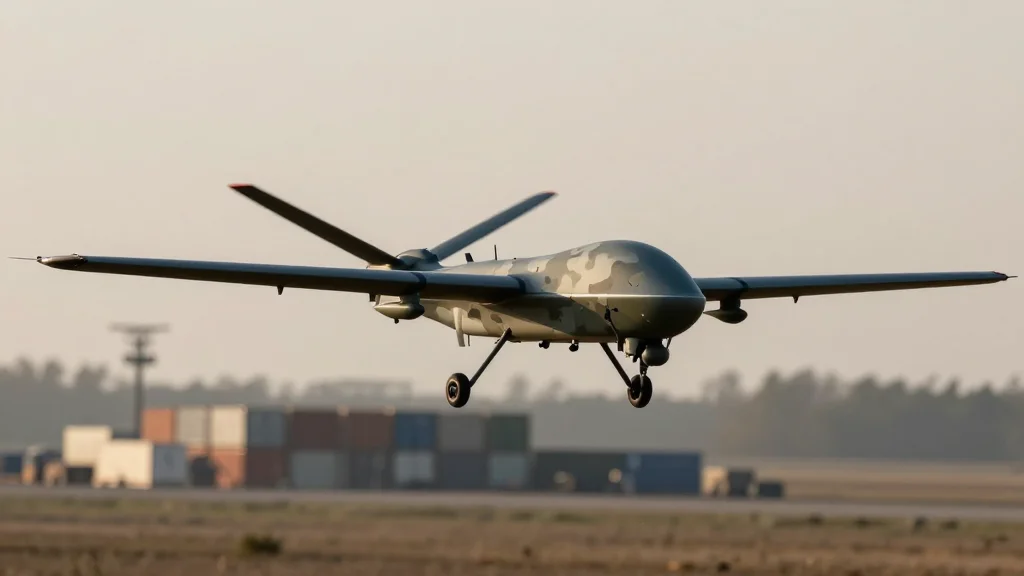
Ukraine Is Winning the Drone War with Strike Campaign Behind Russian Lines
Ukraine has pivoted to a mid‑range drone strike campaign, targeting assets 20‑300 km behind Russian lines and conducting roughly 365 strikes over the past year. Under the leadership of Robert “Magyar” Brovdy, the Unmanned Systems Forces were unified and equipped...

Recognizing the Role of Propaganda in Russia’s Infrastructure of Aggression
A Kyiv‑based study of over 1,000 Russian prisoners of war found that soldiers who embraced Kremlin propaganda were up to six times more likely to view the invasion as legitimate and nearly twice as likely to want to return to...
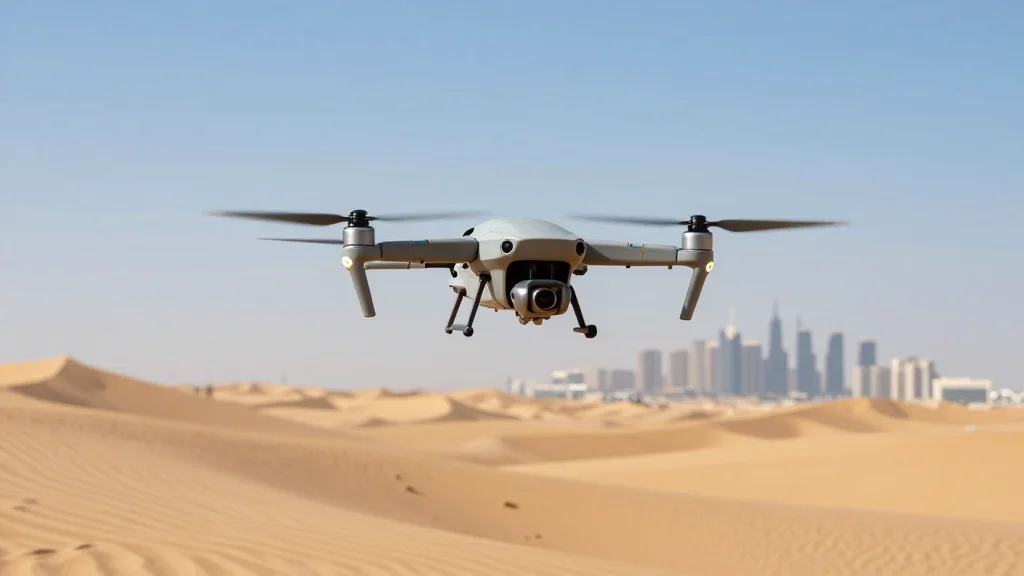
Ukraine Continues Remarkable Rise From Aid Recipient to Security Provider
Ukraine has moved from a war‑torn aid recipient to a sought‑after security provider, deploying drone specialists to five Middle Eastern countries and signing long‑term security pacts with Saudi Arabia, Qatar and the United Arab Emirates. The Gulf states are turning...
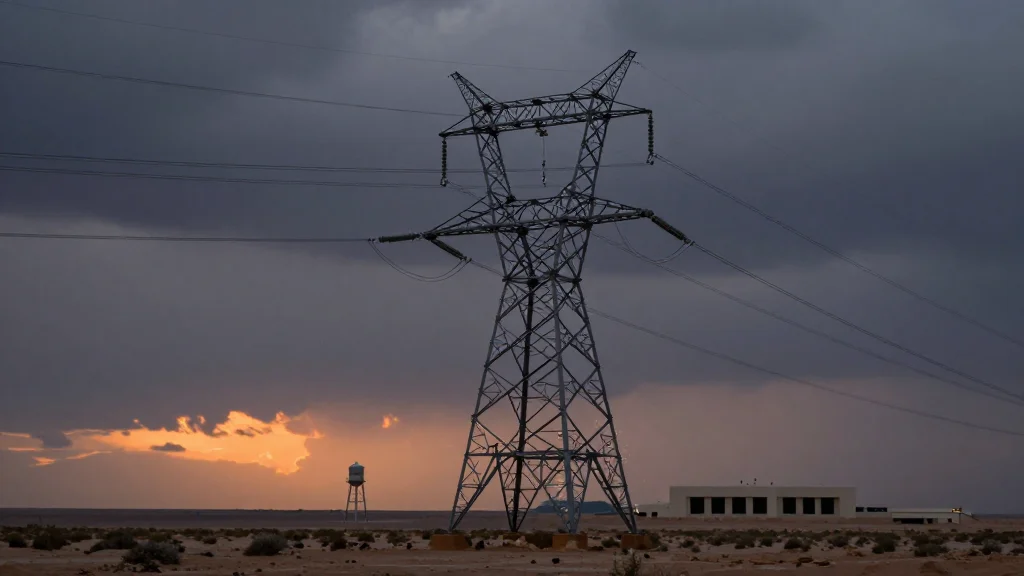
Matchett in The Economic Times, Hindustan Times, Nepal News, The Express Tribune, on Warning Against US Striking Iranian Critical Infrastructure
Atlantic Council analyst Ginger Matchett warned that a U.S. strike on Iran’s power grid would trigger a humanitarian disaster, disrupting water, health care and food supplies. She and colleague Joseph Webster argued that such an attack would likely provoke Iranian...

Chhangani Cited in FT Article on the Banks and Financial Institutions Willing to Launder Dollar Payments for Iran
The Financial Times reported that a network of banks and financial institutions is facilitating dollar‑denominated payments for Iran, effectively laundering sanctions‑evading funds. Atlantic Council senior fellow Alisha Chhangani is quoted highlighting how correspondent‑bank relationships and opaque shell entities enable the...
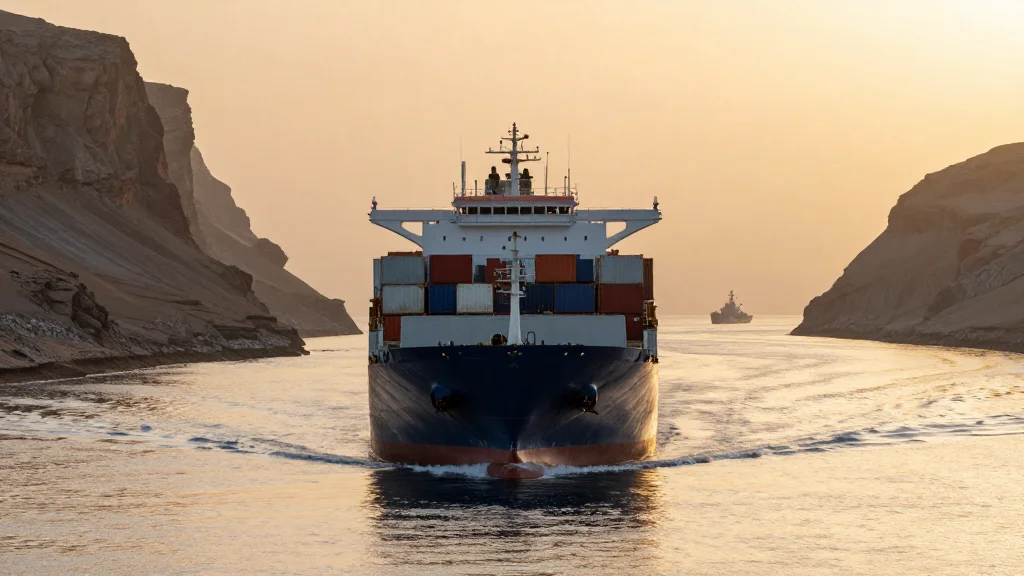
Egypt’s Foreign Minister: One Cannot Secure Waterways ‘While Ignoring the Political Order of the States’ Along the Shore
Egyptian Foreign Minister Badr Abdelatty warned that Red Sea security cannot be ensured without political stability in the Horn of Africa, linking maritime chokepoints to Egypt’s Suez Canal revenues. He cautioned that unilateral recognition of Somaliland threatens African sovereignty norms...

Transatlantic Cooperation on AI and National Security
The growing entanglement of artificial‑intelligence (AI) technology with national‑security concerns is testing the transatlantic partnership. U.S. export controls aimed at China are limiting Europe’s ability to innovate, pursue digital sovereignty, and maintain a unified market, while internal U.S. policy swings...
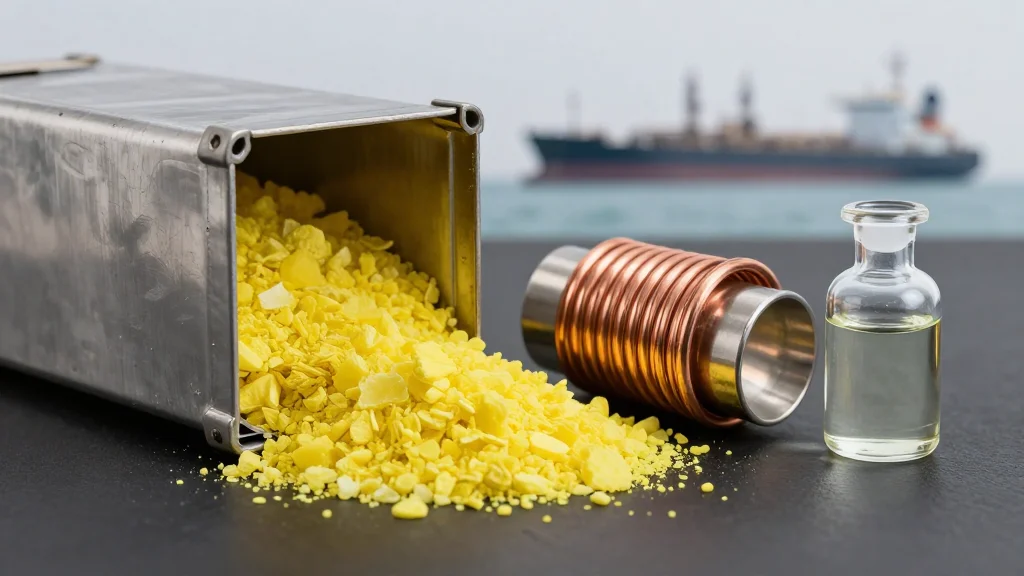
The Hormuz Crisis Is Making Low-Carbon Energy Strategies More Expensive
The Iran‑Houthi conflict in the Strait of Hormuz has sharply disrupted sulfur shipments, driving global sulfur prices up more than 70 percent and reaching about $600 per metric ton. Sulfuric acid, a by‑product of oil refining, is essential for hydrometallurgical...

Ajay Banga on Responding to This Economic Crisis: ‘Focus on Policies’ that ‘Create Jobs’
World Bank Group President Ajay Banga warned that the Iran war could add 0.9 percentage points of inflation and shave 0.4 percentage points off global growth, especially hurting emerging markets. He highlighted the Bank’s Crisis Response Windows, which let countries draw up...

What to Make of the Iran War Cease-Fire
U.S. President Donald Trump and Iranian Foreign Minister Abbas Araghchi announced a two‑week cease‑fire, marking the first pause in hostilities since the Iran war began on Feb 28. Markets reacted with a dip in oil prices, yet experts warn that extensive...
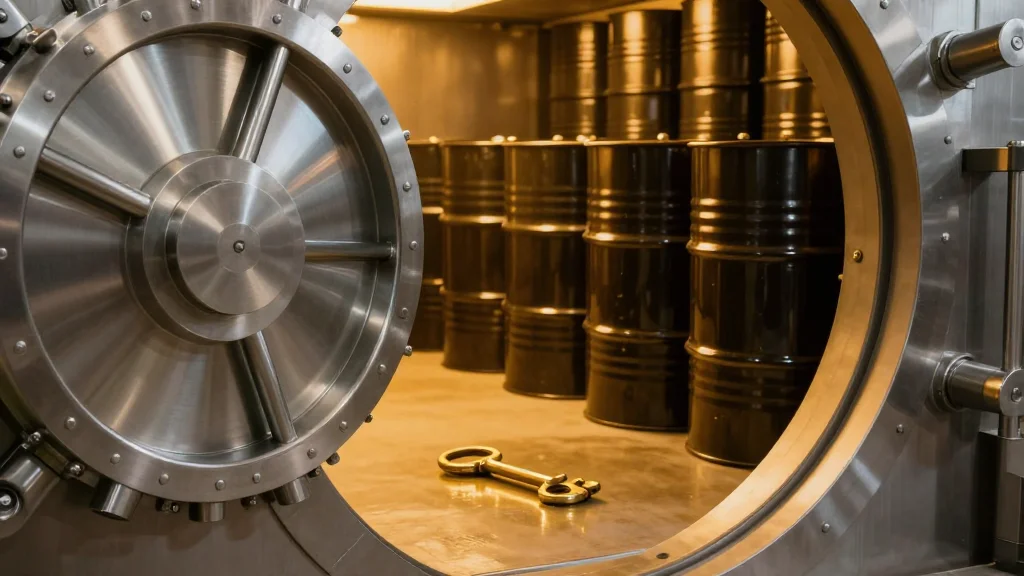
Sanctions Waivers on Russian and Iranian Oil Are Set to Expire. Here’s What Trump Should Do Next.
The U.S. Treasury’s general licenses that let Russia and Iran ship oil expire on April 11 and April 19, respectively. The temporary influx has not stopped crude prices from climbing, and both regimes are now earning roughly $150 million and $139 million per day....

Kroenig Interviewed on BBC on Trump and Iran
Atlantic Council vice‑president and Scowcroft Center senior director Matthew Kroenig appeared on the BBC on April 7 to discuss the Trump administration’s approach toward Iran. He evaluated the “maximum pressure” campaign, its diplomatic ramifications, and the potential for escalation. Kroenig also...
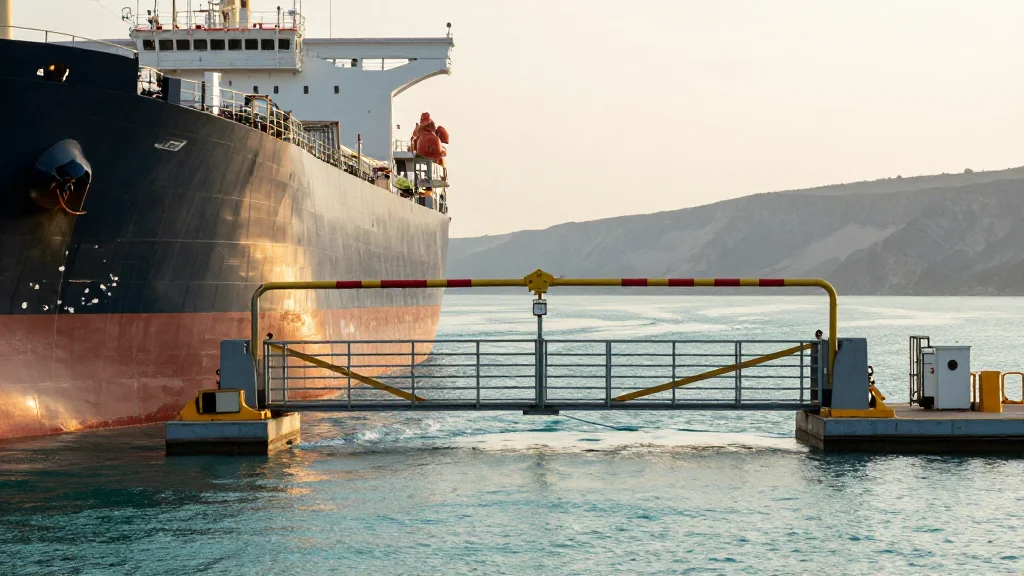
What’s Behind Tehran’s Tollbooth?
Iran briefly shut the Strait of Hormuz and began levying steep fees on transiting tankers, effectively turning the waterway into a tollbooth. Although a ceasefire has been brokered, the fee‑collection mechanism remains active, targeting vessels that are not subject to...

Lipsky Quoted in Reuters Article on China’s Role in Iran’s Military and Drone Production Process, and How Trump Is Unlikely...
The Atlantic Council cited a Reuters interview in which former Pentagon official Michael Lipsky warned that China is deepening its partnership with Iran, supplying components that enable Tehran's expanding drone and missile programs. Lipsky also noted that President Trump’s recent...
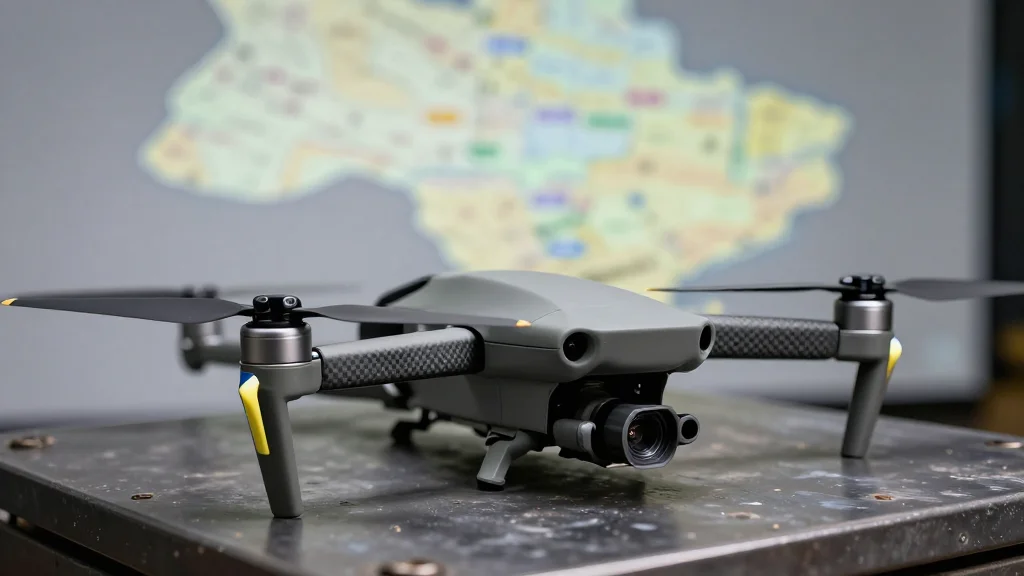
What Ukraine’s Wartime Tech Ecosystem Can Teach the Rest of the World
Ukraine’s wartime experience has turned its defense sector into a rapid‑innovation laboratory. Since the February 2022 invasion, the country expanded from seven drone manufacturers to over 500 and built the Brave1 cluster, now linking more than 3,000 firms with frontline units....