
Endometriosis Takes 7 Years to Diagnose
The video highlights that endometriosis, a chronic estrogen‑responsive condition, still takes an average of seven years to diagnose, largely because primary‑care clinicians often dismiss the symptoms as typical menstrual discomfort. Roughly 10% of women of reproductive age have the disease; it is present in up to 50% of infertility cases and 90% of chronic pelvic‑pain sufferers. Historically, definitive diagnosis required laparoscopy, but the 2022 European guideline now accepts skilled ultrasound or MRI when imaging aligns with clinical presentation. The presenter notes, “laparoscopy is no longer required to diagnose it,” underscoring a shift toward non‑invasive imaging. This change could shorten the diagnostic timeline, yet many clinicians have not yet adopted the new protocol. Faster, less invasive diagnosis could reduce years of untreated pain, improve fertility outcomes, and lower healthcare costs, making awareness and guideline implementation critical for women’s health.
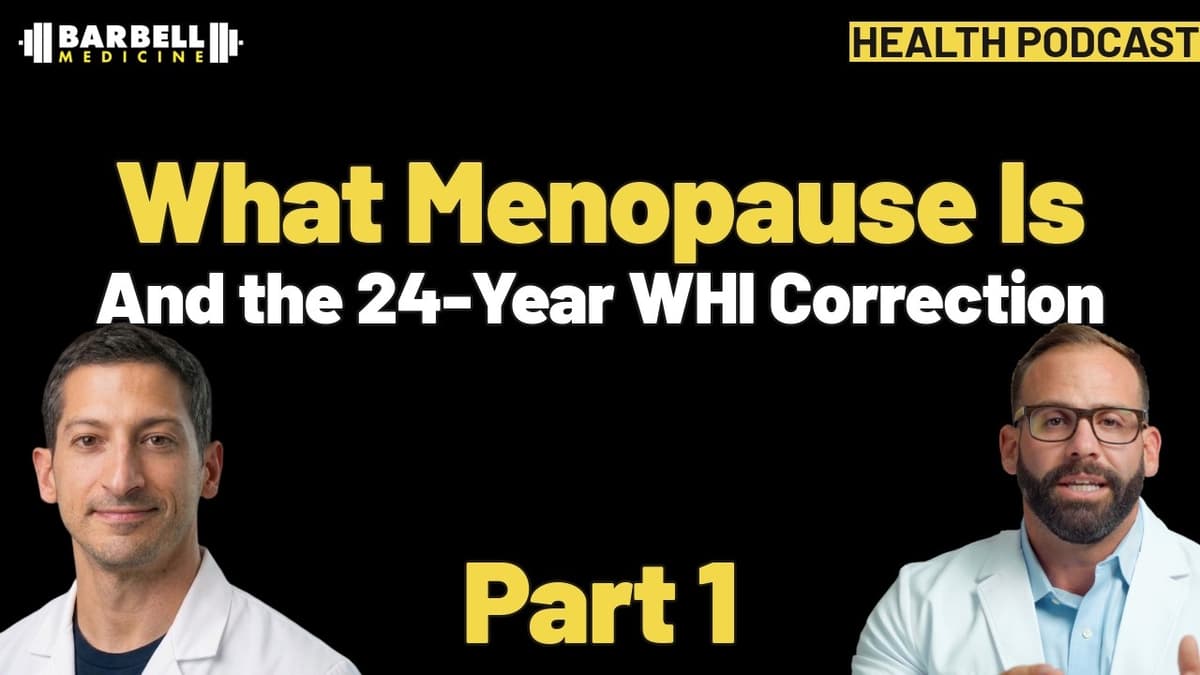
Menopause, Part 1: What It Actually Is and the 24-Year WHI Correction
The episode traces two centuries of medical misunderstanding about menopause—from 19th-century organotherapy and pathologizing of menses to the mid-20th-century push for lifelong estrogen replacement—and explains how the 2002 early termination of the Women’s Health Initiative (WHI) dramatically collapsed hormone-therapy prescribing....
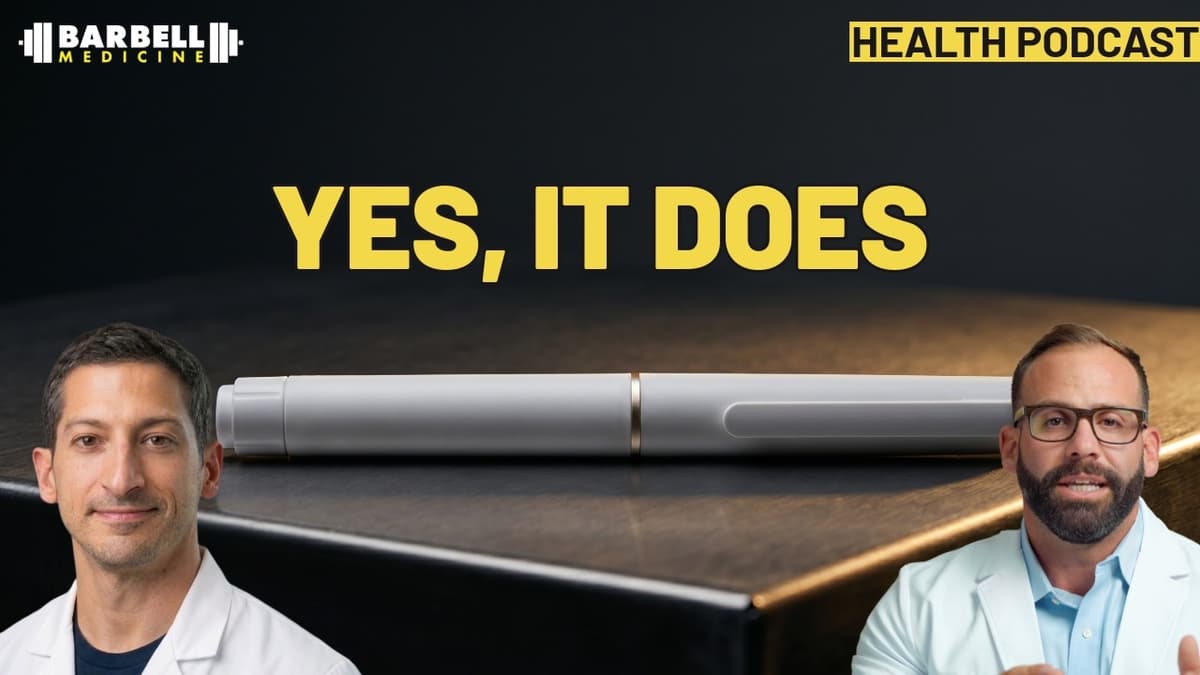
Does Ozempic Raise Testosterone?
The video examines whether Ozempic and other GLP‑1 receptor agonists raise testosterone in men, focusing on weight‑loss‑driven hormonal changes. Data show a 10% body‑weight reduction lifts testosterone by roughly 84 ng/dL, while bariatric surgery‑induced 20‑30% loss can add about 250 ng/dL. GLP‑1 drugs...
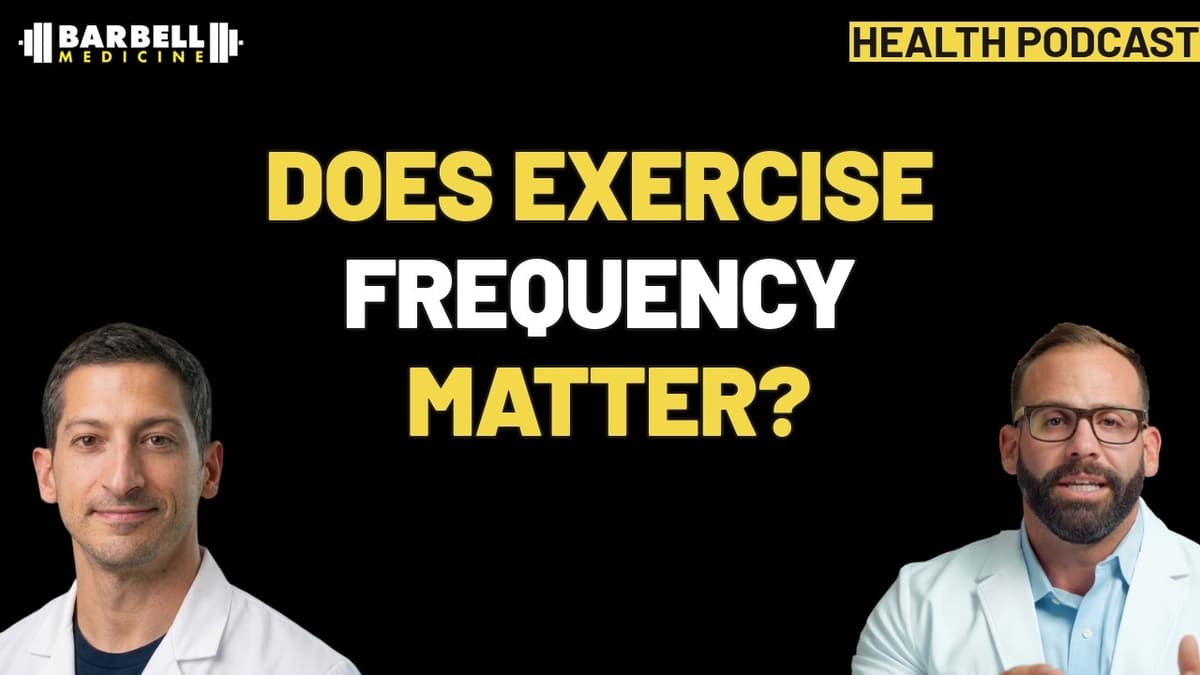
Does Training Frequency Matter for Strength and Size?
The video tackles a common gym‑floor question: does breaking a workout into separate sessions across the day impair long‑term strength and muscle growth? The hosts explain that training frequency is primarily a vehicle for distributing total training volume. When weekly volume...

Why Women Should Lift Heavy
A recent analysis of the LIFTMOR randomized trial shows that postmenopausal women in their 60s and 70s who performed heavy resistance and impact training twice weekly for eight months gained significant bone density—4% in the lumbar spine and 2% at...

Is Creatine Causing Your Shin Pain? +Splitting Training, Endometriosis for Lifters | Direct Line May
The Barbell Medicine Direct Line episode tackled a listener’s concern that a new creatine regimen was triggering shin and calf pain during runs, possibly indicating chronic exertional compartment syndrome (CECS). The hosts, Dr. Jordan Fagenbomb and Dr. Austin Barak, reviewed...

How to Tell If You're Really Stalled
The video challenges the traditional Novice‑Intermediate‑Advanced (NIA) framework, proposing a reactive, data‑driven approach to exercise prescription. Instead of preset categories, the authors advocate using real‑time signals—particularly warm‑up sets—to gauge daily performance potential and adjust loads on the fly. Key insights include...
17 Years of Powerlifting Data: How Strength Actually Grows
The video examines 17 years of powerlifting data to chart how strength actually develops over a lifter’s career. It shows a steep rise in the first year—roughly 7.5‑12.5% above baseline—followed by a gradual flattening that caps at about a 20%...
Strength Training 90-Year Olds
The video highlights a small clinical trial that put ten frail, institutionalized volunteers with an average age of 90 through an eight‑week, high‑intensity progressive resistance training program. Results were striking: average strength rose 174%, and mid‑thigh muscle cross‑section increased about 9%....

Can Sleep Apnea Cause Low Testosterone? What Most Wellness Clinics Miss
The episode examines how inadequate sleep—both reduced duration and fragmented quality—directly lowers testosterone, and why many wellness clinics overlook this critical factor. It highlights landmark research showing a 15% testosterone drop after just one week of five‑hour sleep, with even...

90% Nocebo (SAMSON) Trial
The Samson trial examined 60 patients who had stopped statins due to perceived side effects. Over a 12‑month blinded crossover, participants took a statin for four months, a placebo for four months, and no tablet for the final four months...

What 'in Range, Normal' Actually Misses
The video examines the danger of treating testosterone reference ranges as definitive, spotlighting a case where a 285 ng/dL result sits just above the Endocrine Society’s cutoff yet is often marked “normal.” The speaker stresses that clinicians must pair lab numbers with...
Why Your Wearable Is Lying to You About Overtraining
The video challenges the growing reliance on wearables and hormonal biomarkers to diagnose overtraining syndrome, arguing that the evidence base is weak and often misapplied. It highlights that resting cortisol is normal in roughly three‑quarters of athletes labeled with overtraining,...

3 Errors Mistaken For Overtraining
The video tackles a frequent misconception in strength training: athletes who feel “overtrained” are often experiencing three distinct, fixable problems rather than true overtraining syndrome. First, a programming‑test mismatch occurs when the training plan isn’t built around the metrics athletes use...
How-To Monitor For Overtraining
The video explains a practical method for spotting overtraining by monitoring session‑specific Rate of Perceived Exertion (RPE). The presenter suggests rating each workout on a 1‑to‑10 scale, where 10 reflects maximal difficulty and 1 indicates a light session that could...