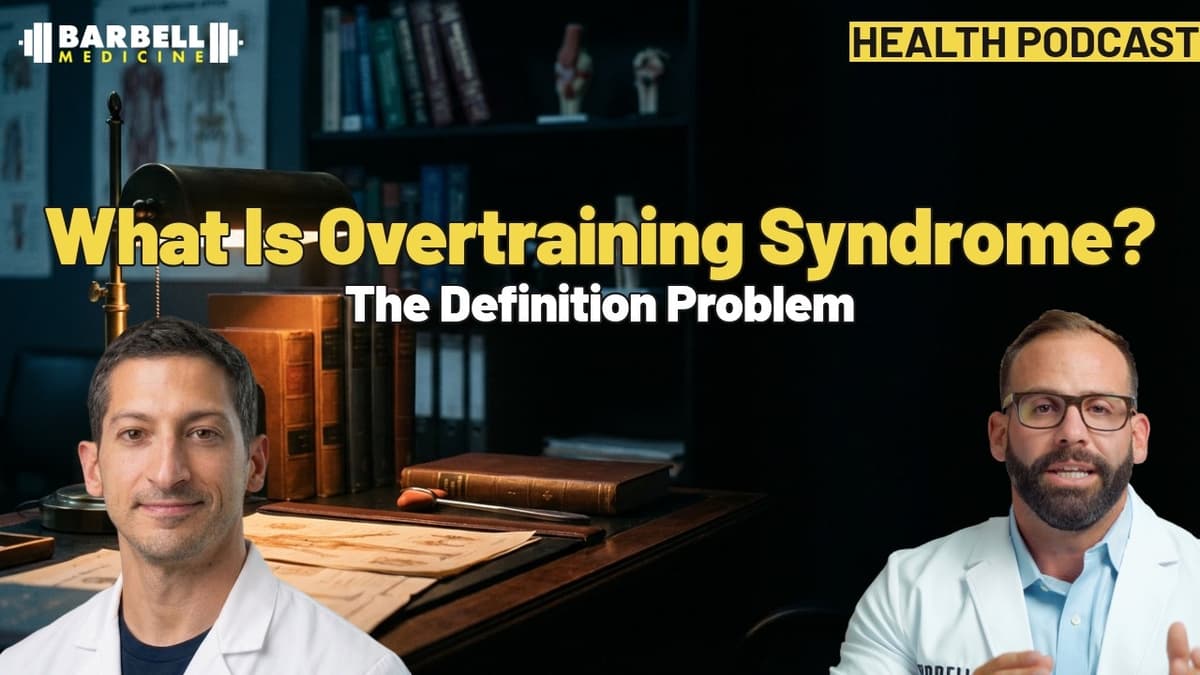
What Is Overtraining Syndrome? The Definition Problem
The video tackles the growing confusion around "overtraining syndrome," arguing that the label is more a product of retrospective observation than a rigorously defined medical condition. A 2022 systematic review found no controlled studies that could demonstrate a clear transition from healthy training to an overtrained state, underscoring the paucity of experimental evidence. The hosts highlight four divergent uses of the term: a deliberate overreaching stimulus in coaching curricula, a failure state flagged by wearable algorithms, a vague self‑diagnosis on social media, and a clinical diagnosis of exclusion that requires ruling out thyroid issues, anemia, low‑energy availability, and mental health disorders. This semantic drift leads to inconsistent management strategies and masks the underlying heterogeneity of athletes' symptoms. Notable examples include the systematic review’s zero‑study finding, the comparison of overtraining labels across domains, and a cited meta‑analysis showing nocebo effects in sport are roughly twice as large as placebo effects. The discussion of a cross‑fit class scenario illustrates how negative expectations can biologically amplify fatigue, while the hosts caution that labeling athletes as "overtrained" may trigger harmful nocebo responses. The implication is clear: without a unified, evidence‑based definition, practitioners risk misdiagnosing common medical conditions, imposing unnecessary training reductions, and inadvertently impairing performance. A shift toward precise terminology and individualized assessment could refine recovery protocols and protect athletes from both physiological and psychological pitfalls.

Medical Mystery: The Man Who Got Weaker When He Started Training
A 43‑year‑old man who began resistance training presented to the ER with a CK level of nearly 19,000 U/L, prompting a deep dive into statin‑associated muscle injury. The episode reviews the patient’s history, lab findings, and the final diagnosis, highlighting three...

What Wearables Show With GLP1 Use
The video discusses how wearable devices are revealing subtle cardiovascular changes in patients using GLP‑1 receptor agonists. It highlights that these drugs generally cause a modest rise in resting heart rate—typically a few beats per minute—and a concurrent dip in...
Nocebo Effects In Exercise
The video explores how nocebo effects—negative expectations—alter athletes' perception of effort and fatigue during exercise. Using a vivid CrossFit gym scenario, the speaker illustrates that seeing exhausted peers can prime the mind to anticipate hardship, thereby shaping the physiological response. Key...

Resistance Training for Rheumatoid Arthritis: What the Evidence Actually Says | Barbell Medicine
The video examines the safety and benefits of resistance training for individuals with rheumatoid arthritis (RA), with Dr. Baraki explaining the disease’s autoimmune nature and contrasting it with osteoarthritis. He highlights a robust body of research across free‑weight, machine, band,...
What Your Weight-to-Waist Ratio Tells You About What You're Actually Losing
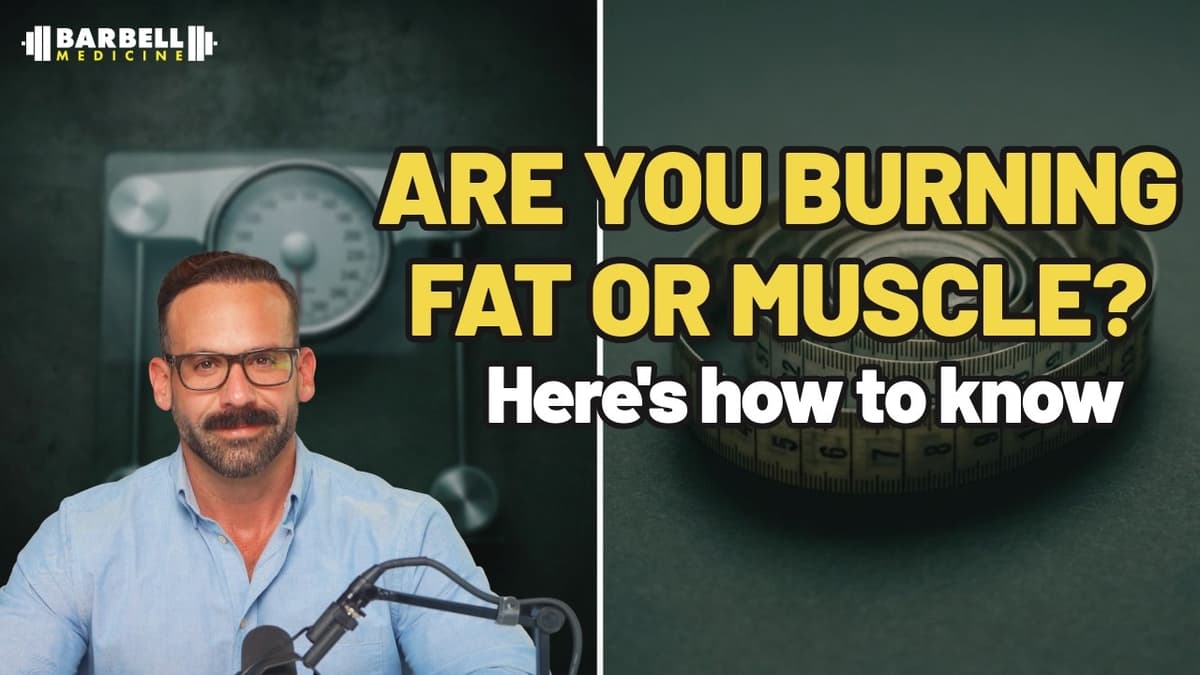
The video explains how the weight‑to‑waist ratio reveals whether lost pounds are fat or lean tissue. It cites research showing an average of about 0.7 kg of weight loss per centimeter of waist reduction, a figure derived mainly from male cohorts, and...

AST:ALT Ratio
The video explains how AST (aspartate aminotransferase) and ALT (alanine aminotransferase) are released from damaged hepatocytes and used to assess liver injury. ALT is more liver‑specific; when ALT > AST clinicians suspect primary hepatic pathology. Conversely, AST > ALT often points...

Your Cardiologist Said Never Lift Again After a Heart Attack. The Evidence Says Otherwise
The discussion centers on a cardiologist’s directive that a post‑MI patient with a stent should never lift weights and limit walking to 30 minutes daily. The hosts argue that such blanket restrictions ignore the nuanced evidence on exercise after coronary...
Overtraining Syndrome: Causes, Diagnosis, and What's Actually Going On
The Barbell Medicine podcast episode tackles the murky concept of overtraining syndrome, highlighting that despite its ubiquity in coaching manuals, wearable dashboards and sports‑medicine literature, no controlled experimental study has ever documented a healthy athlete transitioning into a true overtrained...

Exercise Vs. Rheumatoid Arthritis
The video explains how regular physical activity can act as a disease‑modifying intervention for rheumatoid arthritis (RA). While exercise induces some muscle micro‑damage, the overall physiological response is anti‑inflammatory, driven primarily by myokines—muscle‑derived proteins that function like hormones. These myokines...

What to Say to Your Doctor When They Want to Biopsy Your Liver
The Barbell Medicine podcast episode tackles a common dilemma: patients with elevated liver enzymes are often urged toward imaging or biopsy, yet intense resistance training can mimic hepatic injury. Host Dr. Jordan Bagenbomb outlines how muscle micro‑damage from heavy workouts...

Zone 2 Vs. HIIT
The video contrasts low‑intensity Zone 2 cardio with high‑intensity interval training (HIIT), arguing that the optimal modality depends largely on how much time an individual can devote to exercise. The speaker introduces the concept of “energy throughput” – the total work performed...
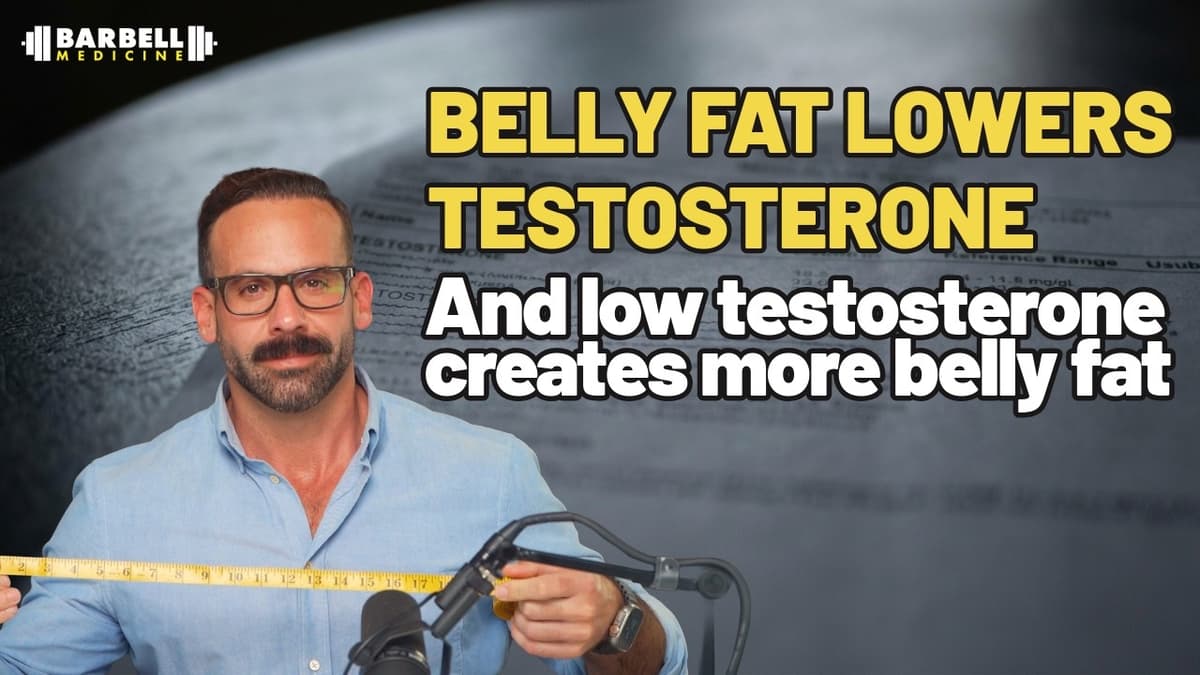
Testosterone, "Belly Fat", And the Aromatase Loop — How They Drive Each Other
The video explains how visceral fat, aromatase activity and testosterone form a self‑reinforcing loop that drives both hormonal decline and abdominal obesity in men. Visceral adipose tissue overexpresses aromatase, converting testosterone into estradiol. The rise in estradiol feeds back to the...

Is VO2 Max Really the Best Predictor of How Long You’ll Live? | Barbell Medicine
The Barbell Medicine panel tackles a contentious claim: whether VO2 max is the premier predictor of lifespan. Dr. Eric Toppel points out that most longevity research relies on estimated exercise tolerance—METs, treadmill time, or sub‑maximal tests—rather than direct VO2 max...

Three Theories on Why Visceral Fat Is Dangerous — Only One Has Strong Evidence
The video dissects three competing explanations for why visceral fat is linked to metabolic disease, emphasizing that the most widely cited “portal theory” lacks the strongest empirical support. The overspill‑and‑ectopic‑fat hypothesis emerges as the best‑supported model. It posits that visceral fat...

Lifting After a Heart Attack
The video tackles a common dilemma faced by post‑myocardial infarction patients: whether they can resume weight‑lifting after receiving a stent. A cardiologist’s blanket recommendation to avoid any lifting and limit activity to a 30‑minute walk sparked frustration, prompting a deeper...
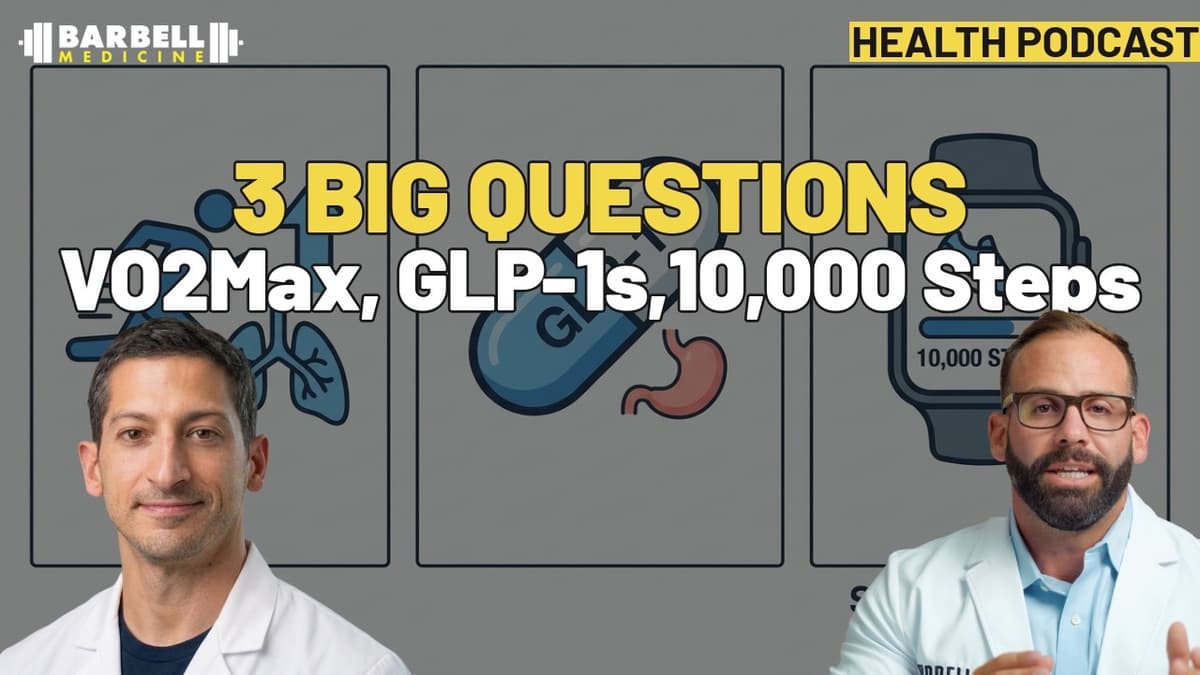
VO2 Max, GLP-1 Costs, and Is Walking Really Enough? | Barbell Medicine Direct Line | March 2026
The Barbell Medicine Direct Line episode tackled two hot topics for health‑focused consumers: the relevance of VO2 max versus broader cardiorespiratory fitness metrics for longevity, and the soaring cost of GLP‑1 obesity drugs. Dr. Jordan Flagenbomb and Dr. Austin Barack...
10,000 Steps Was A Marketing Campaign
The video explains that the ubiquitous “10,000 steps a day” guideline is not a scientifically derived target but a product of a 1960s Japanese marketing campaign for a pedometer whose name literally meant “10,000‑step meter.” The number was chosen because...

“Cortisol Belly” - Fact or Fiction?
The video tackles the popular “cortisol belly” claim, asking whether chronic stress directly fuels abdominal fat. It distinguishes the biological mechanisms—higher glucocorticoid receptor density in visceral fat and a local enzyme that reactivates cortisol—from the broader narrative pushed by the...

TRT Vs. Heart Disease
The video examines testosterone replacement therapy (TRT) in the context of cardiovascular health, questioning whether it mitigates or exacerbates heart disease risk. The speaker emphasizes that, when appropriately prescribed and monitored, TRT does not appear to increase heart‑attack incidence, offering...

Only ~1 in 10 Keep Weight Off With Lifestyle Alone
The video highlights that only about one in ten individuals who enroll in lifestyle‑only weight‑loss programs achieve and keep a clinically meaningful reduction after five years. It argues that the low success rate reflects the body’s entrenched biological defenses rather...

How Does Exercise Raise Liver Enzymes?
The video explains why intense physical activity can cause a temporary rise in blood levels of enzymes traditionally labeled as "liver enzymes." It traces the cascade that begins with rapid ATP consumption, which damages muscle cell ion channels and creates...

Why 56% of Doctors Miss This Diagnosis — The 5-Point Framework Every Lifter Needs
The video explains why a sizable portion of doctors overlook exercise‑induced elevations in ALT and AST, labeling them “liver enzymes,” and presents a five‑point framework for lifters and clinicians. It details the physiology—strenuous resistance training depletes ATP, disrupts ion channels, floods...
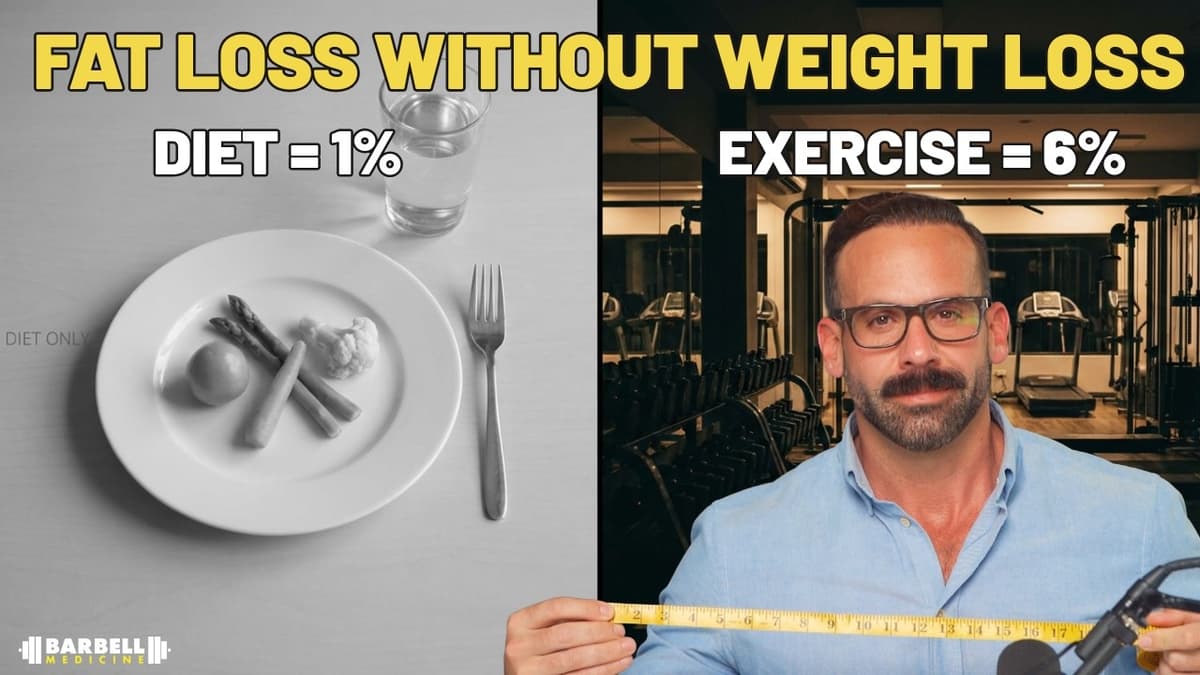
Exercise Burns More Belly (Visceral) Than Dieting Alone — Here's the Mechanism
The video explains why aerobic exercise, even without weight loss, reduces visceral (belly) fat far more effectively than calorie restriction alone, outlining the underlying biological mechanisms. Studies show a roughly 6 % drop in visceral fat after aerobic training versus only about...

Why Your Waist Matters More Than Your Weight — The Science of Visceral Fat
The Barbell Medicine podcast episode argues that the number on the bathroom scale is a poor proxy for health because it cannot distinguish where body mass resides. Dr. Jordan Vagenbomb explains that visceral fat—fat stored around the intestines, liver, and...

Episode #389: Your Liver Enzymes Are Elevated — But It Might Not Be Your Liver
In a recent Barbell Medicine podcast, doctors Jordan Feigenbaum and Austin Baraki dissect a case where a healthy 39‑year‑old athlete’s elevated liver enzymes nearly led to an unnecessary biopsy. They explain that intense resistance training can transiently raise ALT, AST,...
How Much Protein Do You REALLY Need?
The video tackles the perennial question of how much protein individuals truly need, zeroing in on a recommendation of roughly 1.2 to 1.6 grams per kilogram of body weight each day. The presenter emphasizes a bias toward plant‑derived protein sources,...

How Much Protein Do We Need For Longevity? MTOR, Sarcopenia, and Mortality Risk
The video weighs competing views on protein for longevity: one side warns that high, especially animal-derived, protein chronically activates growth pathways (mTOR/IGF‑1) linked to aging and cancer in animal models; the other warns that insufficient protein raises sarcopenia and frailty...

What Happens to Your Heart when You Brace?
The clip explains the first phase of the Valsalva maneuver and how breath-holding against a closed glottis alters cardiovascular dynamics. Contracting expiratory muscles raises intrathoracic pressure, which both expels blood from thoracic vessels and impedes venous return to the heart....

Three Generations of Age Tests
Scientists are developing biological ‘age’ tests that measure DNA methylation—small chemical tags added to specific sites on the genome—that change with environment, lifestyle and disease. These epigenetic markers don’t alter the genetic code but influence gene reading and are associated...
Lifting Heavy While Pregnant
Recent research cited in the video indicates that heavy resistance training during pregnancy— including lifts up to 90% of a 10-rep max and barbell work around 76% of one-rep max—shows no consistent evidence of fetal distress. Studies monitoring uterine blood...

Biological Age Testing: Can Your DNA Tell Us More Than Your Blood Pressure?
The video explains biological age tests that use DNA methylation patterns to estimate how fast a person is aging versus their chronological age. Early “first-generation” clocks estimate calendar age, second-generation measures like GrimAge predict mortality and disease risk, and newer...
Episode #388: Muscle Imbalances, Red Meat Risk, and the Science of Body Fat Set Points
The Barbell Medicine podcast challenges the common belief that muscle imbalances reliably predict pain or injury, arguing that asymmetry is often a functional adaptation rather than a pathological problem. Hosts note human bodies are naturally asymmetrical—across sides and between agonist/antagonist...
Do Muscle Imbalances Cause Pain? + Saturated Fat Risks for Athletes
Barbell Medicine hosts challenge the common fitness belief that muscle imbalances reliably predict pain or injury, arguing asymmetry is often a functional adaptation rather than a pathological flaw. They note human bodies are naturally asymmetric—athletes commonly develop side-to-side muscular and...

Why Your Doctor Is Wrong About Holding Your Breath (During Exercise)
The video traces the history and physiology of the Valsalva maneuver — from Antonio Maria Valsalva’s 1704 ear-clearing technique to 19th-century experiments linking it to fainting and a 1985 study that recorded extreme blood‑pressure spikes in maximal leg-press subjects. It...