
Inductive Bio on a Winning Streak With ADMET Predictions
Inductive Bio captured first place in the OpenADMET‑ExpansionRx blind challenge, beating over 370 competitors including Merck‑NVIDIA and EMD Serono. The AI‑driven platform accelerates ADMET prediction for diseases such as myotonic dystrophy, ALS and dementia, compressing traditional four‑year drug‑discovery cycles to nine‑12 months. The company also secured up to $21 million from ARPA‑H to develop next‑generation toxicity models using human‑liver organoids and ex‑vivo tissue systems. Its pre‑competitive ADMET consortium enables secure data sharing across pharma and biotech partners, reinforcing its market position in AI‑enabled drug discovery.

From Data to Discovery: Inside the Bio-IT Hackathon
The Bio‑IT World Hackathon, hosted by the NIH Common Fund Data Ecosystem Training Center, gathered multidisciplinary teams to tackle six real‑world biomedical data challenges using cloud‑based AI tools. Participants, ranging from students to industry professionals, had 48 hours to develop...

Ancient Mushroom, Modern Medicine: Paul Stamets Says Agarikon Mycelium May Be Key to Fighting Viral Pandemics
Mushroom mycologist Paul Stamets presented data indicating that Agarikon (Fomitopsis officinalis) mycelium possesses broad antiviral properties. In two placebo‑controlled trials, a combined Agarikon‑turkey‑tail extract reduced COVID‑19 vaccine side effects, sustained antibody titers, and accelerated recovery in hospitalized patients. The research,...

Russia to Expand National Genetics Database to Ensure Treatment for Various Ethnic Groups
Russia is expanding its national genetics database by adding data from 80,000 additional individuals, focusing on patients with socially significant diseases. The first phase (2020‑2024) already catalogued over 200,000 genomes from healthy volunteers, creating one of the world’s largest variant...

How HPC Systems Are Making Things Easier
Moffitt Cancer Center launched the Collaborative Computing Center (CCC), a private, on‑premises HPC environment funded by a $2 million NIH S10 grant. The system features roughly 30 compute nodes, a dedicated internet link, and 1.3 petabytes of high‑speed Hammerspace storage, creating a...
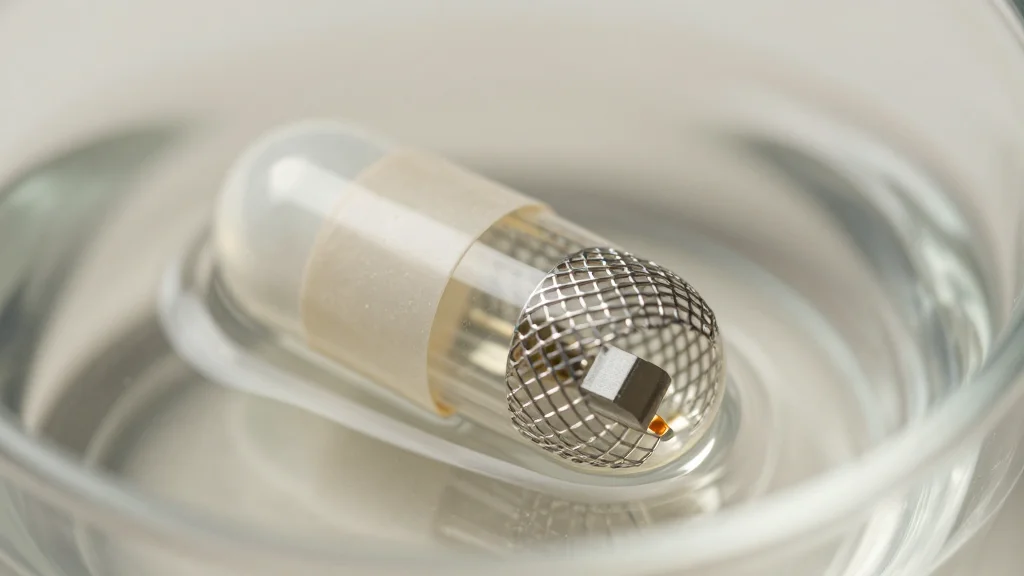
MIT Develops Biodegradable “Smart Pill” To Track Medication Adherence
MIT engineers have unveiled SAFARI, a biodegradable ingestible sensor that confirms pill ingestion using a bioresorbable Faraday cage and RFID tag. The device activates once the cage dissolves in the gastrointestinal tract and transmits a signal within about ten minutes....

Lee Hood’s Persistent Plan to Reinvent Medicine From the Ground Up
Lee Hood’s three‑decade instrument‑building effort birthed the automated DNA sequencer that made the Human Genome Project feasible and founded the Institute for Systems Biology, the cradle of systems‑level medicine. He coined the four P’s—predictive, preventive, personalized, participatory—arguing the first three are...
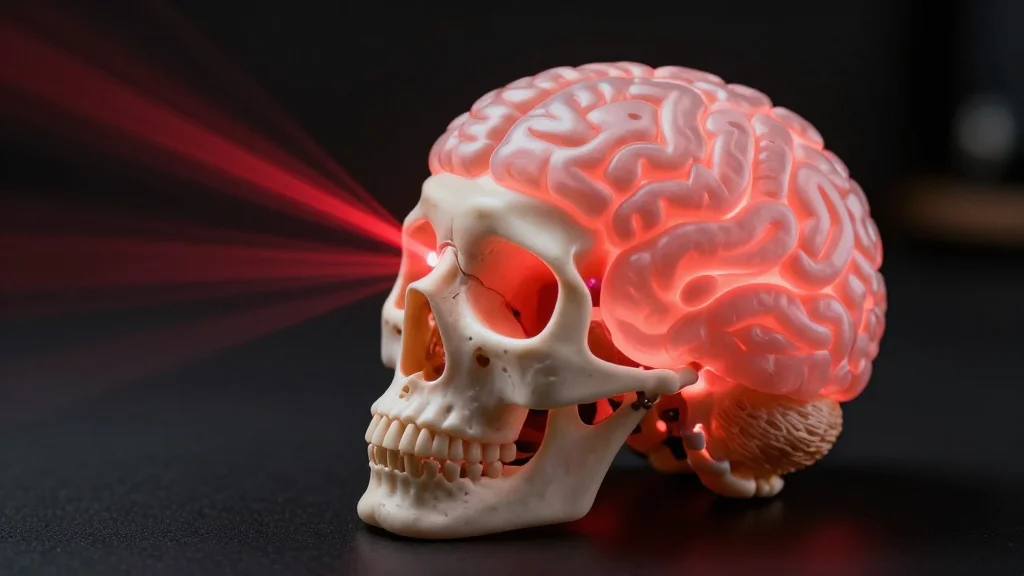
Red Light Therapy Shows Promise for Treating Brain Injuries
A University of Utah Health study examined red‑light photobiomodulation (PBM) as a preventive therapy for repetitive head acceleration events in collegiate football. Twenty‑six Division I athletes were randomized to active or sham transcranial and intranasal PBM over 16 weeks, receiving three...
New AI Approach Weighs Data ‘Temperature’ to Improve Prediction Accuracy
Penn State researchers unveiled ZENN, a zentropy‑embedded neural network that fuses thermodynamic entropy and a data "temperature" parameter to weigh heterogeneous inputs. By separating signal energy from intrinsic noise, ZENN achieves markedly higher prediction fidelity, demonstrated by a 90% accuracy...