
Immunai, AstraZeneca Expand Partnership, Rancho Biosciences Releases Multi-Omics Datasets, Dotmatics AI Co-Scientist
Immunai is expanding its partnership with AstraZeneca, securing up to $37.5 million for 2026‑27 to apply its AMICA‑OS AI platform to oncology drug development. Rancho BioSciences launched OmicsHQ, a curated catalog of over 1,000 single‑cell multi‑omics datasets aimed at accelerating AI‑driven discovery. Dotmatics introduced Luma Agent, an AI co‑scientist that automates data analysis, reporting, and workflow orchestration across its platform. Together, these moves illustrate a broader industry shift toward AI‑enabled research, data integration, and collaborative drug‑development ecosystems.

Insilico Medicine, Human Longevity Partner for Longevity Foundation Model
Insilico Medicine and Human Longevity have formed Human Life Foundation Models, Inc., a joint venture to build large‑scale AI foundation models for longevity science. Backed by a multi‑year, multi‑million‑dollar framework, the effort will leverage Human Longevity’s extensive multimodal health dataset...

Follow the Money: AI Drug Design Engine, Treating Multiple Myeloma, Quantum Healthcare Platform
Isomorphic Labs closed a $2.1 billion Series B to scale its AI drug‑design engine, while CellCentric secured $220 million to push its oral myeloma candidate, inobrodib, into Phase 3 trials. NVision raised $55 million Series B to merge quantum computing with its POLARIS MRI platform, aiming...

At Bio-IT World's 25th Anniversary, Rare Disease Takes Center Stage
At the 25th Bio‑IT World Conference, rare disease took center stage as leaders examined the puzzle from patient, AI‑diagnostic, investment, and policy angles. Patients like Tom Bartlett highlighted the chronic data gap between wearables and clinicians, while AI platforms such...

From Data Chaos to Discovery: Building the Data Foundation for AI-Ready Scientific Research
Life science organizations are overwhelmed by fragmented, petabyte‑scale data that hampers AI deployment. Legacy storage‑centric architectures force repeated copying, incurring a “data tax” that slows research and raises compliance risk. Experts argue that an AI‑ready data strategy—rooted in FAIR principles,...
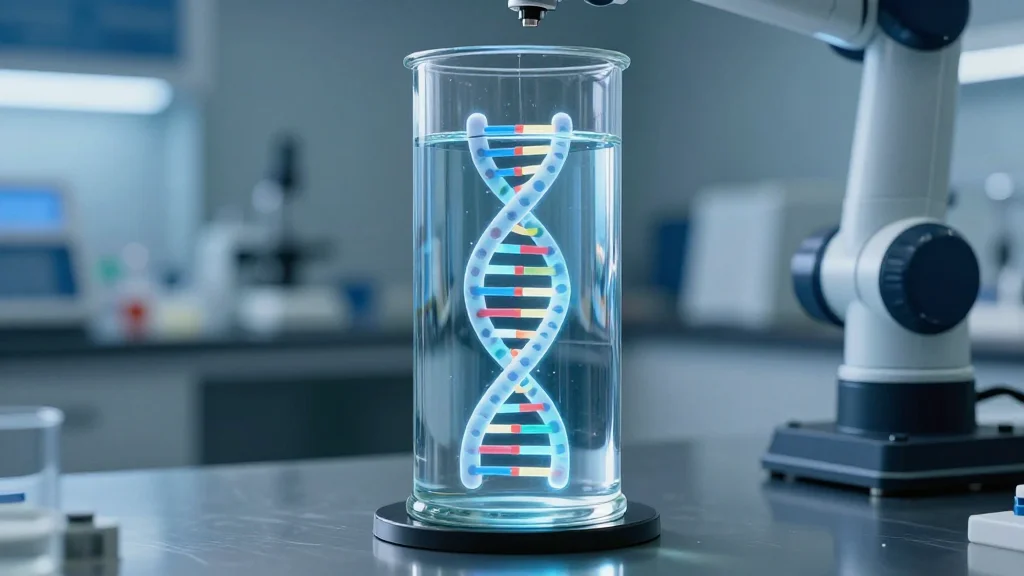
Trends From the Trenches: The Capability Jump of AI and Its Impact
AI’s rapid capability jump is reshaping computational biology, especially bioinformatics pipelines such as RNA‑seq, single‑cell and spatial transcriptomics. While software firms report most code now AI‑assisted, biotech teams still write code manually, creating a clear adoption gap. Benchmarks—capability, task and...
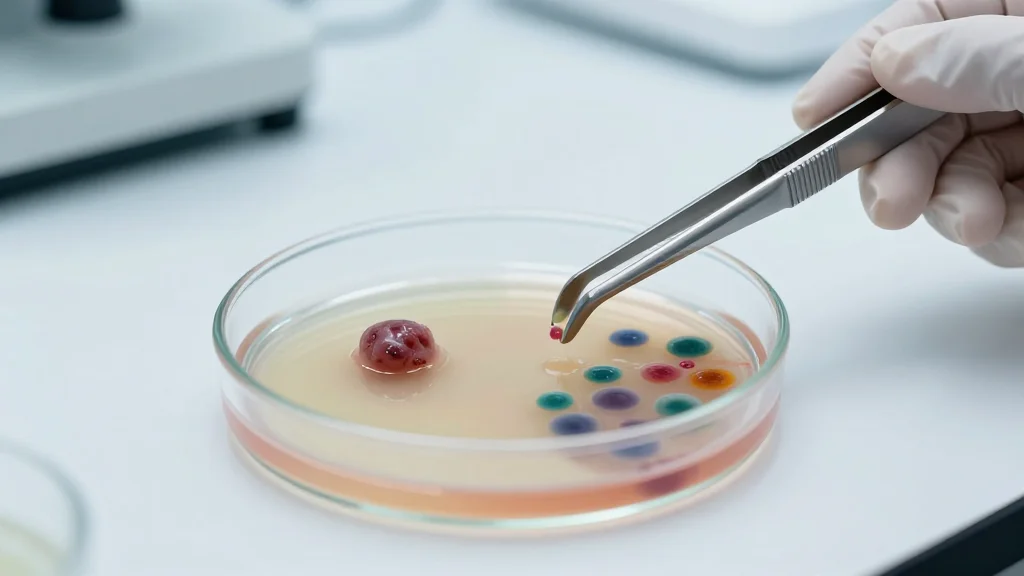
Bacteria: Unsung Players in the Tumor Microbiome
Recent consensus research highlights that every tumor harbors its own low‑biomass microbiome, influencing cancer development, metastasis, and treatment response. Researchers, led by Maria Rescigno, emphasize the need for rigorous detection methods—favoring 16S rRNA sequencing and culturomics—to distinguish genuine microbes from...
Much Progress Needed Planning Research to Consider Sex as a Biological Variable
In 2016 the National Institutes of Health mandated that all grant‑funded research account for sex as a biological variable. A Northwestern University team recently audited NIH‑supported studies to gauge compliance. Their analysis reveals that most projects still omit sex‑based design,...

Follow the Money: Autoimmune, Inflammatory Disease Therapies, Antibody-Drug Conjugates, AKT1-Selective Inhibitor Programs
A wave of sizable financing rounds swept the biotech sector in late April 2026, with more than $1.3 billion pledged across 15 companies. Beeline Medicines led the pack with a $300 million Series A to advance lupus‑focused small‑molecule and protein therapeutics, while Sidewinder...
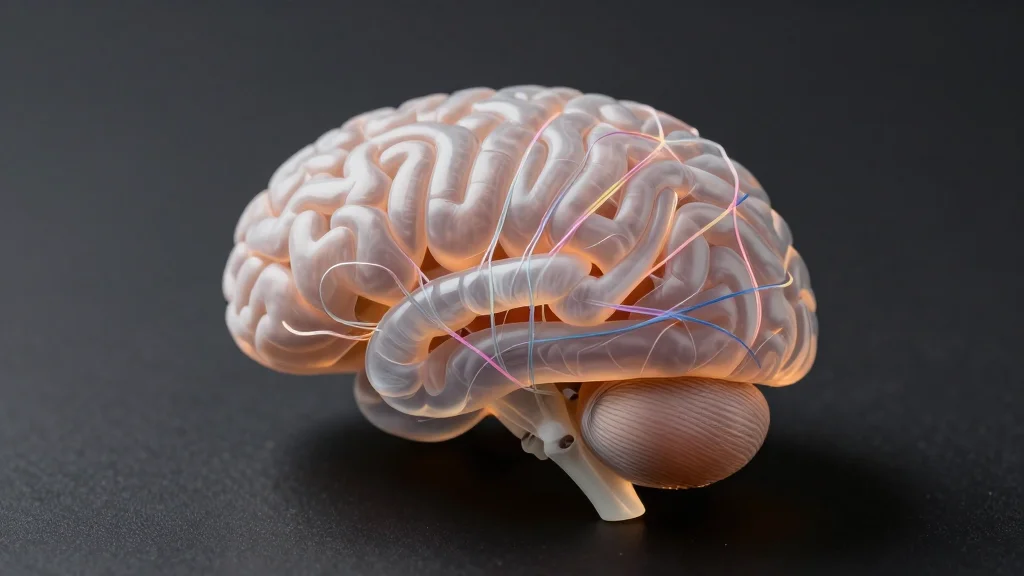
FMRI-Based Mega-Study of Psychedelics Reveals Patterns of Brain Signaling Reorganization
An international consortium analyzed resting‑state fMRI scans from over 250 healthy volunteers who received psilocybin, LSD, DMT, mescaline or ayahuasca, creating the largest pooled dataset of psychedelic brain imaging to date. Using a unified processing pipeline and Bayesian hierarchical modeling,...

From Brain Implant to Lifelong Companion: Michel Maharbiz Unveils Epia Neuro
Epia Neuro, a stealth‑mode neurotechnology startup co‑founded by Michel Maharbiz, announced its public debut at the Bioelectronic Medicine Forum. The company, now 45‑strong and backed by venture and pharma investors, is developing a skull‑mounted, dura‑sparing neural interface designed for outpatient...
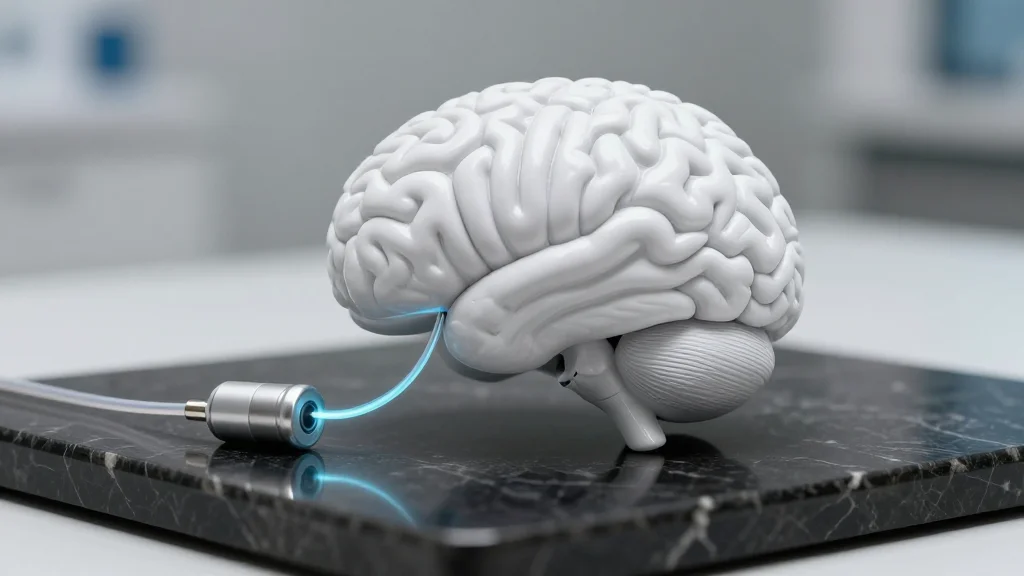
Investors Sound Off on BCI Hype, Regulatory Risk, and the AI Gold Rush
At the 2026 Bioelectronic Medicine Forum, investors highlighted regulatory uncertainty, reimbursement clarity, and the need for translational funding as critical hurdles for brain‑computer interface (BCI) startups. Panelists warned that founders who market their technology as a platform before validating a...
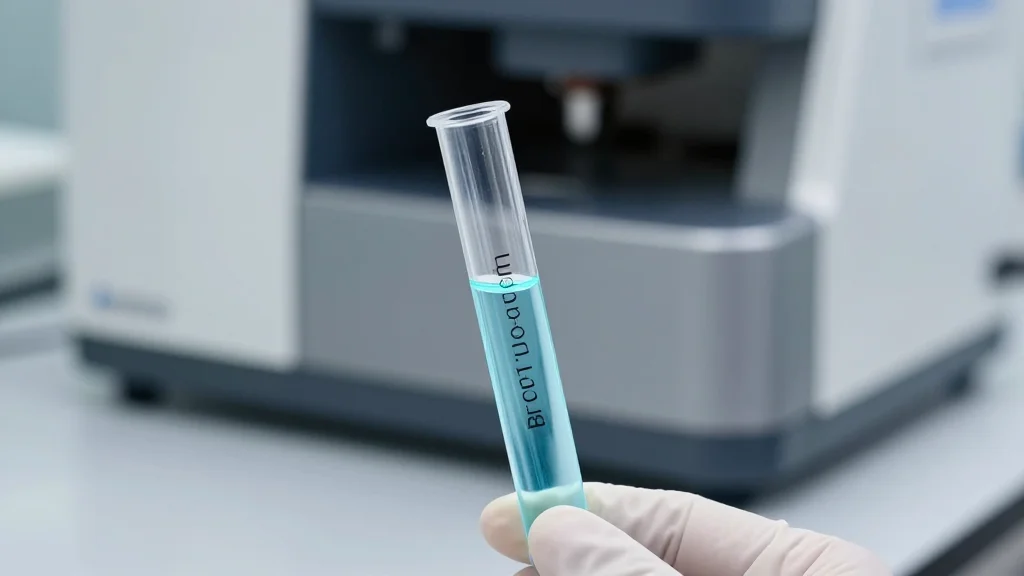
PARTAGE Method Reveals Genome Regulation in Single Approach
Researchers at the University of Minnesota Medical School introduced PARTAGE, a multi‑omics workflow that simultaneously captures DNA replication timing, copy‑number variations, and transcriptome activity from a single DNA sample. The protocol uses BrdU labeling, FACS sorting, and co‑purification of DNA...

'Mini-Brain' Model Explores Concussion's Effects at Cellular Level
University of Cincinnati biomedical engineer Volha Liaudanskaya is using engineered "mini‑brains" to study how concussive forces affect brain cells at the cellular level. The assembloid model combines five cell types—including neurons, astrocytes, microglia and two vascular cells—allowing simultaneous tracking of...

‘Humble’ AI Reveals When It Is Uncertain in Diagnoses
MIT researchers unveiled BODHI, a “humble” AI framework that forces large language models to explicitly signal uncertainty in clinical diagnoses. The system implements six integrated steps and a two‑pass chain‑of‑thought prompting that separates internal reasoning from the clinician‑facing response. In...