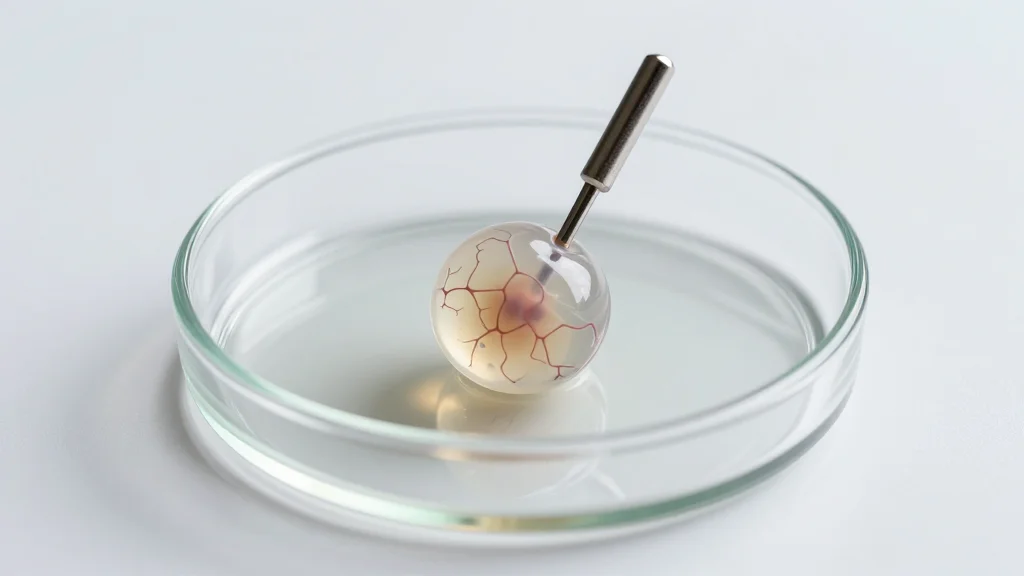
'Mini-Brain' Model Explores Concussion's Effects at Cellular Level
Why It Matters
Understanding the cellular mechanisms of mild traumatic brain injury informs prevention strategies for youth sports and could guide therapeutic approaches to mitigate long‑term neurodegeneration.
Key Takeaways
- •Mini-brain assembloids model five brain cell types.
- •Researchers apply reproducible concussive forces to track mitochondrial response.
- •Injured cells show protein destabilization, fiber breakdown, chronic inflammation.
- •Six‑month protection window prevents recovery reset after re‑injury.
- •Vascular inflammation identified as driver of long‑term neurodegeneration.
Pulse Analysis
Concussions remain a public‑health challenge, accounting for roughly three million emergency‑room visits annually in the United States. While severe head trauma receives ample attention, the cumulative impact of mild, repetitive blows—common among youth athletes—has been harder to quantify. Traditional animal models often fail to replicate human brain complexity, prompting researchers like Liaudanskaya to turn to organoid technology. By engineering "mini‑brains" that fuse neurons, astrocytes, microglia, and vascular cells, scientists can observe how each component reacts to precisely calibrated mechanical forces, offering a granular view of traumatic brain injury (TBI) at the cellular level.
The team’s innovative "pentaculture" platform tags mitochondria in each cell type with distinct fluorescent proteins, enabling real‑time visualization of organelle dynamics during simulated concussions. Mechanical devices deliver consistent, measurable impacts, revealing that even low‑grade forces destabilize structural proteins, fragment neuronal fibers, and sustain inflammatory signaling. Notably, mitochondrial dysfunction emerges as a central driver of metabolic stress, linking acute injury to the chronic pathways seen in Alzheimer’s, Parkinson’s and chronic traumatic encephalopathy. These findings underscore the vascular system’s role in amplifying inflammation, suggesting that targeting blood‑brain barrier integrity could blunt the progression toward neurodegeneration.
For policymakers, coaches, and clinicians, the research highlights a critical six‑month window where brain protection can halt the cascade of damage. If a second concussion occurs within this period, the recovery process resets, prolonging inflammation and increasing long‑term risk. This insight supports stricter return‑to‑play protocols and may spur development of therapeutics aimed at stabilizing mitochondrial function and vascular health after mild TBI. As the scientific community refines organoid models, the hope is to translate these cellular insights into actionable guidelines that safeguard the next generation of athletes.
'Mini-brain' Model Explores Concussion's Effects at Cellular Level
Comments
Want to join the conversation?
Loading comments...