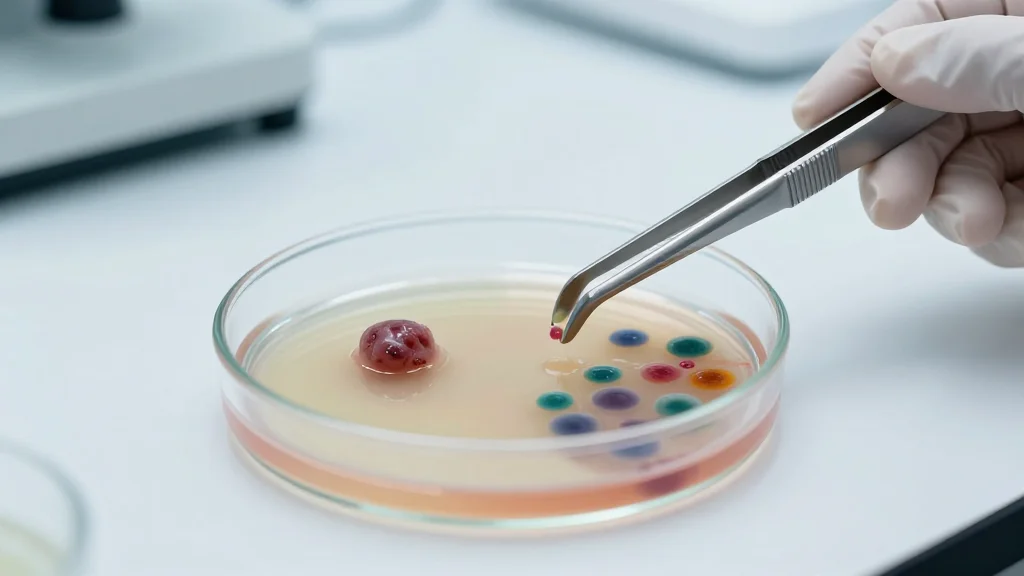
Bacteria: Unsung Players in the Tumor Microbiome
Why It Matters
Understanding the tumor microbiome could explain patient‑to‑patient variability in therapy response and unlock new adjunctive treatments, making it a strategic focus for oncology drug development.
Key Takeaways
- •Tumor tissues contain unique, low‑biomass microbiota across cancer types.
- •16S rRNA sequencing preferred; shotgun metagenomics unreliable for tumors.
- •Live bacteria can drive DNA damage, inflammation, and metastasis.
- •Antibiotics reduce immunotherapy efficacy by disrupting tumor and gut microbiomes.
- •Postbiotica is testing postbiotic metabolites to boost tumor antigen presentation.
Pulse Analysis
The tumor microbiome has emerged from obscurity to a pivotal factor in oncology, prompting a recent international consensus that calls for standardized, contamination‑aware detection protocols. While next‑generation sequencing dominates the field, 16S rRNA profiling remains the gold standard for low‑biomass tumor samples, and culturomics is gaining traction to confirm bacterial viability. By integrating genetic, imaging, and functional assays, researchers aim to generate reproducible data that can differentiate true intratumoral microbes from laboratory artifacts.
Beyond detection, live bacteria within tumors actively shape disease trajectories. Certain strains release genotoxins that increase mutational burden, while others trigger chronic inflammation or facilitate epithelial‑to‑mesenchymal transition, seeding metastasis. Crucially, the microbiome modulates therapeutic efficacy: antibiotics that disturb gut and tumor microbes have been linked to poorer outcomes with immune‑checkpoint inhibitors, underscoring the delicate interplay between microbial ecology and host immunity. These insights explain why patients with similar genetic profiles can experience divergent responses to the same regimen.
The translational potential is now materializing through microbiome‑based interventions. Postbiotica, a spin‑off founded by Rescigno, is conducting three clinical trials to assess whether postbiotic metabolites can up‑regulate human leukocyte antigen expression, thereby flagging tumor cells for immune attack. Parallel strategies—dietary fiber prebiotics, targeted probiotics, and fecal microbiota transplantation—are being explored to reprogram the intratumoral ecosystem. As evidence accumulates, biotech firms and pharma pipelines are likely to incorporate microbiome modulation as a complementary axis to existing targeted therapies, heralding a new frontier in precision oncology.
Bacteria: Unsung Players in the Tumor Microbiome
Comments
Want to join the conversation?
Loading comments...