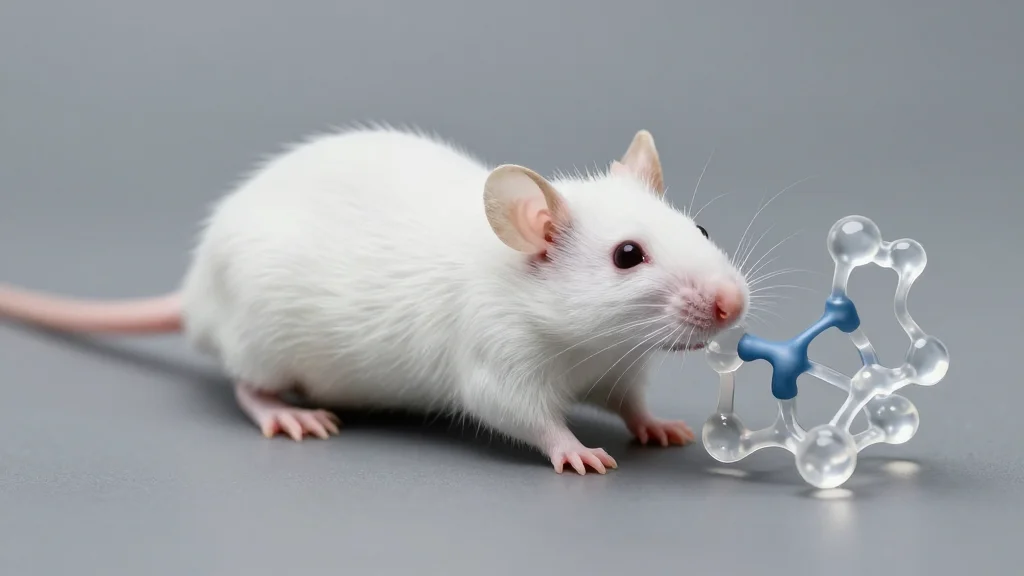
Kinase-Inactive RIPK3 Model Unveils Scaffold Role in Inflammation
Researchers created a kinase‑inactive RIPK3 D143N mouse that remains viable, revealing that RIPK3’s scaffold function alone can drive TNF‑induced inflammatory pathology. The mutant protein continues to recruit RIPK1, FADD and activate NF‑κB, producing cytokine storms without necroptotic cell death. In vivo, these mice exhibit inflammation comparable to wild‑type controls, uncoupling enzymatic activity from disease phenotypes. The work challenges the prevailing view that RIPK3’s kinase activity is the sole therapeutic target for inflammatory disorders.

Assessing Targeted HIV and Harm Reduction Services
A new NIH‑backed assessment of targeted HIV prevention and harm‑reduction services in five major U.S. cities shows a 15% decline in new infections over the past year. The study attributes the drop to expanded syringe‑exchange programs, mobile testing units, and...
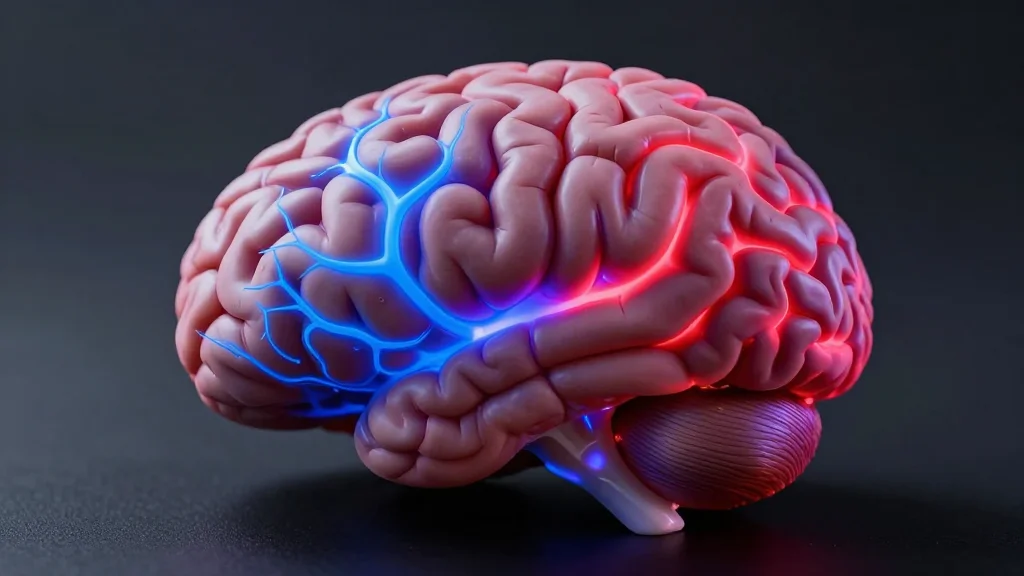
Adolescent Depression Subtypes Show Distinct Brain Dynamics
A new Nature Communications study reveals two neurobiologically distinct subtypes of adolescent major depressive disorder by analyzing information dynamics in sensory‑association cortices. One subtype shows heightened feedforward signaling, correlating with sensory hypersensitivity and anxiety, while the other exhibits reduced feedback...
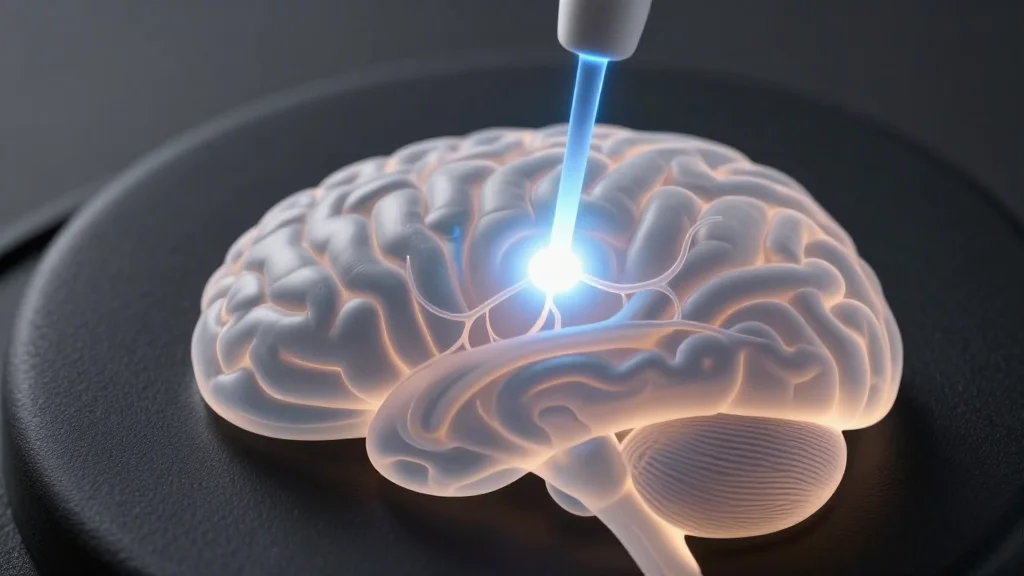
Safe Ultrasound Opens Brain Barrier via Tight Junctions
Researchers have detailed how focused ultrasound safely and reversibly opens the blood‑brain barrier by transiently reorganizing tight‑junction proteins. The study shows that pulsed ultrasound creates a brief paracellular window that permits therapeutic agents to reach brain tissue without causing inflammation...

Ephrin-A1–EphA2 Signaling: New Fracture Prevention Target
Researchers have identified the Ephrin‑A1/EphA2 signaling axis as a promising therapeutic target for preventing osteoporotic fractures. Preclinical studies demonstrated that blocking EphA2 activity enhances bone formation and improves microarchitecture in mouse models of age‑related bone loss. The findings suggest that...
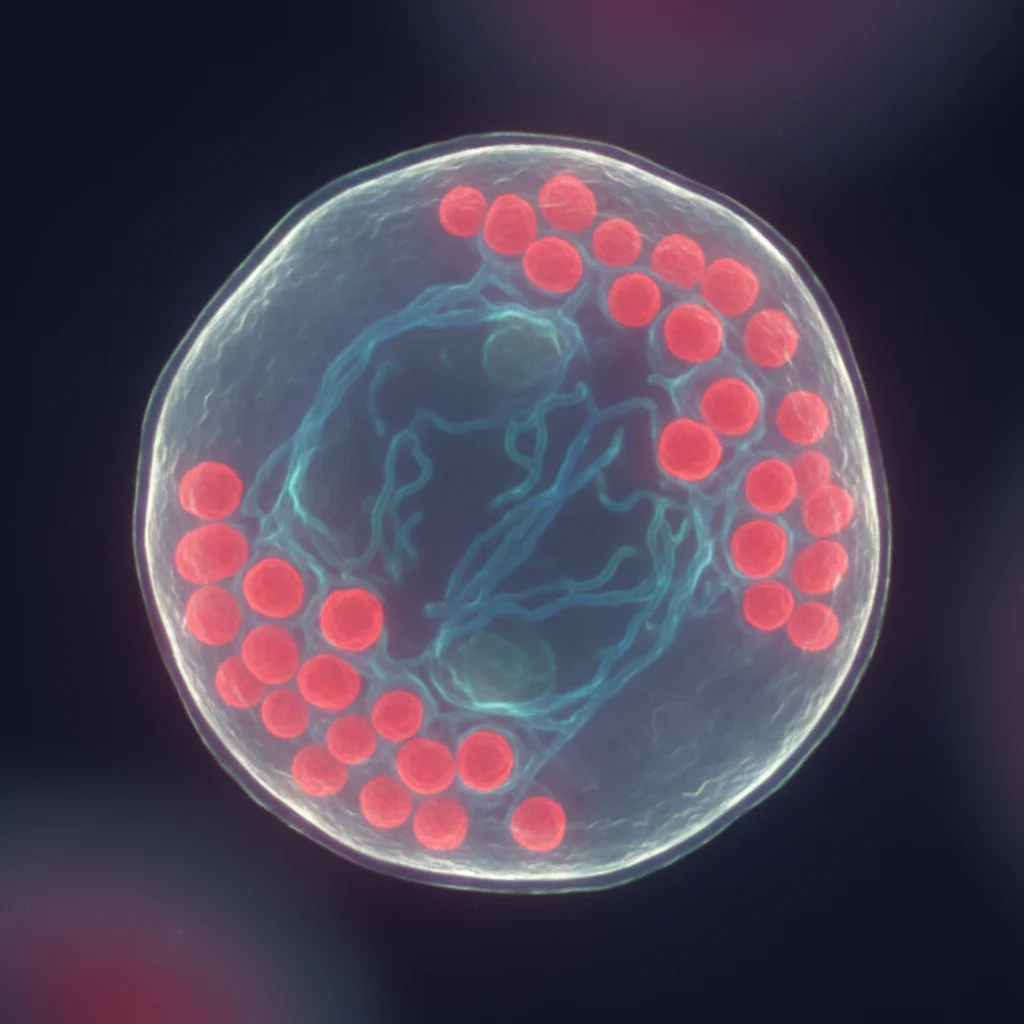
Revealing Remarkable Genomic Architecture in Embryonic Reproductive Cells Prior to Sperm and Egg Development
Researchers led by Dr. Tien‑Chi Huang discovered a dramatic three‑dimensional reorganization of genome architecture in mouse and human embryonic germ cells as they enter meiosis. Centromeres relocate from the nuclear interior to the periphery, accompanied by reduced compartmentalization and increased...
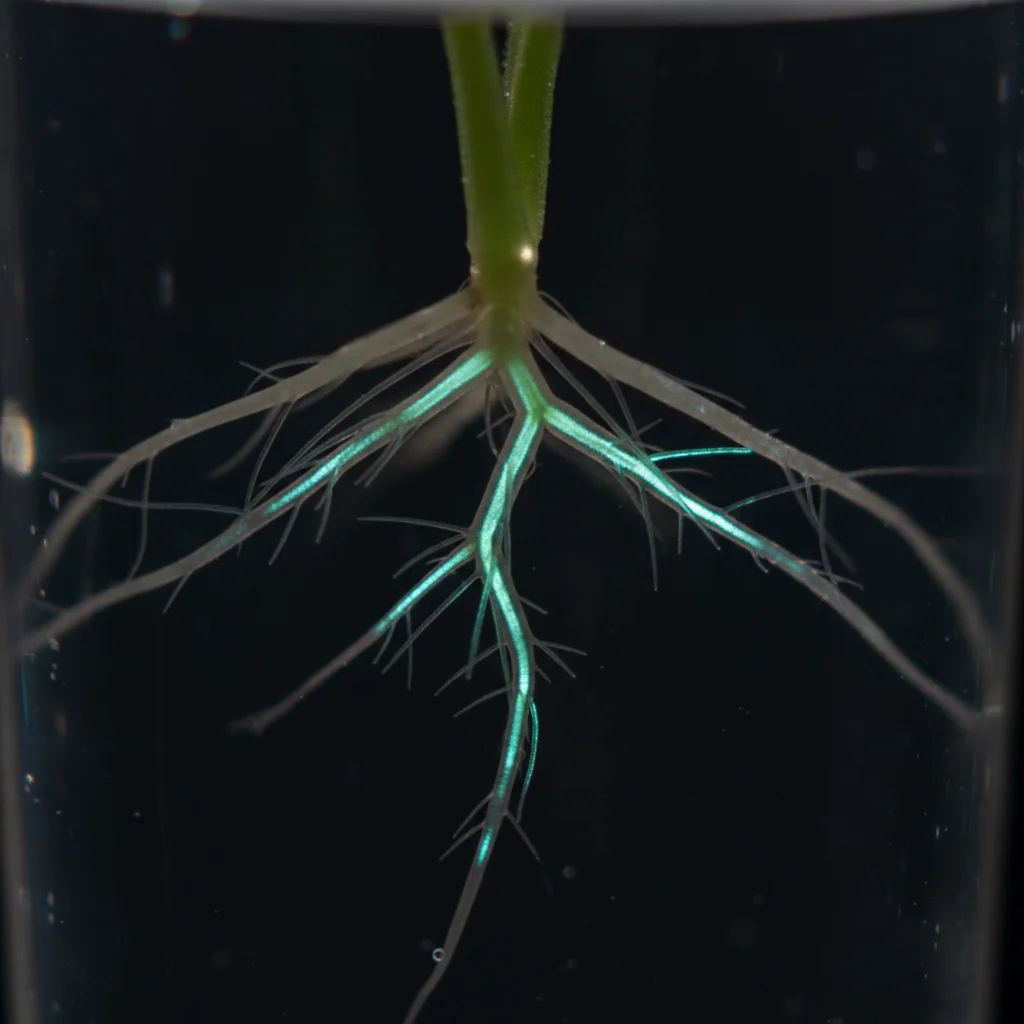
Researchers Uncover Signalling Pathway Behind Nitrate-Stimulated Root Growth
Researchers identified a MAPKKK called MEKK14 that activates a nitrate‑driven signalling cascade in Arabidopsis thaliana. The cascade triggers the circadian transcription factor CCA1, which in turn up‑regulates MEKK14, forming a positive feedback loop. This loop amplifies auxin signaling, leading to...
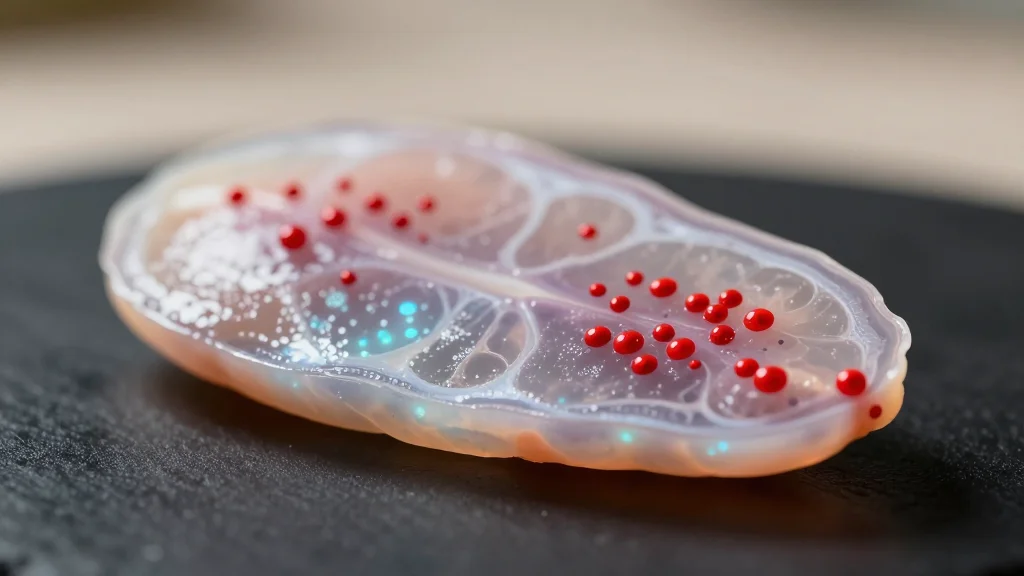
Iron Deficiency Triggers Mature Pancreatic Β-Cell Loss
Researchers published in Nature Communications that iron deficiency triggers a selective loss of mature pancreatic β‑cells while sparing immature cells. Using lineage tracing and single‑cell transcriptomics, the team showed that iron scarcity impairs mitochondrial function, elevates ROS, and down‑regulates key...
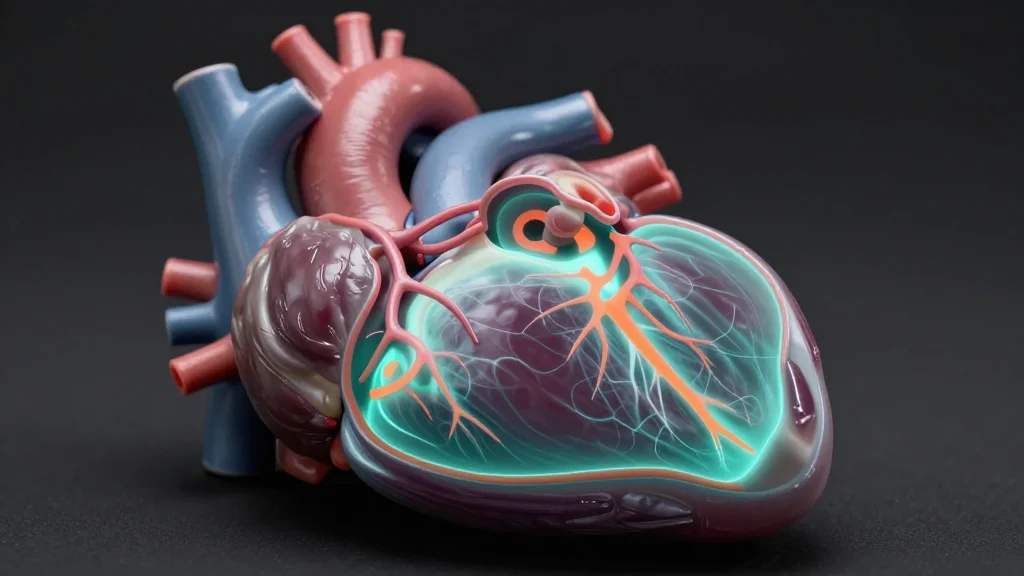
AI and OCT Integration Highlights Promising Advances in Detecting Lipid-Rich Coronary Artery Plaques
Researchers at KAIST unveiled an AI‑driven method that extracts wavelength‑dependent information from standard optical coherence tomography (OCT) to automatically detect lipid‑rich coronary plaques. The weakly supervised deep‑learning model learns from frame‑level labels, eliminating the need for pixel‑wise annotations and works...
AI-Powered Liquid Biopsy Advances Pediatric Brain Tumor Classification
Researchers at St. Jude Children’s Research Hospital introduced M‑PACT, an AI‑driven liquid‑biopsy platform that classifies pediatric brain tumors from cerebrospinal fluid with 92% accuracy. The deep neural network was trained on over 5,000 DNA methylation profiles covering about 100 tumor...
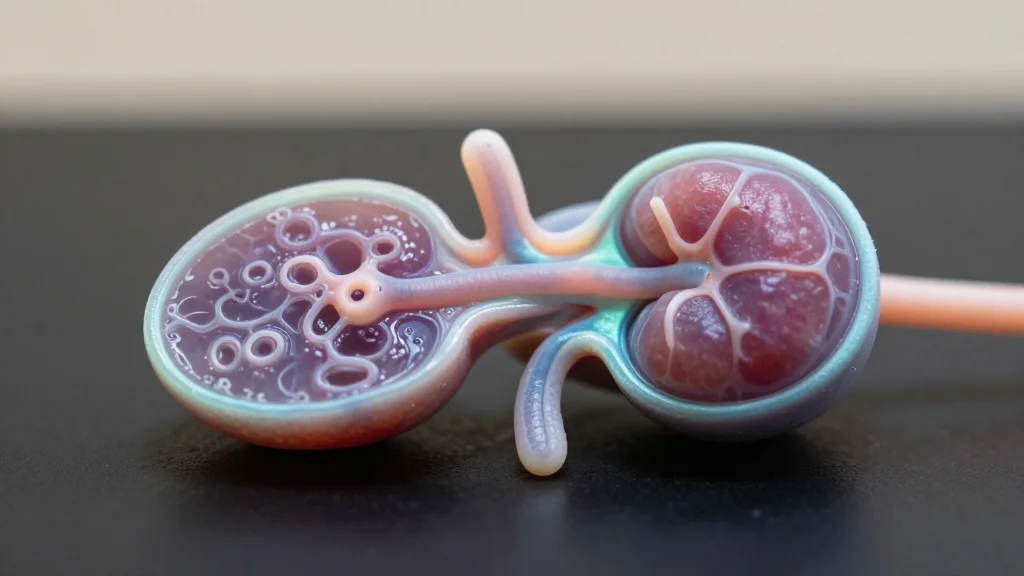
Aging Podocytes: Unveiling Structural Adaptations
Scientists used array tomography to reconstruct podocytes in three dimensions, revealing how these non‑regenerative kidney cells adapt to aging. In rats, podocyte numbers fell while surviving cells expanded 4.6‑fold, forming autocellular junctions and exporting waste extracellularly. The study provides the...
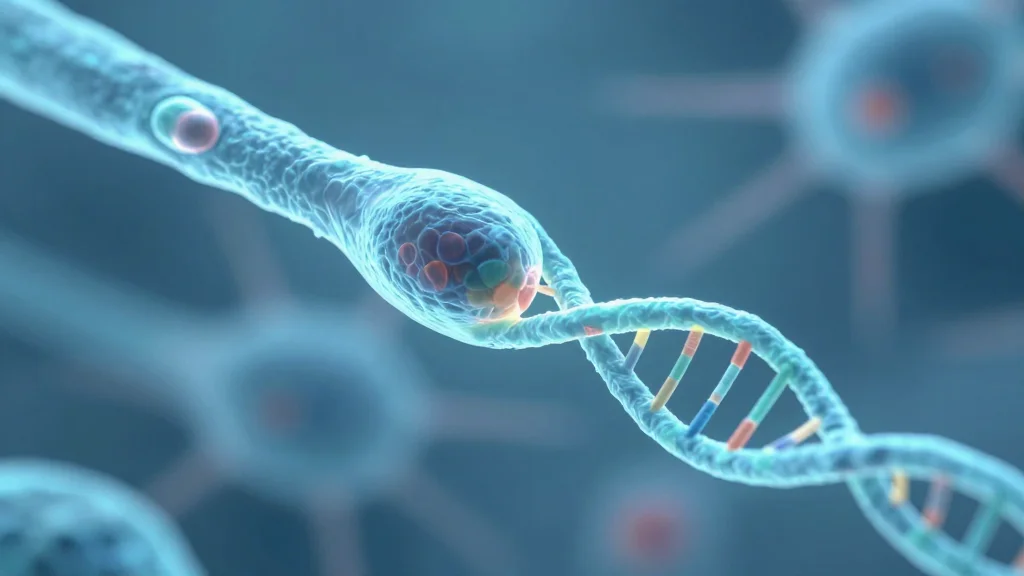
Mitochondrial RNA Links Aging to Cognitive Decline
A new Cell Research study reveals that the ER‑mitochondria channel protein SEC61A1 controls mitochondrial double‑stranded RNA (mt‑dsRNA) production, which activates MAVS‑dependent innate immunity and drives age‑related cognitive decline. Experiments in aged mice, Alzheimer’s patient tissue, and 5×FAD models show that...
New Broad-Spectrum Infection Prevention Method Successfully Blocks Drug-Resistant Bacteria and Influenza
Researchers at KRIBB demonstrated that the pharmaceutical excipient n‑dodecyl‑β‑D‑maltoside (DDM) can pre‑activate innate immunity, delivering complete survival in mice challenged with multidrug‑resistant bacteria and lethal influenza. The protection stems from selective neutrophil mobilization that activates only upon pathogen detection, avoiding...

Handgrip Strength Forecasts Depression in Chinese Elders
A new BMC Geriatrics cohort study of Chinese seniors finds handgrip strength inversely predicts incident depression. Participants with lower baseline grip were significantly more likely to develop depressive symptoms over several years, even after controlling for age, gender, socioeconomic status...
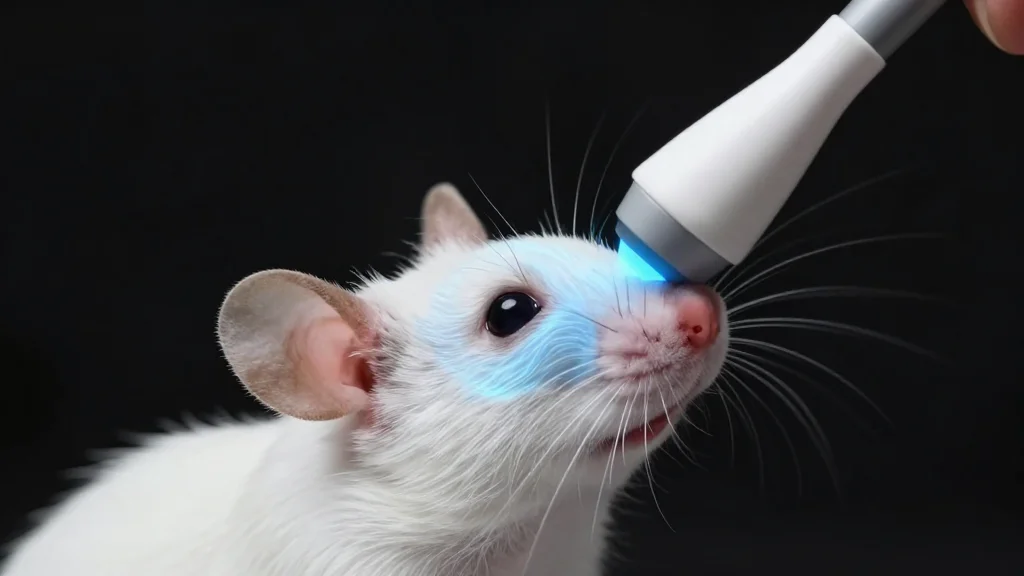
Ultrasound Enables In Vivo Acoustoelectric Neural Recording
Researchers have demonstrated in‑vivo acoustoelectric neural recording in mice using ultrasound‑induced frequency mixing, achieving high‑fidelity, non‑invasive monitoring of brain activity. The technique converts neuronal electrical fields into detectable frequency shifts, delivering millimeter‑scale spatial resolution and millisecond‑level temporal precision. By calibrating...

How AI Innovations Like DeepSeek Are Revolutionizing Emotional and Mental Health Support for Chinese Youth
DeepSeek, a Chinese AI startup, has launched a conversational platform that delivers real‑time emotional and mental‑health support to teenagers. Leveraging large‑language models tuned with culturally specific data, the service offers 24/7 chat‑based counseling, crisis detection, and personalized coping strategies. Within...
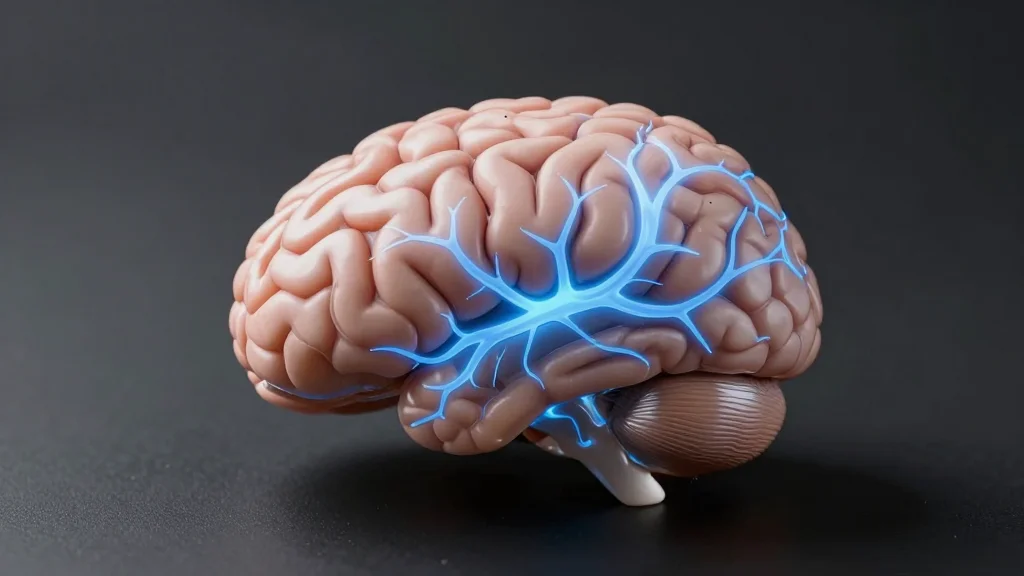
Brain Stimulation Encourages More Altruistic Behavior, Study Finds
Researchers applied transcranial alternating current stimulation to synchronize gamma oscillations between frontal and parietal cortices, leading participants to share more money in the Dictator Game. The experiment involved 44 adults who each made 540 allocation decisions, providing a robust behavioral...
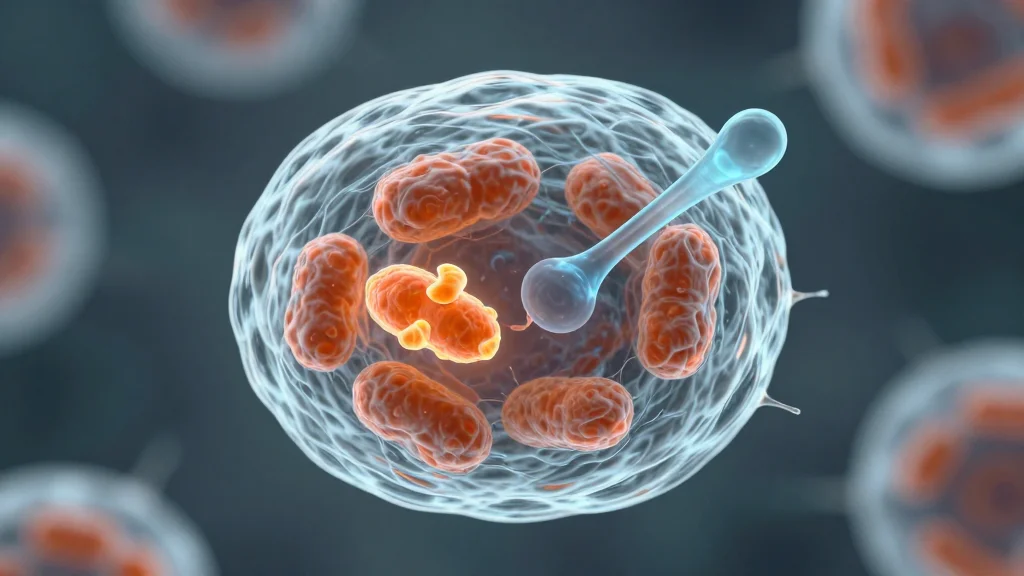
Researchers Discover Molecular Switch Regulating T Cell Exhaustion in Cancer
An international team led by Prof. Guideng Li and Dr. Philip D. Greenberg identified a molecular switch that drives CD8⁺ T‑cell exhaustion in cancer. Chronic TCR signaling phosphorylates FOXO1, suppressing transcription of the E3 ligase KLHL6, which normally degrades the...

University of South Alabama Research Recognized Among Top 10 Scientific Breakthroughs of 2025
The University of South Alabama’s research portfolio was named one of the top ten scientific breakthroughs of 2025. The accolade highlights a suite of studies ranging from a novel photofission method for producing medical isotope 99Mo to a molecular switch...

Merck Foundation Grant Advances Cardiovascular Care for Formerly Incarcerated Black Men
The Merck Foundation has awarded a five‑year, $1.75 million grant to a partnership between University of Chicago Medicine and Lawndale Christian Health Center to improve cardiovascular outcomes for formerly incarcerated Black men in Chicago’s North Lawndale. The program combines clinical management...

UCalgary Research Explores Common Vitamin as Potential Treatment for Aggressive Glioblastoma Brain Cancer
University of Calgary researchers launched a Phase I/II trial testing high‑dose vitamin B3 (niacin) alongside standard surgery, radiation, and chemotherapy for newly diagnosed glioblastoma. The study enrolled 24 patients and reported an 82% progression‑free rate at six months, a 28% improvement...
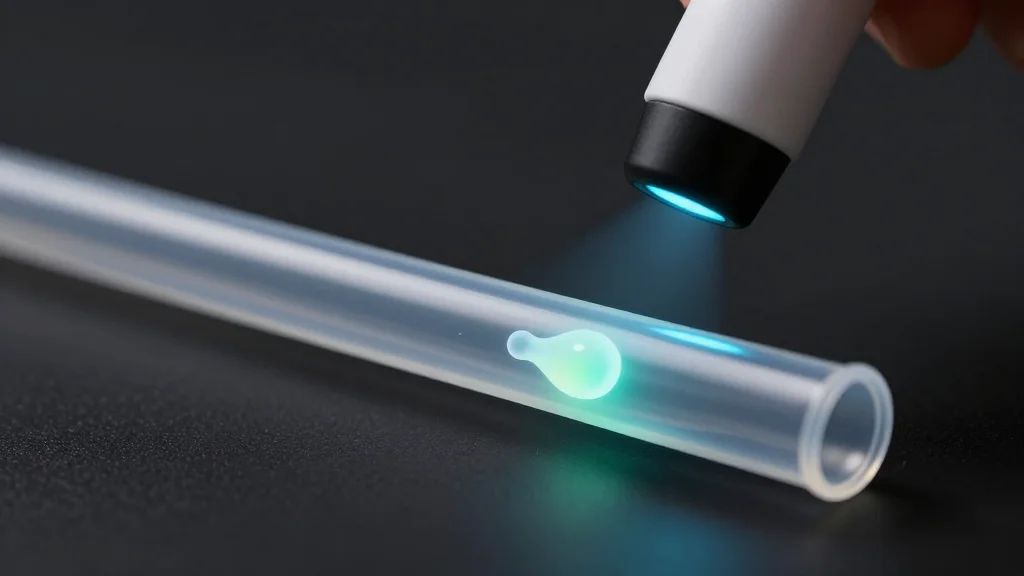
Hypersensitive Detection of Millimeter Vascular Emboli In Vivo
Scientists reported a hypersensitive method to detect single millimeter‑sized vascular emboli in vivo. The technique combines near‑infrared fluorescence imaging with specially engineered adhesive tracers that attach to clot surfaces under physiological blood flow. It enables real‑time, non‑invasive visualization of emboli...

Optimizing Post-Denosumab Treatment Approaches in Non-Metastatic Breast Cancer Patients Undergoing AI Therapy
Aromatase inhibitors (AIs) are cornerstone adjuvant therapies for hormone‑receptor‑positive breast cancer but accelerate bone loss, prompting routine use of denosumab to prevent fractures. While denosumab effectively suppresses bone turnover during AI treatment, abrupt discontinuation triggers a rebound surge in osteoclast...

AI-Generated Arguments Prove Persuasive Despite Disclosure
A new study of 1,601 Americans finds that labeling a message as AI‑generated does not reduce its persuasive power compared with human‑authored or unlabeled content. Across four policy topics, AI‑crafted arguments shifted opinions by roughly 9.7 percentage points, and 92 %...
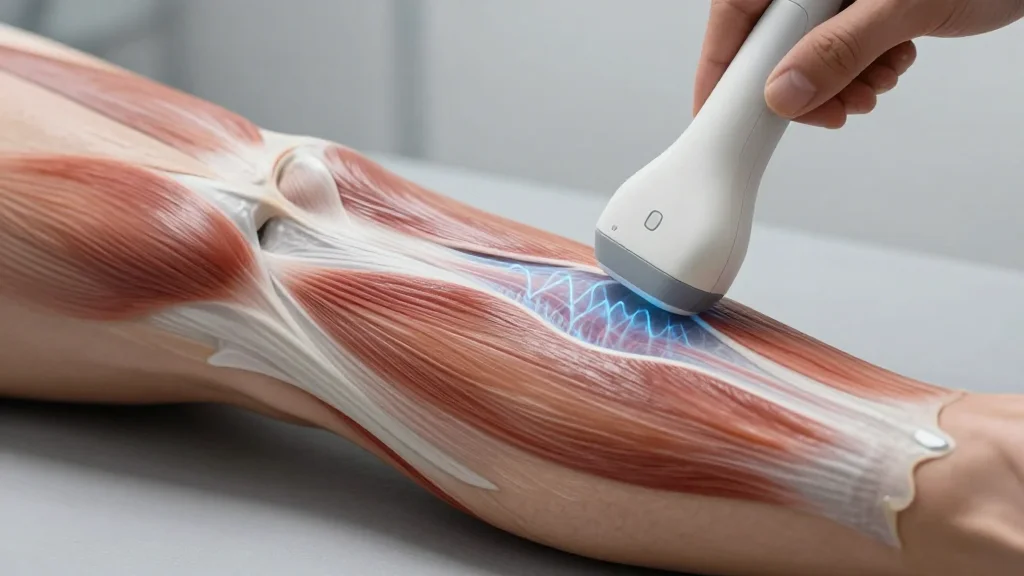
Unveiling Muscle Viscoelasticity’s Impact in Heart Failure
The VISMARC‑HF study will examine how skeletal‑muscle viscoelasticity correlates with prognosis in older heart‑failure patients. Researchers will recruit participants across disease stages and use advanced imaging and biomechanical testing to quantify muscle elasticity and viscosity. By linking these biomechanical metrics...
Revolutionary AI Model Enhances Precision in Detecting Food Contamination
A new artificial‑intelligence model has been unveiled that dramatically improves the detection of microbial and chemical contaminants in food products. Leveraging multimodal imaging, hyperspectral data, and deep‑learning algorithms, the system reports a 98% detection accuracy across a range of common...
Insilico Medicine and CMS Forge Multiple Collaborations to Accelerate AI-Driven R&D in CNS and Autoimmune Disorders
Insilico Medicine and China Medical System Holdings (CMS) announced a multi‑project partnership to apply Insilico’s Pharma.AI platform to drug discovery for central nervous system and autoimmune diseases. The AI system promises to deliver preclinical candidates within 12‑18 months, a dramatic...
Scientists Identify Genetic Connection to Barrett’s Esophagus, Paving the Way for Advances in Esophageal Cancer Treatment
Researchers at Case Western Reserve University identified mutations in the VSIG10L gene as a key hereditary driver of Barrett’s esophagus, a precursor to esophageal adenocarcinoma. The study analyzed genetic data from 684 individuals across 302 families and demonstrated that loss‑of‑function...
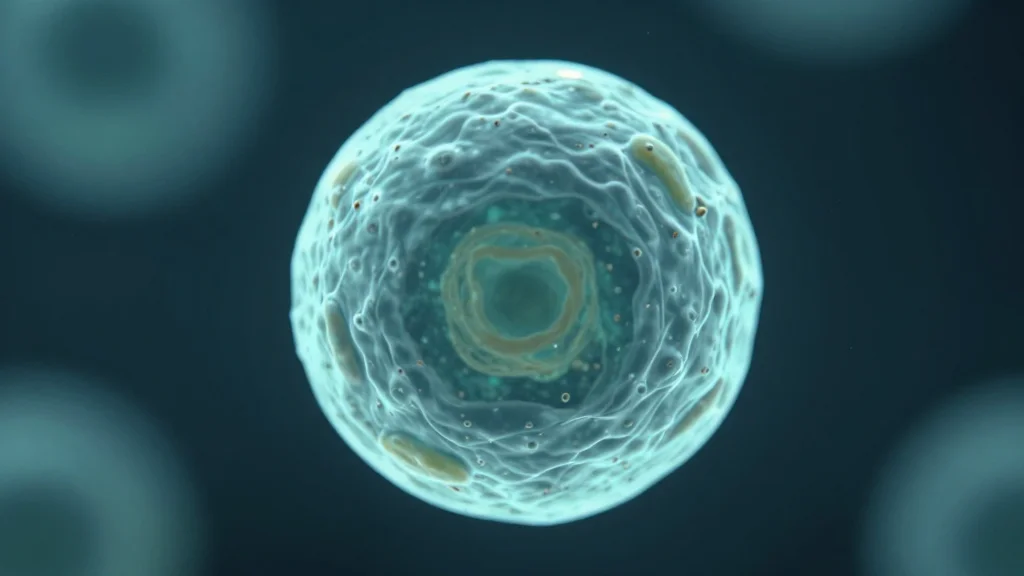
Biomolecular Condensates in Pro-Β-Carboxysome Assembly
A new Nature Plants study reveals that biomolecular condensates, formed through liquid‑liquid phase separation, drive the multistage assembly of pro‑β‑carboxysomes in cyanobacteria. Scaffold proteins and post‑translational modifications orchestrate condensate nucleation, growth, and a liquid‑to‑gel transition that stabilizes the microcompartment. Environmental...

Perinatal Microplastic Exposure Alters Neonatal Immunity, Metabolism
A new scoping review in the Journal of Perinatology reveals that micro‑ and nano‑plastics can cross the placental barrier and be transmitted through breast milk, exposing fetuses and neonates to particulate pollutants. The exposure triggers chronic inflammation, oxidative stress, and...
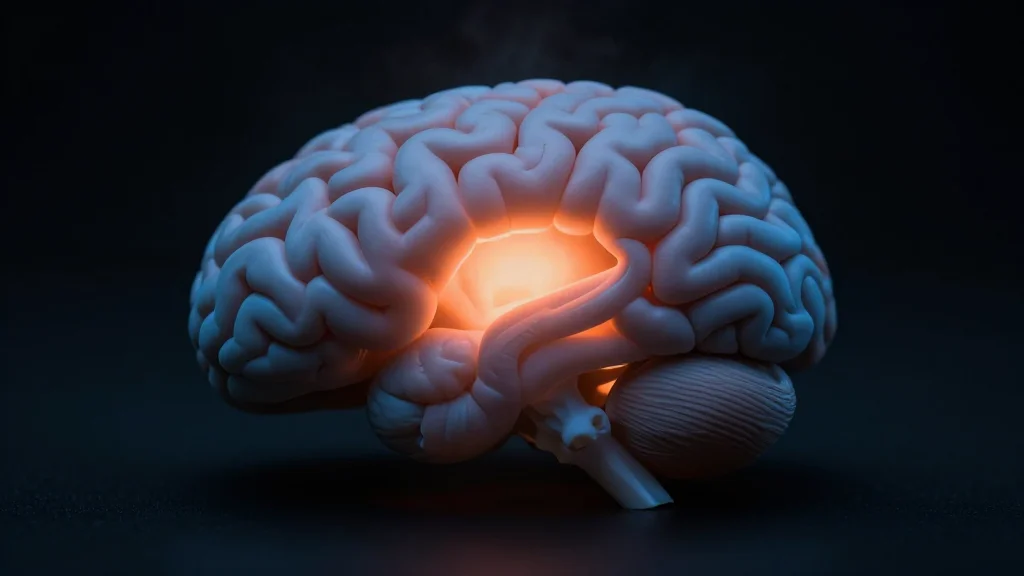
New Study Uncovers How Chills Develop and Bolster the Body’s Defense Against Infection
Researchers at Nagoya University identified the brain circuit that generates chills during infection. They showed that prostaglandin E₂ acting on EP3 receptors in the lateral parabrachial nucleus (LPB) triggers warmth‑seeking behavior without invoking shivering. EP3‑positive LPB neurons project to the central...
Retraction: Circular RNA 0000096 and Gastric Cancer Insights
British Journal of Cancer retracted a 2026 study that claimed circular RNA 0000096 promotes gastric cancer cell proliferation and migration. Independent labs were unable to replicate the results, uncovering weaknesses in experimental design, statistical analysis, and control use. The authors withdrew...

AI Stethoscope Identifies Early Signs of Heart Valve Disease, Outpacing Traditional GP Diagnoses, Study Reveals
A new AI‑powered stethoscope can spot early signs of heart valve disease up to 30% sooner than conventional general‑practice examinations, according to a multi‑center study. The research evaluated 1,200 patients across three hospitals, comparing the algorithm’s acoustic analysis to physician...

Mapping Agrobiodiversity for Nutrition in South Asia
A new spatial analysis published in npj Sustainable Agriculture maps crop species and functional diversity across South Asia, revealing that high species richness does not automatically translate into functional diversity. The researchers integrated geospatial datasets with ecological metrics to identify...

Exploring Belgium’s Livestock Transition: Narratives and Trade-Offs
Researchers in npj Sustainable Agriculture present a comprehensive study mapping Belgium’s livestock transition using narrative‑driven scenario analysis. The work identifies key trade‑offs between emission reductions, farm profitability, and social acceptance, while evaluating technologies from precision manure handling to cultured meat....

Tracking Post-Acute Infection Syndromes Over Time
Researchers introduced latent transition analysis (LTA) to map the longitudinal trajectories of post‑acute infection syndromes (PAIS), revealing distinct symptom phenotypes and their transition probabilities. By integrating symptom scores, biomarkers, and patient‑reported outcomes across multiple time points, the study quantified how...

UK’s Brightest Young Scientists Named Finalists for Largest Unrestricted Science Prize
The Blavatnik Family Foundation and The New York Academy of Sciences announced the nine finalists for the 2026 UK Blavatnik Awards for Young Scientists, covering Life Sciences, Chemical Sciences, and Physical Sciences & Engineering. Three laureates will receive £100,000 each, while the remaining...
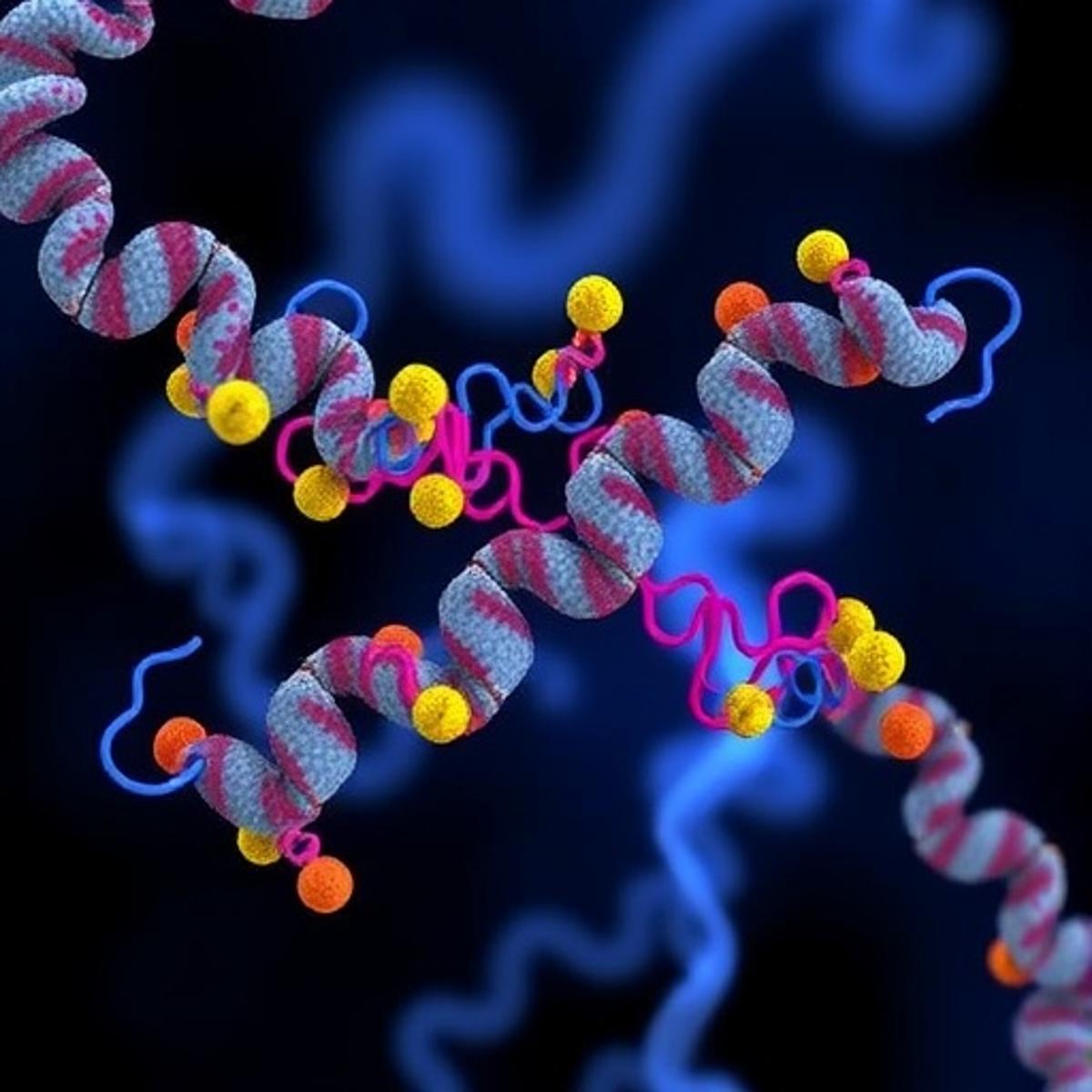
Key Molecular Factor Behind Nav1.7 Inactivation Uncovered
A collaborative research team has identified a previously unknown molecular factor, termed Factor X, that governs the rapid inactivation of the Nav1.7 sodium channel. Using cryo‑electron microscopy and electrophysiological assays, the study shows that Factor X binds to a specific intracellular loop,...

Parents of Medically Complex Children Face Significant Challenges with At-Home Medical Devices
A recent study by the Stanley Manne Children’s Research Institute, published in Pediatrics, reveals that parents of medically complex children face serious safety and usability issues with at‑home medical devices. Interviews with 17 caregivers highlighted device malfunctions, confusing interfaces, and...

Symptoms Impacting Health Quality in Swedish Older Men
Researchers published a cross‑sectional study in BMC Geriatrics examining symptom prevalence among Swedish men aged 65 and older and its impact on health‑related quality of life. The survey identified joint pain, fatigue, anxiety and depression as the most common complaints,...

Elevated Mortality Rates in Youth and Young Adults with Autism Spectrum Disorder, Intellectual Disability, or Cerebral Palsy
A JAMA Pediatrics study finds youth and young adults with autism, intellectual disability, or cerebral palsy face markedly higher mortality than peers. Standard death‑certificate coding severely under‑captures these deaths, creating hidden disparities. By linking alternative health data, researchers documented excess...
Scientists Identify SARS-CoV-2 PLpro and RIPK1 Inhibitors Showing Potent Synergistic Antiviral Effects in Mouse COVID-19 Model
Scientists have identified two small‑molecule inhibitors—SHY1643 targeting the SARS‑CoV‑2 papain‑like protease (PLpro) and QY1892 targeting the host kinase RIPK1—that together produce a potent antiviral effect in a mouse COVID‑19 model. Individually, each compound modestly reduced viral loads and inflammation, but...

Multidisciplinary Evidence-Based Guidelines for Therapeutic Drug Monitoring of Biologics in Inflammatory Bowel Disease
A new multidisciplinary, evidence‑based guideline set recommends therapeutic drug monitoring (TDM) for biologic therapies in inflammatory bowel disease (IBD). The recommendations integrate pharmacokinetic data, disease activity metrics, and patient‑specific factors to optimize dosing of anti‑TNF, anti‑integrin, and anti‑IL agents. The...

Structure-Guided Development of Picomolar Macrocyclic Inhibitors Targeting TRPC5 Channels with Antidepressant Effects
Scientists have created a new class of macrocyclic inhibitors that target the TRPC5 ion channel with picomolar potency. The lead compound JDIC‑127 achieves an IC₅₀ of 374 pM, roughly 200‑fold more potent than the previous benchmark HC‑070, and demonstrates high selectivity...

Stabilized MERS-CoV Spike Nanoparticle Vaccine Shows Promise
Researchers have developed a vaccine candidate that stabilizes the MERS‑CoV spike protein on a ferritin nanoparticle scaffold. The formulation induces robust neutralizing antibodies and T‑cell responses in pre‑clinical mouse models. Immunogenicity data show protection against multiple MERS‑CoV isolates, outperforming soluble...

Targeted Epigenetic Therapy Boosts Pancreatic Cancer Immunity
A new study demonstrates that pairing targeted molecular therapy with epigenetic modulation dramatically boosts antitumor immunity in pancreatic ductal adenocarcinoma (PDAC). The approach stabilizes GATA6‑dependent Major Histocompatibility Complex class I (MHCI) expression, restoring tumor visibility to immune cells. Pre‑clinical models...

Study Reveals Modulated UV-C Light Extends Guava Shelf Life
A recent study demonstrates that applying modulated UV‑C light to harvested guavas can significantly prolong their shelf life. The researchers found that pulsed UV‑C treatment suppresses microbial growth while using roughly 30% less energy than continuous exposure. Shelf life extensions...

New Discovery Reveals Why Ovarian Cancer Spreads Rapidly in the Abdomen
Recent research highlights AI‑driven discovery of tetrahydrocarbazoles as click‑activated, broad‑spectrum antitumor agents, while a plant‑derived limonoid, DHL‑11, targets IMPDH2 to inhibit triple‑negative breast cancer. A U.S. survey shows patients still favor in‑clinic cervical cancer screening over home tests, and a...
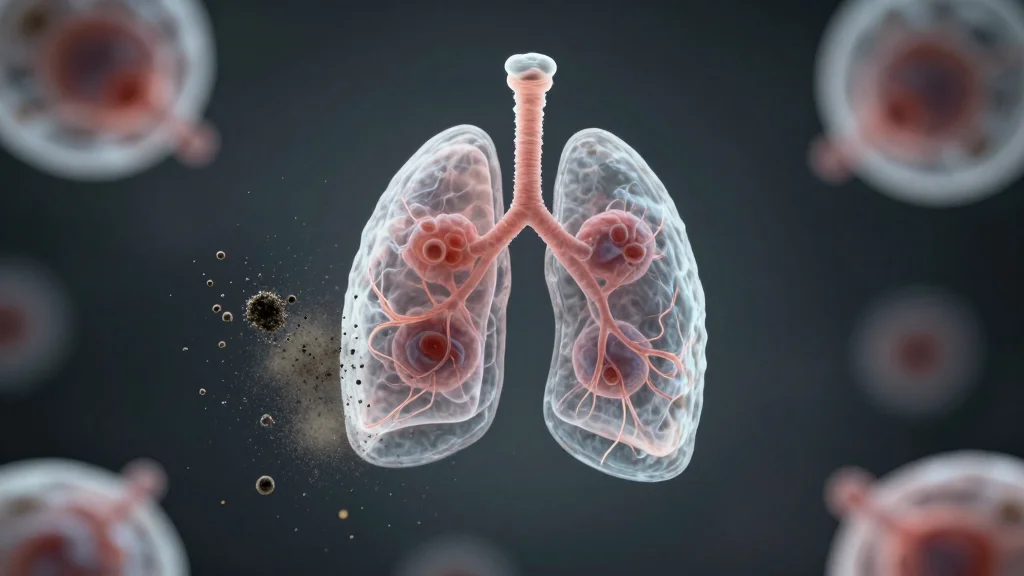
New Study Uncovers Mechanism Behind Burn Pit Particulate Matter–Induced Lung Inflammation
Researchers at National Jewish Health published a study showing that particulate matter from military burn pits provokes markedly stronger inflammatory and oxidative responses in lung macrophages than ordinary desert dust. The work identifies Toll‑like Receptor 2 (TLR2) as the primary sensor...

Insilico Medicine Welcomes Dr. Halle Zhang as New Vice President of Clinical Development for Oncology
Insilico Medicine has appointed Dr. Halle Zhang as Vice President of Clinical Development for Oncology, bringing over two decades of oncology experience from BMS and other biotech firms. Zhang will lead global clinical strategy for Insilico’s AI‑driven oncology portfolio, spanning...