
Navigating the Gut: The Role of Formic Acid in the Microbiome
Recent research highlights formic acid as a pivotal microbial metabolite that shapes gut ecosystem dynamics and host physiology. The study shows that specific bacterial strains generate formic acid, which modulates intestinal pH, nutrient absorption, and immune signaling. In murine models, elevated formic acid levels reduced systemic inflammation and improved glucose tolerance, while early-phase human trials reported modest metabolic benefits. These findings suggest that manipulating formic acid pathways could become a new lever for probiotic design and metabolic disease therapy.

Nivolumab and Ipilimumab: Key Insights From BIONIKK Study
Researchers from the phase‑2 BIONIKK trial published an exposure‑response analysis of ipilimumab and nivolumab in metastatic clear‑cell renal cell carcinoma. By correlating drug concentrations with patient outcomes, the study identified optimal dosing windows that balance efficacy with toxicity. The findings...

Neonatal Nutrition’s Impact on Body Composition
A 2026 study by Modi published in Pediatric Research demonstrates that neonatal body composition, measured with advanced techniques such as air‑displacement plethysmography, is a more informative health metric than weight alone. The research shows that specific macronutrient and human‑milk‑based feeding...
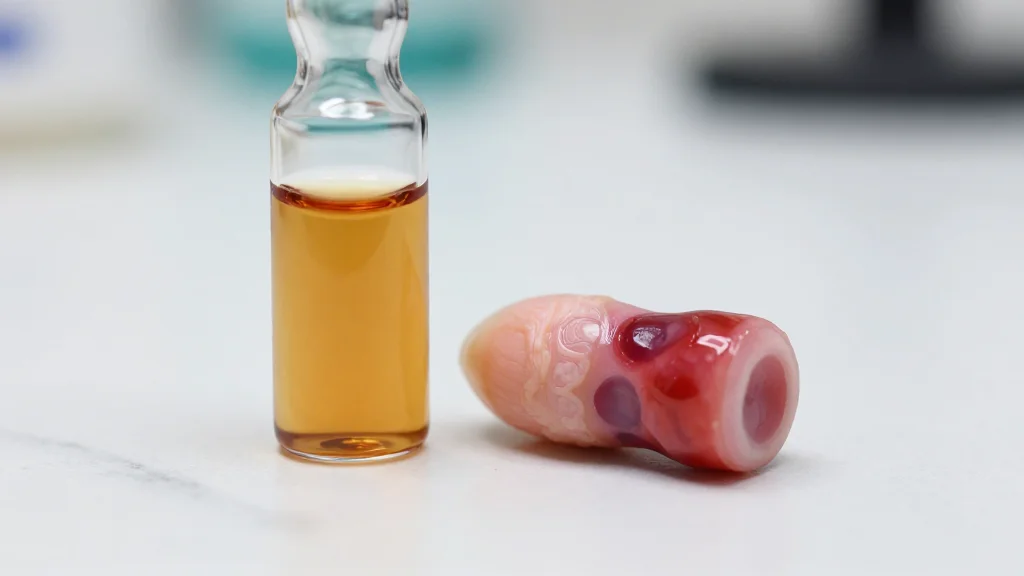
Acetylshikonin Eases Gouty Arthritis via Sirtuin1 Boost
Researchers led by Wu, C. demonstrated that acetylshikonin, a plant‑derived molecule, markedly increases SIRT1 expression in gouty arthritis models. The up‑regulation of SIRT1 coincided with significant drops in IL‑1β and TNF‑α levels, curbing joint inflammation. In parallel, the compound boosted...

Revolutionary Ischemia-Free Liver Transplant via Machine Perfusion
Researchers have unveiled an ischemia‑free liver transplant method that uses normothermic machine perfusion to keep donor organs alive throughout the procedure. The technique eliminates traditional cold‑storage ischemia, allowing marginal livers to be transplanted safely. Early clinical data show a 40%...
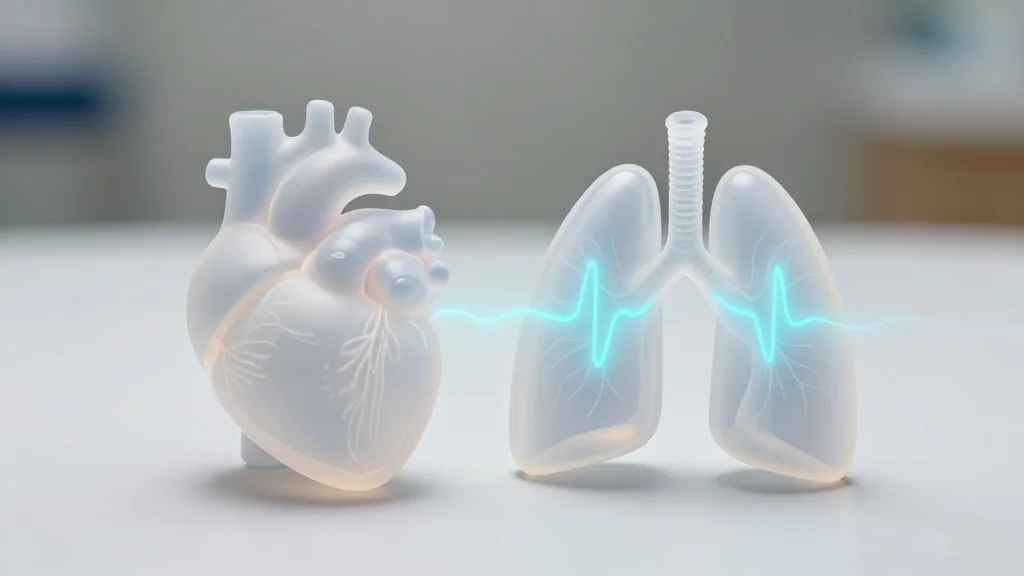
Maturing Heart-Lung Sync Reveals Preterm Infant Health
Researchers have identified cardiopulmonary phase synchronization as a robust biomarker for autonomic nervous system maturation in preterm infants. By applying Hilbert‑transform‑based signal processing to continuous ECG and respiratory waveforms, the study mapped a clear maturational trajectory that correlates with gestational...

Researchers Uncover Novel CDK12-FOXA1 Pathway Driving Prostate Cancer Progression—Team Led by Professor Jun Pang at Sun Yat-Sen University Reveals New...
Researchers led by Jun Pang at Sun Yat‑Sen University identified a CDK12‑FOXA1 signaling axis that drives prostate cancer progression. CDK12 phosphorylates FOXA1 at serine 234, enhancing its transcriptional potency and up‑regulating MDM2, which in turn degrades the tumor‑suppressor p53. Inhibiting CDK12 with...

AI-Enhanced Optical Coherence Photoacoustic Microscopy Revolutionizes 3D Cancer Model Imaging
A new AI‑enhanced Optical Coherence Photoacoustic Microscopy (OCPAM) platform merges OCT’s micrometer resolution with photoacoustic contrast, delivering label‑free, three‑dimensional imaging of cancer organoids and spheroids. The system reaches over two millimeters depth at sub‑10‑micron resolution, visualizing vascular networks, hypoxic zones,...

Editors Bridging Science: From Desk to Lab
The role of scientific journal editors is evolving from pure gatekeeping to active participation in laboratory research, as highlighted by Guo and Ding’s analysis in Light: Science & Applications. By immersing themselves in cutting‑edge fields such as photonics and quantum...
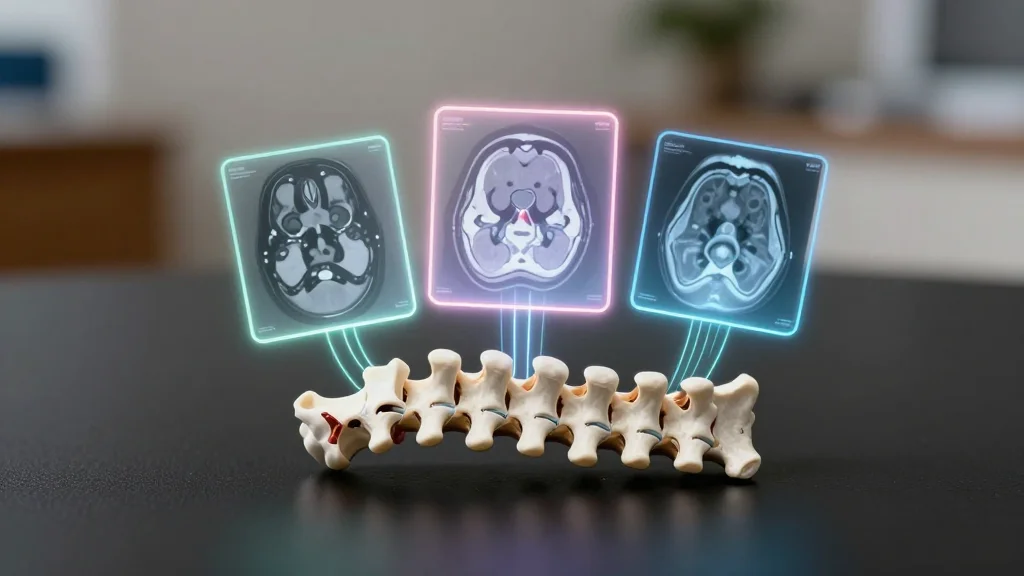
AI Diagnoses Cervical Spondylosis via Multimodal Imaging
Researchers led by Song, Li, and Ouyang introduced a multi‑task deep‑learning model that simultaneously analyzes MRI, CT and X‑ray scans to diagnose cervical spondylosis. Trained on thousands of annotated multimodal images, the system captures bony, disc and neural pathologies with...

Binghamton University Scientist to Lead $2.5 Million Initiative for Enhanced Avian Flu Vaccine Development
Professor Sha Jin of Binghamton University’s Biomedical Engineering department has secured a $2.5 million grant to spearhead an initiative aimed at creating a more effective avian flu vaccine. Her research integrates nanotechnology and advanced biomaterials to improve antigen stability and delivery...
Weill Cornell Physician-Scientists Honored with ASCI Early-Career Awards
Weill Cornell Medicine announced that Dr. Semra Etyemez and Dr. Jesse Platt received the American Society for Clinical Investigation’s 2026 early‑career honors. Etyemez earned the Emerging‑Generation Award for her work identifying biomarkers of perinatal mood and anxiety disorders, while Platt...

Texas Children’s Establishes National Benchmark in Pediatric Organ Transplantation
Texas Children’s Hospital reclaimed the national lead for pediatric organ transplantation by completing 144 transplants in 2025, a 22% rise over its 2021 record. The hospital now tops the United States in liver and kidney transplant volume and shares the...

Penn Nursing Study Reveals Key Predictors of Chronic Opioid Use After Surgery
Researchers at Penn Nursing have identified patient‑level factors that significantly increase the chance of new persistent opioid use after surgery. The study analyzed thousands of surgical patients and found that pre‑operative opioid exposure, mental‑health diagnoses, younger age, and certain high‑pain...

Tandem Repeat Evolution Under Selfing and Selection
A new study by Sudbrack and Mullon shows that partial self‑fertilisation dramatically reshapes the evolution of tandem repeat (TR) sequences. Selfing increases homozygosity, amplifying variance from unequal recombination and strengthening selection across four regimes, resulting in lower genetic load despite...

UMD Researchers Detect E. Coli and Other Pathogens in Potomac River Following Sewage Spill
University of Maryland researchers confirmed elevated concentrations of E. coli and several other pathogenic bacteria in the Potomac River after a recent sewage overflow. The study, conducted within weeks of the incident, found contaminant levels far above EPA recreational water...

University of Houston Research Uncovers Promising New Targets for Dyslexia Detection and Treatment
University of Houston researchers led by Elena Grigorenko synthesized four decades of genetic data, analyzing 175 candidate genes linked to dyslexia. Their systematic review, published in the Journal of Speech, Language, and Hearing Research, reveals that reading difficulties stem from...

Scientists Reveal Microalgae’s Unexpected Role in Spreading Antibiotic Resistance in Waterways
Scientists have identified the phycosphere surrounding microalgae as a hidden hotspot for antibiotic resistance genes (ARGs) in freshwater systems. Organic exudates from algae attract bacteria that exchange ARGs through heightened horizontal gene transfer within dense biofilms. Nutrient runoff and algal...

Papadelis Appointed Head of New Pediatric Brain Research Center
Christos Papadelis has been appointed founding director of the Pediatric Brain Health and Neurosciences Center at the University of Texas at Arlington. The R1‑designated center will unite neurologists, bioengineers, data scientists and child‑health experts to accelerate translational research. Papadelis’s team...
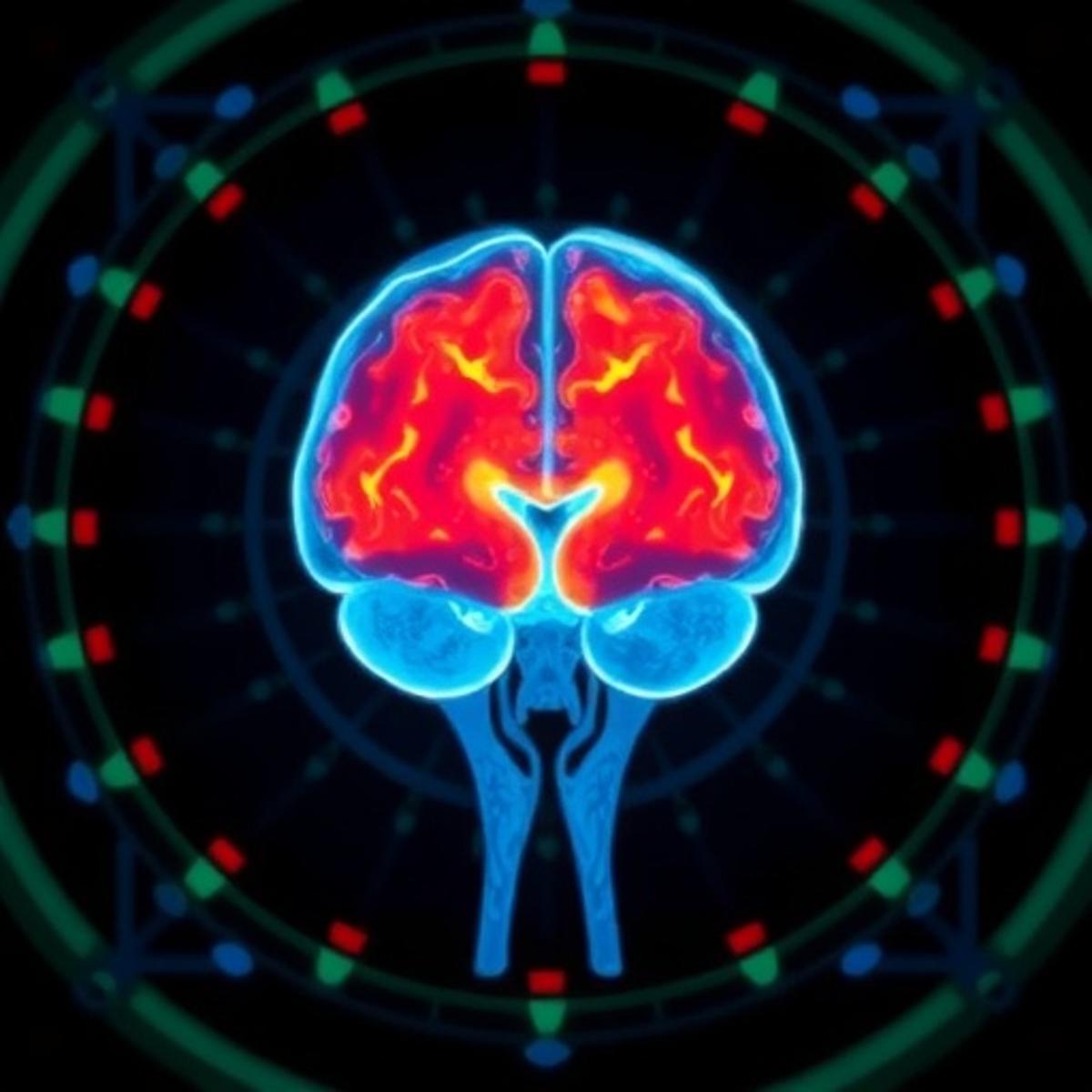
Revolutionary iMRI Technology at UChicago Medicine Enhances Safety, Speed, and Precision in Brain Surgery
UChicago Medicine has deployed a new intra‑operative magnetic resonance imaging (iMRI) suite that integrates real‑time imaging with neurosurgical navigation. The system shortens brain tumor resections by up to 30%, reduces postoperative complications by 20%, and allows surgeons to verify complete...

Most Side Effects Listed for Statins in Package Leaflets Are Not Actually Caused by the Drugs, New Research Finds
A new Lancet meta‑analysis of 23 randomized statin trials involving over 150,000 participants finds that most side effects listed on statin package leaflets are not caused by the drugs. The study reports no statistically significant increase in cognitive impairment, depression,...

Revolutionary Photonic Vibration System Enables Consistent Emotional ‘Mind Reading’ Across Individuals
A study in Opto‑Electronic Technology introduces a photonic vibration perception system that reads emotions by analyzing subtle cardiac activity. The technology overcomes long‑standing inter‑subject variability, delivering consistent emotion recognition across different users. Researchers demonstrated high accuracy in laboratory tests, positioning...

Could Finger Length Hold Key Insights Into the Evolution of the Human Brain?
A new study links the human digit ratio (2D:4D) to prenatal estrogen exposure, proposing it as a proxy for brain development during evolution. Researchers analyzed fossilized finger bones and modern populations, finding consistent patterns that correlate higher estrogen environments with...
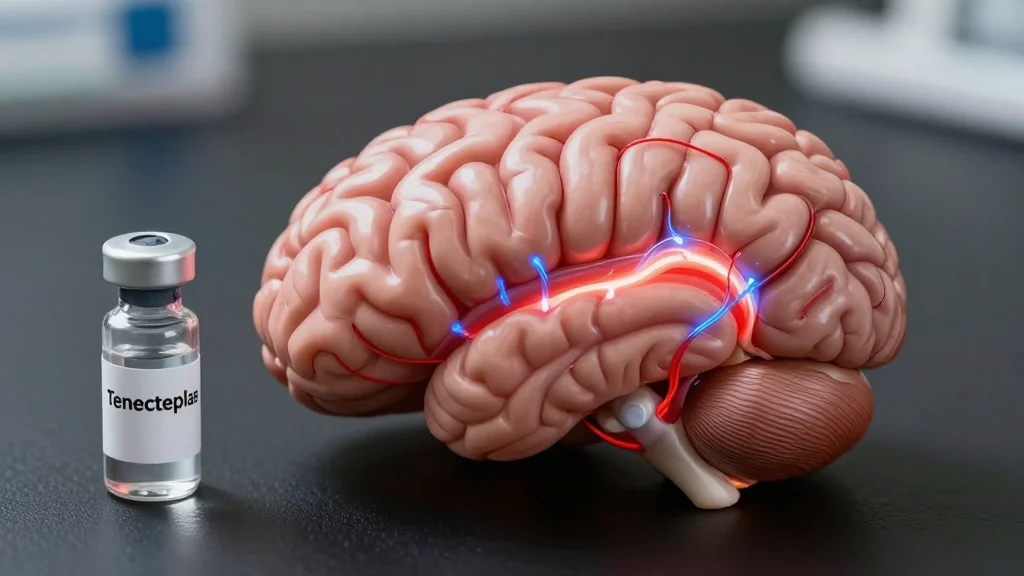
Tenecteplase Use 4.5 to 24 Hours After Ischemic Stroke in Non–Large Vessel Occlusion Cases
A multicenter trial presented at the 2026 International Stroke Conference demonstrated that tenecteplase administered between 4.5 and 24 hours after symptom onset improves outcomes in patients with non‑large vessel occlusion ischemic strokes. The study enrolled 512 participants and showed a...

Immune System ‘Hijacking’ Offers Insight Into Cancer Evolution
Researchers at the University of Geneva and the Ludwig Institute for Cancer Research have discovered that neutrophils can be co-opted by tumors through the chemokine CCL3, turning them into promoters of cancer growth. The study, published in Cancer Cell, demonstrates...

PolyU Creates Innovative Antibody Against Fat Cell Protein, Paving the Way for New Metabolic Liver Cancer Treatments
Researchers at The Hong Kong Polytechnic University have identified fatty acid‑binding protein 4 (FABP4) as a key adipocyte‑derived factor that fuels metabolic liver cancer. Using proteomics, they linked elevated FABP4 levels to tumor aggressiveness in MASLD‑related hepatocellular carcinoma. The team...
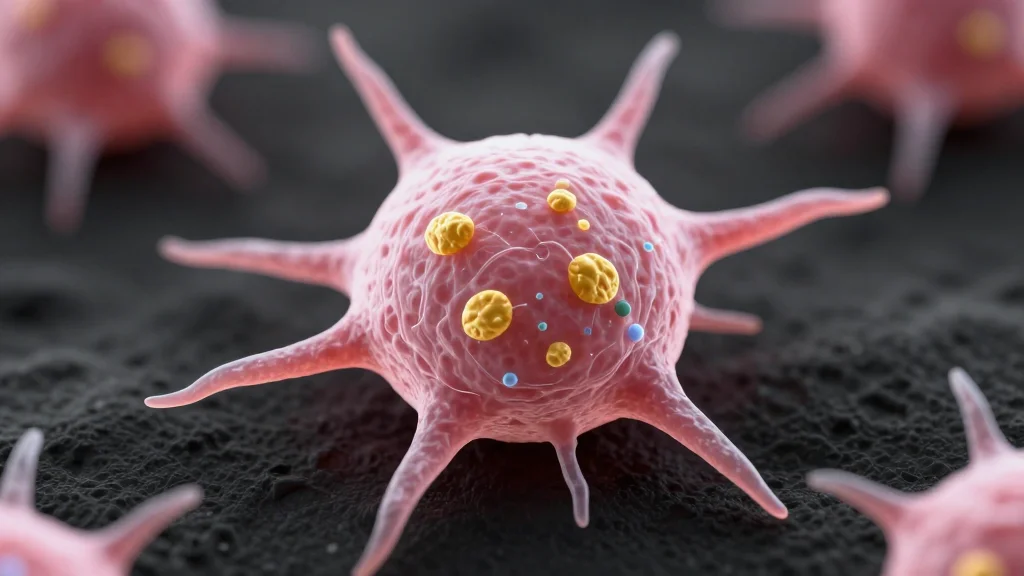
Astrocytes: Brain Disorder Guardians or Troublemakers?
Astrocytes act as metabolic hubs, converting glucose into glycogen, lactate, and neurotransmitter precursors that sustain neuronal firing. In healthy brains they flexibly switch substrates, supporting the glutamate‑glutamine cycle and redox balance. Disease‑linked stressors—such as amyloid‑beta, APOE4, and insulin resistance—drive astrocytes...

Polymer Collapse Unveiled: Water Bridges Tug the Strings
Researchers at Ruhr University Bochum discovered that transient “water bridges” of hydrogen‑bonded water molecules drive the temperature‑induced collapse of the polymer PNIPAM. Using massive molecular‑dynamics simulations and a novel auditory‑analytics (sonification) approach, they visualized billions of time steps and identified...

Boosted Inner Ear Targeting of AAV Vectors Achieved Through Peptide Display on AAV1 Capsid
Researchers have reengineered the AAV1 capsid by displaying short peptide motifs, dramatically improving its ability to target cochlear hair cells and supporting cells. The peptide‑display library yielded variants that achieve up to three‑fold higher transduction efficiency while requiring only a...

Environmental Impact of Pharmaceuticals: A Global Challenge Unveiled
A new global report highlights the escalating environmental threat posed by pharmaceutical residues in water bodies, soils, and wildlife. Researchers found detectable levels of active drug compounds in rivers across North America, Europe, and Asia, often exceeding safety thresholds. The...

Rare Brain Toxicity Observed in Cancer Patients Undergoing 5-FU Chemotherapy
A case report published in Oncoscience documents a rare instance of hyperammonemic encephalopathy triggered by 5‑fluorouracil (5‑FU) in a 63‑year‑old pancreatic‑cancer patient. Despite normal liver function tests, serum ammonia spiked during chemotherapy cycles, causing acute confusion and lethargy. Prompt discontinuation...

DNA Offers a Breakthrough Solution to the Global Data Storage Challenge
Researchers at Arizona State University’s Biodesign Institute have demonstrated a DNA‑nanotechnology platform that stores and encrypts data using three‑dimensional molecular shapes, read electrically via micro‑sensors and decoded with AI. This approach bypasses traditional sequencing, delivering ultra‑dense, chemically stable storage and...

Liver-Produced Protein Identified as Essential for Men’s Bone Health, New Study Finds
A McGill University study published in Matrix Biology identifies plasma fibronectin, a liver‑produced protein, as a critical regulator of bone formation in male mice. Mice lacking hepatic fibronectin show marked reductions in trabecular bone mass, while female mice are unaffected,...

Prolonged PDA Exposure Raises Late Kidney Injury Risk
A multicenter study published in the Journal of Perinatology finds that prolonged exposure to patent ductus arteriosus (PDA) significantly increases the risk of late‑onset acute kidney injury (AKI) in infants born before 28 weeks gestation. Researchers tracked PDA duration and...
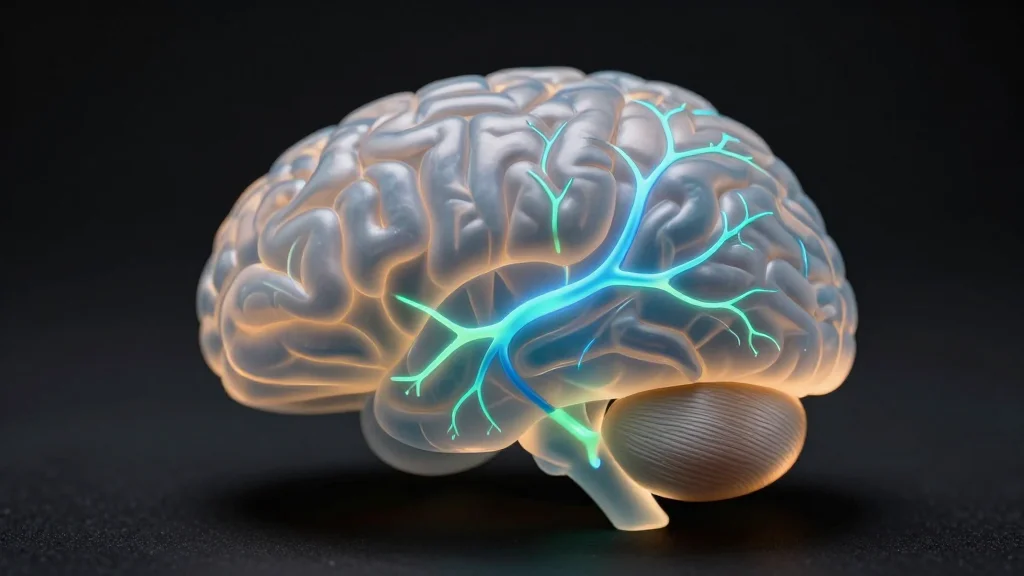
Unveiling the Clinical Significance of Unique Brain Functional Connectomes in Major Depressive Disorder
Researchers from Chiba University and partner institutions reported that functional connectome (FC) uniqueness—a measure of individual brain connectivity patterns—is markedly reduced in patients with Major Depressive Disorder (MDD). The study, using harmonized resting‑state fMRI across multiple sites, found the greatest...

Breakthrough Stem Cell Therapy Shows Promise for Parkinson’s Disease
Researchers at USC's Keck Medicine have launched a Phase 1 trial implanting iPSC‑derived dopaminergic neurons to treat moderate‑to‑severe Parkinson's disease. The therapy, using Kenai Therapeutics' RNDP‑001 product, is administered via stereotactic surgery into the basal ganglia of twelve participants. The FDA...
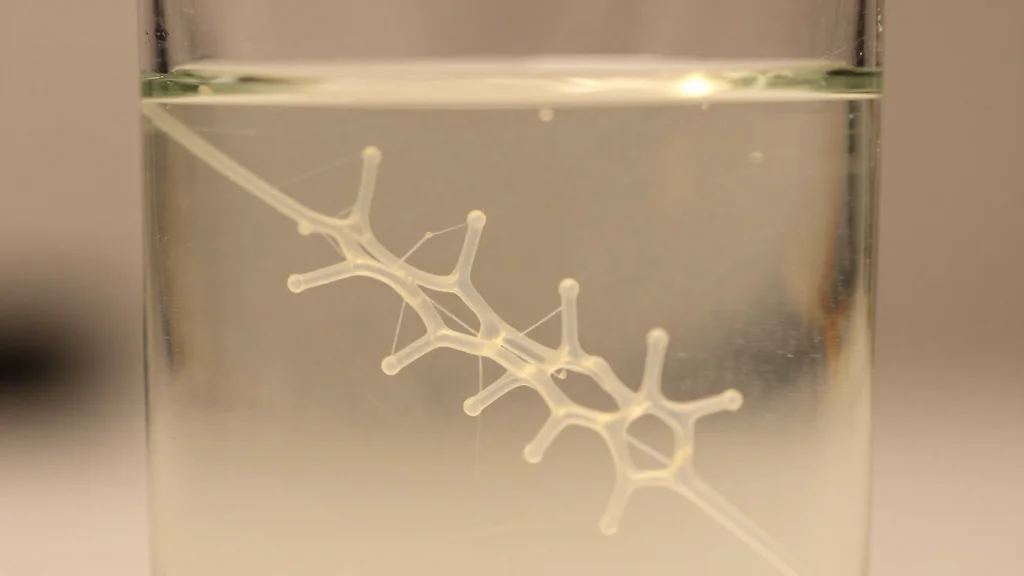
Revolutionary Low-Temperature Activation Enables Deployment of Smart 4D-Printed Vascular Stents
Researchers from Japan and China have created a 4D‑printed vascular stent that self‑expands at body temperature, eliminating the need for external heating. The device uses a polycaprolactone‑based shape‑memory polymer composite tuned to a 37 °C transition with diethyl phthalate as a...

Fluorescent Paper Test Revolutionizes Blood Typing, Antibody Detection
Researchers have introduced a paper‑based fluorescent assay that uses bioengineered red blood cells stable at room temperature to perform blood typing and antibody titer measurement. The assay combines fluorescent tagging with capillary flow on paper, delivering sensitivity and specificity above...

Sildenafil’s Variable Impact on Preemie Lung Hypertension
A recent multicenter study examined sildenafil’s effectiveness in treating pulmonary hypertension among preterm infants. The findings revealed that while some neonates experienced improved oxygenation and reduced pulmonary pressures, others showed minimal benefit or adverse hemodynamic effects. Efficacy appeared linked to...

Reviewing Social Determinants in Neonatal Clinical Trials
A systematic review in the Journal of Perinatology reveals that neonatal clinical trials largely omit detailed social determinants of health (SDOH) data, with race and ethnicity reported far more often than income, education, or neighborhood factors. The analysis of dozens...
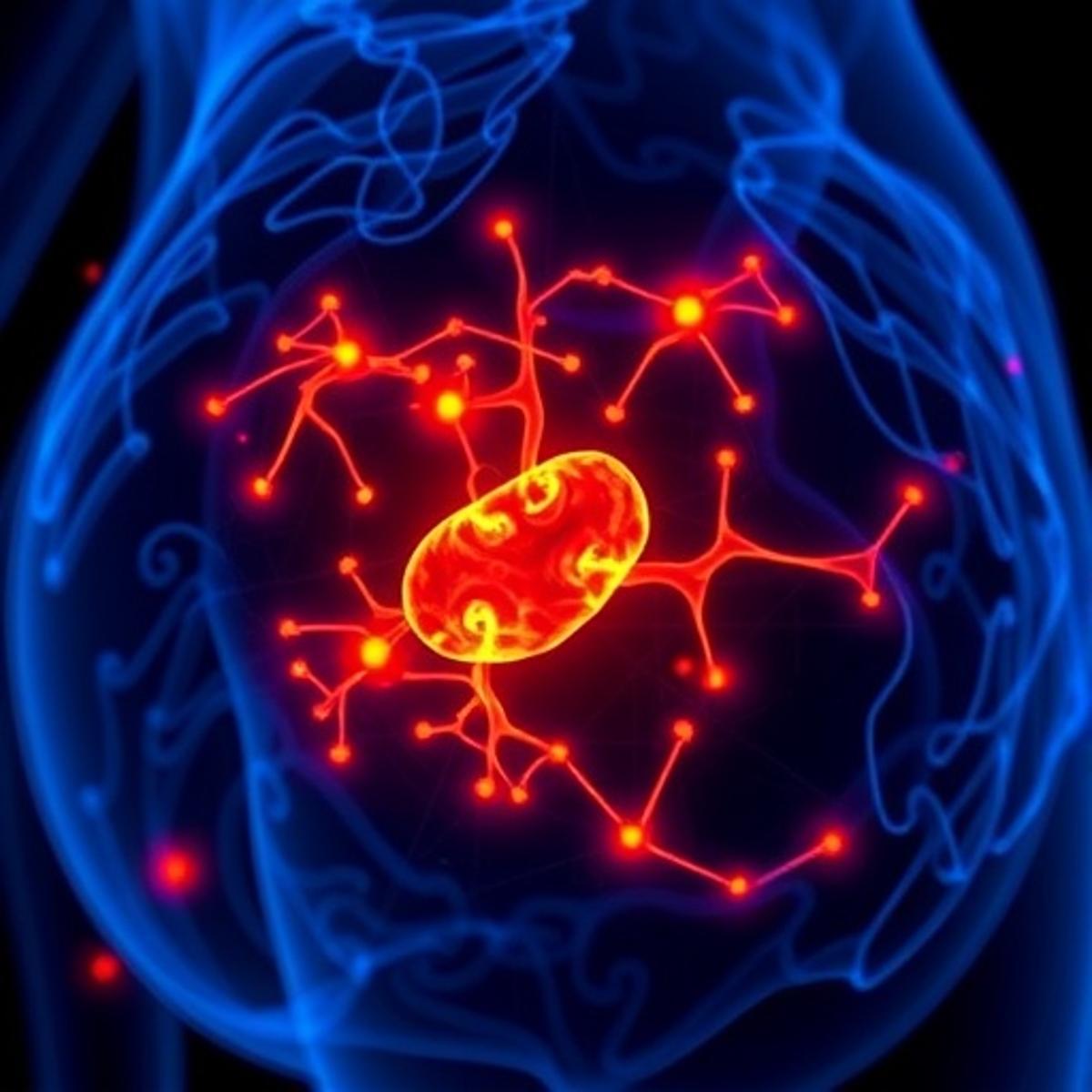
AI-Enhanced Optical Photoacoustic Microscopy for 3D Cancer
A multidisciplinary team led by A.J. Deloria unveiled Optical Coherence Photoacoustic Microscopy (OCPAM), a hybrid imaging platform that merges optical coherence tomography with photoacoustic microscopy. The system delivers sub‑micron lateral resolution and millimeter‑scale depth, enabling true three‑dimensional visualization of cancer...

Mitophagy’s Role in Pancreatic Cancer Therapy
Recent research highlights mitophagy—a cellular recycling process—as a promising lever in pancreatic cancer treatment. Activating the PINK1‑PARK2 pathway triggers selective mitochondrial clearance, making tumor cells more vulnerable to chemotherapy and immunotherapy. Pre‑clinical models show that combining mitophagy inducers with standard...

AI-Enabled Stethoscope Proves Twice as Effective at Detecting Valvular Heart Disease in Clinical Settings
A new AI‑enabled digital stethoscope more than doubles sensitivity for detecting moderate to severe valvular heart disease, according to a study published in the European Heart Journal – Digital Health. The research, involving over 500 patients across several hospitals, showed...
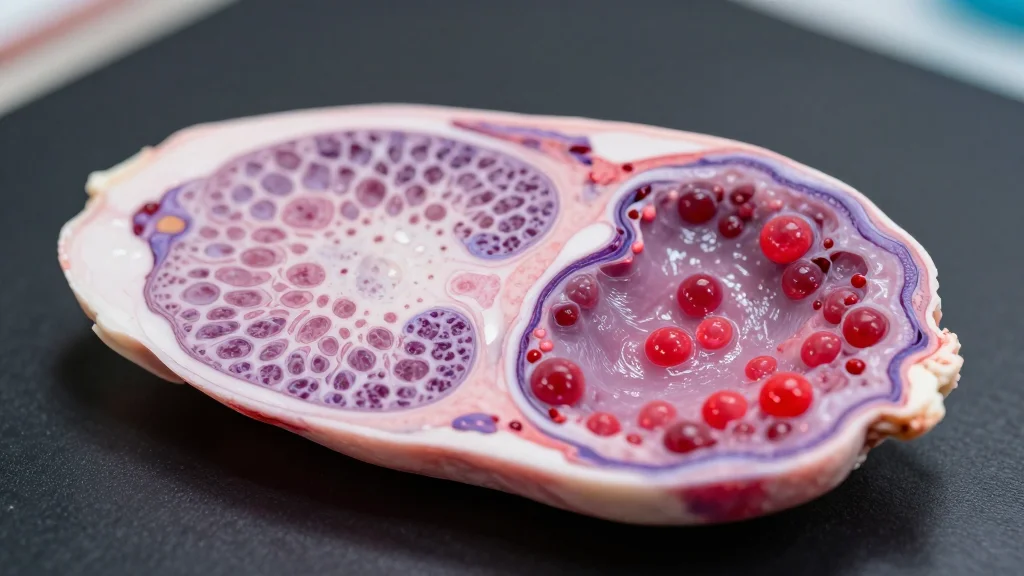
IRF5’s Role in Emphysema via NLRP3 and Ly6C Cells
Researchers identified IRF5 as a central driver of emphysema by linking it to heightened NLRP3 inflammasome activity and accumulation of Ly6C‑expressing monocytes in lung tissue. Human samples and mouse models showed elevated IRF5 expression correlating with increased pro‑inflammatory cytokines and...

Free Halide Ions Enable Switchable Photoluminescence
Researchers have demonstrated that substituting free halide ions in manganese‑based metal halides can reversibly switch photoluminescence intensity and wavelength. The ion‑substitution mechanism alters the local coordination around Mn ions, modulating exciton dynamics and radiative pathways. The switching is repeatable over...

Leadership’s Impact on Allied Health Professional Identity
The 2026 BMC Health Services Research study by Hales, Achour and King investigates how leadership shapes the professional identity of allied health workers. It argues that purpose‑driven mentorship, shared leadership, and values‑based guidance improve job satisfaction, reduce burnout, and enhance...
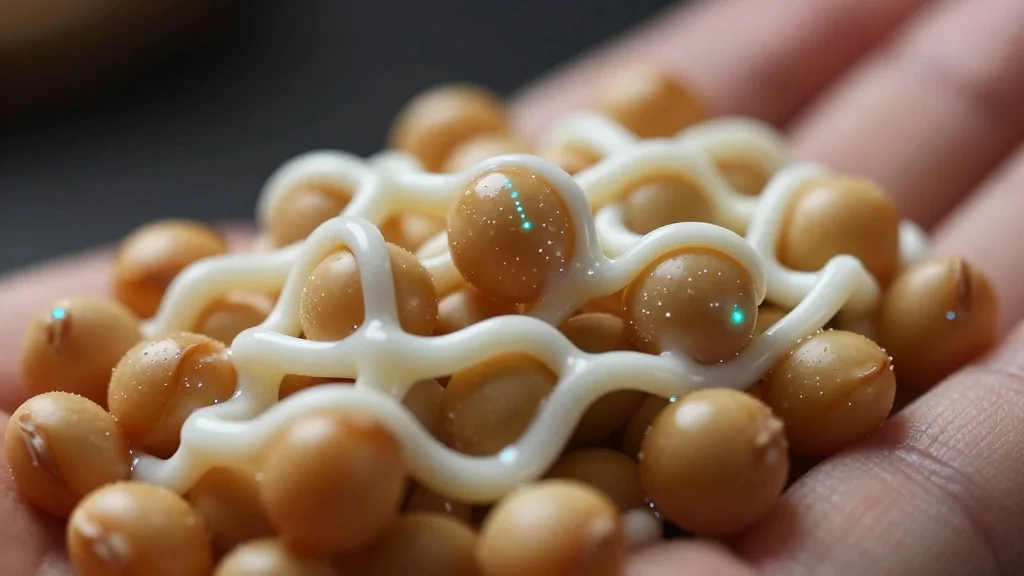
Natto: Unveiling the Surprising Science Behind This Unconventional Superfood
A study led by Professor Hideshi Ihara at Osaka Metropolitan University discovered that the fermentation of soybeans into natto dramatically increases supersulfide molecules, a class of sulfur metabolites linked to cellular health. The research showed that heat‑treated soybeans further amplify...

A Groundbreaking Innovation Revolutionizes Medical Device Technology
A new medical device merges artificial intelligence with nanoscopic biosensor arrays, enabling real‑time, minimally invasive diagnostics at the cellular level. The integrated AI interprets biomarker signals instantly, delivering results in seconds and supporting continuous monitoring of chronic diseases. Manufacturing leverages...

Enhancing Teamwork in Acute Care: A Mixed-Methods Study
A recent mixed‑methods study examined how interdisciplinary teamwork functions in acute‑care settings, combining surveys, observations, and staff interviews. Researchers identified communication gaps, role ambiguity, and workflow bottlenecks that hinder rapid decision‑making. Quantitative data showed a 12% reduction in adverse events...

Menstrual Blood Testing for HPV Shows Promise as a Reliable Alternative to Cervical Screening
A BMJ‑published study of 3,068 Chinese women demonstrates that menstrual‑blood HPV testing matches or exceeds clinician‑collected cervical samples, achieving 94.7% sensitivity for CIN2+ lesions. The method uses a sterile minipad to collect menstrual blood, integrates results via a WeChat‑based app,...