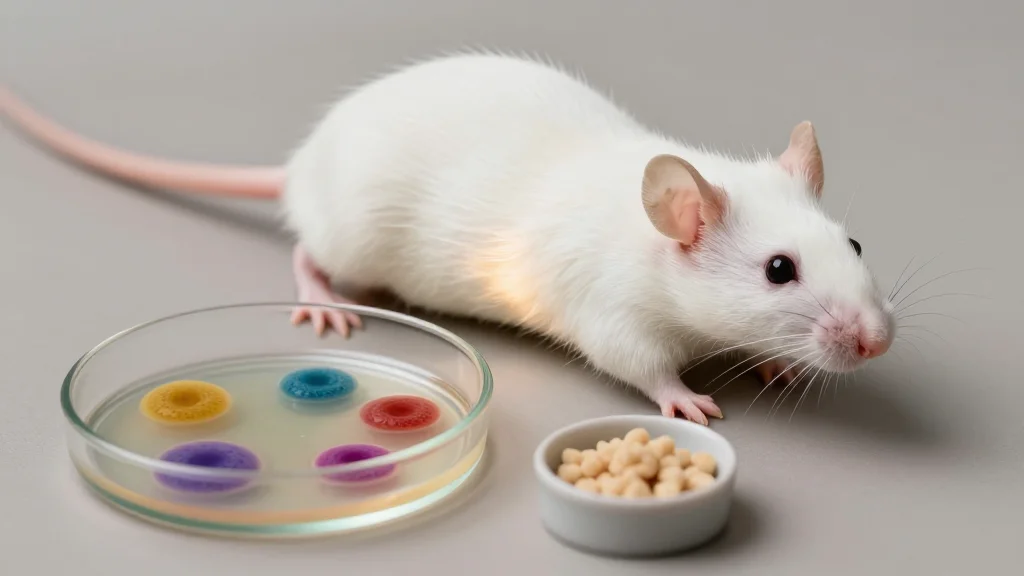
Gut Bacteria Rewire Fat Tissue to Burn More Energy
Researchers from Keio University, the Broad Institute and City of Hope reported that a low‑protein diet combined with four specific gut bacterial strains converts white adipocytes into energy‑burning beige fat in mice. The microbiota‑driven transformation boosted beige fat levels, improved glucose tolerance, limited weight gain and lowered cholesterol. Molecular signals from the bacteria appear to activate pathways normally associated with brown fat. The authors caution that the diet is not suitable for humans and that probiotic approaches have previously failed, but the mechanisms could inform new metabolic therapies.
Genotype, Phenotype, and GWAS Data
The Broad Institute launched a free, weekly video series called “Primer on Medical and Population Genetics,” offering informal deep‑dives into genetics fundamentals for a wide scientific audience. Episodes cover human genetic variation, genotyping technologies, DNA sequencing, statistical methods, and GWAS...
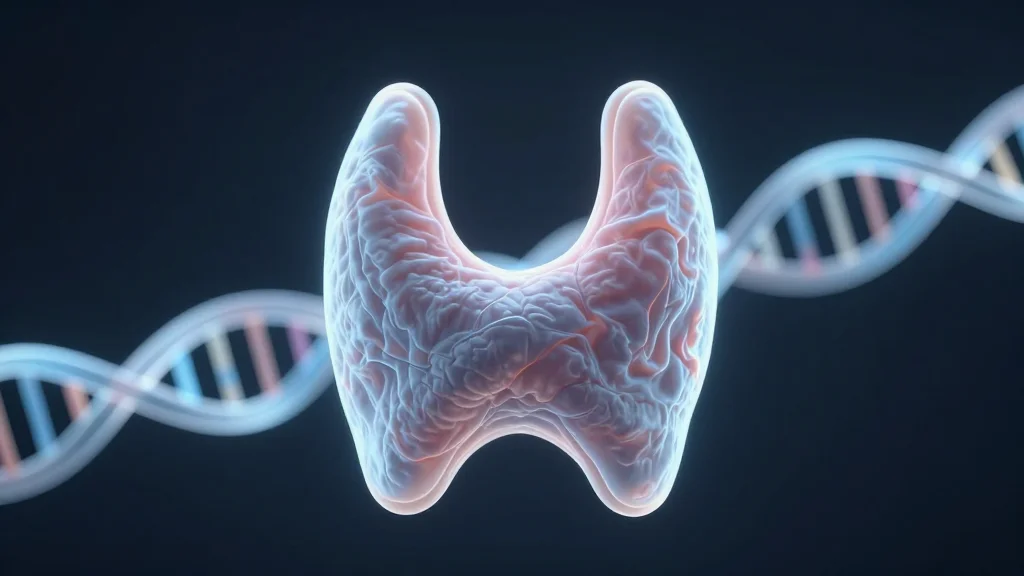
Study Reveals Genetic Balancing Act Between Autoimmunity and Cancer Risk
Researchers at the Broad Institute and University of Helsinki analyzed over 81,000 individuals with autoimmune hypothyroidism (AIHT) and identified more than 400 genetic markers, including nearly 50 protein‑coding variants. The study distinguished genetic signals specific to thyroid autoimmunity from those...
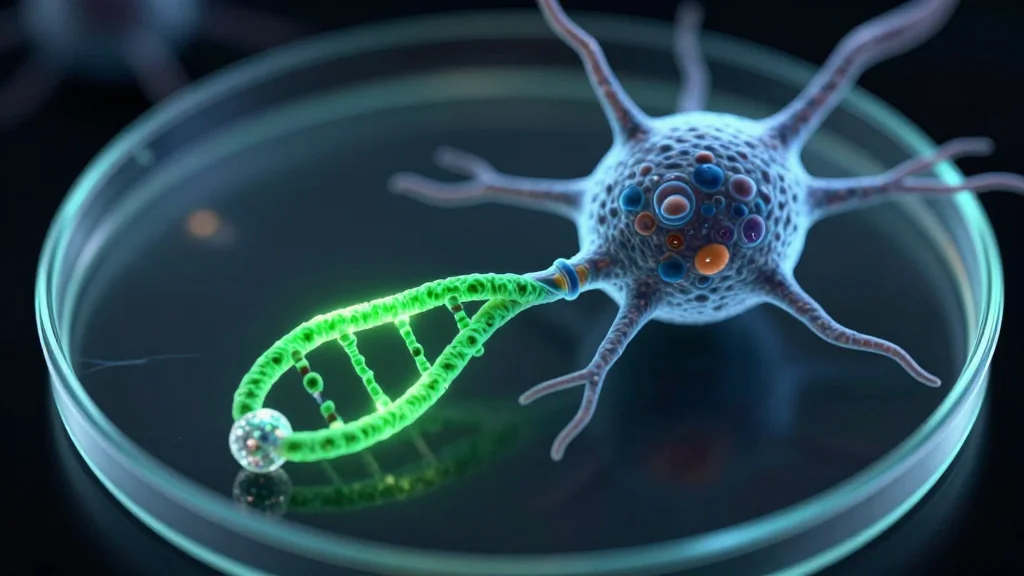
11th Annual Rare Disease Day | Advancing a Divalent siRNA for Prion Disease: An Investigator-Initiated Program
Rare Disease Day marked its 11th anniversary, highlighting the stark disparity between the 8,000 known rare‑disease genes and the under 500 approved therapies. Hosted by the Broad Institute’s Ladders to Cures Accelerator and the Termeer Institute, the event featured leading...