
ESR1 Mutation Testing Questions Follow Trial
A recent clinical trial examined the role of ESR1 mutations in advanced hormone‑receptor‑positive breast cancer, revealing that patients with the mutation respond differently to endocrine therapies. The study demonstrated that a next‑generation selective estrogen degrader (SED) extended progression‑free survival compared with standard aromatase inhibitors. Despite the promising data, the FDA has not issued formal guidance on routine ESR1 testing, leaving oncologists to navigate a gray regulatory landscape. Researchers and advocacy groups are now urging standardized testing protocols and clearer reimbursement pathways.
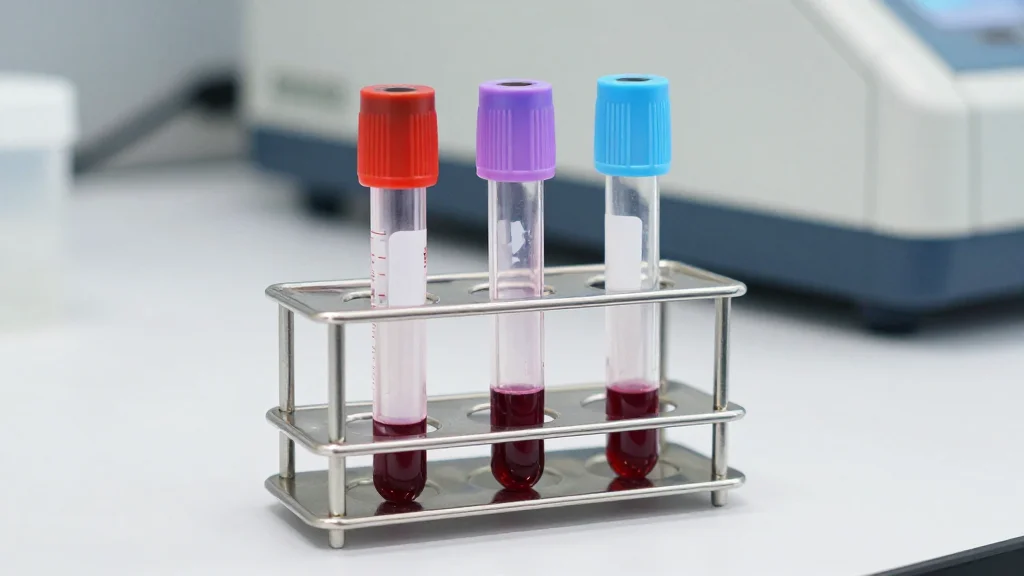
A Match Made in Heaven: Has Your Blood Collection Tube Been Appropriately Validated with Your Assays?
Blood‑collection tubes are FDA‑cleared in‑vitro diagnostic devices, but their clearance does not confirm compatibility with every clinical assay or analyzer. CLSI guideline GP34‑A places the burden of full validation on manufacturers while laboratories are responsible for verification of tube‑assay combinations....

Experts Talk Sequencing Platforms and Pressures
A CAP TODAY roundtable in February gathered leading pathologists and vendors to discuss the rapid evolution of sequencing technologies and the growing role of artificial intelligence in molecular pathology. Participants highlighted the pressure to shorten turnaround times while integrating new...
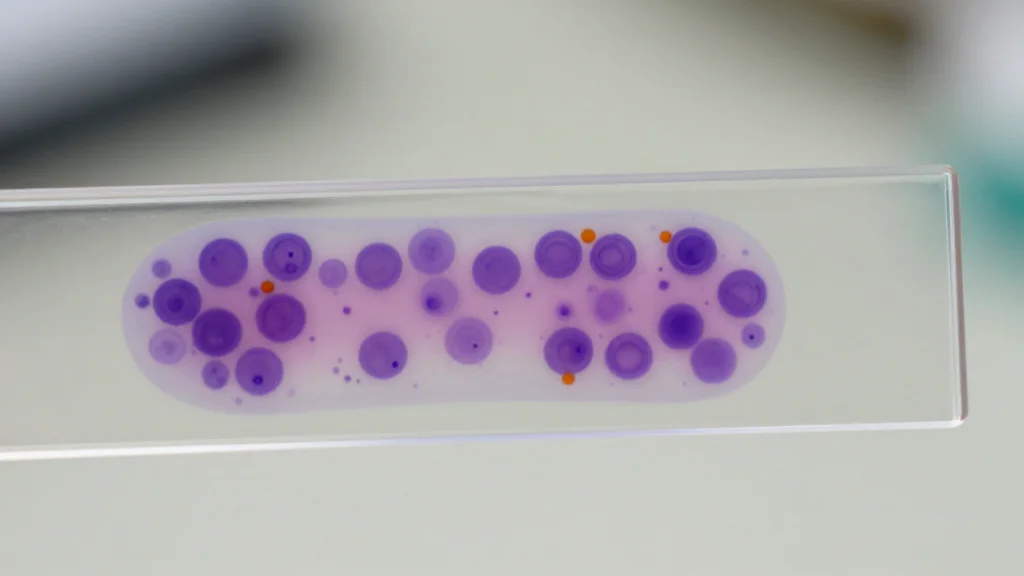
Unsatisfactory Paps—Recommendations, Remedies
The third edition of the Bethesda System revises adequacy criteria for cervicovaginal Pap tests, setting specific cellularity thresholds—8,000‑12,000 squamous/metaplastic cells for conventional slides and 5,000 for liquid‑based preparations. Endocervical cells and normal endometrial cells no longer count toward these thresholds,...

PTS Diagnostics Product Discontinuation Notice
PTS Diagnostics announced that its A1CNow+ Controls (REF 737) will be discontinued in the United States and the Maldives effective June 1, 2026, citing supply‑chain constraints. The company will continue to support existing inventory until each lot’s labeled expiration date and stresses the...
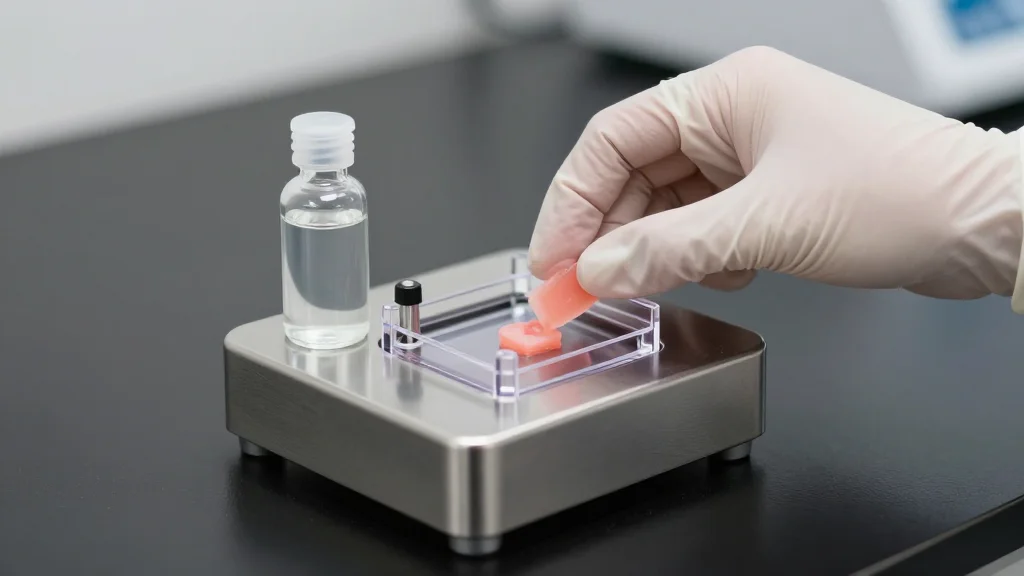
Omnia Inventa Introduces LNL300 for Lymph Node Retrieval
Omnia Inventa Medical has launched the Lymph Node Locator 300 (LNL300), a benchtop, FDA class I, 510(k)-exempt device that standardizes lymph node retrieval from fatty oncologic specimens. The system employs an acetone compression technique to strip fat and produce a...
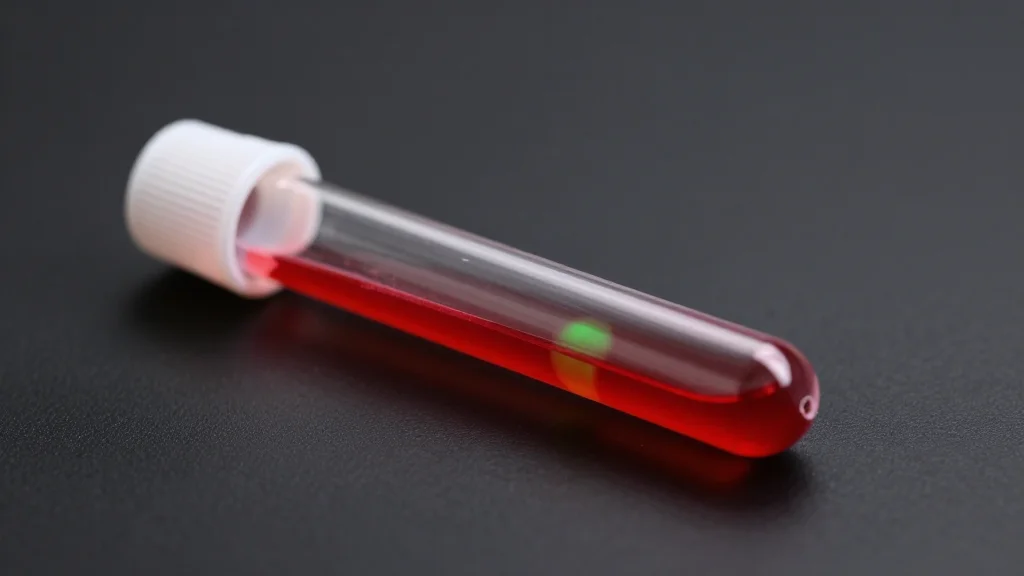
FDA Approves Grifols Malaria Blood Screening Assay
The U.S. Food and Drug Administration has cleared Grifols’ Procleix Plasmodium assay for malaria screening of blood donors. The nucleic‑acid test uses magnetic target capture, transcription‑mediated amplification and chemiluminescence to identify ribosomal RNA from five human‑infecting Plasmodium species. It runs on...

Accelerating Precision Medicine with Rapid Front-Line NGS-April 30, 2026
Memorial Sloan Kettering Cancer Center (MSKCC) has deployed Pillar Biosciences' oncoReveal® Nexus 21‑gene panel as a rapid front‑line next‑generation sequencing (NGS) test, dramatically shortening turnaround time versus its standard MSK‑IMPACT comprehensive profiling. The targeted panel, validated through the MSK‑REACT program,...

In Brain Tumors, New Use for CSF cfDNA
Cerebrospinal fluid (CSF) cell‑free DNA is emerging as a reliable source for genomic profiling of brain tumors, offering a less invasive alternative to surgical biopsies. Compared with plasma, CSF provides a higher signal‑to‑noise ratio, improving detection of tumor‑derived mutations. The...

ASCO to Shine Light on Multimodal AI Models: Plus, Melanoma Diagnostics and Gastroesophageal Cancer Targets
At ASCO 2026 in Chicago, Stanford oncologist Janice Lu will lead a session spotlighting the clinical translation of artificial‑intelligence tools in cancer care. The program stresses disciplined validation, multimodal integration of pathology, imaging, molecular and liquid‑biopsy data, and robust governance...

New Protections in Checklist for Patients, Donors, and Blood
The College of American Pathologists (CAP) has updated its transfusion‑medicine accreditation checklist for 2026, adding new safety controls that affect every hospital blood bank in the United States. The revisions require repeat or historical ABO/Rh verification for all compatibility‑testing methods,...

Pressing for a POC Testing Model Amid High STI Rates
Point‑of‑care (POC) testing for sexually transmitted infections is being championed as a critical tool to curb rising STI rates, especially among youth and marginalized communities. Dr. Aniruddha Hazra highlighted that while overall diagnostic rates have improved, groups such as LGBTQ+,...

No Age Too Early: Lab Exposure Through Children’s Books
Two new children’s books—*Mia the Marvelous Lab Explorer* and *ABCs of Laboratory Medicine*—introduce laboratory medicine concepts to kids aged four to nine. Authored by Dr. Kamran Mirza and Dr. Lotte Mulder, the titles feature a lab‑superhero and a talking microscope...

Billing Pros on Prior Authorization Burden and Beyond
Laboratory and pathology billing are under mounting pressure from reimbursement threats, downcoding, denials, and prior authorizations. Medicare Advantage plans are reclassifying individual STI tests into broader panel codes, slashing reimbursements and prompting costly appeals. The CMS efficiency adjustment further reduces...

Speed, Scale, and Simplicity in Microarray Analyzer
Thermo Fisher Scientific introduced the SwiftArrayStudio microarray analyzer, a fully automated platform that consolidates hybridization, staining, washing and scanning into a single instrument. The system can deliver genomic results in roughly 30 hours, a dramatic reduction from the traditional five‑day turnaround....