
China Shock 2.0 and the Euro Area: Cheaper Imports, Tougher Competition
China’s goods export surplus surged to a record $1.2 trillion in 2025, driven by a shift toward advanced manufacturing, green tech and machinery. Weak domestic demand, a depreciated yuan and state‑backed industrial policies now explain roughly 75% of the export growth, a stark contrast to the early‑2000s low‑cost shock. For the euro area, cheaper Chinese imports are cutting non‑energy industrial‑goods inflation by about 1% by 2028 but also dampening investment in exposed sectors. The new shock raises competitive pressures on European firms in high‑tech and transport equipment markets.

Writing Code versus Shipping Code: Productivity Effects Across Generations of AI Coding Tools
A new NBER paper analyzes over 100,000 GitHub developers to measure how three generations of AI coding tools—autocomplete, sync agents, and async agents—affect software production. Task‑level output jumps dramatically, with commits rising up to 180% for adopters, but the gains...

Trade Restrictions, Trade Policy Uncertainty and FDI Flows
A new CEPR paper quantifies how trade restrictions and trade‑policy uncertainty depress bilateral foreign direct investment (FDI) flows. Using the MATR index and the World Trade Uncertainty Index, the authors find a one‑standard‑deviation rise in trade barriers cuts FDI by...

The Design and Effect of Tariff Retaliation: Evidence From the EU
The European Union’s 2018 retaliation against U.S. steel and aluminium tariffs imposed 10%‑25% duties on about $3.3 billion of imports, covering both intermediate inputs and final‑consumption goods. Empirical analysis shows targeted U.S. imports fell by roughly half within two months and...
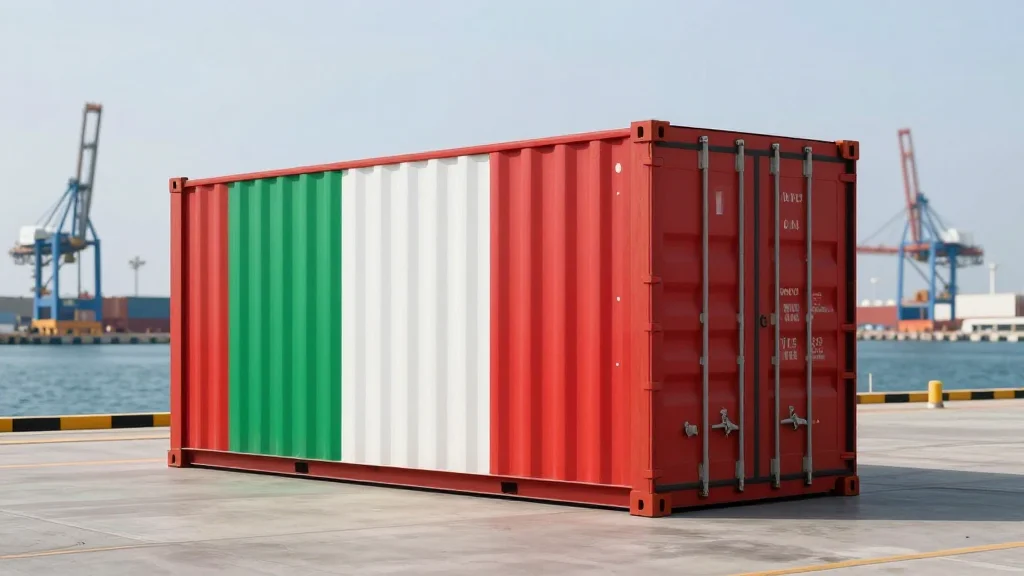
The Impact of Trade Wars on Firms in Third Countries
A new CEPR paper uses Italy as a bystander case to measure how the 2018‑2019 US‑China trade war reshaped export outcomes for third‑country firms. By estimating a heterogeneous trade model, the authors find an average 2.5% rise in Italian export...

Fiscal Rules Compliance and Sovereign Borrowing Costs: Some Evidence From the Euro Area
A new study using the European Fiscal Board's compliance tracker finds that sustained compliance with the euro‑area deficit rule lowers ten‑year sovereign bond yields by about 0.5 percentage points, and the effect more than triples during banking or debt crises. The...

The Unequal Burden of Oil Shocks: Labour Markets and Monetary Policy
The Iran war‑driven oil price spike to nearly $120 a barrel has reignited debate over how central banks should react to supply‑side inflation. Using half a century of German Social Security data, researchers find that oil‑supply shocks depress earnings and...

When Private Insurance Buys Faster Access to Public Care
European health systems now grapple with unequal waiting times rather than coverage gaps, prompting a surge in supplemental private insurance. In Sweden, enrollment in employer‑provided SHI jumps from under 5% among low‑income workers to about 50% for high earners, yet...

Pension Funds, Unlisted Firms, and Europe’s Capital Markets Union
A forthcoming study linking Danish administrative registers to firm‑ownership data finds that pension‑fund equity stakes in unlisted companies raise productivity by 3.4‑4.7%. The sample covers roughly 58,000 firm‑year observations, about 10,000 unlisted firms and 272 firms that receive pension investment,...

Fighting Misinformation with Truth: Why Mainstream News Matters on Social Media
Mobile broadband now exceeds the global population, fueling a social‑media surge that reaches 5.8 billion users, or 70 % of humanity. Research shows that simple nudges—like a brief reminder to think before sharing—cut the spread of false posts by up to 8 percentage...

Why some Digital Payment Systems Replace Cash and Others Don’t
Governments are pushing instant digital payment rails, but success hinges on active use, not just enrollment. Brazil's Pix and Costa Rica's Sinpe Móvil achieved rapid, broad adoption—reaching 60% and 80% of adults respectively—while Mexico's CoDi stalled at 2‑3% active usage. The...

One Global Shock, Many Inflation Paths: Inflation Persistence After the Great Moderation
Policymakers once believed the post‑COVID inflation surge was waning, but price levels and headline inflation have settled above pre‑pandemic norms. Research shows that economies differ sharply in inflation persistence, driven mainly by their historical inflation experience and the magnitude of...

Making Sense of Conflicting Labour Market Signals
U.S. labor market data have become increasingly contradictory, with slowing payroll growth, falling vacancies, modest unemployment rises, and persistent wage pressure. Researchers at the Federal Reserve Bank of Chicago synthesize 94 monthly and quarterly indicators into four economically interpretable "narrative...

US Consumer Savings From Shale Gas
The U.S. shale‑gas boom has kept domestic natural‑gas prices near $3 per thousand cubic feet, roughly one‑sixth of European and Japanese levels. By doubling production since 2007, the United States shifted from a net importer to the world’s largest gas...

Not All Foreign Exchange Reserves Are Created Alike
A new dataset covering 109 countries shows that central banks have dramatically altered the composition of foreign‑exchange reserves since the late 1990s. Securities now account for roughly two‑thirds of total reserves, up from about one‑third a quarter‑century earlier, a shift...