
Do You Need To Avoid Certain Medications When You Have Myasthenia Gravis?
Patients with myasthenia gravis (MG) must be vigilant about certain drugs that can aggravate muscle weakness. Neurologist Dr. Georgette Dib highlights categories such as intravenous magnesium, specific antibiotics, beta‑blockers, calcium‑channel blockers, statins, Botox, and some anesthetics as high‑risk. While avoidance isn’t always possible, careful dosing, alternative therapies, and close monitoring can mitigate flare‑ups. Open communication with every prescriber and carrying a medical ID are essential safeguards.

When a GPP Flare Needs Urgent Care
Generalized pustular psoriasis (GPP) can erupt suddenly, producing red plaques, pustules, fever and systemic inflammation that may damage kidneys, liver or lungs. Dermatologist David Xiong warns that severe flares constitute a medical emergency, especially when accompanied by shortness of breath,...
How To Collect Colostrum During Pregnancy
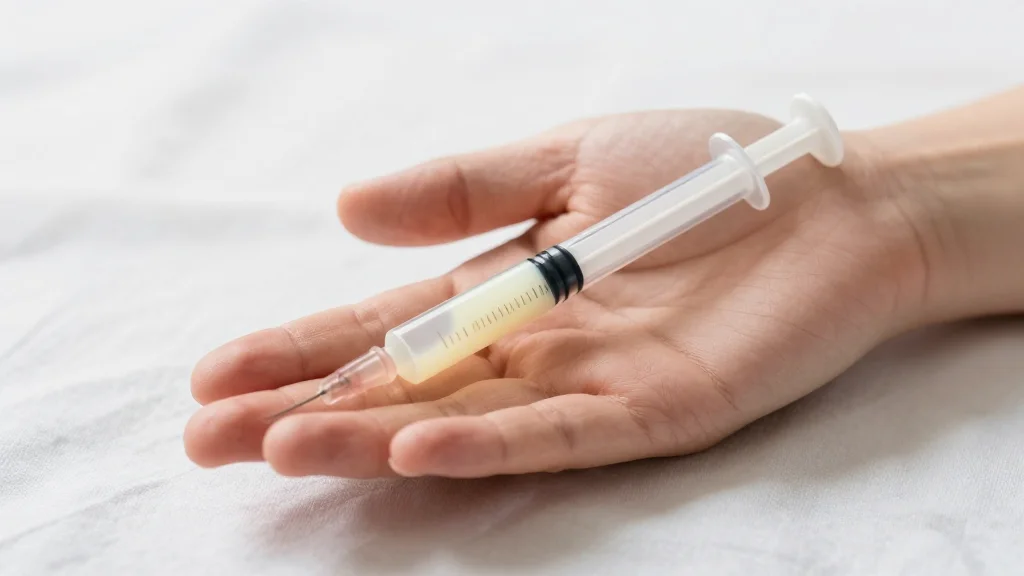
Colostrum harvesting, also called antenatal colostrum expression (ACE), lets expectant mothers collect the nutrient‑dense first milk before delivery, typically after 36 weeks. Pediatrician Heidi Szugye explains that the practice can supply extra nutrition for newborns at risk of low blood sugar,...

8 Ways To Address Your Social Anxiety
Social anxiety, a pervasive anxiety disorder, can cripple everyday interactions and professional performance. Cleveland Clinic psychologist Dawn Potter outlines eight evidence‑based strategies—from pre‑event self‑care and thought challenging to grounding exercises and gradual exposure—to reduce anxiety’s grip. She emphasizes cognitive‑behavioral therapy...

Heart Valve Surgery Recovery: What To Expect
Heart valve replacement—either surgical (SAVR) or transcatheter (TAVR)—offers a high success rate but requires a structured recovery. SAVR patients typically spend 3‑7 days in the hospital and need four to six weeks for initial healing, while TAVR patients may go...

Here’s When (and Why) You Might Need Surgery or TAVR for Severe Aortic Stenosis
Severe aortic stenosis is treated by replacing the narrowed valve, either through surgical aortic valve replacement (SAVR) or transcatheter aortic valve replacement (TAVR). Physicians base the decision on three criteria: valve area under 1 cm², heart’s functional response (ejection fraction and...

Yoga for Beginners: Get Started Today!
Yoga therapist Valerie Williams outlines a beginner-friendly approach, recommending Hatha, restorative, and Yin yoga as low‑pressure entry points. She emphasizes daily consistency, even ten‑minute sessions, to build strength, flexibility, and mindfulness. The article provides a step‑by‑step six‑pose flow—from Mountain to...

Do Statins Increase Dementia Risk?
Statins, widely prescribed for cholesterol management, have been scrutinized for a possible link to dementia. Early observational studies suggested a higher incidence of cognitive decline among statin users, but they failed to adjust for common risk factors such as hypertension...

5 Benefits of Reading to Babies and Little Kids
Reading aloud to infants and young children is a simple habit that yields lasting benefits. Pediatrician Kimberly Churbock explains that even newborns gain comfort from a caregiver's voice, while toddlers develop language, emotional, and social skills through interactive books. Consistent...
Living With a Rare Disease: Finding Support When You Have IgA Nephropathy
IgA nephropathy (IgAN) is a lifelong kidney disease that intertwines physical symptoms with mental stress. Dr. Salem Almaani emphasizes that a robust support system—spanning medical specialists, mental‑health providers, dietitians, and community groups—can lower stress and improve kidney outcomes. Educational resources...
Diagnosed With IgA Nephropathy? Ask Your Doctor These Questions
The article equips newly diagnosed IgA nephropathy patients with a checklist of essential questions for their next doctor visit. It emphasizes reviewing kidney‑biopsy results, confirming the nephrologist’s glomerular‑disease expertise, and understanding the full care team composition. It also guides patients...

Planning for the Future With IgA Nephropathy
IgA nephropathy (IgAN) progresses differently for each patient, with proteinuria, hematuria and eGFR trends serving as the primary prognostic markers. Dr. Salem Almaani emphasizes proactive planning—especially around pregnancy, infection prevention, and potential dialysis or transplant needs—as key to managing uncertainty....

‘Keto Flu’: What It Is and How To Manage It
The ketogenic diet forces the body into ketosis, but the transition often triggers a short‑term cluster of symptoms called keto flu. These symptoms—ranging from fatigue and headache to brain fog and muscle cramps—typically emerge 2‑7 days after carbohydrate restriction and...
Taking GLP-1s? Make Sure You Exercise
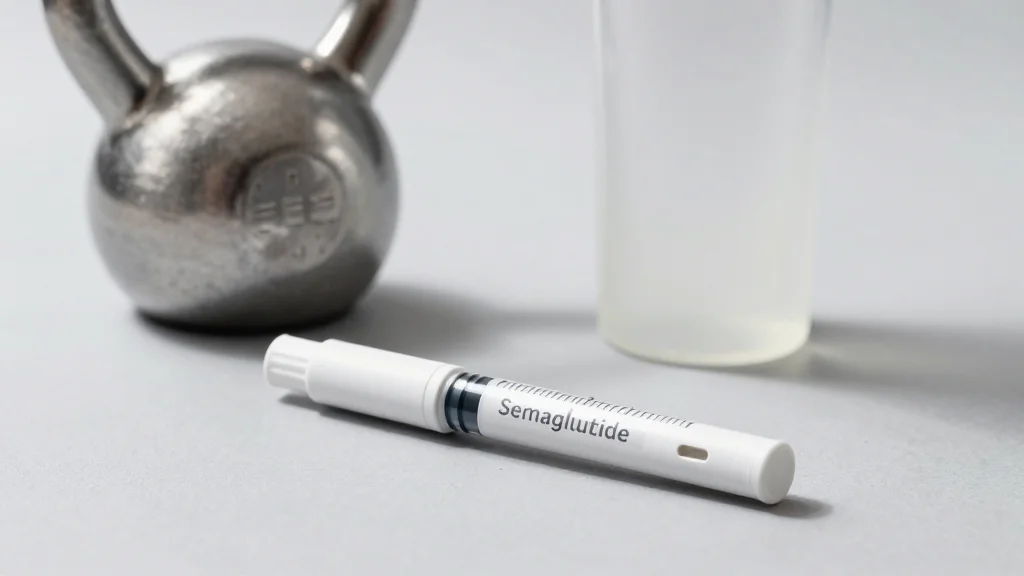
GLP‑1 drugs such as semaglutide and Wegovy accelerate weight loss but can also erode muscle if not paired with exercise. Endocrinologist Dr. Anira Iqbal advises a mixed routine of strength, aerobic, plyometric and flexibility work to protect lean tissue and boost...

What Is Fartlek Training?
Fartlek, Swedish for “speed play,” is a flexible running workout that alternates faster bursts with easy jogs without preset intervals. Dr. Leonardo Oliveira explains the method lets runners adjust pace on the fly, using landmarks or perceived effort. The approach...