
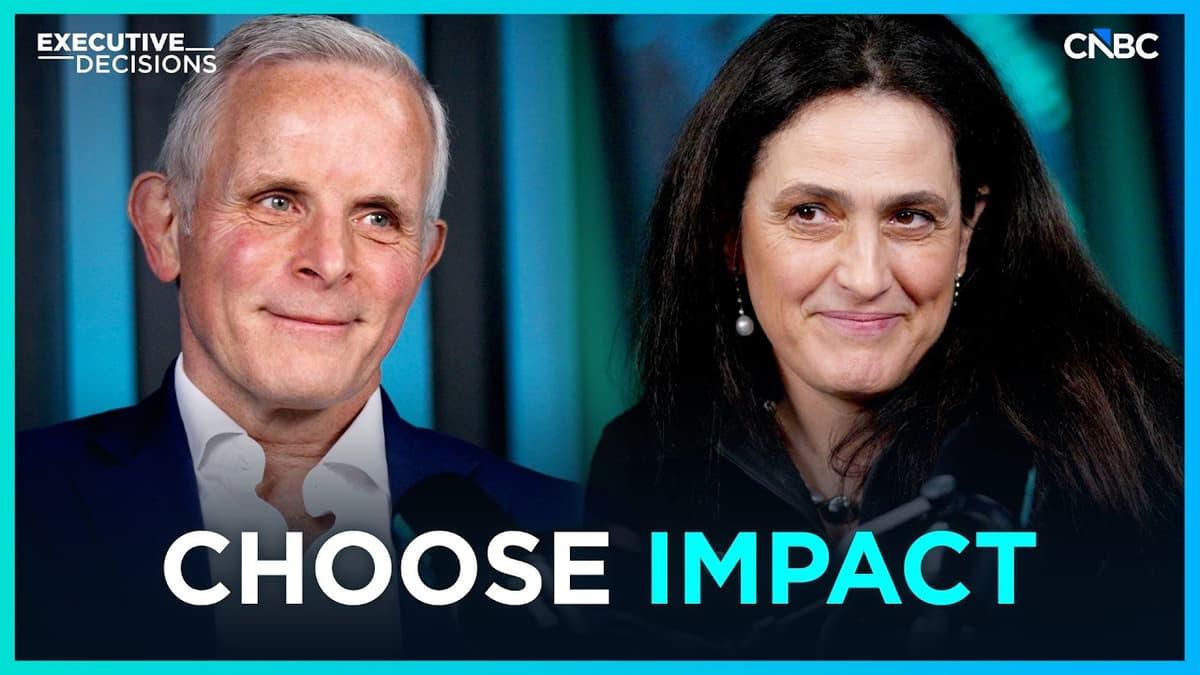
Choose Impact Over Ambition | Novonesis CEO Ester Baiget
Ester Baiget, after a 25‑year tenure at Dow, accepted the chief executive role at Novozymes—now rebranded as Novonesis—driven by purpose rather than ambition. She highlights a strategic pivot that recasts the firm from a pure enzyme producer to a broader biosolutions provider, a move that cleared the path for its merger with Danish biotech Chr. Hansen. Baiget also stresses that curiosity guides her decisions and that a supportive team makes the CEO role far less isolated.
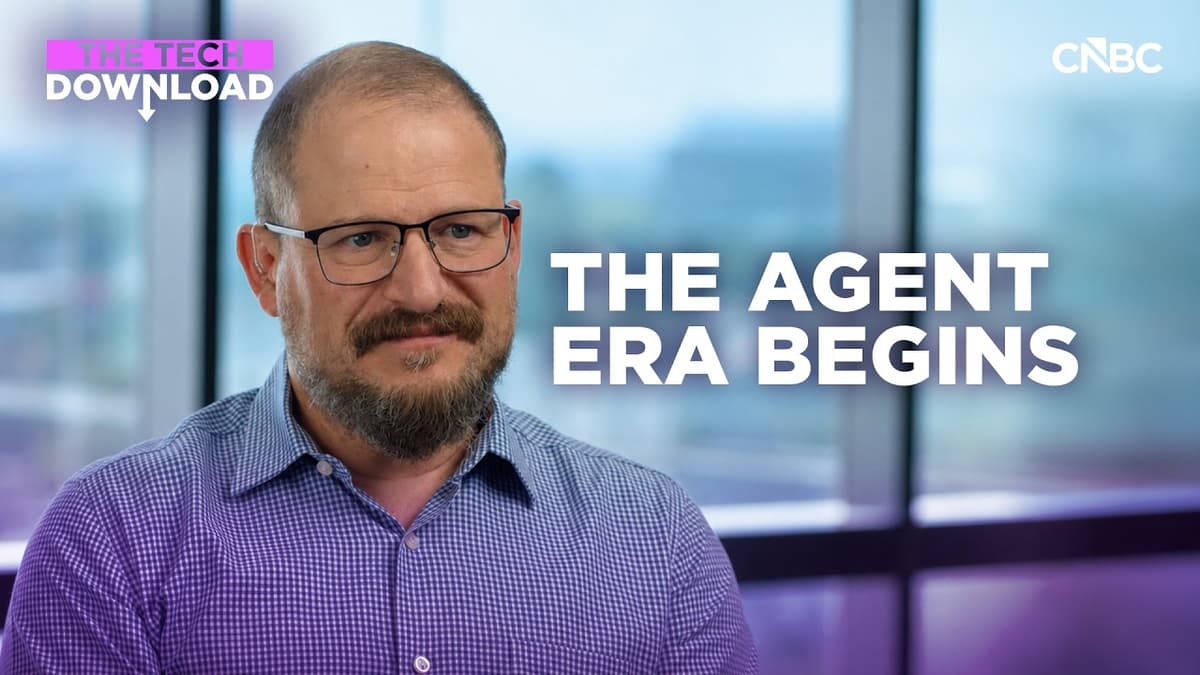
AI Devices Are Coming | Qualcomm CEO Cristiano Amon
Qualcomm CEO Cristiano Amon told CNBC that AI is reshaping the next generation of consumer electronics, turning phones, wearables and even jewelry into personal AI devices that act as autonomous agents. He explained that advances in large language and multimodal models,...

Nokia Doesn’t Make Phones Anymore — But It Still Makes Billions
Nokia’s once‑iconic handset division vanished after a $7 billion sale to Microsoft in 2013, marking the end of its consumer‑phone era. The company’s board, fearful of the iPhone’s impact, even banned employees from using Apple devices, underscoring the strategic shock. Instead of...
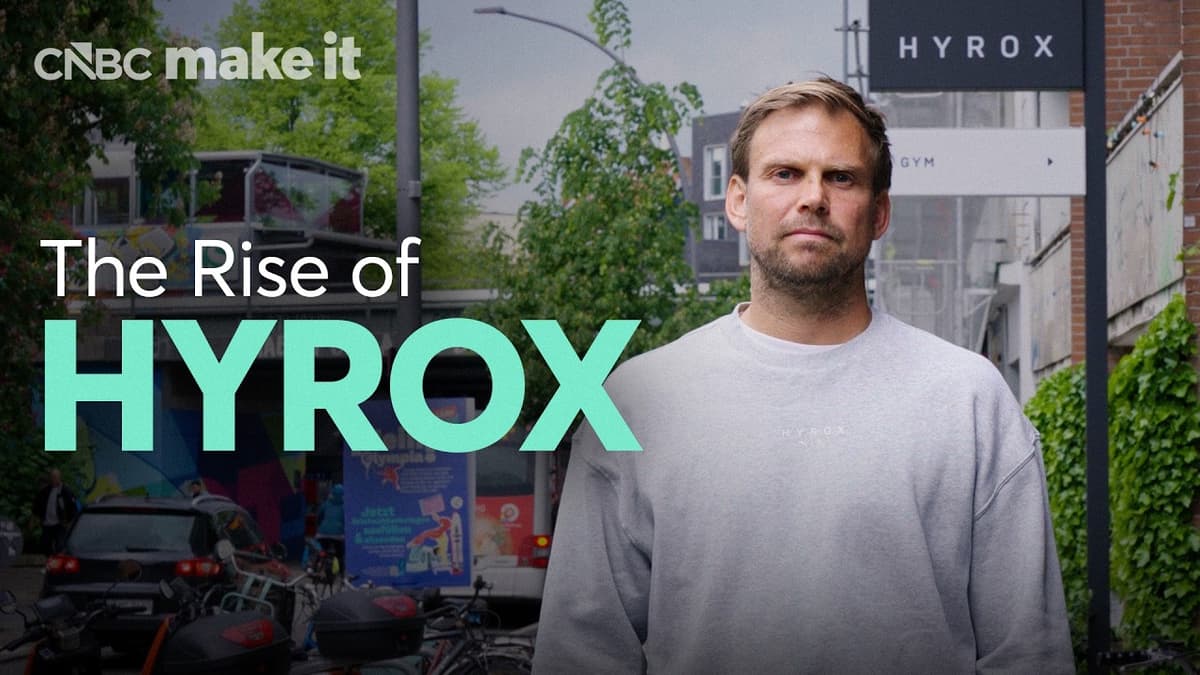
He Risked Everything on HYROX. Now It’s on Track for 1.5 Million Annual Participants
Former Olympic field‑hockey champion Moritz Fürste poured personal savings and borrowed heavily to turn his vision of a standardized indoor fitness race into HYROX, a sport‑like competition for gym‑goers. The company now projects 1.5 million participants and $270 million in revenue for the...
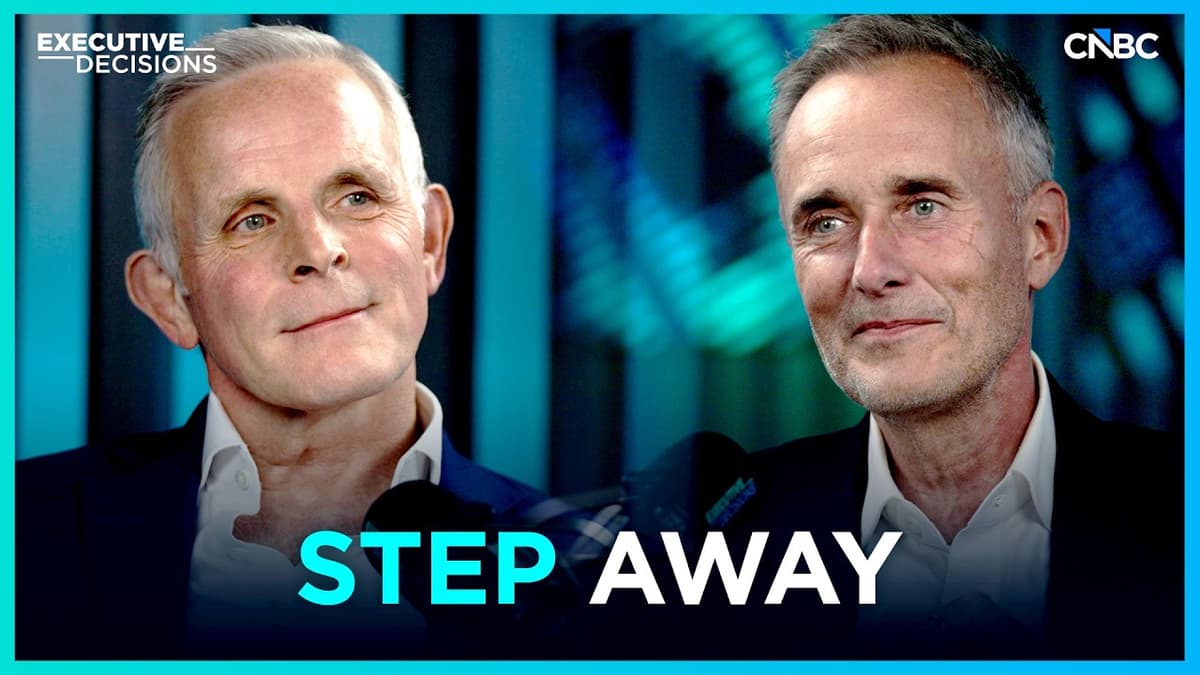
Step Away Before You Decide | BNY CEO Robin Vince
Robin Vince, after 26 years at Goldman Sachs, walked away without another position lined up and deliberately took a gap year before accepting BNY Mellon’s offer. His decision to step back was framed as a purposeful pause to reflect on...
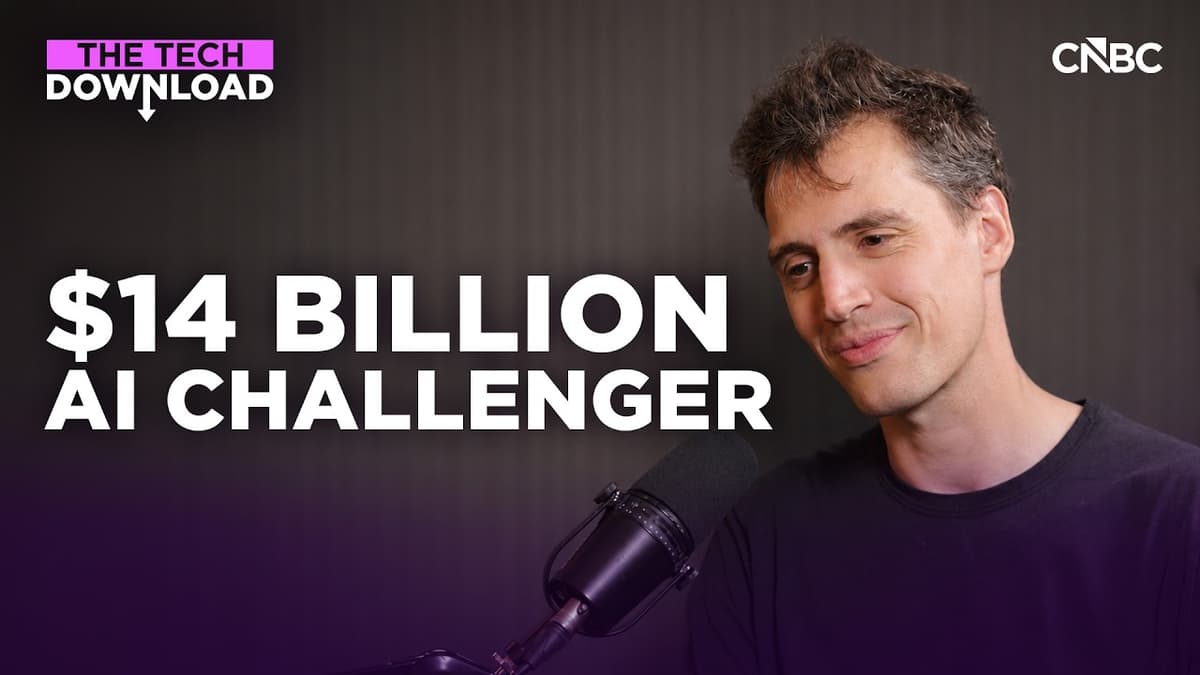
Can Europe Build an AI Champion? — Mistral CEO Arthur Mensch
The interview with Mistral CEO Arthur Mensch focused on Europe’s push to build a sovereign AI infrastructure. Mensch detailed a €4 billion commitment to data centers across France and Sweden, targeting 200 MW by 2027 and a gigawatt by 2030, and announced...

Why The UAE Left OPEC
The video explains why the United Arab Emirates announced its departure from OPEC, emphasizing that the move is driven less by immediate oil market concerns and more by Abu Dhabi’s long‑term vision of a post‑oil economy. Officials argue that OPEC production...
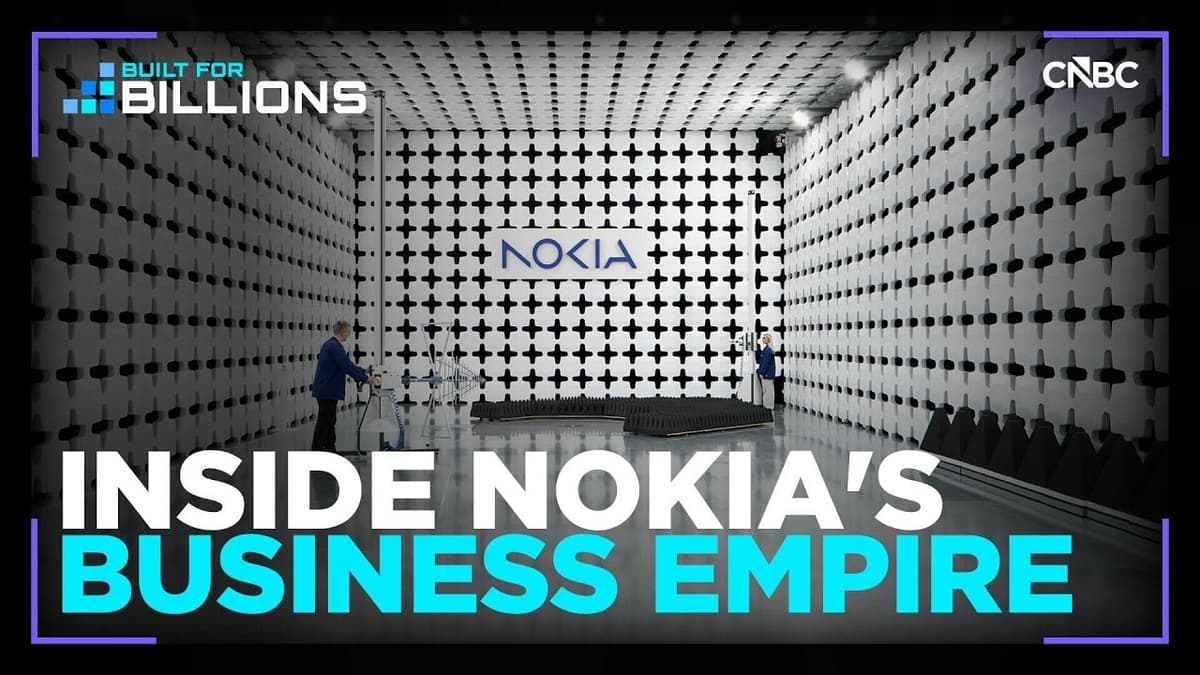
Inside Nokia’s New Money Machine
The video examines Nokia’s strategic reinvention from a consumer‑focused handset maker into a global telecom‑infrastructure powerhouse. After selling its mobile phone division to Microsoft in 2013, Nokia doubled down on its network expertise, leveraging decades of patents and engineering talent. Key...
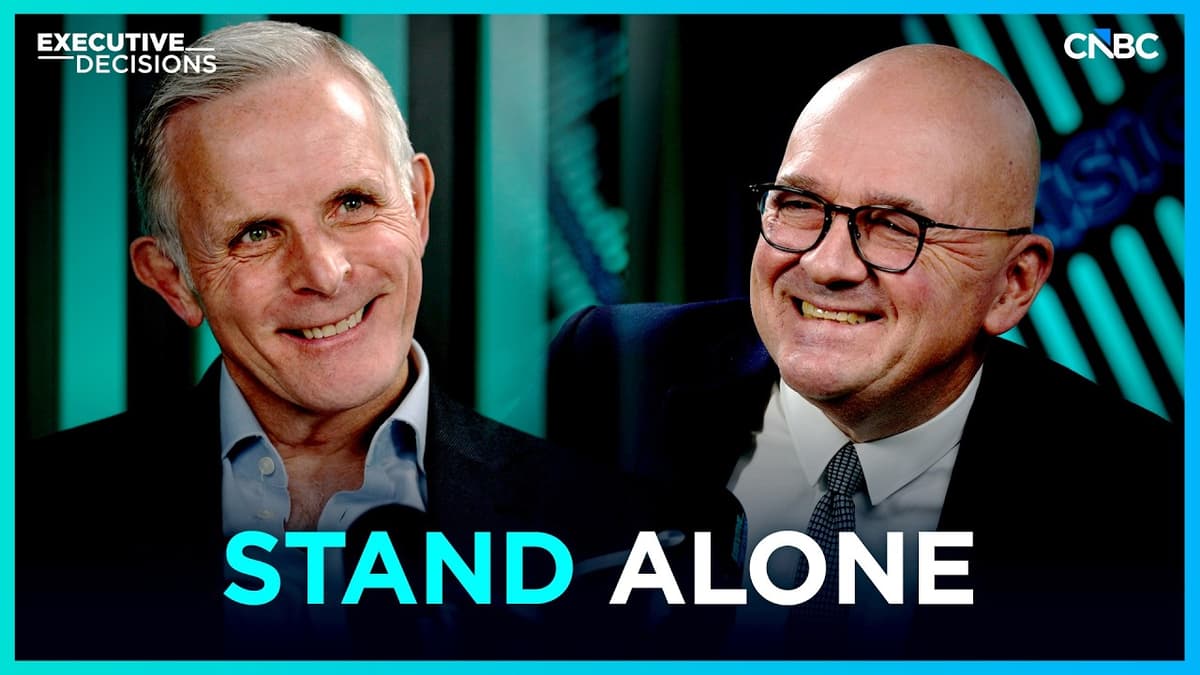
Be Willing to Stand Alone | Euronext CEO Stéphane Boujnah
Stéphane Boujnah, three months into his tenure as Euronext CEO, faced a pivotal decision when London Stock Exchange and Deutsche Börse announced a merger that would dwarf his company. Rather than acquiesce, he chose to actively sabotage the transaction, believing that...

Why The AI Boom Is Reshuffling The Global Stock Market Hierarchy
AI infrastructure demand is boosting Taiwan and South Korea up the global stock market hierarchy. Taiwan’s surge is driven by TSMC, the world’s leading advanced chip foundry. South Korea’s rally is powered by Samsung Electronics and SK Hynix, major memory‑chip...

How Retail Giant DFI Is Adapting to Asia’s Shopping Shake-Up
DFI Retail Group, one of Asia’s largest multi‑format retailers, is confronting accelerating change in the region’s shopping landscape. CEO Scott Price outlines how tighter margins, e‑commerce pressure, inflation and geopolitics force the company to rethink its portfolio and operating model. Over...
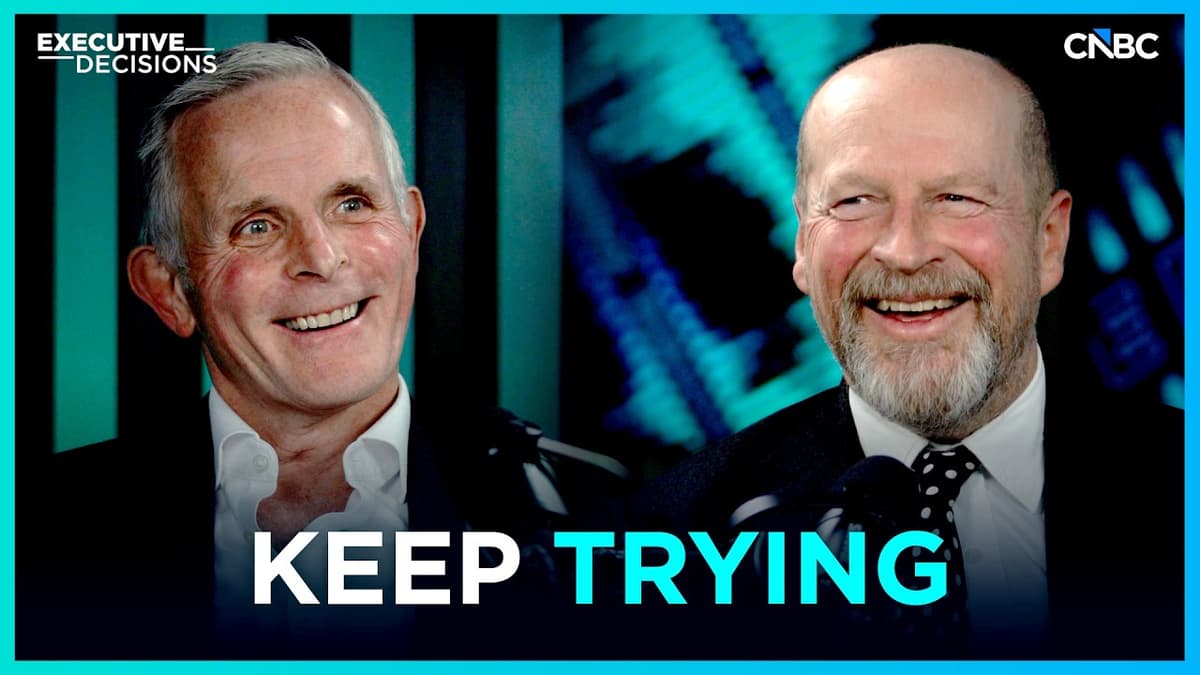
Don’t Stop Trying Things | Reed CEO James Reed
James Reed reflects on his pivotal 1994 decision to join Reed & Co, the family‑run recruitment firm, and the guiding principle that has shaped his leadership – never stop trying things. He recounts his father Alec’s entrepreneurial origins, the modest £75 start‑up,...
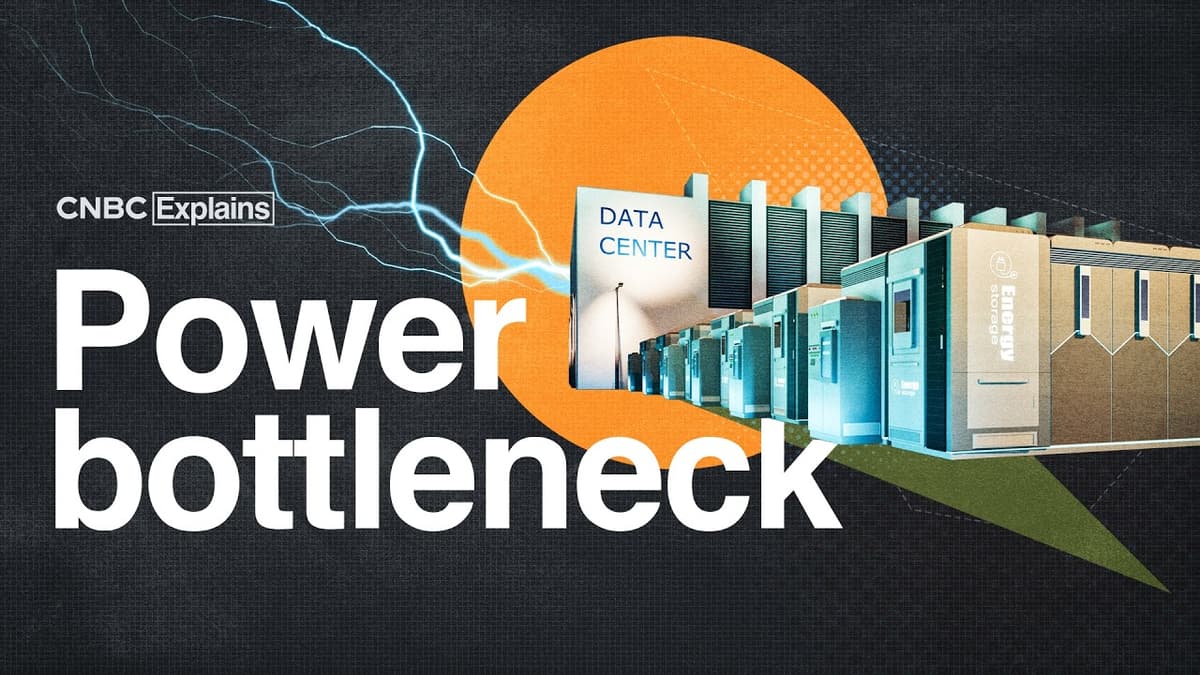
Why Europe’s AI Boom Is Running Into a Power Problem
Europe’s AI surge is colliding with a looming electricity crunch. Global data‑center investment hit a record $61 billion in 2025, and McKinsey projects $6.7 trillion of spend by 2030, with AI workloads consuming roughly 70 % of that power. The continent’s electricity demand...
Rakuten's CEO Made Staff Switch to English - Or Face Demotion
Rakuten's chief executive announced a company‑wide shift to English, giving employees two years to become proficient or risk demotion. The policy is driven by the need to compete internationally and to overcome Japan’s limited domestic engineering talent. Currently 70 % of engineers...

How Rakuten Built a Tech Empire by Breaking the Rules
The video chronicles how founder Hiroshi Mikitani built Rakuten into a tech empire by repeatedly breaking conventional rules. From the early 1990s, when most doubted the profitability of internet commerce, Mikitani launched Rakuten Ichiba, targeting tiny merchants and teaching them...