
How Some Crime Writers Are Finding a New Path to Publishing
The crime‑fiction market is navigating a wave of publisher closures, with indie presses like Down and Out Books folding and trade paperback sales falling 9% in 2025. In response, writers such as Jill Blocker and her partner have launched Constellate Publishing, using print‑on‑demand services and direct‑to‑reader marketing to retain creative control. Interviews with authors Beau Johnson, Emily J. Edwards, and Joseph Nelson reveal a shift toward self‑publishing, branding, and community‑driven promotion as survival tactics. The article also flags AI‑generated titles as a growing threat to discoverability for traditional writers.
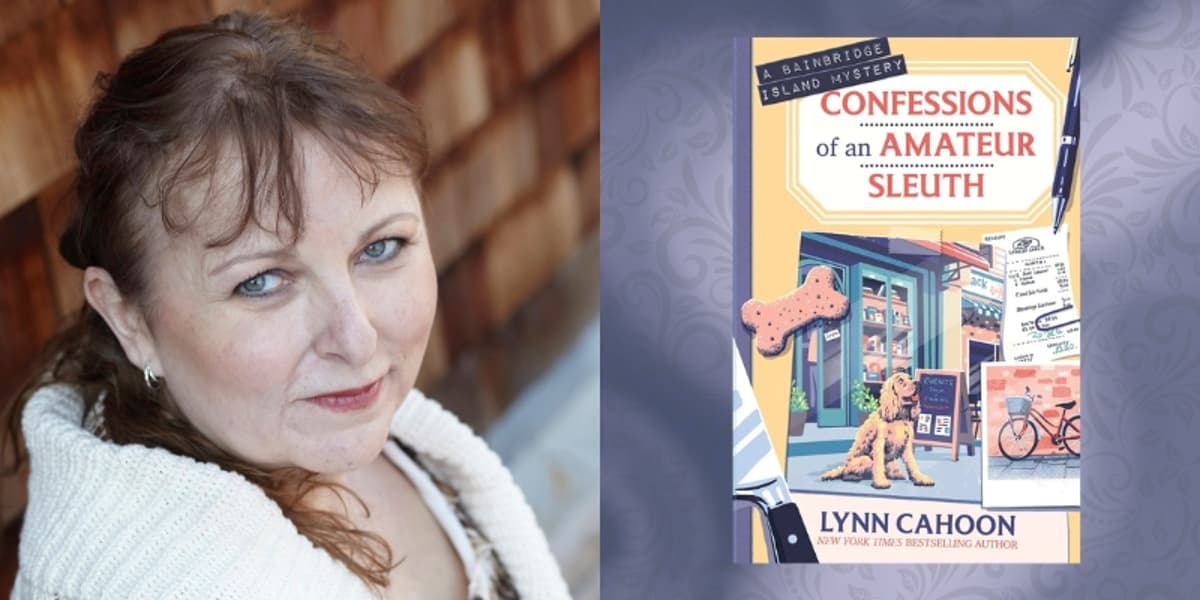
Lynn Cahoon on Choosing Whether to Set Cozies in Real or Fictional Places
Lynn Cahoon explains why she mixes real Bainbridge Island locations with invented shops in her new cozy mystery series, noting that the contrast between a picturesque tourist town and murder heightens intrigue. She highlights upcoming releases, including *Confessions of an...

MWA Announces the 2026 Edgar Award Winners
The Mystery Writers of America unveiled the 80th Edgar Awards in New York, honoring top works across mystery and crime fiction. Robert Crais captured Best Novel with "The Big Empty," while Jakob Kerr’s debut "Dead Money" earned Best First Novel...

What to Watch Now: Caught Stealing (2025)
Darren Aronofsky’s new film *Caught Stealing* (2025) lands on Netflix as a 1‑hour‑46‑minute blend of graphic violence and a 1990s‑era New York caper. The movie stars Austin Butler as a former baseball prodigy‑turned‑bartender, alongside Regina King, Zoë Kravitz and a cameo by...

Con Lehane On Writing a Red Scare Noir Against a Backdrop of Rising Oppression
Con Lehane’s debut novel *The Red Scare Murders* places private‑eye Mick Mulligan in 1950s anti‑Communist hysteria, where he must prove the innocence of a Black union organizer on death row. The plot weaves Lehane’s own cab‑driver strike experience and a...

The Great Lost Gothic Novel of Italian Romanticism
Francesco Mastriani, a 19th‑century Neapolitan novelist, penned over a hundred serialized novels that captivated a cross‑class readership in the 1850s and 1860s. Though compared to Wilkie Collins and Eugène Sue in his lifetime, his work has never been translated into...

How Halley’s Comet and Celestial Visions Shaped Daisy Pearce’s New Novel
Australian author Daisy Pearce draws on personal comet sightings and centuries‑old celestial lore to craft her new dark fiction, "Dark Is When the Devil Comes." The narrative intertwines the 1997 Hale Bopp appearance, the 1997 Heaven’s Gate mass suicide, and historic...
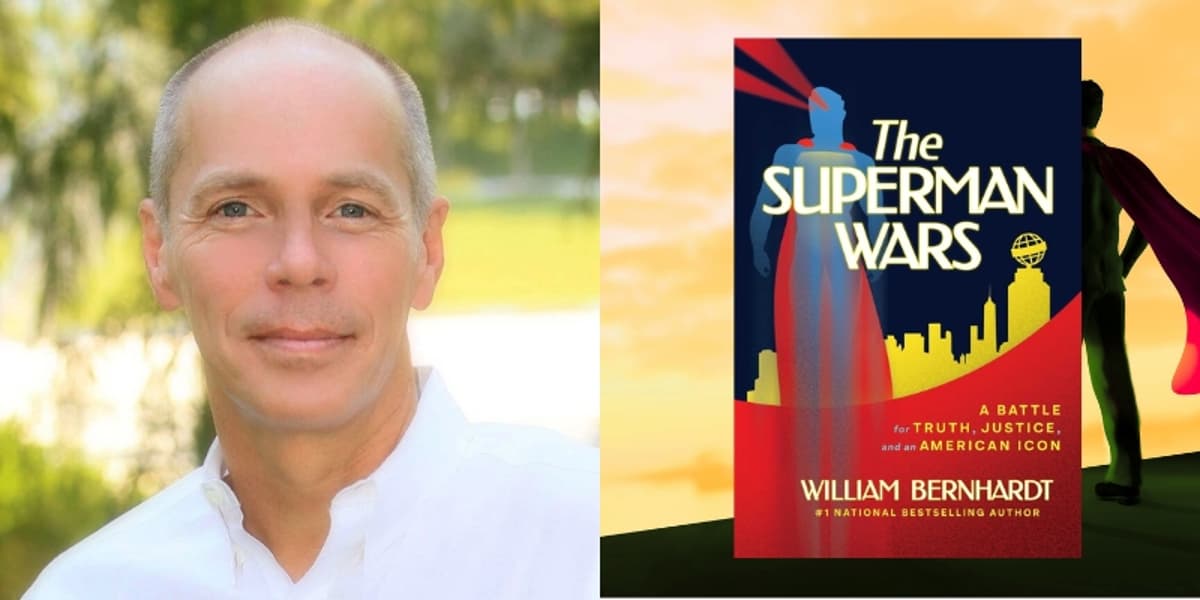
William Bernhardt on Comics, Superman, and the Legal Drama Behind an Icon’s Creation
Attorney‑author William Bernhardt’s new nonfiction book *The Superman Wars* revisits the decades‑long legal battle over Superman’s ownership, incorporating fresh material from the 2016 settlement and interviews with the creators’ heirs. He details how Siegel and Shuster sold the rights for...
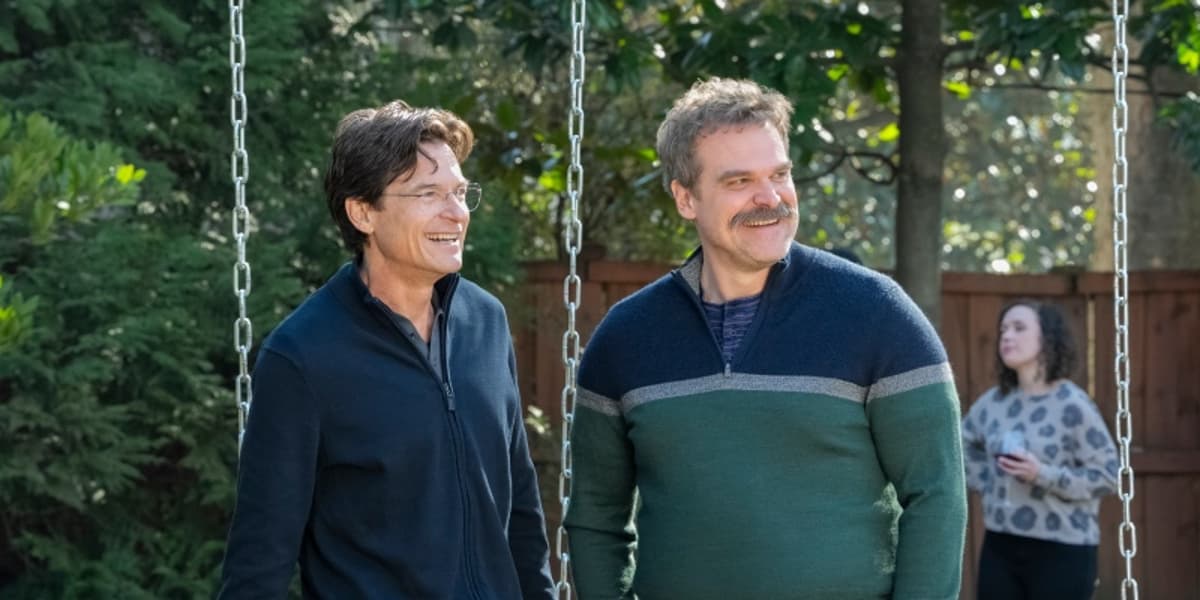
What’s New to Streaming: April 24, 2026
This week’s streaming slate introduces several genre‑bending series and films. Netflix debuts the eight‑part Korean horror‑thriller "If Wishes Could Kill," while HBO Max adds the dark comedy "DTF St. Louis" starring Jason Bateman and David Harbour. Prime Video rolls out...
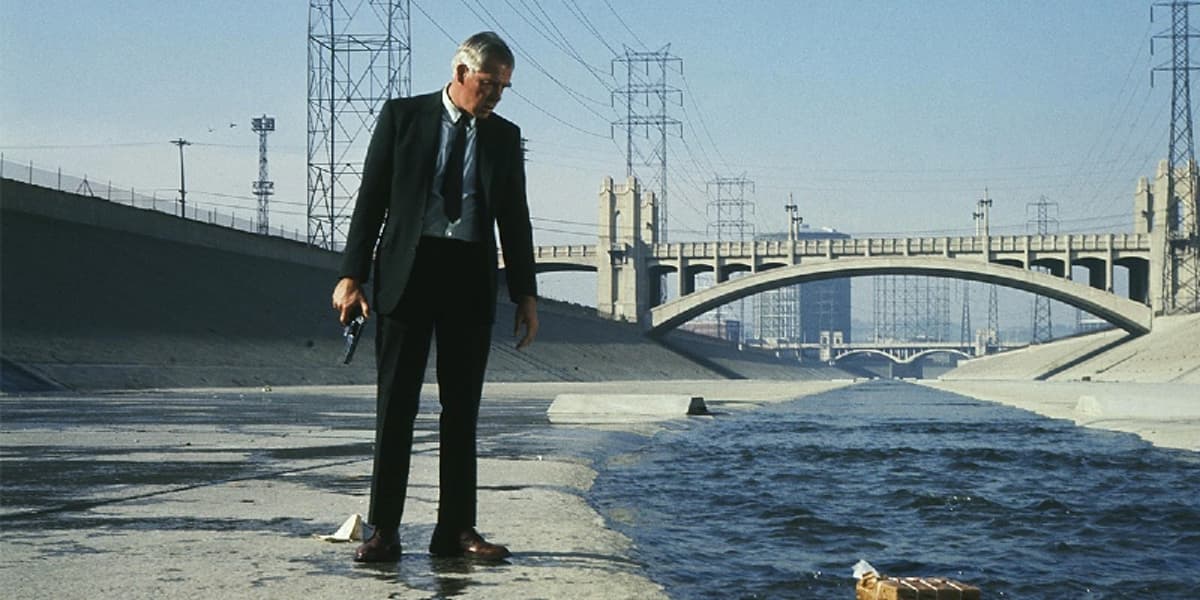
“Profit Is the Only Principle”: How ‘Point Blank’ Presaged Our Current Moment
The author revisits John Boorman’s 1967 neo‑noir Point Blank, noting its central line “Profit is the only principle.” The film’s portrayal of a faceless crime syndicate mirrors today’s political debate over a $152 million Alcatraz rebuild and rising military spending that...
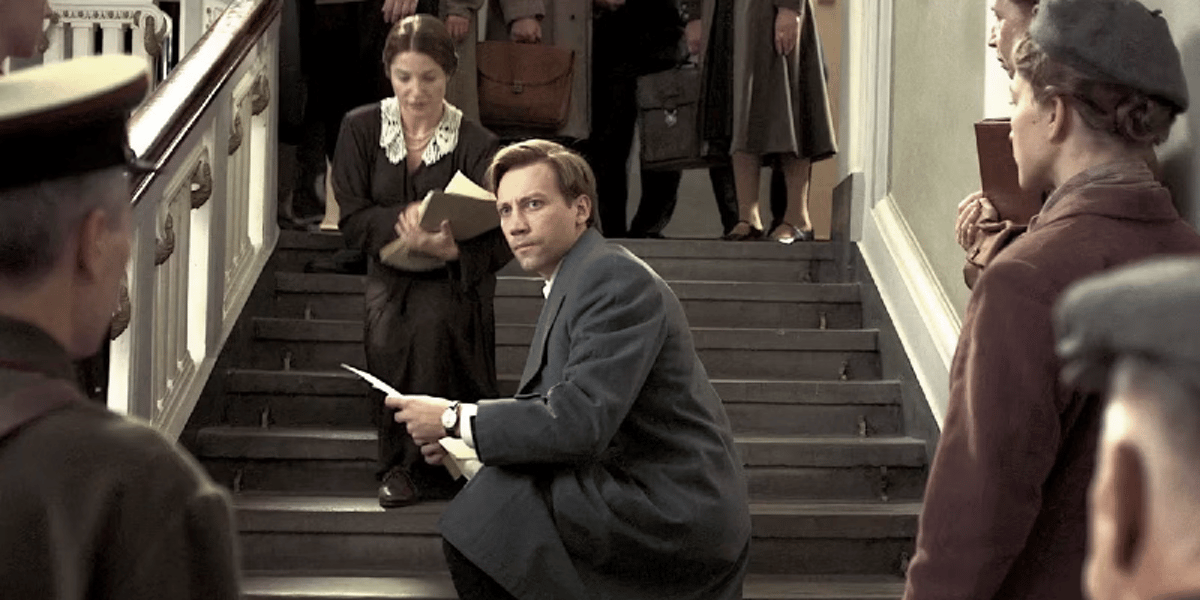
What to Watch Now, International Edition: The Two Prosecutors (2025)
Ukrainian director Sergei Loznitsa’s latest film, *The Two Prosecutors*, dramatizes a 1930s Soviet prosecutor’s journey to expose prison torture. The 118‑minute drama relies on stark visuals, narrow corridors and almost no dialogue to convey the terror of the totalitarian bureaucracy....

Douglas Preston and Aletheia Preston on Inventing a New Character
Authors Douglas Preston and Aletheia Preston are promoting their new thriller *Paradox* with a guest post that offers an origin story for Detective Bart Romanski, the novel’s forensic chief. The vignette places Romanski at a Colorado crime scene, detailing his...
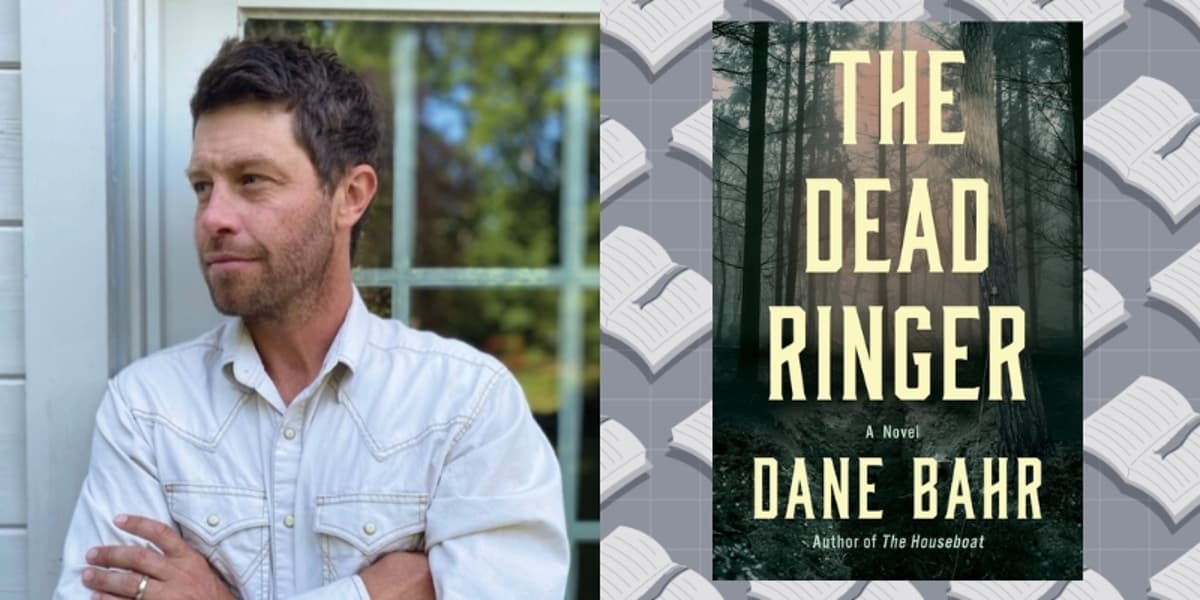
Dane Bahr on Craft and Why Crime Fiction Is the Punk Complement to Literary Fiction
Dane Bahr uses a punk‑rock metaphor to argue that crime, horror and western novels are the rebellious counterpart to literary fiction. He stresses that plot, not lofty prose, is the engine that keeps a manuscript alive, and shares how techniques...
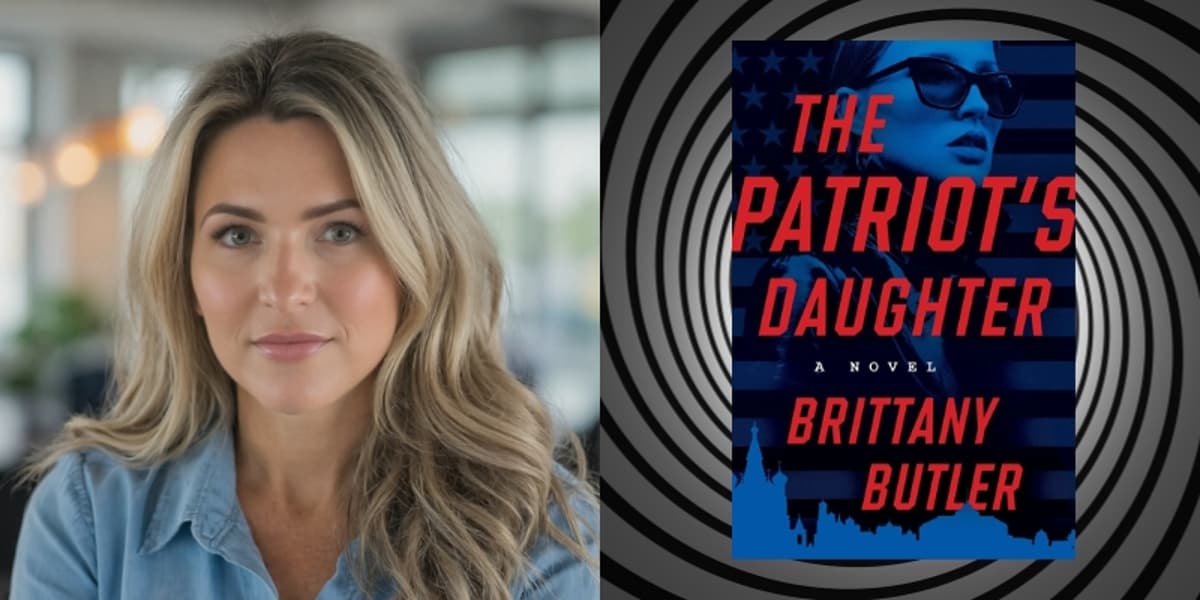
Brittany Butler on Joining the CIA, Tradecraft, and Writing True-to-Life Spy Fiction
Brittany Butler, a former CIA officer turned novelist, reveals that a decade of intelligence work taught her espionage is driven by human vulnerability, not gadgets or cinematic flair. She explains how tradecraft exploits personal motivations—love, grief, revenge—to recruit and manipulate...
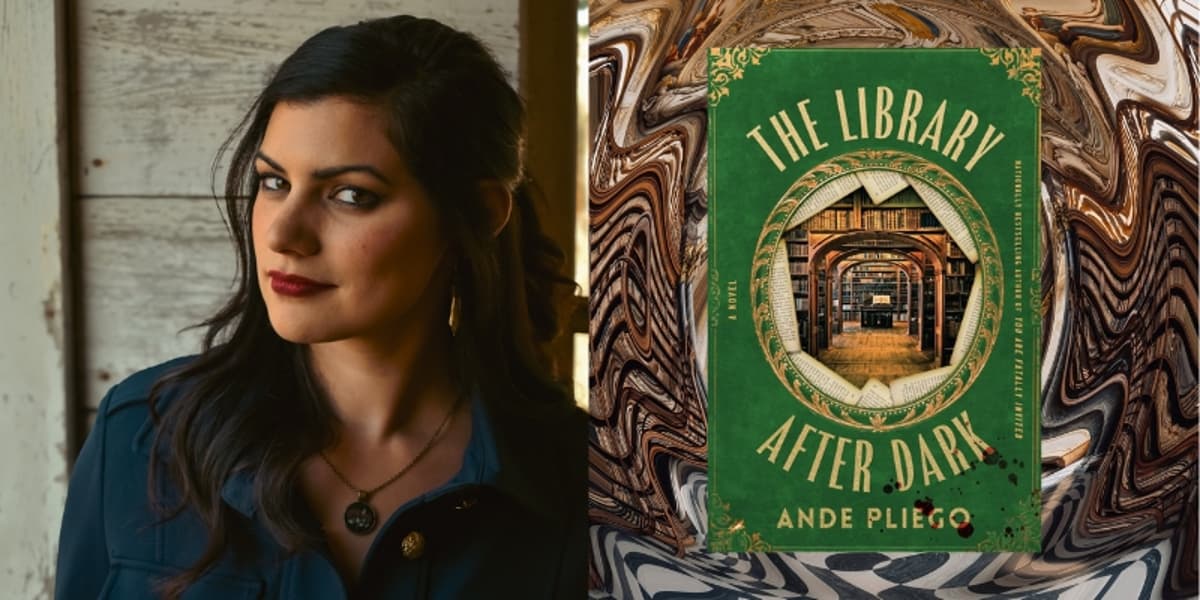
Ande Pliego on the Marvelous Libraries That Inspired Her New Novel
Ande Pliego reveals how iconic libraries across Europe and the United States shaped the setting of her thriller *The Library After Dark*. She draws on the Bodleian’s Art’s End, Vienna’s Hofbibliothek, Cambridge’s Wren Library, the George Peabody Library, and New York’s Morgan...
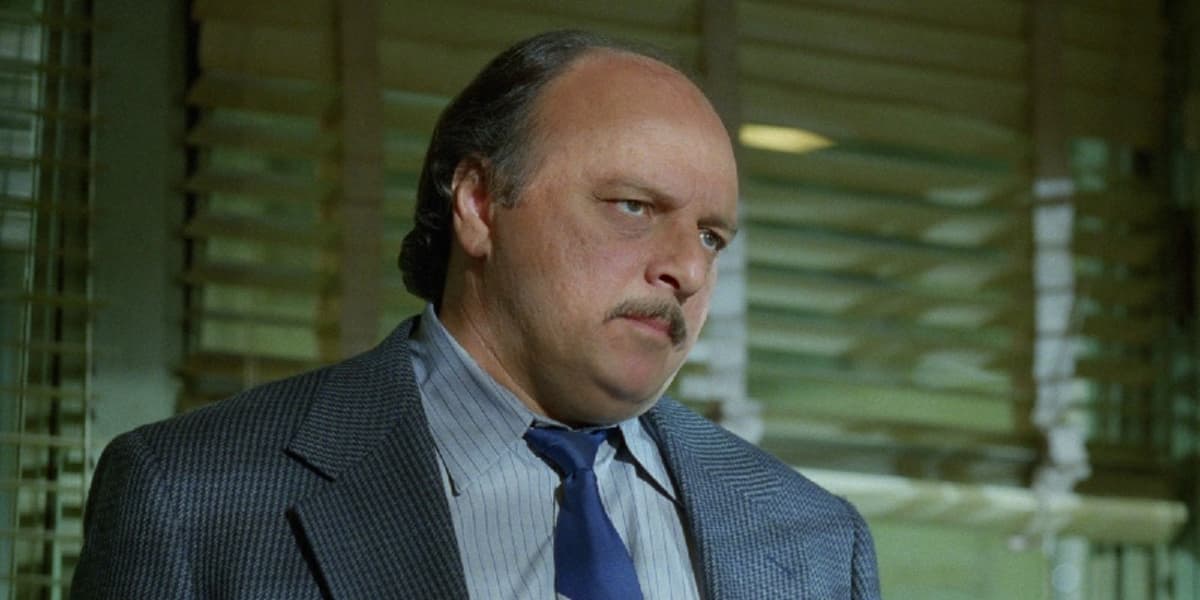
How David Mills Helped Bring ‘NYPD Blue’ to Its Artistic Apex
David Mills, the first Black writer on *NYPD Blue*, penned the landmark episode “The Backboard Jungle,” confronting police racism and elevating the series’ artistic depth. His hiring followed a public backlash against creator David Milch’s racist remarks, prompting a diversification...

Your Orient Express Reading List: From Lonely Planet
Lonely Planet’s new "Journey Orient Express" compiles a literary tour of the famed train, spotlighting classics from Graham Greene to Agatha Christie. The book highlights how authors from the 1920s‑1930s used the Express to explore decadence, intrigue, and pre‑war anxieties....
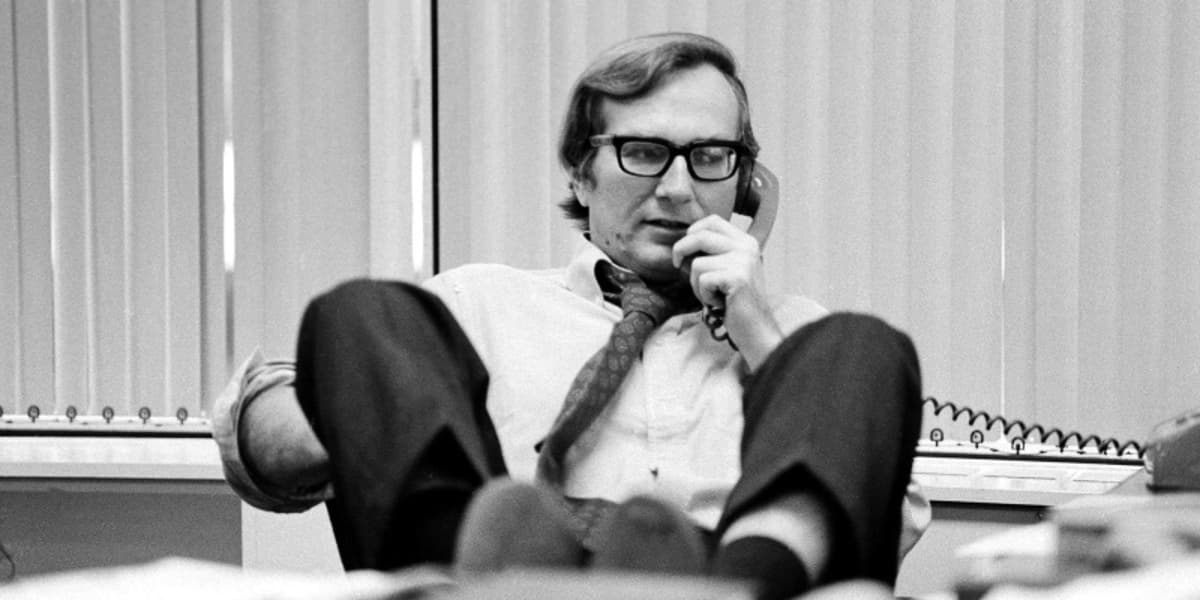
Documentaries to Watch Now: Cover-Up (2025)
"Cover‑Up" (2025), directed by Laura Poitras and Mark Obenhaus, profiles Pulitzer‑winning journalist Seymour Hersh and his landmark investigations of the My Lai massacre and Abu Ghraib abuses. The film blends the tension of 1970s political thrillers with rigorous reporting, offering a...
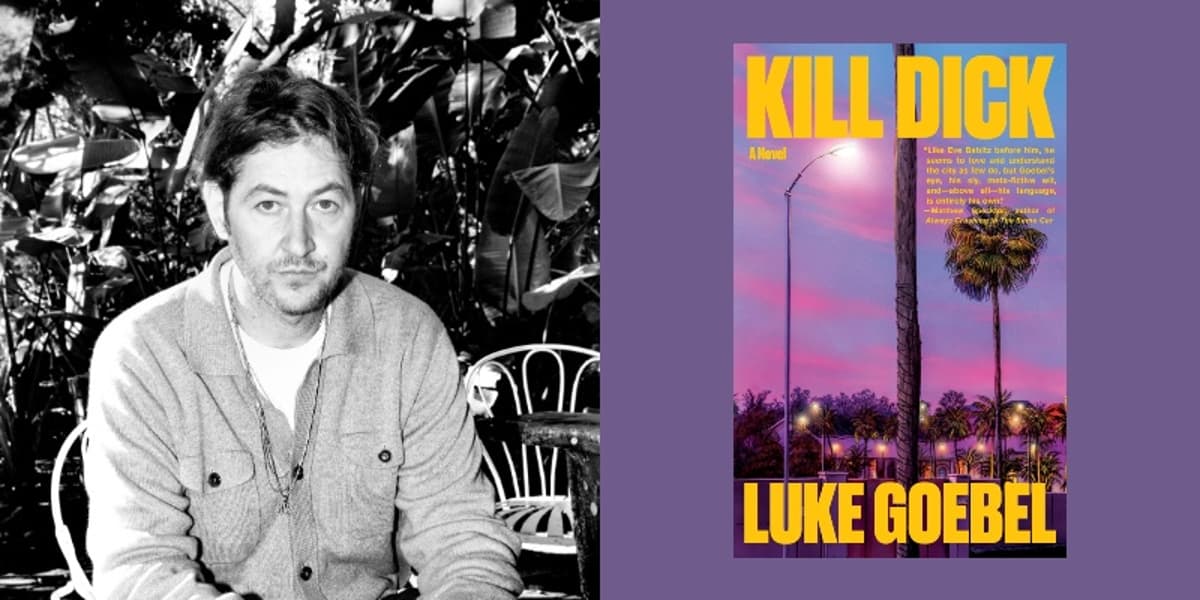
Luke Goebel on Weaponized Fatigue and the Necessity of Violence in His New Novel
Luke Goebel’s new novel *Kill Dick* confronts what he calls "shock fatigue," the desensitization caused by relentless media overload. The book uses graphic violence, sex, and scandal to force readers out of complacency, arguing that only heightened intensity can break the...

Nicholas George on Setting Mysteries in Dynamic Locations
Nicholas George highlights a niche within mystery fiction where the action moves beyond static villages to dynamic travel settings such as cruise ships, trains, planes, cars and buses. He cites classic and contemporary examples—from Agatha Christie’s “Death on the Nile”...

R.M. Caldwell on Writing a Regency-Era ‘Fast and the Furious’, Neurodivergence, and More
R.M. Caldwell’s debut novel *Fast and Fastidious* fuses Jane Austen‑style Regency romance with the high‑speed thrills of *The Fast and the Furious* through illicit night carriage races. The story follows neurodivergent heiress Lucy, whose mechanical mind drives her obsession with...
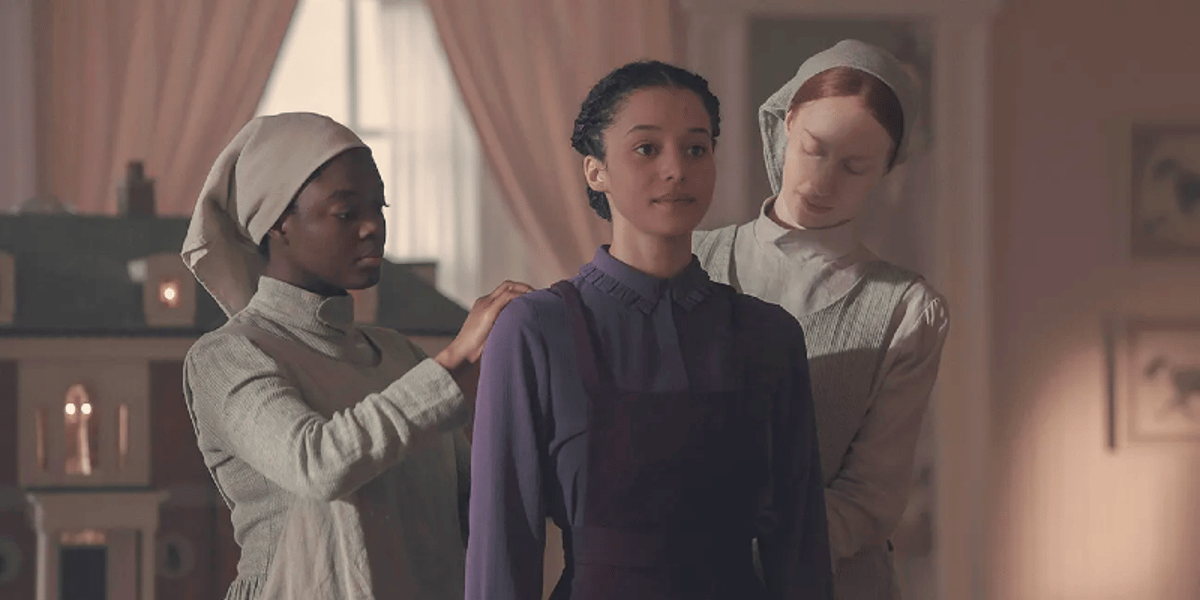
What’s New to Streaming This Weekend: April 10, 2026
This weekend’s streaming slate adds Hulu’s adaptation of Margaret Atwood’s novel “The Testaments,” continuing the Gilead storyline, and Tubi’s full three‑season run of the post‑apocalyptic series “Snowpiercer.” The Criterion Channel highlights a curated lineup of classic corporate thrillers, while Netflix...

The Husband and Wife Team Who Spent 10 Years Writing a Financial Thriller About Globalization
David Shinar, a former IMF economist and Wall Street strategist, and his wife, architect Margalit Shinar, released their debut novel *Merry‑Go‑Round Broke Down* on March 31. The financial thriller, structured as nine interlinked stories set in ten countries, explores the...

The Character Flaws That Drive the Most Compelling Domestic Thrillers
The article argues that the most compelling domestic thrillers hinge on characters whose unchecked emotions—especially envy, pride, and greed—drive the plot. By amplifying these classic vices, writers create morally grey protagonists that readers both recognize and fear. The piece illustrates...

Connor Martin on Writing Spy Thrillers Grounded in Real-World Foreign Policy
Connor Martin, a former Treasury analyst on CFIUS, leveraged his insider experience to write his debut espionage novel, *The Silver Fish*. He set the story in Accra, Ghana, using the U.S.–China rivalry and emerging technologies as a realistic foreign‑policy backdrop....

The Unsolved, Untold Mystery of Globemaster 49-244
On March 23 1951 a U.S. Air Force C‑124 Globemaster (tail 49‑244) vanished over the Atlantic with 53 passengers and crew, including Brigadier General Paul T. Cullen. The Air Force later disclosed that every aboard was attached to the Strategic Air Command on a classified...

Rebecca Sharpe on Road Trips in Fiction, Freedom, and Murder Thrillers
Rebecca Sharpe examines how murder functions as a pivotal turning point in road‑trip fiction, turning the open road from a symbol of liberty into a crucible of moral choice. She analyzes iconic works such as Thelma & Louise, Cormac McCarthy’s...
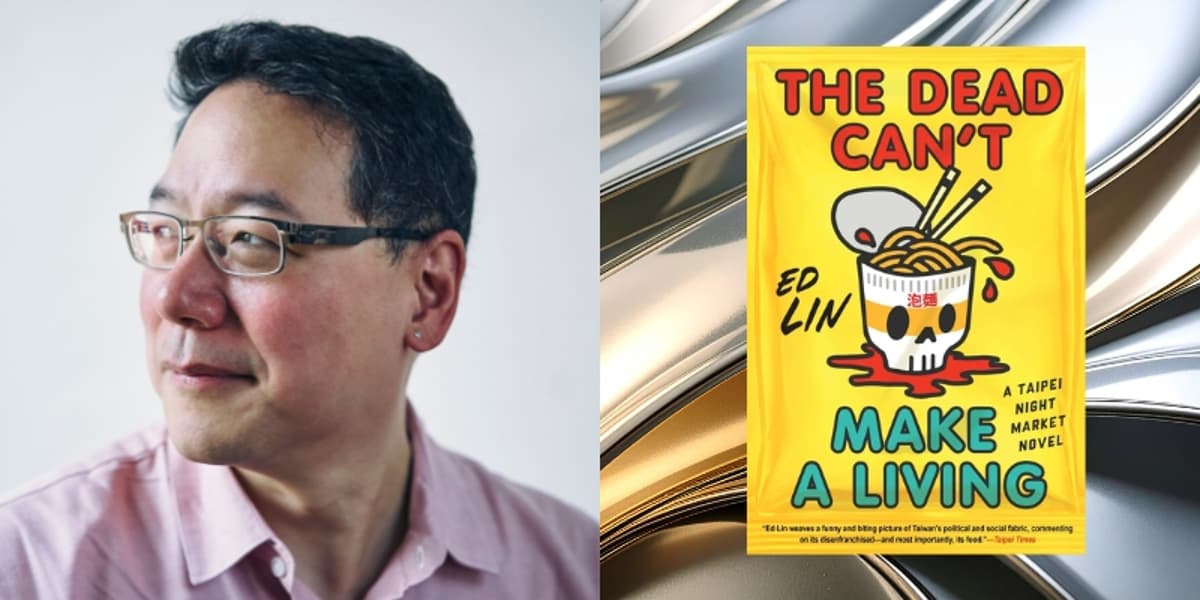
Ed Lin on Writing a Novel About the Plight of Filipino Migrant Workers in Taiwan
Author Ed Lin spotlights the systemic exploitation of Southeast Asian migrant workers in Taiwan, where nearly one million foreign laborers sustain key sectors despite high visa costs, broker fees and language barriers. Recent government actions—including a legal rights assistance program...
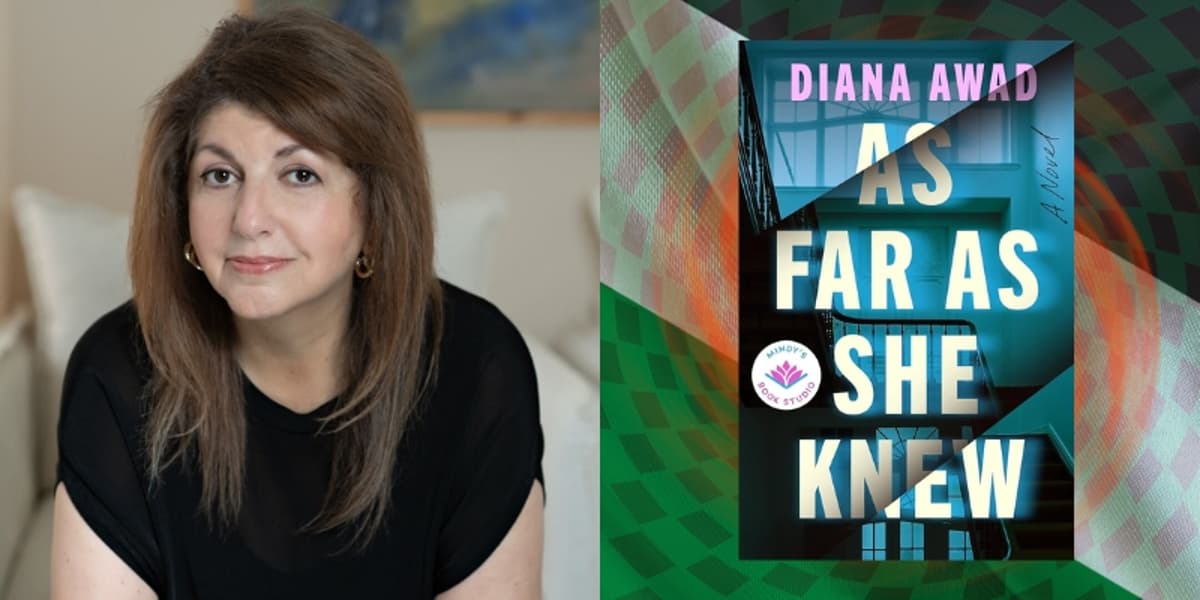
Diana Awad on Drawing From Life to Write an Arab American Domestic Thriller
Diana Awad’s debut novel *As Far As She Knew* hit shelves on April 1, 2026, weaving a domestic thriller around an Arab‑American woman who discovers her late husband’s secret house. The plot was sparked by the posthumous revelation of CBS...

What to Watch This Weekend: April 3, 2026
Apple TV+ rolls out the highly anticipated second season of "Your Friends and Neighbors," while Hulu adds the British nuclear‑smuggling thriller "Atomic." Prime Video debuts the crime‑driven film "Crime 101" starring Chris Hemsworth, and the $400 million box‑office hit "The Housemaid"...

The Age-Spanning Thrills of Arthur Ransome’s Swallows and Amazons Books
Arthur Ransome’s wartime reporting and alleged espionage ties infused his Swallows and Amazons series with a subtle undercurrent of intrigue. The books follow British children in the 1920s‑30s as they embark on sailing, camping and mystery‑driven adventures across lakes and...

James Sallis: What a Crime Fiction Master Leaves Behind
James Sallis, the prolific crime and science‑fiction author who died in January, is best known to mainstream audiences for the 2011 film “Drive,” adapted from his novella. While the movie cemented his cultural cachet, it also risked eclipsing his extensive...

The Art of Interview and Interrogation
Retired Metropolitan Police detective author explains how his real‑world interviewing and interrogation experience shapes the scenes in his latest novel, *From the Dust*. He stresses that genuine investigations can span hours or days, and that subtle tactics—like note‑taking for victims...

How Religion and the Occult Shaped Agatha Christie’s Fiction
Agatha Christie’s novels are peppered with Anglican and Catholic imagery, reflecting her own Anglican faith and her second husband’s Catholicism. She incorporated a range of world religions—Jewish, Muslim, Hindu—often as cultural color rather than deep theological exploration, sometimes resorting to...

Rob Phillips on Combining Comedy and Danger in His Debut Crime Novel
Rob Phillips, a former Dallas Cowboys media writer, has released his debut crime novel, *Stakeouts and Strollers*. The book mixes dark crime scenarios with a steady thread of comedy, drawing on classic detective influences such as Chandler and Parker. Phillips...

Georgia McVeigh on Insecurity, Obsession, and Our Perpetual Cycle of Dissatisfaction
Georgia McVeigh’s latest essay examines how today’s algorithm‑driven, instant‑gratification culture fuels a cycle of insecurity and obsession. She argues that social‑media platforms reward constant comparison, turning casual scrolling into a compulsive habit that blurs the line between virtual admiration and...

The Butcher Legacy
Alaina Urquhart’s latest thriller, *The Butcher Legacy*, hit shelves in March 2026. The novel, published by Zando, follows detective Wren confronting the imprisoned serial killer Jeremy Rose in a tense, claustrophobic interrogation. The excerpt highlights Urquhart’s signature blend of psychological...

My First Thriller: Kaira Rouda
Kaira Rouda, a former marketing vice‑president turned author, pivoted from women’s fiction to psychological suburban suspense with her debut thriller *Best Day Ever*. After a chance meeting with HarperCollins editor Margo Lipschultz, the book became one of three launch titles...

Emma Cleary on Writing a Psychological Horror Novel Influenced by Film Stills
Emma Cleary explains how Cindy Sherman’s *Untitled Film Stills* sparked the concept for her psychological horror novel *Afterbirth*. The intimate black‑and‑white photographs inspired a series of ekphrastic scenes that read like cinematic fragments, echoing archetypes such as the ingénue and...

5 of the Most Terrifying Islands in the World
The article ranks five real islands with notoriously dark histories, from Brazil’s Snake Island—home to the world’s most venomous snakes—to Mexico’s Island of Dolls, a macabre tourist attraction. It highlights Devil’s Island’s brutal penal colony that held roughly 80,000 prisoners,...

How Seventies-Era Shows Inspired a Modern-Day Crime Hero
Mercury Carter, the freelance courier‑turned‑hero of author Michael K. Miller’s new thriller *The Delivery*, is heavily inspired by 1970s television action dramas. The writer cites iconic roles such as Billy Jack, the Six Million Dollar Man, and Kwai‑Chang Caine from *Kung Fu* as templates for Carter’s quiet,...

Metro Murder: Andrew Reid on Writing a Thriller Set in New York City’s Subway
Andrew Reid’s thriller *The Survivor* is set on New York’s 1 train, a choice he made without ever stepping foot in the city. He relied on crowdsourced videos, field guides, and extensive online research to render the subway’s atmosphere authentically....

Olesya Salnikova Gilmore on Crafting Feminist Agency in Historical Gothic Mysteries
Olesya Salnikova Gilmore examines how historical gothic mysteries can grant feminist agency by embedding female protagonists in business ventures and spiritualist practices. She highlights tea shops, tearooms, and séance enterprises as plot‑driving assets that move women from passive victims to...

Benjamin Stevenson on the “Gamification” Of Crime Fiction
Author Benjamin Stevenson argues that crime fiction is entering a “gamified” phase, where fair‑play mysteries invite readers to solve the puzzle like a game. He traces the history of genre rebranding—from Nordic Noir to cosy mysteries—and explains how fair‑play has...

The Remarkable Power of Robert Arthur Jr.’s Three Investigators Series
Robert Arthur Jr., an award‑winning radio and TV writer, launched the Three Investigators mystery series in 1964, penning ten novels before his 1969 death. The books stood out for sophisticated prose, relatable protagonists, and a blend of supernatural intrigue with...

Enhanced with Enchantment: Stacie Ramey on Using Magic in Cozy Mysteries
The article explores how magic is woven into cozy mystery novels, enhancing worldbuilding without eclipsing the sleuth’s investigative role. It highlights titles such as Lynn Calhoon's *One Poison Pie*, Paula Brackstone's *The Haunting of Hecate Cavendish*, and Amanda Flower's *Crime...

Why Motive Matters Even More than Truth in Crime Fiction
The article contends that motive outweighs factual truth in crime fiction because readers need a coherent reason for violence. Without a clear motive, stories feel random and unsettling, breaking the genre’s contract to translate chaos into intention. It draws on...

Writing Into Gaps: Joshilyn Jackson on Creating a Fictional Sister
Joshilyn Jackson’s lifelong imagination of an imaginary sister, Liz, fuels her latest novel, *Missing Sister*. The thriller follows Penny Albright, a rookie cop whose twin’s death from the opioid epidemic drives her into a dangerous partnership with a vengeful stranger,...

Noelle W. Ihli on Reading Survival Thrillers in a World of Real Danger
Noelle W. Ihli explains why she writes survival thrillers despite living in a world saturated with real‑life danger. She argues that the genre gives anxiety a clear beginning, middle and end, offering readers a finite story arc that real life...
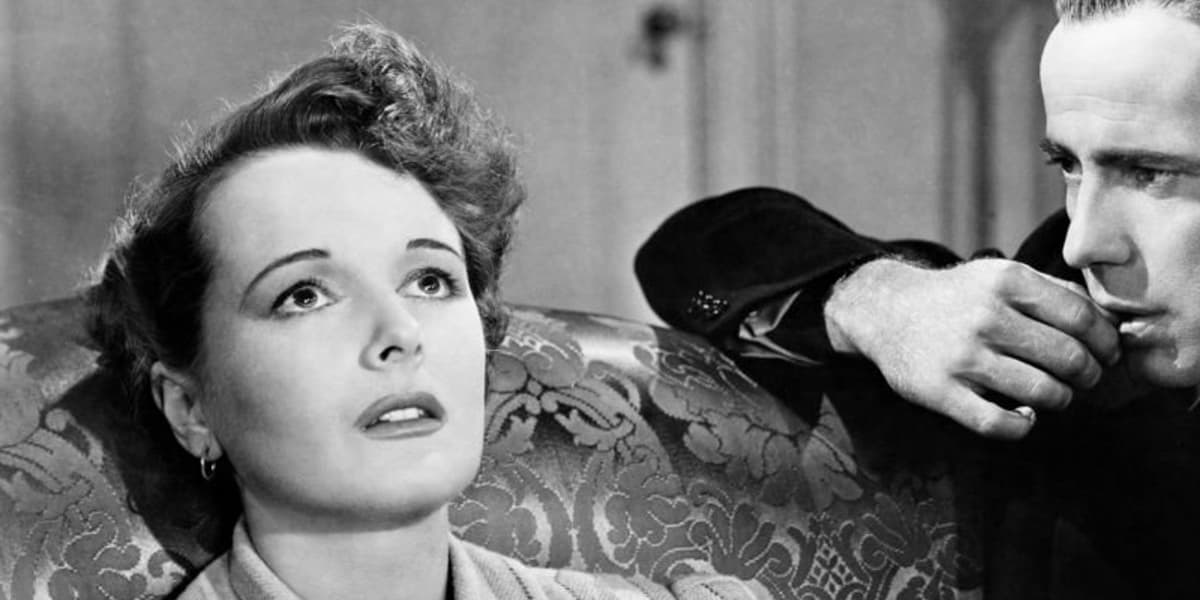
The Greatest Dangerous Female Characters in Literature
The article examines the evolution of dangerous female characters in literature, from early one‑dimensional villains like the Wicked Queen to modern, trauma‑driven antiheroes such as Cersei Lannister and Annie Wilkes. It highlights a poll of bestselling authors who name their...