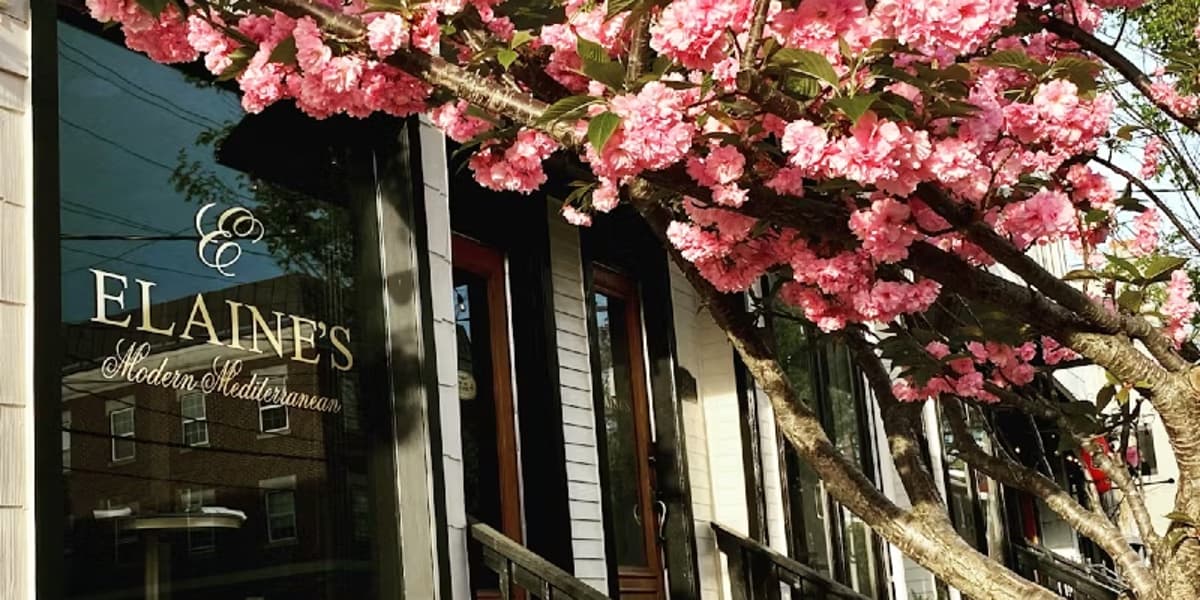
The Rise of Elaine’s Literary Salon in Alexandria, Virginia
Jeffrey and Cynthia Higgins launched Elaine’s Restaurant and Literary Salon in Alexandria, Virginia in spring 2023, blending Mediterranean‑Egyptian cuisine with weekly author events, book launches, and live interviews. The venue has hosted nearly 200 writers, including best‑selling thriller author Mark Greaney and Mystery Writers of America gatherings, while also earning culinary awards for its martinis and Egyptian dishes. Within two years the restaurant turned profitable, seats 120 guests, and has expanded into a top‑three literary‑salon podcast and a website featuring 60+ author interviews. Higgins, a former DEA special‑agent‑turned‑thriller author, uses the space to support writers without charging fees, positioning Elaine’s as a cultural hub for the Mid‑Atlantic literary scene.
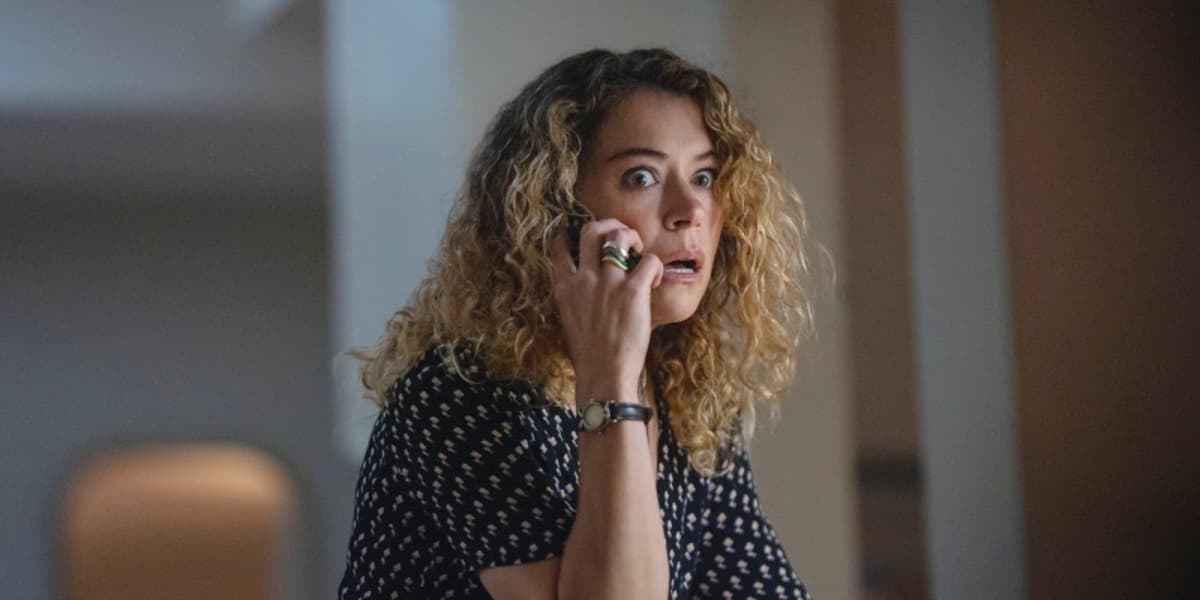
What’s New to Streaming: May 22, 2026
This weekend’s streaming slate adds fresh mystery and thriller fare across major platforms. Apple TV debuts the original series “Maximum Pleasure Guaranteed” starring Tatiana Maslany, while Hulu and Disney+ introduce the four‑episode true‑crime docuseries “World Wide Mafia ’Ndrangheta.” Prime Video...

Howard A. Rodman on Melville, Empire, and the Audacity of Resurrecting Literary Giants
Howard A. Rodman’s new novel, The Great Eastern, pits Herman Melville’s Captain Ahab against Jules Verne’s Captain Nemo, with Isambard Kingdom Brunel caught in the middle, as they battle over the transatlantic telegraph cable and the architecture of empire. The...
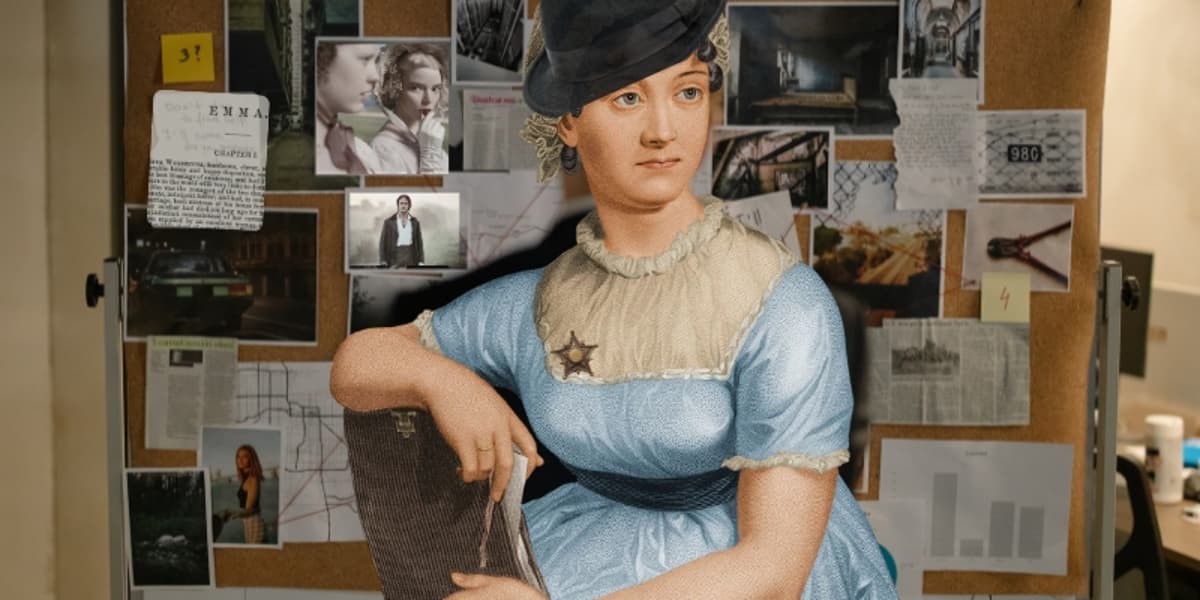
How Jane Austen Influenced Modern Detective Fiction
Jane Austen’s novels, especially *Emma*, function as early prototypes of detective fiction, using marriage markets as the central mystery. Her narrative tricks—unreliable narration, free‑indirect discourse, and misdirection—anticipate techniques later codified by Golden‑Age mystery writers. Contemporary authors have turned these elements...

David Bergen on Patricia Highsmith, Backstories, and Why Tom Ripley’s Character Works
David Bergen’s essay dissects why Patricia Highsmith’s Tom Ripley works as a literary anti‑hero, emphasizing the character’s lack of explicit backstory, ambiguous sexuality, and obsession with wealth. He contrasts Ripley’s sympathetic narration with harsher villains like Anton Chigurh, showing how...
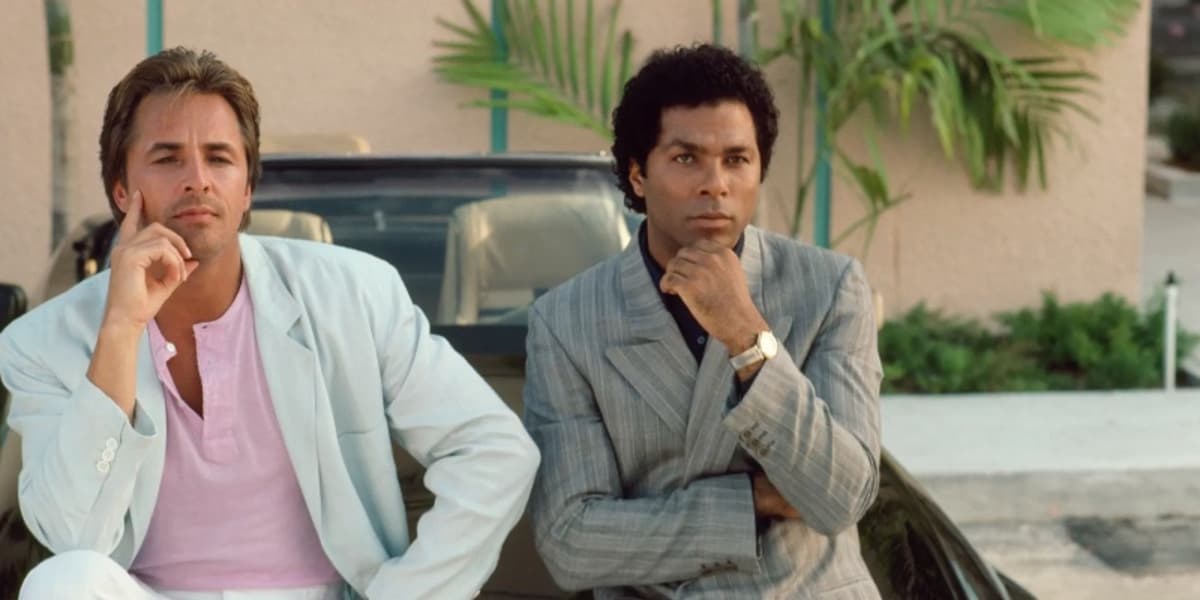
Will Another ‘Miami Vice’ Remake Have Anything to Say?
The original "Miami Vice" TV series defined 1980s Miami culture, and Michael Mann’s 2006 film remake attempted a gritty, transnational crime story with a $150 million budget but fell short at the box office. Two decades later, a new remake is...
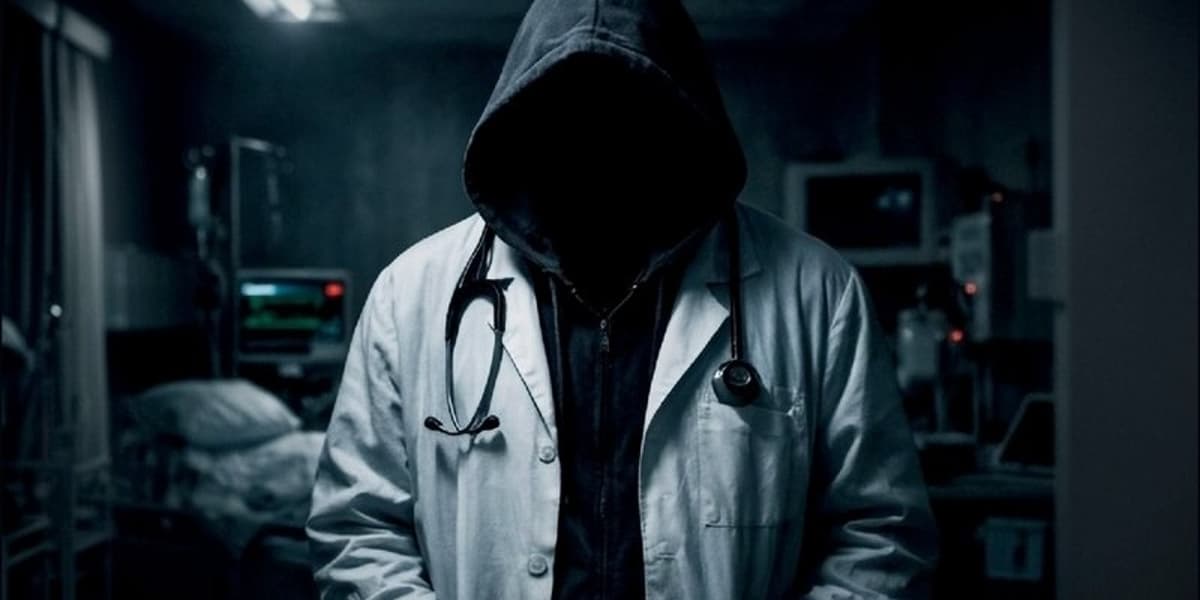
Dr. Gary Brown on The Pitt, Trauma, and Debuting a Medical Thriller at 76
Retired retinal surgeon Dr. Gary Brown, after 40 years at Wills Eye Hospital, has released his first medical thriller, Invisible Justice, at age 76. The novel weaves together harrowing ER trauma stories he witnessed—brain bleeds, gunshot injuries, and neglect of...

What’s New To Streaming: May 8, 2026
Streaming platforms rolled out a mix of classic adaptations and new thrillers on May 8, 2026. Netflix debuted a four‑episode limited series of William Golding’s *Lord of the Flies*, while CBS/Paramount+ launched *Boston Blue*, a spin‑off of *Blue Bloods* set in Boston. Hulu...
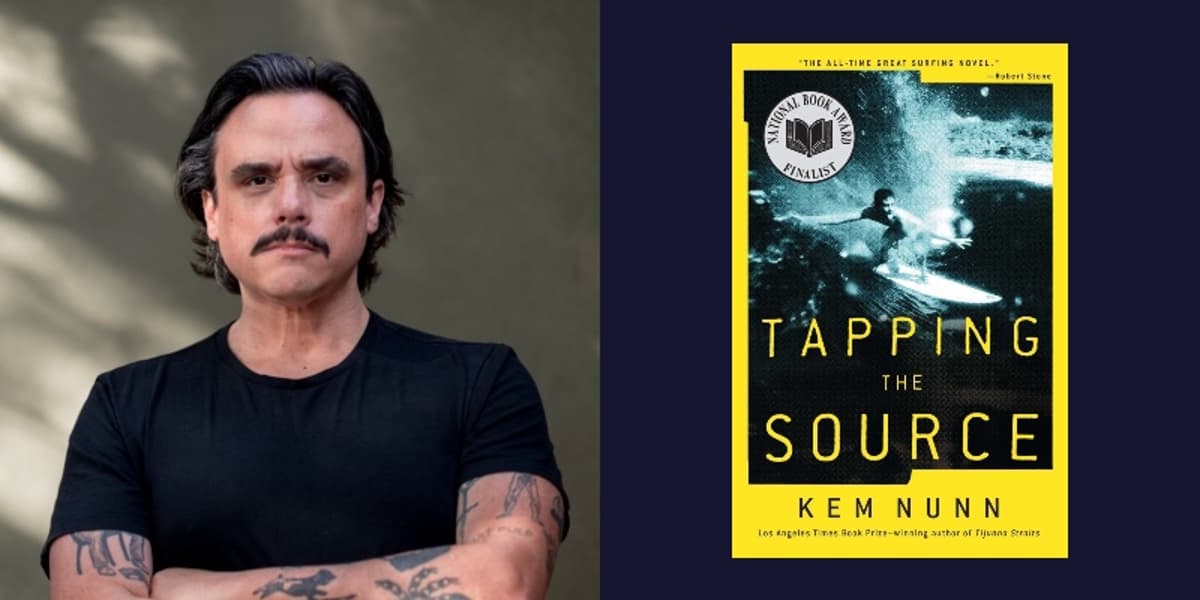
The Backlist: Reading Kem Nunn’s Seminal ‘Surf Noir’ with Jordan Harper
Kem Nunn’s 1982 novel *Tapping the Source* is widely regarded as the founding work of surf noir, a sub‑genre that fuses California’s coastal grit with classic crime storytelling. The book follows desert‑born Ike Turner as he searches for his missing...

What to Watch Now, International Edition: Sirat (2025)
Sirāt, the 2025 desert‑rave drama by Oliver Laxe, follows a father’s desperate search for his missing daughter amid a sprawling Moroccan rave. The film blends stark desert cinematography with an electronic score co‑created with Kanding Ray, forgoing traditional composers to...

Allan Gaw on Setting Detective Fiction Before the Advent of DNA Profiling
Allan Gaw, a former pathologist turned novelist, bases his Dr. Jack Cuthbert mystery series in the late 1920s and early 1930s to explore forensic investigation before DNA profiling. He traces the discipline’s roots to William Guy’s 1844 call for scene...

What to Watch: Gosford Park (2001)
Gosford Park, Robert Altman’s 2001 murder‑mystery set in a 1930s country estate, blends sharp social satire with a sprawling ensemble cast. Written by Julian Fellowes before his Downton Abbey fame, the film examines class rigidity through intertwined upstairs‑downstairs drama. Altman’s...

Patricia Cornwell on Learning to Write a Memoir as a Lifelong Novelist
Patricia Cornwell, best‑selling forensic thriller author, announced she is writing a memoir. The project emerged after she finished her 29th Scarpetta novel, Sharp Force, five months early in 2024 and while considering a TV series based on her life. Cornwell...

How a Career in Screenwriting Prepared Tim Sullivan to Write Crime Novels
Tim Sullivan, a veteran screenwriter who worked with Derek Jarman, Ron Howard and co‑produced "My Little Pony: A New Generation," has pivoted to crime fiction. He notes that novels grant creative control absent in film, where budgets and executive opinions...
What’s New To Streaming: April 30, 2026
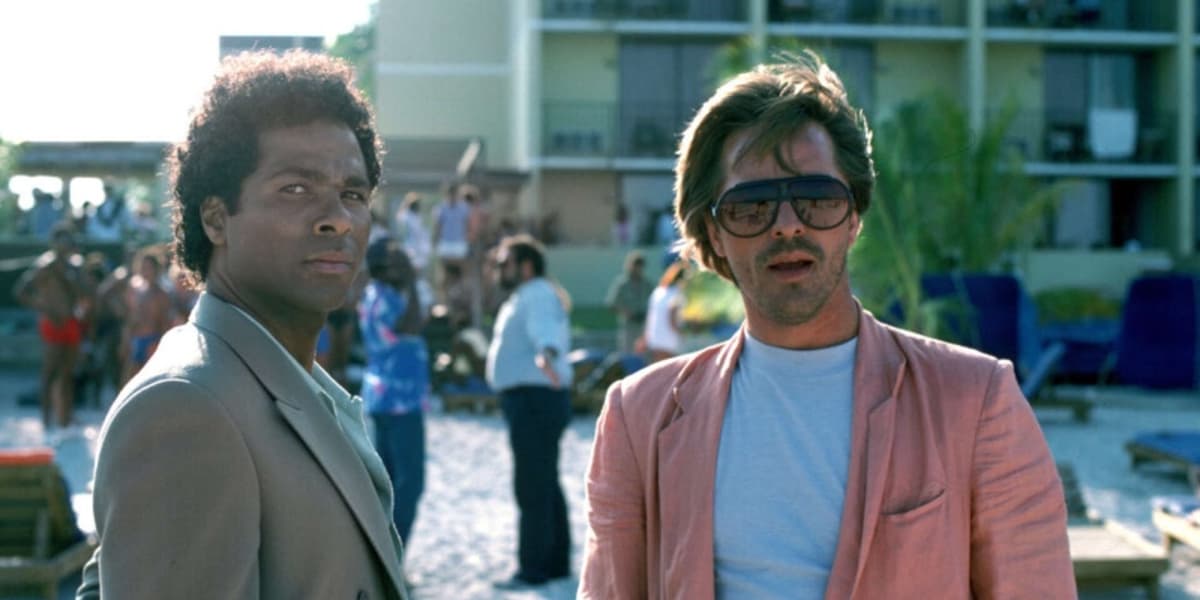
This weekend’s streaming roundup highlights a surge of mystery and thriller offerings across major platforms. Apple TV debuts "Hijack" Season 2 with Idris Elba, while Tubi revives the 1980s classic "Miami Vice." Prime Video adds the haunting Holocaust drama "The Zone of...