
Industry Innovators to Reveal High-Performance Strategies at 31st Annual Executive War College
The 31st Annual Executive War College will convene April 28‑29 in New Orleans, spotlighting early‑adopter labs tackling reimbursement pressure, workforce shortages, and new regulations. Speakers include MD Anderson’s Walter McAndrew on molecular workflow cost cuts, Abbott’s Jonathan Burgart on turning excess capacity into profit, and NYU Langone’s team on rapid digital pathology deployment. Sessions will provide actionable frameworks for financial resilience, staffing stability, and scaling AI‑enabled diagnostics. The event arrives as mandatory reporting and post‑LDT rules tighten, leaving little margin for error.
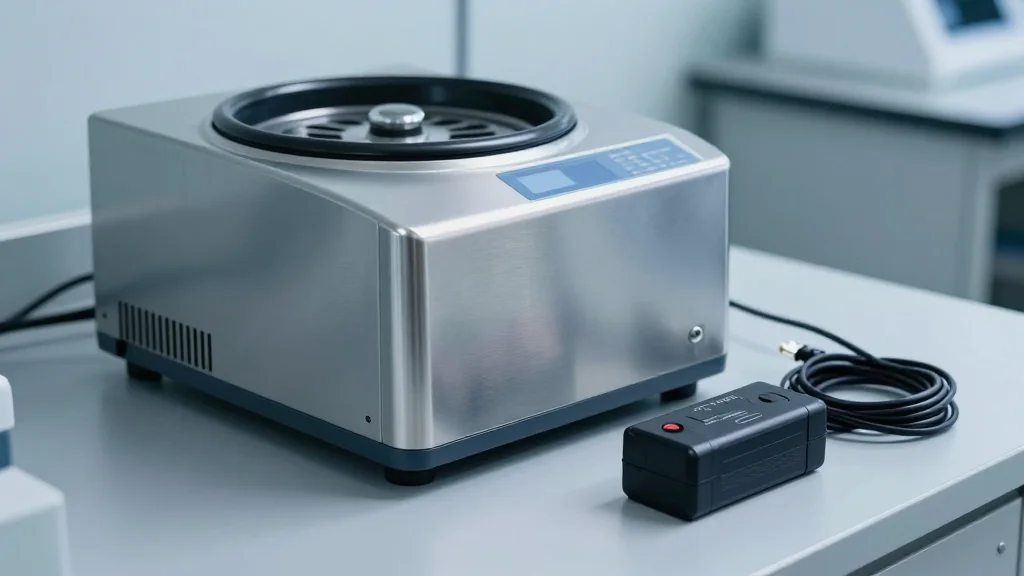
How Clinical Laboratories Can Prepare for Crisis Events Before They Happen
Clinical laboratories face unpredictable crises ranging from equipment failures to cyber attacks, demanding proactive resilience. Experts Tracy Durnan and Jason Nagy stress embedding preparedness into daily routines, from identifying cascade failures to regular infrastructure testing. Cross‑training, scenario‑based drills, and redundant...

Blood Test Using P-Tau217 Biomarker Predicts Alzheimer’s Symptom Onset Within 3–4 Years
Researchers at Washington University have created a blood‑test model using plasma p‑tau217 that can predict the onset of Alzheimer’s symptoms within three to four years. The model, validated on 603 participants, shows age‑dependent timelines, with younger individuals experiencing longer asymptomatic...

Blood-Based Metabolomics May Enable Earlier Detection of Gallbladder Cancer, Study Finds
Researchers from Tezpur University and the University of Illinois Urbana‑Champaign identified blood‑based metabolic signatures that distinguish gallbladder cancer patients—both with and without gallstones—from individuals with gallstones alone. Using untargeted metabolomics, they detected 180 to 225 altered metabolites, many linked to...

Clinical Labs Gain Ground with Noninvasive Dd-cfDNA Transplant Surveillance
A new donor‑derived cell‑free DNA (dd‑cfDNA) blood test is transforming post‑transplant surveillance by providing real‑time, noninvasive insight into graft health. The assay quantifies donor DNA fragments released when a transplanted organ is injured, offering a high negative predictive value that...

Study Hints at Clinical Lab’s Future Role in Investigating Sudden Unexplained Death in Children
UW Medicine and Seattle Children’s Hospital received $328,133 from the Sudden Unexplained Death in Childhood (SUDC) Foundation to launch a four‑year study using PacBio HiFi long‑read sequencing as a first‑line test. The project will sequence 200 child‑parent trios to uncover...

National Safety Council Launches SIF Prevention Tool that Clinical Laboratories Can Use
The National Safety Council introduced the Organization Safety Gap Analysis Tool, a digital assessment that translates its evidence‑based SIF Prevention Model for clinical laboratories. The ten‑to‑fifteen‑minute, color‑coded questionnaire evaluates seven core safety elements, from leadership to continuous improvement. By highlighting...

ADLM Urges Federal Action to Ensure Safe, Equitable AI in Clinical Labs
The Association for Diagnostics & Laboratory Medicine (ADLM) has issued a position statement urging Congress and federal regulators to update the Clinical Laboratory Improvement Amendments (CLIA) to explicitly govern AI tools used in clinical laboratories. ADLM warns that without modernized...

Most Women Still Prefer In-Clinic Cervical Cancer Screening, Study Finds
A recent national study of 2,300 women aged 21‑65 found that 60.8% still prefer clinician‑collected cervical cancer screening over FDA‑approved at‑home self‑collection kits. While 20.4% expressed interest in home testing, the majority’s preference signals that traditional Pap and HPV specimens...

Medicare Part B Lab Spending Hits $8.4 Billion as Genetic Testing Captures 43% of Dollars
Medicare Part B lab spending reached $8.4 billion in 2024, up 5 % year‑over‑year. Genetic tests, though only 5 % of test volume, accounted for 43 % of the dollar value, driving a $3.6 billion surge. Utilization of molecular diagnostics jumped 160 % since 2018, while routine...

NIH Researchers Identify Four-Marker Blood Test That May Improve Early Pancreatic Cancer Detection
NIH‑backed researchers reported a four‑marker blood test that improves early detection of pancreatic ductal adenocarcinoma. The panel combines CA19‑9, THBS2, ANPEP and PIGR, achieving 91.9% overall accuracy at a 5% false‑positive rate and 87.5% sensitivity for stage I‑II disease. The study...
CDC Traveler-Based Genomic Surveillance Program Tops One Million Participants, Giving Clinical Labs Earlier Warning on Emerging Variants
The CDC’s Traveler‑Based Genomic Surveillance (TGS) program has crossed the one‑million‑volunteer threshold, marking a major expansion of upstream pathogen monitoring at U.S. airports. Launched in 2021, TGS combines anonymous nasal swabs from international arrivals with aircraft wastewater sampling, leveraging public‑private...

Pay Is the Pressure Point as Clinical Labs Compete for Scarce Talent
Clinical laboratories are confronting a severe talent shortage, with salary now the single most influential factor for prospective hires, according to LinkedIn data. While pay remains critical, labs are increasingly forced to market flexibility, work‑life balance, and career‑growth pathways to...