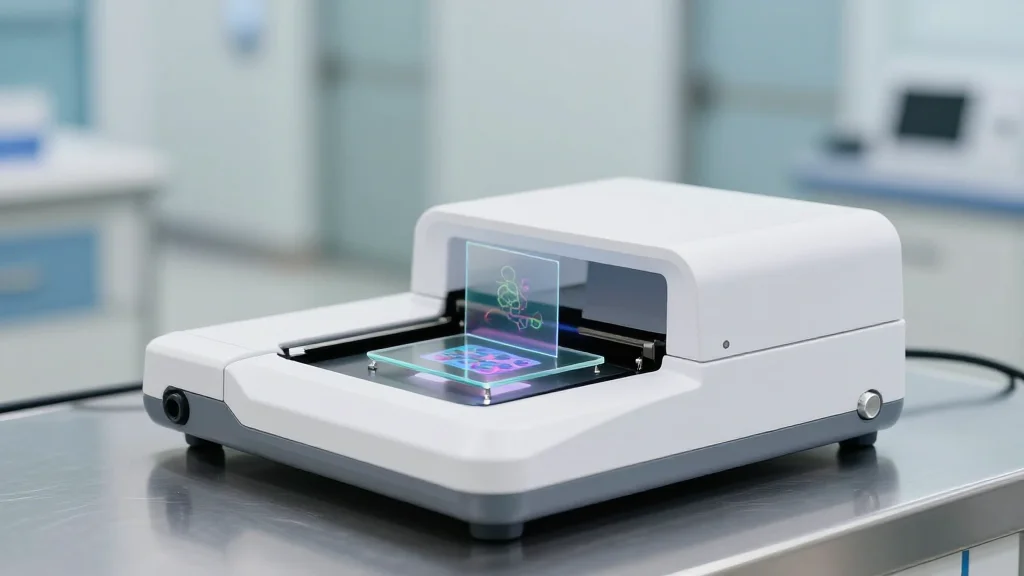
Transforming Pathology at Scale: NYU Langone’s Achievement of a Fully Digital Workflow in One Year to Accelerate Diagnosis, Collaboration, and...
NYU Langone Health completed a hospital‑wide transition to a fully digital pathology workflow in just one year, scanning every glass slide into a centralized image repository. The initiative slashed average diagnostic turnaround from roughly 48 hours to 30 hours and embedded AI algorithms that automatically flag atypical cases for review. Real‑time image sharing now links three NYU hospitals, fostering collaborative case discussions and accelerating research. The $45 million project is projected to deliver a positive return on investment within five years, positioning NYU as a benchmark for large‑scale digital pathology adoption.
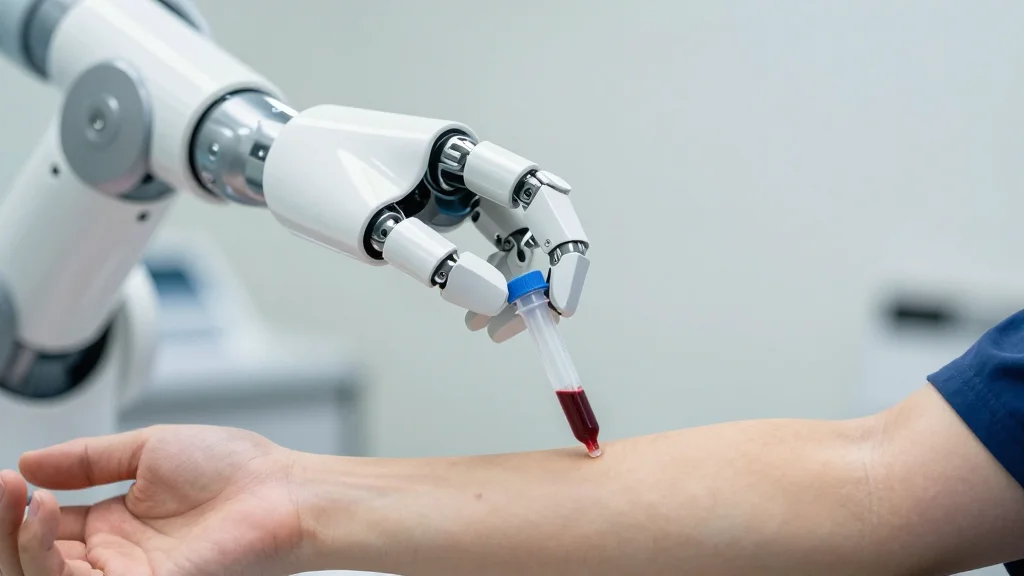
Robotic Phlebotomy Study Signals Automation Shift for Clinical Labs
Vitestro’s autonomous robotic phlebotomy system Aletta completed a multicenter ADOPT trial involving 1,633 patients, achieving a 94.5% first‑stick success rate and markedly low hemolysis (0.3%) and adverse events (0.6%). Patient surveys showed 90% experienced equal or less pain, with 82%...

AI Lab Result Interpretation Gains Traction with Patients, but Raises Accuracy and Validation Concerns for Clinical Laboratories
Patients are increasingly turning to AI-driven services to translate their laboratory test results, often before seeing a physician. Startups and wellness firms offer subscription models that provide simplified explanations and suggested actions, with pricing ranging from free tiers to several...
Labcorp and CHOP Launch Pediatric Diagnostics Partnership to Expand Advanced Testing and Drive Clinical Lab Growth
Labcorp and the Children’s Hospital of Philadelphia (CHOP) have formed a strategic partnership to accelerate development and commercialization of pediatric‑specific diagnostics. The collaboration will combine CHOP’s research expertise with Labcorp’s nationwide testing network to bring new molecular and genetic assays...
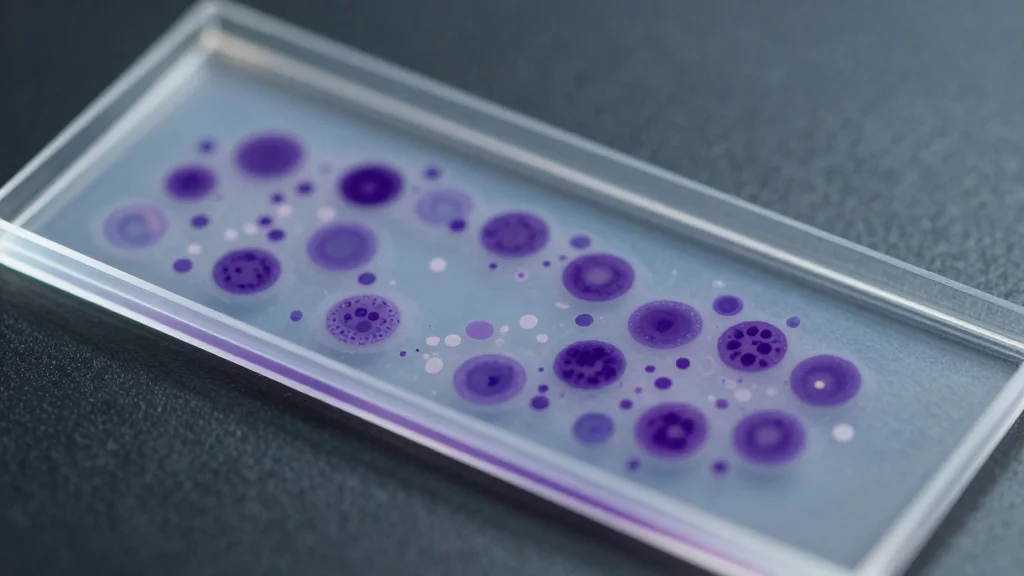
Rising Therapy-Related Leukemia Rates Signal New Testing Demands for Clinical Labs
Long‑term data from Japan’s Osaka Cancer Registry show therapy‑related acute myeloid leukemia (tAML) rates climbing from 0.13 to 0.36 cases per 100,000 between 1990 and 2020, now representing 6.5% of all AML diagnoses. The proportion of tAML within AML cases...
CDC Testing Pause Puts Clinical Labs at the Center of Public Health Response
The Centers for Disease Control and Prevention has temporarily halted testing for several infectious diseases, including rabies, poxviruses, certain parasites, and lymphocytic choriomeningitis. The pause, framed as a routine quality‑assurance review that began in 2024, is expected to last a...
NYC Health + Hospitals CEO Signals Willingness to Replace Radiologists with AI
NYC Health + Hospitals CEO Mitchell H. Katz announced the system is ready to replace many radiologists with AI once regulatory hurdles are cleared. He cited AI’s ability to interpret mammograms and X‑rays, promising lower labor costs and expanded screening...

Study: Toxic Exposure in Pregnancy May Drive Disease Risk Across Generations
A Washington State University study found that a single exposure to the fungicide vinclozolin during pregnancy can trigger disease patterns that persist for up to 20 generations in rats. The epigenetic alterations in germline cells act like stable mutations, with...
Walk-In Lab Testing Expands Patient Access and Autonomy in West Virginia
Walk‑in laboratory services are rapidly expanding in West Virginia, allowing patients to purchase routine diagnostic tests without a physician referral. Facilities such as Any Lab Test Now and hospital outreach centers provide transparent, upfront pricing and deliver results through secure...
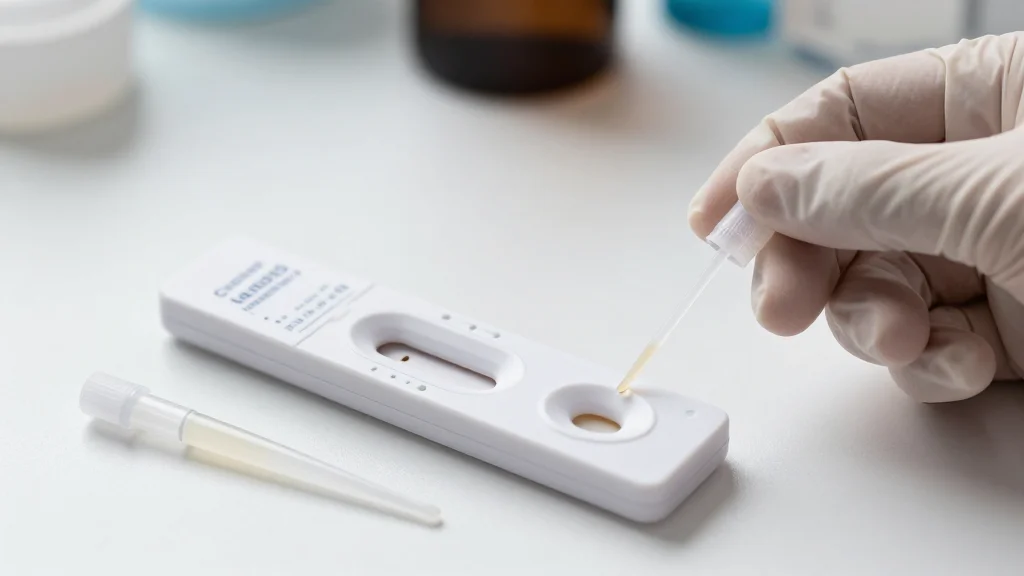
WHO Expands TB Diagnostic Toolkit with Point-of-Care Tests, Tongue Swabs, and Sample Pooling
The World Health Organization released new guidelines that introduce near point‑of‑care nucleic acid amplification tests, tongue‑swab specimens, and sputum pooling to speed and broaden TB diagnosis. These tools aim to shift testing to primary‑care settings, lower costs, and improve throughput...

Study: Breath Test Could Transform Microbiome Diagnostics for Clinical Labs
Researchers at Washington University School of Medicine and Children’s Hospital of Philadelphia have demonstrated that volatile organic compounds (VOCs) in exhaled breath mirror gut microbiome activity. Published in Cell Metabolism, the proof‑of‑concept study showed breath profiles could differentiate children with...

Executive War College 2026 to Spotlight AI, Workforce Solutions, and Financial Strategy for Clinical Labs
The 31st Annual Executive War College will convene April 28‑29 in New Orleans, bringing together clinical laboratory executives to address reimbursement, staffing, compliance, and emerging technologies. A new Executive Forum on Digital Pathology Management will spotlight AI‑driven workflows and data...

World-First Portable Multi-Pathogen CRISPR Test Seeks to Improve STI Diagnostics
Researchers at Australia’s Peter Doherty Institute have created a portable, CRISPR‑based diagnostic that simultaneously detects syphilis, HSV, chlamydia and gonorrhea in under an hour. The assay also identifies a key antibiotic‑resistance gene in gonorrhea, delivering 97‑100% accuracy compared with laboratory...

Ex-NFL Player Convicted in $328M Genetic Testing Fraud as Medicare Scrutiny Intensifies
A Dallas federal jury convicted former NFL player Keith J. Gray of orchestrating a $328 million Medicare fraud scheme that billed for unnecessary cardiovascular genetic tests. Gray, who owned Axis Professional Labs and Kingdom Health Laboratory, was found guilty of conspiracy,...

Clinical Labs May Gain New Edge in Early Cancer Detection with Epigenetic Instability Liquid Biopsy
Johns Hopkins researchers introduced the Epigenetic Instability Index (EII), a metric that quantifies DNA methylation variability to enhance liquid biopsy performance. In a proof‑of‑concept study of over 2,000 methylation samples, the EII model identified 269 CpG islands and achieved high...