Defense News - Space
Coverage of military, defense, and national security space programs
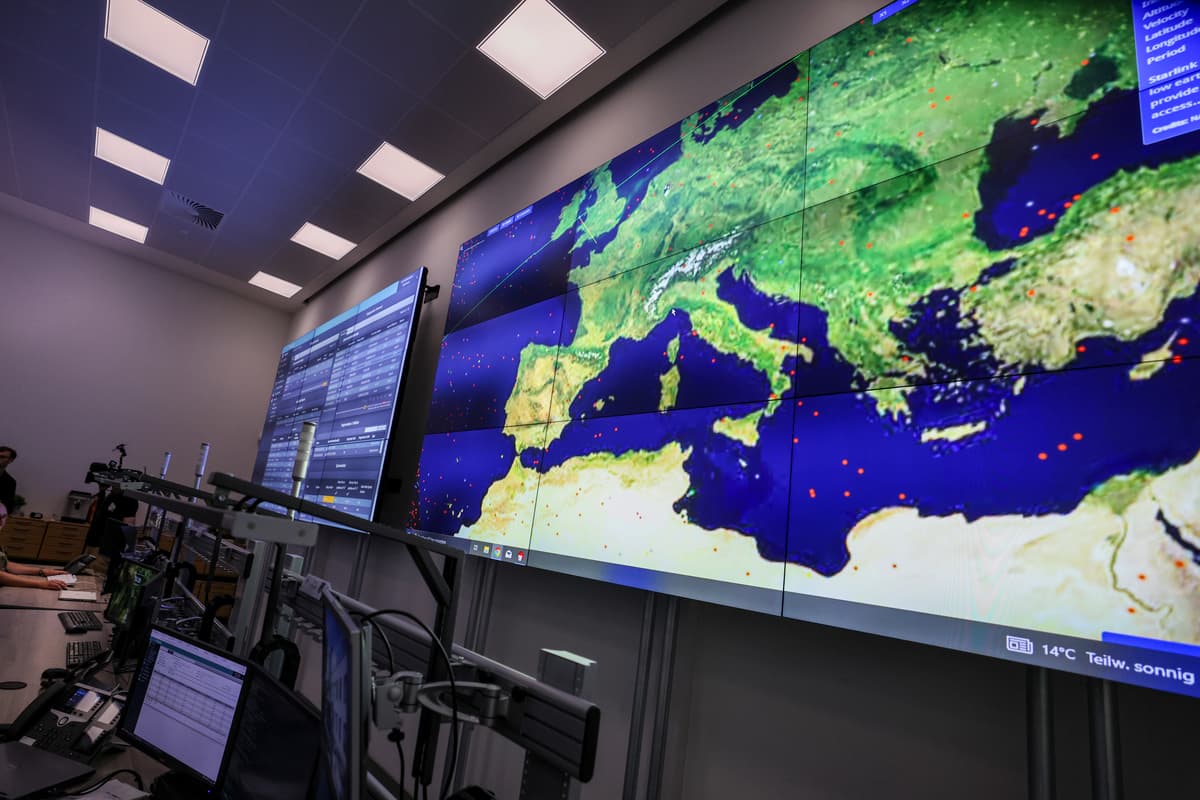
Germany Touts Pan-German Space Command Amid European Push to Supplant US Tech
Germany’s defence minister announced a €35 bn ($40.7 bn) European Space Component Command, to be co‑designed with Austria, Switzerland and Luxembourg under a new “DACH+L” format. The initiative includes a multilateral space academy and aims to embed partner nations in the design phase rather than as after‑thoughts. Austria plans to launch three military satellites and a test object in 2027, while Luxembourg will contribute SATCOM and Earth‑observation expertise. Switzerland highlighted Europe’s reliance on non‑European space technology and offered its state‑owned firm Beyond Gravity as an industrial partner.

US Air Force Looks to Convert Offshore Oil Rigs Into Rocket Recovery Platforms
The U.S. Air Force’s Project Able Baker proposes converting decommissioned offshore oil rigs into Sea‑Based Recovery Stations for reusable heavy‑lift boosters from the Space Force and commercial launch providers. By reinforcing platforms to withstand plume, vibration and point‑load dynamics, the...

Space Force’s 15-Year Vision Calls for More Personnel, Simulators and Survivability
The U.S. Space Force unveiled its Objective Force plan, a 100‑page roadmap that projects a 30% increase in personnel to support expanding Space Domain Awareness and a shift toward more sophisticated offensive and defensive space warfare. The plan anticipates the...
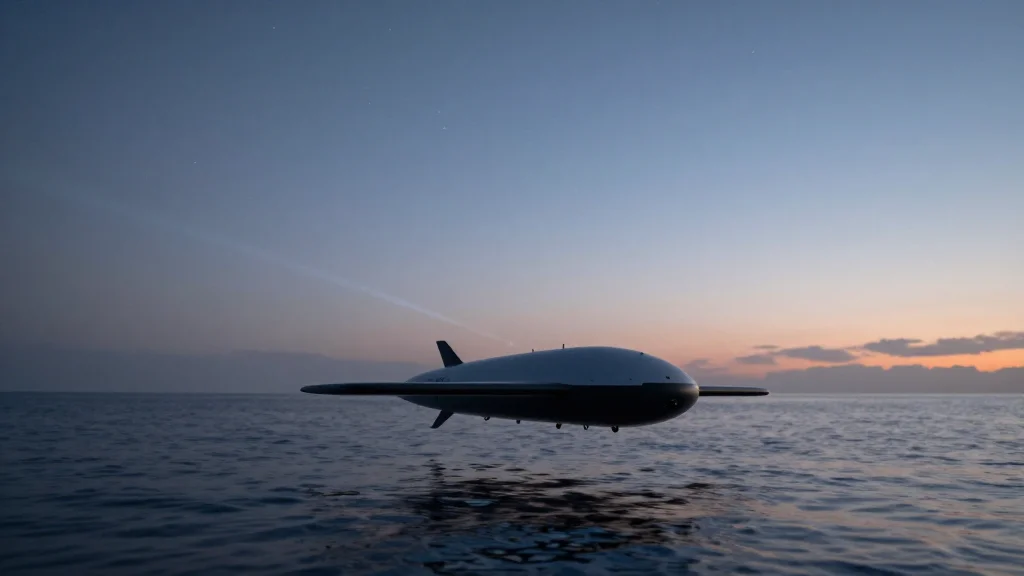
Starlink Outage Hit Drone Tests, Exposing Pentagon’s Growing Reliance on SpaceX
In August 2024 a global Starlink outage crippled two dozen U.S. Navy unmanned surface vessels off California, halting communications for about an hour. Internal Navy documents show the outage exposed a single point of failure for the Pentagon’s autonomous drone...

US Space Force Clears Design Milestone, Advances Missile-Warning Constellation
The U.S. Space Force has cleared the preliminary design review for Epoch 2, a ten‑satellite medium‑Earth‑orbit missile‑warning constellation. The milestone, achieved nine months after awarding a $1.2 billion firm‑fixed‑price contract to BAE Systems Space and Mission Systems, paves the way for a...

SpaceX and Blue Origin Abruptly Shift Priorities Amid US Golden Dome Push
SpaceX and Blue Origin have abruptly shifted focus from Mars and sub‑orbital tourism to lunar development, aligning with the Pentagon’s Golden Dome missile‑shield program. SpaceX announced plans for a moon city and is eyeing a potential $2 billion contract to launch...

DOD Eyes Commercial Satellites that Can Spy on Other Satellites
The Pentagon’s Defense Innovation Unit (DIU) has issued a solicitation for low‑cost commercial satellites capable of high‑resolution space‑to‑space imaging to monitor objects in geosynchronous orbit (GEO). The program, dubbed Ghost Recon, requires launch within two years, government ownership after three,...

SWORD Training Platform Key to US Space Superiority, Program Head Says
The U.S. Space Force is rolling out SWORD, a cloud‑enabled synthetic training platform that replicates contested space operations, including orbital dynamics, electronic warfare, cyber effects, and adversary tactics. Demonstrated in large‑scale exercises like Space Flag, SWORD blends digital models with...

Space Force Looks to Expand West Coast Heavy Launch Capabilities
Space Launch Delta 30 has issued a Request for Information to commercial launch providers to develop Space Launch Complex‑14 at Vandenberg Space Force Base. The proposed pad would be the first dedicated super‑heavy launch complex on the West Coast, capable of...
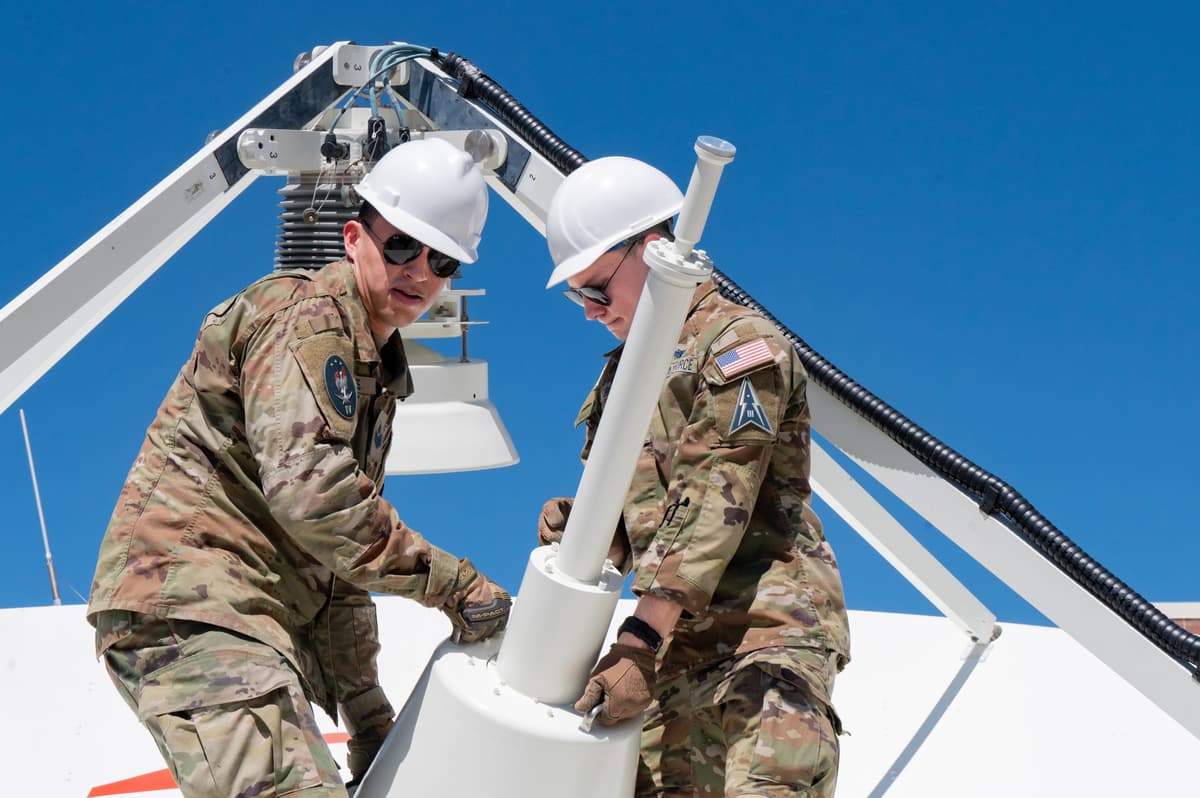
Space Warfare in 2026: A Pivotal Year for US Readiness
The U.S. Space Force is entering 2026 amid heightened competition from China and Russia, shifting from support roles to full‑spectrum warfighting. A 2025 US‑China Economic and Security Review Commission report highlights China’s 1,060‑plus operational satellites and its push to dominate...

Space Force Wants Advanced Tech for Space-Based Interceptors
The U.S. Space Force has launched an SBIR solicitation to develop compact, high‑performance boost‑phase interceptors that can destroy ballistic missiles within the atmosphere. The program seeks high‑G propulsion, advanced seekers, and low‑SWaP designs capable of intercepting missiles below 120 km in...

Kongsberg, Helsing Team up for European Satellite-Intel Constellation
Norway’s Kongsberg and Germany’s Helsing have signed a teaming agreement to build a sovereign European satellite constellation for intelligence, surveillance and targeting, targeting operational capability by 2029. The fleet will combine Kongsberg’s satellite platforms with Helsing’s AI‑driven image analysis, while...