
Why Live Interactive Coverage Wins at World Cup 2026
The 2026 World Cup, staged across the United States, Canada and Mexico, will attract unprecedented global attention. Digital‑media leaders see the tournament as a chance to deepen audience relationships, but simple score alerts no longer cut it. Viewers now demand context, authenticity and a sense of participation, pushing publishers to replace pure reporting with immersive, interactive live experiences. Successful coverage will blend real‑time updates, tactical analysis, fan interaction and broader cultural commentary to keep audiences engaged and monetize the moment.
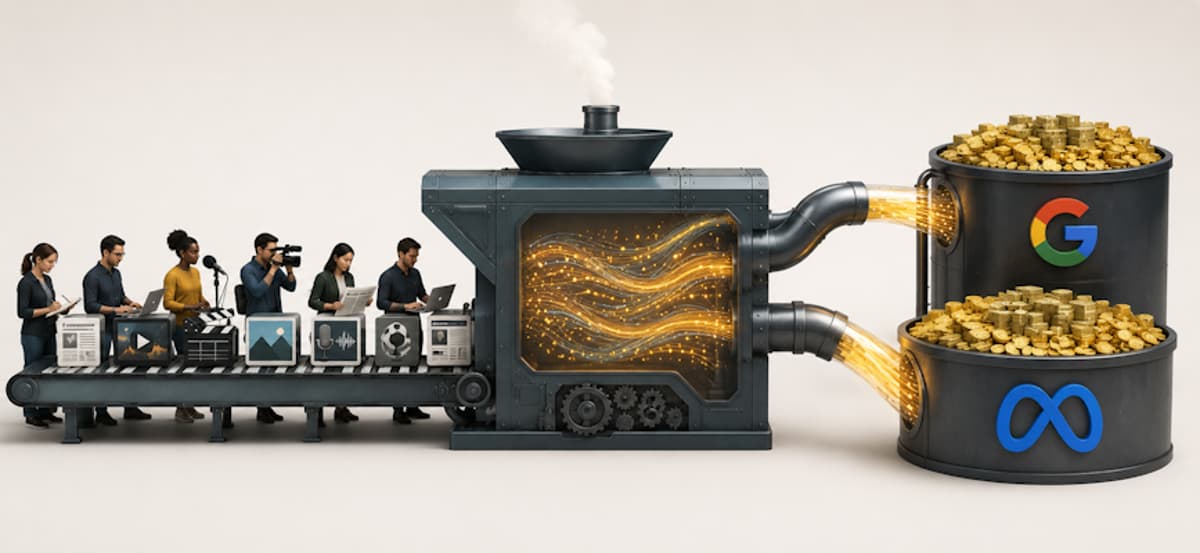
A $500 Billion Reminder of How the Duopoly Wins the Internet
In the most recent quarter, Google and Meta together surpassed a $500 billion annual run rate in advertising revenue, representing roughly half of the global ad market. Despite a decade of antitrust scrutiny, regulatory actions have yet to curb the duopoly’s...

Can Clean Rooms Tidy up Transparency for Streaming TV?
Streaming TV has surpassed linear TV in total viewership and is projected to lead ad spend by 2028. Yet advertisers struggle with limited granularity and privacy‑driven restrictions that obscure program‑level performance. Data clean rooms emerge as a privacy‑compliant way to...

Consumers Rebalance Digital Subscriptions Around Value
The Digital Content Next Q1 2026 report shows the U.S. digital media market entering a mature, optimization‑driven phase. While 96.8% of online households remain active, average monthly media spend rose to $166, up $9 from a year earlier, reflecting heightened price...

How to Drive Audience as Discover Declines
Google Discover is transitioning from a volatile traffic source to an "attention layer" where articles, short‑form video, social posts, and AI‑generated snippets compete for user focus. In test markets such as the U.S., Brazil and Mexico, video now occupies roughly...

What Generational News Habits Mean for Audience Growth
The Media Insight Project report shows stark generational splits in how Americans consume news. Teens lean heavily on social media and independent creators, with 57% getting news from creators and 81% of teens doing so daily. Adults 65+ favor television,...

The Rise of the Market-Aware Revenue Organization
Media companies are moving from reactive, siloed reporting to market‑aware revenue organizations that fuse internal performance data with real‑time advertiser spend signals. By tracking where budgets shift—especially toward high‑growth formats like CTV and OTT—sales and ops teams can anticipate demand...

Can Creators Drive the Next Wave of Media Subscriptions?
Legacy newsrooms are turning to social creators to broaden reach and spark subscriptions. The City partnered with TikTok‑and‑Instagram comedian Gerrie Lim, lifting average video views by 115% and exposing 83% of viewers to a new audience. Reuters Institute data shows...

AI Search Is Transforming Discovery and Media Economics
Publishers are losing click‑through traffic as AI‑driven search results deliver answers directly on the page. FT Strategies’ “Future of Discovery” report maps this shift into four strategic models—niche specialist, intelligence provider, voice‑led brand, and mass‑reach publisher—each balancing owned versus platform...

Get Ready for AI Agents Now, Before Buyer Agents Scale
AI‑driven buyer agents are already influencing how advertising inventory is evaluated, moving the decision‑making process into the current RFP and direct‑sales workflow. Publishers that make their data, audience segments, and inventory packaging machine‑readable can capture immediate ROI and avoid being...

DCN’s Media Industry Must Reads: Week of April 30, 2026
Digital Content Next (DCN) curated a weekly roundup of the most compelling media‑industry stories for the week of April 30, 2026. The list highlights former FCC officials urging a halt to Chairman Brendan Carr’s agenda, streaming platforms’ experiments with vertical video, a...

How Publishers Rebuild Audience Ties as Search Falls
Publishers are feeling a sharp drop in organic search traffic after Google’s AI Overviews, with Business Insider down 55% and the sector losing over 600 million visits in a year. The traditional model of creating content to earn search rankings is...

Media Audiences Are Engaged, but Selective and Skeptical
New data from Ofcom shows audiences are spending more time online but feel less positive, with only 59% saying benefits outweigh risks, down from 72% a year earlier. AI use has surged to 54% of adults, up from 31% last...
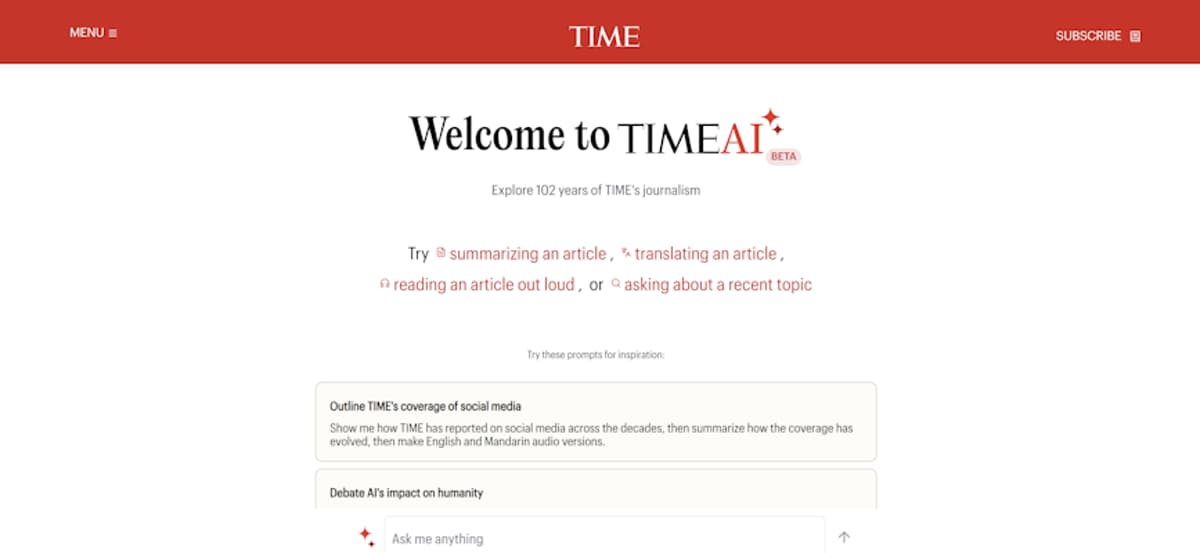
Inside TIME’s Rollout of Its TIMEAI Interactive Agent
TIME has launched TIMEAI, an interactive AI agent built on its 103‑year archive and now visible on almost all site content. The tool, initially tested on Person of the Year features, offers translation, summarization, voice output and custom prompts in...

How the Shift From Audiences to Fans Drives Media Value
Deloitte’s Digital Media Trends report finds that roughly 80% of U.S. adults consider themselves fans, spending about an hour more daily on media than non‑fans and subscribing to more services. Fans, especially younger ones, chase content across social, podcasts, games...