
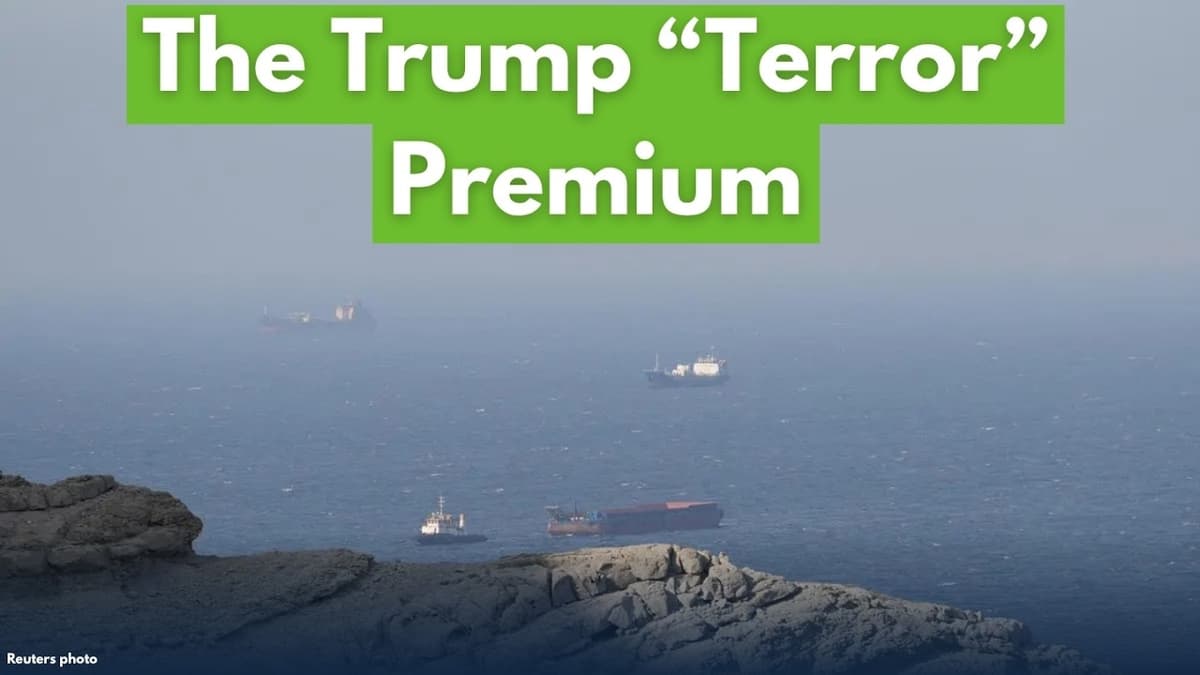
The "Trump Terror Premium" On Oil Prices
The video centers on energy economist Edhurst’s claim that the United States’ 2024 attack on Iran created a "Trump terror premium" on oil, inflating prices far beyond any pre‑existing Iran‑related risk premium. He argues that the strike demonstrated Iran’s ability to block the Strait of Hormuz, turning a geopolitical threat into a tangible cost for every barrel shipped. Edhurst quantifies the premium at roughly $30‑$40 per barrel, noting that oil prices jumped from about $56 before the attack to $90‑$100 afterward. He dismisses the notion of a historic "Iran terror premium" and instead attributes the surge to the new leverage Iran now wields over the narrow waterway, which carries not only crude but also food, fertilizer and other essential goods. Key moments include Edhurst labeling the price increase a "Trump terror premium," describing Iran’s claim of sovereignty over the Strait as a de‑facto toll‑booth, and warning that cheap commercial drones make it nearly impossible for U.S. forces to protect shipping lanes. He also critiques the Strategic Petroleum Reserve releases as political theater rather than genuine market relief. The analysis suggests that higher oil costs will cascade into broader commodity inflation, strain global supply chains, and force policymakers to reassess both U.S. naval strategy in the Gulf and diplomatic approaches to Iran. Persistent control of the Strait could embed a permanent price uplift, reshaping energy markets for years.
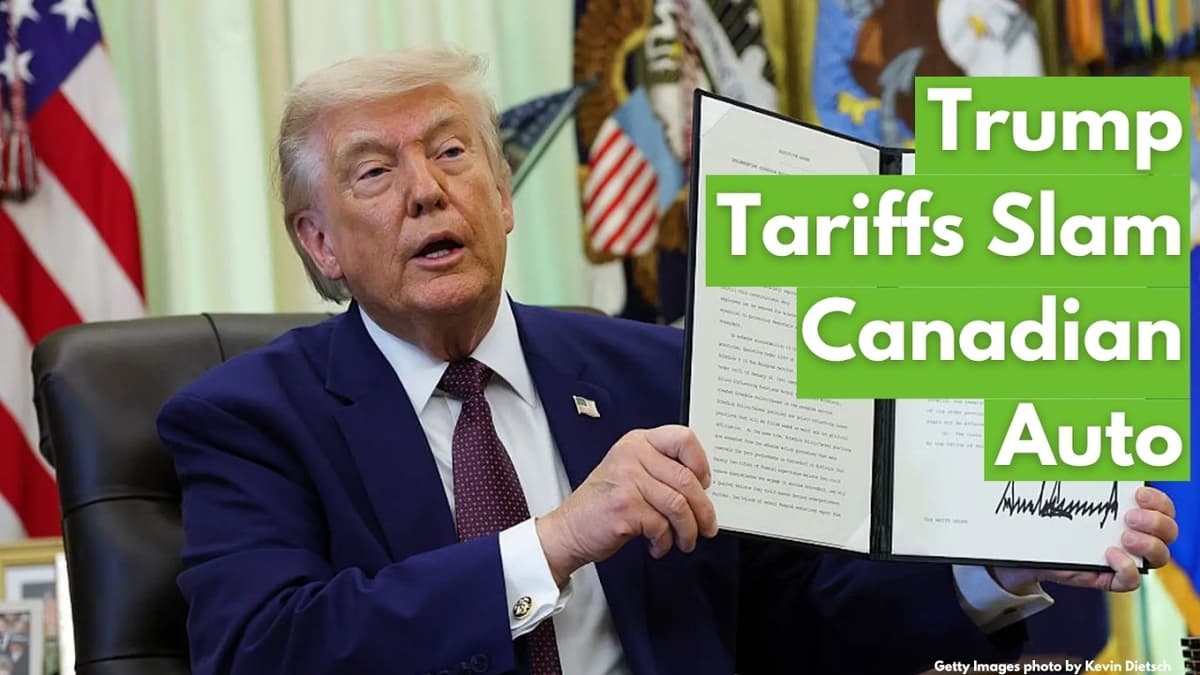
Canada's Automakers Hanging On Despite Trump Tariffs
The interview examines how President Donald Trump’s renewed tariff regime is reshaping Canada’s automotive sector. 25% duties on parts lacking American content, combined with 50% steel and aluminum tariffs, have driven U.S. exports to historic lows and forced manufacturers to...
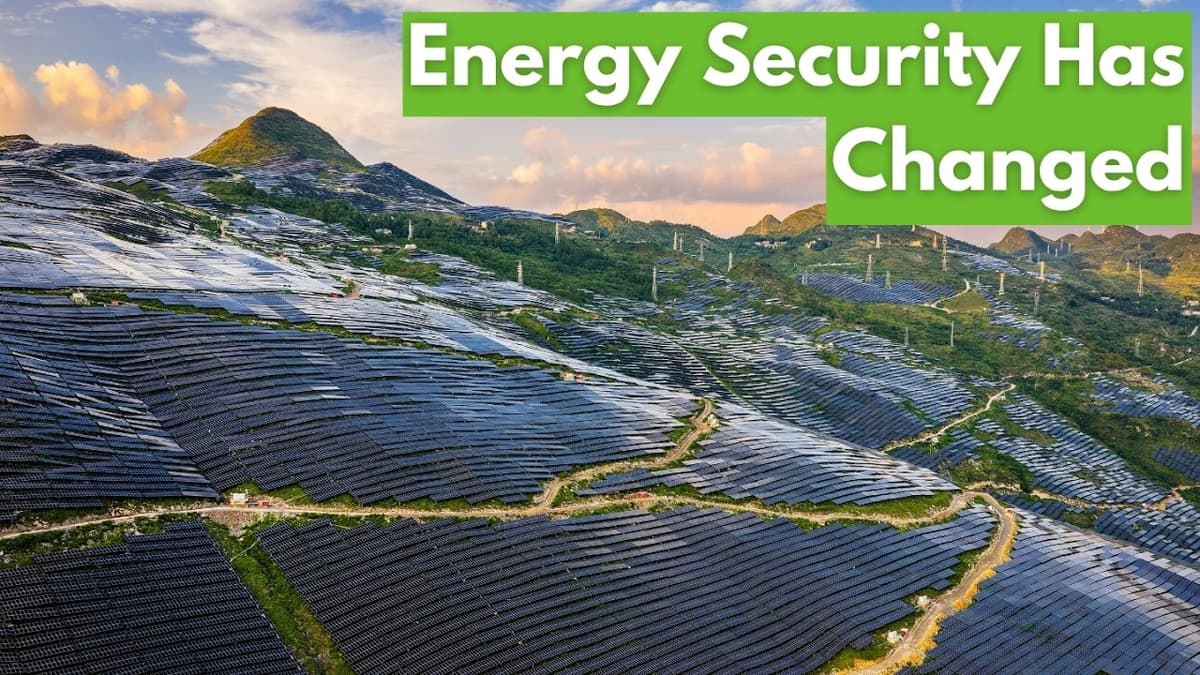
Asia's Energy Security Shift Is Accelerating Faster Than Expected
The video examines how Asian economies are rapidly redefining energy security in the wake of the Ukraine war and related supply disruptions. Bloomberg climate journalist Ashot Rothy explains that, unlike Europe’s earlier focus on securing new LNG supplies, Asian countries...
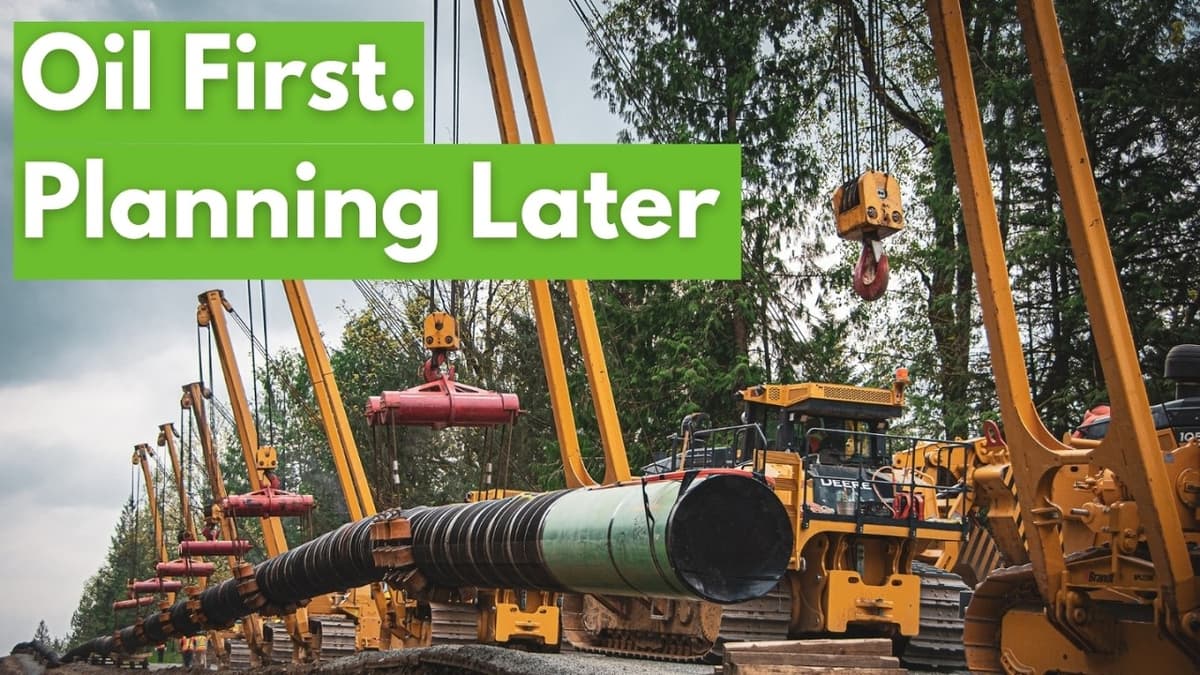
Does Canada Need an Oil and Gas Planning Agency?
The interview centers on Canada’s chronic mismatch between rapidly expanding oil‑and‑gas output and the sluggish, fragmented approval process for new pipelines. Alberta’s push for additional export routes to the West Coast has ignited a constitutional‑style standoff with British Columbia and...
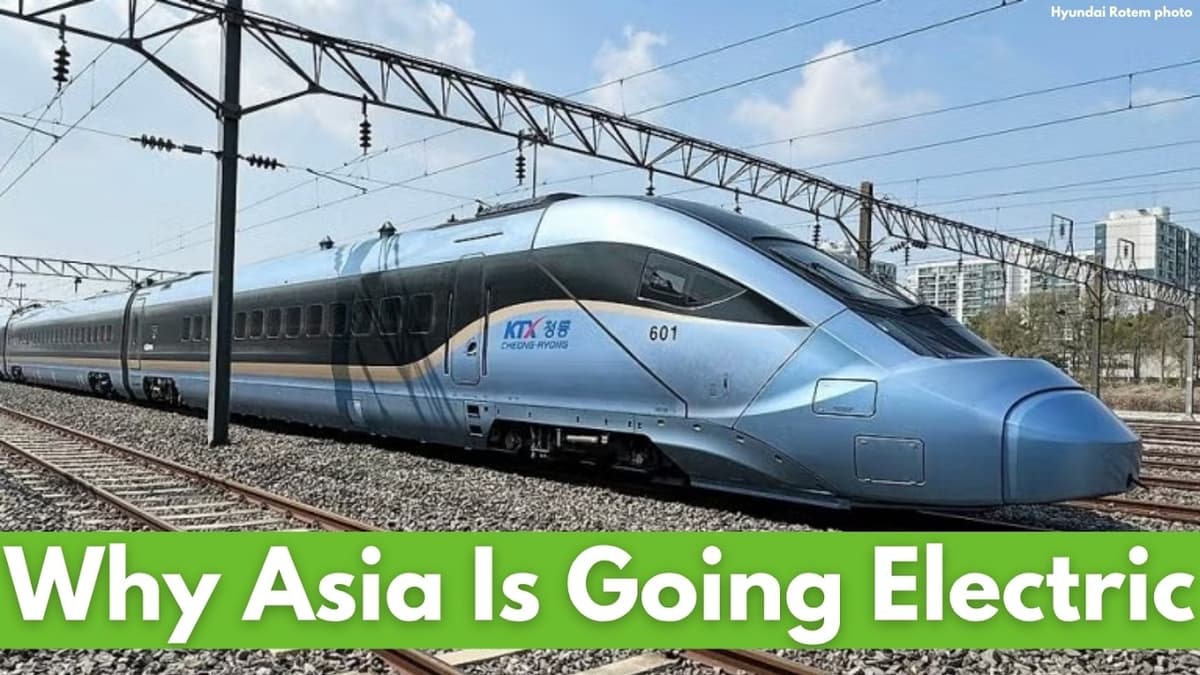
Bad News for Canadian Oil Exports as South Korea Pivots to Renewables
The interview examines how the Iran‑Israel conflict and the closure of the Strait of Hormuz have sparked an energy shock that is forcing South Korea to rethink its heavy reliance on imported fossil fuels. South Korea now spends roughly 6 % of...
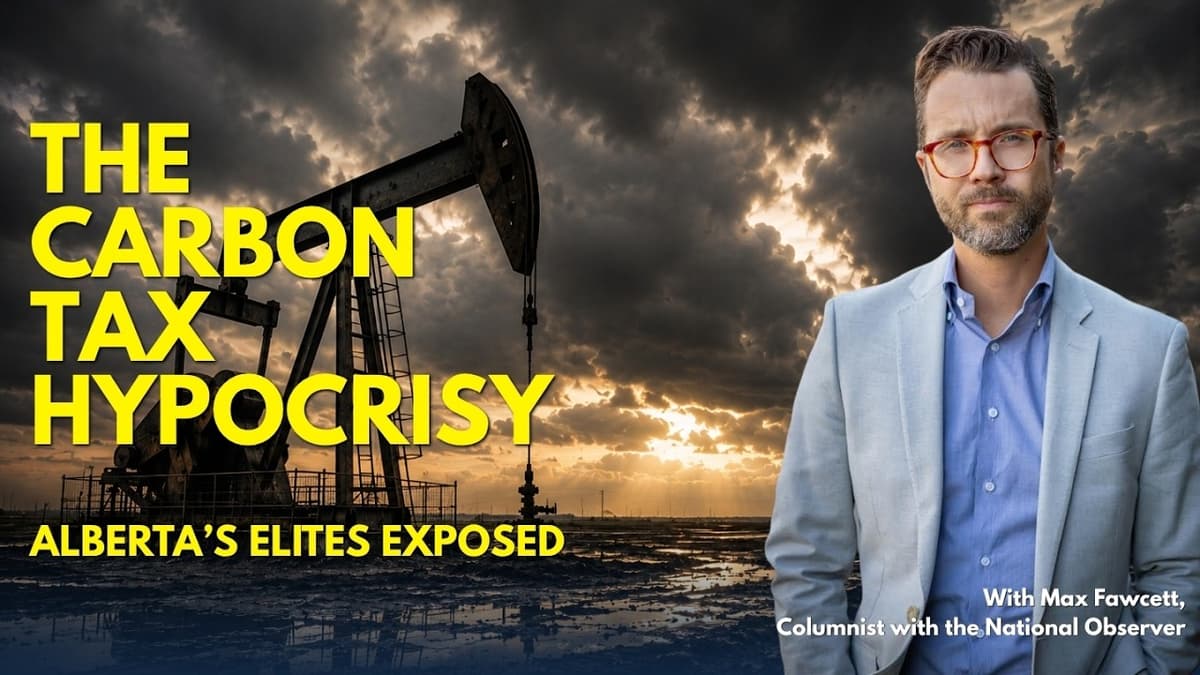
Alberta Oil CEOs Flip Flop on Carbon Pricing
The video unpacks recent public outcry from Alberta oil‑sand CEOs who claim the province’s industrial carbon price makes their operations uncompetitive, while highlighting a striking reversal among leaders who once helped shape those very policies. It cites Murray Edwards, CNRL chairman,...
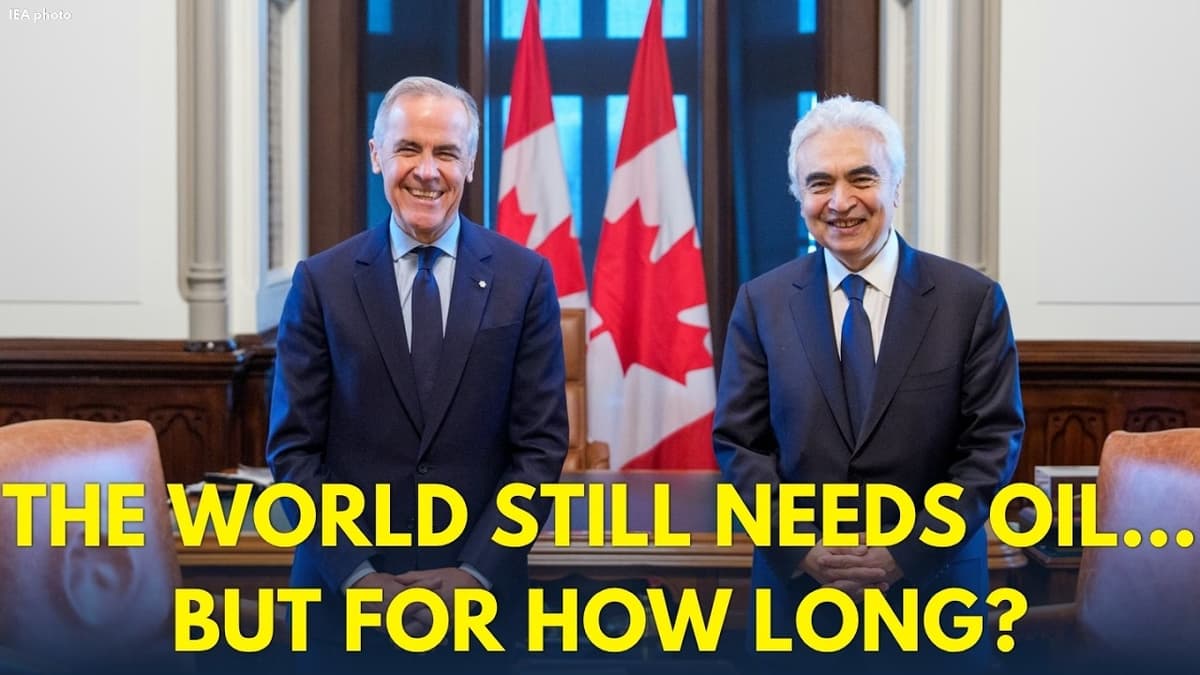
The Global Oil Shock Complicates Everything for Canada
The International Energy Agency’s recent visit to Ottawa delivered a paradoxical message: Canada should increase oil and gas exports to meet a sudden global demand for reliable, democratic suppliers, even as the same crisis may hasten the world’s shift away...
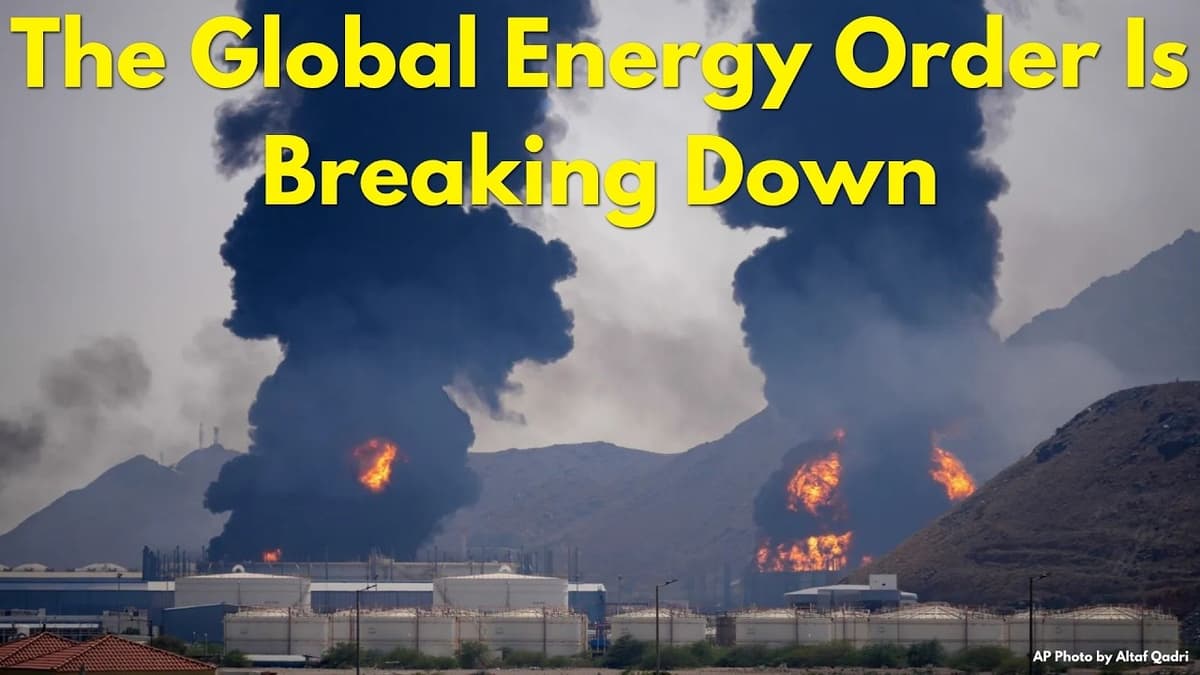
Middle East War Expands as Gulf States Strike Iran
The video discusses the latest escalation in the Middle East conflict as the United Arab Emirates and Saudi Arabia launch strikes against Iran, prompting Tehran to hit the Gulf states’ economic and energy infrastructure. Professor Jack Cunningham notes that while the...
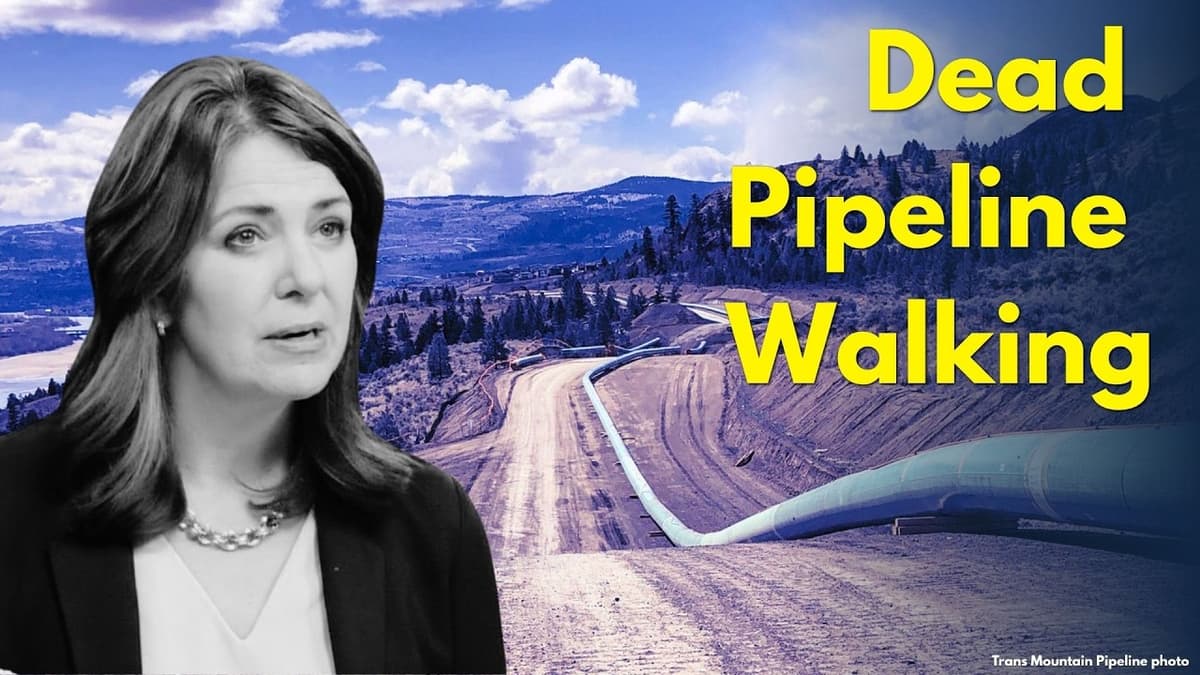
Asia’s Electrification Boom Threatens Canadian Pipeline Dreams
The video argues that the long‑standing premise behind a new Alberta‑to‑Pacific pipeline – ever‑growing Asian demand for imported crude – is eroding. Across the continent, governments are embedding energy sovereignty in policy, prioritizing electricity generation, battery production, and electric mobility...
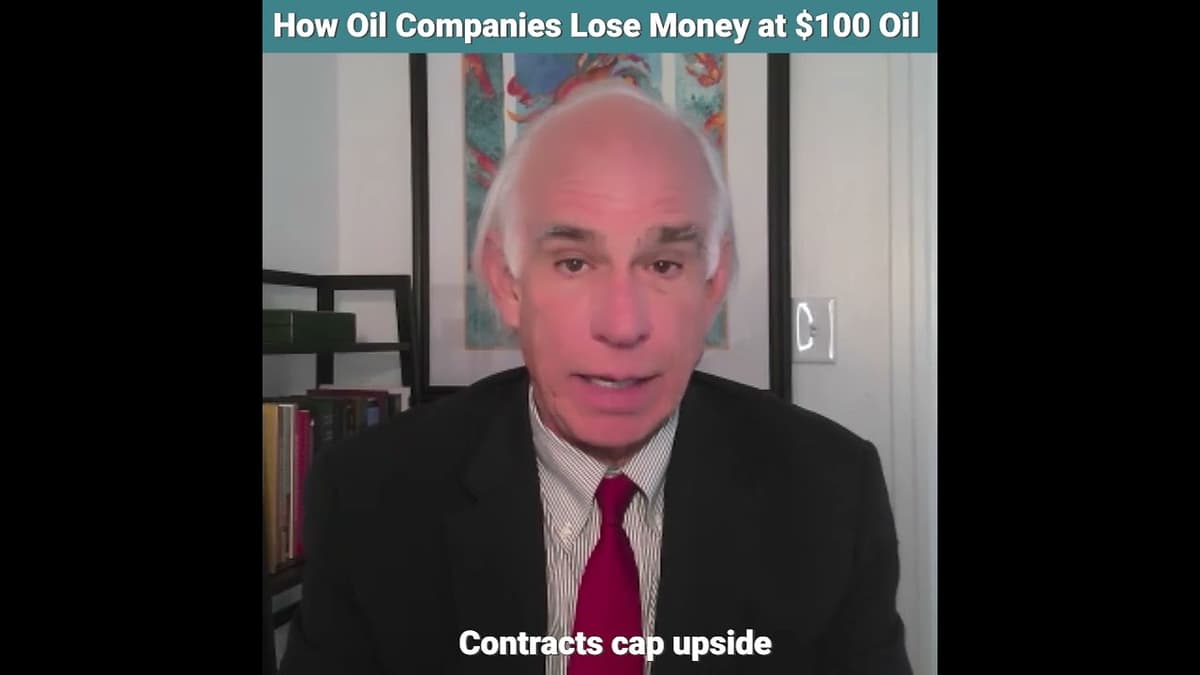
Oil at $100 a Barrel — and Companies Still Lose Money?
The video explains why oil producers can post losses even when Brent or WTI trades above $100 per barrel. Many firms entered into fixed‑price swap contracts during the Trump administration, locking in sales at $70‑$75 per barrel. When spot prices fell...
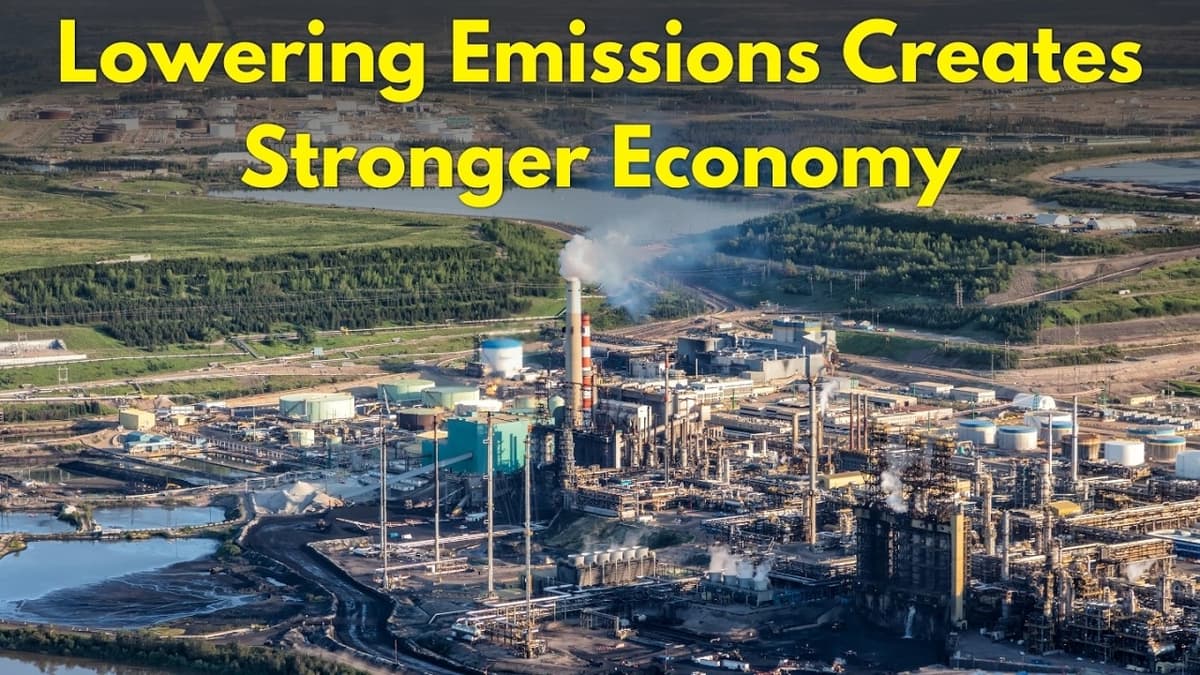
Why Canada’s Oil Industry MUST Cut Emissions
The discussion centers on why Canada’s oil and gas sector must accelerate emissions reductions to honor its Paris Agreement commitments. Recent modeling by the Canada Energy Regulator contrasts a business‑as‑usual trajectory with a net‑zero scenario, concluding that a low‑carbon pathway...
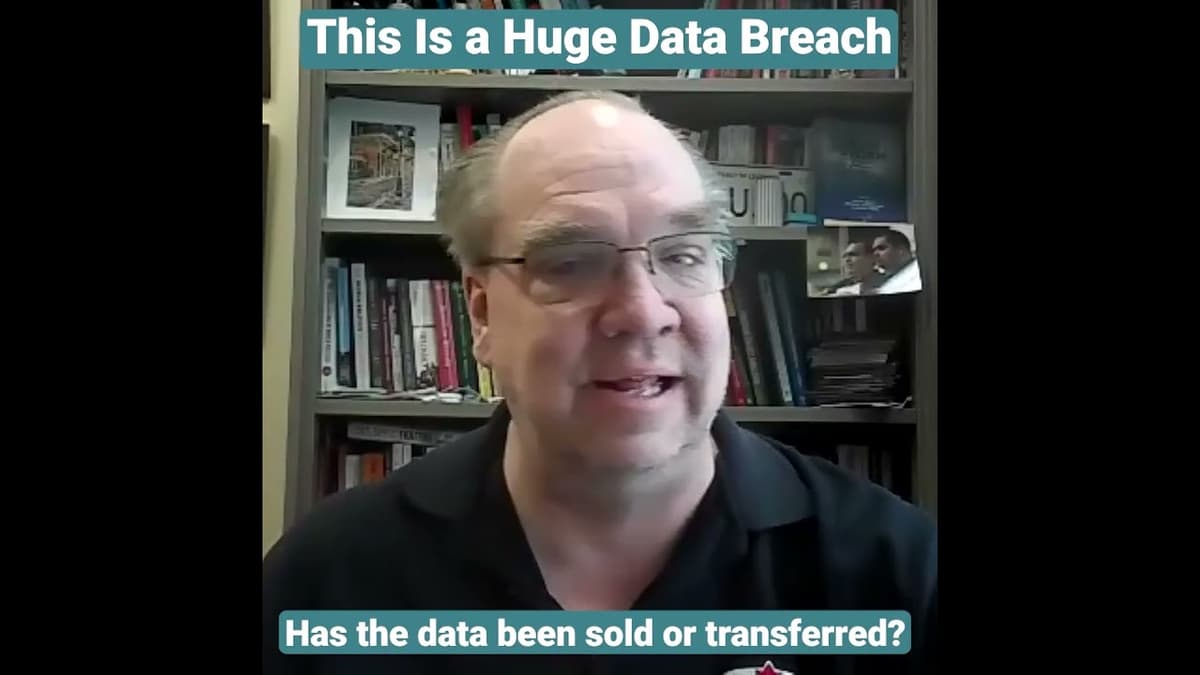
Millions of Albertans' Personal Data Exposed. Here’s the Real Risk
The video examines a massive data breach that has exposed personal information of millions of Albertans, including names, addresses, health records, and voting history. The leak, believed to have been in the hands of separatist activists for over a month,...
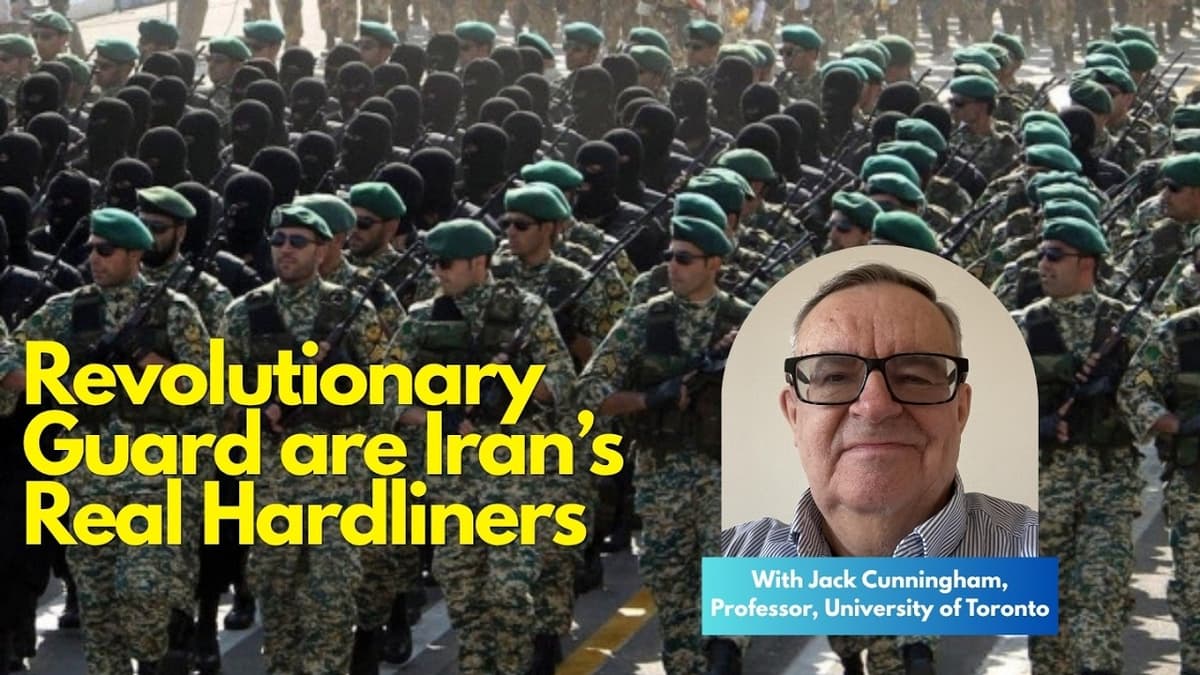
Revolutionary Guard's Rising Power Reshapes Iran War Dynamics
The interview with University of Toronto professor Jack Cunningham focuses on the Iranian Revolutionary Guard Corps’ expanding grip on Tehran’s political, economic and military apparatus, and how that shift is redefining the ongoing Iran‑U.S. confrontation. Cunningham argues the Guard’s hard‑line, anti‑Western...
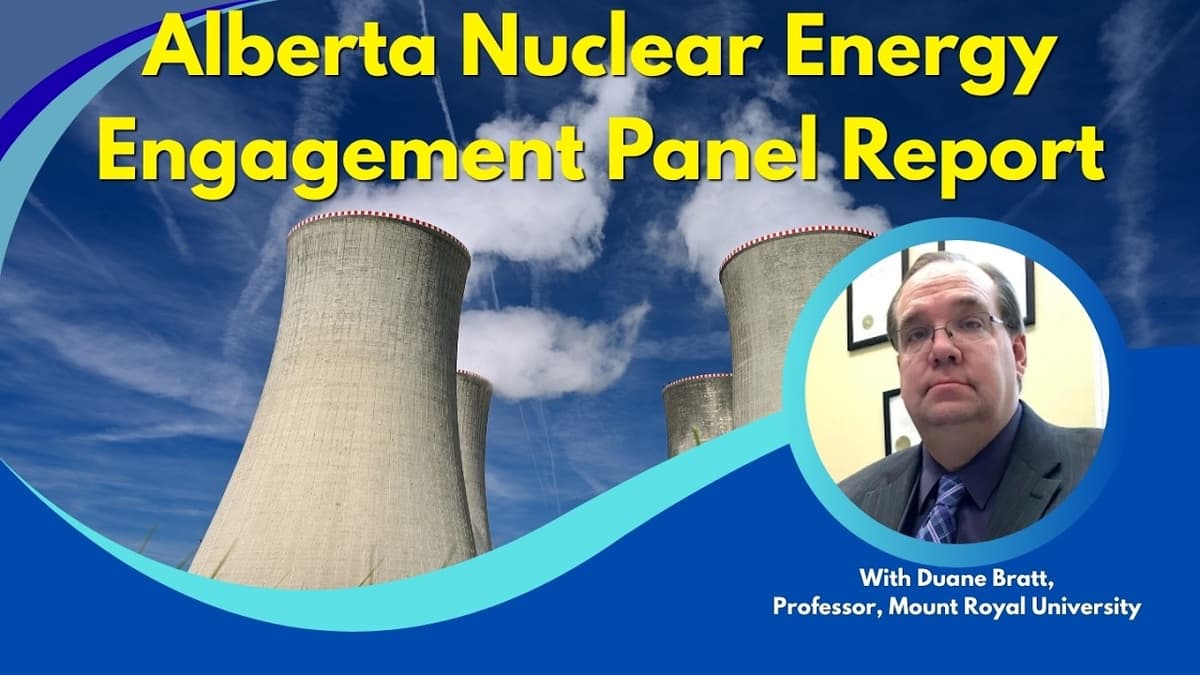
Alberta Nuclear Panel Report Has Unexpected Twist
The interview with Professor Dwayne Brat focuses on the Alberta Nuclear Energy Engagement Panel report, highlighting its unexpected openness to genuine public input—a departure from earlier Alberta panels that were perceived as agenda‑driven. Brat emphasizes that the panel’s composition, which...
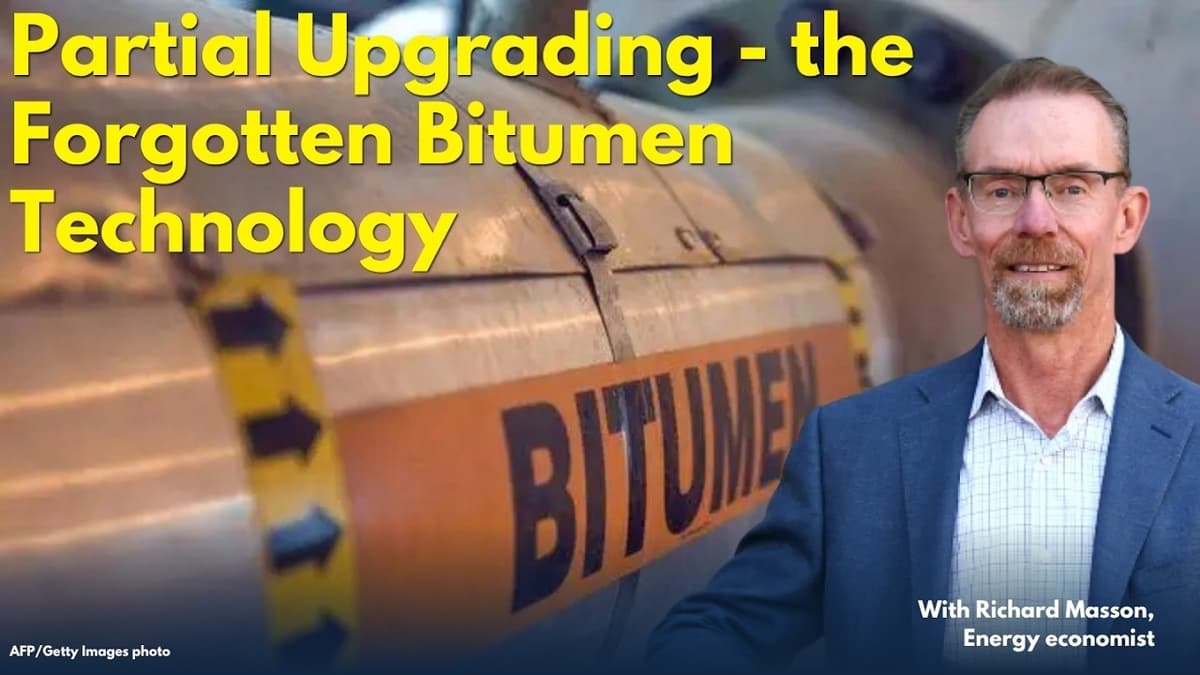
Partial Upgrading - The Forgotten Bitumen Pipeline Technology
The interview focuses on partial upgrading, a technology that lightens Alberta’s heavy bitumen so it can flow through existing pipelines without the costly diluent currently required. Masson explains that about 3.5 million barrels per day of sour crude leave Alberta, with roughly...
The Energy Transition Isn’t Fossil Fuels vs Renewables.
The video reframes the energy transition as a move from a molecule‑based system to an electron‑based one, arguing that the debate isn’t fossil fuels versus renewables. For a century the global energy mix has been defined by coal, oil and gas—resources...
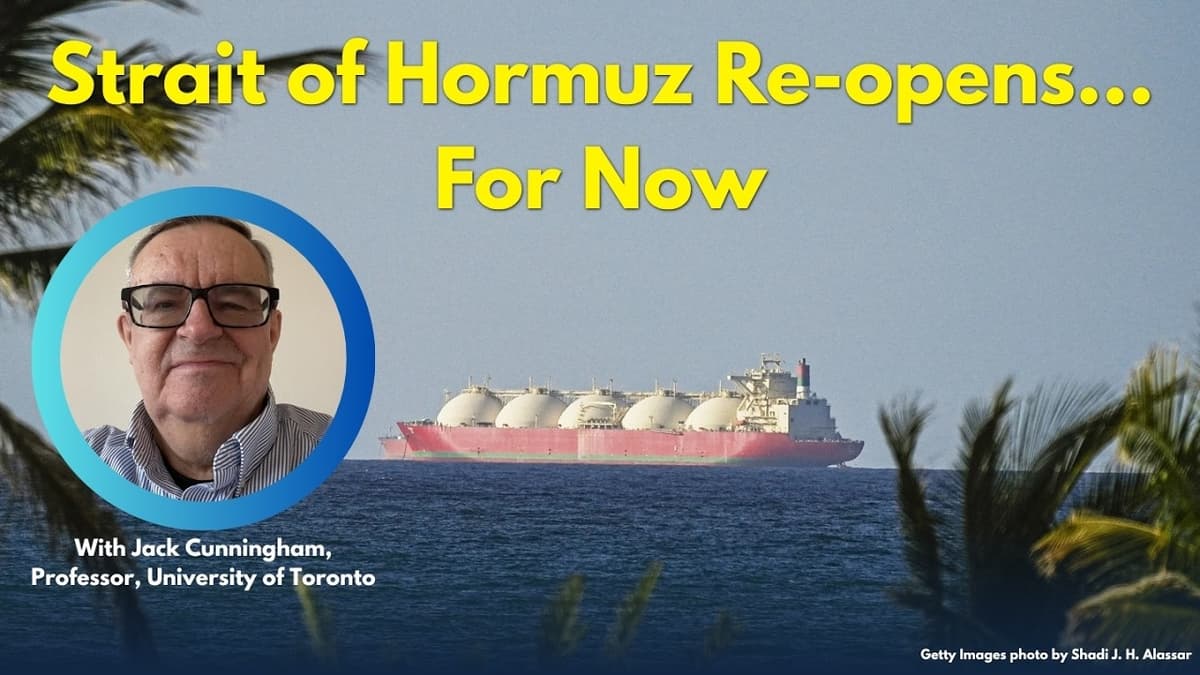
Strait of Hormuz Re-Opens, But Still Many Uncertainties
The Strait of Hormuz was announced open today following a temporary cease‑fire, but experts warn the reopening may be fleeting. According to Prof. Jack Cunningham, the Iranian Revolutionary Guard Corps (IRGC) insists that all transits occur only with its permission and...

Tech Breakthrough: Running AI on Your Computer Uses 80% Less Energy
Refined AI announced an algorithmic breakthrough that lets large language models run on standard laptops while slashing energy use by roughly 80 percent. The startup demonstrated the technique by running a 120‑billion‑parameter ChatGPT‑style model on a MacBook Pro inside a...
AlB MLA Marlin Schmidt Questions Why MAGA Energy Was Granted Well Licences when It Owed Back Taxes.
The Alberta Energy Regulator approved the transfer of roughly 170 well licences to MAGA Energy, a company that at the time owed about $200,000 in unpaid municipal taxes to Sturgeon County. The move sparked immediate concern from the county, which...
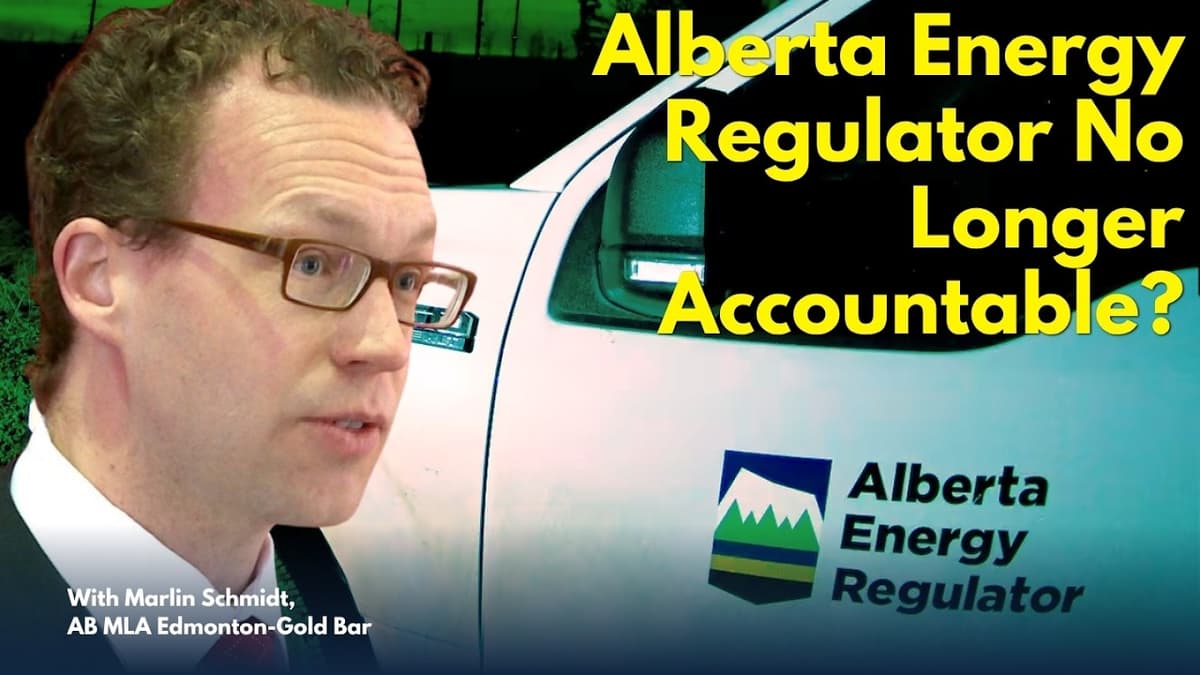
Alberta Energy Regulator Under Fire Over Wells, Accountability Failures
The public accounts committee grilled Alberta Energy Regulator (AER) CEO Rob Morgan over a series of compliance failures, most notably the transfer of roughly 170 well licences to MAGA Energy despite the company’s $200,000 municipal tax arrears. The move contravened...
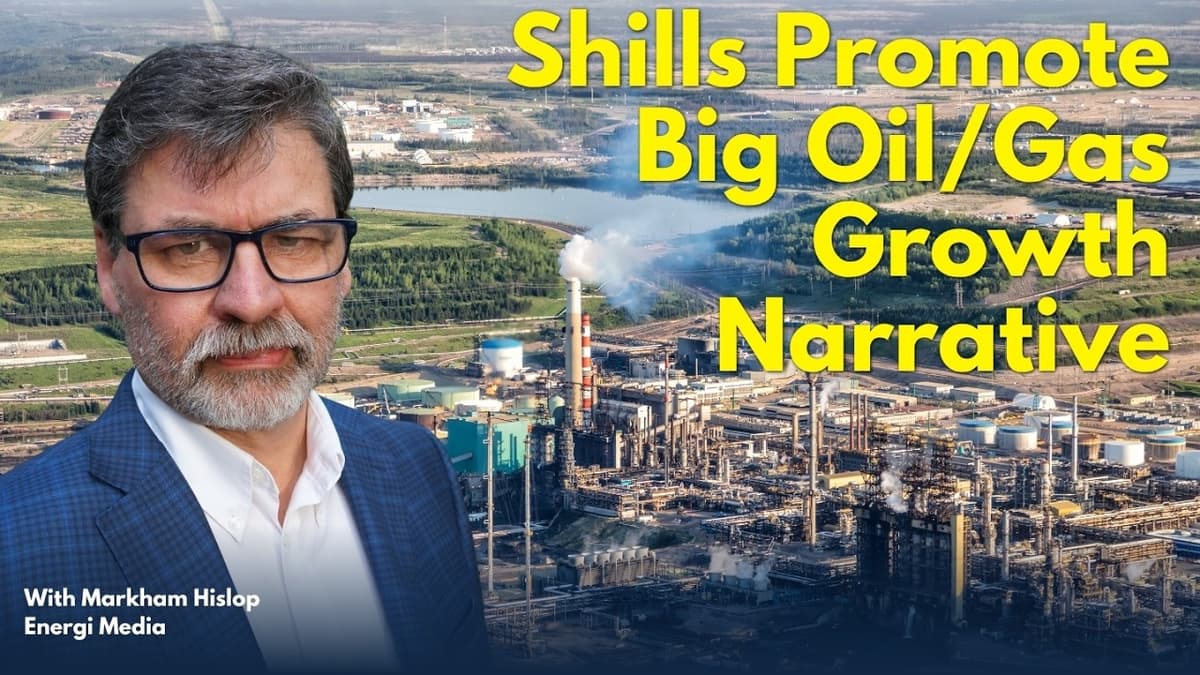
Oil and Gas Shills Hijack RBC Report
The video dissects a Royal Bank of Canada (RBC) study that has been repurposed by oil‑and‑gas advocates to claim Canada lost a trillion dollars of investment and that capital will return if policy barriers are removed. The analyst argues the...

The Energy Transition Means some People Are Bypassing the Grid
The video warns that the rapid energy transition is outpacing the ability of traditional power grids to expand, creating a structural bottleneck as solar installations and electric‑vehicle charging demand surge. With grid upgrades lagging, two paths emerge: utilities accelerate upgrades and...
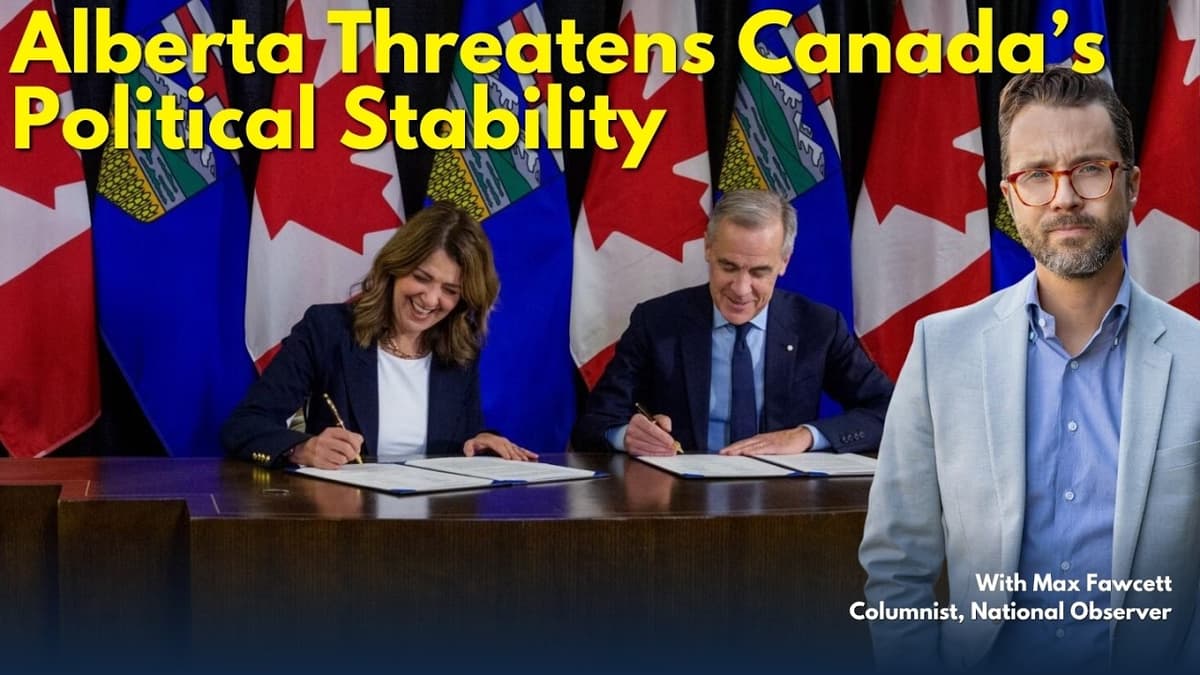
Max Fawcett on Smith vs Carney: Power, Pipelines, and Separation
The interview with Max Fawcett of the National Observer dissects the escalating showdown between Alberta Premier Danielle Smith and Prime Minister Mark Carney, set against a looming October separatist referendum and a contested pipeline bargain. Fawcett argues Smith now enjoys greater leverage, not...
Calgary Oil Conference Timely as Iran Conflict Shakes Global Markets
The Argus Canada Biofuels and Crude Forum, slated for April 22 in Calgary, arrives as the Iran‑U.S. war rattles oil markets and lifts pump prices worldwide. Organizers will run parallel tracks—one examining biofuel pricing, SAF developments and jet‑fuel alternatives, the...

Canada’s EV Strategy Pivot: From Failure-Ish to Opportunity
The interview with National Observer columnist Max Fawcett examines Canada’s lagging electric‑vehicle adoption—just 3.5% of the national fleet versus roughly 15% in China—and the government’s recent strategic pivot. Earlier federal and provincial subsidies for battery plants in Ontario and...
Emerging Markets Choosing Cheap Solar, Batteries, EVs Over Fossil Fuels
The interview with Ember Energy analyst Sam Butler‑Sloth examines a new Ember report titled “Electric Fast Track for Emerging Markets,” which argues that falling prices of solar panels, batteries and electric end‑use devices are opening a cheaper, more attractive development...
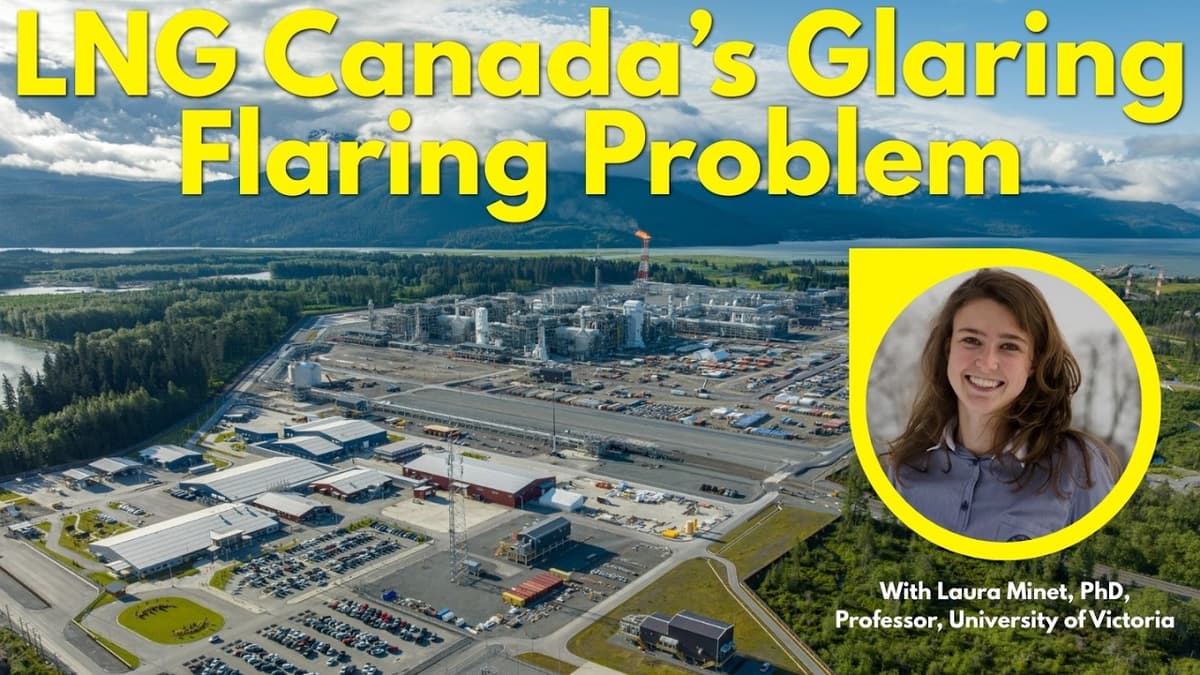
LNG Canada’s “Clean” Claim Unravels as Flaring Raises Health Concerns
The $50 billion LNG Canada export terminal, marketed as a low‑emission, “clean” LNG project, has entered regular operations but is now flaring far beyond its permitted limits, sparking health and regulatory concerns. Since July 2025 the plant has been flaring 40‑60 times the...

Kevin O’Leary Data Centre's Regulatory Exemption Sparks Alberta Backlash
Kevin O’Leary’s Wonder Valley proposal aims to build the world’s largest data centre on the traditional territories south of Grand Prairie, Alberta. The project received a Section 44 exemption, allowing it to proceed without an environmental impact assessment, sparking immediate backlash...

Is Danielle Smith an Untrustworthy, Bad Faith Actor?
The interview examines whether Alberta Premier Danielle Smith can be deemed a bad‑faith actor after she signed a federal‑provincial memorandum on carbon pricing and pipeline development, then swiftly undermined its key provisions. Bob Weber argues that Smith’s rapid introduction of...
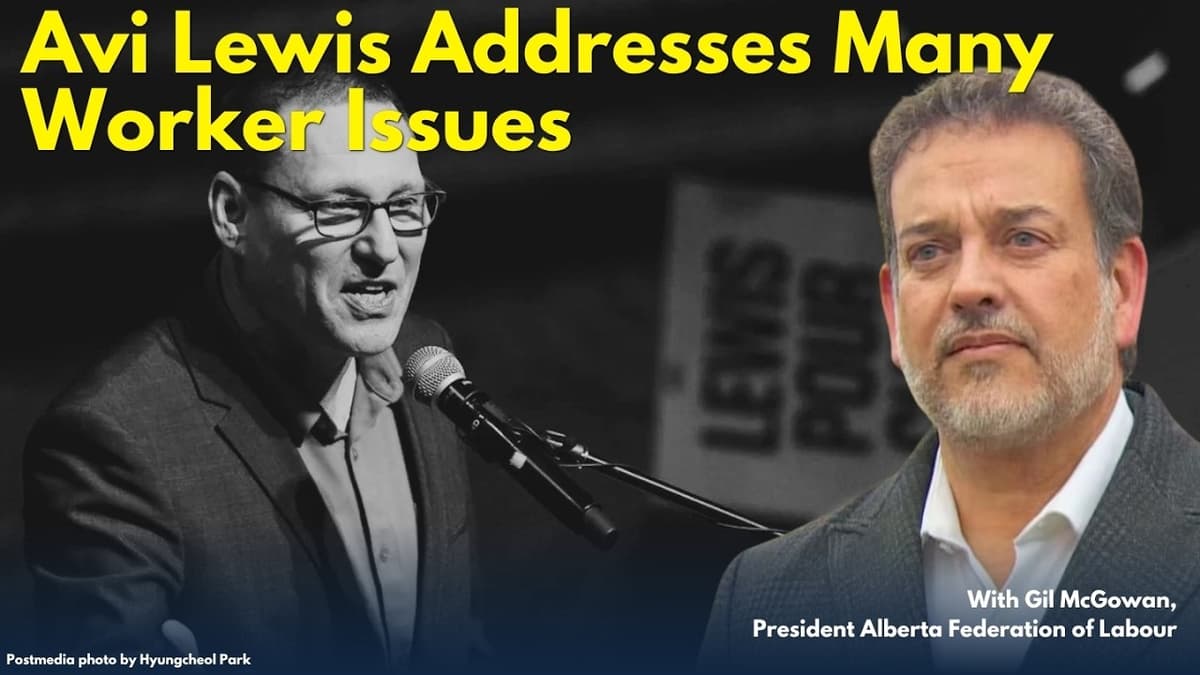
Gil McGowan's Upcoming Energy Conversations with Avi Lewis, Naheed Nenshi
In a candid interview, Gil McGowan, president of the Alberta Federation of Labour (AFL), discusses the growing convergence between the AFL’s worker‑focused agenda and the newly elected federal NDP leader, Abby Lewis. While the two share common ground on wages, a...
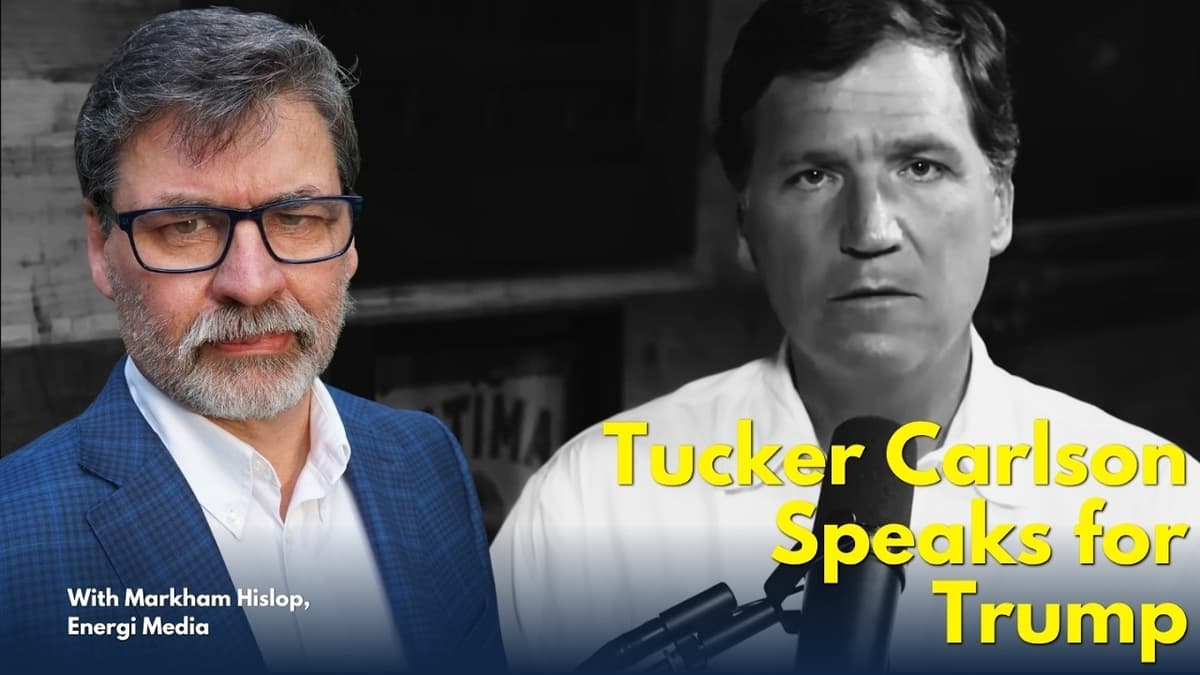
Canadians Define Canada, Not Tucker Carlson or Donald Trump
The video argues that American far‑right commentators, led by Tucker Carlson, are attempting to rewrite Canada’s identity for U.S. listeners, framing it as a subordinate partner in a new Trump‑era security doctrine. It links this narrative shift to the Trump administration’s...

Should Canada Build Another Oil Pipeline?
The video examines whether Canada should approve another oil pipeline, centering on Alberta’s persistent need to move crude to global markets such as China and India. Ottawa is currently drafting a memorandum of agreement with Alberta that would lay the...

Major Carbon Capture and Industrial Projects Are Stalled in Alberta
The video outlines a $24 billion portfolio of carbon capture and storage (CCS) and carbon‑capture‑utilisation (CCU) projects slated for Alberta’s oil‑sand and industrial sectors, many of which have stalled despite years of announcements. Key initiatives include the Pathways Alliance and Strathcona oil‑sand...

Asia’s Energy Crisis Could Be Worse Than COVID
The video warns that Asia’s energy crunch may eclipse the disruptions caused by the COVID‑19 pandemic, attributing the strain to the ongoing Ukraine war and broader geopolitical tensions that have choked fuel supplies across the region. Within weeks, economies from Pakistan...

China’s Head Start in Clean Energy
The video outlines how China has secured a decisive advantage in clean‑energy by establishing the world’s first “electro‑state,” a nationwide push to replace fossil‑fuel imports with domestically produced electricity‑based technologies. Over the past decade China’s aggressive rollout has saved tens of...

The Fossil Fuel System Is Under Stress
The speaker warns that the world’s fossil‑fuel system is under unprecedented stress, highlighting a half‑decade of escalating volatility in oil, gas, and coal markets. This volatility stems from an import‑heavy, just‑in‑time supply chain that links distant producers to consumers, making...

Why Energy Shocks Like the Iran War Are Accelerating Electrification
The interview with Dan Walter of Ember Energy examines how recent geopolitical upheavals—most notably the U.S.-Israeli invasion of Iran—are accelerating a global shift from imported fossil fuels to domestically generated electricity. Asian economies, feeling the pinch of volatile oil...

Methane Is Underreported
The video highlights that methane emissions have been chronically under‑reported for decades, primarily because regulators and companies rely on traditional bottom‑up accounting methods. Those methods tally equipment counts and multiply by generic emission factors, assuming each unit operates within “normal” parameters....

New Canada-Alberta Methane Deal Needs a Reality Check
The federal and Alberta governments unveiled a new methane‑emission reduction framework for the oil‑and‑gas sector, pledging an outcome‑based equivalency agreement and a 75 % cut from 2014 levels by 2035. The deal, announced as an “agreement in principle,” acknowledges that a...

Feds and Alberta Agreement to Reach an Agreement
The video explains a new “agreement in principle” between Canada’s federal government and Alberta to achieve regulatory equivalency on methane emissions. While the original April 1 deadline for a full deal was widely recognized as unattainable, the parties have now committed...

Global Energy Shocks Explained by Top Economist
The interview with UC Berkeley energy economist Severron Bournestein dissects the recent surge in oil, gasoline and LNG prices, arguing that much of the volatility is rooted in well‑understood supply‑demand mechanics rather than mysterious market forces. Bournestein highlights how global energy...

Alberta Can't Be Trusted With Environmental Impact Assessments of Energy Projects
The interview with University of Calgary environmental‑law professor Sean Fluker focuses on a pending intergovernmental agreement that would hand most environmental impact assessments (EIAs) for major energy projects to Alberta’s provincial regulators. The federal Liberal government, under Mark Carney, argues...

New Pipeline Report Misused by Danielle Smith to Justify Oil Sands Expansion
The video dissects a newly released economic study that claims a new west‑coast pipeline could add $31 billion annually to Canada’s GDP. Alberta Premier Danielle Smith seized on the headline, tweeting that the report proves “real economic boost” from additional pipelines...

Why Let Iranian Oil Flow During a War?
The video critiques the Trump administration’s decision to allow Iranian vessels to transport oil amid an ongoing conflict, questioning why the United States would forgo a powerful leverage tool when Iran’s access to the Strait of Hormuz is at stake....

Why the Strait of Hormuz Crisis Won’t Be Fixed Quickly
The video examines why the Strait of Hormuz crisis cannot be resolved quickly, emphasizing that the bottleneck is not merely a naval issue but a broader security challenge along Iran’s coastline. It argues that while allies have offered naval escorts,...

Mark Dorin Has Had Enough of Deadbeat Oil Company, Brian Jean, Alberta Regulator
The interview revisits Mark Dorin’s blockade of Mega Energy’s wells on his Alberta property after the company failed to make lease payments for three years, drawing attention to a broader conflict between private landowners and the province’s energy regulator. Dorin invoked...

The Politics of Trump's Trade Policy: Canada Gets It Right
The interview centers on the politics of Donald Trump’s protectionist trade agenda and Canada’s strategic response. Princeton economist Douglas Irwin dismantled the administration’s four staple justifications—revenue, job creation, deficit reduction, and import reduction—showing that the apparent drop in U.S. imports...

Why Iran Could Turn This Conflict Into a Long War
The video argues that recent U.S. actions, modeled after a failed attempt to pressure Venezuela, could push Iran into a drawn‑out conflict. It contrasts the isolated, unpopular regime of Caracas with Iran’s entrenched regional power, suggesting that the United States...

China Leads, Canada Lags on Electrification
Rising oil and LNG prices amid Middle East tensions are accelerating a global shift from fossil fuels to electrification, as countries large and small seek cheaper, more secure alternatives. Energy economists say this price shock—compounded by post-Ukraine supply disruptions—has pushed...

Canada Launches New Arctic Strategy That Looks A Lot Like the Old One
Canada on March 12 unveiled a new Arctic Defence and Security Strategy that pledges about C$32 billion and four remote operating hubs to bolster northern basing, infrastructure and community integration. The plan links military modernization and NORAD-related needs with economic...