
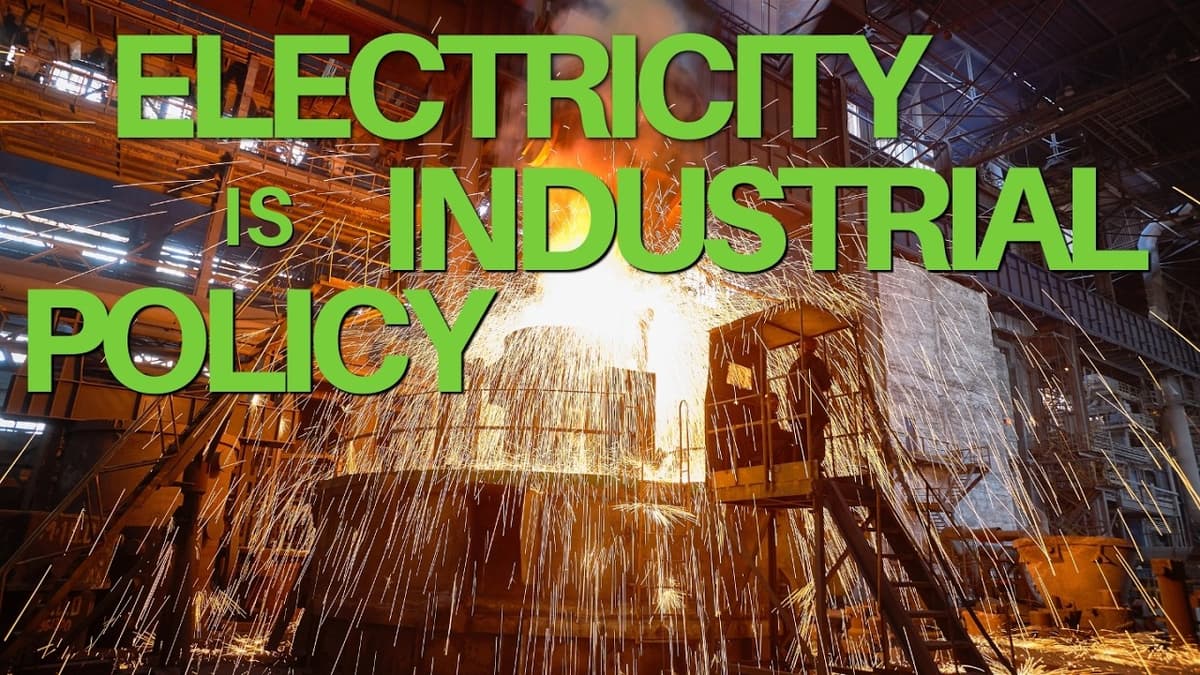
Electrifying Industry Is Canada’s Next Big Economic Opportunity
The interview explores how Canada’s industrial sector is rapidly shifting from fossil‑fuel heat to electric solutions, positioning electrification as the nation’s next major economic driver. Dr. Chris Bataille outlines two breakthrough technologies—industrial‑scale heat pumps and thermal‑storage batteries—that are already being deployed in steel, cement, and oil‑sand operations. Key data points include the rise of sand‑brick heat batteries that store cheap renewable electricity as high‑temperature heat, and the potential for hydrogen‑based direct‑reduction steelmaking to become cost‑competitive if electricity prices drop below two cents per kilowatt‑hour. The discussion also highlights Rondo’s modern take on 200‑year‑old Cowper towers and the growing interest from oil‑sand producers to capture waste heat. Notable quotes feature Bataille’s warning that Canada must triple, not merely double, its power grid to meet industrial demand, and Mark Carney’s framing of electricity as an industrial policy tool. The conversation underscores the tension between using new power capacity to expand fossil‑fuel projects versus building ultra‑low‑emission manufacturing hubs in Quebec, Alberta and British Columbia. The implications are clear: a robust, low‑cost renewable grid could unlock high‑value, low‑carbon products and raise wages, while a policy focus on traditional energy exports risks missing the transformative economic upside of true industrial electrification.
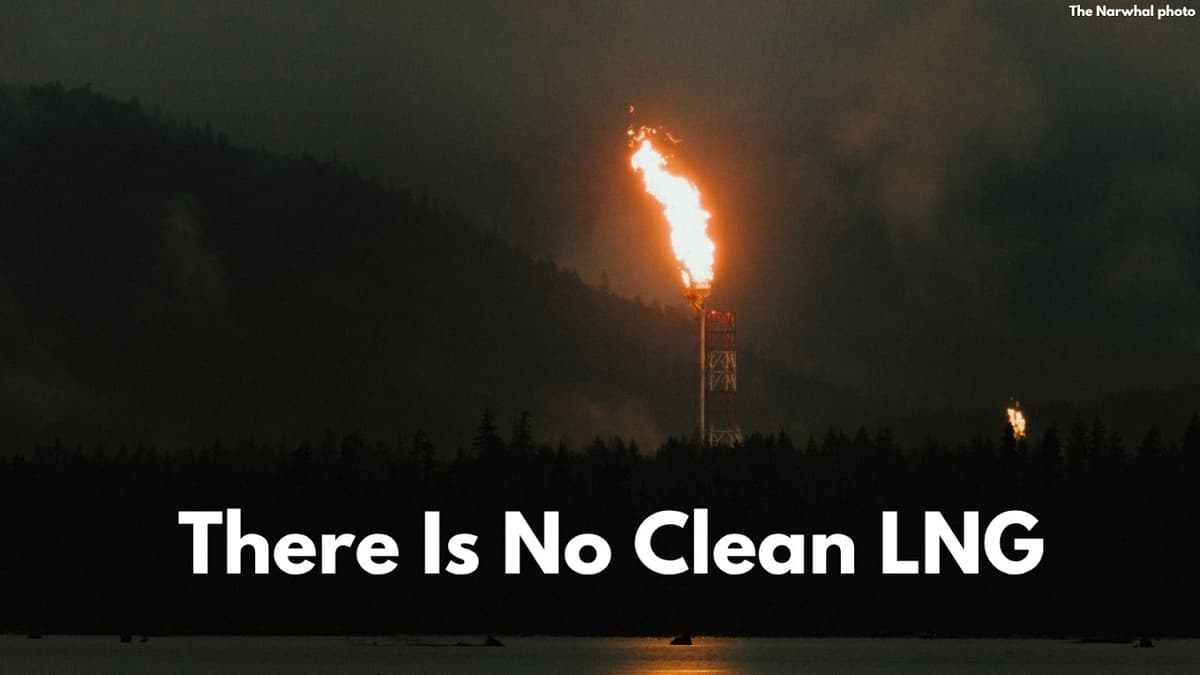
Texas Air-Pollution Expert Says LNG Canada Emissions Worst He's Ever Seen
The video features Tim Doty, a veteran air‑monitoring specialist from the Texas Commission on Environmental Quality, who conducted a three‑day optical gas imaging (OGI) assessment of the LNG Canada facility in Kitimat. He was tasked with detecting invisible hydrocarbon emissions...
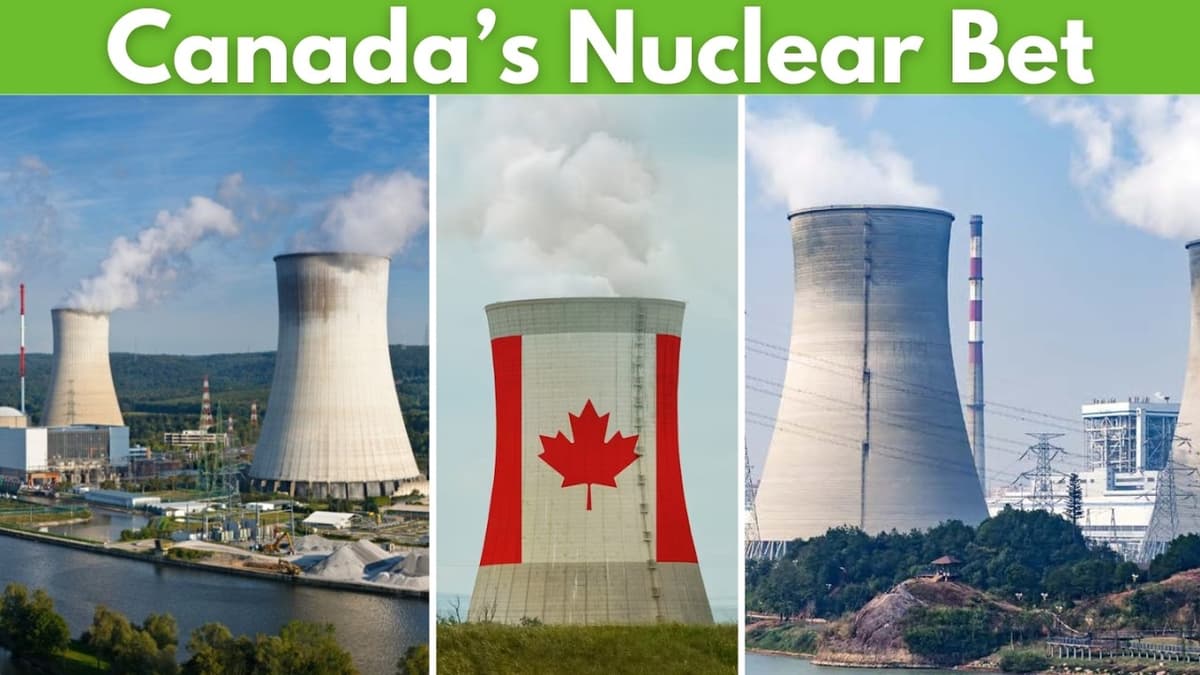
Canada's Nuclear Strategy Is Really About Ontario and Exports
The federal government unveiled a sweeping nuclear strategy that positions Canada as a global exporter of nuclear technology while anchoring most new capacity in Ontario. The plan calls for ten additional reactors over the next 25 years, ranging from large...

Why Balcony Solar Could Help Electrify Canada
The video examines balcony‑solar “plug‑in” systems as a low‑cost pathway to meet Canada’s federal goal of doubling electricity generation by 2050, focusing on renters and condo owners who cannot install traditional rooftop arrays. Joe Vipant, chair of the Calgary Climate Hub,...
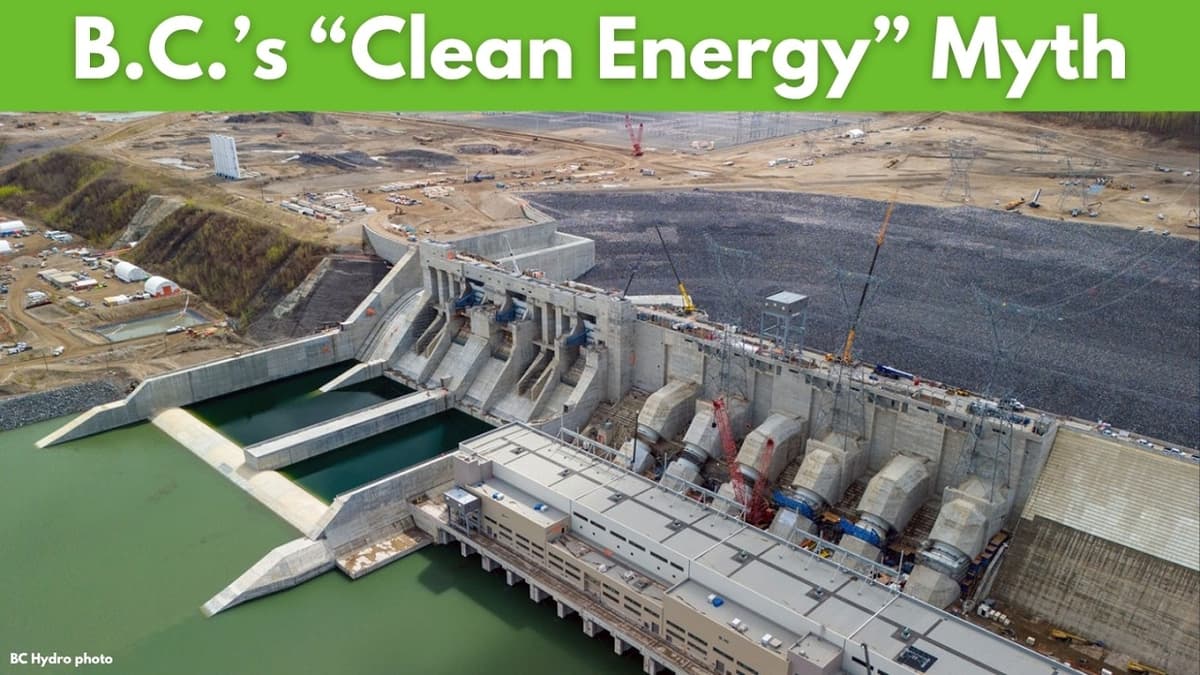
BC's New Electrification Plan Is Embarrassingly Slight
The British Columbia government unveiled a so‑called “Powering Growth” electrification strategy on June 15, but analysts say it is little more than a re‑branding of projects already in motion. The plan highlights ongoing upgrades at the W.A.C. Bennett Dam’s Sham station and...

Can Alberta's Oil Sands Fill a New West Coast Pipeline?
The interview examines whether Alberta’s oil‑sands output can fill the proposed one‑million‑barrel‑per‑day pipeline to the West Coast, focusing on the economics that differentiate oil‑sands projects from conventional shale. Energy economist Kevin Burn explains the distinction between half‑cycle (operating) and full‑cycle...
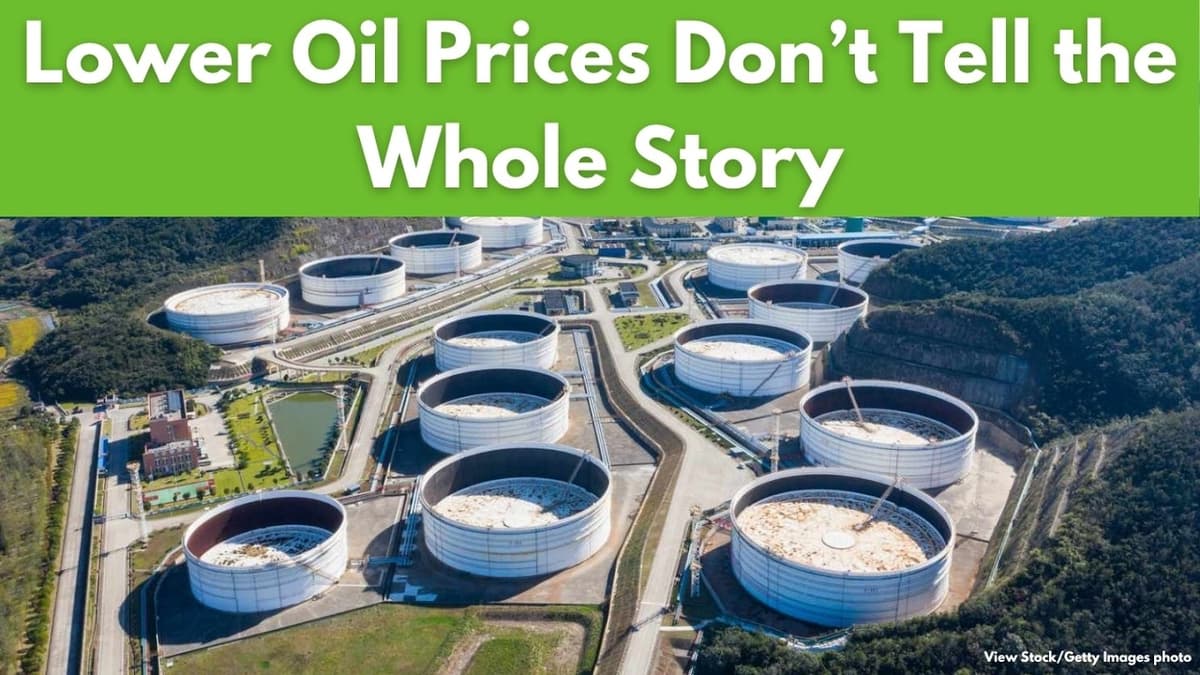
Why Lower Oil Prices Don’t Mean Recovery
The video argues that falling oil prices do not signal a market recovery. Ongoing releases from strategic petroleum reserves will cease this summer, while China has slashed imports by three million barrels per day, leaving global inventories depleted. Industry leaders, including...
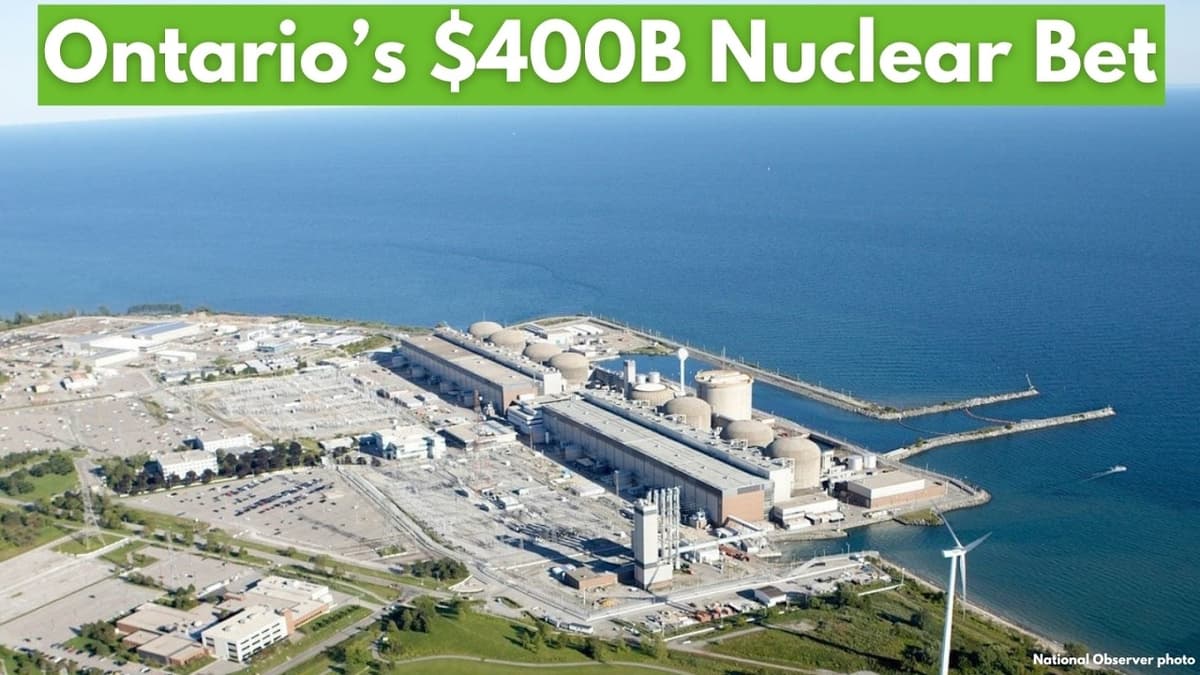
Shifting Risk to Taxpayers: Ontario’s $400 Billion Nuclear Gamble Exposed
Ontario Premier Doug Ford’s government is pursuing an aggressive nuclear build‑out, refurbishing existing reactors and adding new ones at an estimated $400 billion price tag. Professor Mark Winfield of York University warns the plan transfers most of the financial risk to...
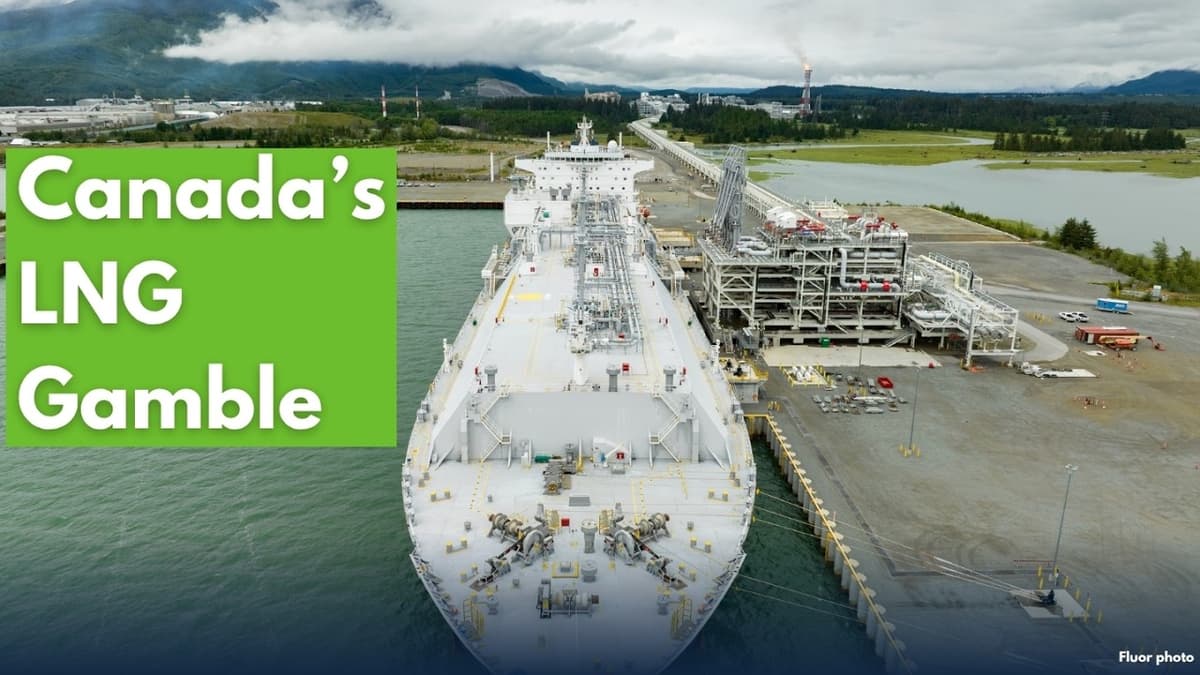
Canada's LNG Gamble Faces Harsh Market Realities
Canadian LNG expansion faces a harsh reality, according to the Pembina Institute’s new report “The LNG Gamble: Separating Hype from Reality.” The study argues that proposed Canadian liquefaction projects confront a rapidly oversupplied global market and weakening demand, challenging the...

US-Iran Deal Won’t End Energy Market Turmoil Any Time Soon
The conversation centers on the pending U.S.-Iran agreement, which experts describe as a memorandum of understanding rather than a binding treaty. Ed Hirs emphasizes the administration’s pattern of fluid, short‑term deals and warns that the lack of a durable...
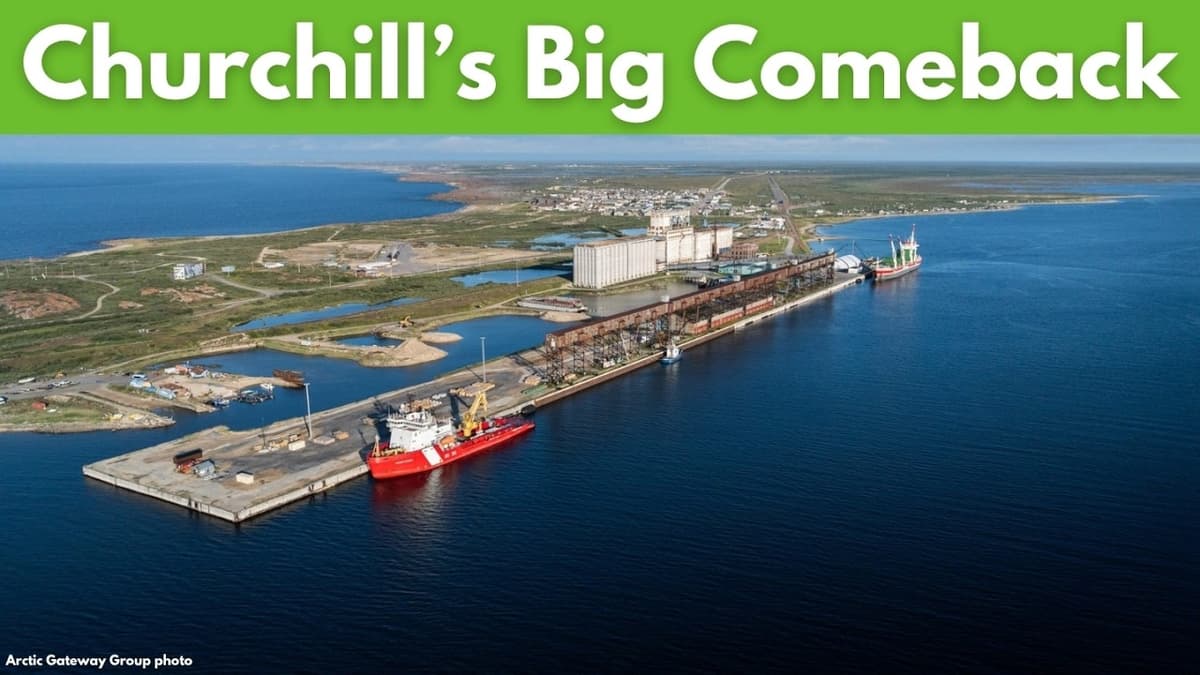
Churchill's Plan to Become Canada’s Major Arctic Trade Gateway
The interview with Chris Avery, CEO of Arctic Gateway Group, focuses on transforming the Port of Churchill into Canada’s primary Arctic trade gateway. Avery outlines how the port, currently operational for four months, could see its ice‑free window expand to...
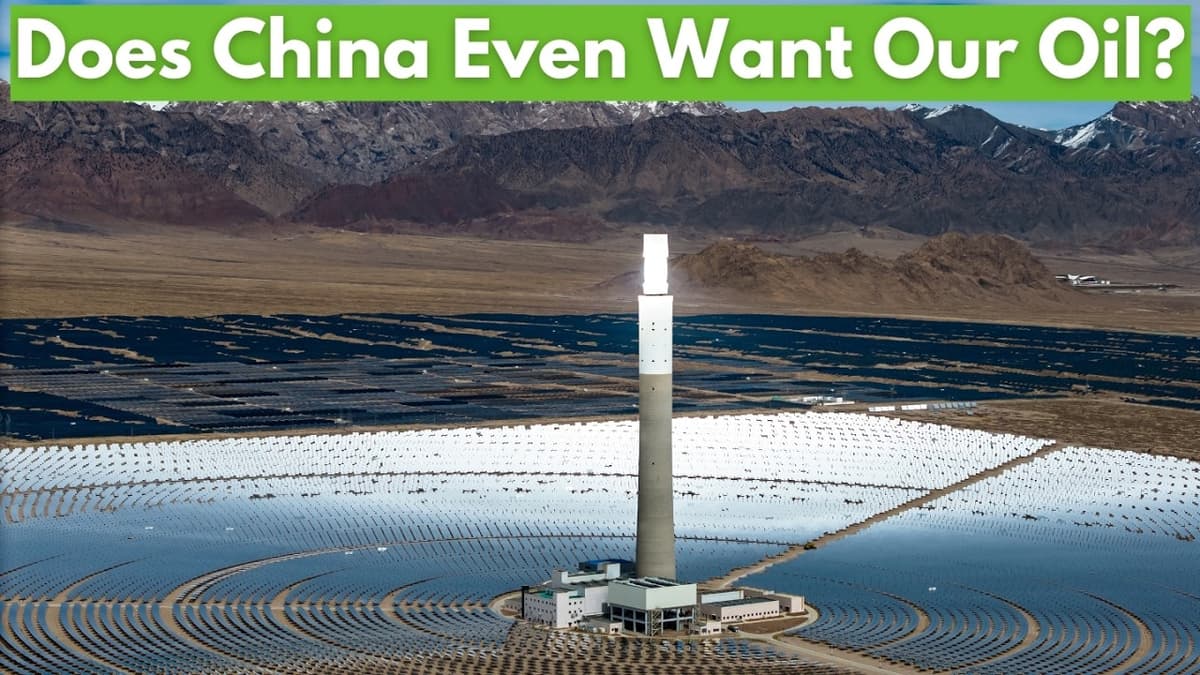
China's EV Revolution Is Reshaping Asian Oil Markets
The video examines how China’s rapid electrification of transportation is fundamentally reshaping oil demand across Asia, casting doubt on the rationale behind new Canadian export pipelines aimed at the Chinese market. While China has long been the world’s largest crude...
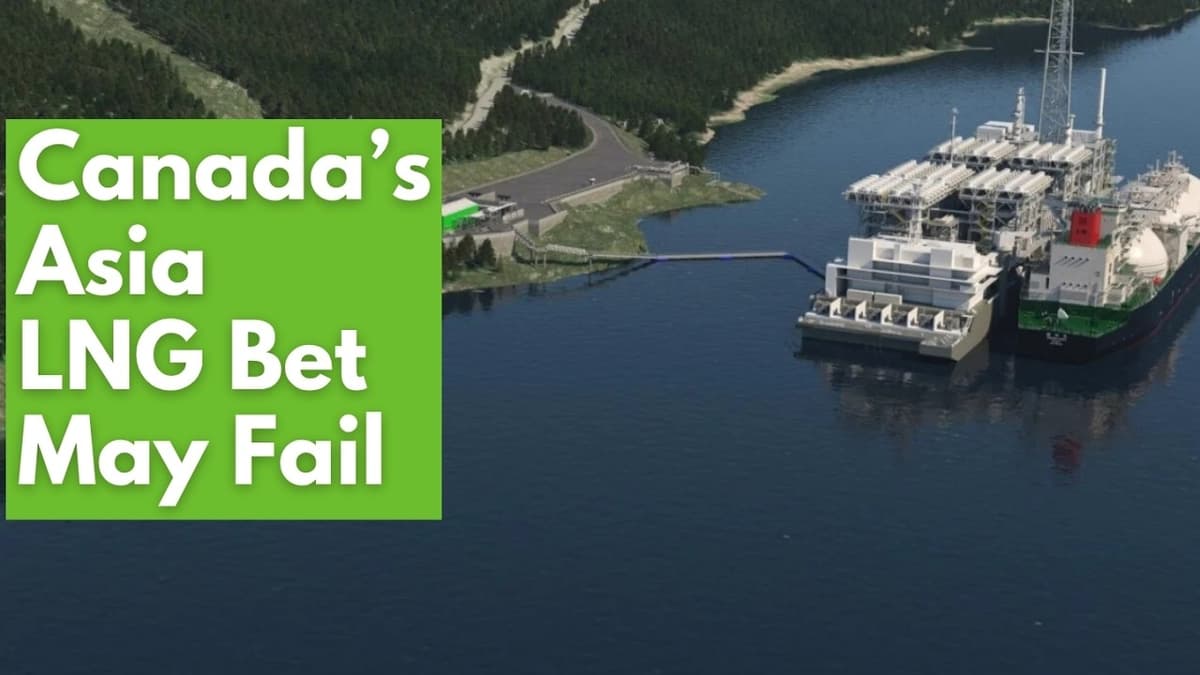
New Study Shows Asia Is Embracing Electrification Faster Than Expected
The new "Electric Asia" report argues that the continent is accelerating its shift to electricity, leaving traditional oil‑and‑gas exporters scrambling. While Canada eyes tens of billions in LNG and crude sales to Asia, the study shows Asian nations are...
Oil Markets Are Being Held Together by Reserves — for Now.
The video examines how global oil markets are being propped up by strategic reserves amid a severe supply crunch. A blockade of the Strait of Hormuz has taken roughly 10‑15 million barrels per day off the market, while Saudi, UAE, Kuwait,...
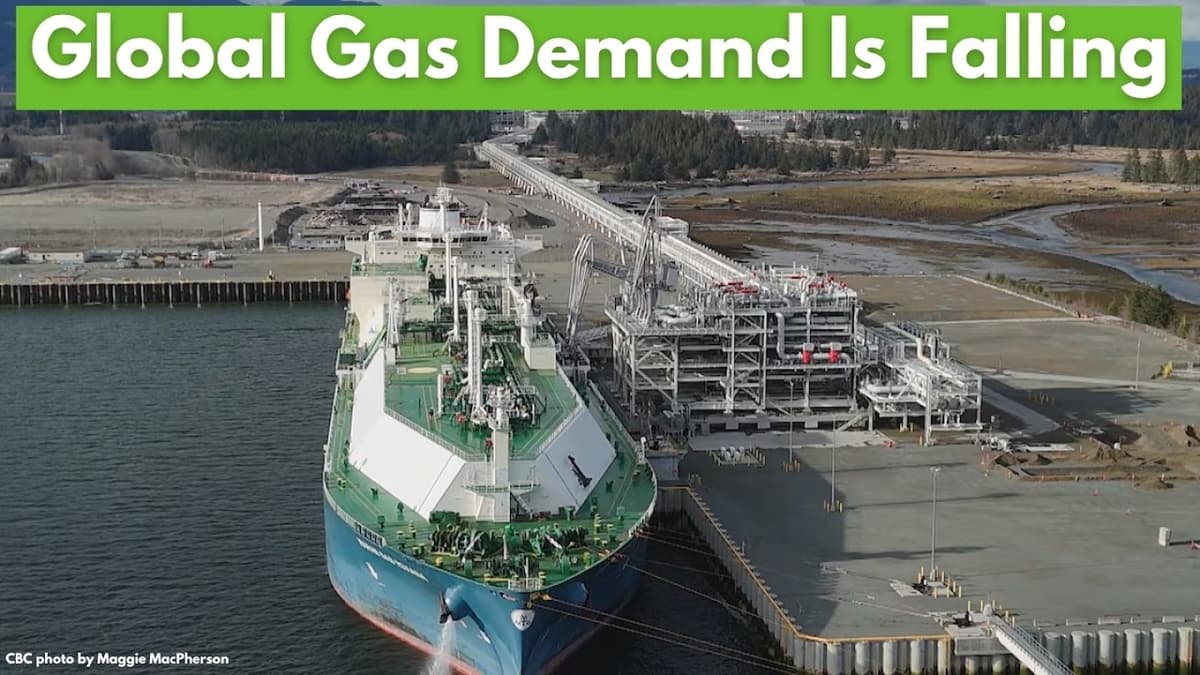
Global Gas Power Nearing Peak as Solar and Batteries Surge
Amber Energy’s new report argues that global electricity generation from natural gas is approaching its peak, as solar and battery storage capture the bulk of new demand. The analysis, presented by analyst Mel Gorscha, examines 25 years of data and...