Founders Are Prone to Experiencing Burnout. Here’s How They Can Get Away From that Trap
Founders face a heightened risk of burnout because their roles combine relentless demand with scarce personal resources. The job‑demands‑resources (JD‑R) model explains how constant pressure fuels exhaustion while a lack of recovery fuels cynicism. Burnout not only harms the founder’s health but also erodes team performance, culture, and innovation. The article outlines five common “landmines,” such as heroic overwork and treating oneself as an infinite resource, and offers practical tactics to prevent the spiral.
Neurobiologists Say This One Simple Lesson Can Help You Lead More Effectively
Neurobiologists highlight two brain systems that shape leadership performance: the analytic network for complex thinking and the limbic system that triggers threat responses. When the limbic system dominates, it creates a "threat state" that suppresses the prefrontal cortex, impairing strategic...

How to Avoid a Common Leadership Trap
Aiko Bethea’s new book, *Anchored, Aligned, Accountable*, exposes a pervasive leadership trap she labels “the bullshit”—defensiveness, ego, perfectionism, people‑pleasing, scarcity thinking, and power misuse. Drawing on her experience with Fortune 100 firms and global nonprofits, Bethea argues that these behaviors erode...
The Hidden Cost of Slow CEO Succession—From a Guy Who Became President in a Weekend
An 29‑year‑old regional sales rep was thrust into the presidency of a $30 million company over a single weekend, later scaling it to $230 million and a 450‑person workforce. The author argues that the rapid, unstructured handoff accelerated growth, whereas traditional slow...

The Leadership Crisis Nobody Is Talking About: Why Your High Performers Might Be Your Most Vulnerable Employees
The article warns that many companies prize relentless output while ignoring the psychological scaffolding needed to keep top talent resilient. It likens high‑performing executives to elite athletes who crumble after a slump because they lack coping frameworks. This hidden erosion...
We’ve Changed What It Means to Be a Manager
Modern Health’s survey of 1,000 U.S. employees reveals that 82% of senior managers find their role harder than ever, with one‑quarter reporting worsening team mental health. AI expectations, job‑security fears and heightened performance demands have driven a 40% rise in...

Many Employees Don’t Trust Their Managers, and This Is What Managers Need to Do to Fix It.
The 2026 Gallup State of the Global Workplace report shows employee engagement has slipped to its lowest level since 2020, costing the world economy roughly $10 trillion in lost productivity. A Gallup survey of a typical team revealed a stark trust...
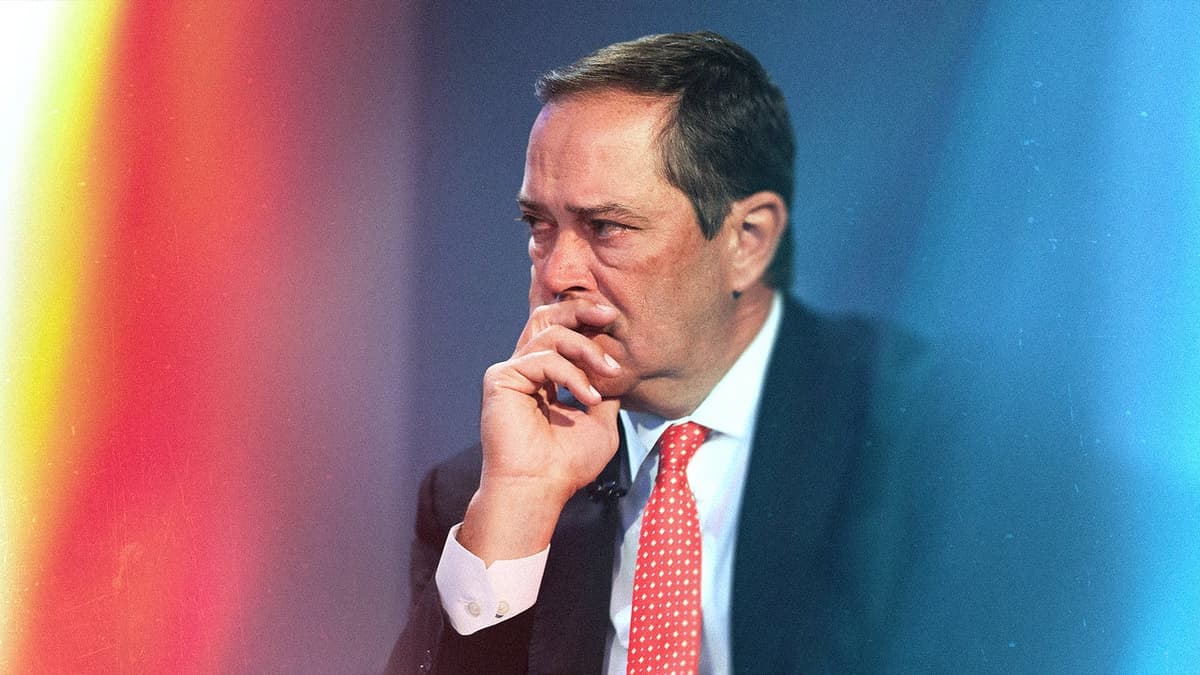
Cisco CEO Chuck Robbins: ‘A Bad Decision that Is Reversed Is Better than a Delayed Decision’
Cisco CEO Chuck Robbins, after more than 11 years at the helm, says a reversed bad decision beats a delayed one. He admitted the company missed the first cloud adoption wave and saw no return from a $320 million silicon acquisition...
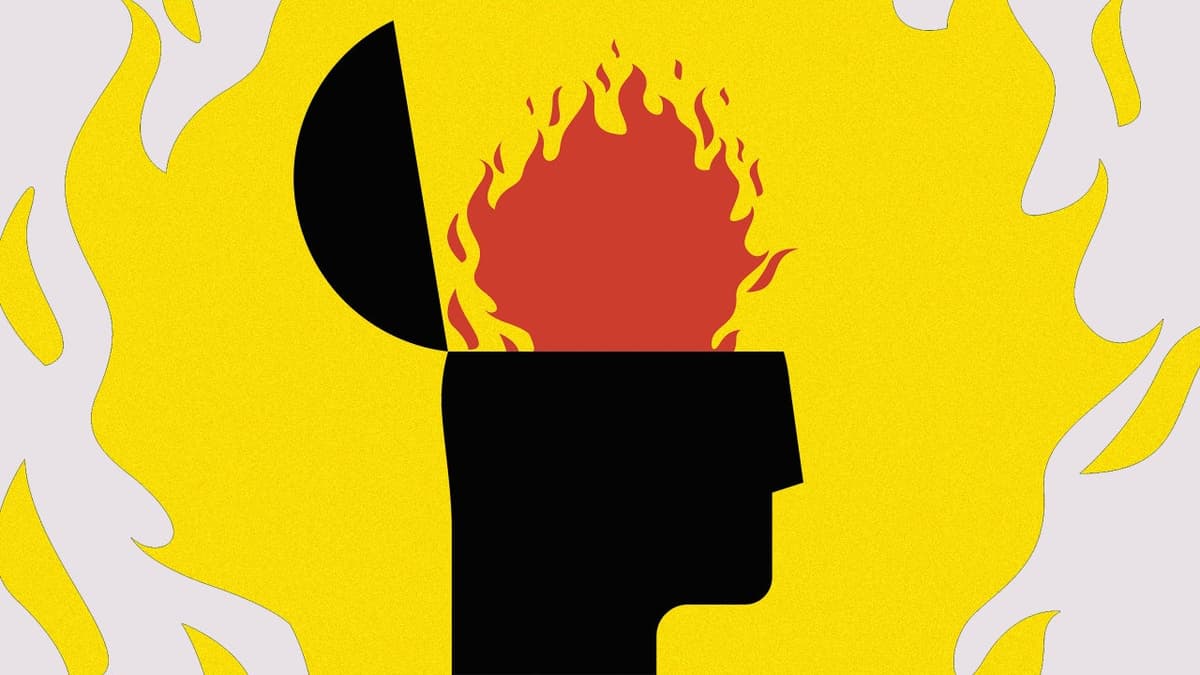
14 High-Achiever Habits that Lead Straight to Burnout
High‑achievers often mistake status‑driven habits for productivity, chasing visible opportunities that fragment focus. The article cites a personal case where saying yes to board seats and advisory roles diluted energy and slowed business growth. By shedding status‑laden commitments and concentrating...

Becoming a Mentally Healthy Leader
The article illustrates mentally healthy leadership by describing how a manager can stay grounded during a mass‑layoff announcement. It highlights recognizing physiological stress signals, distinguishing anxiety from reality, and using breath and present‑moment focus to support oneself and the team....

The Loneliness No One Warns CEOs About
First‑time CEOs often confront an unexpected form of isolation that can erode confidence despite strong performance metrics. A newly appointed CEO described feeling unsure about her suitability for the role within months, even though her team, board, and financial results...

Should You Take a Soft Off Day?
The article examines the growing practice of a “soft off day,” where remote workers handle personal chores or travel while still logged into the company system. It questions whether this habit constitutes time theft or a coping mechanism for burnout‑driven...
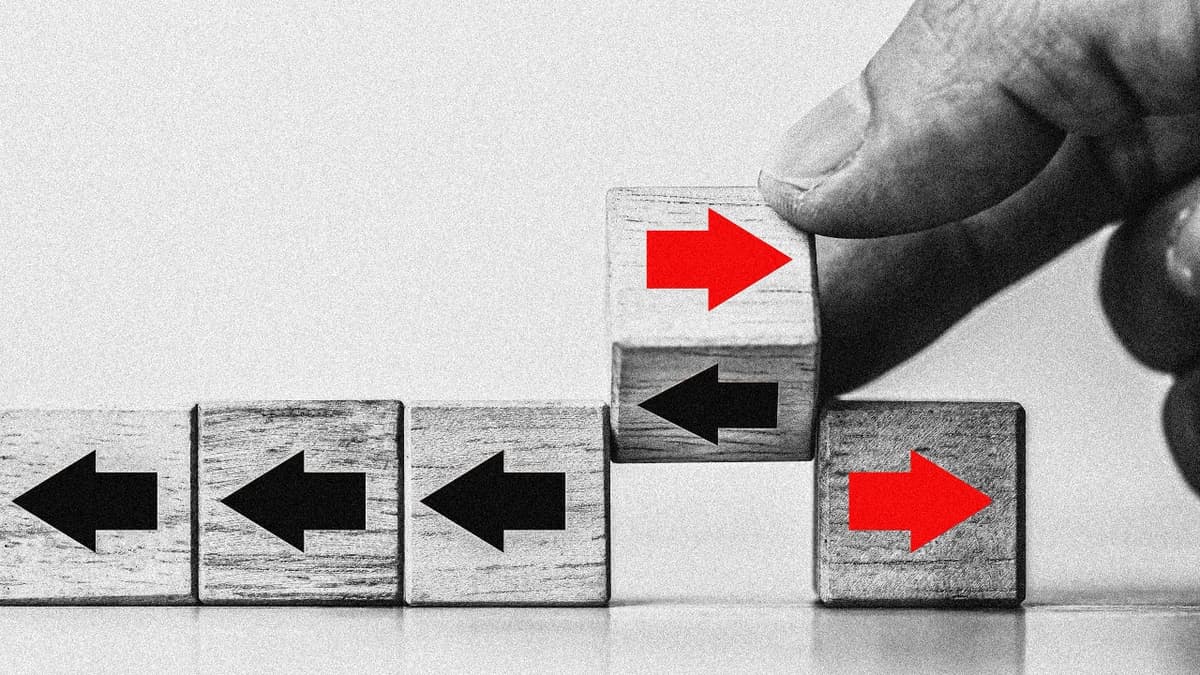
The Three Ethical Traps that Destroy Change Leaders
Anthropic’s January 2026 release of an 84‑page constitution for its Claude AI model shifts focus from static rules to underlying reasoning, highlighting the limits of rule‑based governance. The article connects this approach to the broader challenge faced by change leaders, who...
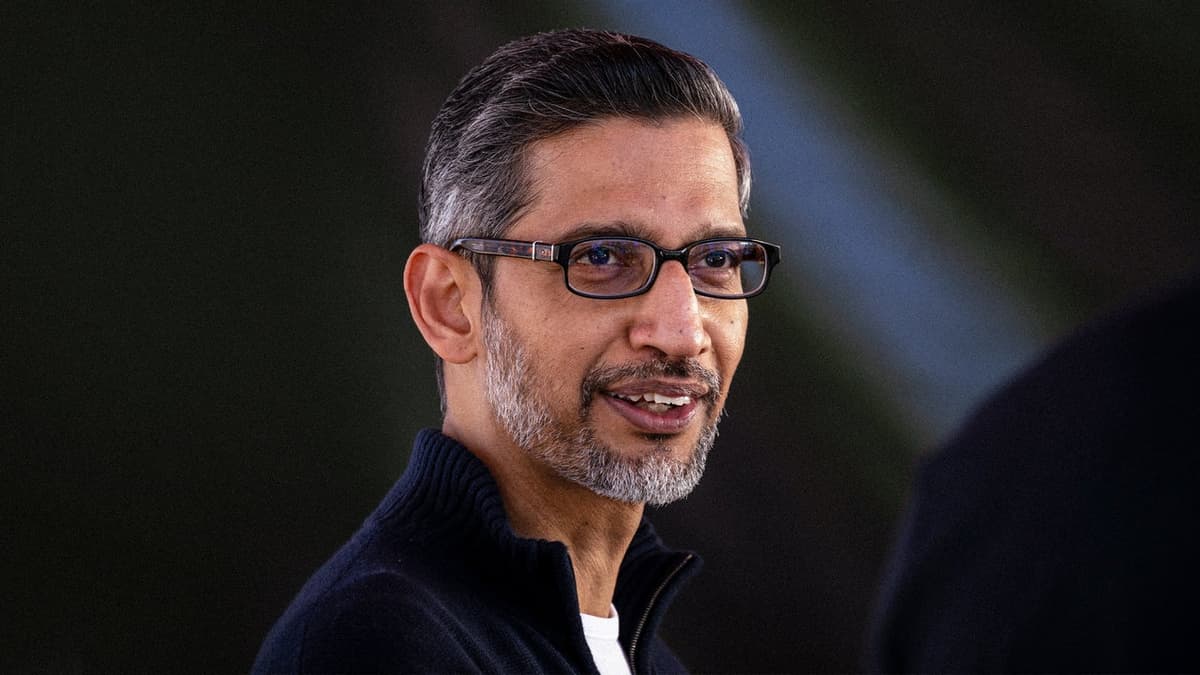
Being a CEO “Is Not that Complicated,” Says Google CEO Sundar Pichai
Google CEO Sundar Pichai told The Verge that the CEO role is "not that complicated" and that AI will soon assist with many decisions. He said AI agents can make more rational choices and free leaders to focus on moving...

Nvidia CEO Jensen Huang Calls AI a “Lazy” Excuse for Layoffs
Nvidia CEO Jensen Huang criticized CEOs who blame recent layoffs on artificial intelligence, calling the narrative lazy and misleading. He highlighted that AI has only recently become productive, making it implausible that companies could have laid off staff two years...