
Burnt-Out Managers Are Destroying Teams. These 5 Daily Habits Reverse It
A growing wave of manager burnout is eroding team performance, with 47% of managers reporting severe stress—higher than the 37% of employees. Research shows managers influence 70% of team engagement, meaning their exhaustion directly harms productivity and well‑being. The article outlines five daily habits that resilient leaders use to reverse burnout, emphasizing visible self‑care, open dialogue, and structured routines. Implementing these habits can restore energy, improve morale, and protect organizational outcomes.

I Interviewed the CEOs of Reddit, Colgate-Palmolive, and 6 Other Top Companies About Leading for the Long Run. Here’s What...
The article surveys eight CEOs, including Reddit and Colgate‑Palmolive, on how they practice long‑term leadership. It uses NASA’s Artemis II mission as a 50‑year case study of conviction turned into structural tenacity across administrations. Colgate‑Palmolive’s CEO highlights the company’s Bright Smiles...

Are You Micromanaging Yourself Out of a Job?
New leaders who cling to micromanagement unintentionally spawn costly escalation cultures, stifling decision‑making and driving turnover. The article cites a $1 trillion annual U.S. turnover cost and $8.8 trillion global productivity loss tied to disengaged employees. As AI pushes task ownership lower,...

John Summit’s Rise From Accountant to DJ
John Summit, formerly CPA John Schuster at Ernst & Young, leveraged his 2020 single “Deep End” to become a globally recognized electronic music DJ and producer. The track’s viral streaming success propelled him onto worldwide festival circuits, culminating in a...

Toxic Bosses Don’t Just Hurt People. They Hurt the Bottom Line
Toxic bosses are a pervasive problem, with 87% of professionals reporting at least one and 57% leaving jobs because of a bad manager. Their behavior erodes psychological safety, stifles creativity, and drives high turnover. In North America, manager‑related attrition accounts...

3 Insights Into the Future of Business From Steven Bartlett
Steven Bartlett, the 33‑year‑old entrepreneur behind the hit "Diary of a CEO" podcast, outlined three forward‑looking business insights during a PwC‑hosted SXSW session. He emphasized hiring "agent maxxers"—specialists who can direct AI agents rather than hiring generic staff. Bartlett warned...

How to Lead when Nobody Knows What’s Coming
CEOs are confronting a rapidly unraveling global trade system, with ships queuing in ports and supply chains destabilized. The core challenge is unprecedented uncertainty, making traditional long‑term planning unreliable. Leaders who cling to certainty often lock their firms into rigid...

Tubi CEO Anjali Sud Shares How to Navigate the Trickiest Leadership Choices
Anjali Sud, CEO of streaming platform Tubi, discussed how leaders can navigate the toughest choices, from balancing risk with innovation to managing uncertainty in a rapidly evolving market. She highlighted the importance of leveraging the creator economy and an ad‑supported...

Inside Reddit: Steve Huffman Gets Candid About Leading the Internet’s Wildest Community
Reddit co‑founder Steve Huffman, now chief executive, sat down with Fast Company to discuss the leadership principles that have guided the platform’s evolution. He highlighted how early experiences as a junior programmer taught him humility and a problem‑solving mindset, and...

The Truth About Being a CEO, According to Alex Cooper
Fast Company’s "The Truth About Leadership" series spotlights Alex Cooper, the former Call Her Daddy host who founded wellness brand Unwell and now serves as its CEO. In a candid video, Cooper strips away corporate buzzwords to describe the day‑to‑day...

Google’s CEO Shares His Leadership Philosophy in an AI World
Google CEO Sundar Pichai outlined his leadership philosophy as the company deepens its AI push. He stresses a dual focus on rapid innovation and responsible, ethical deployment of machine learning. Pichai highlighted internal governance, cross‑team collaboration, and user‑centric design as...

Do You Just Hate Rejection or Do You Have ‘RSD’?
Rejection Sensitive Dysphoria (RSD) is a neurological condition that triggers severe, physical emotional pain when a person perceives rejection or criticism. It commonly co‑occurs with ADHD, reflecting childhood experiences of heightened scrutiny. In the workplace, RSD can dominate daily interactions,...

The Humiliation Cycle: How Leaders Accidentally Weaponize Their Competition Against Them
Stack ranking, popularized in the 1980s by CEOs like Jack Welch, forces employees into top, middle, and bottom tiers, with the lowest group often dismissed. Despite extensive research showing it harms morale and productivity, many leaders cling to the practice,...

11 Ways to Make Leadership Skills Contagious
The article outlines 11 habits that make leadership skills contagious, framing them as "leadership prowess" – a mindset that encourages team growth. It cites a 2022 study showing that leaders who act with curiosity create a safe environment for interpersonal...

Meet the Cover Stars of Fast Company’s Most Innovative Companies Issue
Fast Company’s latest "Most Innovative Companies" issue spotlights a diverse set of cover stars, including Google, Proximity Media, Reddit, Unwell, and Tubi. The publication frames innovation as a continuous discipline rather than a fleeting spark, highlighting how each company translates...

Looking for a Co-Founder? Don’t Draw From This Pool
A new study of 350 U.S. tech IPOs and over $1 billion in exits finds that founders who choose co‑founders from familiar circles underperform. Teams with prior work relationships generate 21% lower exit valuations, and those who attended school together see...

Only 7% of Leaders Get This Right—And Their Teams Outperform Everyone Else
The FranklinCovey Institute’s new survey reveals that only 7 % of managers are rated highly on both demanding performance and caring for their people. Those “Expect a Lot, Care a Lot” leaders generate dramatically higher engagement, with 43 % of their reports...

Is Leadership Dead? 7 Ways to Revive Its Branding in Your Organization
Traditional leadership titles are losing appeal among Gen Z and younger millennials, with only 6 % prioritizing senior roles and 74 % favoring autonomy over people‑management. This shift reflects their observation of previous generations enduring relentless work cycles, economic downturns, and stagnant pay,...

Our Whole Way of Thinking About Leadership Is a Century Out of Date
The piece argues that today’s leadership paradigm is still rooted in Frederick Winslow Taylor’s early‑20th‑century scientific management, which treats employees as costs and relies on fear‑based control. Although modern work now hinges on judgment, creativity, and collaboration, many organizations continue...

How to Grow at Work when Your Manager Won’t Give You Feedback
Senior professionals often experience a sharp decline in feedback as they climb the corporate ladder, a pattern highlighted by Amy Edmondson’s research on authority bias and reduced transparency. Without regular input, leaders can lose the reassurance that once guided their...

Exclusive: SharkNinja Is Paying Employees $1 Million to Experiment with AI
SharkNinja has earmarked $1 million for a new internal AI‑innovation program called “Jailbreak.” Each week a cross‑functional panel awards winning employees cash prizes ranging from $2,500 to $25,000, with a $100,000 grand prize at year‑end. The initiative joins a growing wave...

Sleep Is the New Management Flex
The article argues that sleep, once dismissed as a luxury in startup culture, is now emerging as a strategic asset for leaders. With burnout at record levels in 2026, executives are re‑framing rest as essential infrastructure for decision‑making, creativity, and...

What Happens to Middle Management when AI Flattens Your Organization?
The so‑called Great Flattening sees AI‑driven layoffs targeting middle management, with Amazon leading a corporate streamlining push. Agentic AI tools can execute complex workflows, prompting firms to cut managerial layers to cut costs and speed decisions. Analysts project that by...

Expedia CEO Ariane Gorin on Turning AI Into a Competitive Advantage
Expedia CEO Ariane Gorin outlined a three‑part artificial‑intelligence strategy aimed at turning AI into a core competitive advantage. The plan focuses on enhancing travel products, streamlining operations, and equipping employees with AI‑driven “superpowers.” Gorin highlighted how generative models can personalize...

We All Made Epstein Island Possible
The article argues that Jeffrey Epstein’s crimes were enabled by normalized institutional cultures rather than isolated actions of a single individual. It highlights how elite organizations—academia, finance, and global forums—repeatedly praised Epstein, creating an environment where warning signs were ignored....

What Does ‘Sawabona’ Mean? And Why Does It Matter to Your Team?
The article argues that being truly seen at work fuels belonging, which in turn drives engagement and performance. Deloitte’s Global Human Capital Trends shows 79 % of firms value belonging, yet few feel equipped to deliver it. Hitachi Energy’s Nina Bressler...

Your Employees Aren’t Lazy, They’re Afraid
Employees often appear lazy or resistant, but neuroscience shows they’re actually in threat mode due to change fatigue. The amygdala treats reorganizations, AI rollouts, or new leadership as physical danger, shutting down the pre‑frontal cortex and narrowing focus. Gallup’s 2025...

Why ‘Bringing Your Whole Self to Work’ Is a Trap, Especially for Women
The “bring your whole self to work” mantra has become a popular shorthand for inclusion and psychological safety, yet its practical meaning remains vague. In reality, the concept often asks employees, especially women, to expose personal identities without corresponding structural...

3 Science-Backed Ways to Practice Optimism at Work (that Aren’t Phony or Forced)
Optimism often feels forced in corporate settings, leading to heightened stress and reduced cognitive performance. Clinical research shows that suppressing negative emotions keeps the nervous system in a threat state, limiting prefrontal cortex activity essential for planning and decision‑making. The...

Why Blended Workforces Fail without This New Kind of Leadership
Organizations are shifting to an "agentic" blended workforce that mixes permanent staff, freelancers, contractors, and AI agents, delivering rapid skill access and demand‑driven scaling. This model promises flexibility and resilience but exposes a leadership gap, as traditional management struggles to...

Women Are Still Being Badly Overlooked in Hiring
Despite advances in analytics and AI, many firms still miss top leadership talent, especially women. Women now comprise over half the workforce, earn most higher‑education degrees, and score higher on emotional intelligence, collaboration and integrity. Yet executive pipelines narrow sharply...

Self-Discipline Can Be Your Worst Enemy
Val Blair’s near‑fatal mountain incident revealed how relentless self‑discipline can become a health liability. Executives and athletes alike often equate tighter control with higher performance, yet research links over‑control to depression, OCD, and burnout. Psychologists and coaches observe that high‑achievers...

Are You Using ‘Authenticity’ as an Excuse Not to Grow? Here Are some Signs that You Are
Authenticity is praised as a leadership cornerstone, yet senior executives often weaponize it to sidestep growth. The article shows how leaders like Meg label development requests as inauthentic, using extreme descriptors to reject feedback. By reframing authenticity, leaders can adopt...

5 Ways Leaders Lose the Room without Realizing It
Leaders often mistake a polished slide deck for effective communication, leaving the room disengaged and ideas unabsorbed. The article highlights how the illusion of alignment can cause meetings to feel empty, even when time and resources are invested. It outlines...

How Leaders Can Make Ethical Choices when the Rules Fall Short
Leaders face a shifting ethical landscape as regulations and ESG standards fluctuate worldwide. Relying solely on legal compliance can create blind spots, allowing lawful but ethically questionable actions. The World Economic Forum highlights three signals of such flawed practices, urging...

Science Shows Well-Being Drives Performance. It’s No Longer Even a Debate
Recent research confirms that employee well‑being is a measurable driver of performance, echoing Gallup’s 2015 warning that CEOs often ignore HR culture. Only about one‑in‑four American workers feel their employer genuinely cares, a figure unchanged since pre‑pandemic lows. The author’s...

The Real Reason Your Team Is Frustrated by Feedback (and How to Fix It)
Team frustration often stems from vague expectations rather than lack of effort. When leaders fail to articulate what success looks like, employees invest energy in the wrong direction, eroding trust and collaboration. This misalignment becomes more common as roles shift...

Why Leaders Need to Stop Confusing Transparency with Clarity
Leaders often equate transparency with effective communication, but the two serve different purposes. Transparency builds trust by sharing information, while clarity provides the focus needed for action. A case study shows that a manager who combined honest updates with a...

How AI Could Kill the Return to Office
Executives are pushing return‑to‑office (RTO) mandates even as they pour billions into AI initiatives that automate tasks traditionally done on‑site. Recent research shows RTO does not improve productivity, innovation, or team cohesion, but it does erode morale and increase turnover....

Firing the CEO Is the Wrong Answer, Ask Sean McDermott
The article likens the NFL’s habit of firing coaches to the surge in CEO dismissals, noting that 2025 saw one in nine CEOs replaced across 1,500 large firms. It argues that removing a top executive rarely resolves deeper systemic flaws...

The Case for Being Exclusive at Work
The article argues that deliberately excluding certain customers and employees through values‑based repelling and explicit audience definition can strengthen brand loyalty, reduce misalignment, and cut costs. Broad messaging often leads to disengaged staff, wrong‑fit customers, and wasted resources. Patagonia’s “Don’t...

I Founded 1-800-Flowers.com 50 Years Ago. This Is the Secret to Business Success
The founder of 1‑800‑Flowers.com marks a 50‑year milestone, attributing the company’s endurance to deep, trust‑based relationships rather than just capital or strategy. Starting as a modest Manhattan flower shop in 1976, the business expanded into a national brand by consistently...
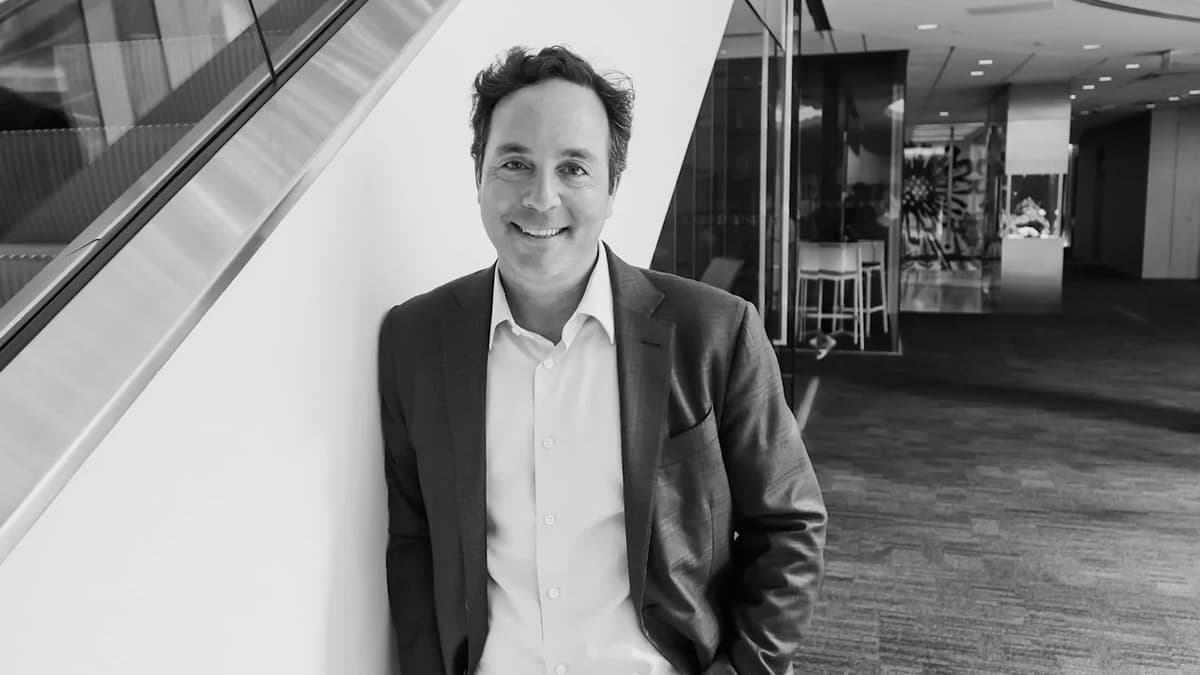
Match Group CEO: Public Performance Reviews Build ‘a Culture of Transparency’
Since taking the helm in early 2025, Match Group CEO Spencer Rascoff has launched a transparency‑driven culture overhaul, including a public employee feedback channel that he reads and answers personally. The initiative has generated more than 300 messages, prompting actions...

Why (and How) the Smartest Leaders Encourage Failure
Jeff Bezos argues that growing failures are essential for breakthrough innovation. While 92% of CEOs list innovation as a top priority, over 90% admit they perform poorly at it, largely due to fear of failure. The article outlines five actionable...