
The Race for the Next U.N. Chief Kicks Off
The United Nations has launched the first interactive dialogues for the next secretary‑general, grilling four officially nominated candidates in three‑hour livestreamed sessions. Argentine diplomat Rafael Grossi, head of the IAEA, emerged as the clear front‑runner, even answering in French to signal diplomatic nuance. The process now moves to the Security Council, where secret straw polls beginning in July will require the backing of all five permanent members. Regional dynamics are intense, with Latin America and the Caribbean lobbying for a candidate from their bloc amid a U.S. funding impasse that leaves the UN $4 billion in arrears.

What if China Succeeds?
Matthew Kroenig argues that a China defined as successful by the CCP would upend the liberal international order the United States built after World War II. He outlines how Beijing would dismantle U.S. security alliances in Asia, force Taiwan’s unification, and...

Who Will Next Lead the United Nations?
The United Nations is narrowing its search for a new secretary‑general, with IAEA chief Rafael Grossi emerging as the front‑runner alongside former Chilean president Michelle Bachelet, Costa Rican economist Rebeca Grynspan, and ex‑Senegal president Macky Sall. Meanwhile, President Donald Trump announced an indefinite extension...

China Doesn’t Always Win When the U.S. Loses
U.S. involvement in the Iran war has sparked speculation that China will emerge as a clear winner, but Foreign Policy argues the outcome is far more nuanced. While Beijing may benefit from diminished U.S. credibility among allies, its gains are...

Russia Is Making Bank on Trump’s Iran War
Russia’s oil earnings surged to a two‑year peak in March as the Trump‑led war with Iran pushed global crude prices up more than 50 %. Daily fossil‑fuel revenues hit roughly $777 million and tax receipts topped $8 billion for the month, driven by...

The World Is Paying the Price for America’s War
The United States’ war with Iran has pushed global oil and gas prices up more than a third, but American consumers feel only modest price increases while the rest of the world bears steep cost spikes. Polls show most Americans...

The Strategic Aftershocks of Trump’s Iran War
President Trump’s preventive war on Iran has already driven up oil and gas prices, sparked an IMF‑cautioned recession risk, and cost 13 U.S. service members plus hundreds of casualties. Beyond the immediate toll, the conflict threatens to erode the U.S.–led...

Can Trump Export Zambia’s HIV Success?
Zambia’s Southern Province has transitioned PEPFAR HIV funding from NGOs to direct government financing, creating a resilient clinic network that withstood President Trump’s abrupt aid pause. The shift lowered per‑patient costs from $79 in 2021 to $44 in 2024 while...

Iran Says Strait of Hormuz Is ‘Completely Open’
Iran announced the Strait of Hormuz is "completely open" following the Israel‑Hezbollah cease‑fire, but Washington reiterated its naval blockade, citing unfinished transactions with Tehran. The U.S. Central Command reported 19 ships intercepted since the blockade began, underscoring lingering tension. Oil...

Did London’s Dirty Money Really Kill a Teenage Fantasist?
Patrick Radden Keefe’s new book *London Falling* expands a 2024 *New Yorker* piece into a tragic true‑crime narrative. It follows the 2019 suicide of 19‑year‑old Zac Brettler, a London teenager who fabricated ties to Russian oligarchs and a £850,000 (≈$1.09 M) bank balance that...

Republicans Twiddle Their Thumbs on Iran as Democrats Seethe
Republican leaders in the Senate remain evasive about President Trump’s unauthorized war against Iran, offering few concrete answers on strategy, costs, or a vote to extend hostilities beyond the 90‑day War Powers limit. The administration is pressing for a $450 billion...

Ukraine’s Success Still Needs Troops More Than Robots
Ukraine’s war effort remains anchored in manpower despite advances in drones and unmanned ground vehicles. The armed forces now count roughly 900,000 active personnel, but morale is eroding as up to 150,000 soldiers are reported missing or AWOL. Russian propaganda...

Can the Arctic Council Survive?
The Arctic Council is grappling with a leadership vacuum after Greenland’s foreign minister resigned, leaving the rotating chairmanship unfilled. Simultaneously, renewed U.S. interest in Greenland and lingering Russia‑Ukraine tensions have heightened geopolitical pressure on the intergovernmental forum. Despite these strains,...

Pakistan Keeps Pushing for Peace
Pakistan hosted the latest round of U.S.–Iran talks in Islamabad, marking the first high‑level face‑to‑face negotiations between the rivals in decades. Although the talks did not produce an immediate cease‑fire agreement, the event gave Islamabad a diplomatic win, boosting its...

Prabowo’s Russian Roulette
Indonesian President Prabowo Subianto travelled to Moscow and struck a deal with Vladimir Putin to deepen energy cooperation, while simultaneously signing a U.S. defense agreement that could grant American aircraft overflight rights. The dual‑track outreach underscores Indonesia’s long‑standing “row between two...

Why Did China Buy Up the World’s Ports?
China’s state‑run agencies and SOEs have financed 363 port projects worth roughly $24 billion across 168 ports in 90 countries since 2000, creating a global maritime network that blends commercial returns with strategic leverage. The AidData report shows that about 35%...

Cheap Drones Complicate the Gulf’s AI Boom
Drone strikes on Amazon Web Services facilities in the UAE and Bahrain exposed the physical fragility of Gulf data centers, prompting a reassessment of AI infrastructure security. Gulf states continue to pour billions into compute projects such as the 200 MW...

Israel, Lebanon Hold Rare U.S.-Mediated Peace Talks on Hezbollah
Israel and Lebanon convened in Washington for a rare, U.S.-mediated dialogue aimed at ending the Hezbollah‑driven conflict that has claimed over 2,000 Lebanese lives and displaced a million people since early March. Both governments agreed to pursue direct, U.S.-brokered negotiations,...

On Iran, China Softens Its Approach
China has softened its diplomatic tone amid the Strait of Hormuz crisis, opting for measured calls for stability rather than the confrontational wolf‑warrior rhetoric of recent years. The shift coincides with an extensive purge of senior PLA officers, removing roughly...

How to Navigate a Rogue America
Harvard professor Stephen M. Walt argues that the Trump administration has turned the United States into a predatory, rogue‑like power, abandoning soft‑power diplomacy for zero‑sum tactics such as tariffs, defense‑burden demands, and unilateral territorial ambitions. He contends this behavior erodes...

Keep Humans in the Loop
A recent U.S. airstrike on an Iranian elementary school that killed at least 175 civilians may have involved AI‑driven targeting tools such as the Pentagon’s Maven system. The article argues that outdated data fed to large‑language models can cause misidentification...

U.S. Military Imposes Blockade on Iranian Ports in Strait of Hormuz
The U.S. Navy activated a full‑scale blockade of every Iranian port and coastal facility along the Strait of Hormuz on Monday, after President Donald Trump warned any ship approaching would be destroyed. The action follows failed peace talks in Islamabad...
How to Prevent 9 Million Deaths
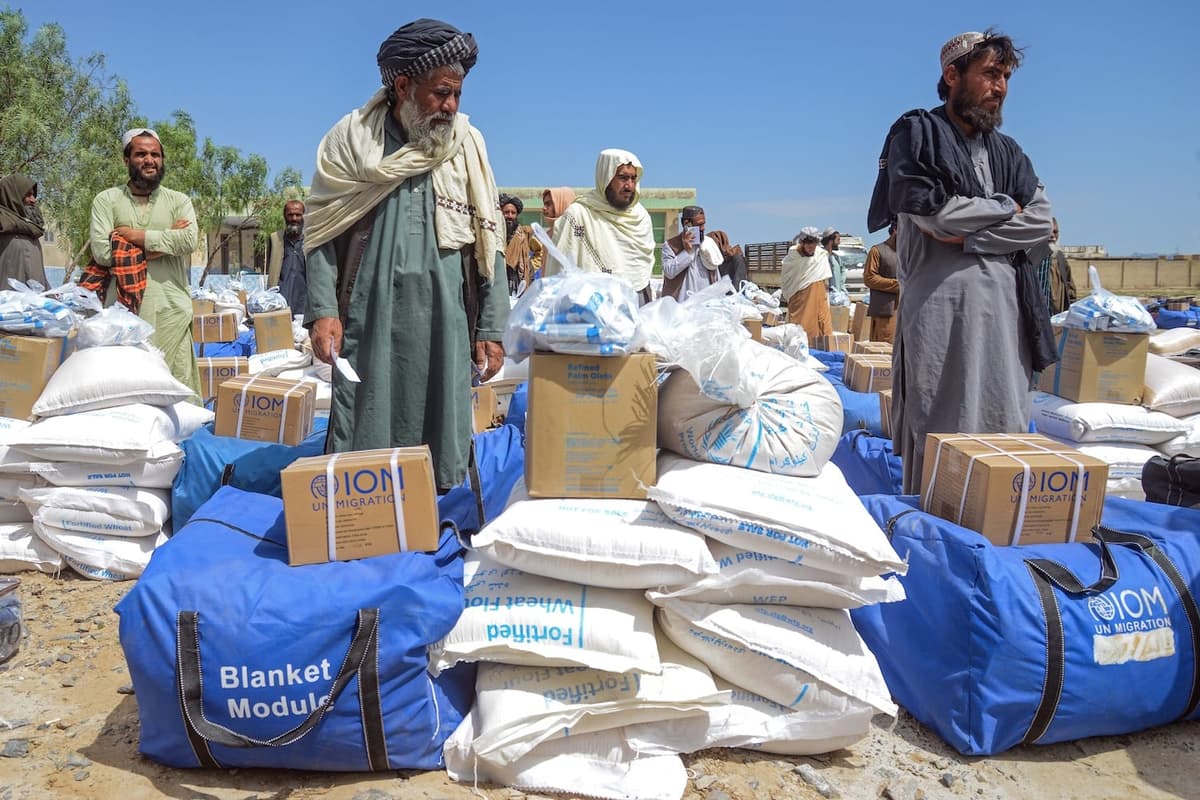
International aid from wealthy nations plunged 23.1% in 2025, withdrawing roughly $40 billion— the steepest one‑year drop on record. The cuts triggered immediate humanitarian crises, exemplified by 136,000 refugees in Kenya’s Kakuma camp losing food assistance and 54 children dying of...

The Iran War’s Agriculture Shock Isn’t Over Yet
A tentative cease‑fire between the United States and Iran has not reopened the Strait of Hormuz, leaving energy and fertilizer shipments in limbo. Urea fertilizer prices have surged about 40%, while global fuel costs continue to climb, pressuring agricultural production...

Pakistan Walks a Tightrope on Iran
Pakistan is walking a diplomatic tightrope, mediating a U.S.-Iran cease‑fire while bound by a September‑2025 defense pact with Saudi Arabia. The pact formalizes military coordination and secures Saudi loans, deferred oil payments, and investment that Pakistan desperately needs amid its...

Meme Wars
President Donald Trump threatened Iran with strikes over the Strait of Hormuz, then abruptly announced a two‑week cease‑fire, prompting a wave of AI‑generated memes from Iranian embassies. Tehran’s diplomatic accounts in Zimbabwe, Thailand, South Africa and India used humor and...

This Isn’t a 1970s Oil Shock
The Iran war has turned the Strait of Hormuz into a critical bottleneck for both crude oil and liquefied natural gas, pushing oil prices up about 40% in six weeks and affecting roughly 20% of global oil consumption and 25%...

A New Legal Blow to the U.K.’s Chagos Islands Deal
A UK Supreme Court ruling has overturned the ban on Chagossians living on the outer islands of the Chagos Archipelago, challenging the legal basis of Britain’s 2024 agreement with Mauritius to transfer sovereignty while leasing Diego Garcia for 99 years....

The Energy Crisis Won’t End Right Away (Even if the Iran War Does)
The U.S.–Iran cease‑fire sparked a rapid drop in crude prices, but analysts warn the energy crunch will linger for months. Production, refining and export capacity lost in March‑April cannot be quickly rebuilt, keeping diesel, jet fuel and fertilizer costs elevated....

5 Unanswered Questions on the U.S.-Iran Cease-Fire
The United States and Iran announced a two‑week cease‑fire, with Israel reluctantly joining, but major questions remain. Negotiations will begin in Islamabad on Saturday, led by Vice President J.D. Vance, envoy Steve Witkoff and Jared Kushner, while President Trump says...

Beijing Is Trying to Break U.S. Narratives Over Taiwan
Taiwan’s opposition Kuomintang (KMT) chair Cheng Li‑wun led a delegation to Beijing from April 7‑12, meeting President Xi Jinping in the first KMT visit to China in a decade. Beijing framed the trip as a chance to promote the 1992 Consensus and argue...

How Pakistan Helped Secure a Cease-Fire in Iran
Pakistan emerged as the chief mediator in a two‑week U.S.–Iran cease‑fire, leveraging its ties with Tehran, Riyadh, China and the United States. A five‑point peace proposal from Beijing bolstered Islamabad’s diplomatic push, and Prime Minister Shehbaz Sharif has invited both...

Will Trump Attack or TACO?
U.S. President Donald Trump gave Iran a deadline of 8 p.m. EDT Tuesday to agree to a cease‑fire and reopen the Strait of Hormuz, warning that failure would trigger U.S. strikes on Iranian civilian infrastructure. The White House justified the threat...

The Iran War Is Exposing Iraq’s Weaknesses
The Iran‑Israel‑U.S. conflict is spilling into Iraq, turning the country into a de‑facto secondary battlefield. Recent drone strikes on the U.S. diplomatic hub in Baghdad and the kidnapping of journalist Shelly Kittleson underscore Baghdad's limited control over its own territory....
Why Energy Has Become a Foreign-Policy Weapon
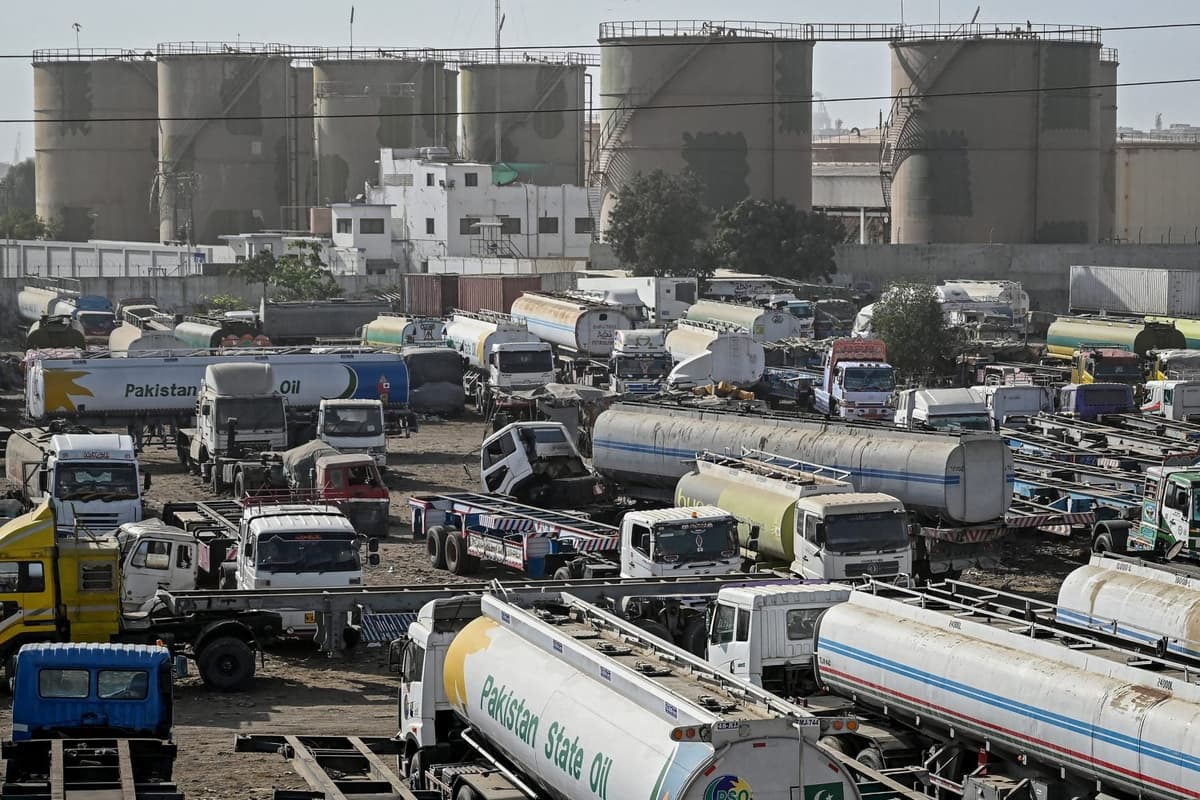
The article argues that energy has re‑emerged as a potent foreign‑policy weapon, highlighted by Iran’s blockade of the Strait of Hormuz which removes roughly 10 million barrels of oil and 20% of global LNG capacity from the market. Prices have surged—oil...
Trump Is Attacking Iranians, Not Just Iran
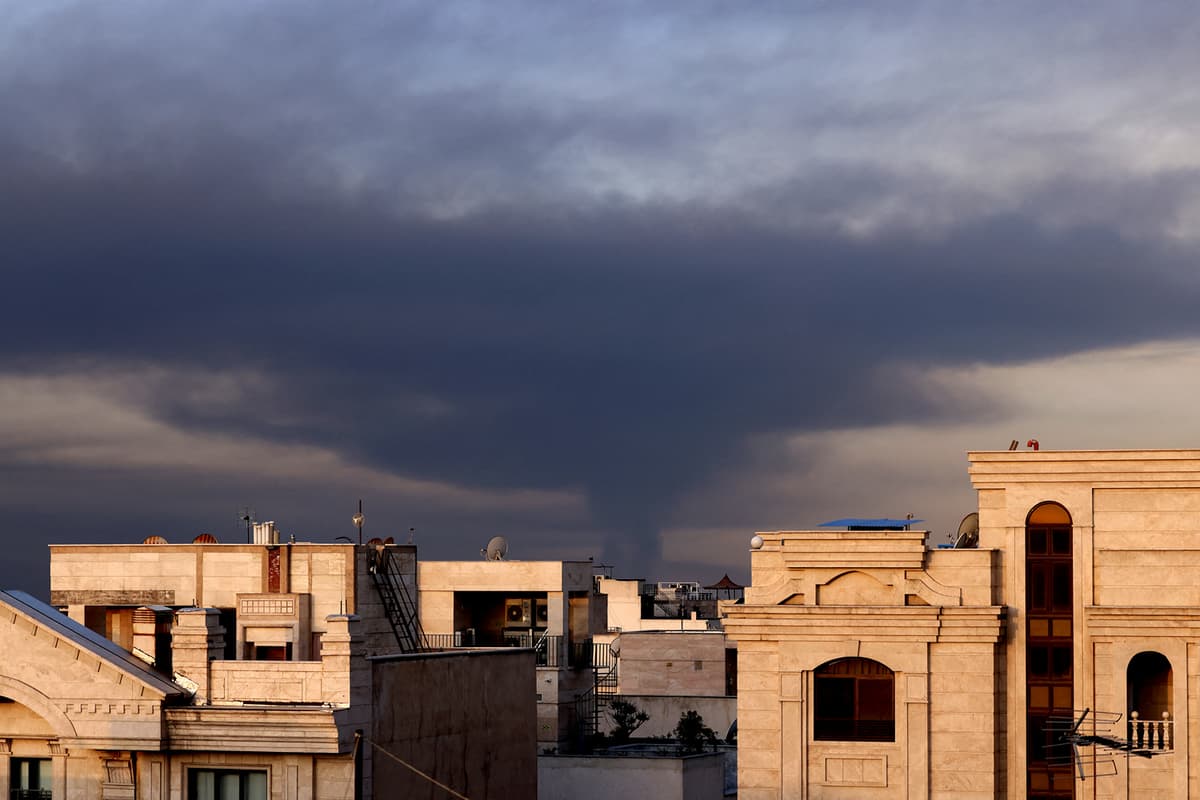
President Donald Trump’s threats to “send Iran back to the Stone Ages” have materialized in a U.S.–Israel air campaign that targets not only military sites but also civilian water, power, and transport infrastructure. The strikes have killed civilians, crippled desalination...
Preventing an Iranian Bomb Is Only Getting Harder
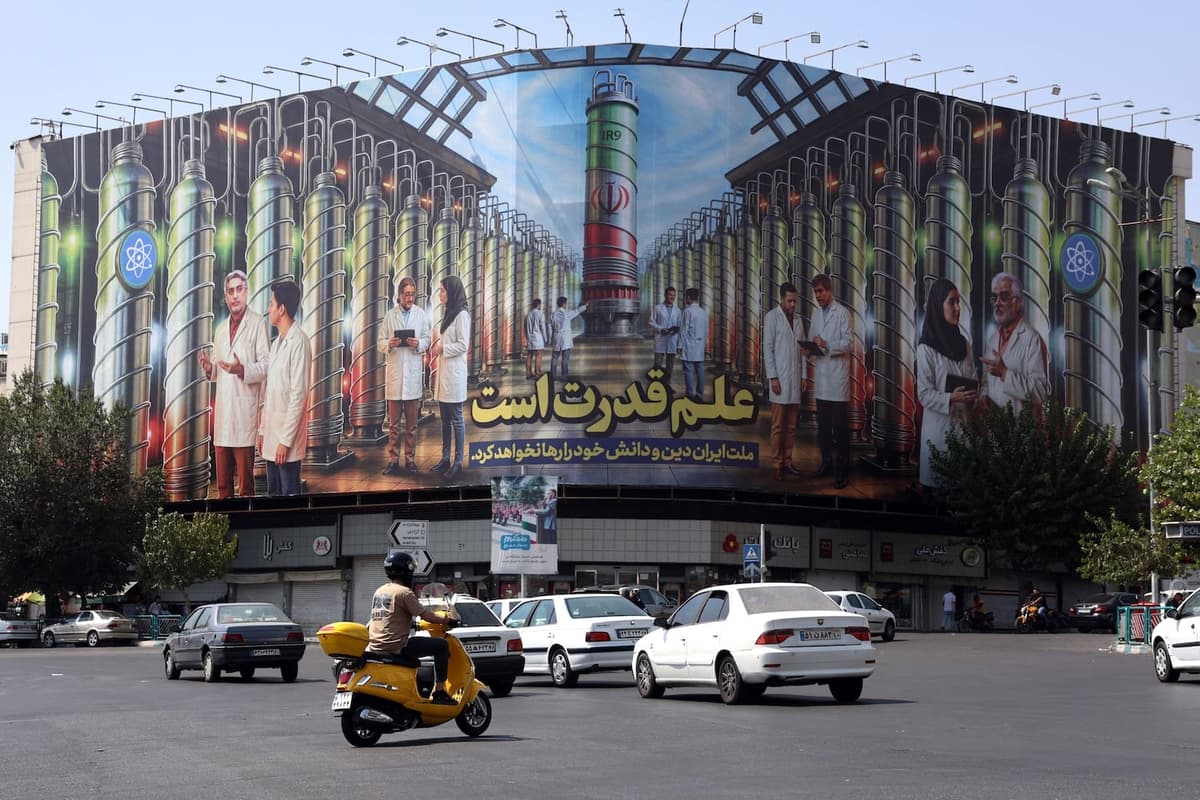
The ongoing war has left Iran’s nuclear program largely intact, with more than 400 kg of highly enriched uranium still hidden underground. After the death of Supreme Leader Ali Khamenei, his son Mojtaba Khamenei, a hard‑line figure backed by the IRGC, assumed...
The War Will End With a Hormuz Toll Booth
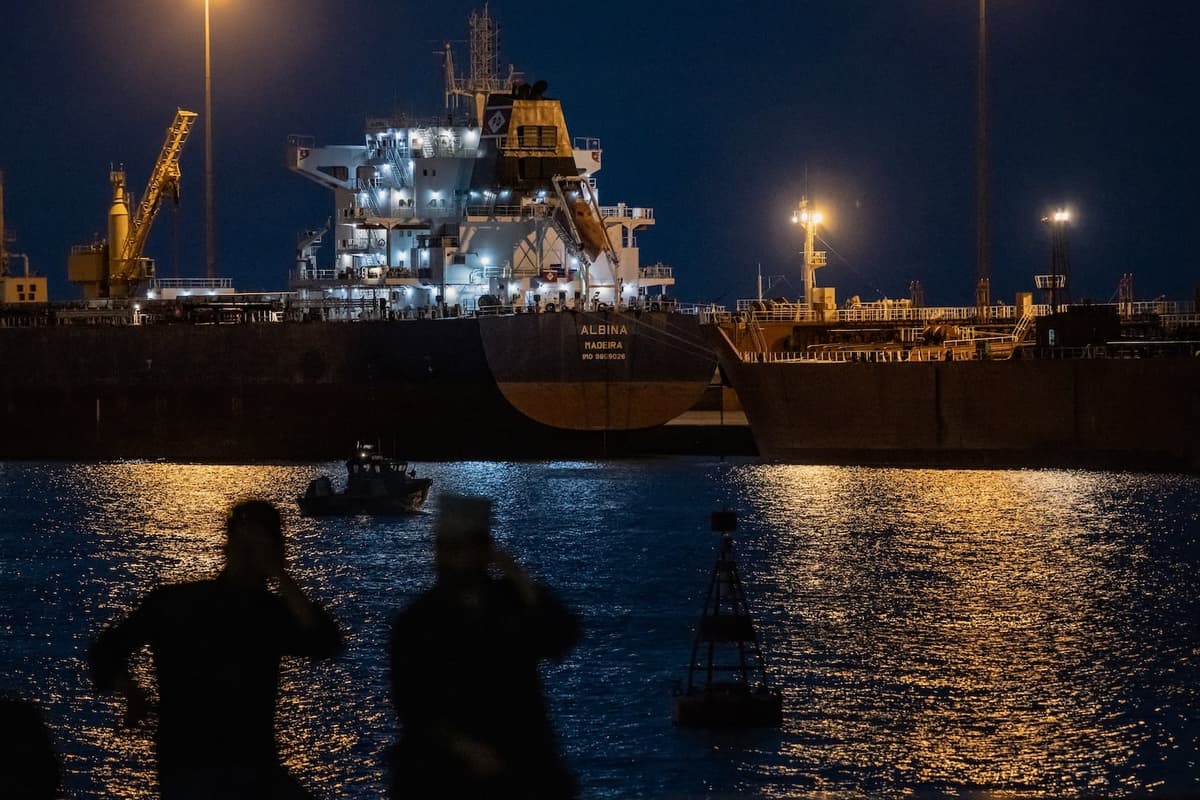
After months of conflict, Iran has begun operating a de‑facto toll booth in the Strait of Hormuz, collecting fees from vessels, some in yuan. Tehran is pushing a formal Iran‑Oman transit authority that would levy a modest $500,000 fee per...

The Gulf’s Wartime Unity Is Unraveling
The Gulf’s initial wartime unity against Iran’s attacks has begun to fracture as the conflict drags on. Qatar and Oman are championing diplomatic restraint, while the United Arab Emirates advocates direct military action, and Saudi Arabia, Kuwait and Bahrain adopt...

Trump’s New Cyber Strategy Is Catnip for Beijing
President Trump unveiled a six‑pillar national cyber strategy that puts offensive operations at the core of U.S. deterrence. The plan pairs aggressive hacking with deregulation of cyber and data rules, aiming to streamline compliance but potentially eroding baseline security. Beijing...

How China Reinvented the BRI
The Belt and Road Initiative (BRI) rebounded in 2025, reaching $213.5 billion in project value and surpassing its 2016 peak. China’s foreign trade hit $6.3 trillion, delivering a record $1.2 trillion surplus. The BRI has been repurposed from pure infrastructure to a tool...

America’s War Machine Runs on Tungsten—And It Could Run Out
U.S. military operations against Iran have exposed a critical dependence on tungsten, a metal essential for armor‑piercing rounds and rocket nozzles. Prices have surged more than 500% as existing stockpiles dwindle, and the United States imports the majority of its...

U.K. Hosts Coalition Talks to Reopen Hormuz—Without the U.S.
The United Kingdom convened virtual talks with over 40 nations to form a coalition aimed at reopening the Strait of Hormuz, which Iran has effectively blocked since its war began on Feb. 28. The United States was absent, with President Trump...

The Next Global Food Crisis Has Already Begun
The closure of the Strait of Hormuz amid the U.S.–Israeli war on Iran has choked a key maritime route for fertilizer shipments, pushing nitrogen and phosphate prices up 20‑40 percent. Rising transport costs and insurance premiums are forcing farmers in...

Outsource AI Risk to the Right People
Anthropic’s Claude was reportedly used by the Pentagon for airstrikes against Iran just hours after the Defense Department terminated its contract with the firm. The episode highlights a growing rift between U.S. officials and AI providers, while a wave of...

The Islamic State Sahel Threat Is Transnational
The Islamic State Sahel Province (ISSP) has evolved from a regional insurgency into a transnational hub that coordinates plots across Africa and Europe. Integration with the West Africa chapter and the withdrawal of French and U.S. forces have created a...

Russia’s Sanctions-Busting Cryptocurrency Empire
Russia’s state‑backed fintech A7 has built a crypto‑based sanctions‑evasion network centered on the ruble‑linked token A7A5. Backed by Promsvyazbank and the Kyrgyz firm Old Vector, the platform lets Russian firms swap rubles for A7A5 and instantly convert to dollar‑pegged stablecoins...

Trump Claims ‘Great Progress’ in Iran Peace Talks
President Donald Trump announced "great progress" in Iran peace talks while simultaneously threatening to strike Iran’s energy infrastructure, including Kharg Island, if Tehran does not reopen the Strait of Hormuz. The White House has repeatedly extended deadline dates, pairing each...

Will Trump Put Boots on the Ground in Iran?
President Donald Trump has ordered roughly 7,000 additional U.S. troops to the Middle East, bringing the total force under Operation Epic Fury to about 50,000. The administration is weighing a ground assault on Iran's Kharg Island, which handles 90% of...

G-7 Aims to Balance Addressing Russia-Ukraine, Iran Wars
G‑7 foreign ministers gathered in France as U.S. Secretary of State Marco Rubio prepares to steer the summit toward the Iran conflict, raising the prospect of diverting weapons earmarked for Ukraine. President Donald Trump’s criticism of NATO and push for...