
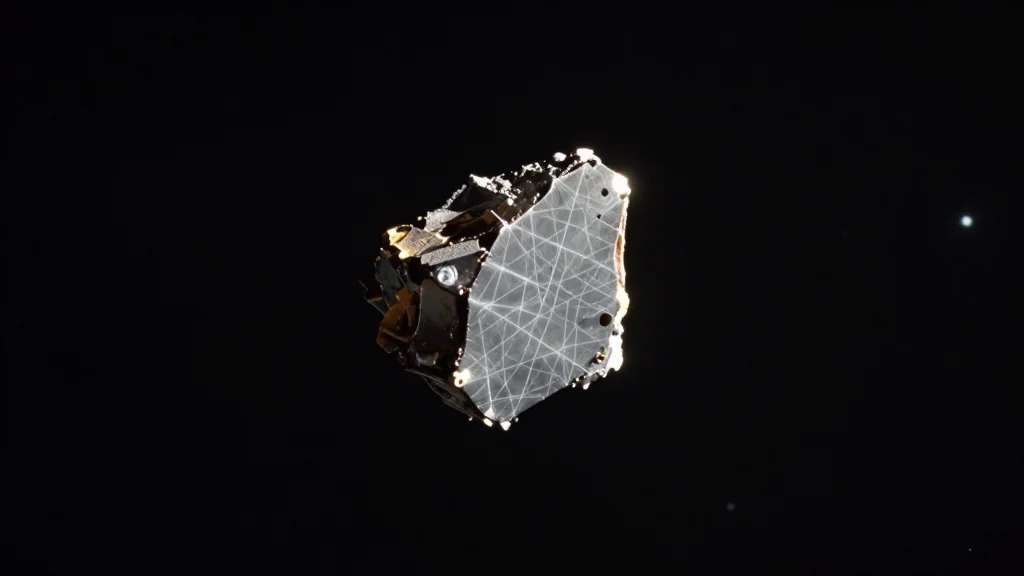
Space Junk: Do Scientists Have a Fix?
Space debris is reaching a critical mass, with the European Space Agency estimating over 15,100 tonnes in orbit, 1.2 million objects between 1 cm and 10 cm, and 140 million smaller fragments. A sub‑millimetre particle recently cracked the Shenzhou‑20 capsule window, forcing a rescue mission and highlighting the danger even tiny debris pose. Researchers are advocating a circular space economy—designing satellites for repair, reuse, and recycling—and proposing robotic arms, nets, and AI‑driven collision avoidance. A Stevens Institute study adds an economic layer, modelling commercial cleanup scenarios and fee‑based incentives to make debris removal financially viable.
Toronto’s ArtSci Salon and a Couple of April 2026 Events
Toronto’s ArtSci Salon announced two April 2026 events that blend art, science, and critical theory. On April 10, the free “Beneath the Skin” presentation will demonstrate The Source, a biosensing platform that records ECG, EDA, EMG, EEG, EOG, and respiratory...

Public Trust in Science Journalism: Comparative Insights From Germany, Italy, and Lithuania
A new study of 87 journalists from Germany, Italy and Lithuania finds that public trust in science is not collapsing but remains fragmented and context‑dependent. German science desks benefit from strong public‑service support, while Italy and Lithuania struggle with limited...

Simon Fraser University’s (SFU) Metacreation Lab March 2026 Newsletter: A Few Highlights
The Metacreation Lab’s April 2026 newsletter spotlights director Philippe Pasquier’s flurry of activities, including two high‑profile talks on creative AI, a hands‑on Autolume workshop, and participation in Canada’s National AI‑Culture Summit. Pasquier emphasized small‑data generative models that give artists greater...
Two Simon Fraser University (SFU) in Person Science Events in Vancouver (Canada) and a Job Opportunity in the UK
Simon Fraser University is hosting two free, in‑person science events in late March 2026. On March 26, faculty will present the 2025 Nobel‑Prize research in Chemistry, Physics and Medicine at the Burnaby campus, followed by a Q&A. The next evening, March 27,...
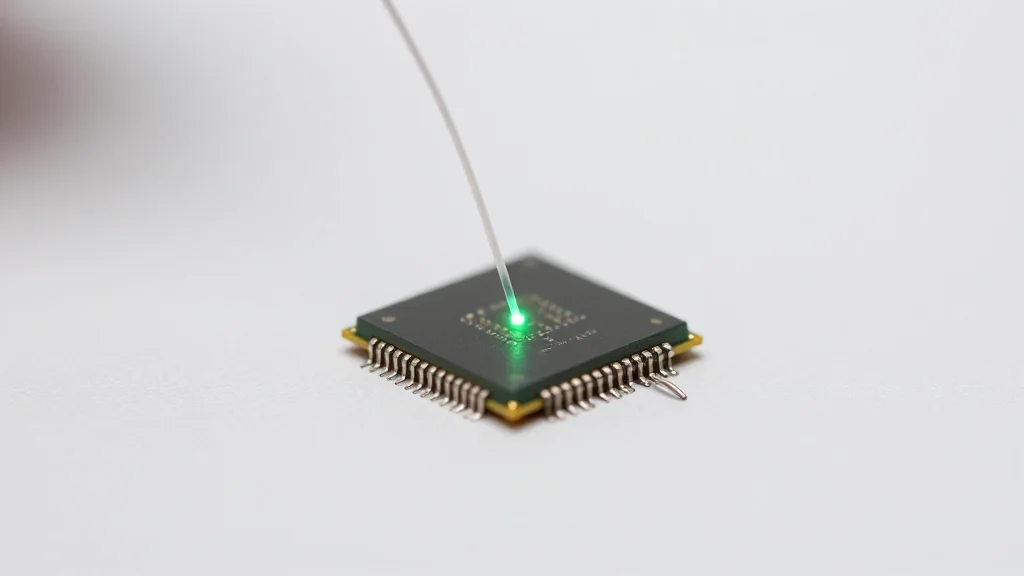
Electrically and Optically Controlled Silicon-Based Quantum Device Created by Simon Fraser University (SFU) Physicists
Simon Fraser University physicists, together with Photonic Inc., have demonstrated a silicon‑based quantum device that can be controlled both optically and electrically. The new diode nanocavity structure produces the first electrically‑injected single‑photon source using silicon T‑centre qubits, as reported in...
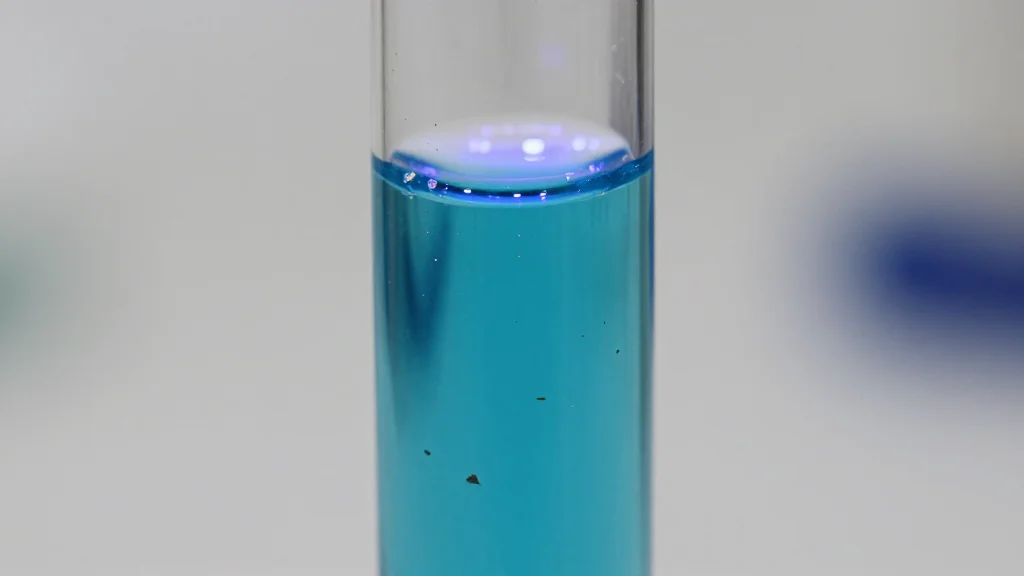
Clean Wastewater of Stubborn Antibiotics with Hybrid Nanocomposite
Researchers at National Taiwan University have unveiled a hybrid nanocomposite that merges graphene oxide, biochar, and titanium dioxide to tackle antibiotic residues in wastewater. The material leverages both adsorption and UV‑activated photocatalysis, achieving over 95% removal of veterinary antibiotics such...
![World’s First Pollen-Based Sunscreen (Derived From Camellia Flower) Is as Effective as Sunscreens with Minerals (Titanium Dioxide [TiO₂] and Zinc...](https://hixhlmpcokxhartfkpyi.supabase.co/storage/v1/object/public/images/thumbnails/468efafa539139c1fc8535c78ad080e7.webp)
World’s First Pollen-Based Sunscreen (Derived From Camellia Flower) Is as Effective as Sunscreens with Minerals (Titanium Dioxide [TiO₂] and Zinc...
Materials scientists at Nanyang Technological University have created the world’s first sunscreen made from Camellia flower pollen. Laboratory tests show the pollen microgel blocks UV rays with SPF 30, comparable to titanium dioxide and zinc oxide formulations, while also keeping skin...
Canadian Science Policy Centre: Call for Editorials, March and April 2026 Panels and More
The Canadian Science Policy Centre (CSPC) announced a call for editorials on the government’s new Defence Industrial Strategy, which aims to boost defence‑related R&D spending by roughly 85 % over the next ten years, with submissions due April 15, 2026. Simultaneously, CSPC opened...

SINOFANTASY – Studying Imaginative Otherworlds: Chinese Fantasy Fiction, Literary Politics, and Media Creativity
The European Research Council has awarded Dr. Jessica Imbach of the University of Freiburg a five‑year Starting Grant worth roughly €1.4 million to launch the SINOFANTASY project, which will develop a scholarly framework for Chinese fantasy literature. The research will examine...

Making Museums More ‘Touchable’
Sanné Mestrom’s interactive installation "The Whole is Greater Than the Sum of Her Parts" ran at the National Gallery of Australia from May to September 2025, inviting visitors to touch, climb and build with art. The tactile elements consistently held...
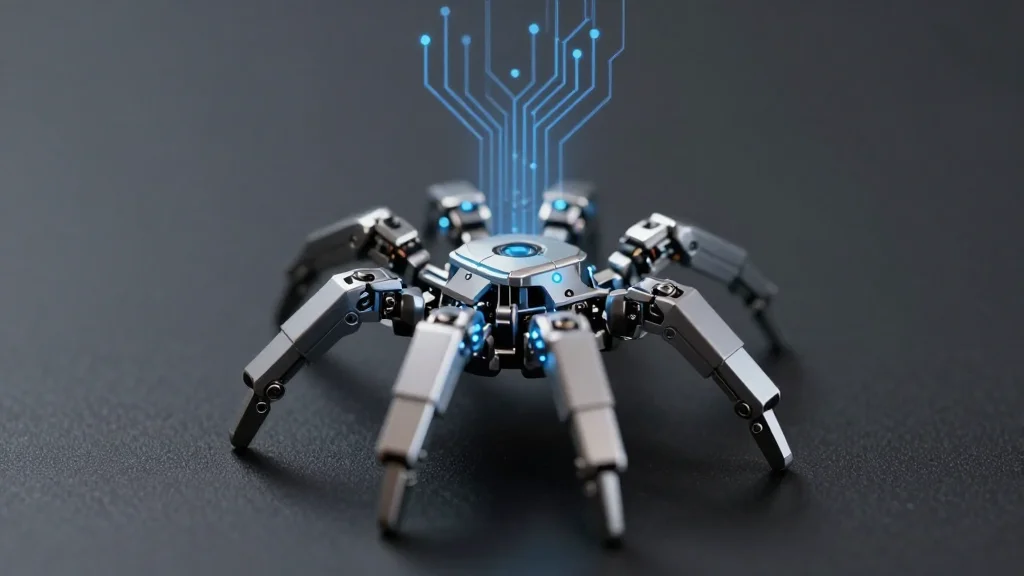
Born to Run and Refusing to Die: Evolved Robots
Northwestern engineers unveiled the first athletic, modular "legged metamachines" that can snap together, move autonomously and survive severe damage. Using an AI‑driven evolutionary algorithm, the team generated unconventional body plans that outperform traditional designs in agility and resilience. The self‑contained...
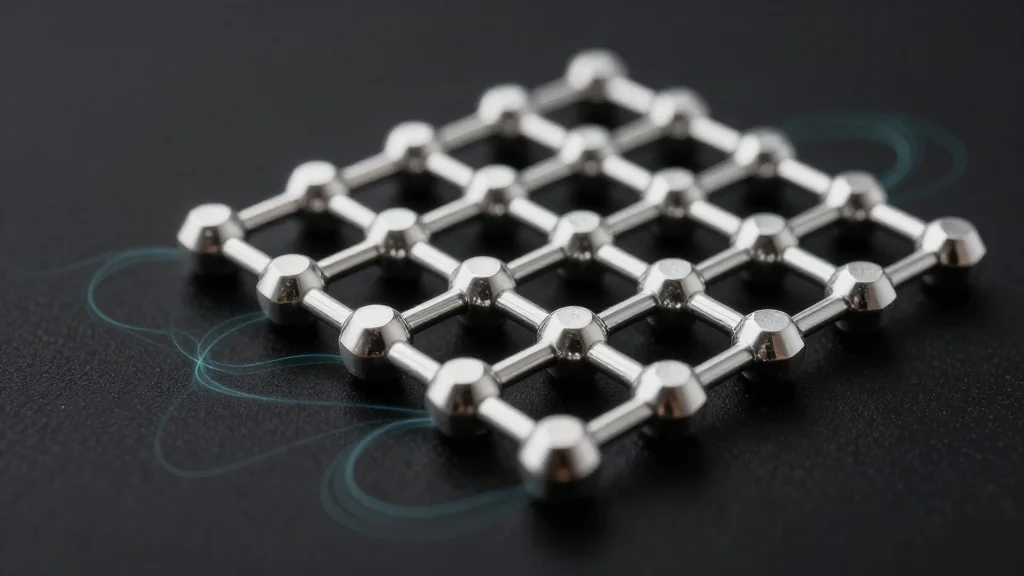
At the Heart of Quantum Matter: Geometry
Researchers from the University of Geneva, the University of Salerno and CNR‑SPIN have directly detected the quantum metric—a geometric property of electron wavefunctions—at the interface of strontium titanate and lanthanum aluminate, as reported in Science (Aug 2025). The quantum metric, previously...
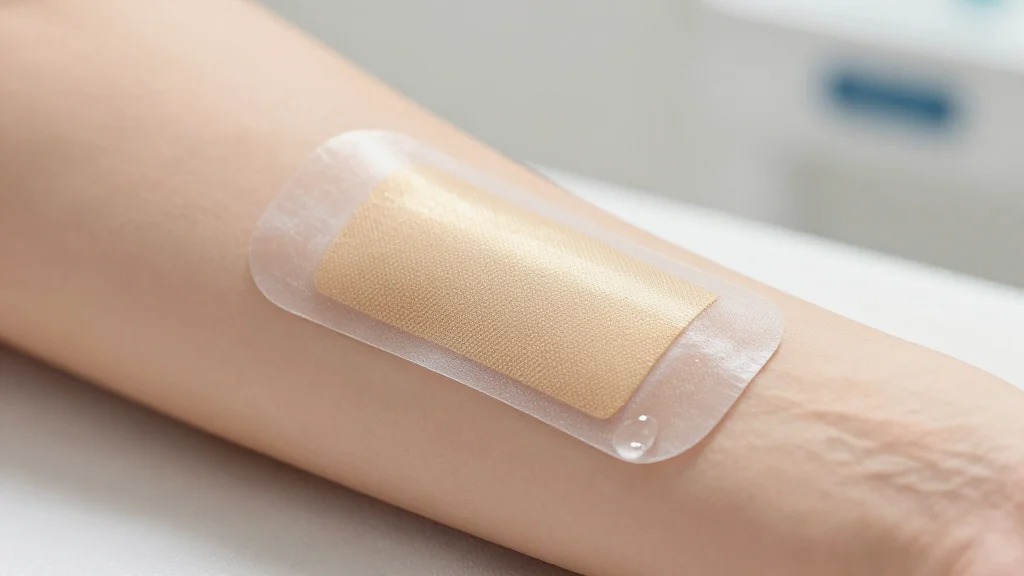
Key Obstacle to Integrated Bioelectronic Implants Removed with Use of Solid-State Hydrogel
Swedish researchers have created a photo‑patternable solid‑state hydrogel electrolyte using i‑carrageenan and PEGDA, achieving ionic conductivity above 10 mS cm⁻¹ and feature sizes down to 15 µm. The material replaces liquid electrolytes in organic electrochemical transistors (OECTs), enabling fast, dense, and flexible circuits...
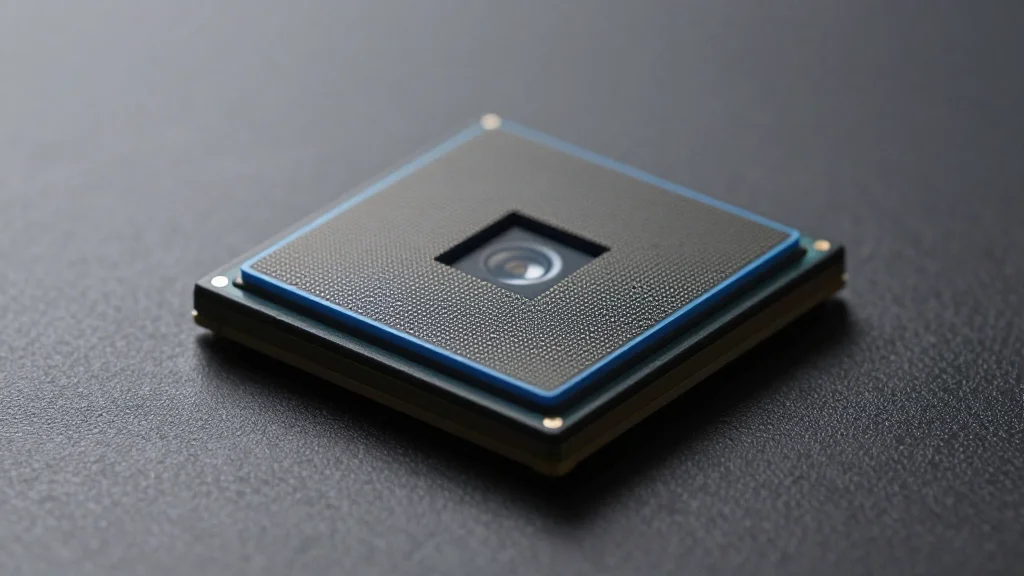
Neuromorphic Night Vision Powered by Quantum Dots with Memory
Researchers have engineered ferroelectric quantum dots that embed internal electric fields, enabling efficient charge separation under dim illumination. By coating cadmium‑selenide dots with a ferroelectric polyvinylidene fluoride polymer, they created a floating‑gate phototransistor that stores light‑induced charges as a persistent...

Nanomaterial Restoration of Colossal Statues on Mount Nemrut (Türkiye)
Turkey’s Ministry of Culture and Tourism has expanded a nanotechnology‑based conservation program to protect the colossal limestone and sandstone statues on Mount Nemrut, a UNESCO World Heritage site. The project, which began with pilot work in 2022, now uses nano‑lime...
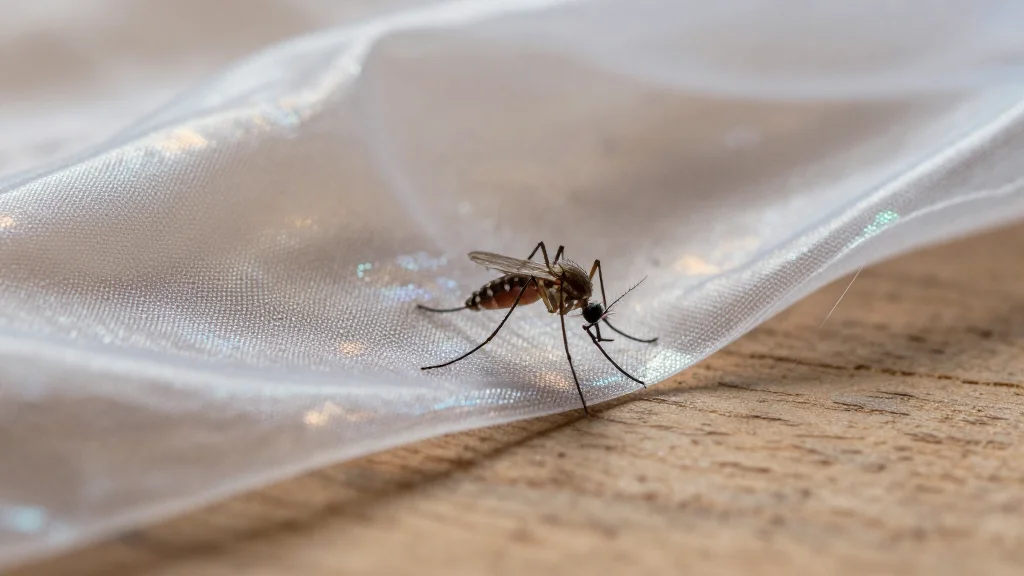
Engineering Graphene to Block and Detect Malaria
A recent review in Advanced NanoBiomed Research maps how graphene and its derivatives could be deployed at multiple points in the malaria fight. It details synthesis routes—from mechanical exfoliation to green chemistry— and highlights three intervention zones: physical barriers on...
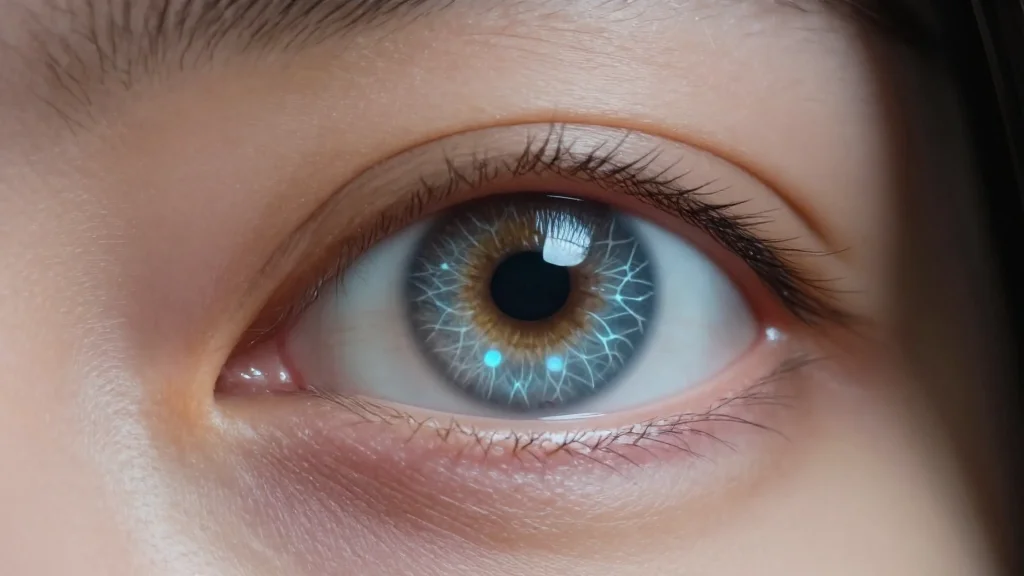
Upcoming US Clinical Trial to Test a Tiny Eye Implant that Could Restore Sight for Age-Related Macular Degeneration (AMD)
USC’s Roski Eye Institute, together with Regenerative Patch Technologies, is launching a phase 2b, multicenter, masked clinical trial of a stem‑cell‑derived retinal pigment epithelium (RPE) implant for advanced dry age‑related macular degeneration (AMD). The ultra‑thin patch, derived from embryonic stem...
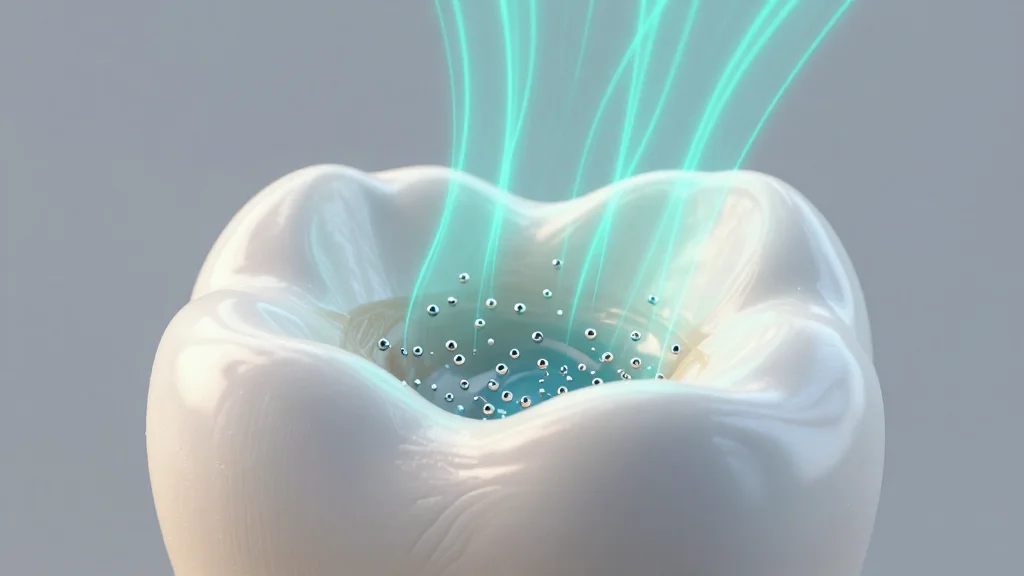
Relief From Tooth Sensitivity with Magnetically Guided Nanobots
Researchers at IISc and deep‑tech startup Theranautilus have engineered CalBots, magnetic nanobots that penetrate dentinal tubules and form durable bioceramic seals to alleviate tooth hypersensitivity. The 400‑nm particles are guided by an external magnetic field, reaching depths of 300‑500 µm and...
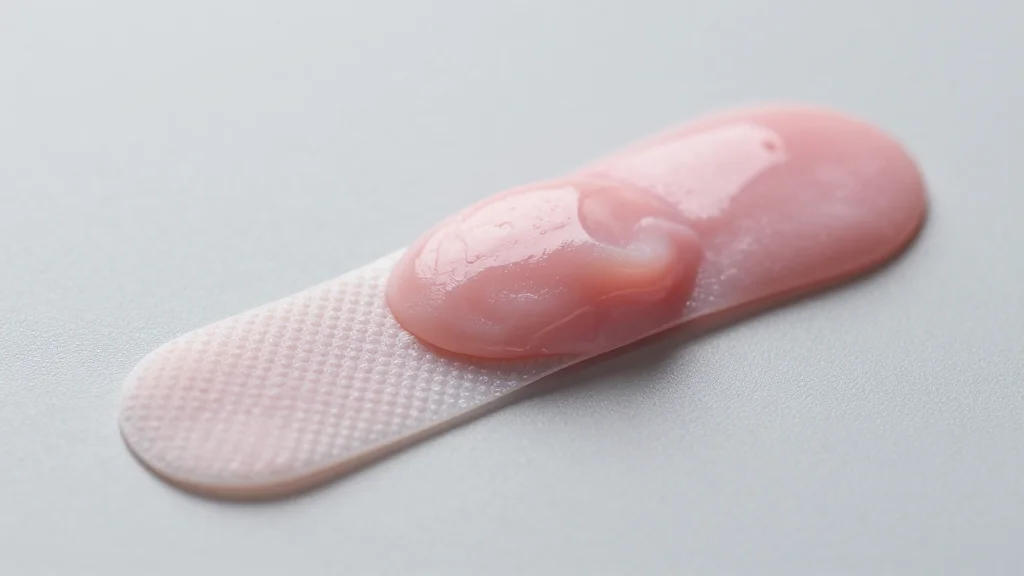
A Bioinspired Hydrogel Patch with Controllable Adhesion Properties for Enhanced Soft Tissue Repair
Researchers from Shenzhen University, the Chinese Academy of Sciences and Hong Kong Polytechnic University have created a bioinspired hydrogel patch with controllable adhesion for soft tissue repair. The dual‑sided device combines a suction‑cup‑like adhesive layer that can be repositioned and...
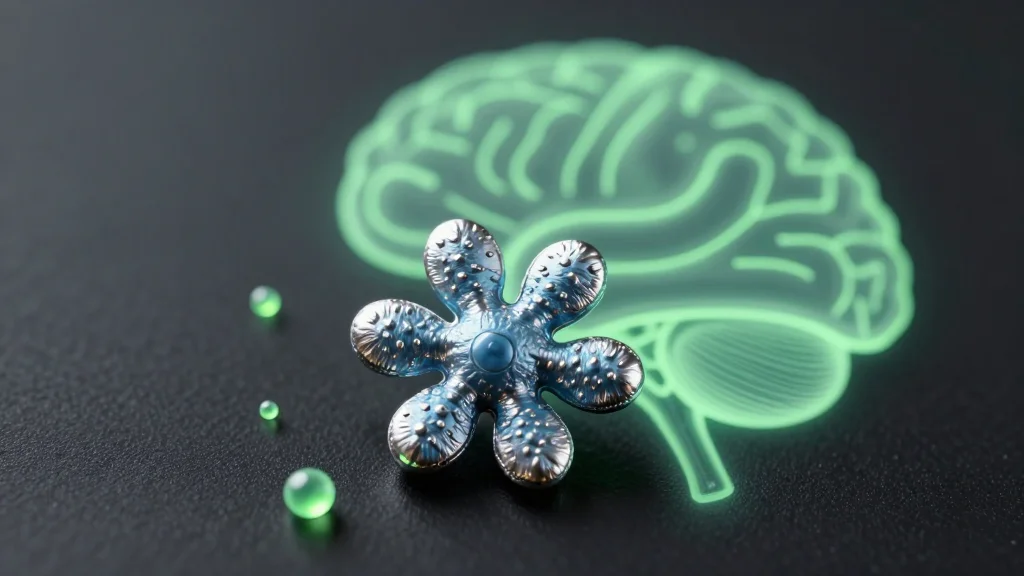
Healing Brain Cells and Tackling Neurodegenerative Diseases with Nanoflowers
Researchers at Texas A&M have shown that metallic “nanoflower” nanoparticles can protect and repair brain cells by improving mitochondrial health. In cell cultures, the nanoflowers sharply lowered reactive oxygen species and enhanced mitochondrial integrity within a day, and in C....