
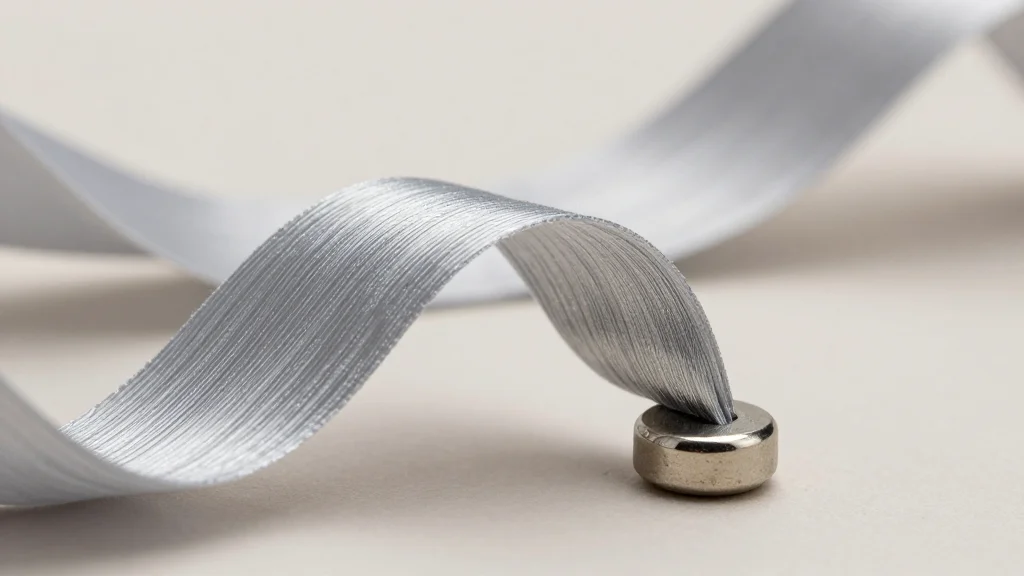
One Step Closer to Robots You Can Wear Like Clothing with Automatic Weaving of “Fabric Muscle”
Korea's Korea Institute of Machinery and Materials (KIMM) unveiled an automated weaving system that mass‑produces ultra‑thin shape‑memory‑alloy (SMA) coil yarn, creating a lightweight "fabric muscle" actuator. The 10‑gram fabric can lift 10‑15 kg, enabling a sub‑2 kg clothing‑type wearable robot that reduces user effort by over 40% across multiple joints. A dedicated 840‑gram shoulder‑assist exosuit boosted shoulder range of motion by more than 57% in clinical trials with muscular‑weakness patients. The breakthrough positions KIMM to commercialize wearable robots for healthcare, logistics and construction.

Mushroom Computer Chips Act as Fungal Memristors for Brain-Like Computing?
Ohio State University researchers have demonstrated that edible fungi, notably shiitake and button mushrooms, can function as organic memristors—memory cells that retain electrical state. After dehydration, the mushroom chips were wired to circuits and achieved switching speeds of up to...
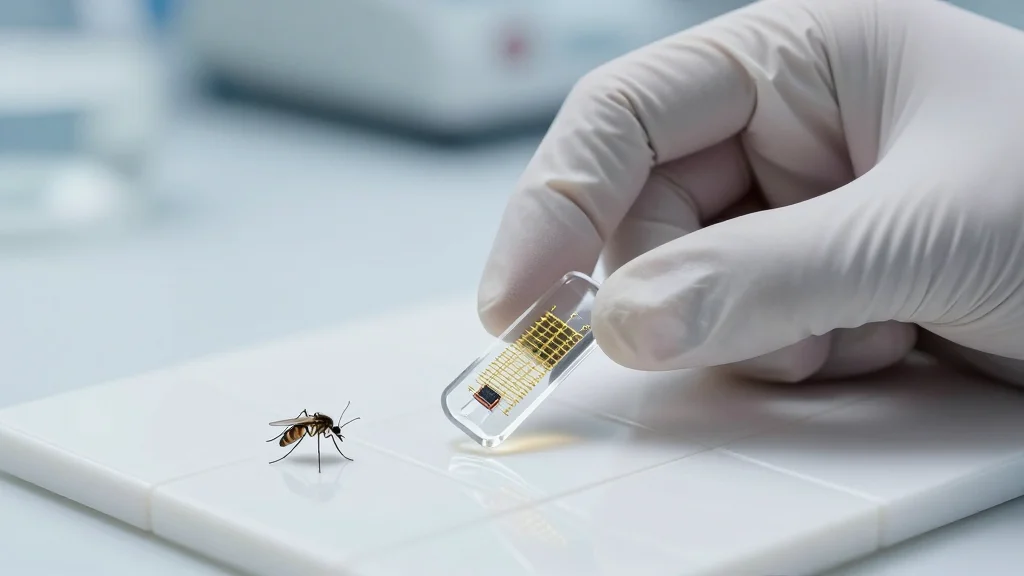
Floral-Scented Fungus (Engineered by Scientists) Lures Mosquitoes to Their Doom
Scientists at the University of Maryland have engineered a strain of Metarhizium fungus that releases the floral compound longifolene, luring mosquitoes and killing them within days. Laboratory tests showed 90‑100% mortality even in rooms with competing human and flower scents....

Environmental Impact of AI Data Center(re) Boom: A Roadmap (1 of 3)
Cornell researchers quantified the U.S. AI data‑center environmental impact, projecting 24‑44 million metric tons of CO₂ and 731‑1,125 million cubic meters of water use annually by 2030. The study, published in Nature Sustainability, equates the emissions to adding 5‑10 million cars and the...
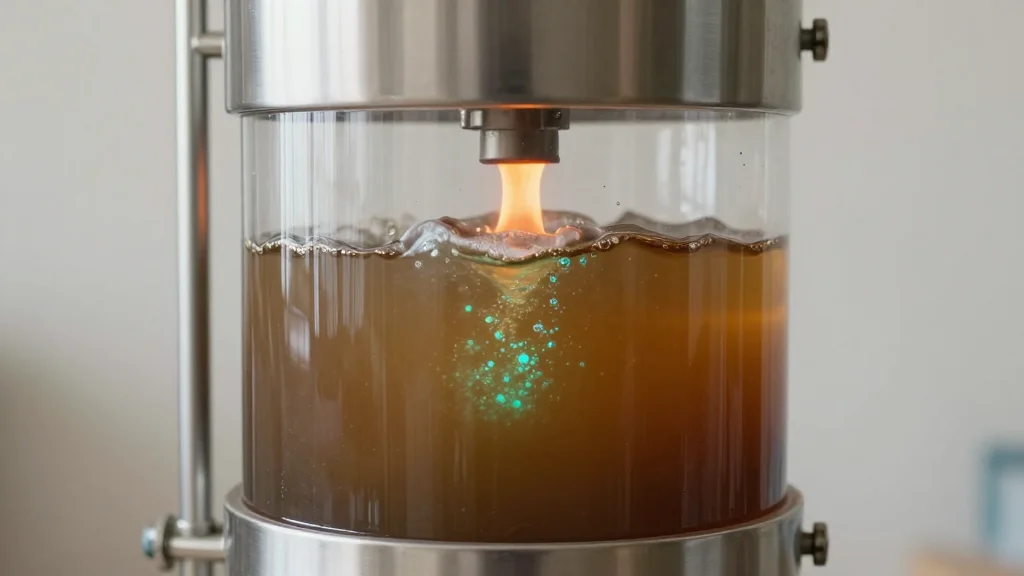
University of British Columbia (UBC) Researchers Discover Microbes Turning Food Waste Into Energy
University of British Columbia researchers have identified a previously unknown bacterium in the Natronincolaceae family that drives methane production in anaerobic digesters converting food waste into renewable natural gas (RNG). The microbe thrives in high‑ammonia environments, keeping the Surrey, BC...
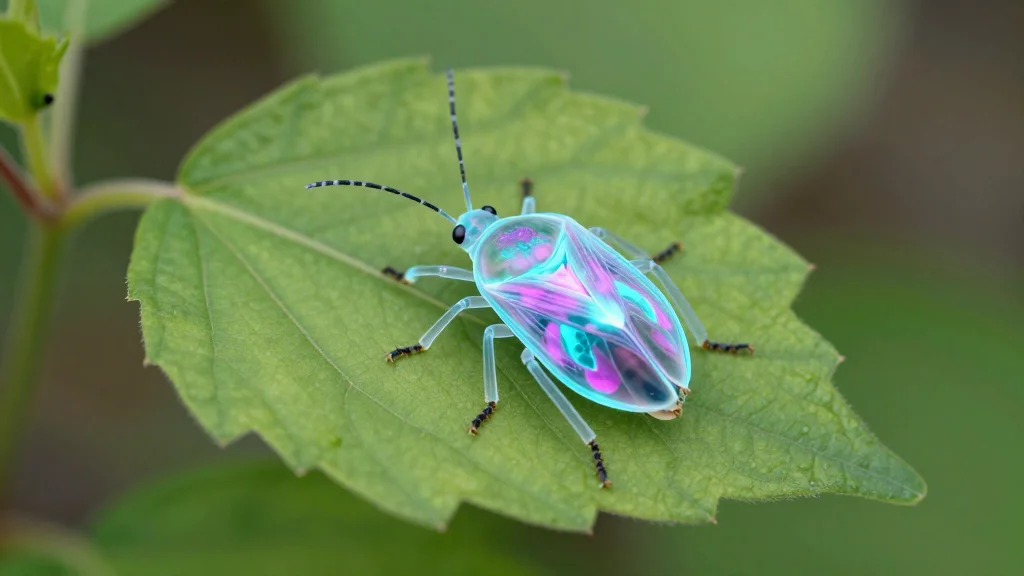
Targeting Crop-Munching Agricultural Pests with Nanotechnology
Researchers at Agriculture and Agri‑Food Canada, using the Canadian Light Source synchrotron, have demonstrated a nanotechnology‑based screening platform that maps chemicals inside crop pests such as lygus bugs and cutworms. By combining X‑ray fluorescence imaging with 3‑D virtual‑reality models, the...
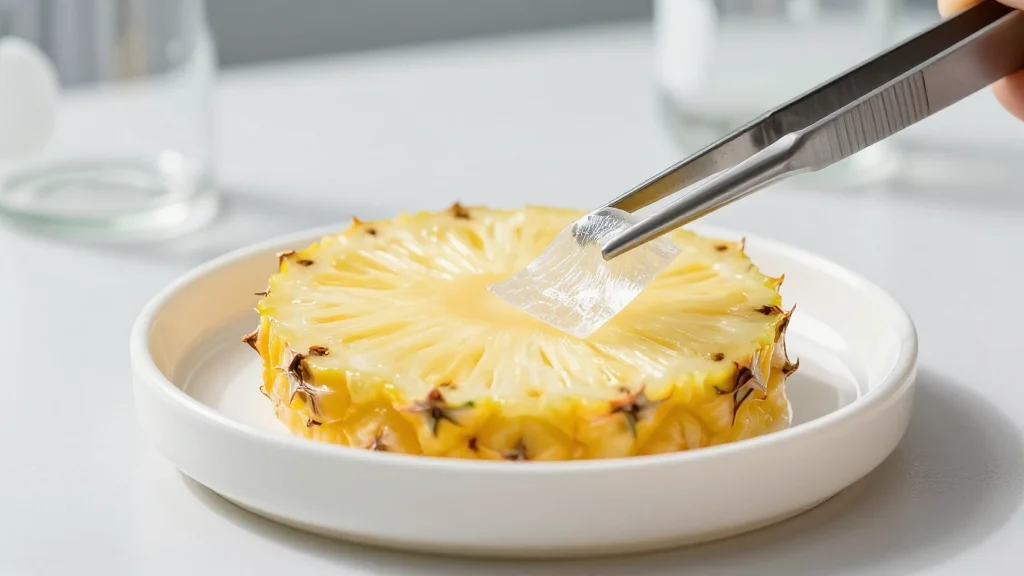
Nanocellulose From Pineapple Waste for Soil-Saving Desert Agriculture
Researchers have transformed pineapple peel waste into nanocellulose fibers that dramatically improve sandy‑soil performance. In laboratory tests on three UAE desert sands, the amendment raised water‑holding capacity by up to 32.7% and cut permeability by 58%, while quadrupling compressive strength...
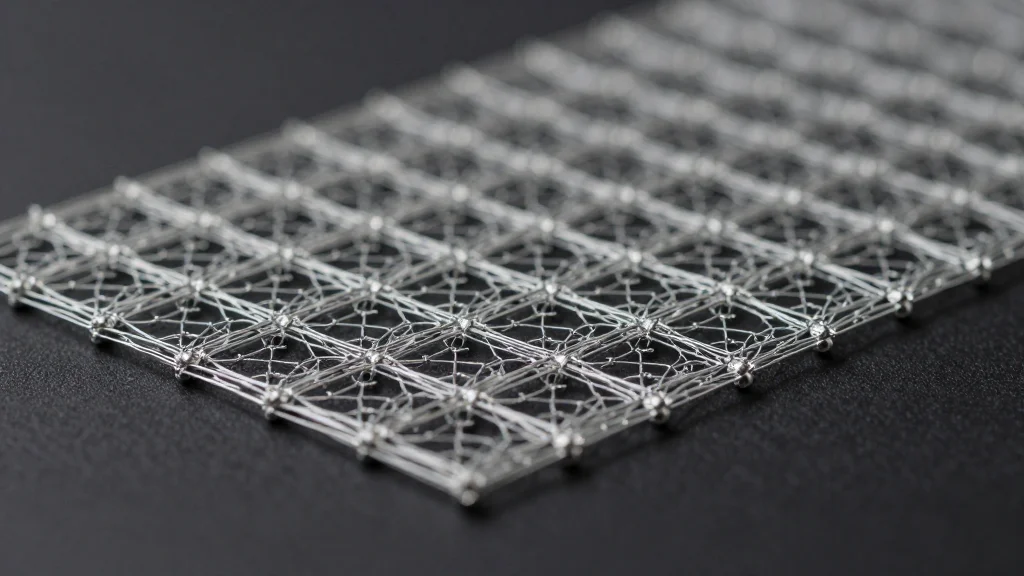
South Korea’s Nanotechnology Master Plan and National Strategic Technology Framework
South Korea’s National Science and Technology Advisory Council approved the sixth nanotechnology master plan (2026‑2035) and an upgrade to its national strategic technology framework. The nanotech plan outlines 13 priority tasks and five first‑of‑its‑kind research areas, aiming to place the...

CBC IDEAS (Radio Taping on May 6, 2025) at Perimeter Institute for Theoretical Physics: The Numbers That Shape Our Universe
The Canadian Broadcasting Corporation’s Ideas program will tape a live episode on May 6, 2026 at the Perimeter Institute for Theoretical Physics in Waterloo, Ontario. Hosted by veteran journalist Nahlah Ayed, the show will explore fundamental constants—from π to the...

Dancer with a Motor Neuron(e) Disease (MND) Guides Her Digital Avatar Through a Stage Performance
British dancer Breanna Olson, living with ALS, returned to the stage in December 2025 by controlling a mixed-reality avatar with her brainwaves. Using an EEG headset co-developed by Japan’s Dentsu Lab and telecom giant NTT, her imagined movements were translated...
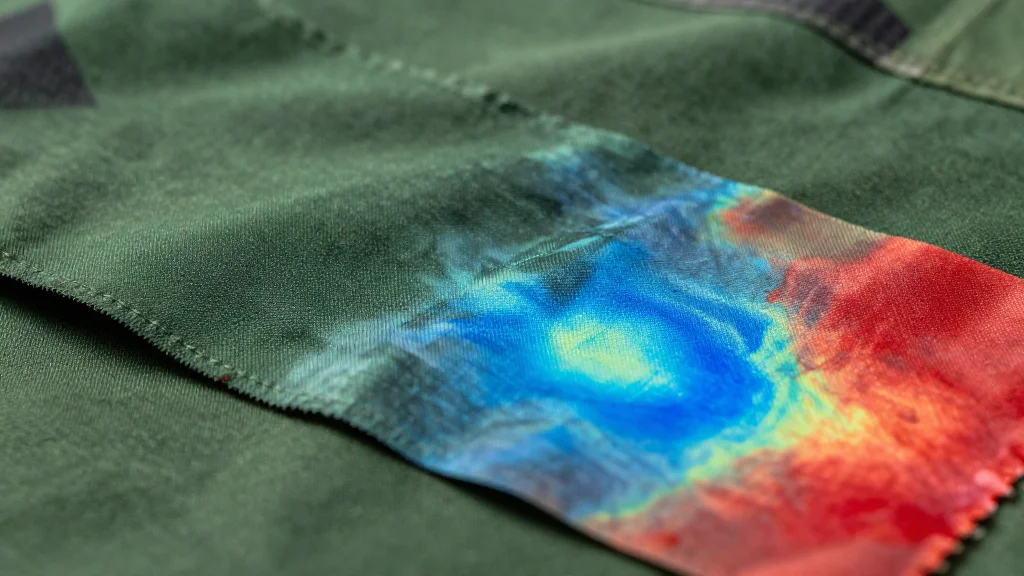
Alchemy, a Waterloo Company Offers Nanotechnology-Enabled Coatings for Camouflage and Other Defence Applications
Alchemy, a Waterloo‑based nanotech startup, has turned a windshield‑frost spray into a thermal‑camouflage coating now used by the Canadian Armed Forces. The company’s "Crypsis Class" nanocomposite can mask mid‑wave and long‑wave infrared signatures on textiles, earning a 95/100 score in...
Paid Science Writing Fellowship at Quanta Magazine From July – December 2026 in New York City
Quanta Magazine, the Simons Foundation‑backed science outlet, is offering a paid Science Writing Fellowship in New York City from July to December 2026. The six‑month, full‑time role pays $29 per hour, includes medical benefits, and immerses fellows in reporting on...
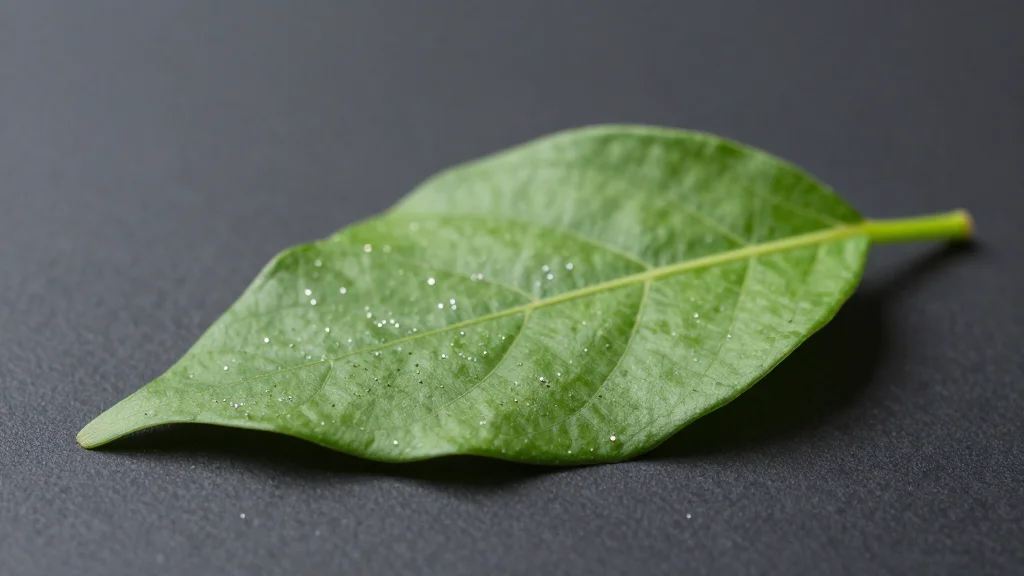
Phytomining Rare Earths (Mining with Plants)
Researchers have demonstrated that the fern Blechnum orientale can biosynthesize nanoscale monazite crystals, marking the first observation of rare‑earth mineral formation inside a living plant. A separate team at North Carolina State University developed a non‑destructive fluorescence method to detect...

Geneva (Switzerland) Becomes World’s Capital of AI in July 2026 for ITU’s Annual AI for Good Global Summit
The International Telecommunication Union will host the seventh AI for Good Global Summit in Geneva from July 7‑10, 2026, designating the city as the de‑facto capital of AI for the month. The four‑day event, held alongside the UN Global Dialogue...

April 23, 2026 Talk (Quantum Cosmos to Quantum Computers) at Vancouver (Canada) Public Library (Free Registration)
The Vancouver Public Library will host a free public talk titled “How the Universe Works: Quantum Cosmos to Quantum Computers” on Thursday, April 23, 2026, from 6:00 pm to 7:30 pm at its Central Library. The event is part of the library’s...