
Brazil Nixes Settlement for Stablecoin eFX
Brazil’s central bank issued Resolution 561, prohibiting fintechs and payment providers from settling cross‑border transactions with stablecoins such as USDT or USDC. The rule takes effect on Oct. 1, restoring traditional bank spreads, correspondent fees and longer settlement times. While stablecoins remain legal in Brazil, they can no longer be used for eFX settlements, raising the cost of international transfers, especially remittances. The resolution also tightens KYC requirements to improve traceability and AML compliance.

Spain’s Economic Growth Test
Spain is emerging as one of Europe’s top performers in 2026, driven by record tourism and a revised GDP growth forecast of 2.3% for the year. The Bank of Spain warned that energy‑related shocks could temper growth, but the country...

The New Hedging Dilemma
Commodity hedging has moved from a back‑office risk tool to a boardroom strategy as price swings in energy, metals and agriculture intensify. CFOs at firms like Fonterra, Infinity Natural Resources and Siemens are openly linking hedge decisions to margins, pricing...

CFOs Should Prepare for Long-Term Refunds
The U.S. Supreme Court invalidated the Trump administration’s tariffs, ruling that Customs and Border Protection illegally collected about $166 billion from roughly 300,000 importers. While refunds are technically owed, the CBP’s new Automated Commercial Environment portal is cumbersome, and lawyers warn...

CFO Corner: Asha Bakshani, Lightspeed Commerce
Asha Bakshani, CFO of Lightspeed Commerce since April 2022, guided the Montreal‑based SaaS firm through its 2019 IPO on the Toronto Stock Exchange, cementing a public‑market presence. She emphasizes three finance priorities—strategy and capital allocation, investor relations, and executive partnership—to...

Decoding Africa’s Payments Landscape: AI, Regulation and Trade Innovation
Africa’s payments ecosystem is rapidly evolving as AI, modular Banking‑as‑a‑Service (BaaS) platforms and new regional rails address the continent’s regulatory and currency complexities. Financial institutions are deploying plug‑and‑play solutions that separate data, meet local sovereignty rules and embed payment capabilities...

4 Reasons JPMorgan Should Buy Revolut
JPMorgan Chase, a $850 billion market‑cap bank, could consider buying Revolut, the European neobank now valued at about $75 billion. Revolut’s technology, culture of rapid iteration, and 70‑plus million global users give it a super‑app edge that legacy banks struggle to replicate. An...

Inside the EIB’s Global Maritime Blitz
The European Investment Bank has accelerated its maritime climate strategy, committing more than €400 million ($430 M) in loans over the past 18 months. Its flagship €80 million ($86 M) loan to Bilbao’s port and a €50 million ($54 M) loan to Málaga finance breakwater expansion,...

Beware of Financial Scammers Wielding Deepfake Tech
Deepfake-enabled fraud has shifted from a novelty to a persistent corporate risk, with synthetic audio and video remaining in circulation for an average of 3.5 years. A voice clone of a German energy‑company CEO persisted nearly six years, causing a...

CFOs Have Seen the AI Demo—But Does It Work?
Genpact’s partnership with Google Cloud is moving CFOs from AI pilots to production‑ready, agentic AI solutions. The firm’s AI‑powered AP Suite, featuring 21 domain‑specific agents, transformed a global supplier’s invoice process, boosting touchless processing from 7% to 65% and halving...

African Fintechs Target the Gulf for Global Growth
African fintechs are establishing bases in Dubai to tap the Gulf‑Africa remittance corridor, with players like MNT‑Halan, Paymob, Innovate1Pay and Flutterwave expanding regionally. Migrant workers in the GCC send roughly $36 billion annually—about a third of the $109 billion total remittances to...

Europe Vies to Close Stablecoin Gap
France’s finance minister Roland Lescure urged European banks to speed up euro‑stablecoin development, warning the region trails the United States in tokenized finance. A bank consortium called Qivalis, featuring ING, UniCredit and BNP Paribas, plans a MiCA‑compliant euro stablecoin launch in the...
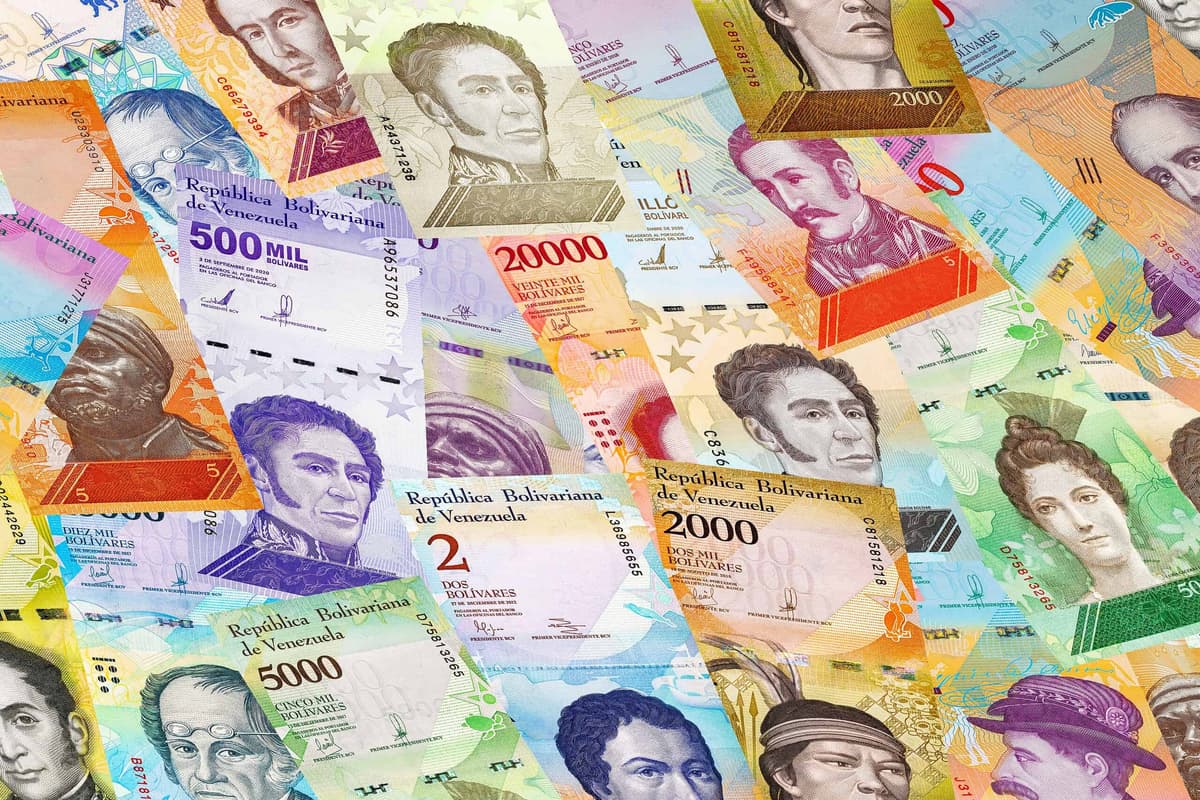
IMF Won’t Participate in Venezuela Debt Restructuring
The IMF announced it will not take part in Venezuela's $170 billion external debt restructuring, opting for a wait‑and‑see stance while resuming data‑sharing talks with the interim government. The Fund has restored Venezuela's access to special drawing rights but has not...

EU Greenwashing Regs Get Sharper Teeth
The EU’s new Empowering Consumers for the Green Transition Directive takes effect on September 27, imposing steep penalties on firms that make false sustainability claims. Fines can reach up to 4% of annual gross revenue, with some jurisdictions allowing up...

Trump’s Tariff Playbook in Tatters Ahead of Xi Summit
President Donald Trump heads to Beijing for a summit with Xi Jinping amid a legal assault on his tariff strategy. Federal courts have recently struck down the 10% global duties and the steep levies on Chinese imports that the administration...