
The North Sea Route as an Alternative to the Hormuz-Red Sea Conundrum
The ongoing crises in the Strait of Hormuz and Bab al‑Mandab have revived interest in the Arctic North Sea Route (NSR) as a viable alternative for global oil, gas and fertilizer shipments. Melting sea ice now allows vessels to shave weeks off transit times, while Russia’s strict licensing and ice‑breaker requirements create a complex legal environment. Asian importers, especially India, stand to gain energy‑security benefits, but must navigate heightened U.S.–Russia tensions over the Bering Strait. The NSR could reshape trade patterns by reducing dependence on volatile Middle‑East chokepoints.

Trump Wants NATO Allies to Step Up-Can France Lead the Way
President Donald Trump is intensifying criticism of NATO allies, demanding greater European burden sharing for both conventional and nuclear deterrence. In March 2026, French President Emmanuel Macron unveiled a "forward deterrence" doctrine, expanding France’s nuclear force for the first time since...

Why the “First AI War” Is Still a Human Struggle
The article argues that the so‑called “first AI war” has not eliminated human control over targeting, but has reshaped how judgment is applied. AI tools such as Anthropic’s Claude and Palantir’s Maven system accelerate data synthesis, allowing analysts to produce...

Russian Nuclear Deterrence and the Ghost of Stalin
The article argues that Russia’s nuclear deterrence is a direct outgrowth of Stalinist strategic culture, where fear, centralization, and overwhelming force became institutional norms. Stalin’s obsession with security‑service control and unlimited resource allocation shaped the Soviet atomic project, embedding a...

Navigating the AI and Nuclear Nexus
The 2026 Nuclear Non‑Proliferation Treaty Review Conference will confront a growing AI‑nuclear nexus, where artificial intelligence is being woven into verification, disarmament, and civilian nuclear energy. Experts argue AI can speed data analysis for the IAEA but warn that opaque...
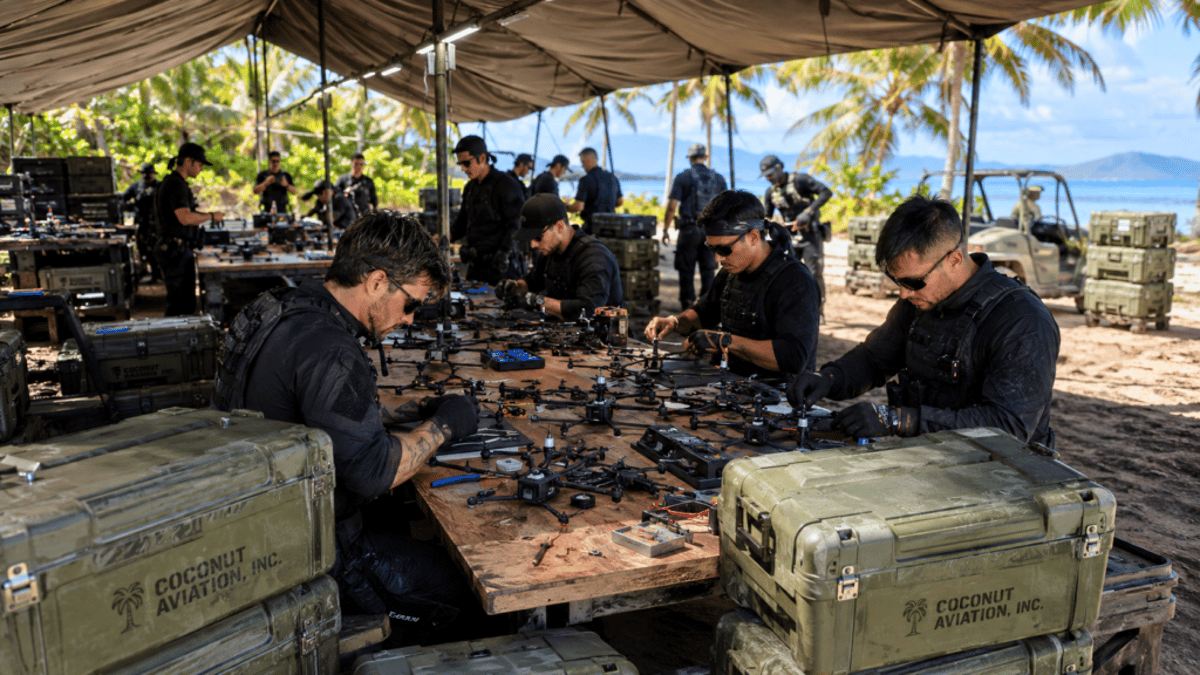
The New Economics of War: Cheap Drones, Asymmetric Threats, and the Democratization of Destruction
The war in Ukraine has highlighted a seismic shift in warfare economics as low‑cost drones—some priced under $500—are routinely neutralizing multi‑million‑dollar assets. This "economic inversion" forces even well‑funded militaries to reconsider high‑priced platforms in favor of affordable, scalable UAV solutions....
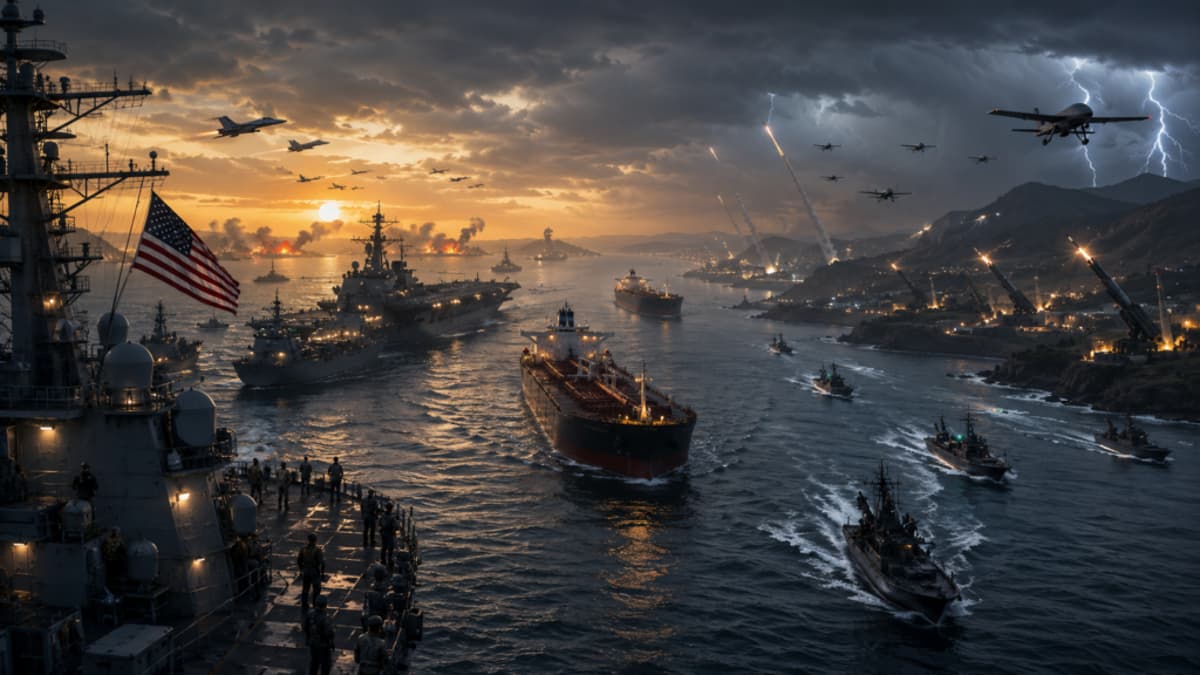
The Escalation Trajectory of U.S.-Iran Tensions After the Collapse of the Negotiations
The United States has launched a maritime blockade of Iranian ports after talks in Pakistan collapsed, shifting the region from a fragile de‑escalation to a volatile escalation phase. Iran’s IRGC views its nuclear program as essential to regime survival, limiting...

Quiet Warfare: Bending Data and Perceptions in the Defense Industrial Base
Artificial intelligence is reshaping the threat environment for the U.S. Defense Industrial Base (DIB), where adversaries now run hybrid campaigns that blend cyber intrusion, supply‑chain manipulation, and information operations. The World Economic Forum’s 2026 Global Cybersecurity Outlook flags AI‑related vulnerabilities...
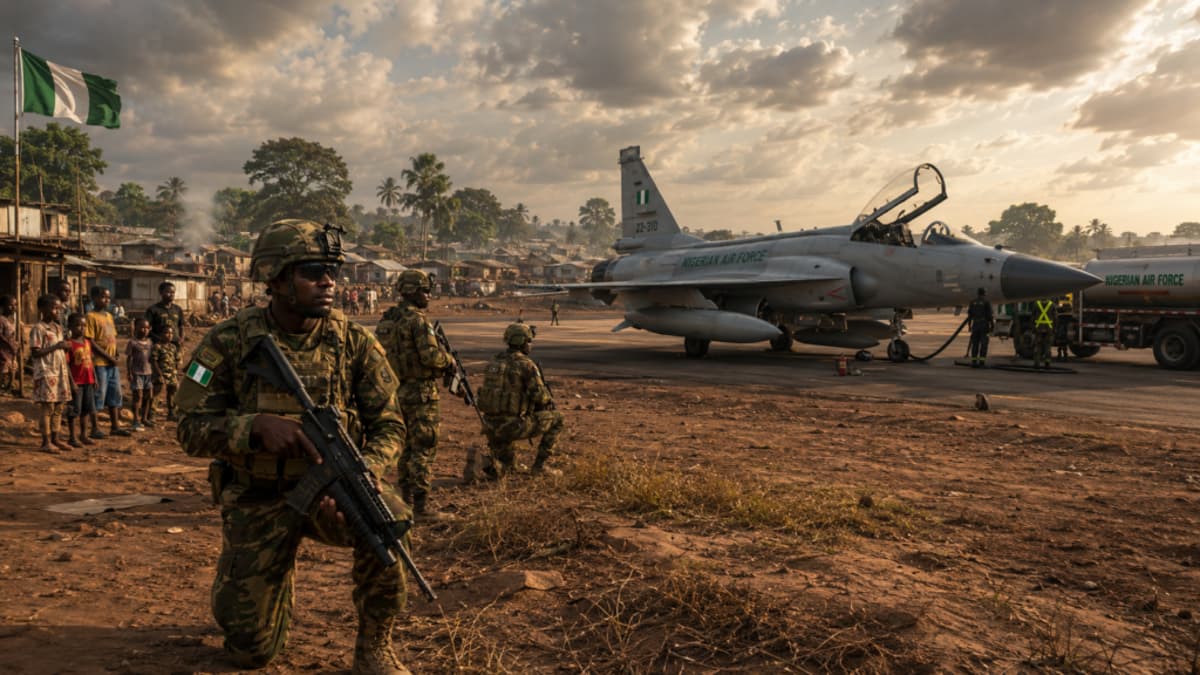
Hollow Ranks & Ghost Soldiers: Nigeria’s Corruption-Fueled Security Collapse
Nigeria’s security collapse is driven by a failing military riddled with corruption and ghost soldiers. In 2025 ISWAP overran at least 15 bases, killed Brigadier General Musa Uba and used drones to outmatch Nigerian forces. Leaked data suggest the 20,000...
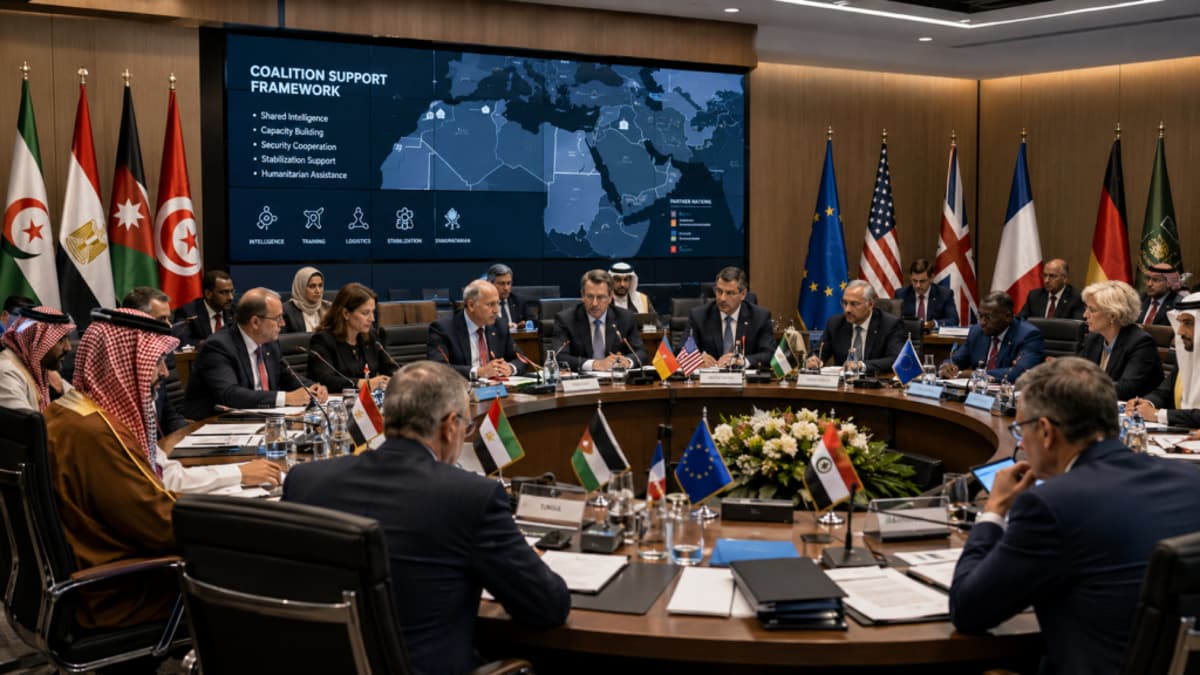
A Counterintelligence Profile: Are High-Fliers Ready?
The article argues that Middle East and North Africa (MENA) high‑flyers are shifting from diplomatic posturing to heightened military readiness amid fragmented alliances and escalating regional threats. While Gulf states have accelerated air‑defense procurement, they lack a unified counterintelligence framework...
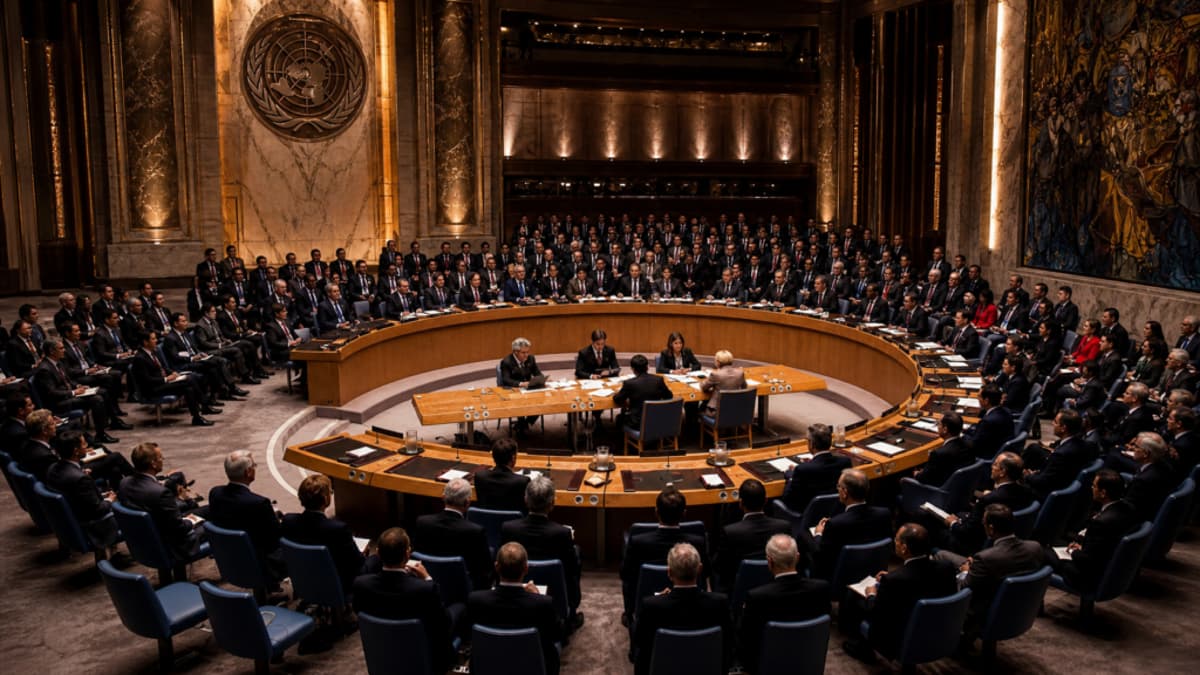
From Bilateralism to Multilateralism: Washington’s Push for Strategic Stability Through the P5
The New START treaty lapsed on February 5 2026, and the United States is abandoning a bilateral U.S.–Russia framework in favor of a multilateral approach that brings all five NPT‑recognized nuclear powers together. Assistant Secretary Christopher Yeaw argued that the old treaty ignored...
Yes, You Can Be a Feminist and Still Support Nuclear Deterrence
The article revisits Carol Cohn’s 1987 feminist critique of nuclear deterrence, arguing that while her gendered analysis of deterrence language is compelling, it fails to offer an alternative theory. It contends that nuclear deterrence has been a decisive factor in...
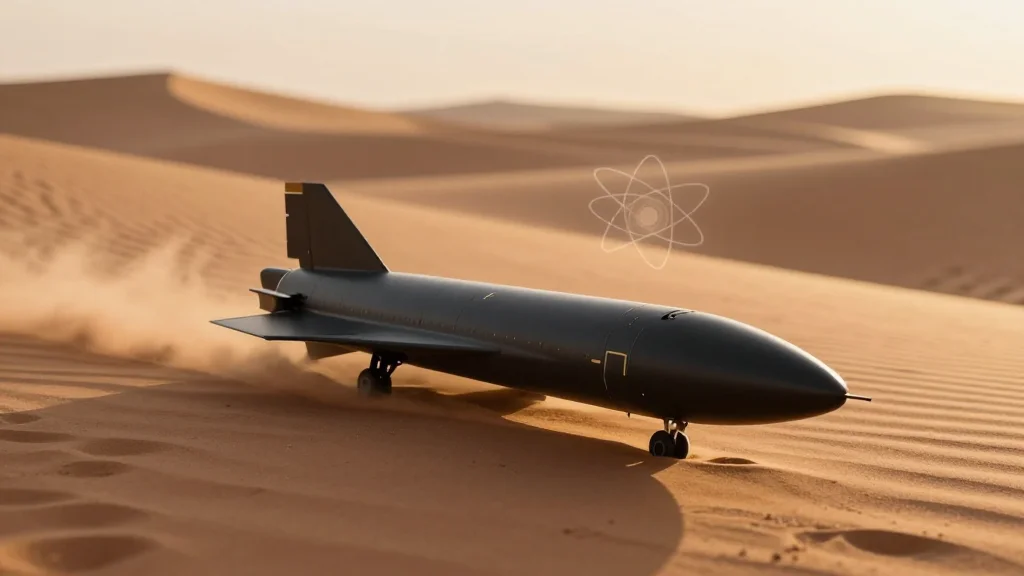
The Pitfalls of Offensive Counterproliferation
The article argues that offensive counterproliferation (CP) campaigns by the United States and Israel in Iraq, Syria and Iran have produced limited tangible results and often reinforced the targeted states’ resolve to pursue nuclear capabilities. While the 1981 Osirak strike...

Todays Top Stories
The Global Security Review roundup flags a sharp uptick in nuclear and strategic competition as the New START treaty lapses, China expands cyber, space and missile capabilities, and North Korea accelerates hypersonic and submarine programs with likely Russian backing. U.S....
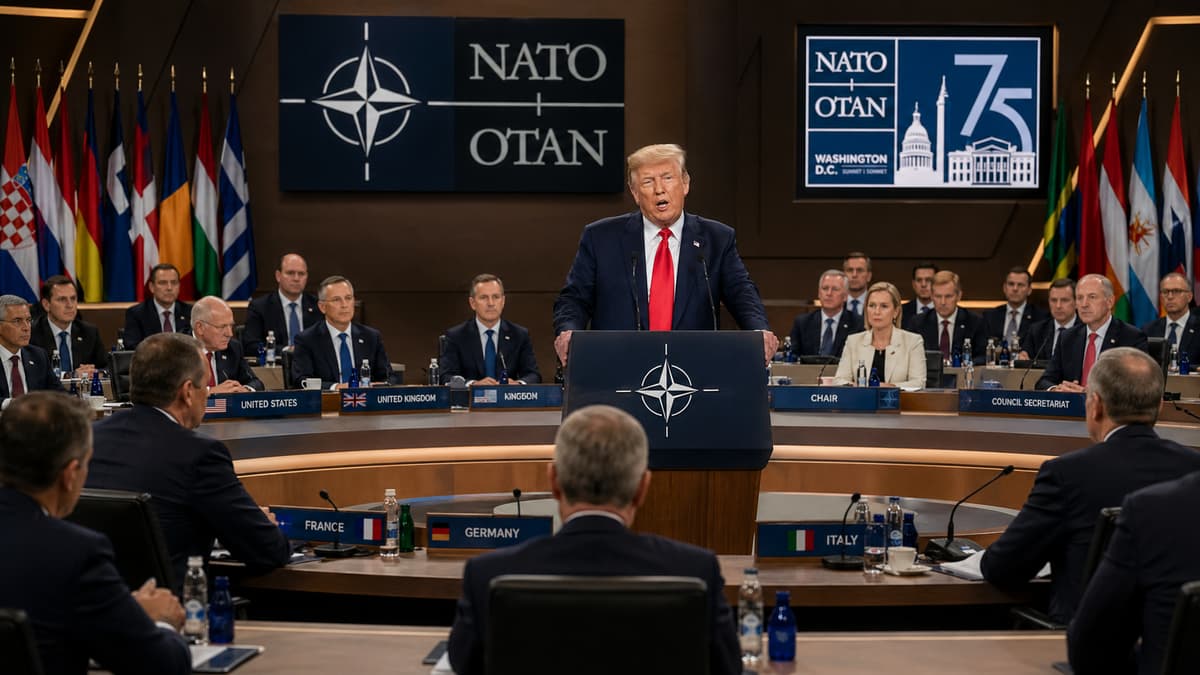
Trumping NATO
President Donald Trump intensified his long‑standing criticism of NATO while the United States conducts Operation Epic Fury against Iran. He warned the alliance would be a "paper tiger" and suggested the U.S. could pull out if European partners refuse to...