
Silent Signals: Russian and Chinese Conventional Threats to NC3 and U.S. Extended Deterrence in Australia
Russia’s recent deployment of a diesel‑electric attack submarine to Indonesia and China’s extensive naval circumnavigation of Australia highlight a growing conventional threat to the United States’ nuclear command, control and communications (NC3) infrastructure in the region. Key facilities such as Pine Gap and the Harold E. Holt station sit on Australia’s northern approaches, making them vulnerable to quiet submarine operations, cyber intrusion and precision strikes. The article argues that these gray‑zone tactics erode the credibility of U.S. extended deterrence by creating uncertainty around nuclear response options. It recommends hardening Australian NC3 sites, expanding under‑sea surveillance, and forging a broader Indo‑Pacific nuclear alliance.
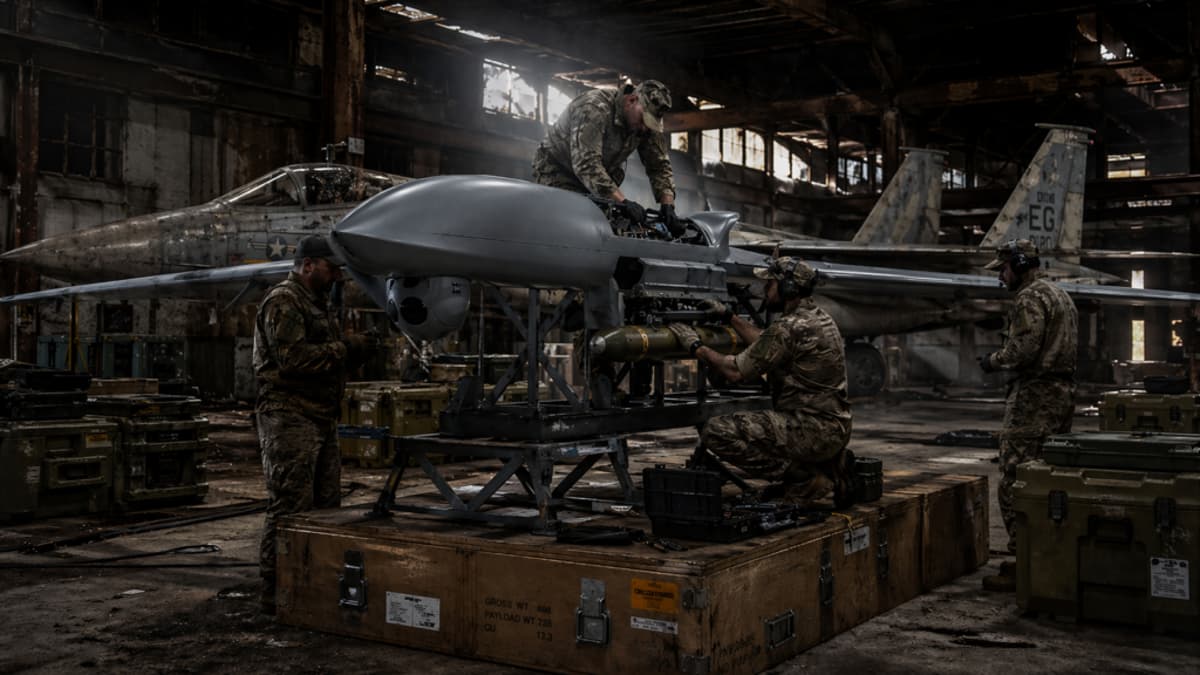
Assessing the Credibility of Manned Platforms in Contemporary Drone-Rich Combat Environment
The rise of drones in the Russia‑Ukraine war and other conflicts has sparked claims that manned platforms are becoming obsolete, but recent combat experience shows otherwise. Modern armored vehicles are adapting with armor cages, jammers, and active protection systems to...
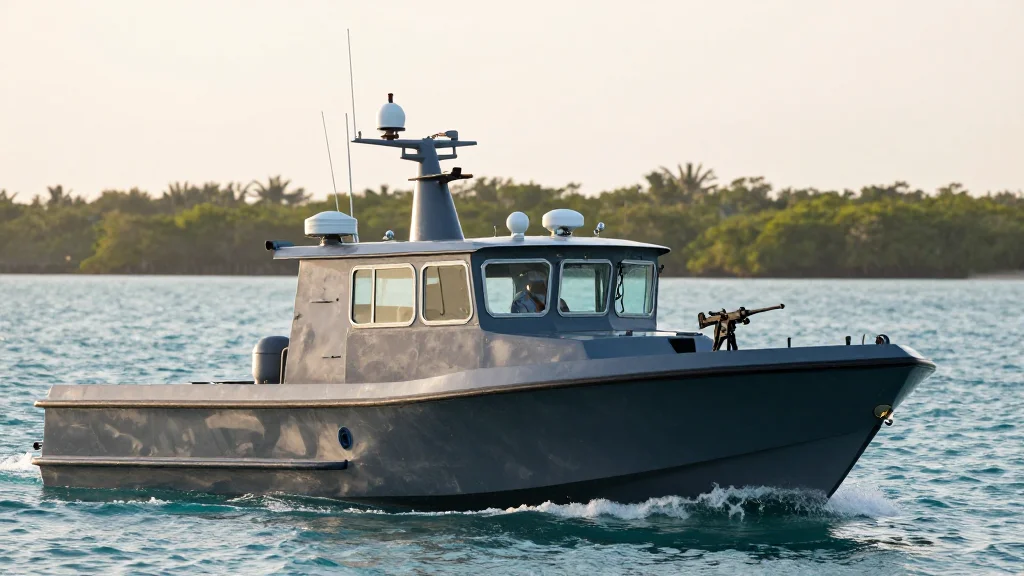
Rising Security Threats in West Africa and Regional Responses
West Africa’s security environment has deteriorated sharply, driven by violent extremism, political coups, transnational crime, and maritime piracy. Boko Haram’s insurgency in Nigeria and jihadist expansions in Mali, Burkina Faso and Niger have displaced millions and blurred national borders. Organized crime...
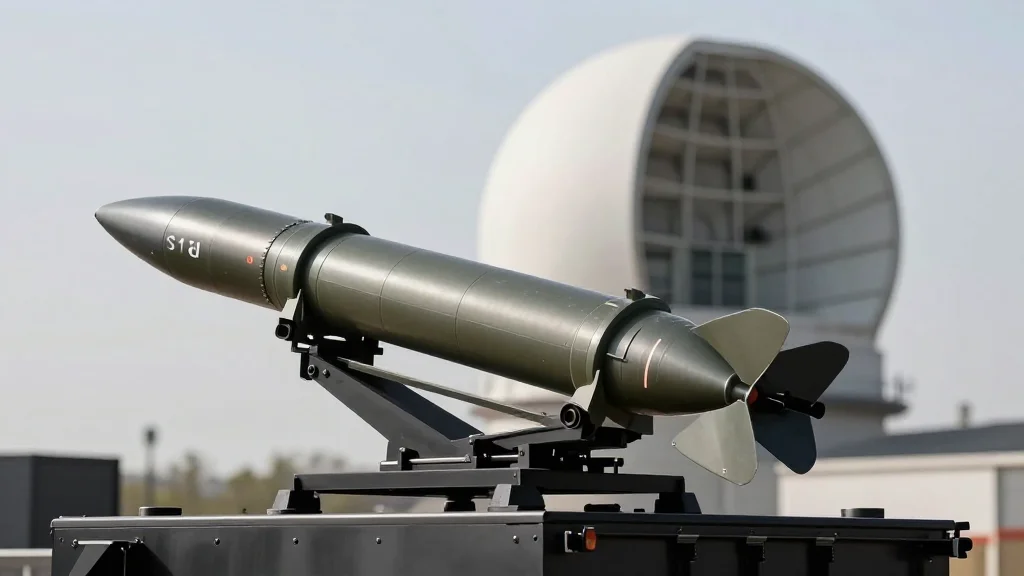
Iran’s Missile-Drone Campaign and Its Implications for the United States’ Deterrence
Iran’s missile‑drone campaign has demonstrated that low‑cost, high‑volume weapons can strain even the most advanced U.S. air‑defense systems. By saturating Patriot, THAAD and Iron Dome with cheap drones and short‑range missiles, Tehran forces the United States to expend interceptors worth...
Beyond New START: Prospects for U.S.–Russian Nuclear Arms Control
The New START treaty, the last major U.S.-Russian nuclear arms control pact, expired in 2026 after Russia suspended participation in 2023, leaving a legal vacuum. The article traces the historical arc from SALT I to New START, examines rationalist, domestic‑politics,...

Can the Balkans Fight Corruption Without Weakening Due Process?
Judicial reforms across the Western Balkans, driven by EU accession pressure, have spawned powerful anti‑corruption bodies such as Albania’s Special Structure against Corruption and Organized Crime (SPAK). While SPAK was lauded for boosting investigative capacity, its sweeping powers have led...
Beyond a Pacific Defense Pact 4: Blueprint for an Indo-Pacific Nuclear Alliance
The article proposes an Indo‑Pacific nuclear alliance that would give Australia, Japan and South Korea sovereign nuclear forces, mirroring the UK and France within NATO. Distributed deterrence, forward‑deployed submarines, aircraft and land‑based missiles would create a resilient, multi‑layered deterrent against...
From Shaheds to Strait Control: Why Iran Can Still Influence Global Trade
President Donald Trump claimed the United States had eliminated Iran’s military capability, but analysts argue the regime still possesses a sizable Shahed‑136 drone stockpile and the capacity to expand production rapidly. Russia’s wartime scaling of Shahed‑type drones demonstrates how Iran...

Beyond a Pacific Defense Pact 2: Gray Zone Campaigns and Activities Conducted by China, North Korea, and Russia in the...
Strategic competition in the Indo‑Pacific is increasingly fought in the gray zone, where China, North Korea and Russia employ hybrid tactics that fall short of open warfare. Beijing blends maritime militia, cyber espionage, economic coercion and legal “lawfare” to incrementally...
Reciprocity in Deterrence, Not Just Trade
The Pentagon’s 2025 China Military Power Report warns that China’s nuclear stockpile will exceed 1,000 warheads by 2030, while Russia continues to field tactical nuclear weapons. U.S. deterrence planning still relies on a “strategic sufficiency” model designed for a single...
Lethal Autonomous Weapon Systems: A New Battlefield Reality
Technological advances and rising defense spending have accelerated development of lethal autonomous weapon systems (LAWS), which can select and engage targets without human intervention. The global autonomous weapons market, valued at $14.2 billion in 2024, is projected to more than double...

Deterrence on Layaway: A Shutdown’s Quiet Assault on American Security
The article warns that U.S. federal budget shutdowns erode national security by crippling frontline agencies such as the Transportation Security Administration and the Department of Health and Human Services. More than 460 TSA officers have quit and absenteeism has risen...
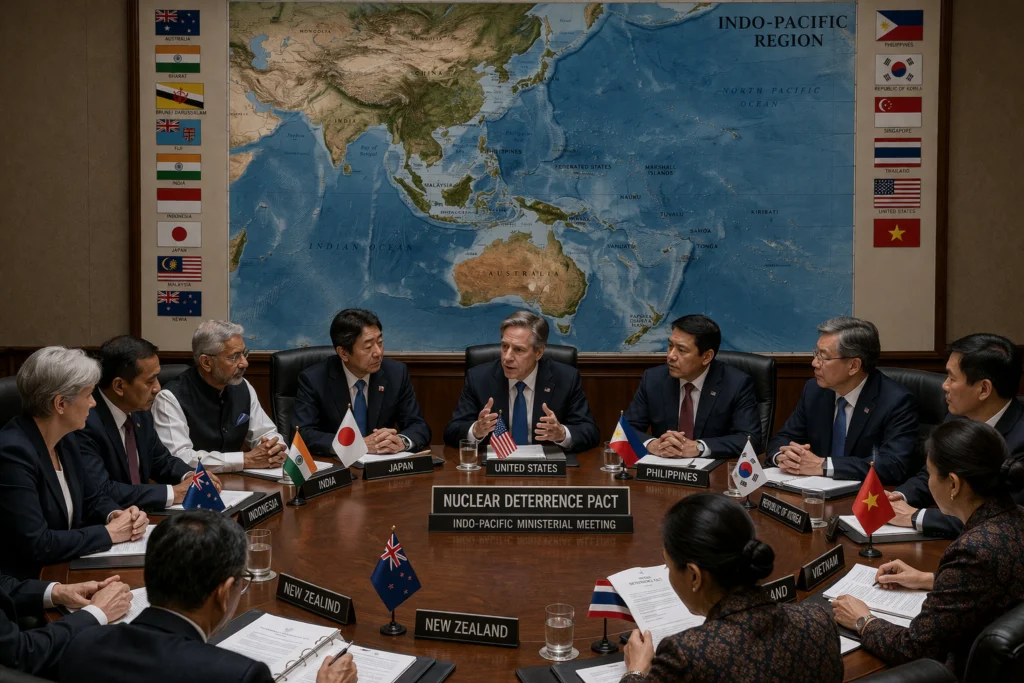
Beyond a Pacific Defense Pact 3: A Nuclear Alliance as the Ultimate Backstop to Grey Zone Coercion
The article proposes a nuclear alliance between the United States and Indo‑Pacific partners as the ultimate backstop against grey‑zone coercion by China, North Korea, Russia and Iran. Grey‑zone tactics—cyber attacks, maritime harassment and limited military provocations—stay below the war threshold,...

Redefining Espionage: The Unseen War for Technological Dominance
The article argues that the resurgence of great‑power competition and the rapid diffusion of artificial intelligence have transformed espionage, forcing U.S. counterintelligence to expand beyond traditional military secrets to protect intellectual property, critical infrastructure, and the information domain. State and...

State-Sponsored Trolls as An Emerging Threat
Russian state‑sponsored troll farms, notably the Internet Research Agency, are intensifying their influence by flooding social‑media comment sections with coordinated inauthentic accounts. These bots create a manufactured consensus that triggers false consensus bias, making fringe viewpoints appear mainstream. The article...

Why Ideology Matters in Irregular Warfare
The article argues that ideology is the driving force behind modern irregular warfare, shaping the tactics of adversaries such as China, Russia, Iran, Cuba, Venezuela, and North Korea. It criticizes U.S. policymakers for treating ideology as peripheral and calls for...

Why Washington Has Turned to Pakistan—And What It Means for India
In 2025 Washington pivoted toward Pakistan, valuing its ability to deliver immediate security, economic, and diplomatic results over traditional strategic considerations. The Trump administration’s transactional style emphasizes rapid, measurable outcomes, positioning Islamabad as a "deliverable" partner through counter‑terrorism cooperation, mineral...

CARRIER, CHOKEPOINT, AND COERCION: THE DYNAMICS OF IRAN-US CONFLICT
Washington has assembled a carrier‑centered naval armada in the Arabian Sea, featuring the USS Abraham Lincoln, three Arleigh Burke destroyers and Ohio‑class SSGNs, to prepare for a rapid kinetic operation against Iran. Iran has responded with sea‑denial tactics, seizing tankers...
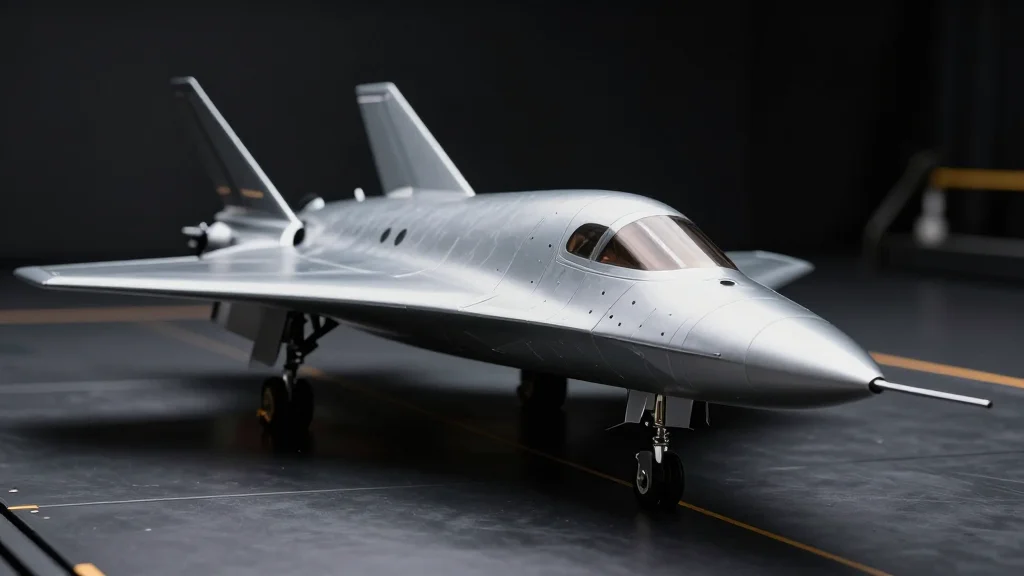
Understanding the Third Nuclear Age: Why 2026 Matters
The article defines the "third nuclear age" as a chaotic, multipolar era marked by expanding arsenals, the 2026 expiration of the New START treaty, and rapid modernization in the United States, Russia, China, the United Kingdom and France. Emerging technologies...
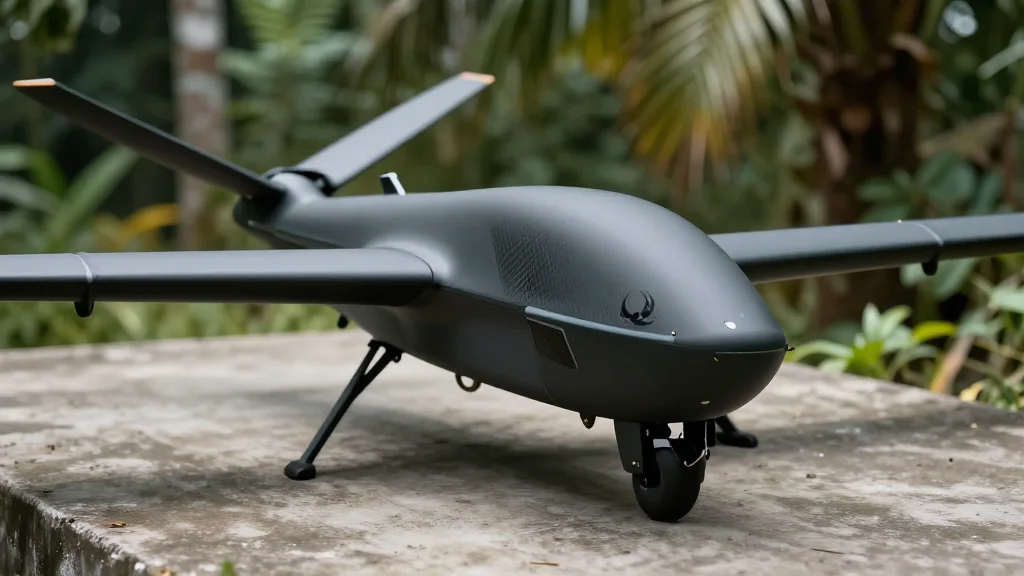
Much Ado About Nothing: The Proliferation Debate Post Venezuela
A U.S. delta‑force raid captured Venezuelan President Nicolás Maduro and his wife, prompting scholars to reassess whether such regime‑change actions could spur nuclear proliferation. The article argues that, despite realist concerns linking security threats to nuclear ambition, the Venezuela operation...

Late-Phase Failure and the Erosion of Military Effectiveness in Prolonged Conflict
The article argues that military effectiveness in prolonged conflicts erodes primarily due to institutional stress rather than platform loss. It highlights logistics, energy, personnel, civil‑military coordination, and cyber/space vulnerabilities as decisive late‑phase factors, especially for Indo‑Pacific deterrence. Planners are urged...

Seizing the High Ground: The Case for U.S. Leadership in Space Mining
The article argues that the United States must seize early leadership in space mining to secure economic, energy and geopolitical advantages as extraction technologies become viable. It highlights the trillion‑dollar profit potential of asteroid resources and the strategic value of...
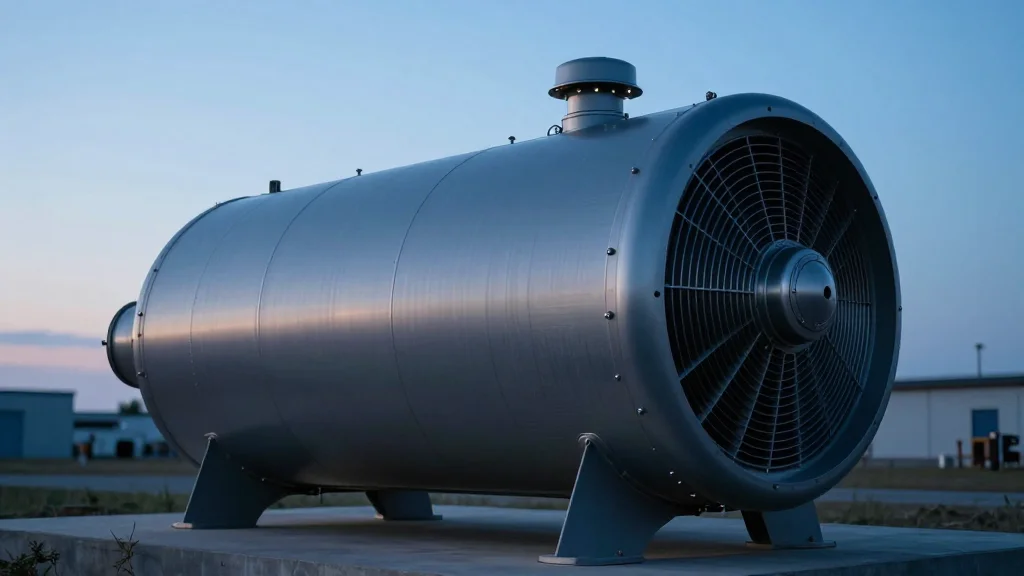
Learning to Love the Atom Again Why the Future of Artificial Intelligence Is Nuclear
The United States faces a looming energy gap as AI data centers demand an estimated 47 GW of new power by 2030, roughly half of the nation’s current nuclear output. Policymakers are reviving the nuclear agenda, with the DOE pledging to...

India’s Deep Strategic Culture Beyond the Skies
India’s space programme is driven less by pure technology ambition than by a deep strategic culture that prizes autonomy and global status. The country has invested heavily in dual‑use assets such as NavIC, GSAT, and indigenous launchers, culminating in the...

New Hampshire Airmen Sharpen Strategic Deterrence in Readiness Exercise
The 157th Air Refueling Wing of the New Hampshire National Guard conducted a four‑day nuclear operational readiness exercise from Feb. 5‑8. The drill simulated strategic deterrence missions, testing the wing’s ability to generate and sustain aerial refueling for nuclear‑focused operations. Central to...

US Defense Strategy Focuses on Diplomacy with Deterrence-What China Says
The United States released its 2026 National Defense Strategy after internal debate, marking a notable shift from earlier documents that labeled China as the foremost security threat. The strategy coincides with a record $901 billion defense budget, with President Trump promising...
German Minister Rejects European Nuclear Deterrent, Insists on US Umbrella
German Defense Minister Boris Pistorius rejected calls for an independent European nuclear deterrent, reaffirming that NATO’s US nuclear umbrella remains non‑negotiable. He warned against premature speculation that the alliance is dying and cited the U.S. National Defense Strategy’s guarantee of...
From Deterrence to Offensive Defense: What Does NDS-26 Imply?
The U.S. Department of War unveiled the National Defense Strategy 2026 (NDS‑26), shifting emphasis from pure deterrence to an "offensive defense" posture. The doctrine calls for rapid, homeland‑based power projection, citing operations against Venezuela and Iran as proof points. It...