
What We Get Wrong About Teaching Kids to Apologize and Forgive
The article argues that forcing children to apologize or forgive on demand undermines genuine emotional growth. It highlights research showing forgiveness is a multi‑stage process requiring emotional readiness, empathy, and choice, not just scripted words. The piece outlines the Enright Process Model and provides practical steps for educators and parents to foster authentic apologies and voluntary forgiveness. Real‑world classroom examples illustrate how validation and time lead to lasting relational repair.

How Does Forgiveness Benefit People Around the World?
Harvard’s Human Flourishing Program surveyed over 200,000 adults in 22 nations, tracking forgiveness habits and 56 well‑being indicators a year later. The analysis found that regular, dispositional forgiveness is associated with modest gains in psychological health, happiness, and prosocial traits...
An Awe Walk Through History and Possibility
In the latest *Cities of Awe* episode, psychologist Bob McKinnon leads a walking tour of historic Harlem sites for City College of New York students, illustrating how moments of awe can deepen belonging and spark curiosity. The tour visits Alexander Hamilton’s home,...

The Surprising Ways Love Opens Our Minds
Lewis Raven Wallace’s new book *Radical Unlearning* argues that love, connection and community—not facts alone—are the primary drivers for shedding bias and trauma. Drawing on neuroscience, the work shows how oxytocin‑fueled neuroplasticity rewires the brain when people feel safe and...

What Is Education For in the Age of Artificial Intelligence?
The rise of generative AI has exposed the limits of education’s instrumental model that focuses on job‑ready skills, as machines now perform many classroom tasks instantly. This mismatch forces a reassessment of what schools should teach, shifting from procedural mastery...

Can Chatbots Really Relieve Loneliness?
Recent research shows empathic chatbots can ease loneliness in the moment, but a 2026 two‑week study at the University of British Columbia found they fail to produce lasting benefits. Students who exchanged daily messages with random peers reported reduced loneliness...

What Does It Mean to Be Reasonable?
Krista Lawlor’s new book *Being Reasonable* argues that reasonableness is the ability to see what truly matters and act with fairness, blending facts with values. She shows how the vague “reasonable person” standard shapes legal outcomes, citing cases like Hattori...
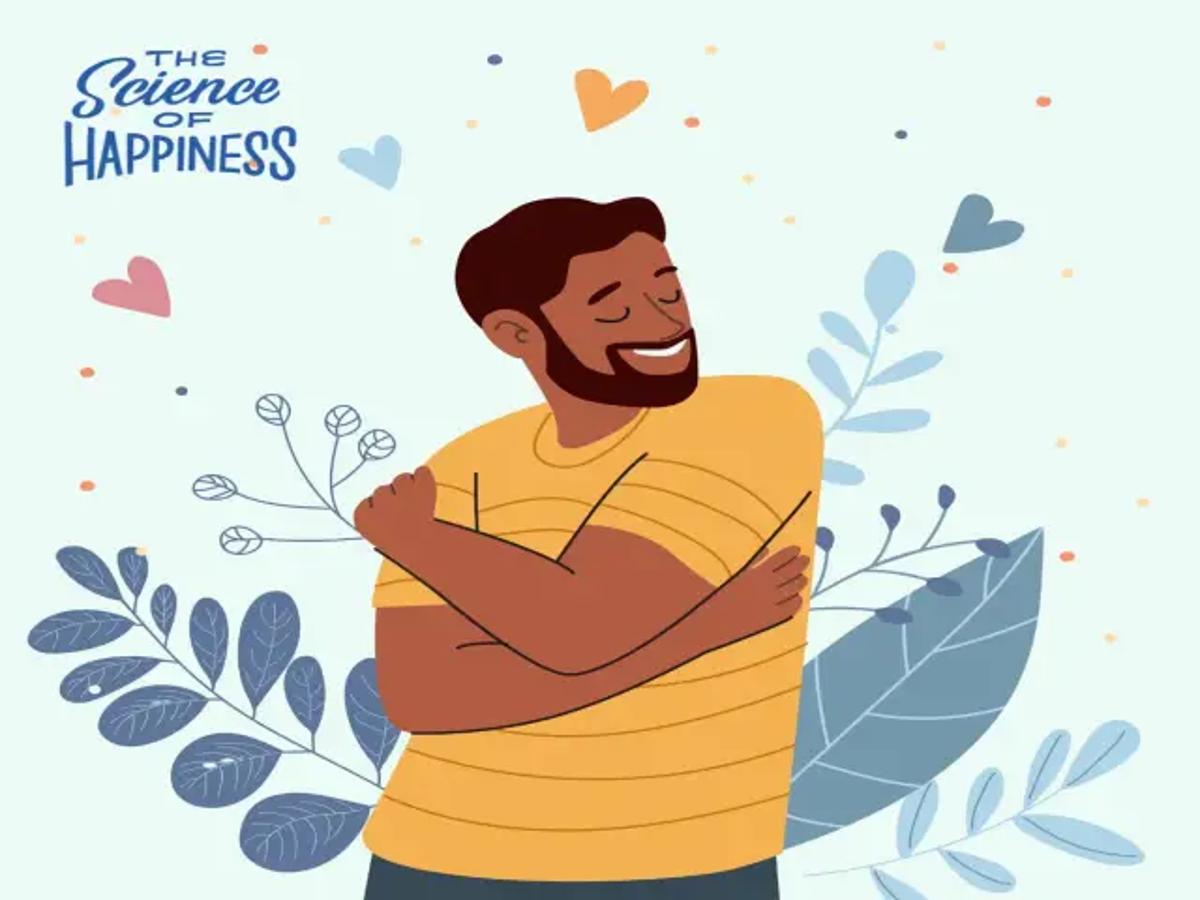
Happiness Break: A Loving-Kindness Practice for Yourself
The Science of Happiness released a "Happiness Break" episode featuring a guided loving‑kindness meditation led by Dr. Kristin Neff, an expert in self‑compassion. The six‑step practice starts with body awareness, extends goodwill to a loved one, then turns the same wishes...

Why Forgiving Ourselves Feels So Hard—And What Helps
A recent study of 80 U.S. adults examined why some people can forgive themselves after a mistake while others remain trapped in guilt. Participants described personal failures ranging from caregiving lapses to relationship betrayals, revealing that rumination and self‑condemnation hinder...

How Fear of Separation Is Reshaping Latino Families—And What Communities Can Do
Research shows that fear of immigration‑related family separation is reshaping how Latino families in the United States make everyday decisions—from seeking medical care to pursuing higher education. Heightened ICE enforcement and policies such as the 2018 Zero Tolerance rule increase...

What Meaningful Character Education Looks Like Around the World
Educators worldwide are re‑examining character education, shifting from pure content delivery to holistic development of students’ attitudes and behaviors. The article contrasts traditionalist models that embed virtues in cultural narratives with progressive approaches that treat character as a civic, democratic...

The Hidden Power of Talking to Strangers
Gillian Sandstrom’s new book "Once Upon a Stranger" argues that casual conversations with strangers improve personal well‑being and societal health. Research shows these interactions lift mood, add psychological richness through novelty, and expand access to diverse information. Repeated practice reduces...

How a Humility Scholar Became More Grounded
A sociologist who spent a decade studying humility discovered its personal relevance after moving from the University of Delaware to Arizona State University. The transition exposed a clash between his publication‑centric background and ASU’s grant‑driven culture, leaving him feeling invisible...

Happiness Break: Make Uncertainty Part of the Process
The latest "Happiness Break" episode features poet‑author Yrsa Daley‑Ward leading a short meditation that frames uncertainty and silence as fertile ground for personal growth. The six‑step practice guides listeners through stillness, naming doubt, and ending with self‑compassion. By blending poetic...

How to Help Students Explore the Meanings of “Different”
Educators are increasingly urged to present a single narrative, discouraging exploration of difference, which coincides with rising anxiety among U.S. and U.K. youth. Sally Smith’s 1994 book *Different Is Not Bad, Different Is the World* offers classroom activities that reframe...

Who Are You in Conflict?
University of Maryland faculty Jazmin Pichardo and Beth Douthirt-Cohen guide students and staff through embodied conflict‑resolution workshops that blend somatic awareness, emotion‑naming tools, and the concept of “choosing relationship.” Their curriculum teaches participants to notice bodily signals, use emotion wheels,...

How to Prepare for the Unexpected
Stanford GSB researchers led by Nir Halevy applied construal level theory to explain why strategic surprises catch organizations off guard. They argue that both overly abstract and overly concrete thinking create blind spots that distort information interpretation. The study suggests...

Why Work Feels Better Together
The Science of Happiness episode released March 26, 2026 explores how collective work models boost employee engagement and organizational success. It features Nino Serrano and Jenabi Pareja of Understory, a worker‑owned restaurant in Oakland, and Niloufar Khonsari of Pangea Legal Services, a...

Happiness Break: A Meditation For When You Have Too Much To Do
In a March 2026 episode of *Happiness Break*, host Dacher Keltner guides listeners through a brief meditation designed for professionals swamped with tasks. Guest Kia Afcari, director of Greater Good Workplaces at UC Berkeley, frames overwhelm as a relationship issue rather than...

When Diversity Is Stressful, Focus on Building Trust
Claude Steele’s new book *Churn* extends his seminal work on stereotype threat by naming the anxiety that arises when diverse identities intersect in high‑stakes situations. He argues that this "churn" hampers performance and flow, but can be mitigated through explicit...

Can You Really Become Addicted to Love or Sex?
Recent research distinguishes love‑related compulsions from formal addiction, noting strong ties to anxious attachment rather than a DSM‑defined disorder. In contrast, compulsive sexual behavior disorder (CSBD) gained official recognition in the ICD‑11, highlighting its neuro‑behavioral parallels to substance addictions. Clinicians...

What Are the Limits to Seeing the Best in Others?
The article argues that charitable interpretation—seeing the best in others—requires balancing perceived goodness against an individual’s agency. It explains how contextual factors such as hunger, hormones, or stress can diminish personal agency, prompting us to attribute behavior to circumstance rather...