
5 Years of Lessons From Extended Producer Responsibility Laws
Extended producer responsibility (EPR) laws for packaging have expanded from Maine in 2021 to seven U.S. states, now affecting one in five Americans. California alone projects $21‑$36 billion in producer fees over the first five years, while Oregon threatens fines up to $25,000 per day for non‑compliance. Litigation has surged but historically serves as a transition phase rather than a repeal mechanism. Industry leaders are urged to integrate packaging data into enterprise systems, elevate EPR to the C‑suite, and redesign portfolios toward recyclable or reusable formats.

Georgia-Pacific Updates Its Barcodes to Speed EPR Reporting
Georgia-Pacific is augmenting its existing universal product codes (UPCs) to capture package weight, material composition, and origin data, streamlining compliance with extended producer responsibility (EPR) reporting. The move aligns with new GS1 guidelines that allow additional metrics to be encoded...

The Corporate Benefit of Linking Water Risk to Strategy
Corporate water stewardship is shifting toward granular, watershed‑level risk assessments, with 39% of the 71 firms studied now mapping local water conditions—a rise from 35% two years earlier. Companies such as Danone are using this insight to retrofit facilities, reuse...

Why P&G’s Sustainability Chief Leads a Monthly Q&A
Procter & Gamble’s chief sustainability officer Virginie Helias runs a 30‑minute monthly “Ask the CSO” Q&A for the company’s 100,000‑plus employees, a practice launched during the COVID‑19 pandemic. The forum ties sustainability metrics—such as the 60% cut in operational emissions...

After SBTi Reset, some Wonder if Targets Are Still Science-Aligned
The Science Based Targets initiative (SBTi) has revised its corporate net‑zero rules, allowing companies to set far less aggressive near‑term cuts. Under the new appendix, the required 2030 reduction for Scope 1‑2 emissions drops from about 42% to roughly 21%, and...

After a Brutal Year, Ford Reshapes Its Sustainability Strategy
Ford Motor Co. announced a recalibrated sustainability strategy that leans heavily on hybrids and a new Universal EV Platform, while tempering its short‑term plug‑in electric vehicle ambitions. The 2025 fiscal year saw an $8.2 billion loss on $187.3 billion revenue, including over...

How the Conflict in Iran Is an Accidental ‘Green Swan’
The Iran‑Hormuz conflict has sharply disrupted global oil flows, sending Brent crude above $100 a barrel and slashing tanker traffic by roughly 87 percent within weeks. The chokepoint moves about 20 million barrels daily—about 20% of world oil consumption—exposing the strategic...

Leading Carbon Credit Registries Expand Into Supply-Chain Decarbonization
Two leading carbon‑credit registries, Isometric and Verra, are broadening their scopes to issue environmental attribute credits (EACs) that capture supply‑chain emissions reductions. Isometric will create a standard for low‑carbon steel and cement, while Verra targets a Q3 2024 launch of...

How New Emissions Rules Could Cripple the Clean Energy Industry
U.S. clean power now accounts for roughly 90% of new electricity capacity, driven largely by corporate procurement that funds over 40% of that growth. The Greenhouse Gas Protocol plans to replace its current accounting method with a "24/7" hourly matching...

How to Navigate All Those Certifications in the Voluntary Carbon Market
The voluntary carbon market now hosts at least 66 distinct certification schemes, a modest decline after a rapid expansion post‑2020. Established bodies such as Verra and Gold Standard share space with newer entrants like Puro, Isometric, and niche players such...

Amazon Opens up Its Cloud Emissions Data
Amazon Web Services has unveiled a redesigned Sustainability console that gives customers direct access to detailed cloud emissions data. The dashboard aggregates carbon footprints across all three emissions scopes, offers monthly visualizations, and includes an API for seamless integration into...

2 Factors that Will Determine if Brands Can Make Consumer Refills Work
Personal‑care brands face mounting pressure from state‑level extended producer responsibility (EPR) rules, notably California’s requirement to shift 2% of packaging to reusable formats by 2027 and 10% by 2032. New Sustainable Packaging Coalition research of 1,300 U.S. adults shows strong...
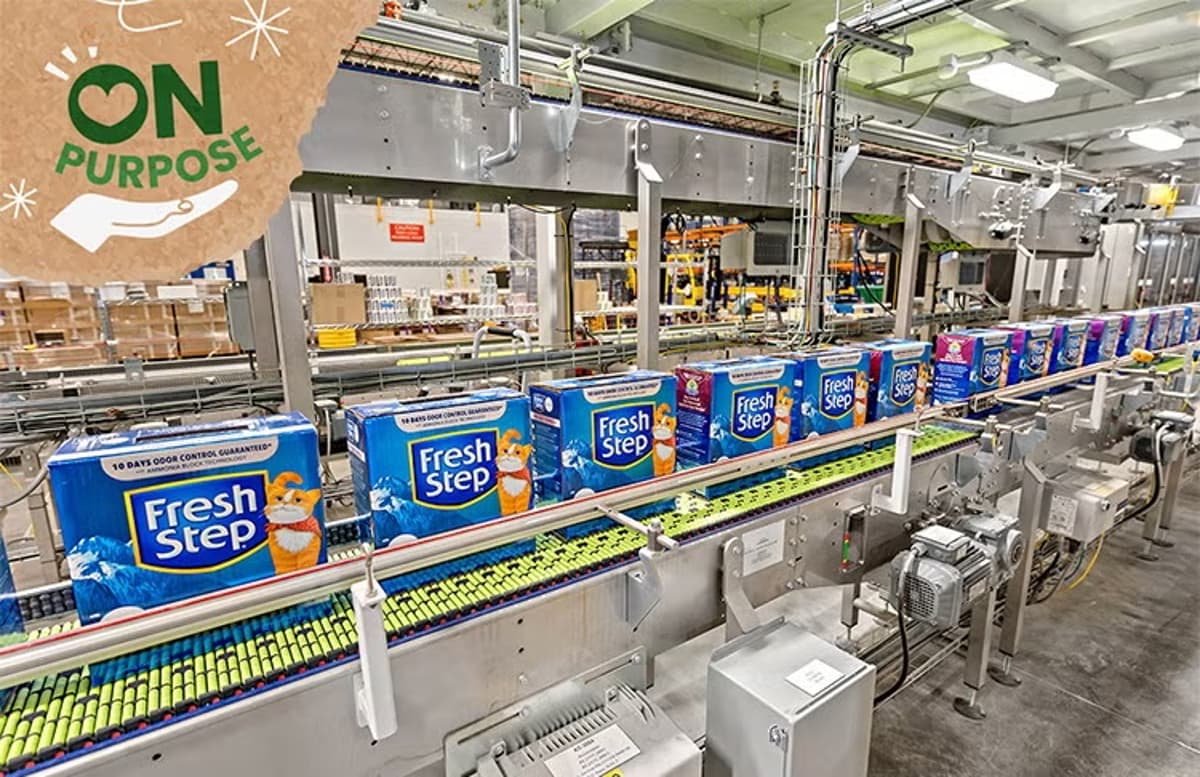
How Clorox Sets Sustainability Goals
Clorox overhauled its sustainability governance in 2023, establishing a quarterly executive committee that reports directly to the CEO and board. The new structure, guided by a steering committee led by CSO Niki King, now sets emissions targets and oversees scorecard...

Algorithmic Greenwashing: Lessons From Building an AI Agent for Nature
The article exposes algorithmic greenwashing, where AI agents trained on corporate sustainability communications reproduce vague, reassuring language that masks real performance gaps. By building an AI agent for nature using a curated database of over 1,000 resources, the authors observed...

Corporate Demand Is Driving a Boom in Farmland Carbon Credits
Corporate demand is propelling a surge in farmland carbon credits as standards bodies approve robust methodologies and major firms secure large transactions. The Integrity Council for the Voluntary Carbon Market (ICVCM) endorsed reduced‑tillage and fertilizer‑efficiency methods, boosting credibility. Indigo sold...