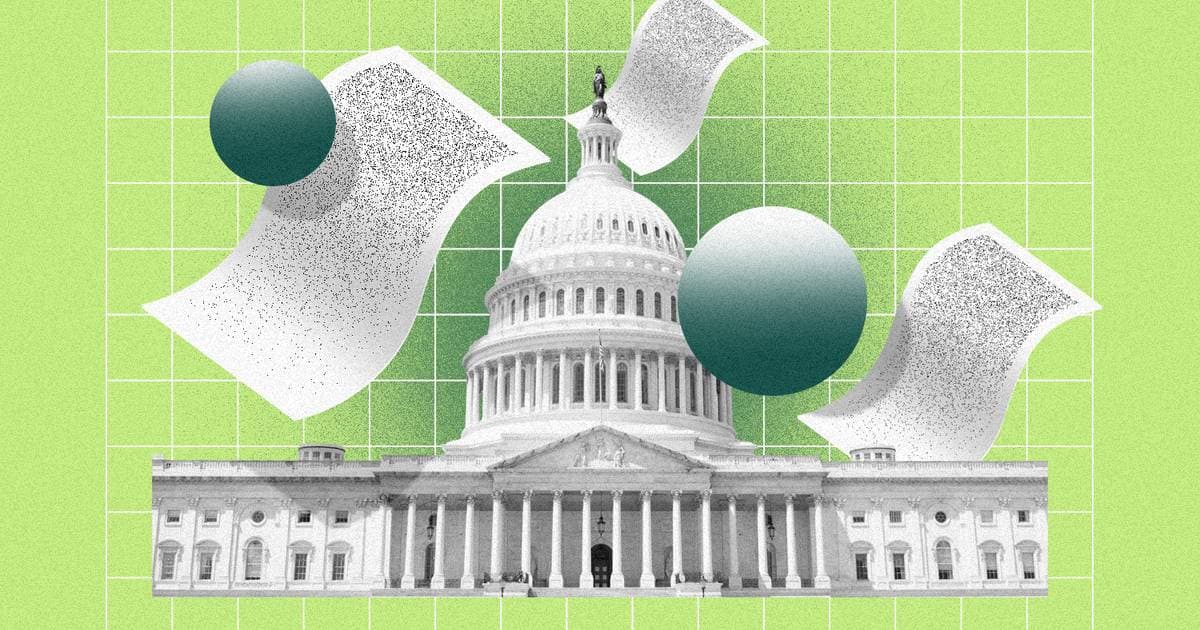
Legislative Lowdown: New York Lawmakers Pass Bill to Crack Down on ‘Ghost Jobs’
New York lawmakers approved a bill on June 2 aimed at curbing “ghost jobs,” ads for positions that may not exist. The legislation requires employers with 100 or more workers to specify in each posting whether they intend to fill the role and by what date, and to remove filled listings within two weeks. Violations carry a $2,500 fine per platform, doubling if the ad remains after 30 days. The move follows similar efforts in California and New Jersey, signaling a broader push for hiring transparency.
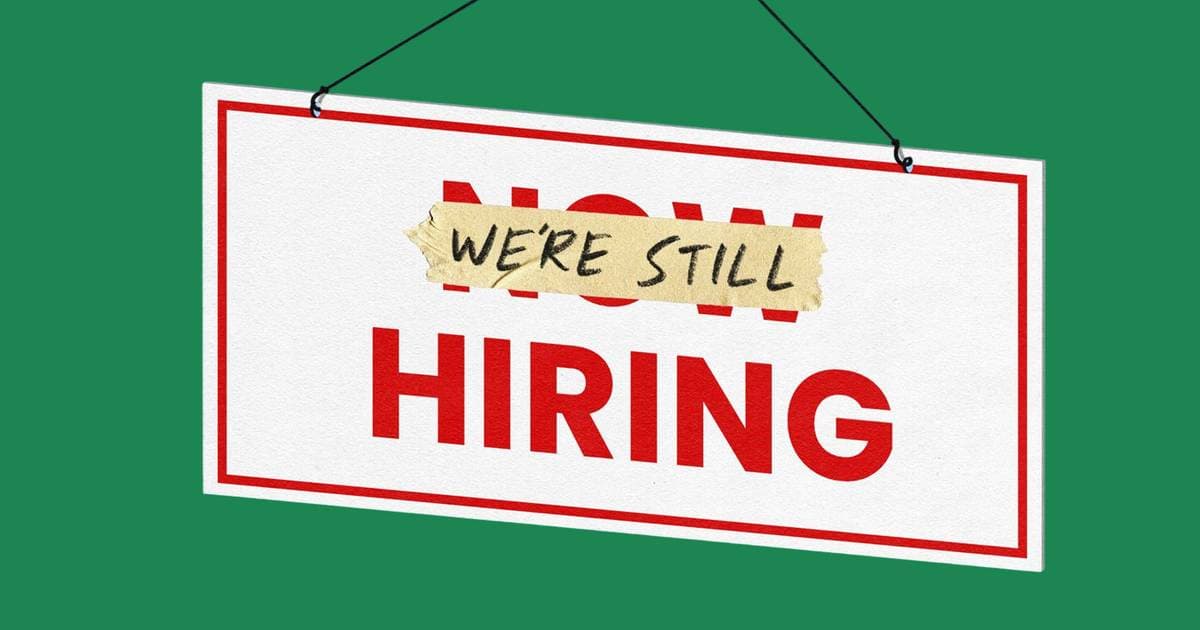
Hiring Plans to Remain Steady in Second Half of 2026
The HR Brew June 2026 survey of over 200 people professionals finds that 64% of employers expect hiring to stay roughly the same in the second half of the year, with only modest increases or cuts. Sales and business‑development roles...
Changes to Minimum Wage, Paid Leave, and More Take Effect Next Month
More than 55 employment‑law changes take effect on July 1, including minimum‑wage hikes in Alaska, Oregon and Washington, D.C., and new pay‑transparency rules in Virginia and Maine. The wage increases range from $13 to $14 in Alaska, $15.05 to $15.55 in...

Settlements Top $1m for Workers Fired over Online Comments About Charlie Kirk. Should Employers Worry?
More than 600 U.S. workers were dismissed or disciplined after posting about the September 2025 assassination of right‑wing influencer Charlie Kirk. Public‑sector employers—including universities and state agencies—have paid over $1.2 million in settlements for those terminations. Private‑sector employees lack the same First...

Indeed’s New AI Assistant Takes Aim at Sourcing
Indeed launched Sourcing Assistant, an AI‑driven tool that augments its Smart Sourcing platform. The assistant parses job descriptions, creates qualification criteria, and surfaces candidates beyond traditional Boolean searches across hundreds of millions of profiles. Recruiters can edit prompts in natural...

Four Communication Don’ts when Announcing a Layoff
Wix announced a 20% workforce reduction, cutting over 1,000 positions from its 5,300‑employee base, citing AI adoption and a flatter structure. The layoff memo from CEO Avishai Abrahami expressed personal sorrow, prompting HR experts to warn against self‑focused messaging. Communication...

Most Workers Describe Their Leaders as ‘Good.’ That’s a Bad Sign, One Consultant Says.
A Harris Poll survey of 2,200 U.S. workers found 54% label their managers as merely “good,” while only 30% call them “exceptional.” The Grossman Group warns that “good” leaders often lack the soft‑skill toolkit needed for today’s volatile, emotionally charged workplaces....

The Business of Benefits: Mental Health Add-Ons at Vasion
Print‑automation firm Vasion, employing 425 staff worldwide, added a comprehensive mental‑health add‑on from Modern Health. The benefit gives every employee six coaching and six therapy sessions, plus community circles and an enhanced assistance program. The company allocated under $50,000 annually...

How Benefits Leaders Can Manage Concerns Around AI and Rising Costs
HR and benefits leaders at a From Day One conference identified three dominant concerns: escalating medical costs, the rise of AI, and employee wellness. Amy Waickman of Arup urged firms to bring clarity to benefit programs, emphasizing personalization through AI‑driven...
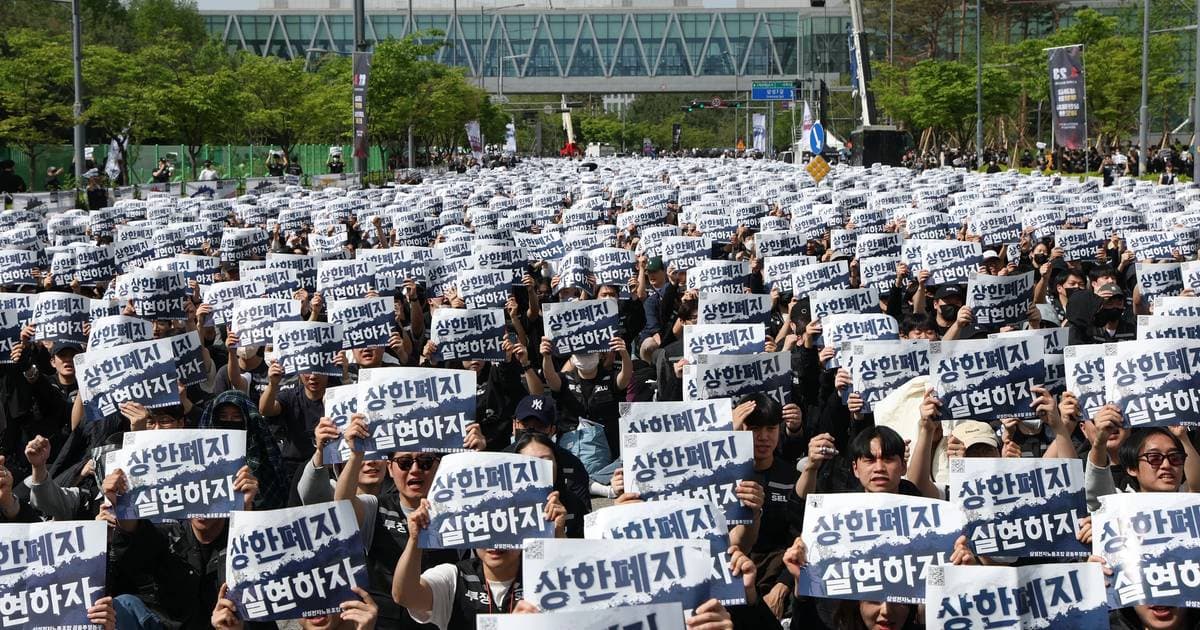
Samsung Electronics Workers Are Set to Reap Bigger Bonuses From Record AI Profits
Samsung Electronics posted a record Q1 profit of about $31.7 billion, driven by soaring AI‑related demand for its memory chips. To avoid an 18‑day strike by its 48,000‑strong unionized workforce, the company agreed to allocate 10.5% of semiconductor operating profit to...

How These Female Founders Found Room in Their Budgets for Childcare
Female founders of CAKES Body and Molly Moon’s have introduced generous childcare stipends despite modest budgets. CAKES offers up to $3,000 per month, leading to zero turnover and attracting senior talent, while Molly Moon’s spends $32,000—just 0.2% of sales—to reimburse...

Legislative Lowdown: Colorado Enacts Revamped AI Law
Colorado repealed its 2024 AI‑employment law and enacted a streamlined version on May 14, 2026, set to take effect Jan 1, 2027. The new statute targets automated decision‑making technology used in consequential employment decisions and drops pre‑deployment impact assessments, annual reporting, and...

Many Companies Are Hiring New CHROs to Lead Them Through AI Transformation
A surge in CHRO turnover is reshaping the C‑suite as companies brace for AI‑driven change. In Q1 2026, 56% of global CHRO appointments were external hires, up from 46% a year earlier, and S&P 500 firms saw external appointments jump to...

Some Employers Are Putting Health Insurance in Workers’ Hands. Here’s How It’s Going.
Employers are increasingly turning to Individual Coverage Health Reimbursement Arrangements (ICHRA) to curb soaring health‑insurance premiums. In 2025, roughly 200,000 workers and dependents were offered ICHRAs, a figure the HRA Council expects to grow. Companies like Janek Performance Group and...
Legislative Lowdown: Chicago Delays Phase-Out of Tipped Minimum Wage
Chicago’s City Council voted to delay the planned phase‑out of the city’s tipped minimum wage. The subminimum rate of $12.62 per hour will remain in place through 2028, pushing the full elimination to 2030 instead of 2028, with tiny eateries...