
Recent Posts

News•Feb 27, 2026
Cost Management Is the Primary Business Priority for Benefit Leaders
Employers are feeling heightened pressure from medical inflation, specialty‑drug spend and regulatory complexity, prompting a shift toward cost control as the top benefits priority, according to MetLife’s 2026 U.S. Employee Benefit Trends Study. Controlling benefit costs has become the number‑one objective for the first time since 2022, reflecting its direct impact on profitability and talent attraction. Benefit leaders are therefore seeking data‑driven strategies that address cost drivers at their source rather than simply raising employee contributions. Dependent verification auditing emerges as a concrete, measurable solution.
By Human Resource Executive

News•Feb 26, 2026
‘Think of Your Hospital as a Start-Up’: Mark Cuban’s Plan to Fix Inpatient Care
Mark Cuban suggests treating hospitals like lean start‑ups, mirroring his Cost Plus Drugs model. He would enforce fixed, transparent margins, pay physicians above market rates, and strip away non‑essential infrastructure. Cuban also argues that AI‑driven contract automation could slash administrative...
By Human Resource Executive

News•Feb 25, 2026
Why Leave Management Faces Growing Compliance Risk
New research from Pulpstream reveals that only one‑fifth of organizations feel very confident in their leave‑management compliance, while roughly 70% rate audit readiness at three out of five or lower. HR leaders face rising leave volumes driven by expanding state...
By Human Resource Executive

News•Feb 24, 2026
Crypto Payroll’s New Era: Moving From Liability to Strategic Asset
The Genius Act, effective July 2025, reclassifies stable‑coin payroll such as USDC as a standard wire transfer, ending offshore‑wallet tax evasion. The IRS now requires reporting via the new 1099‑DA form, creating an automatic data trail that triggers matching reviews....
By Human Resource Executive
News•Feb 23, 2026
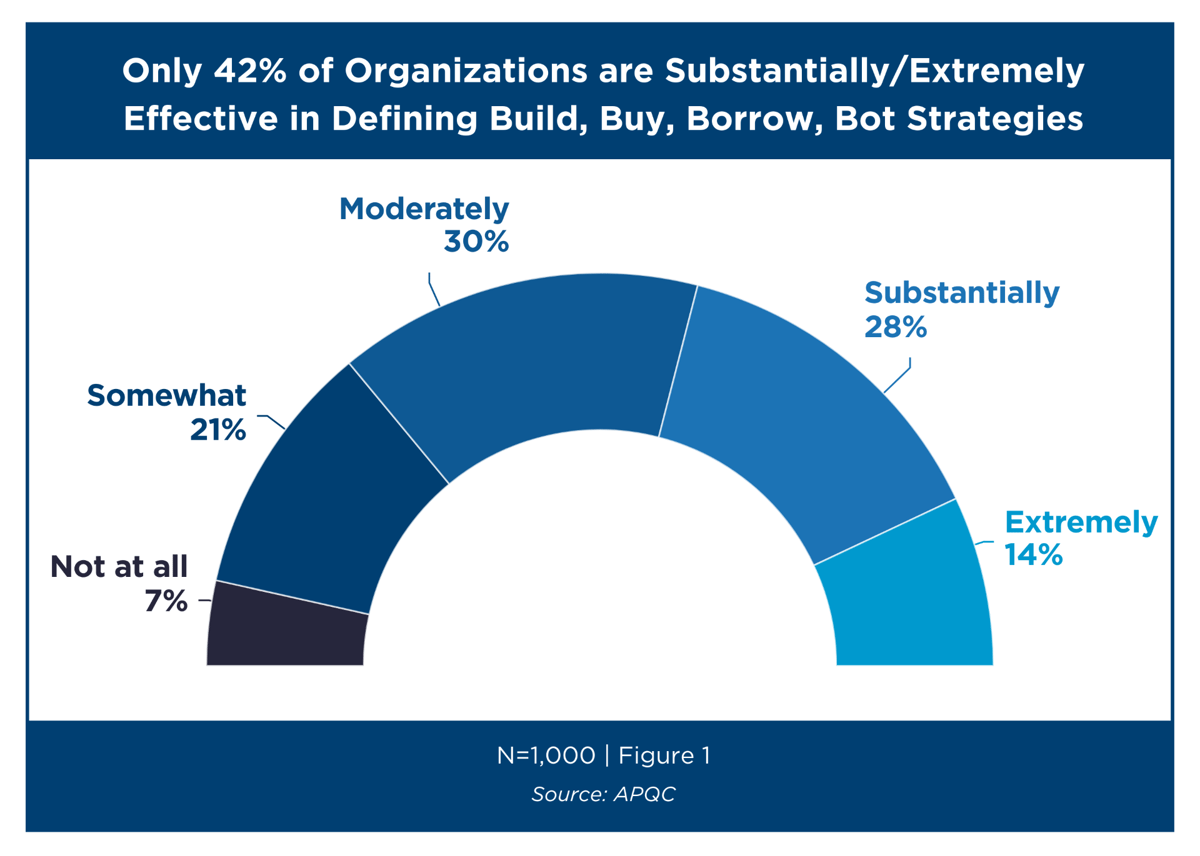
Build, Buy, Borrow or Bot? Making Faster, Smarter Workforce Decisions
HR leaders face accelerating capability gaps as growth initiatives outpace traditional planning cycles. The article proposes a four‑lever model—build, buy, borrow, or bot—guided by a three‑step sense‑surface‑select framework to bring speed and consistency to workforce decisions. It outlines how to...
By Human Resource Executive

News•Feb 23, 2026
The Fix for Compliance: Culture, Tech and Accountability
LRN’s new report finds only 34% of U.S. organizations use data analytics to assess compliance effectiveness, despite rising AI investments. Most compliance programs still focus on basic activity metrics like training completion, offering limited insight into underlying risk or cultural...
By Human Resource Executive
News•Feb 20, 2026
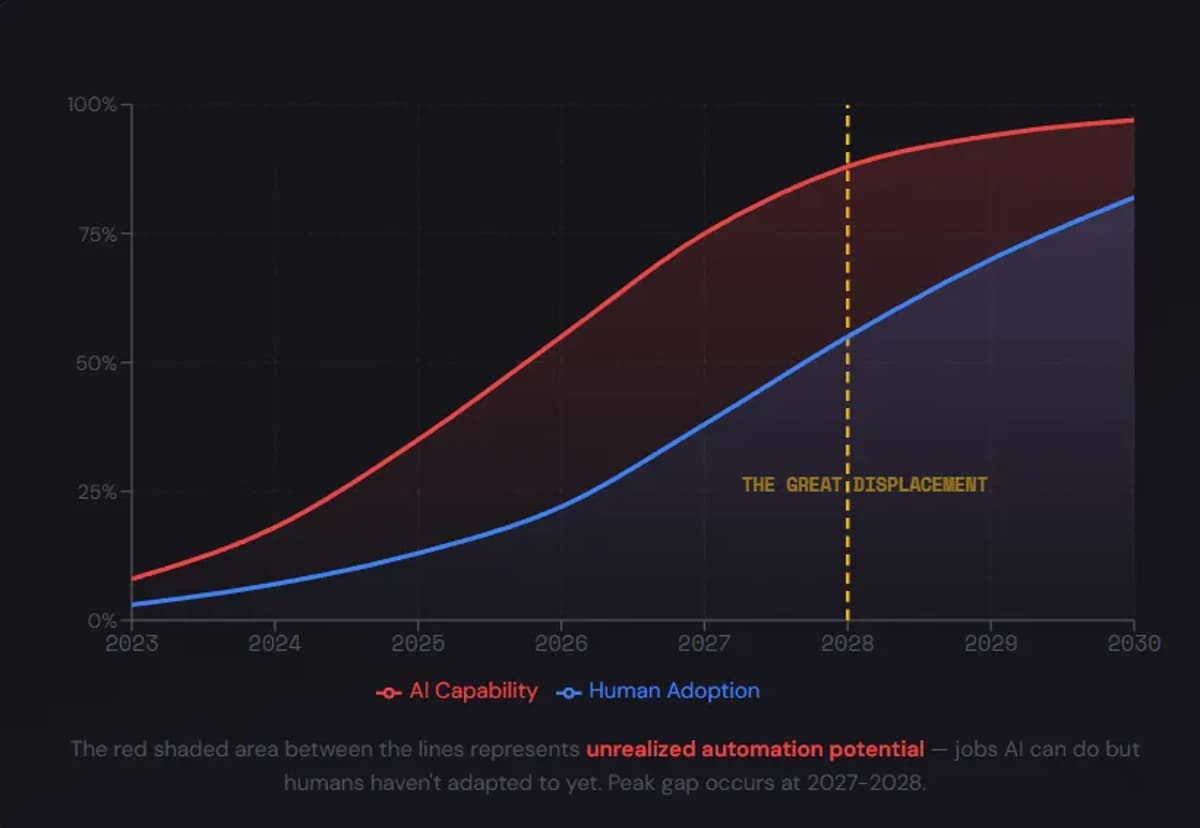
When Will AI Take Your Job? This Tool Thinks It Knows
A free calculator, TheGreatDisplacement.ai, predicts the exact year AI will replace an individual’s job using data from Goldman Sachs, Gartner and the World Economic Forum. Forecasts indicate up to 300 million jobs could be displaced globally, with 20 % of organizations expected...
By Human Resource Executive

News•Feb 20, 2026
New 2027 ACA Draft Rules Are Out. 8 Predictions About the Impact
The Centers for Medicare & Medicaid Services released draft ACA rules for 2027 that could make individual major‑medical coverage cheaper and more attractive. Key changes include broader availability of catastrophic plans, higher annual out‑of‑pocket caps, and the option for monthly...
By Human Resource Executive

News•Feb 20, 2026
The Fallacy of Treating AI Agents as Fellow Employees
The article contends that AI agents should not be treated as employees but as advanced tools akin to computers. It explains that while agents like ChatGPT simplify tasks, they lack autonomy and require human supervision and prompt‑engineering. Using a marketing...
By Human Resource Executive

News•Feb 19, 2026
5 Bold Workplace Predictions for the Rest of 2026
HR leaders face a wave of change in 2026 as AI, immigration policy, and employee benefits reshape the workplace. Companies will demand AI‑native talent and implement formal AI governance, while AI tools will overhaul recruiting, emphasizing quality over quantity. Tightening...
By Human Resource Executive

News•Feb 18, 2026
Think RTO Is Harmless? Top Talent Disagrees
Top talent is pushing back against strict return‑to‑office (RTO) mandates, as highlighted by JPMorgan Chase employees fearing career repercussions for opposing the policy. Research from Gartner shows high‑performers, women and millennials are most likely to leave firms with rigid RTO,...
By Human Resource Executive

News•Feb 18, 2026
The Murky Waters of Healthcare Cost Transparency: What Plan Sponsors Can Control
The 2021 Consolidated Appropriations Act introduced mandatory broker compensation disclosures and broader pricing data for health plans, pushing plan sponsors to adopt fiduciary rigor similar to retirement plans. Yet, translating transparency into cost control remains difficult as procedure prices can...
By Human Resource Executive