Fisker’s Collapse Offers a Warning About Designing for Disruption
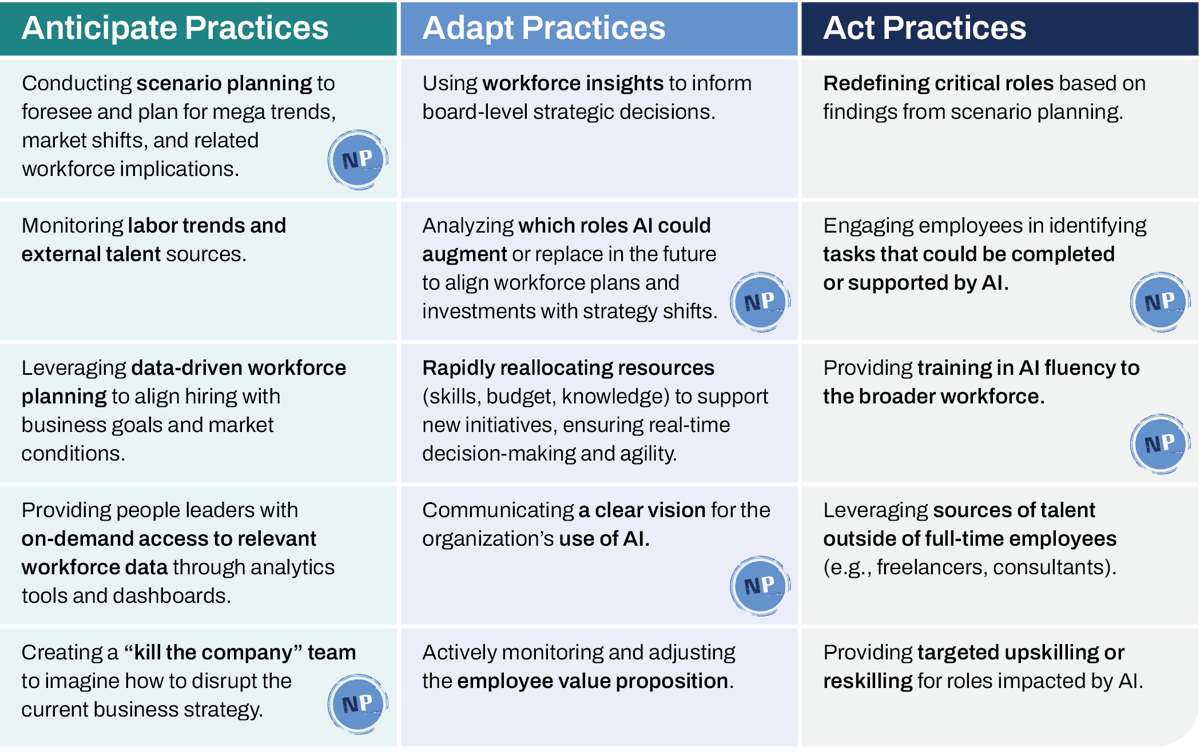
Electric‑vehicle startup Fisker filed for bankruptcy in 2024 after betting on a single future where EV adoption accelerated, capital stayed cheap and consumers embraced new brands. Rising interest rates, slowing demand, fierce competition and tighter funding created a starkly different reality that the company could not survive. The article uses Fisker as a cautionary tale, arguing that firms must build organizational agility—anticipating change, adapting strategy, and acting quickly—to thrive amid AI‑driven timelines, geopolitical shocks, and supply‑chain volatility. It outlines a three‑step "3 As" framework and cites research showing agile firms outperform peers dramatically.

As Burnout Rises, Leaders Should Think Twice Before Cutting Flexibility
Burnout is affecting nearly six in ten American workers, prompting many firms to reverse recent flexibility gains with stricter return‑to‑office mandates and rigid schedules. While economic uncertainty drives leaders to chase efficiency, research shows that cognitive restoration—time away from work—is...

How HR Leaders Can Turn the ‘Silver Tsunami’ Into a Talent Advantage
Singapore faces a "super‑aged" workforce, with one in four citizens projected to be 65 or older by 2030, while AI is accelerating the pace of work transformation. Rebecca Adams, Cohesity’s CPO, argues that high performance now hinges on speed, adaptability,...
AI Is Devaluing Resumes, Masking Identity of Top Talent, Research Finds
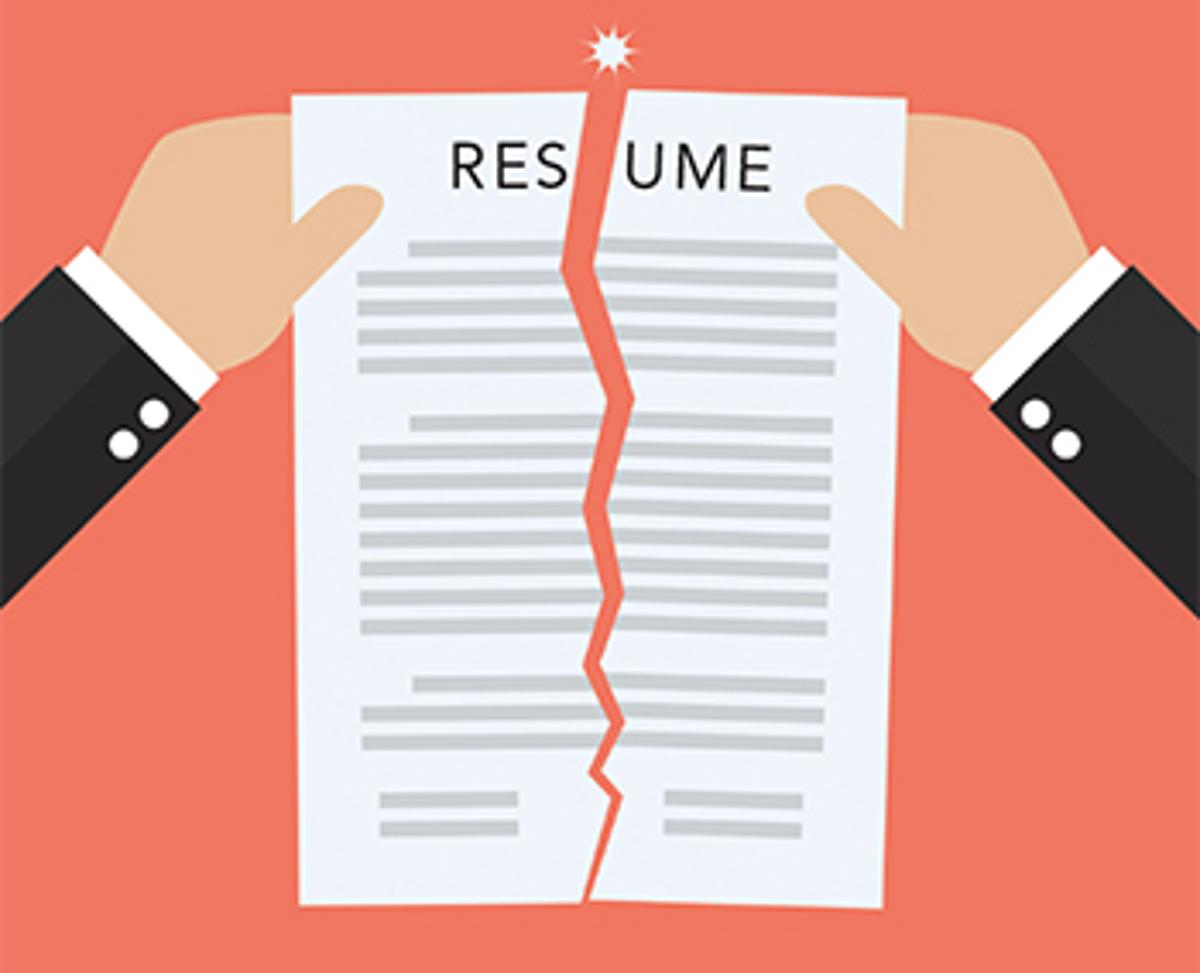
A 2026 Talent Acquisition Trends Study of 998 hiring leaders finds only one‑third of employers are very confident resumes reflect true skills. Yet two‑thirds still start hiring with resume screening, and 92% report AI‑generated resumes are common. Candidates increasingly want...

7 Ways Your Workforce Can Thrive Through AI Disruption
HR leaders must confront outdated data sources as AI reshapes work, because traditional surveys and HRIS records capture only static snapshots while real work patterns remain hidden. A 2026 CHRO survey shows 47% of executives lack clear AI productivity metrics...
What the DOL Overtime Rule Reversal Means for HR
The U.S. Department of Labor has officially withdrawn its 2024 overtime rule, reverting the federal salary threshold for exemption to $684 per week—the 2019 level. The rollback follows court rulings that struck down the newer regulation, but it leaves employers...

Leadership Gaps Are Driving Multiple Workforce Risks, Data Shows
The Marsh and Mercer People Risk 2026 report, based on 4,517 HR and risk professionals across 26 markets, shows employee thriving dropping from 66% in 2022 to 44% in 2026. One‑quarter of workers feel stuck in unsatisfying roles and 12%...
‘Do I Need a Human?’: Skillsoft CPO on HR’s New Talent Strategy
Skillsoft’s chief people officer Ciara Harrington says the traditional talent script—matching a job to a person—is being replaced by a question of how work should be accomplished, including AI agents and automation. She highlights a severe shortage of AI‑specific talent,...

UnitedHealthcare to Cut Pediatric Prior Authorization Requirements by Two-Thirds
UnitedHealthcare announced it will slash pediatric prior‑authorization requirements by roughly two‑thirds, with the change slated for completion by Dec. 31. The reduction covers both commercial and Medicaid plans and will affect many diagnostic services, routine surgeries, and specialty care such as...

The Employer Implications of Medicaid’s Proposed Work Mandate
Washington state Medicaid managers are pushing a new work mandate that requires able‑bodied adults to complete at least 80 hours of paid work, volunteering, government programs, or schooling each month. The Centers for Medicare & Medicaid Services released an interim...

Current Hiring Processes Aren’t Built to Find AI-Ready Graduates, Data Finds
SHL’s analysis of over a million assessments shows the class of 2026 graduates consistently outpace non‑graduates on behavioral traits linked to AI readiness. A NACE‑Indeed survey reports a 26% jump in applications in 2025, driven by AI tools that let...

Employee Engagement Sinks as Workers Struggle with Digital Overload
U.S. employee engagement has slipped to a 10‑year low, with only 31% of workers reporting they feel engaged and 17% actively disengaged, according to Gallup’s latest report. Unily’s research shows half of employees are distracted at least every 30 minutes...

ICHRA Adoption Doubles as Employer Health Costs Surge
The SureCo "State of ICHRA 2026" report shows that 56% of benefits brokers now actively recommend or implement individual coverage health reimbursement arrangements (ICHRA), up from 15% adoption in 2024 to 37% in 2026. Employer‑sponsored family premiums have surged 26%...

New Data: As AI Shrinks Teams, the Cost of Losing Top Talent Is Surging
AI is compressing workforces, placing greater expectations on fewer employees. A new Wellhub report finds that the cost of losing top performers is accelerating, with nearly 90% of companies planning to prioritize retention by 2026. The study also shows that...

Why Strategic CHROs Don’t Wait for an Invitation
2026 is a pivotal year for CHROs as Gartner and BCG highlight AI‑driven transformation, workforce redesign, and leadership readiness. The article contrasts two CHRO operating modes—operational excellence versus strategic ownership—and argues that strategic involvement is essential for talent‑driven business success....