
Global Teams: 5 Things HR Leaders Get Wrong About Feedback Across Cultures
Global HR leaders often misapply feedback practices across cultures, leading to confusion or perceived disrespect. Chris Crosby of Country Navigator highlights five common pitfalls, from direct versus indirect communication styles to hierarchical sensitivity and public versus private feedback. He advises adapting tone, building trust before criticism, and confirming understanding to ensure feedback is effective worldwide. The article underscores that cultural intelligence is essential for motivating international teams.
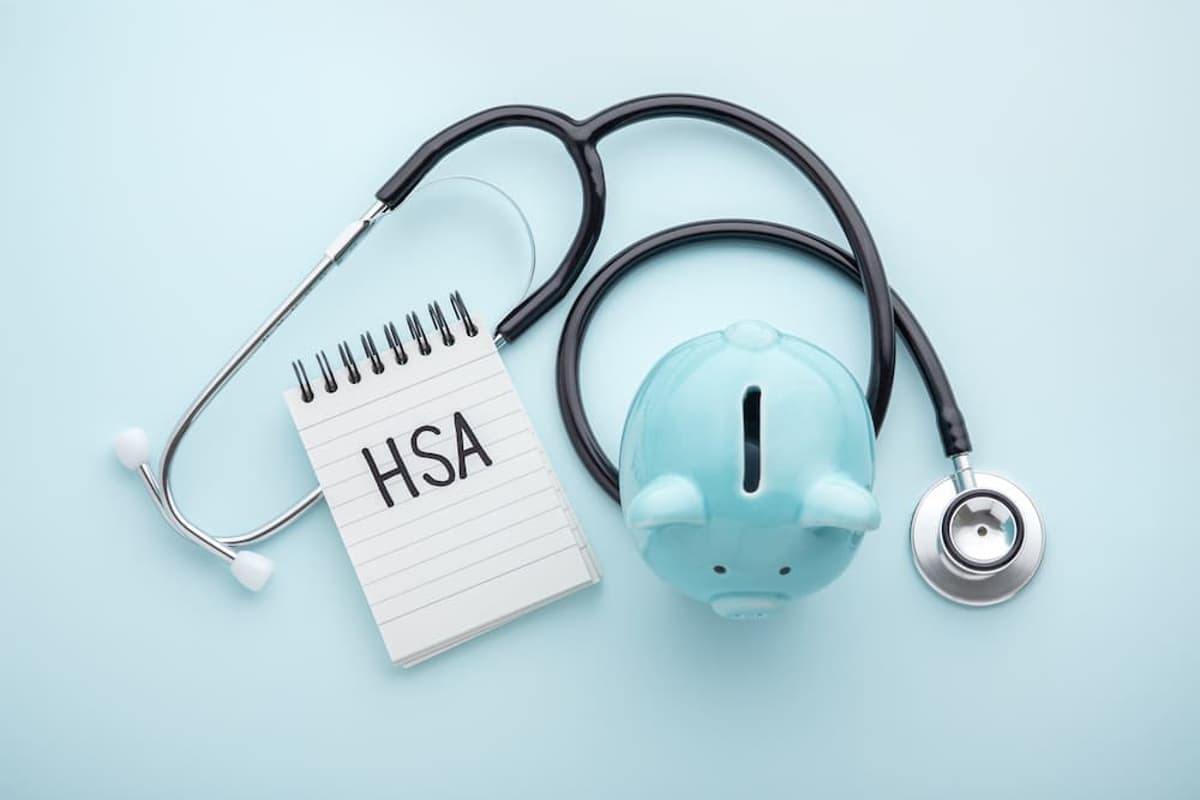
2027 HDHP, EBHRA Limits Set by IRS
The IRS released its 2027 contribution limits for health savings accounts (HSAs), high‑deductible health plans (HDHPs) and excepted benefit health reimbursement arrangements (EBHRAs). HSA limits rise to $4,500 for individuals and $9,000 for families. HDHP minimum deductibles increase to $1,750...

How the EU AI Act Impacts Global Standards for AI in Hiring: Expert Insights
The EU Artificial Intelligence Act now imposes strict transparency and human‑oversight requirements on AI‑driven hiring tools, extending its reach to any employer using such systems on EU‑based candidates. The law arrives amid a wave of class‑action lawsuits and heightened congressional...

AI in HR Is Moving Faster than the Rules. So What Now?
HR leaders have rapidly integrated AI into recruiting platforms, performance systems, and analytics dashboards, often through software updates that add functionality overnight. This swift adoption is outpacing the development of governance frameworks, leaving ownership, validation, and accountability unclear. As AI...

Why Brilliant Strategies Die in Broken Cultures
A brilliant strategy can falter when the underlying culture lacks the capacity to execute it. Research from McKinsey and Gallup shows that culturally aligned firms outperform peers by a wide margin, making culture a performance variable rather than a perk....

OpenAI, Anthropic CEOs Walk Back AI Job Warnings as IPOs Loom
OpenAI CEO Sam Altman and Anthropic CEO Dario Amodei have publicly softened earlier warnings that AI would eradicate entry‑level white‑collar jobs, now describing AI as a productivity multiplier rather than a job destroyer. Their revised stance coincides with both firms...
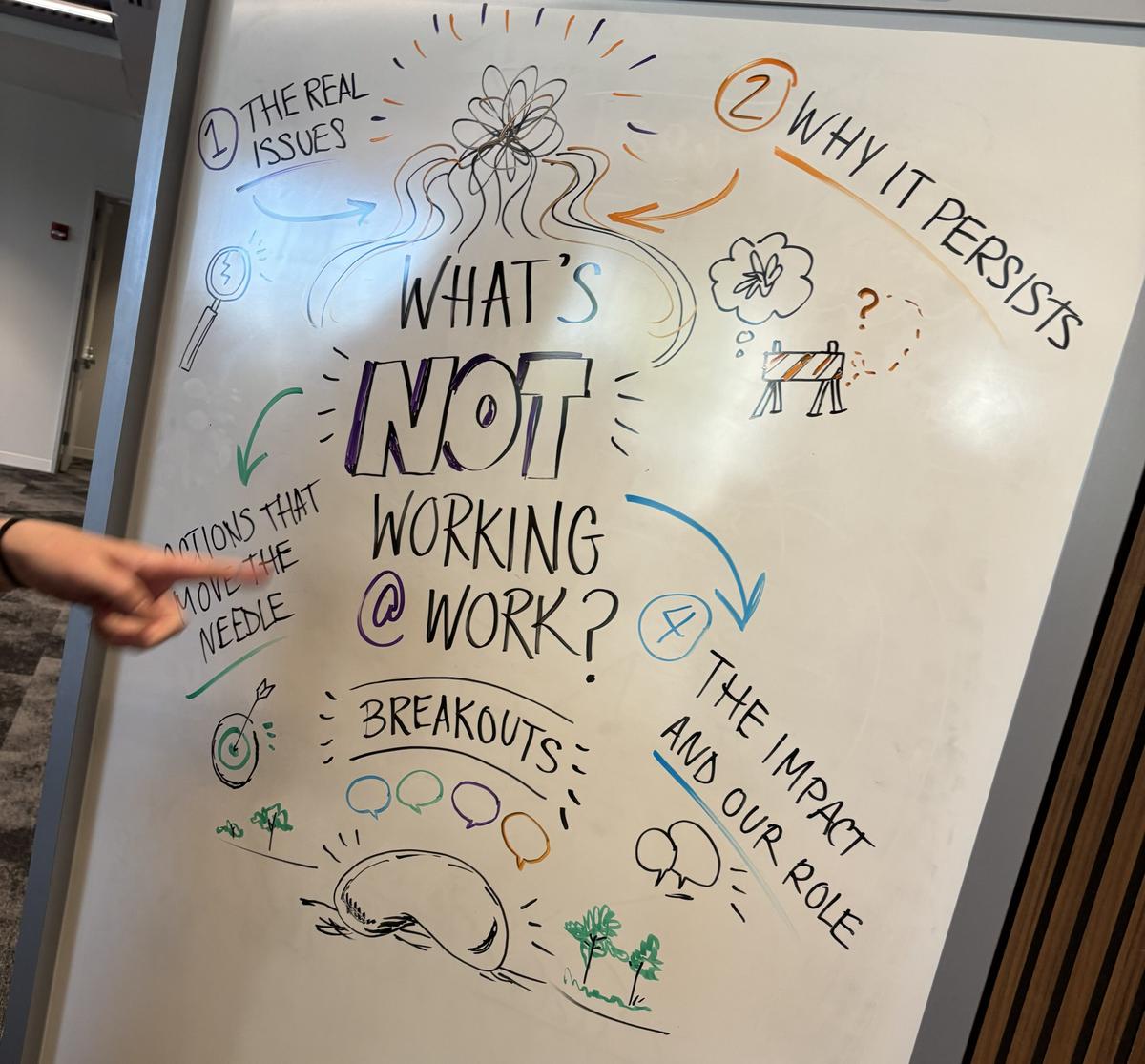
What a Room Full of CHROs and CEOs Agreed Was the Real Problem at Work
A Chicago summit of CHROs, CEOs and workforce strategists revealed that many firms mistake a technology overhaul for a genuine human transformation. Leaders reported change fatigue, AI adoption gaps and isolation as symptoms of outdated leadership models and fragmented systems....

AI Is Reshaping Leadership Roles Faster than Succession Plans Can Keep Up
New research from ON Partners shows AI is reshaping C‑suite responsibilities faster than companies can adapt, with 94% of executives reporting role changes. Yet only 9% of firms redesign positions before hiring, and nearly three‑quarters still opt for “like‑for‑like” replacements....

Sabbaticals: Mental Health, Talent and Rest as a Business Strategy
Workplace stress now touches 83% of U.S. employees, translating into higher turnover, absenteeism and lost productivity. The article proposes structured sabbaticals—planned at least three months ahead—as a proactive mental‑health strategy that lets staff reset and return with renewed focus. When...
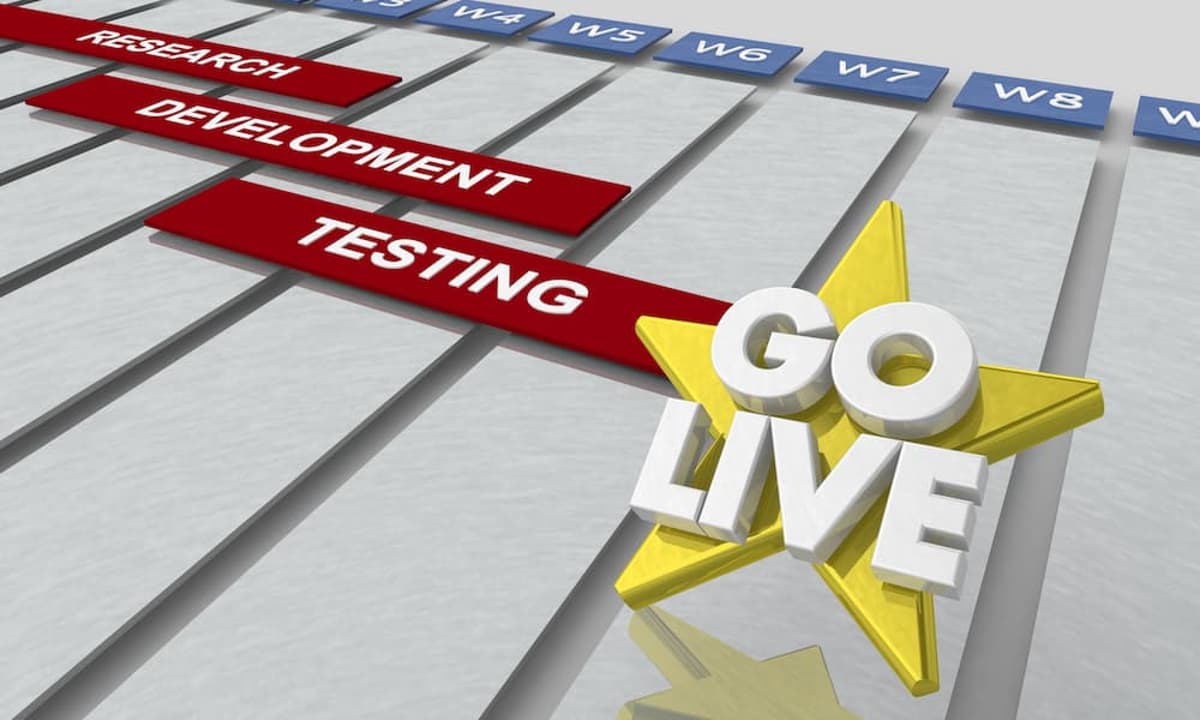
Why HCM Rollouts Are Failing and What HR Can Do About It
Human capital management (HCM) implementations are stalling because change communications are treated as an afterthought. Research shows 68% of projects miss adoption targets, while only 9% of HR professionals consistently complete daily tasks, leaving teams stretched thin. Relying on systems‑integrator‑driven...

Google, Apple Top Early-Career Workers’ Engagement Findings
The 2026 Junior Employee Satisfaction Report from Resume.io examined 12,870 Glassdoor reviews of workers with zero to two years of experience at 41 U.S. firms. Google topped the list with a 4.44‑out‑of‑5 satisfaction rating, followed by Adobe, Mastercard, American Express and...

The Benefits Are There. So Why Aren’t Employees Using Them?
Howden’s 2026 Asian employee health report reveals a stark utilisation gap: while 38% of workers sought mental‑health treatment in the past year, only 28% accessed employer‑provided benefits. An additional 18% avoid using corporate programs due to privacy fears, stigma, and...

Unexpected Retirement Plan Costs Forcing SMBs to Cut Benefits
A Human Interest survey reveals that two‑thirds of small and mid‑sized businesses face unexpected retirement‑plan fees, including auditor, ERISA counsel, and routine transaction costs. Employers report that these fees can consume up to 60% of total plan expenses, prompting 13%...
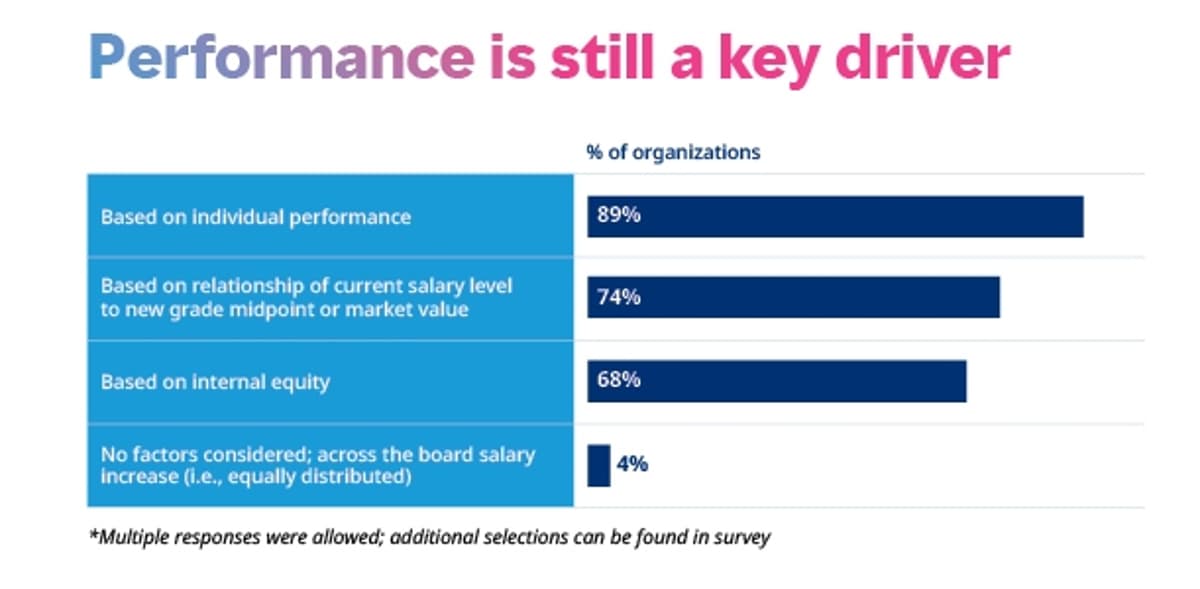
Despite Headlines, ‘Peanut Butter’ Pay Raises Remain Rare: Mercer
Employers delivered a mean merit increase of 3.1% in spring 2026, slightly below the 3.2% forecast, while total compensation rose 3.4%. Only 4% of firms applied the so‑called “peanut butter” equal‑raise strategy, indicating it remains an outlier. Merit gains were...

Why Tech Bloat Is No Longer a Hidden Inefficiency
Recruiting firms have layered dozens of technology solutions, from ATS and CRM to AI‑driven sourcing tools, creating fragmented stacks that require recruiters to juggle eight or more applications simultaneously. The resulting duplication of effort—estimated at five to ten hours per...

Telemedicine Use Has Not Led to Increased Visits or Higher Costs, Study Finds
A UCLA‑led analysis published in JAMA Network Open shows that telemedicine use between 2019 and 2023 did not increase overall visit volume or medical spending across Medicare, Medicaid, commercial and other payer types. Telemedicine visits fell 2.4% and total spending...

Immigration Enforcement Concerns Expose Credibility Gap for Employers
A Brightmine survey of 1,000 U.S. adults reveals a credibility gap between employee expectations and employer actions on immigration enforcement. While 45% of workers trust their companies to handle enforcement correctly, 46% do not, and only about one‑in‑five have received...

Bipartisan Bill Aims to Break Pharmacies Away From Health Insurers and PBMs
Congress is reintroducing the Patients Before Monopolies Act, a bipartisan bill that would require health insurers and pharmacy‑benefit managers (PBMs) to divest any pharmacies they own. The legislation is led in the Senate by Elizabeth Warren and Josh Hawley and...
International Hiring Is Easier than Ever. Compliance? Not so Much
Over the past decade, remote‑work infrastructure and global payroll platforms have made hiring talent in more than 20 countries virtually frictionless. Yet the legal landscape has not kept pace; employment classification, minimum‑wage rules, benefits and termination standards differ sharply across...
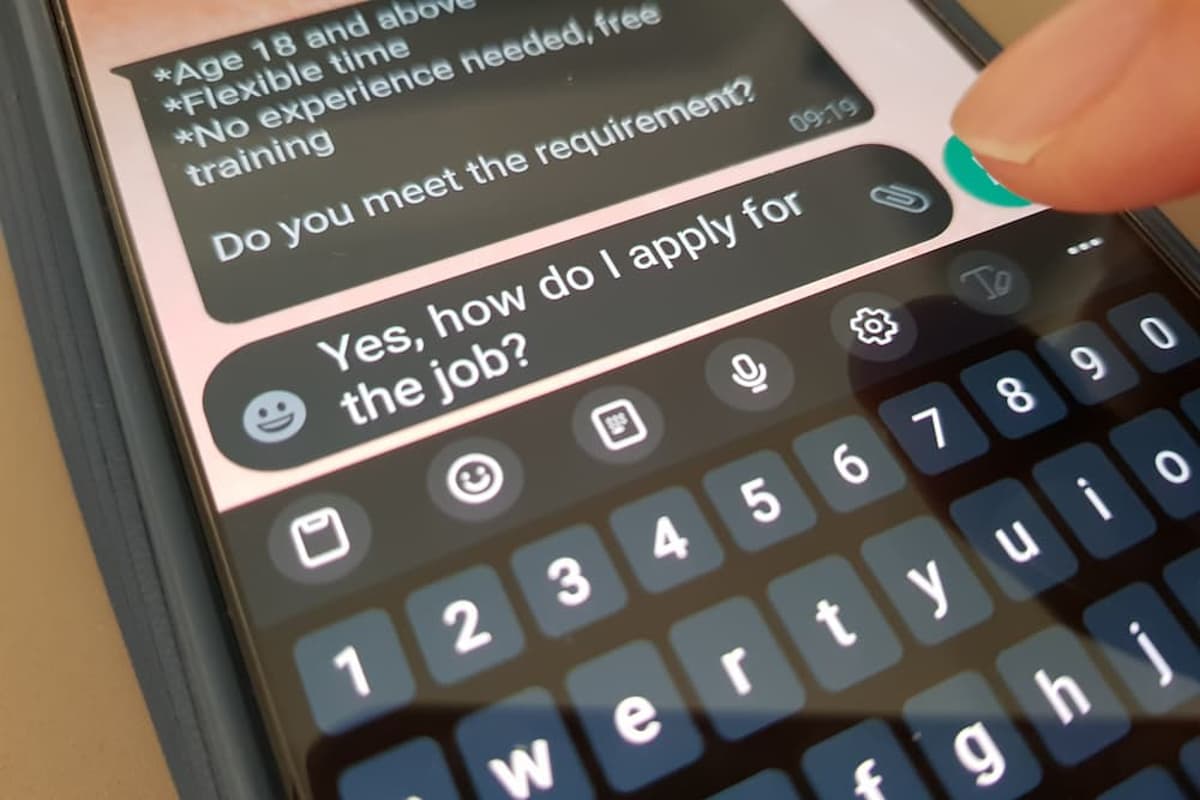
The Hidden Risks of AI-Driven Hiring: How Can HR Leaders Stay Ahead?
AI-driven hiring has accelerated, but candidate fraud surged. A recent i4cp survey shows 75% of talent leaders encountered fraud, with fabricated credentials and location deception common. The EU AI Act now classifies recruitment tools as high‑risk, demanding rigorous governance, while...

Employee-Driven AI at Mars: No-Code Agents Unlock 115 Years of Knowledge
Mars, Inc., a 150,000‑employee global food and pet‑care giant, has partnered with Google Cloud to roll out Gemini Enterprise as its AI operating system. The platform gives associates no‑code and low‑code tools to create personalized AI agents, aiming to surface...

Employer Health Plan Facility Fees Targeted in Bipartisan House Bill
The bipartisan Transparency in Billing Act, reintroduced by Rep. Virginia Foxx and Rep. Robert Scott, seeks to stop hospitals from applying hospital‑level facility fees to services rendered in outpatient offices. The legislation would require health‑plan claims to include separate identifier...
Antitrust Suit Alleges Monster, CareerBuilder and Resume Genius Are All the Same Company
A federal antitrust complaint filed on April 2, 2026 alleges that BOLD Limited controls more than 20 online resume‑builder brands, including Monster, CareerBuilder, and Resume Genius, effectively dominating over 80% of the U.S. market valued at roughly $750 million annually. The...
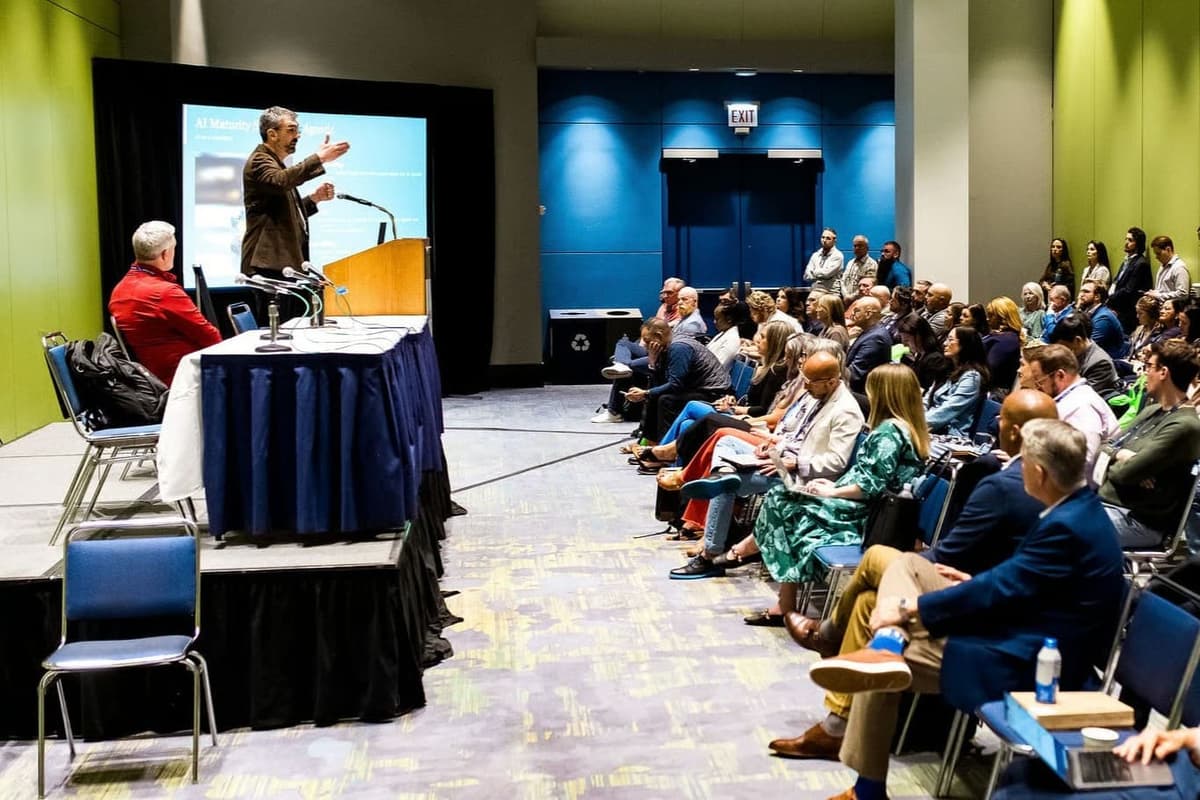
The AI-Maturity Spectrum: The Art of Implementation
At the BenefitsPRO Broker Expo, Ben Conner and Jason Beutler introduced a four‑stage AI‑maturity spectrum—Vibing, AI‑Assisted, Agentic Workflows, and Multi‑Agent Workflows—to guide benefits firms through progressive adoption. The model treats AI as a collaborative tool, emphasizing context, structured prompts, and...

IBM: CEOs Have a New Top Priority (and HR Is Key)
IBM’s 2026 CEO Study shows productivity and profitability now top priorities for CEOs, overtaking other concerns. AI and technology modernization follow closely, prompting CEOs to restructure the C‑suite and elevate HR’s role, with 60% expecting greater CHRO influence. IBM recommends...
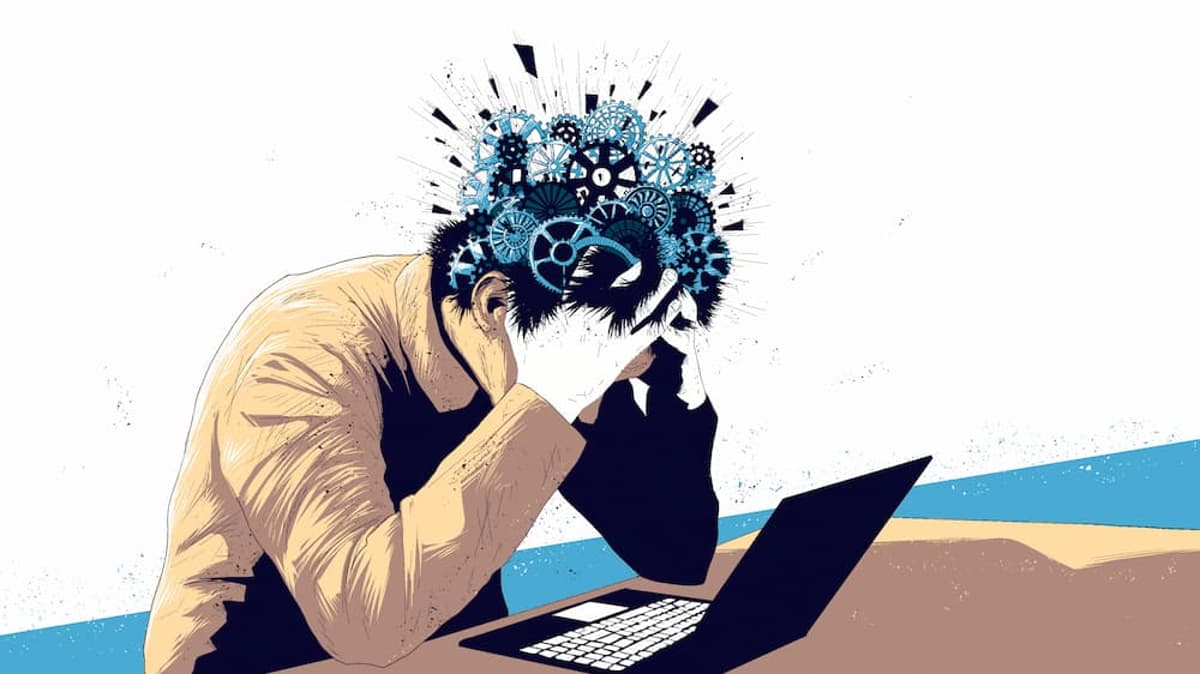
AI Promised to Reduce the Load. What Happened?
AI promises of higher productivity are materializing, with Upwork reporting a 40% output boost for AI‑enabled workers. However, the same cohort shows alarming burnout, as 88% feel exhausted and are twice as likely to consider quitting. Studies label this strain...

As PNC and Fidelity Double Down on RTO, Cisco Has a Different Answer
PNC Bank and Fidelity have instituted full‑time return‑to‑office (RTO) policies, mandating thousands of employees to work on site five days a week. Cisco’s chief people officer, Kelly Jones, argues that treating AI adoption and RTO as separate issues is a...
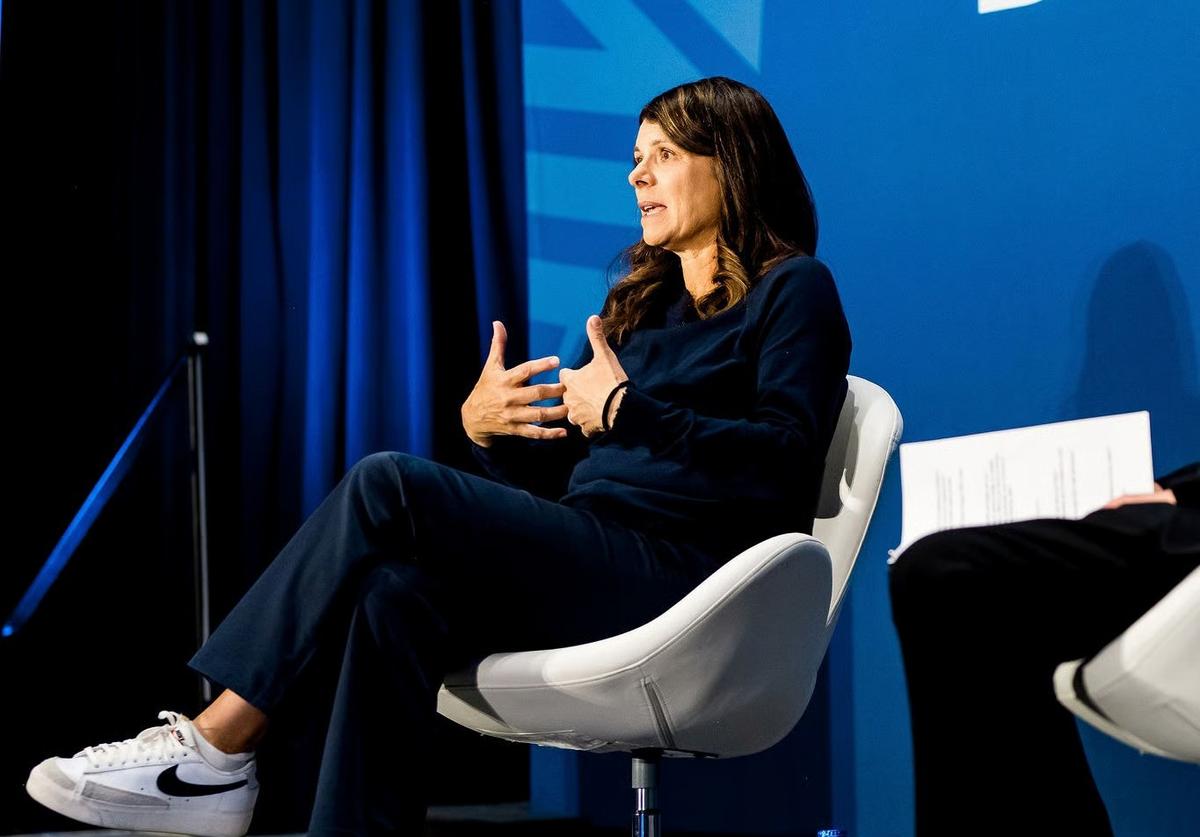
Beyond the Score: Mia Hamm on Empowerment, Winning Culture and Constant Growth
Mia Hamm, former USWNT star, addressed BenefitsPRO’s Broker Expo, sharing how her journey from a 15‑year‑old rookie to a champion illustrates the power of continuous learning, employee empowerment, and a winning culture. She emphasized that greatness stems from acknowledging knowledge...

The AI Bill Is Coming Due, and CHROs Need to Be Ready
AI pricing is shifting from bundled seat fees to token‑based consumption, a change sparked by Anthropic and soon to be adopted by OpenAI and Google. This move eliminates the informal AI subsidy, driving enterprise AI budgets from roughly $1.2 million in...
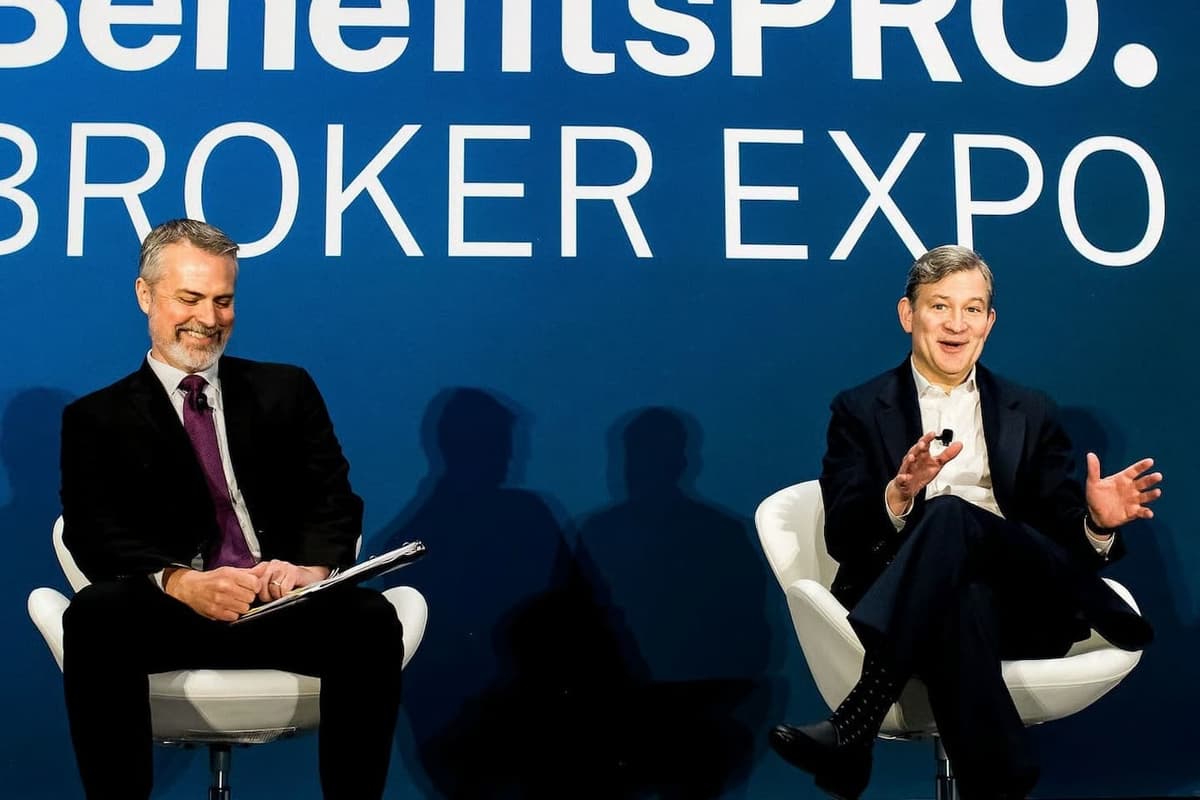
10 Percent Happier at Work: Dan Harris on Mental Health, Burnout and More
Dan Harris, former ABC News anchor and author of the bestseller *10% Happier*, delivered a keynote at the BenefitsPRO Broker Expo in Chicago, highlighting the rising burnout crisis—affecting more than half of American workers. He shared personal stories of depression,...

Two-Thirds of Mobility Teams Too Buried in Admin to Build Trust, Study Finds
A new EY study of roughly 1,000 HR and mobility professionals and assignees finds that two‑thirds of mobility teams are mired in administrative work, leaving little capacity to build trust with employees. The research identifies four trust drivers—strategic integration, operational...

Using AI as a Teammate Can Create Space for Skills Development
ADP Research’s Today at Work 2026 survey of 39,000 workers shows only 26% feel equipped with skills for career advancement and fewer than one‑in‑five believe their employer invests in development. The report also finds AI adoption is low, with just...
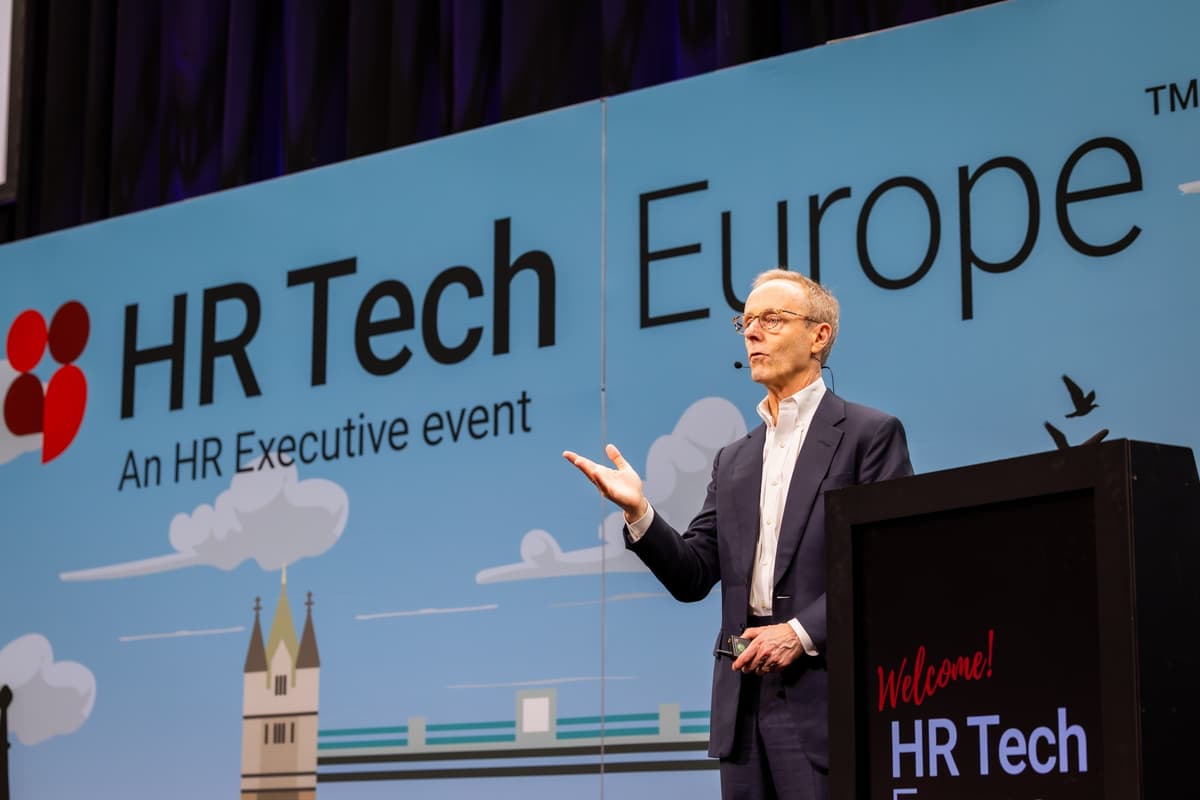
As Companies Use AI to Justify Layoffs, Josh Bersin Says HR Is Solving the Wrong Problem
Josh Bersin warned senior HR leaders at HR Tech Europe 2026 that using AI to justify headcount cuts is a strategic misstep. He argued that trimming a third of an HR workforce would barely move the financial needle, and that...

Why the ‘Modern Mental Healthcare Maze’ Needs a New Approach
Rula’s annual State of Mental Health report, based on 2,000+ U.S. adults, reveals widening gaps in workplace mental‑health support. It highlights that 43% of employees conceal mental‑health struggles, a behavior known as “masking,” which correlates with higher turnover. The study...
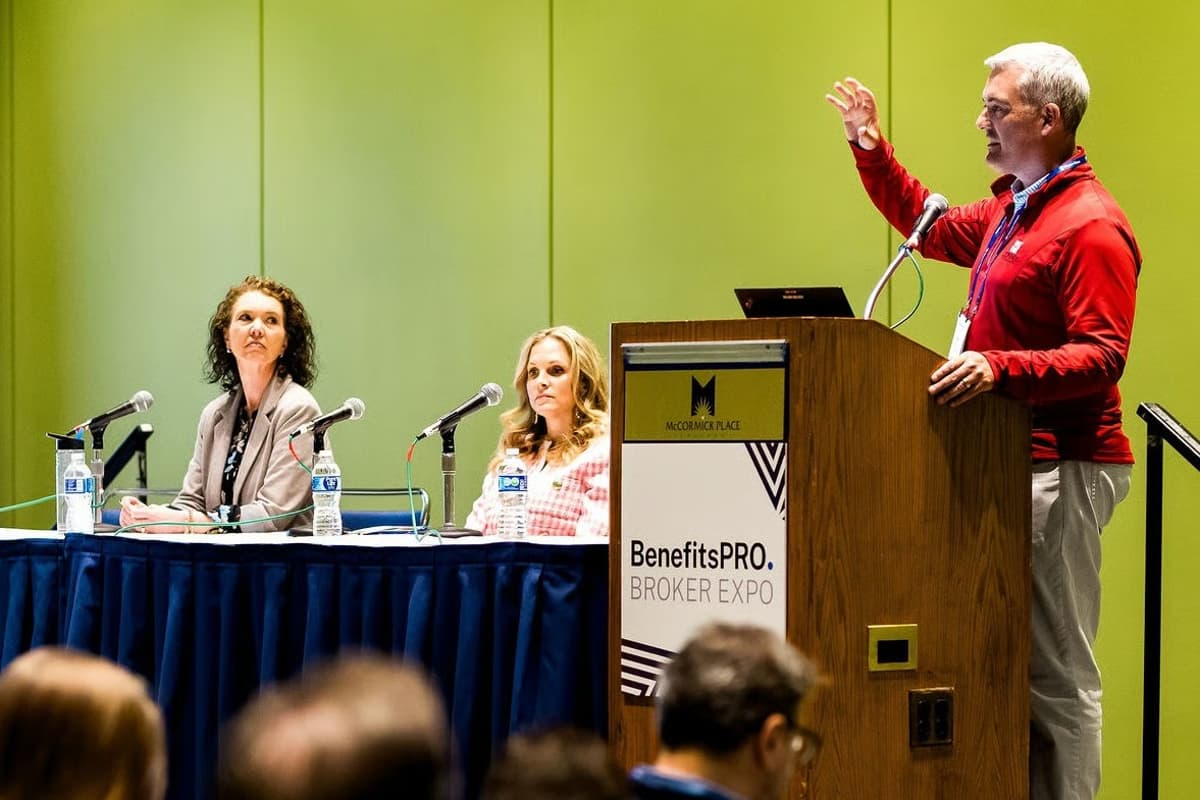
GLP-1s: The Numbers that Really Matter for an Effective Health Plan
The BenefitsPRO Broker Expo highlighted a 500% jump in GLP‑1 drug spending, topping $70 billion between 2018 and 2023. Conner Insurance partnered with a wellness coach and a specialty PBM to redesign its diabetes strategy, cutting medical spend by $1 million in...

Beyond Mother’s Day: How Benefits Leaders Can Build a Culture that Supports Caregivers
Beyond Mother’s Day, benefits leaders are urged to embed caregiving support into everyday policy. By first mapping the real caregiving challenges—childcare, eldercare, reproductive leave—organizations can redesign benefits that avoid penalizing vesting schedules or retirement eligibility. Three levers—streamlined benefits, flexible work...
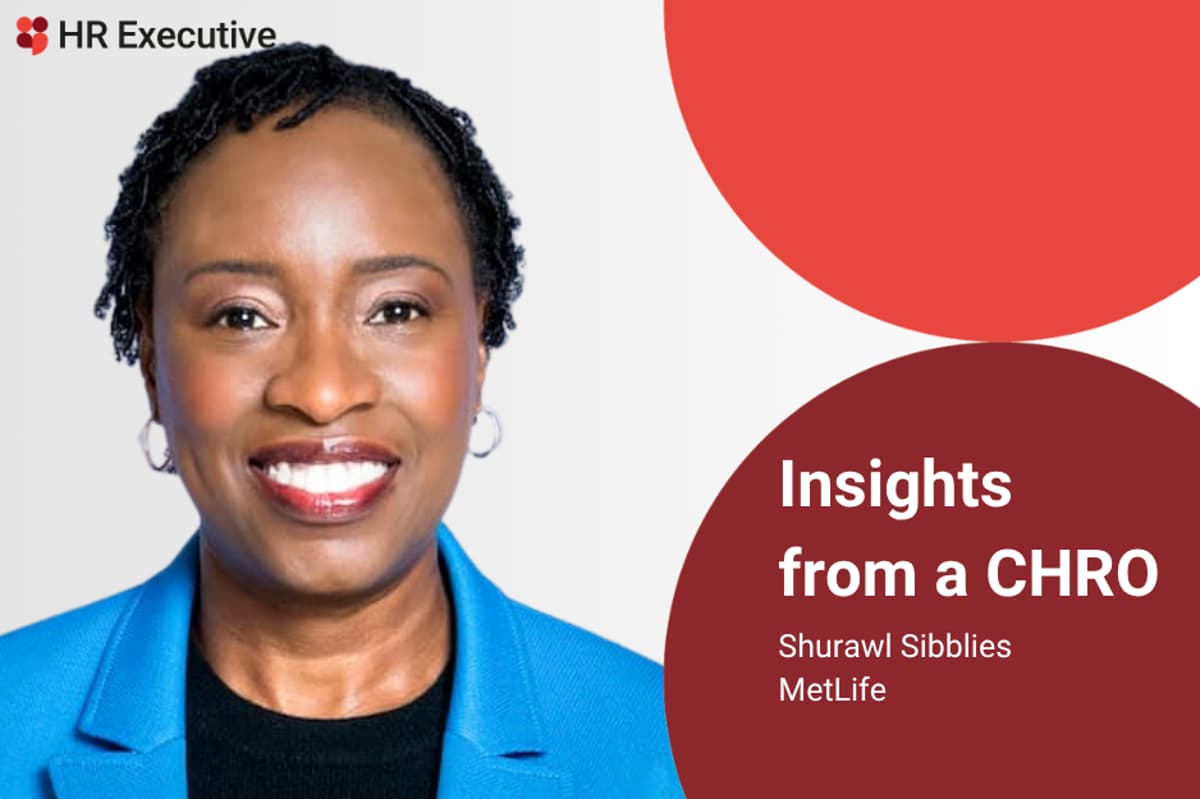
Humility, Agility—Keys to Unlocking HR Greatness in the Age of AI
MetLife’s CHRO Shurawl Sibblies argues that HR greatness in the AI era hinges on humility, active listening, and transparent communication. She stresses that employees’ fear of AI‑driven layoffs can be mitigated by openly sharing what is known—and unknown—about AI’s impact....

The Trust Gap: Redefining the Relationship Between Benefits Advisors and HR
A panel at the BenefitsPRO Broker Expo highlighted a deep trust gap between benefits advisors and HR departments. Advisors often bypass HR to sell directly to CFOs, while HR perceives advisors as product‑focused brokers. Panelists urged a shift toward strategic...
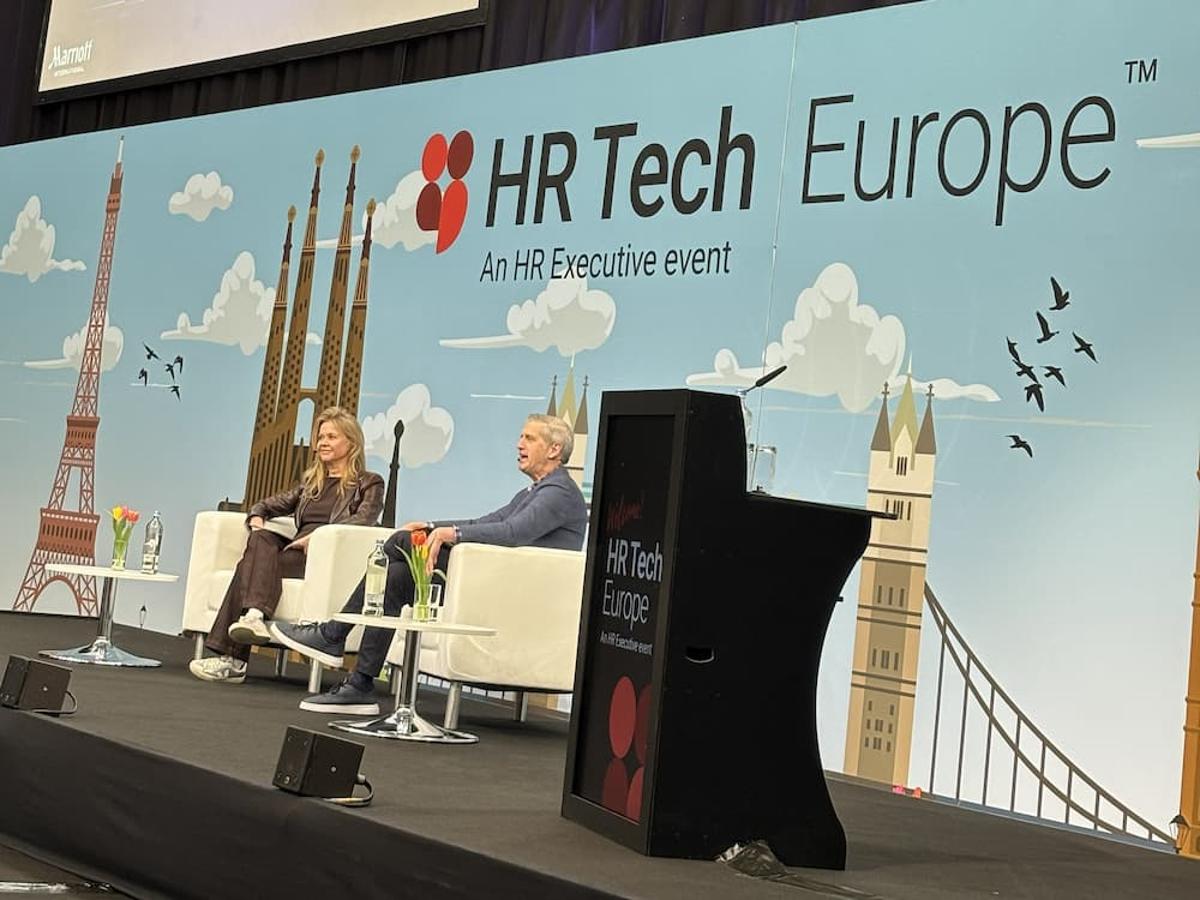
Marriott CHROs Answer 7 Questions Every HR Leader Is Asking
At HR Tech Europe 2026, Marriott International’s CHROs Francisca Martinez and Kris Dunn fielded seven pressing HR questions, revealing a hybrid approach to technology that blends global suite platforms with best‑of‑breed solutions. They stressed that AI agents will only deliver...

HR’s Next AI Hurdle: Scaling Beyond TA
HR leaders are rapidly deploying AI in talent acquisition, with 91% of CHROs citing AI and digitization as top priorities, according to the 2026 CHRO Survey. Recruiting shows the highest adoption rate—almost twice that of HR service delivery—thanks to abundant...

Bridging the Governance Gap Is the Next Great Challenge for the Borderless Organization
The war for talent has gone borderless, pushing companies to hire in emerging hubs faster than governance structures can keep up. A 2026 State of the Workplace survey shows 72% of HR leaders say worker expectations are at record highs,...
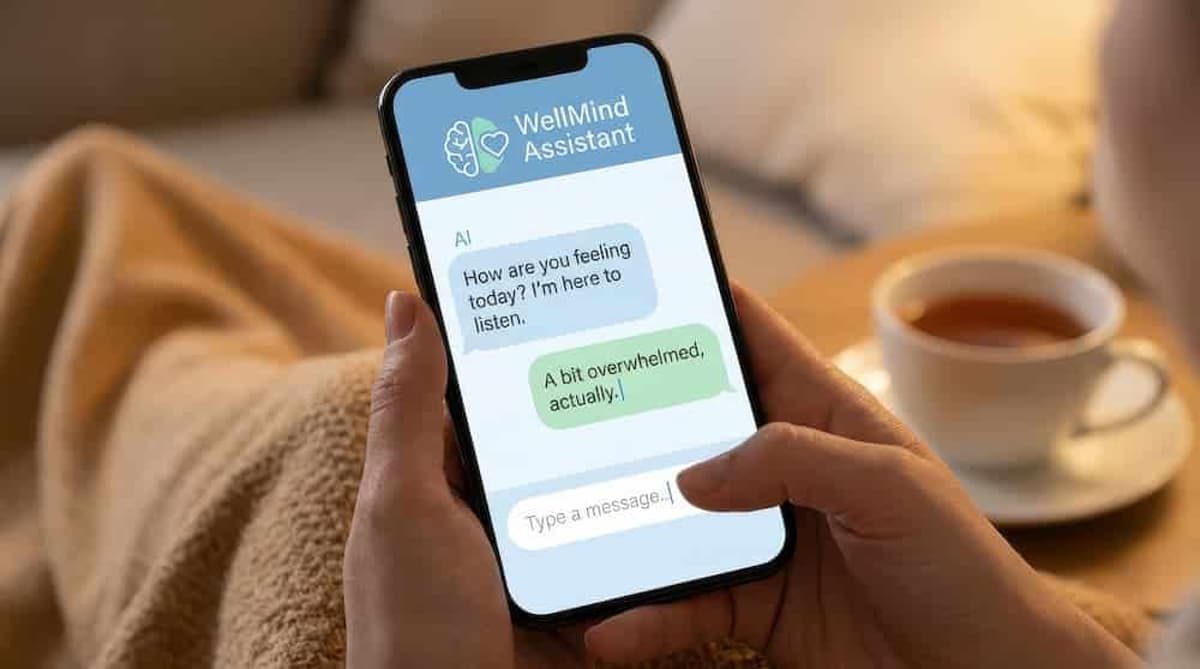
AMA Presses Congress for Guardrails on AI Mental Health Chatbots
The American Medical Association is urging Congress to enact stronger safeguards for AI‑enabled mental‑health chatbots, warning that current oversight lags behind rapid adoption. The AMA highlights risks such as misinformation, emotional dependency, privacy breaches, and harmful responses in crisis situations....
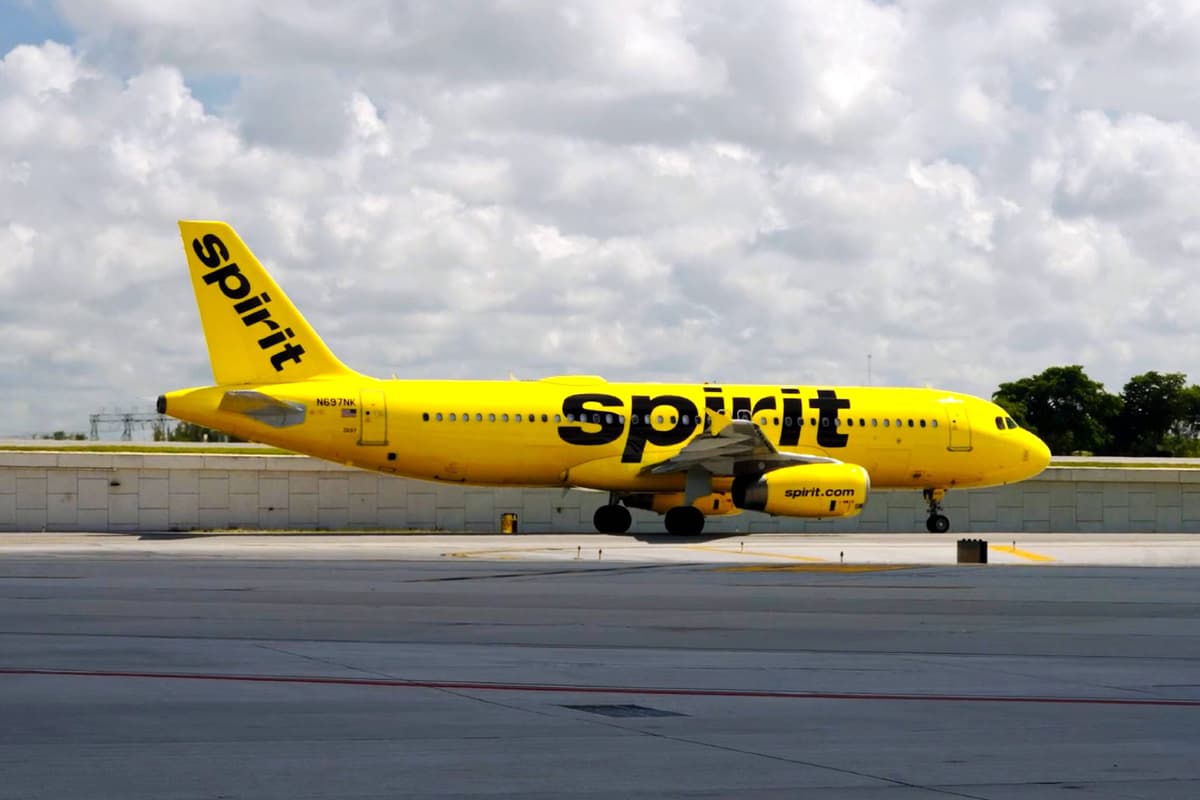
Spirit Airlines Collapse Blamed on ‘Poor Management,’ According to Reports
Spirit Airlines abruptly ceased operations on May 3, ending a 34‑year run and affecting roughly 17,000 employees. The shutdown followed two Chapter 11 filings, a failed $500 million government bailout, and a blocked JetBlue merger, but analysts point to chronic mismanagement...

Growing Together: Why Offices in Singapore Are Farming Their Way to Better Culture
Singapore‑based Grobrix installs subscription‑based, soil‑free edible green walls in office spaces, turning sterile cubicles into interactive farms. A client survey of over 500 employees showed 93% felt the farms strengthened workplace community and 97% said they fostered a sustainability mindset....

Beyond Compliance: A Strategic HR Framework for Employee Data Trust
HR leaders are confronting a strategic dilemma as AI, monitoring tools, and data‑driven decision‑making expand the scope of employee data. The rise of automated hiring screens threatens to marginalize "hidden workers" and erode fairness, prompting regulators such as New York...

The AI Training Mistake that Could Turn Job Hugging to Job Hopping
New University of Phoenix research of 5,000 U.S. employees and 1,000 employers reveals that AI‑fluent workers are gaining confidence and eyeing career moves despite overall low turnover. About three‑quarters of AI users report higher confidence, and over 80% say the...

DOL Officials Tell Congress that Mental Health Carveouts Can Cause Employer Parity Stress
The Department of Labor’s Employee Benefits Security Administration (EBSA) warned Congress that many employers using separate carveout vendors for mental health and medical benefits fail to verify that the two benefit streams are truly comparable, violating the Mental Health Parity...
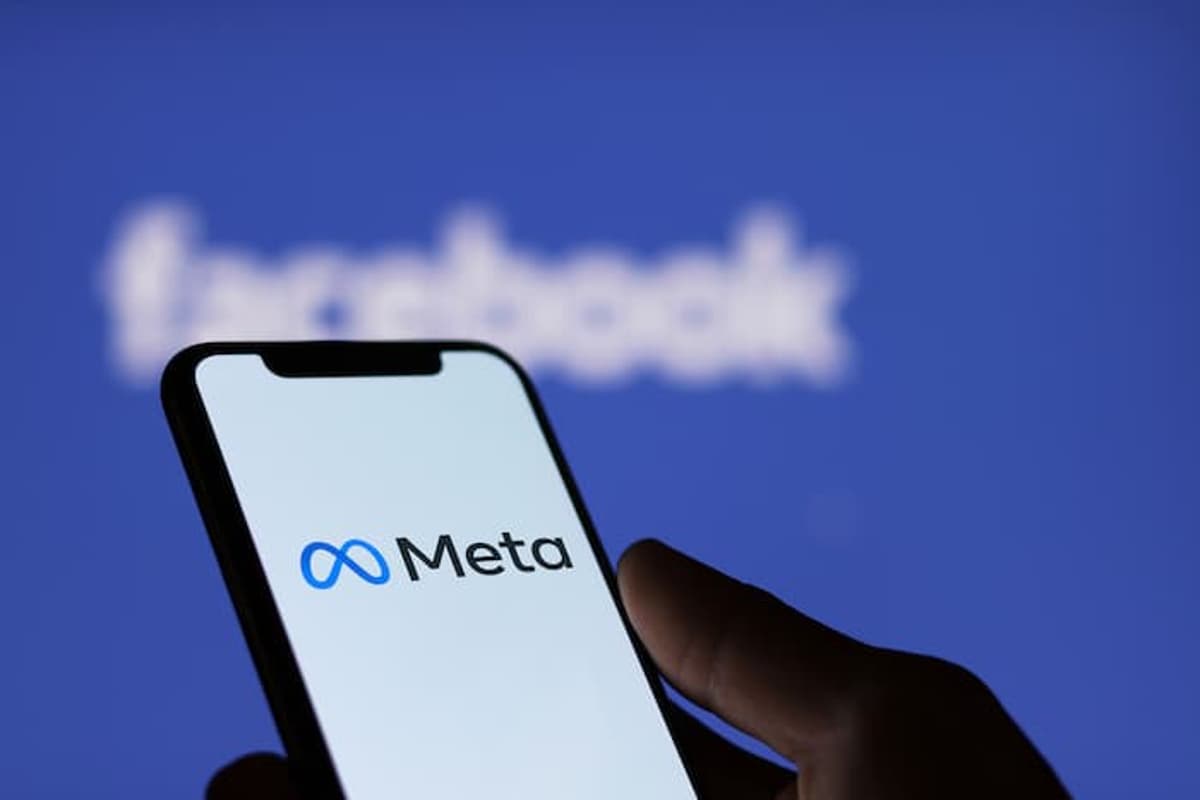
Meta’s Month of Layoff Anxiety: ‘Morale Is Going to Dip’
Meta announced on May 20 it will cut roughly 8,000 jobs, about 10 % of its workforce, intensifying the tech‑sector layoff trend. The announcement creates weeks of uncertainty, which HR experts say will depress morale and productivity before any actual terminations occur....

The Cognitive Crunch: Why AI Is Accelerating Burnout
Enterprises have poured billions into generative AI, betting on faster decision‑making and cost savings, yet profit gains remain elusive and focus time has hit a three‑year low. While AI tools speed individual tasks, workers must constantly verify outputs, creating a...

Remote Work Doesn’t Break Company Culture. Poor Measurement Does
Akamai Technologies’ CHRO Anthony Williams argues that remote work doesn’t erode culture; poor measurement does. The company’s FlexBase model enables over 95% of staff to work from any location while using offices as collaboration hubs. Akamai conducts a formal cultural...