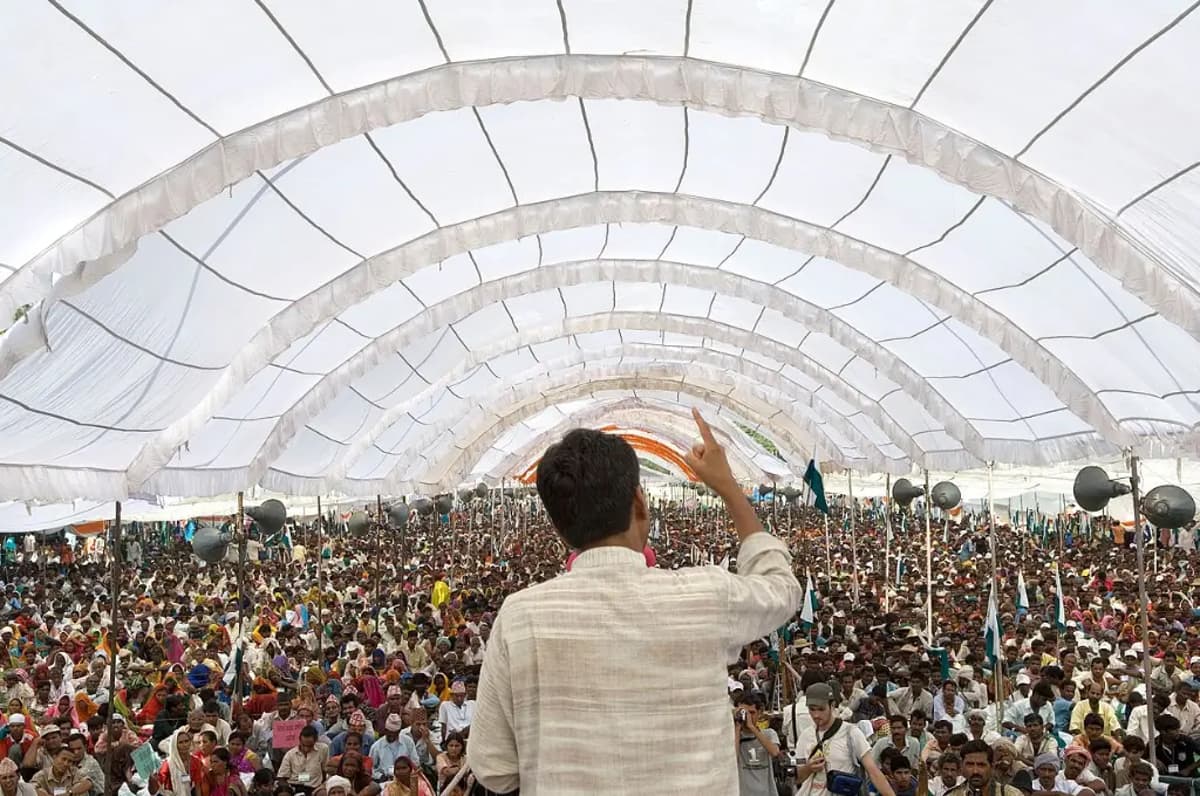
Systems Change Needs Politicians
Anurag Behar argues that donor‑funded "systems change" projects in India rarely alter outcomes because they focus on bureaucratic expertise rather than political will. Despite massive budget increases—India’s health budget grew from roughly $4 bn in 2015 to $11 bn in 2024, and rural development spending rose from $9.6 bn to $21.7 bn—the system’s performance remains stagnant. The piece contends that lasting reforms require direct engagement with politicians and flexible rules, not just workshops for officials. It cites successful state‑level initiatives that were driven by sustained political commitment rather than external consultancy.
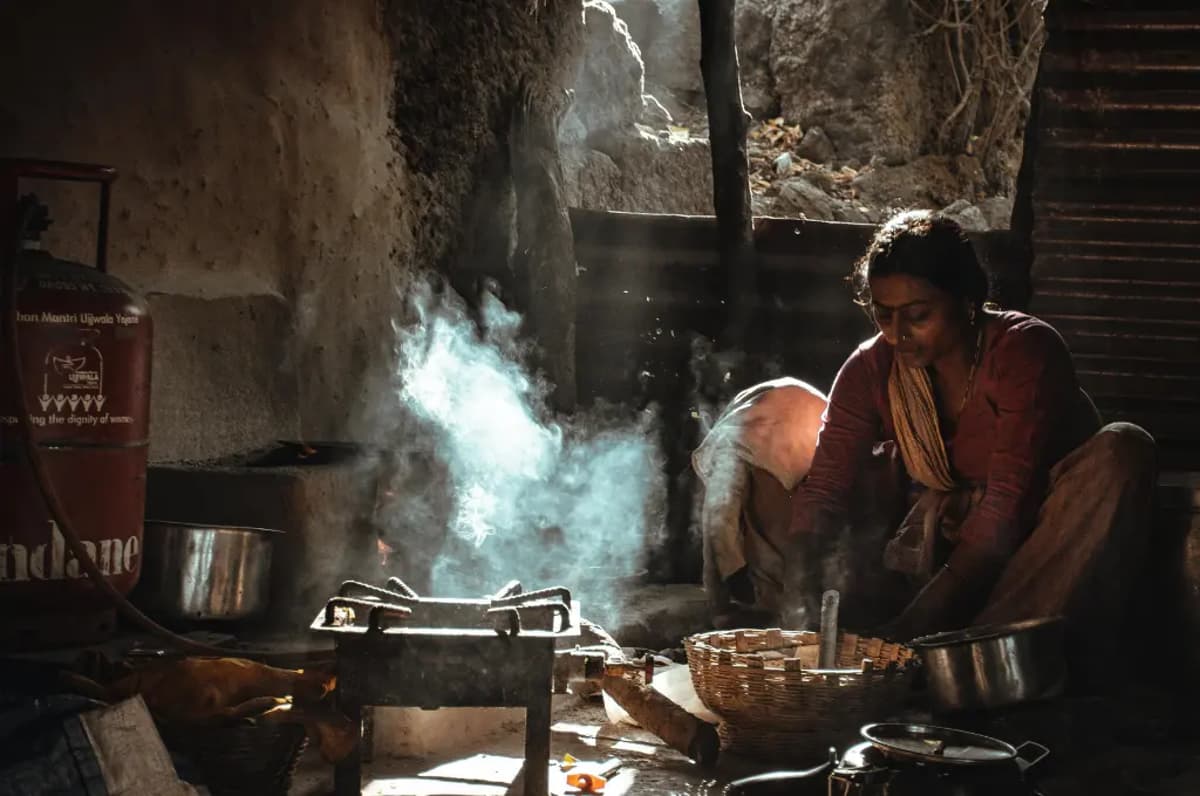
Can India’s Kitchens Go Electric?
India has distributed over 100 million LPG connections between 2016 and 2024, creating one of the world’s largest clean‑cooking rollouts. Yet 37 % of households still stack biomass with LPG because of high refill costs, unreliable delivery and limited affordability. By FY 2024,...

Government Is a Nonprofit’s Best Bet for Big Impact
Social purpose organisations (SPOs) face a strategic choice between direct‑service delivery and partnering with government as System Support Organisations (SSOs). While direct services offer quick wins, the article argues that leveraging government—responsible for roughly $1 trillion in social welfare spending versus...
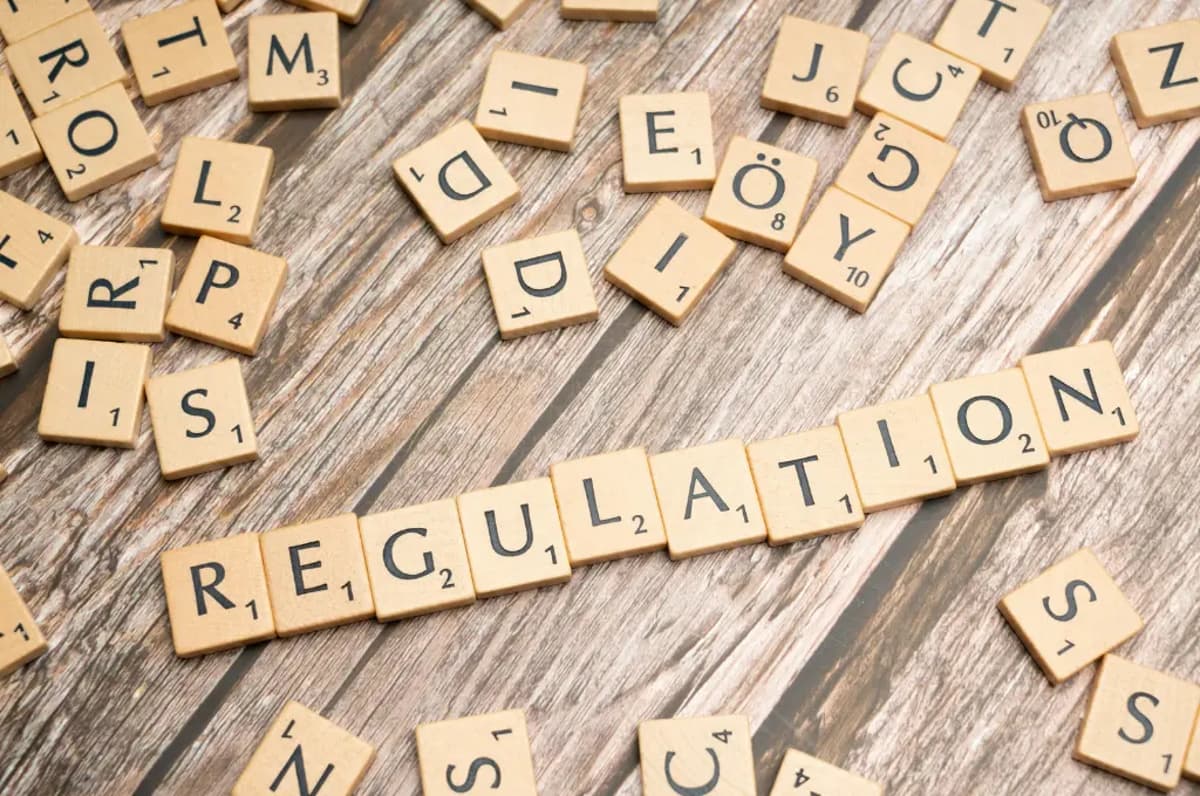
FCRA Amendment Bill, 2026: How Does It Affect Nonprofits?
The Indian government introduced the FCRA Amendment Bill 2026, tightening rules on foreign contributions to NGOs. It authorises a government‑appointed authority to seize assets funded by foreign money if an NGO’s FCRA registration is cancelled, surrendered, or lapses without renewal....
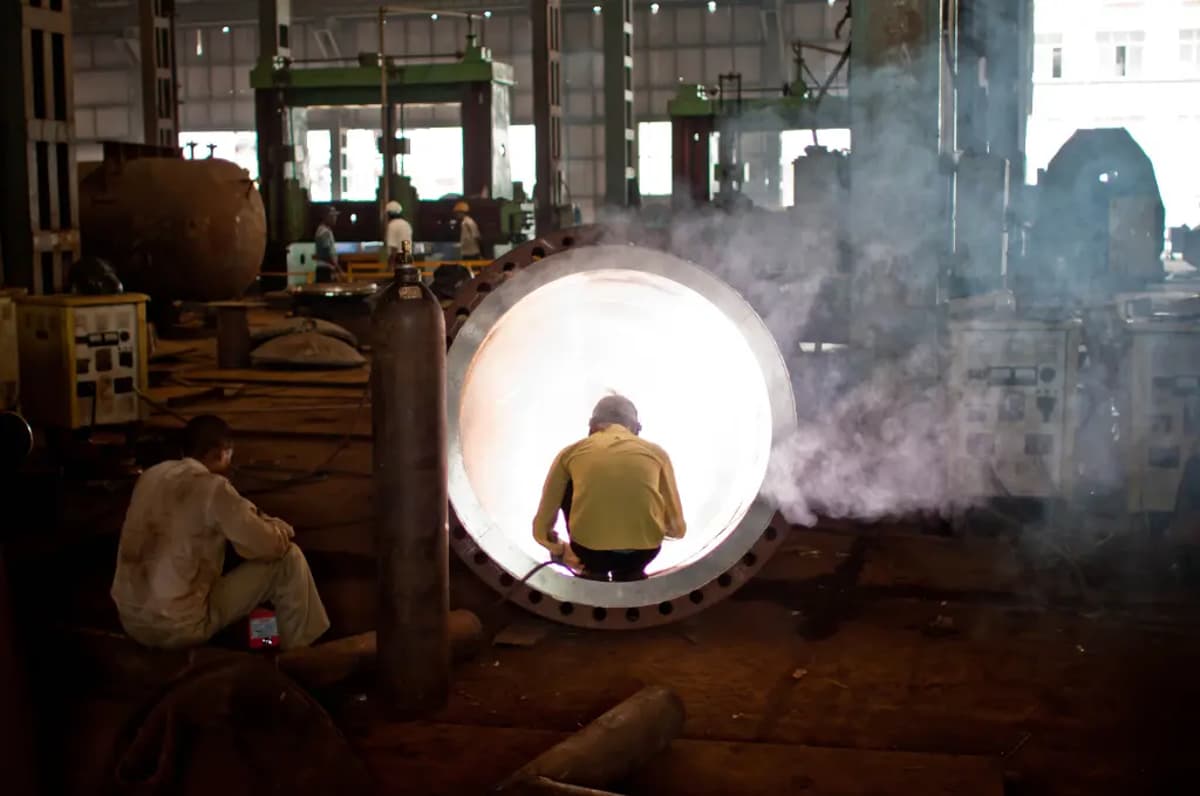
Is India’s Energy Transition Failing Its MSMEs?
India’s micro, small and medium enterprises (MSMEs) generate roughly 25% of the country’s industrial energy use, yet they are largely absent from national energy‑efficiency debates. Good Business Lab audited more than 60 textile‑dyeing MSMEs in Kolkata and Tiruppur, finding each...
Diabetes, Hypertension, and the Rising Health Inequities in Indian Cities
A 2022‑23 qualitative study by the nonprofit SNEHA in a Mumbai‑area municipality reveals that residents of urban informal settlements face severe gaps in non‑communicable disease (NCD) prevention, diagnosis and treatment. Preventive screening is viewed as unaffordable, leading to delayed detection...

The Myth of Systems Change
The article deconstructs the prevailing myth that large‑scale systems change can be achieved quickly by partnering with governments. It argues that the push for “scale” and “sustainability” often masks hubris, especially when small teams claim to overhaul entrenched public systems....

Rethinking Nonprofit Compliance as Strategy, Not Obligation
In early 2026 India’s Labour Code extended gratuity to fixed‑term staff after one year, ending the five‑year rule, while the 2025 FCRA amendment clarified that NGOs can still publish newsletters if they avoid overt advocacy. These regulatory shifts exposed a...

How the US–Iran War Is Disrupting LPG Supply in Meghalaya and Tripura
The US‑Iran conflict has choked the Strait of Hormuz, the conduit for roughly 90% of India’s imported LPG, creating a supply shock. In the Northeast, Tripura and Meghalaya are seeing long queues as hospitals receive full quotas while commercial users...

Medical Crowdfunding in Mizoram Has No Shortcuts
Zo Inspiration Foundation, a people‑funded nonprofit in Mizoram, runs medical crowdfunding by locating patients, verifying needs, launching short‑term social‑media appeals, and tracking every rupee. It relies on about 80 recurring donors who give ₹1,000‑₹10,000 each month (approximately $12‑$120), covering both...

Skilling Alone Isn’t Enough for Rural Entrepreneurs
Raju, a 23‑year‑old in Rajasthan, used a short technical course and a INR 15,000 (~$180) loan to start a two‑wheeler repair garage that now earns INR 12,000‑15,000 (~$145‑$180) monthly. Across southern Rajasthan, a study of 150 skilling graduates found that about 70%...

Reforming Public Health in India
The Lancet Commission proposes a citizen‑centred health system for India, outlining six reform actions. It argues that despite adequate per‑capita funding of roughly $24 in many states, the public sector fails to deliver universal health coverage because budgets are fragmented,...

Why the Trans Amendment Bill Must Be Withdrawn
A coalition of transgender, intersex, gender‑diverse and LGBQA+ groups has condemned the Transgender Persons (Protection of Rights) Amendment Bill 2026, saying it erases legal recognition, imposes state surveillance, and criminalises allies. The proposal overturns self‑identification safeguards from the 2019 Act,...

Is India Equipped to Rehabilitate Its Juveniles?
A Netflix series sparked debate about sentencing a 13‑year‑old murderer, highlighting India’s juvenile probation system. India’s Probation of Offenders Act and the 2015 Juvenile Justice Act created legal‑cum‑probation officers (LCPOs) to supervise juveniles, yet only 197 LCPOs serve 236 districts....