
Lean or Six Sigma: The Progress Paradox
IndustryWeek’s latest podcast pits lean against Six Sigma, highlighting the fundamental distinction that lean is a management philosophy while Six Sigma is a data‑driven problem‑solving methodology. Hosts Dr. Mohamed Saleh and John Dyer argue that many firms adopt only surface tools—such as 5S or DMAIC—without embracing the underlying cultural changes. They note that lean’s emphasis on respect for people, flow, and continuous learning contrasts with Six Sigma’s focus on reducing variability through the DMAIC cycle. Both agree that tools alone cannot sustain long‑term improvement; culture is the decisive factor.

The Respect-Driven Motivation Model
The Respect‑Driven Motivation Model builds on lean’s “Respect for People” by defining five employee rights—understanding, involvement, input, success, and humanity. When organizations honor these rights, trust and clarity replace confusion, unlocking the four core motivation drivers: autonomy, achievement, purpose and...

What the 6th Edition of UL 9540A Means for Battery Storage Safety Certification
The UL Standards Council released the 6th Edition of UL 9540A on March 13, 2026, introducing mandatory large‑scale fire testing for battery energy storage systems. The new edition requires proof that a thermal‑runaway event in one BESS will not propagate to adjacent units,...

IndustryWeek Operations Leadership Summit Scheduled for October in South Carolina
IndustryWeek will host its Operations Leadership Summit in Spartanburg, South Carolina from October 20‑22, 2026. The three‑day event targets owners, plant managers and operations executives, offering workshops, networking and plant tours of BMW’s massive SUV facility and Spartanburg Steel Products....

Eight States Go AWOL on Manufacturing Extension Partnership Map
Eight states—Washington, Idaho, Minnesota, Wisconsin, Illinois, New York, New Jersey and West Virginia—were removed from the National Institute of Standards and Technology (NIST) Manufacturing Extension Partnership (MEP) map between Jan. 15‑16, 2026 and remain absent as of April 1. The omissions stem from...

March ISM Report: Manufacturing PMI Reaches Highest Level Since August 2022
The Institute for Supply Management’s March 2026 Manufacturing PMI rose to 52.7, the strongest reading since August 2022 and a modest gain over February. New orders slowed while production stayed robust, and the employment index remained in contraction territory. The...

How Technology Is Changing Manufacturing Construction
Manufacturers are arriving at design firms with high‑level concepts, forcing teams to use AI‑driven modeling and real‑time cost intelligence to iterate rapidly. Projects now embed flexible structural grids, utility corridors and expandable envelopes to accommodate evolving production lines. Integrated delivery...

When Things Go Wrong, Who Is Really to Blame? (Podcast)
Podcast hosts Dr. Mohamed Saleh and John Dyer argue that operational failures stem from broken systems rather than frontline workers. They cite a GE production halt caused by delayed maintenance and spare‑part shortages, and an incentive plan that rewarded individual...

How to Make Your Next Plant Visit Count
Senior leaders often treat plant visits as routine tours, but without a clear purpose they can become performance‑driven showpieces that hide real issues. The article urges executives to set specific objectives, communicate expectations with plant leadership, and frame the visit...

How a US Truck Components Maker Is Handling Tariffs
U.S. truck‑components maker TCCI is navigating a fragmented tariff regime after the Supreme Court struck down some Trump‑era duties, but Section 232 tariffs on heavy‑duty parts remain. The company invested $45 million in a Clean Energy Innovation Hub to produce electric compressors...

4 Fundamentals on the Path to Autonomous Manufacturing
Manufacturers seeking autonomous operations must build an integrated foundation built on four fundamentals: a unifying data fabric, software‑defined control, AI orchestration with digital twins, and reliable sensor networks. A Deloitte‑Manufacturing Leadership Council survey shows 78% of firms are allocating more...

It’s No Longer the ‘American Century,’ But the US Continues to Dominate in Important Ways
The United States continues to dominate key global pillars despite the waning of the so‑called “American Century.” Its dollar remains the world’s primary reserve currency and U.S. equities account for about half of global market capitalisation. The country leads high‑value...

Robert Chapman, Barry-Wehmiller Chairman and Advocate of People-Centric Leadership, Dies at 80
Bob Chapman, former CEO and chairman of Barry‑Wehmiller, died at 80 after steering the St. Louis‑based firm from a $20 million brewing‑supplier to a $3.6 billion global manufacturing and services conglomerate. Over a 50‑year tenure he championed a people‑centric "Truly Human Leadership" philosophy...

Why Manchester UK Should Be Your Next Manufacturing Investment
Manchester is emerging as Europe’s premier manufacturing hub for US firms, offering a dense cluster of over 8,000 companies and 115,000 skilled workers. Operating costs are up to 40% lower than London, and the city boasts world‑class research facilities in...

Trainer Hiring Is Structured. Why Does Supervisor Selection Seem So Random?
Manufacturers rigorously certify trainers but often fill supervisor openings through ad‑hoc promotions, typically choosing the strongest operator rather than the strongest leader. This shortcut can mask leadership gaps, leading to inconsistent onboarding, varied shift standards, and rising turnover. Billups cites...

EV Notes: Uber Commits to Rivian Robotaxi Investments
Uber Technologies has pledged up to $1.25 billion to Rivian Automotive for a fleet of 10,000 autonomous R2 robotaxis, with an initial $300 million equity purchase contingent on regulatory clearance. The rollout targets San Francisco and Miami in 2028 and could expand to...

4 Ways to Streamline Supply-Chain Localization
Manufacturers are turning to supply‑chain localization to reduce disruption risk, focusing on standardized components, remanufacturing, top‑down sustainability, and AI‑driven scenario planning. Standardizing parts widens the supplier pool and shortens lead times, while AI‑enabled remanufacturing cuts raw‑material use and freight costs....

Recycled Materials Are Strengthening US Supply Chains
Recycled materials now represent a $183.6 billion economic engine and support 600,000 U.S. jobs, positioning them as a cornerstone of domestic supply chains. Advanced sorting technologies such as AI and laser‑induced breakdown spectroscopy (LIBS) are dramatically improving material recovery and quality....

Cobots Handle Furniture-Making Drudgery, People Focus on Company Growth
Furniture maker Foliot equipped its Quebec and Las Vegas plants with Fanuc CRX‑30 collaborative robots after a successful pilot, expanding to 31 cobots in 2026. The automation shifted operators from repetitive panel‑feeding tasks to supervisory roles, boosting line throughput by 15%...

Supply Chain Leadership Has Become Essential to the CIO Role
Manufacturers facing supply‑chain volatility and rising costs are redefining the CIO role to combine traditional IT oversight with direct responsibility for supply‑chain transformation. Modern supply‑chain CIOs must master emerging technologies such as AI, IoT, digital twins, and analytics while aligning...

We’re Data Experts at Ford. Here’s How We See AI Agents Reshaping the Shop Floor.
Ford’s data team outlines how agentic AI is transforming manufacturing. The third wave moves beyond predictive analytics to autonomous agents that make real‑time decisions on the shop floor. Pilot deployments have cut unplanned downtime by up to 40%, reduced defect...

Courts Signal Path for Manufacturers to Reap Billions in IEEPA Tariff Refunds
The U.S. Court of International Trade ruled that all importers of record subject to IEEPA duties are eligible for refunds after the Supreme Court struck down those tariffs. Courts have ordered Customs to begin issuing refunds, and more than 900...
We Reshored Long Before Tariffs and Never Looked Back
Titan Abrasive Systems chose to reshore all components and assembly to the United States in 2013, well before tariff regimes or supply‑chain shocks emerged. The move raised production costs but delivered full visibility, rapid problem resolution, and uninterrupted delivery for...
Making Lean, Agile and Digital Twins Work in Custom Jobs
The signage industry, traditionally a craft‑focused, custom‑joinery market, is adopting agile, digital‑twin, and lean methodologies to streamline production. Scrum‑style sprints replace rigid scopes, enabling rapid client feedback and faster approvals. Digital twins and 3D‑printed prototypes give customers realistic visualizations before...

A Roadmap for Equipment Health Scoring Across Multiple Plants
Chris LaCorata outlines a step‑by‑step roadmap for building an equipment health‑scoring system that spans multiple plants. The approach uses the DMAIC Six‑Sigma framework, a beta‑plant audit, and FMEA‑based risk scoring to translate condition data into financial impact metrics. Finance then...

Iran War Shakes Up Global Shipping Routes
The U.S.-Israeli strike on Iranian targets and Tehran's retaliatory actions have caused a sudden shutdown of maritime traffic in the Gulf of Oman, especially the Strait of Hormuz. Ship groundings and heightened naval alerts have crippled oil tanker movements and...
How Manufacturing Lighter and More Durable Building Materials Translates Into Better Climate Outcomes
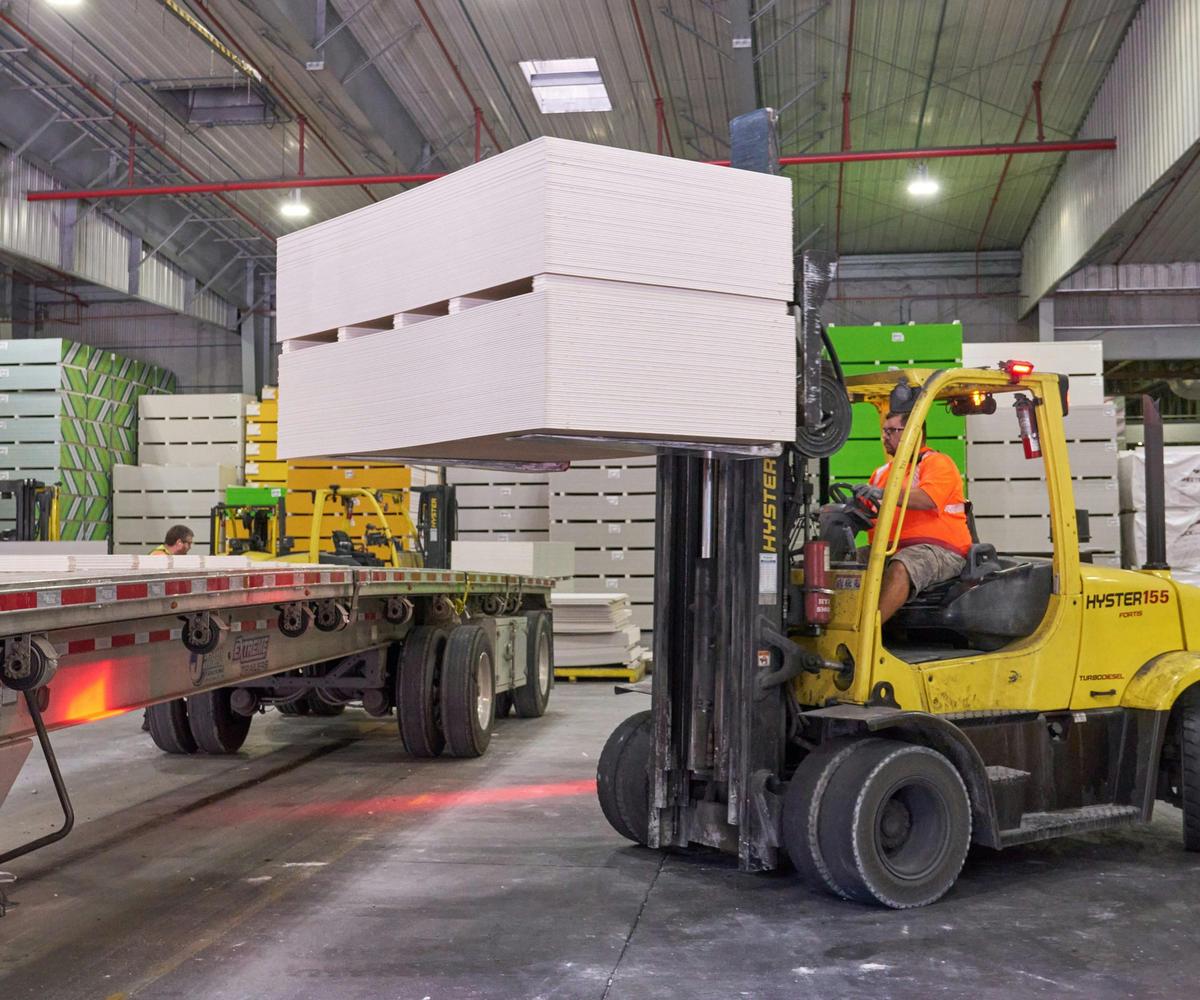
USG Corporation has launched Sheetrock® Brand UltraLight Tough Panels, a new lightweight, high‑durability drywall that cuts transportation‑related greenhouse‑gas emissions. The product stems from USG’s Corporate Innovation Centre, leveraging advances in materials science to maintain strength while reducing weight. Lighter panels...
Process Excellence + Condition Based Monitoring = Maintenance’s Dynamic Duo
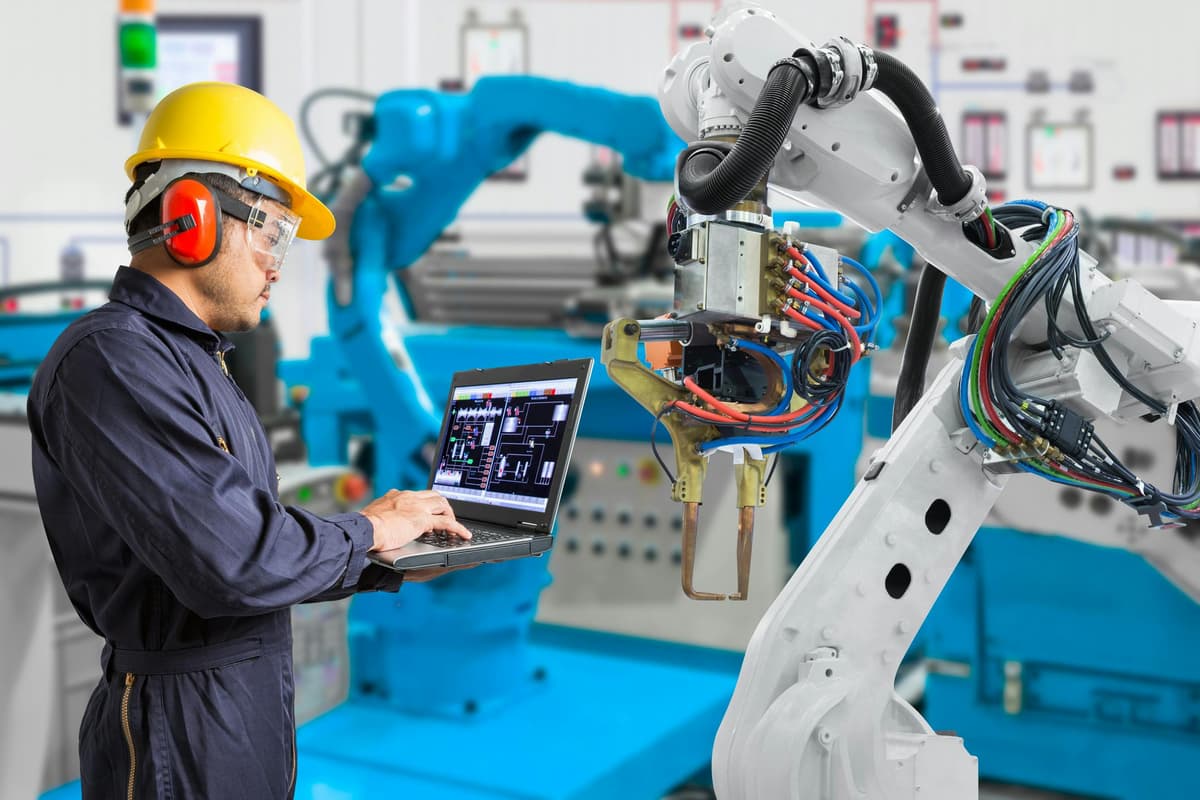
Manufacturers face rising maintenance costs, unplanned downtime, and aging assets, forcing a choice between costly early replacements or reactive run‑to‑failure strategies. The article argues that “good enough” maintenance stems from fragmented processes and outdated condition monitoring. By marrying process excellence—lean,...

Expanded US Mining Would Boost Manufacturing's Material Possibilities
The United States is advancing domestic mining projects in Alaska, California, Pennsylvania and Nebraska to produce critical elements such as cobalt, copper, scandium, gallium and germanium. By securing these inputs, manufacturers can revisit alloy families previously deemed too costly or...

Rivian's Growth Goals, GlobalFoundries' AI Implementation: IndustryWeek's Weekly Review
IndustryWeek’s weekly roundup spotlights Rivian’s aggressive expansion plan and GlobalFoundries’ rollout of practical AI systems. Rivian aims for more than 45% delivery growth in 2026, adding a second R2 production shift and raising capital spending to roughly $2 billion. GlobalFoundries introduces...
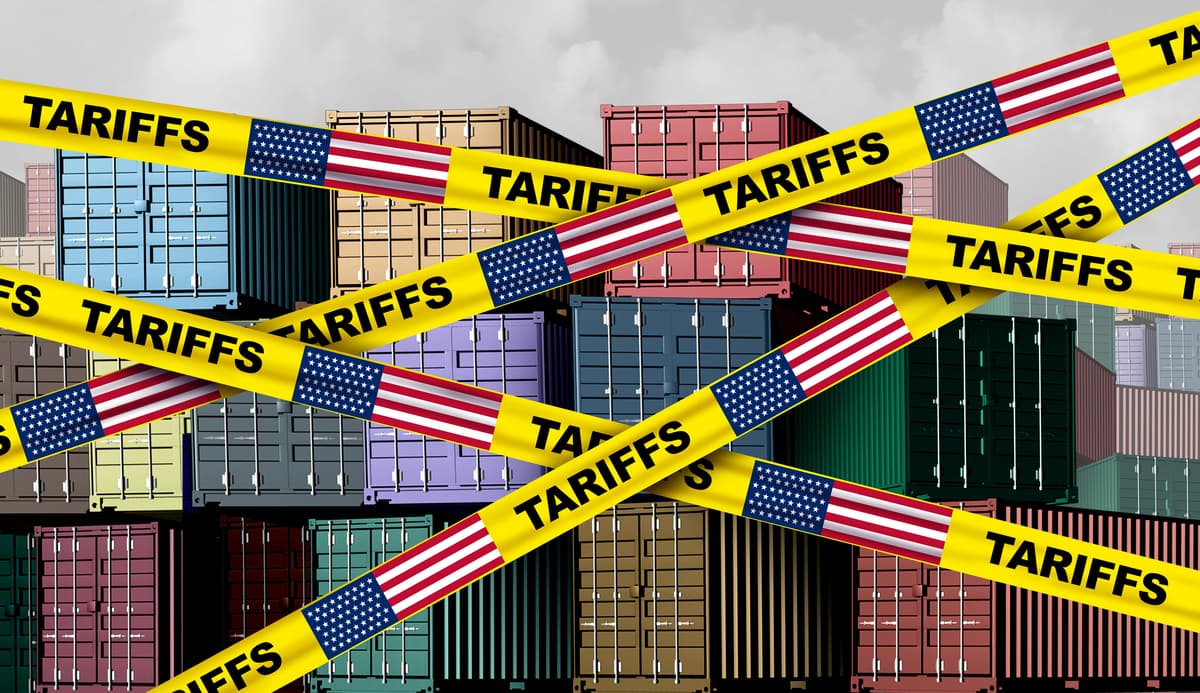
Supreme Court Strikes Down Most Trump Tariffs
The U.S. Supreme Court ruled 6‑3 that the president lacks authority to impose broad tariffs without congressional approval, striking down the 10% baseline tariffs Trump enacted under the International Emergency Economic Powers Act. The decision leaves intact steel and aluminum...

Pella Workers Talk to Machines, Errors Plummet
Window and door maker Pella has deployed a proprietary voice‑activated connected‑worker platform built on Honeywell software. The system guides operators through tasks, slashing error rates and shortening the time needed to reach full productivity. By standardizing on a scalable solution...