
We Needed Automation to Reshore Our Supply Chain
TAC Industries reshored the metal hardware for its Air Force cargo nets by partnering with a domestic supplier that fully automated assembly. The automation cut the cost gap, slashed lead times from six months to one, and boosted throughput 2.5 times. As of June 1 2026, every net shipped to the U.S. Air Force is 100% sourced and made in the United States, securing a multi‑year contract. The move demonstrates how automation can make reshoring viable for defense manufacturers.

Robots Rule LG's Clarksville Plant
LG’s washer and dryer plant in Clarksville, Tennessee, has become a showcase of Industry 4.0, operating more than 200 autonomous guided vehicles (AGVs) and autonomous mobile robots (AMRs) alongside six‑axis robot arms, vision systems, and automated logistics. Manufacturing manager Charles Lonergan...

Truly Human Leadership's Next Chapter
IndustryWeek interviewed Patrick Berges, the newly appointed CEO of the Chapman Institute, who says the next phase of people‑centric leadership will prioritize experiential learning and emotional intelligence. The conversation highlights how Bob Chapman’s legacy proved that caring for employees can...
Europe Has Its Own Version of the Inflation Reduction Act That Could Impact US Manufacturers
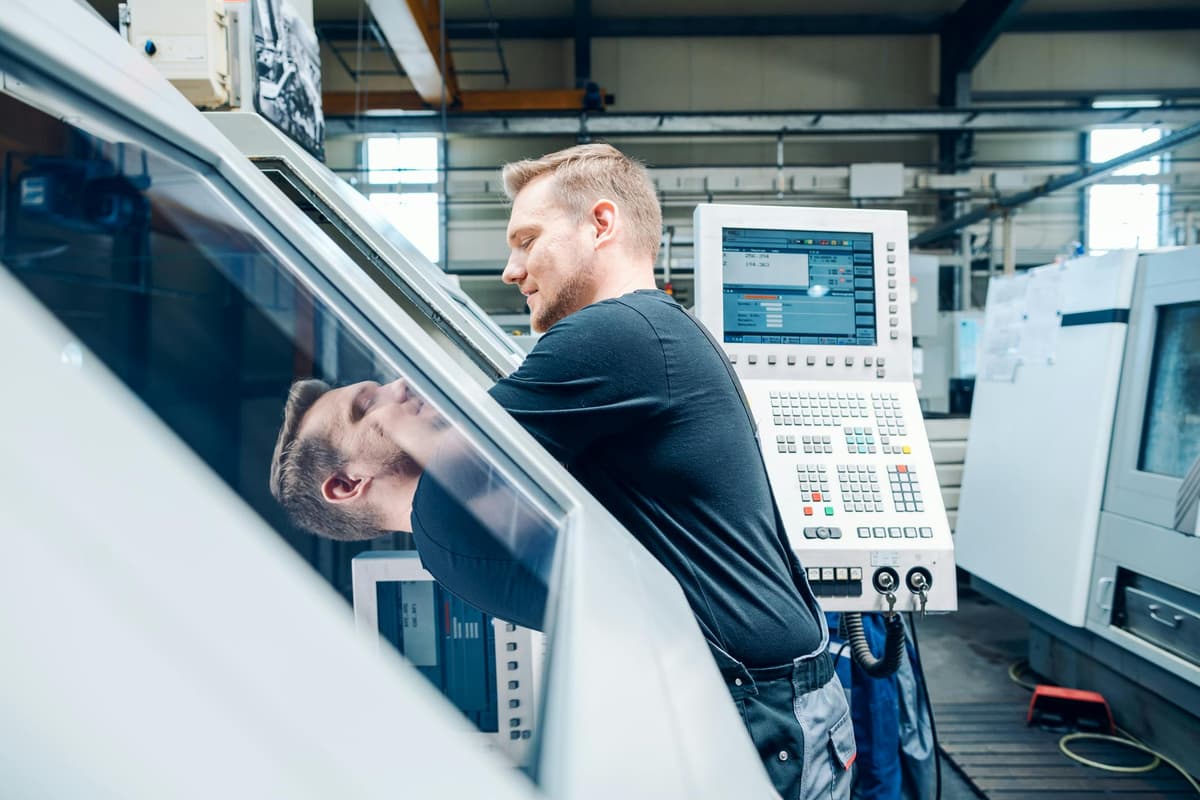
The European Union’s Industrial Accelerator Act (IAA), unveiled in March 2026, embeds "Made in EU" and low‑carbon requirements into public procurement and state‑aid rules, effectively turning market access into an industrial‑policy tool. Unlike the U.S. Inflation Reduction Act, which subsidizes...
5 Manufacturers Announcing New US Production Facilities
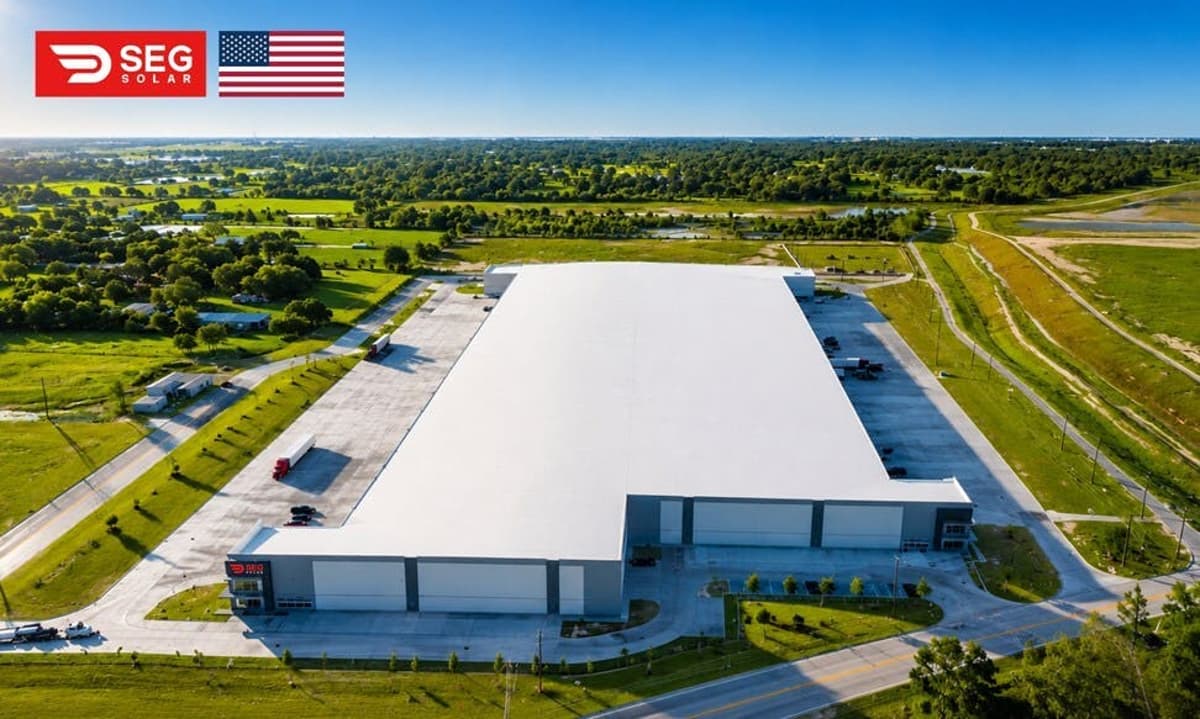
Five manufacturers announced new U.S. production facilities, ranging from a 56,200‑sq‑ft API plant by Novartis in North Carolina to a $200 million, 4 GW solar module factory by SEG Solar in Texas. The projects represent investments of $60 million to $1.4 billion and together...

How Land O’Lakes Raised the Stakes on Talent
Land O’Lakes is reshaping its compensation approach by emphasizing total‑rewards programs such as student‑loan assistance and flexible scheduling, rather than relying solely on base pay. The company now provides a total‑rewards statement that quantifies the dollar value of all benefits,...
Agentic AI Could Make Robots Affordable for Small Businesses
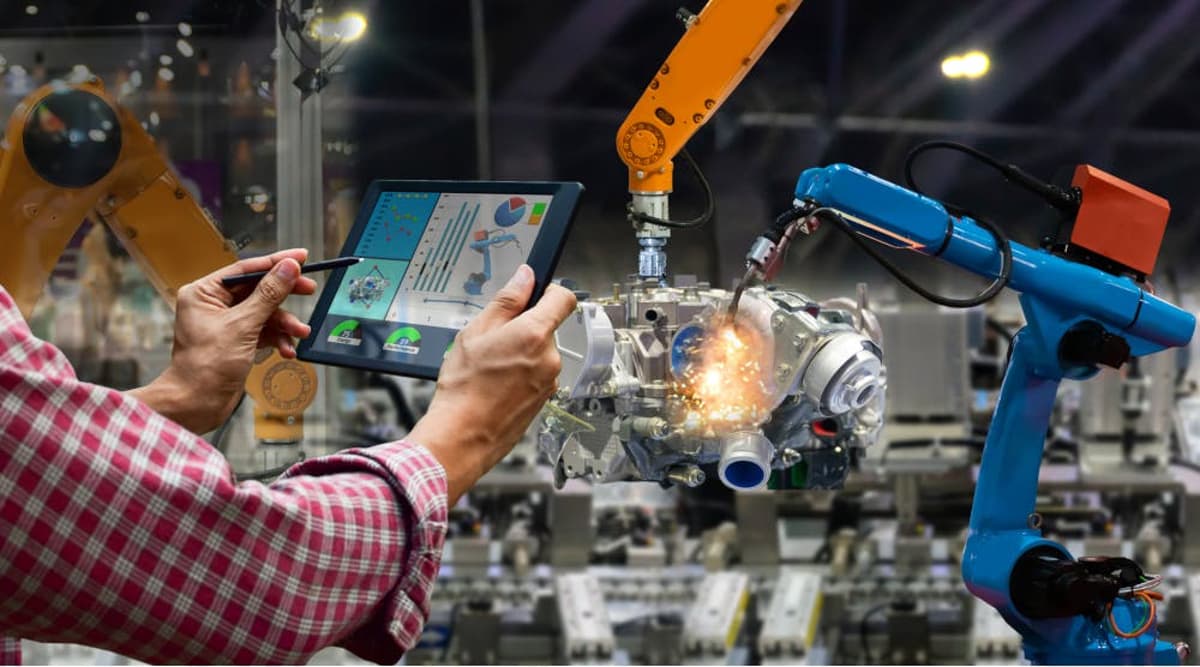
Siemens unveiled Eigen, an agentic AI software platform, at the Hannover Messe automation fair. The technology claims to automate the reprogramming of PLCs, DCS and robots, cutting the engineering and reconfiguration phase that accounts for roughly 70% of a robot’s lifecycle...

The Progress Paradox: What Does 'Good' Look Like After Years of Lean? (Lean Series, Part 3)
Even after decades of lean implementation, mature organizations still face problems, but their response has evolved. Operators and frontline teams now resolve issues at the source, cutting downtime from days to minutes. Leaders transition from problem‑solvers to coaches, focusing on...

Drones Gain Altitude in Manufacturing Facilities (and Challenges Emerge)
Manufacturers are adopting industrial drones to tackle margin pressure, labor shortages, and dispersed assets. Equipped with barcode scanners, computer‑vision, thermal and LiDAR sensors, drones automate inventory counts and inspections that once required scaffolding or shutdowns. The high‑resolution, timestamped data feeds...

The AI Memory Tax: Every Manufacturer Will Pay for the AI Boom
AI accelerators are driving an unprecedented surge in high‑bandwidth memory demand, pushing DRAM prices up 172% year‑over‑year and forecasting another 90%‑95% increase in early 2026. The three dominant DRAM makers—Samsung, SK Hynix and Micron—control over 95% of supply, creating a concentration...

US Trade Gap Widens in March as AI Spending Boosts Imports
U.S. trade data for March showed the deficit expanding 4.4% to $60.3 billion, slightly above expectations. Imports increased 2.3% to $381.2 billion, with AI hardware, computers and autos driving the rise, while exports grew 2.0% to $320.9 billion, led by crude oil and...

When Can We Say We Are Lean, Part 2: Promise and Pitfalls of Maturity Models
IndustryWeek’s Jill Jusko reports on a podcast where John Dyer and Dr. Mohamed Saleh dissect lean maturity models. While such frameworks promise clear gap identification and progress tracking, the hosts warn they often become identity badges, prompting organizations to chase...

Automation Won’t Save You If Nobody Uses It Correctly
Automation initiatives often falter because users revert to manual habits, not because the technology fails. At Ford, a Jira pipeline achieved 95% accuracy but saw data quality drop until biweekly enablement sessions and easier field configurations were introduced, boosting team...

EV Notes: Rivian Alters Georgia Plant Plans, No Nissan EVs in Mississippi
Rivian announced that the first phase of its Georgia plant will now produce 300,000 vehicles a year, raising total Georgia capacity to 515,000 units. The U.S. Department of Energy loan supporting the project was trimmed to $4.5 billion and will fund...

Textron Prepares for Separation of $3B+ Industrial Group
Textron Inc. is weighing a spin‑off or outright sale of its industrial segment, which is on track for $3.2 billion in sales and a 5% margin, to become a pure‑play aerospace and defense company that generates about $12 billion in revenue with...