
News•Mar 11, 2026
7 Reasons Why Europe Can Deal with a Gas Shock Better than in 2022
Europe is better equipped to absorb the current Persian Gulf gas shock than it was in 2022. The disruption affects roughly 110 bcm of LNG – about 20% of global trade – but is viewed as temporary, unlike the structural loss of Russian pipeline gas last year. EU gas demand is now 16% below pre‑war levels, renewable capacity has surged 57% since 2021, and a wave of new LNG export projects will increase supply by 2027. Coordinated buying through AggregateEU further dampens price volatility.
By ING — THINK Economics
News•Mar 11, 2026
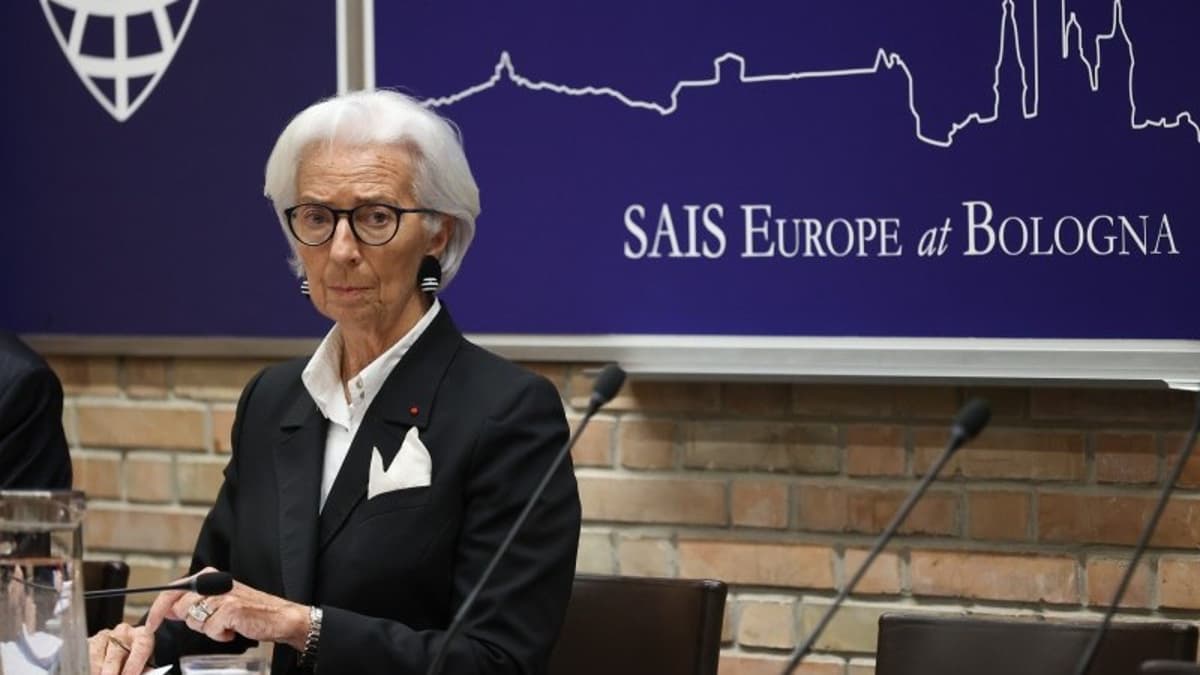
ECB Preview: Time for a Panic Room in the ECB’s ‘Good Place’
The European Central Bank heads into its March 18 meeting facing a sharp shift in the macro backdrop as the Middle East war drives oil prices higher, removing any realistic chance of further rate cuts. Instead of fine‑tuning inflation forecasts,...
By ING — THINK Economics

News•Mar 11, 2026
Dutch Economy Enters Middle East Crisis From a Position of Strength
The Dutch economy posted stronger‑than‑expected Q4 2025 growth, buoyed by robust goods exports and solid government consumption, creating a positive carry‑over into 2026. Manufacturing output rose 0.4% in January and consumer sales improved despite muted retail sentiment. While the Middle‑East...
By ING — THINK Economics

News•Mar 9, 2026
Copper Charts to Watch as Prices Slip Below $13,000/T
Copper prices have slipped below $13,000 per tonne as a stronger US dollar, rising energy costs and Middle‑East tensions dampen risk appetite. At the same time, visible inventories on the LME, SHFE and COMEX have surged by more than 500,000...
By ING — THINK Economics

News•Mar 9, 2026
German Industrial Production Still Struggles to Gain Positive Momentum
German industrial production slipped 0.5% month‑on‑month in January, leaving output 1.2% lower than a year ago, with the metal and pharmaceuticals sectors bearing the brunt. New industrial orders collapsed by more than 10% MoM, reflecting a reversal of the bulk‑order...
By ING — THINK Economics

News•Mar 6, 2026
Asia Week Ahead: Focus on Japan’s GDP Data and Key Inflation Release From China
Japan is set to revise its 2025 Q4 GDP upward to 0.3% quarter‑on‑quarter, driven by strong winter bonuses and a rebound in capital spending. In China, February CPI is expected to rise to 1.0% year‑on‑year, buoyed by Lunar New Year...
By ING — THINK Economics

News•Mar 6, 2026
South Korean Inflation Holds Steady, but Upside Risks Are Increasing Sharply
South Korea's headline CPI held at 2.0% year‑on‑year in February, while core inflation rose to 2.3%. Fresh food and petroleum prices fell, but service costs increased, showing lingering price pressure. Higher global oil prices and a weakening won have sharpened...
By ING — THINK Economics

News•Mar 4, 2026
US Activity Was Surging Ahead of Military Action
U.S. ISM surveys show the economy accelerating in early 2026, with the February services index climbing to 56.1 and overall business activity reaching 59.9, the strongest pace since May 2024. New orders and order backlogs also surged, supporting a projection...
By ING — THINK Economics
News•Mar 4, 2026
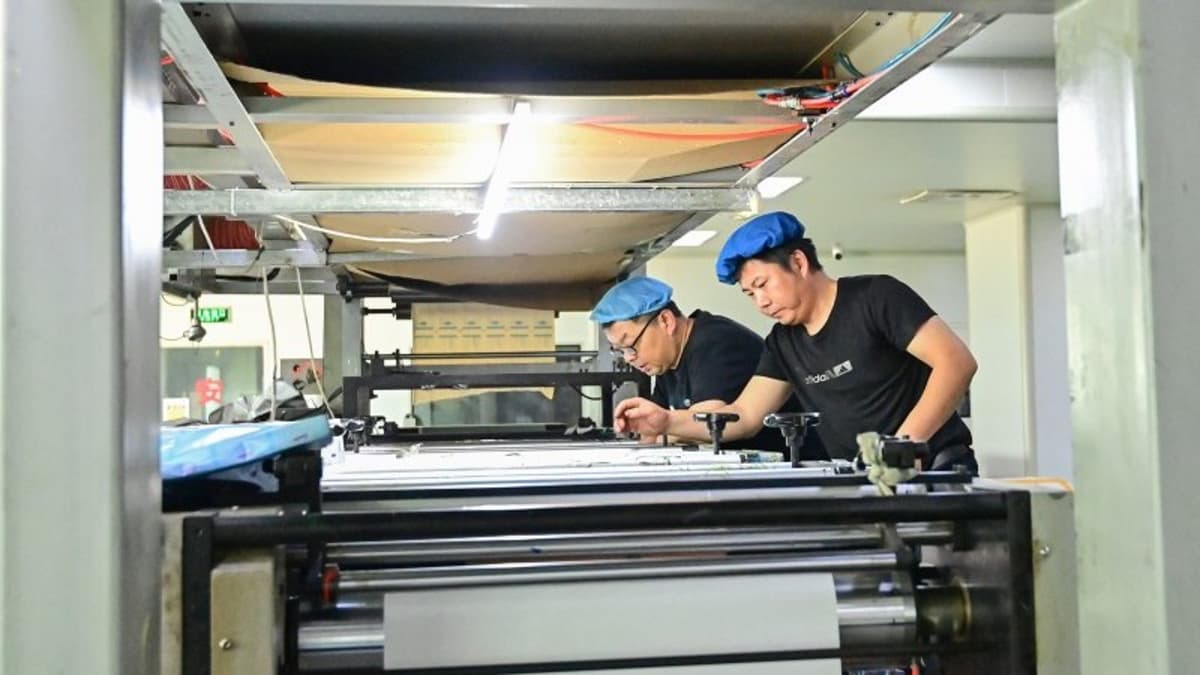
Divergent Chinese PMIs Suggest Resilient External Demand, but Soft Domestic Environment
China's official manufacturing PMI slipped to 49.0 in February, matching a 33‑month low, while the private RatingDog index rose to 52.1, highlighting a split between domestic weakness and export‑driven resilience. Sub‑indices show production, new orders and employment contracting, even as...
By ING — THINK Economics

News•Mar 3, 2026
Eurozone Inflation at Risk of Trending Higher over War in Middle East
Eurozone February inflation rose modestly, with headline rates climbing from 1.7 % to 1.9 % and core inflation edging up to 2.4 %. The increase occurred despite a smaller energy contribution, signalling persistent price pressures in services and goods. The ongoing Middle East...
By ING — THINK Economics

News•Mar 3, 2026
February Brings Another Sharp Inflation Rise in Turkey
Turkey's annual inflation rose to 31.5% in February, driven primarily by a 2.96% month‑on‑month CPI increase. Food prices surged, with annual food inflation at 36.5%, while core inflation eased to 29.5%, its lowest since late 2021. Producer‑price inflation remained around...
By ING — THINK Economics

News•Mar 2, 2026
National Bank of Poland Preview: Geopolitical Tension Makes a March Cut a Close Call
Poland’s central bank is poised to cut rates by 25 basis points in March, aligning with its recent dovish communication and a cooling inflation outlook. However, recent US‑Israeli strikes on Iran have raised oil prices, introducing upside risks to headline...
By ING — THINK Economics

News•Mar 2, 2026
Asia’s Outlook Under Higher Oil Prices
Asia can currently absorb the recent oil‑price surge, but the region’s heavy reliance on imported energy makes it vulnerable if prices stay high. Japan and the Philippines source almost 90% of their oil from the Middle East, while China and...
By ING — THINK Economics

News•Feb 25, 2026
Bank of Japan Won’t Alter Its Policy Normalisation Path
The Bank of Japan affirmed its commitment to a gradual policy normalisation path, emphasizing data‑driven decisions despite the appointment of two dovish board nominees. While the new members are expected to voice opposition to tightening, the overall board composition remains...
By ING — THINK Economics

News•Feb 25, 2026
FX Daily: Nvidia Earnings Could Be Big for FX
Ahead of Nvidia's earnings, analysts warn that a miss could trigger broader risk aversion, hitting the most exposed G10 currencies such as the Australian dollar, New Zealand dollar and Norwegian krone. The USD’s reaction will signal whether AI‑related concerns remain confined...
By ING — THINK Economics