
Uzbekistan Policy Rate on Hold, but Cuts Starting to Look Possible Soon
The Central Bank of Uzbekistan left its policy rate unchanged at 14.00% in June, defying an off‑consensus call for a cut. While the statement was cautious, it signaled a softer tone, noting that a sustained drop in inflation expectations and a better core‑inflation outlook could pave the way for easing. Inflation slowed to 5.5% year‑on‑year in May, with core CPI at 5.7%, and the economy posted 8.7% GDP growth in Q1 2026. Analysts now anticipate a 50‑100 basis‑point cut at the July or September meeting.

Rates Spark: The Unveiling of Warsh
Kevin Warsh took the helm of the Federal Reserve at the May 2026 FOMC meeting, keeping the policy rate steady in its 3.5‑3.75% target range. While the Fed statement is expected to tilt hawkish, Warsh may signal a dovish undercurrent...
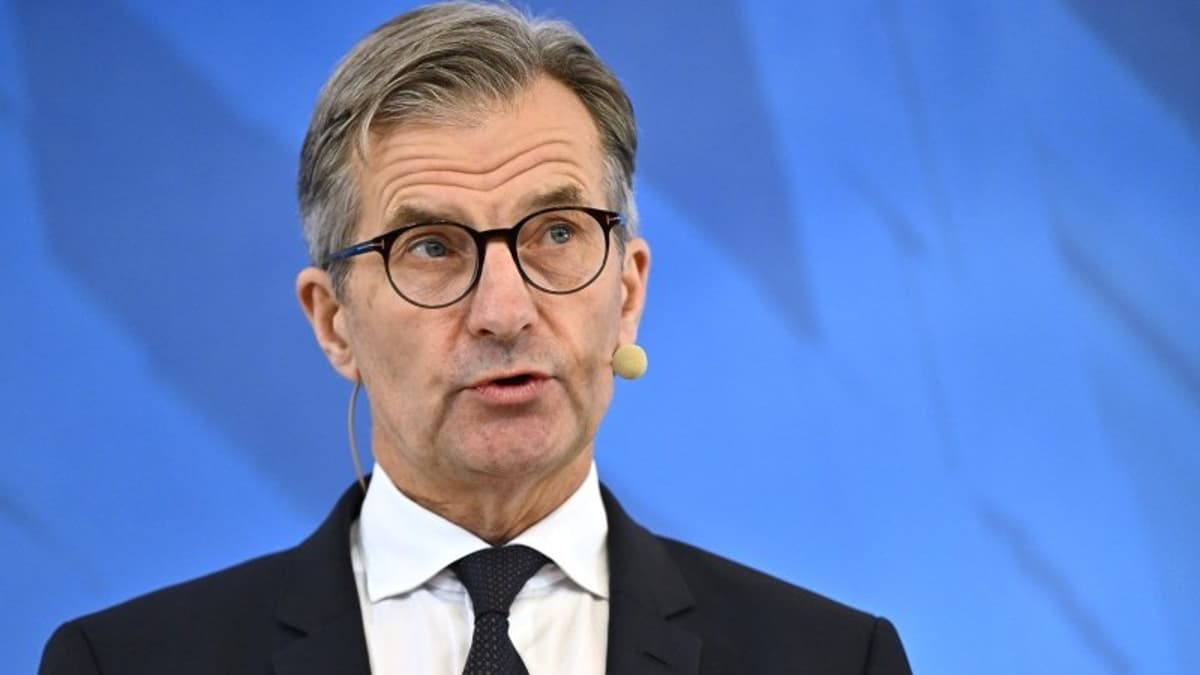
Riksbank Preview: Low Inflation Limits Hawkish Scope
The Riksbank is expected to keep policy rates unchanged on June 17 as headline inflation sits at 1.5% and core CPIF at 0.5%, leaving little room for a hawkish stance. Analysts see a higher risk that inflation projections will fall short...

How Technology Could Cut Millions of Hospital Visits Across Europe
Remote patient monitoring (RPM) is poised to slash hospital visits across Europe. Analysts estimate that about half of hospital care is suitable for hybrid models, meaning roughly 25% of patients could be managed remotely, which would avoid up to 6.5 million...

Bank of Japan Raises Rates to 1%, and Will End Tapering Next Year
The Bank of Japan raised its policy rate by 25 basis points to 1%, ending a 17‑year ultra‑loose stance, with one dissenting vote. It also announced that monthly Japanese government bond purchases will pause from April 2027, keeping the pace...

Reserve Bank of Australia Holds Steady, and Its Tone Remains Even-Handed
The Reserve Bank of Australia left its cash rate unchanged at 4.35% in a unanimous vote, matching market expectations. The Board noted that financial conditions have tightened and growth is slowing, yet underlying inflation remains elevated. It emphasized a restrictive,...

The Commodities Feed: Oil Falls Further
Oil prices fell for a fourth straight day, with NYMEX WTI sliding to its lowest level since March and ICE Brent trading below $83 per barrel as markets anticipate a full reopening of the Strait of Hormuz. China’s refinery throughput...
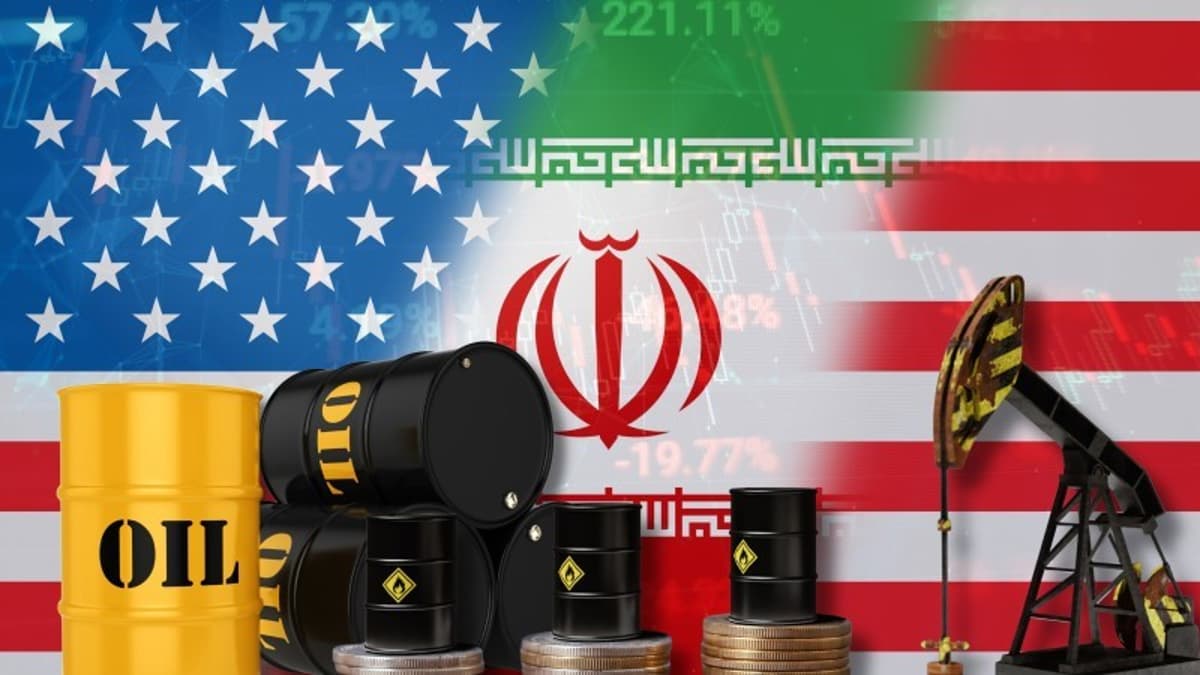
Rates Spark: The Damage Has Been Done
Treasury yields remain elevated despite the physical Iran nuclear deal and a sharp drop in Brent crude to around $80 per barrel. US 10‑year Treasury yields hover near 4.45% while real yields sit just above 2%, a historically neutral level....

Webinar: The Iran Deal and What It Means for Macro and Markets
ING economists announced an interim US‑Iran agreement that reopens the Strait of Hormuz, easing a key oil‑supply risk. Oil prices have slipped, but the cease‑fire remains fragile and could reverse quickly. The webinar will explore how the deal may influence...
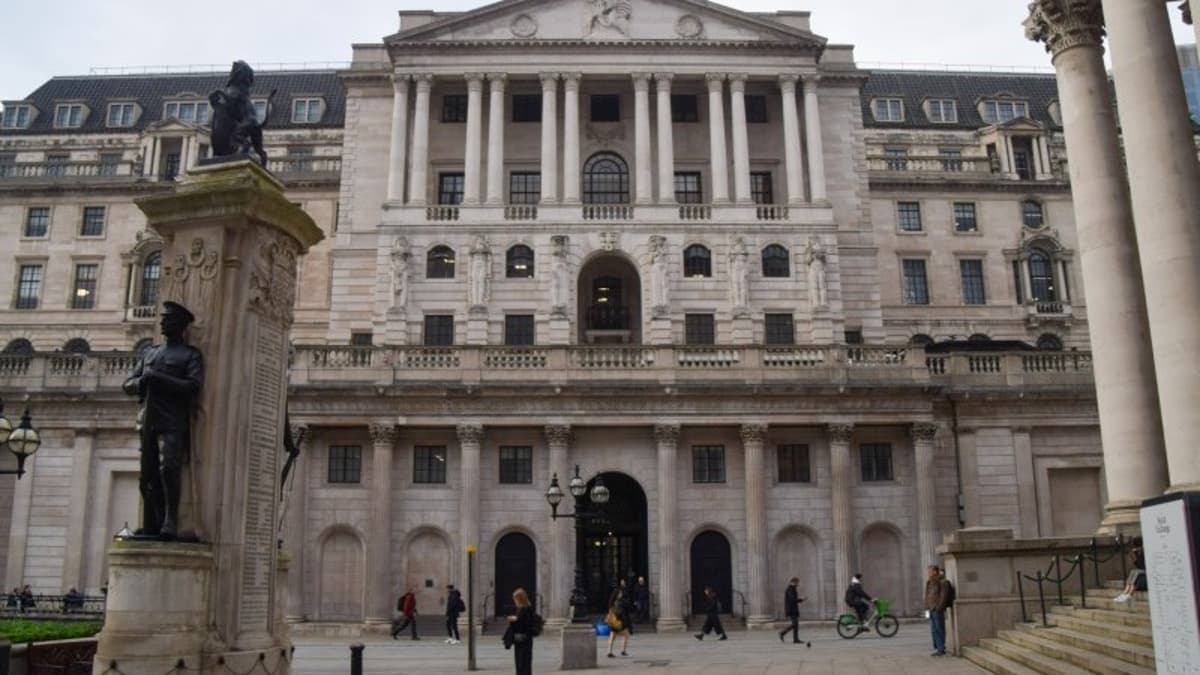
Iran Deal Takes Bank of England Rate Hike Back Off Table
The Bank of England’s Thursday meeting is now seen as a pause, with markets assigning only a 25% probability of a July rate hike after the US‑Iran nuclear deal eased geopolitical tensions. Energy price expectations have softened; natural‑gas futures have...

Asia Week Ahead: Rate Meetings in Japan, Australia, Indonesia, Taiwan, Philippines
The Bank of Japan is expected to lift its policy rate to 1.0% and pause its JGB‑tapering plan, while the Reserve Bank of Australia will likely keep rates on hold amid weakening inflation. The Bangko Sentral ng Pilipinas is projected...

Airbnb only Part of Belgium’s Housing Affordability Problem
In 2024 Belgium recorded 1.23 million short‑term rental bookings, generating 12.3 million overnight stays, and the 10 million‑night threshold was already surpassed in the first three quarters of 2025. Analysis shows Airbnb alone removes about 3,000 homes in Brussels and another 2,000 across...
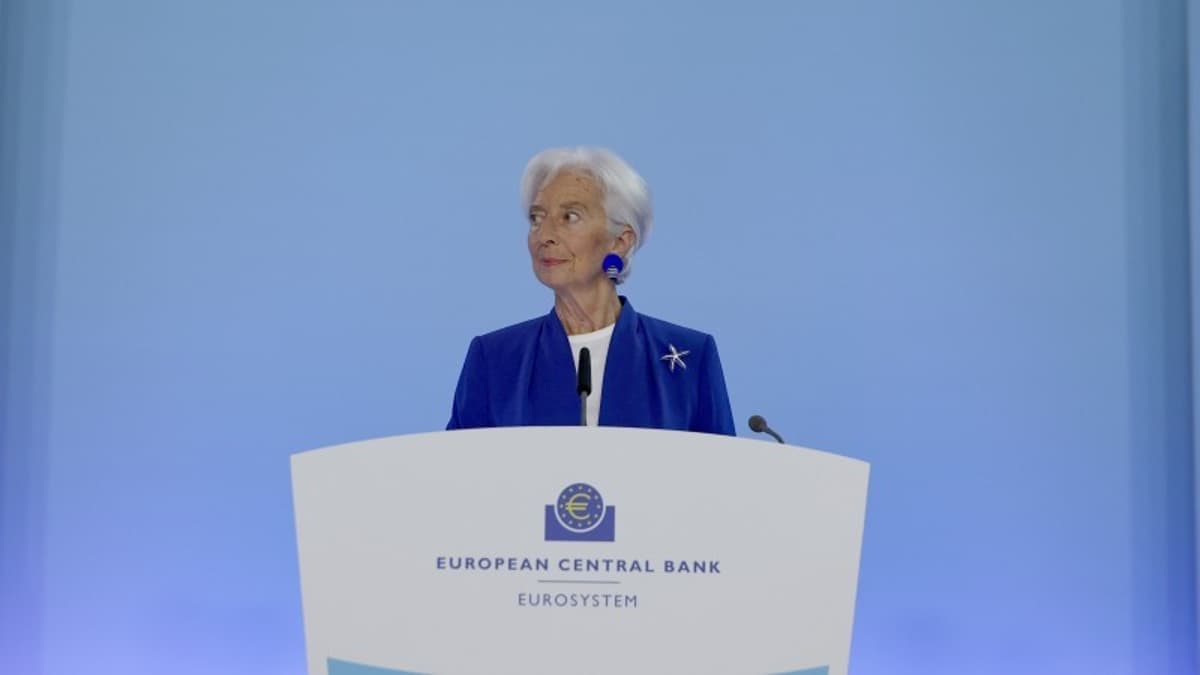
Lagarde Keeps the Door Open for Further ECB Rate Hikes
The European Central Bank lifted its deposit rate by 25 basis points to 2.25%, marking the first major central‑bank hike amid lingering stagflation concerns. President Christine Lagarde emphasized that the move is a signal of resolve rather than a reaction to...
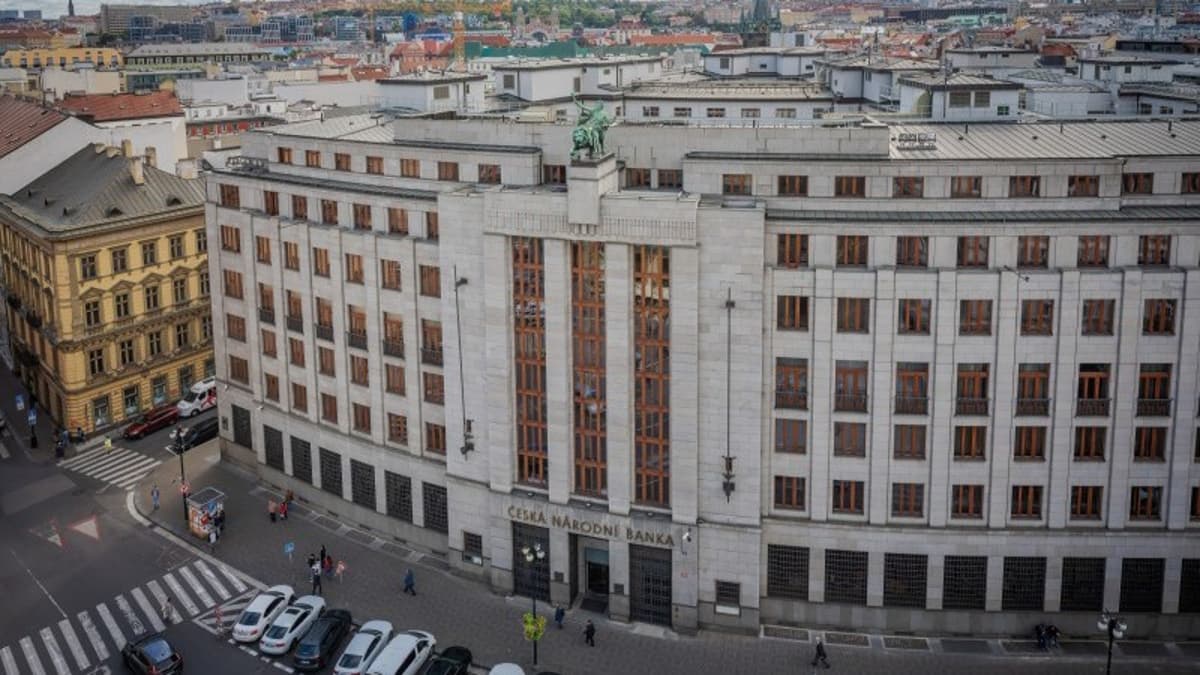
Czech National Bank Preview: Stubborn Core Inflation Implies a Rate Hike
The Czech National Bank (CNB) is likely to raise its policy rate at the June 18 meeting, driven by stubborn core inflation despite headline inflation hovering near the 2% target. Core inflation stayed at 2.9% in May, buoyed by services...
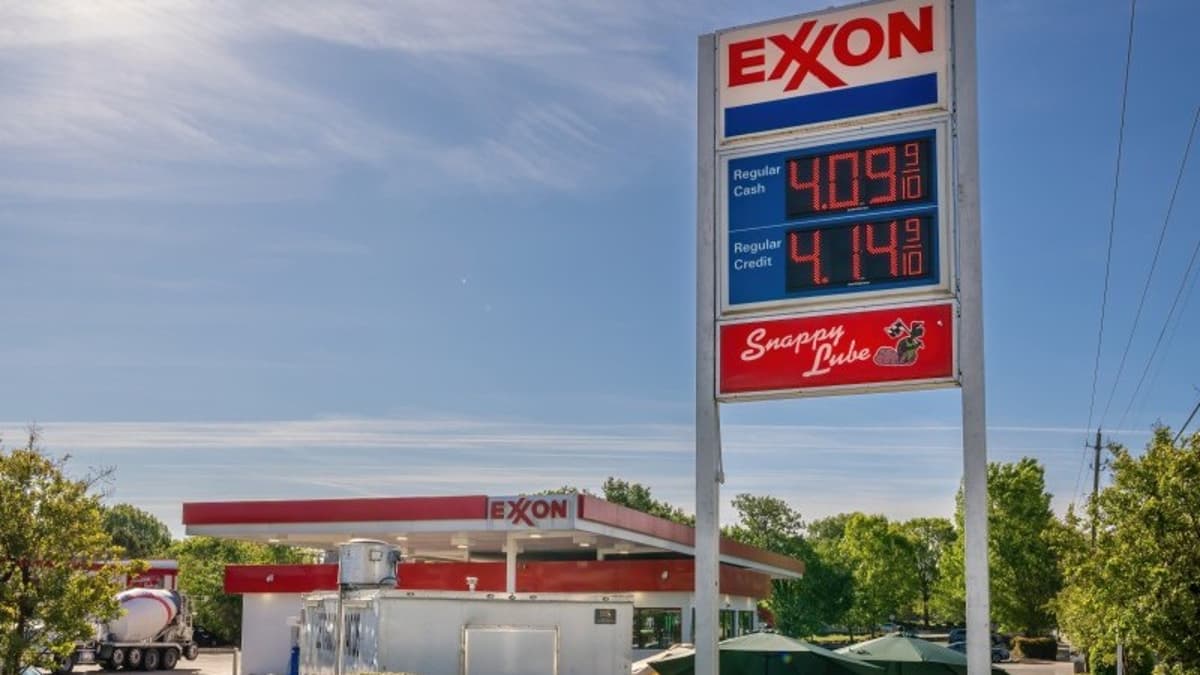
US Inflation Details Ease Concerns of Energy Spillover Effects
U.S. consumer price inflation rose 0.5% month‑on‑month in May, matching expectations, while core CPI eased to 0.2% MoM (2.9% YoY), below the 0.3% forecast. The headline increase was driven largely by a 7% jump in gasoline prices, but fuel costs...

Italian Industrial Production Proves Resilient in April
Italian industrial production posted a modest 0.5% month‑on‑month rise in April, marking the third consecutive increase. Growth was led by investment and intermediate goods, while consumer goods slipped despite a rebound in durable items. The machinery and transport equipment sector...

Monitoring Turkey: Softening in Economic Activity
Turkey’s Q1 2026 GDP slowed to 2.5% year‑on‑year, with net exports dragging growth by 0.7 percentage points and capital formation subtracting another 0.6 ppt. Inflation remains elevated, climbing to 32.6% YoY in May and core CPI to 30.4% YoY, outpacing the central bank’s...

Taiwan’s Trade Boom Prompts Another Growth Upgrade
Taiwan’s exports surged 51.7% year‑on‑year in May, propelled by a 62.7% jump in machinery and electrical equipment, which accounts for 84.5% of total shipments. Exports to Singapore exploded 247.5% YoY, lifting its share of Taiwan’s trade to 9.7%, while semiconductor...

German Industrial Production Defied Worst-Case Fears in April, but Stagnation Persists
German industrial production rose 0.4% month‑on‑month in April, ending a four‑month slide but remaining about 12% below pre‑pandemic levels. Construction output jumped 2.4% MoM and exports grew 0.9% MoM, while industrial orders plunged 3.8% MoM, highlighting persistent weakness. The modest...

Firm US Jobs Numbers Boost Rate Hike Chances, but Lack of Breadth Remains a Concern
The U.S. May jobs report showed non‑farm payrolls rising 172,000, well above the 88,000 consensus, driven primarily by leisure and hospitality, government, and education‑healthcare services. The unemployment rate held steady at 4.3% while wage growth eased to 3.4%. Outside the...

Kazakhstan Makes a Surprise Rate Cut, with Next Move to Depend on the Tenge
The National Bank of Kazakhstan unexpectedly slashed its base rate by 100 basis points to 17.0%, citing a faster‑than‑anticipated slowdown in consumer‑price inflation. May CPI fell to 10.4% year‑over‑year, while household inflation expectations dropped sharply and the tenge appreciated about...

June ECB Cheat Sheet: How to Train Your Hawks
The European Central Bank is expected to deliver a 25‑basis‑point rate hike on June 11, a move already priced in by markets. The central bank’s primary goal will be to reinforce hawkish expectations and prevent inflation expectations from de‑anchoring amid volatile...
Asia Week Ahead: China and India Inflation, Taiwan and China Trade
India’s consumer price index is projected to climb to 3.9% year‑on‑year in May, up from 3.48% in April but still below the RBI’s 4% ceiling. In China, May trade data are expected to show exports rising 19.5% and imports 36.4%,...
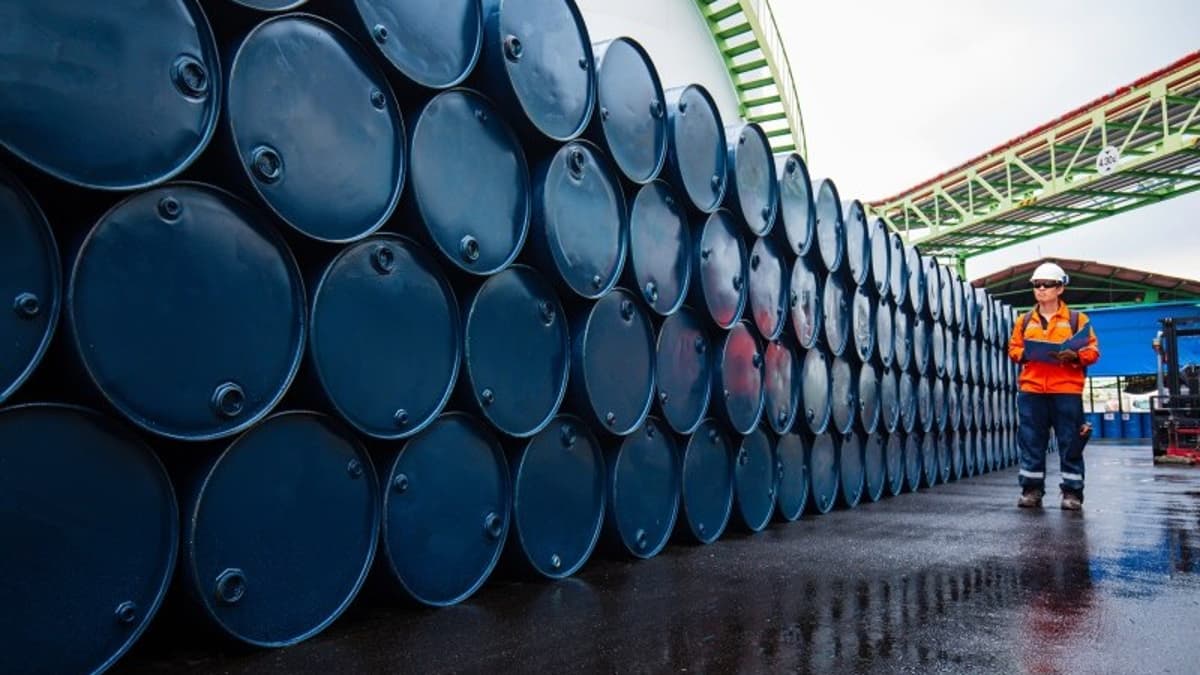
The Commodities Feed: Dwindling Oil Inventories Leave Market Increasingly Vulnerable
U.S. commercial crude inventories dropped 7.97 million barrels last week, widening the 32‑million‑barrel draw over six weeks, while strategic‑reserve releases push the total decline to 15.97 million barrels. The tightening stockpiles come amid renewed Persian Gulf tensions that have lifted oil prices...
A Rate Hike and Then What? Our ECB Preview
The European Central Bank is expected to raise the deposit rate by 25 basis points to 2.25% at its June 11 meeting, framing the move as an insurance hike rather than a aggressive tightening cycle. Inflation in the eurozone is...
A Bank of England Rate Hike in July Can’t Be Ruled Out
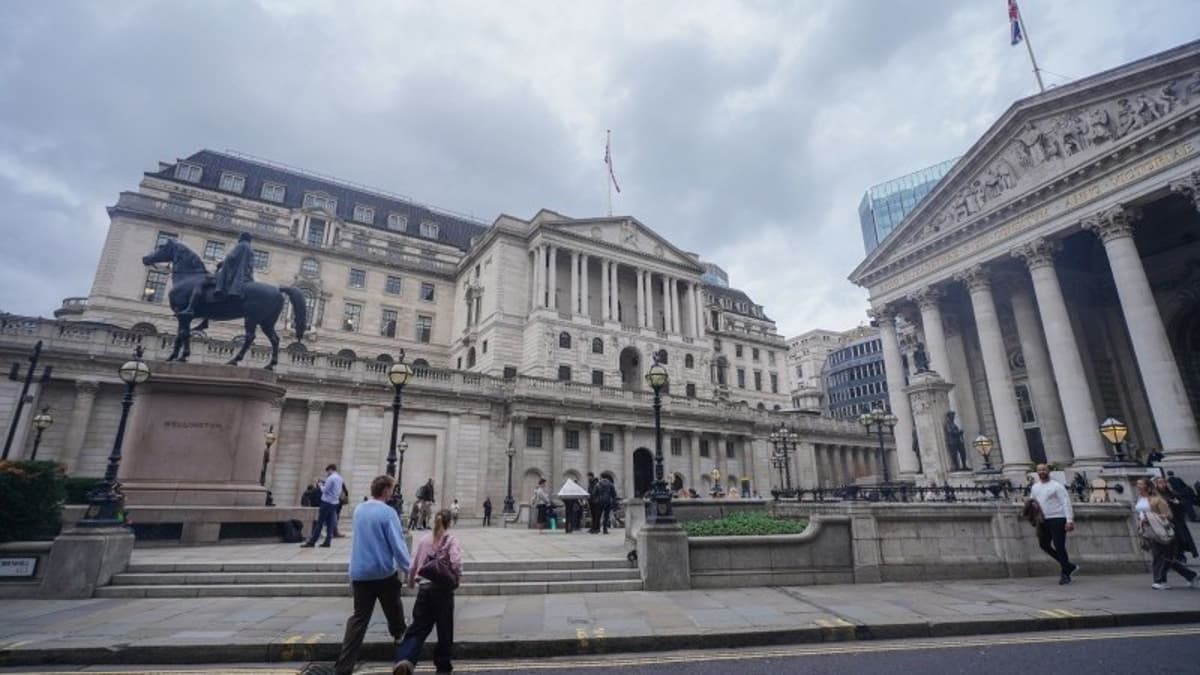
The Bank of England’s June rate‑hike probability has evaporated, with markets now pricing a pause in policy. A drop in natural‑gas futures toward pre‑war levels is easing inflation pressures, allowing the CPI outlook to peak near 3.7% in September—below the...

FX Daily: Dollar Support Broadens
Strong U.S. labor market data, including a record‑high JOLTS reading and upbeat ADP forecasts, lifted the dollar and revived expectations of a Federal Reserve rate hike before the June 17 FOMC meeting. The DXY is poised to test the short‑term...

Rates Spark: The Real Deal
US Treasury real yields are hovering just under 4.5%, remaining sticky despite recent market swings. In the eurozone, 10‑year implied real rates have risen since 2024 but sit near pre‑oil‑price levels, buoyed by a German fiscal boost and AI‑driven growth...
Webinar: War, Oil, and Stagflation – The Central Bank Stress Test
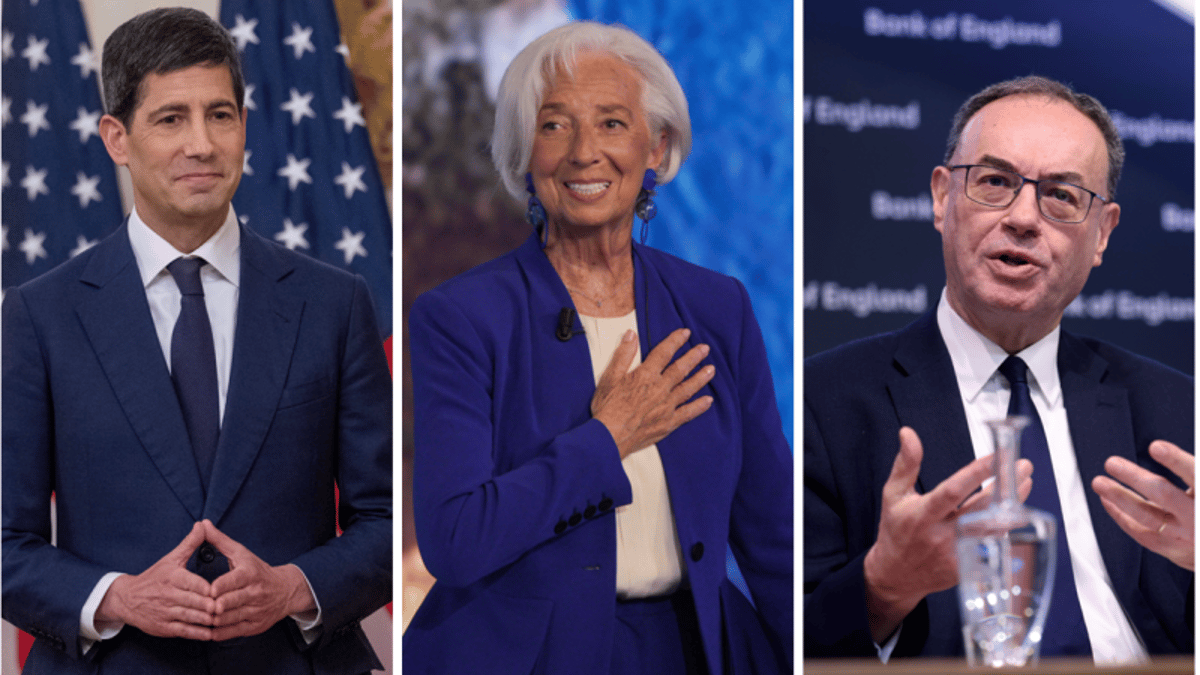
The ING webinar titled "War, oil, and stagflation – The central bank stress test" examines how ongoing Middle‑East conflict, volatile oil prices and emerging stagflation pressures are shaping monetary policy. It predicts an ECB rate hike in June that may...
The Commodities Feed: Mixed US-Iran Messages Leave Oil Seesawing
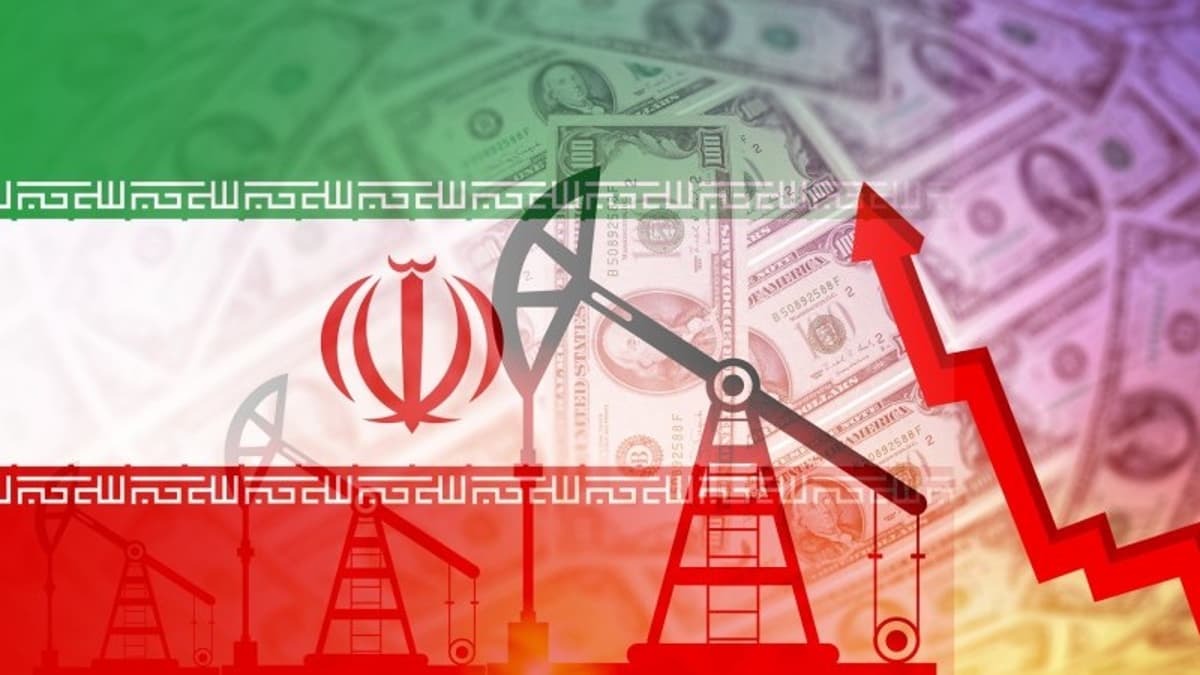
Oil markets were jolted as U.S.-Iran negotiations appeared to stall, sending Brent crude above $80 per barrel. Iran warned of threats to vessels in the Bab el‑Mandeb, raising concerns over Red Sea oil shipments. Meanwhile, Russia announced a ban on jet‑fuel...

Turkey’s GDP Growth Loses Momentum in First Quarter
Turkey’s economy expanded 2.5% year‑on‑year in Q1 2026, falling short of the 2.7% consensus. Quarter‑on‑quarter growth slowed to a meager 0.1%, the weakest pace since a contraction in Q2 2024. The slowdown was led by a 0.7‑percentage‑point drag from net exports and...

Early-Year Slowdown, but Poland Still Poised for Robust 3.4% Growth in 2026
Poland’s economy slowed in the first quarter of 2026, with GDP expanding 3.5% year‑over‑year, down from 4.1% in the previous quarter. Household consumption growth fell to 3.3% YoY and wage growth decelerated to 6.7%, curbing real labour‑income gains. Investment rose...
China’s Mixed PMI Data Suggests Economy Is Muddling Through
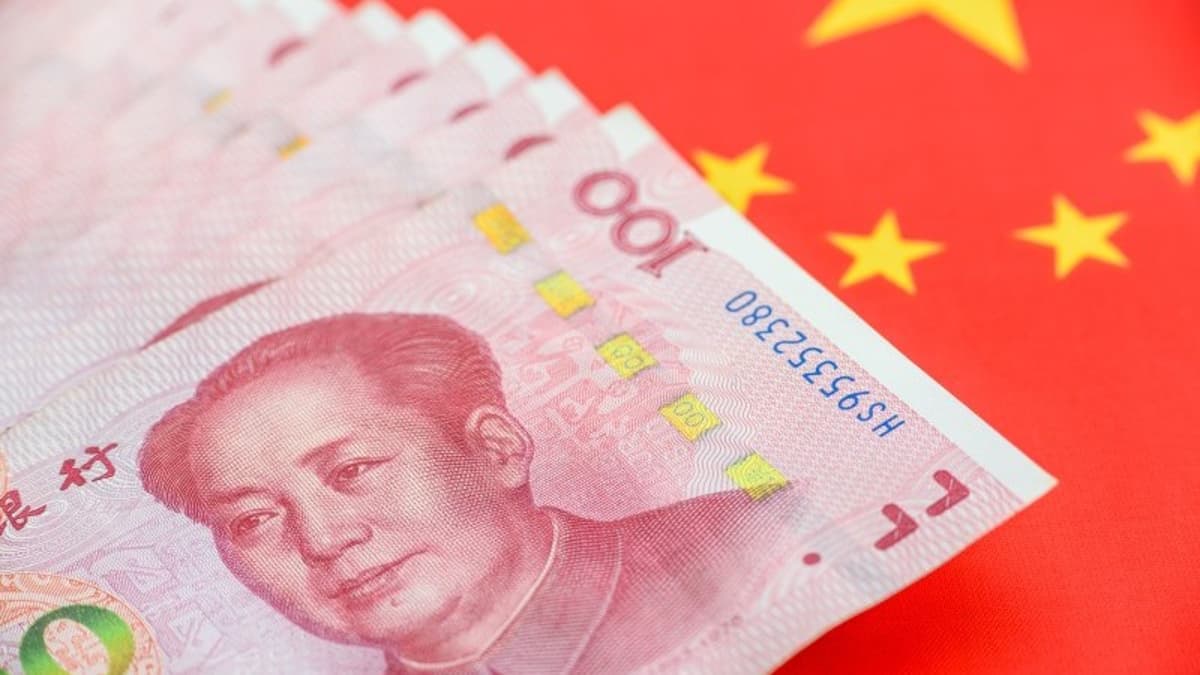
China’s official manufacturing PMI slipped to 50.0 in May, the exact line between growth and contraction, marking a three‑month low. New orders and export orders both fell back into contraction territory, while the RatingDog export‑focused PMI held at 51.8, outpacing...

German Inflation Dropped in May Amid State Measures to Cut Gasoline Prices
German headline inflation fell to 2.6% year‑on‑year in May, down from 2.9% in April, while core and services inflation rose back to pre‑war levels. The decline was driven by a government fuel‑tax rebate of roughly €0.17 per litre, which also...

USD/JPY: Largest Quarterly Intervention Since 2004
Japan’s Ministry of Finance confirmed the Bank of Japan intervened ¥11.735 trillion (≈$76 bn) in the April‑May quarter, the biggest single‑quarter FX action since 2004. The buying pressure drove USD/JPY from above 160 to below 156 within a few sessions. Analysts note...
Asia Week Ahead: Korea and Taiwan Inflation Data and China Manufacturing Figures
South Korea’s May consumer price index is projected at 3.0% YoY amid higher fuel and service costs, while chip exports are expected to surge 52% YoY, bolstering overall trade. Taiwan’s CPI is forecast at 2.2% YoY, potentially the first breach...

Stronger Growth in Japan Supports June Rate Hike Despite Softer Inflation
Tokyo's consumer price index eased to 1.4% year‑on‑year in May, undercutting the 1.6% market consensus, thanks to temporary utility waivers, a gasoline price cap and lower education fees. Despite the headline slowdown, service‑sector prices such as housing (+1.3%) and recreation...

THINK Ahead: Inflation’s Second Wave – Is History Really Repeating Itself?
The article argues that while today’s inflation bears visual similarities to the 1970s—energy shocks, fiscal stimulus, and rising prices—the underlying dynamics differ markedly. Oil prices are far lower in real terms, Western energy consumption has dropped, and the labor market...
Asia Week Ahead: Rate Decision in Korea and Key Data From Japan, China, Taiwan
The Bank of Korea is expected to hold rates steady on Thursday but signal a hawkish tilt, with dot‑plots hinting at one or two hikes within six months and an upgraded GDP and CPI outlook. Japan’s April CPI came in...

The Commodities Feed: Lingering Iran Uncertainty Has Oil Prices Oscillating
Oil markets remain volatile as US‑Iran nuclear talks stall, pushing ICE Brent 2.3% lower to under $103 per barrel, its weakest close since early May. Refined product inventories in Europe and Asia showed modest shifts, with gasoline stocks falling while...

Directional Economics CEEMEA: Energy Shock 2.0 – Who Breaks, Who Bends?
The 2026 energy supply shock is testing Central and Eastern Europe, shifting the focus from raw energy dependence to policy capacity. The Czech Republic emerges as the most resilient thanks to low inflation and diversified exports, while Poland’s growth is...

Surging Fuel Costs Risk Creating New Split in the Eurozone
Oil prices surged from about $70 to $110 a barrel after the US‑Israeli strike on Iran, pushing fuel costs sharply higher across the eurozone. A 50‑litre petrol tank now costs €5‑13 ($5‑$14) more in Spain and €13.5 ($15) in Germany,...
Benign UK Inflation Data Reduces Chance of June Rate Hike
UK inflation eased to 2.8% in April, below consensus, driven by lower regulated prices and a dip in travel costs. The modest 0.5‑point energy price lift was offset by an 0.8‑point reduction in administrative charges. Analysts now see inflation hovering...

US Treasuries Losing the Control They Had
U.S. 10‑year Treasury yields have broken the historic 4.5% support, climbing toward a 4.75% overshoot as real yields rise, not inflation expectations. The surge follows net selling after the US‑China summit and heightened geopolitical tension around the Strait of Hormuz....

Dreadful UK Jobs Report Questions Need for Rate Hikes
The latest UK jobs report shows a headline drop of 100,000 in payroll employment, a rise in the unemployment rate to 5.0%, and private‑sector wage growth slowing to an annualised 0.6%, the weakest since 2015. While the employment decline is...

The Commodities Feed: Supply Worries Remain as US Extends Russian Oil Waiver
The United States extended a temporary waiver allowing Russian oil floating at sea to be sold until June 17, aiming to steady markets amid heightened Middle East supply disruptions. Oil prices continued to swing within a $6‑per‑barrel range as Iran‑related headlines...
FX Daily: Bearish Yield Curve Steepening Hits Risk Assets
A bearish steepening of the U.S. yield curve is driving a sell‑off in long‑dated Treasuries, pushing 10‑year yields to their highest level since early 2025. The move follows a surprise 6% YoY rise in April PPI, the strongest inflation reading...

Makary’s Successor Faces Tough Task Managing FDA Amid Budget Cuts
Marty Makary was removed as FDA commissioner after just over a year, amid criticism over his positions on flavored vapes and abortion pills. The Trump administration has proposed a $7 bn, 5.5% cut to the FDA budget for FY2026, shrinking staff...

No Need to Touch Czech Interest Rates Despite Upbeat Core Inflation
Czech headline inflation held at 2.5% year‑on‑year in April, buoyed by modest food price trends but offset by higher transport and housing costs. Core inflation remains elevated at 2.9% and is projected to hover just below 3% for the rest...

Energy Shock Drives Broader Inflation in Belgium - a Warning Sign for Europe
In April 2024 Belgium’s headline inflation surged to 4% as energy prices jumped more than 12% year‑on‑year, and the rise quickly spread to a broader basket of goods. The share of items with month‑to‑month price increases climbed to 62%, the...