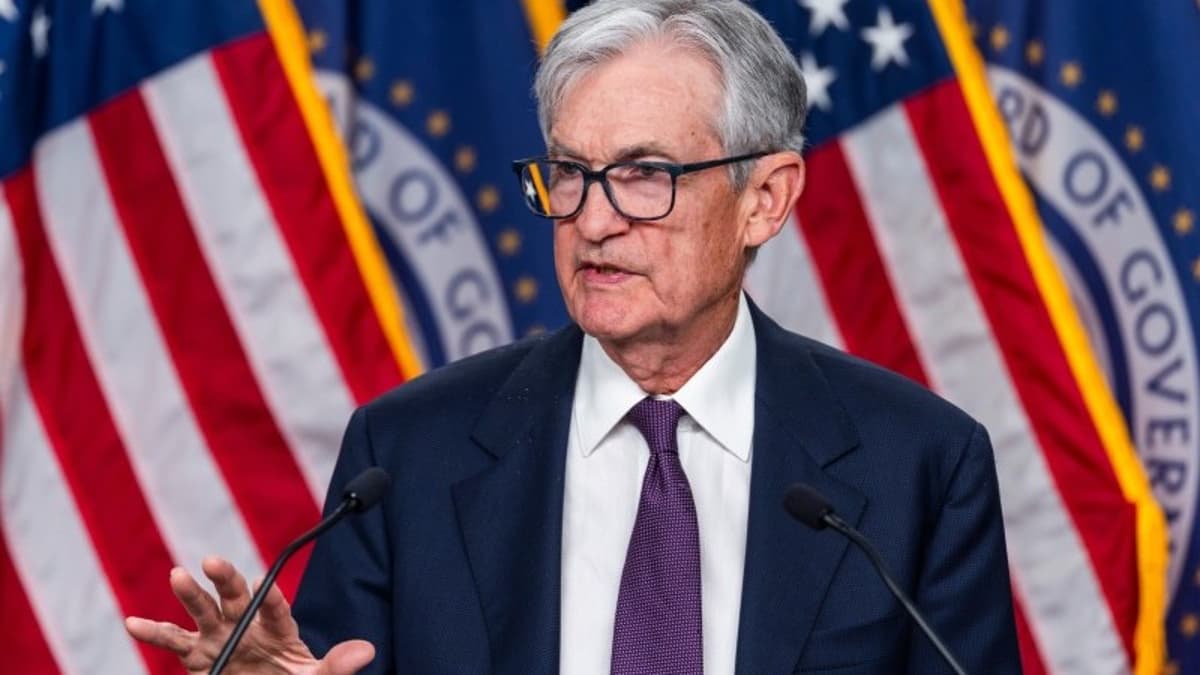
Middle East Stasis Set to Keep Fed on Hold at Chair Powell’s Swan Song
Federal Reserve Chair Jerome Powell’s term ends on May 15, but he has signaled he may remain chair pro tempore amid political friction with the White House. The April FOMC meeting is expected to hold rates steady, with Fed funds futures pricing no change and only modest cuts – about 10 basis points – by year‑end. Persistent Middle‑East tensions are keeping core inflation above 4%, limiting the Fed’s ability to move aggressively, while the central bank’s balance sheet has expanded by roughly $185 bn in securities and T‑bill purchases have been trimmed to $25 bn a month. Analysts still forecast two 25‑bp cuts this year, likely in September and December, as the Fed balances inflation containment with a stalled labor market.

National Bank of Hungary Preview: The Chance of a Cut This Year Has Vanished
The National Bank of Hungary (NBH) is expected to leave its policy rate at 6.25% through the end of 2026, as geopolitical uncertainty and post‑election fiscal questions limit flexibility. A recent removal of forward‑guidance language signals a more hawkish stance,...
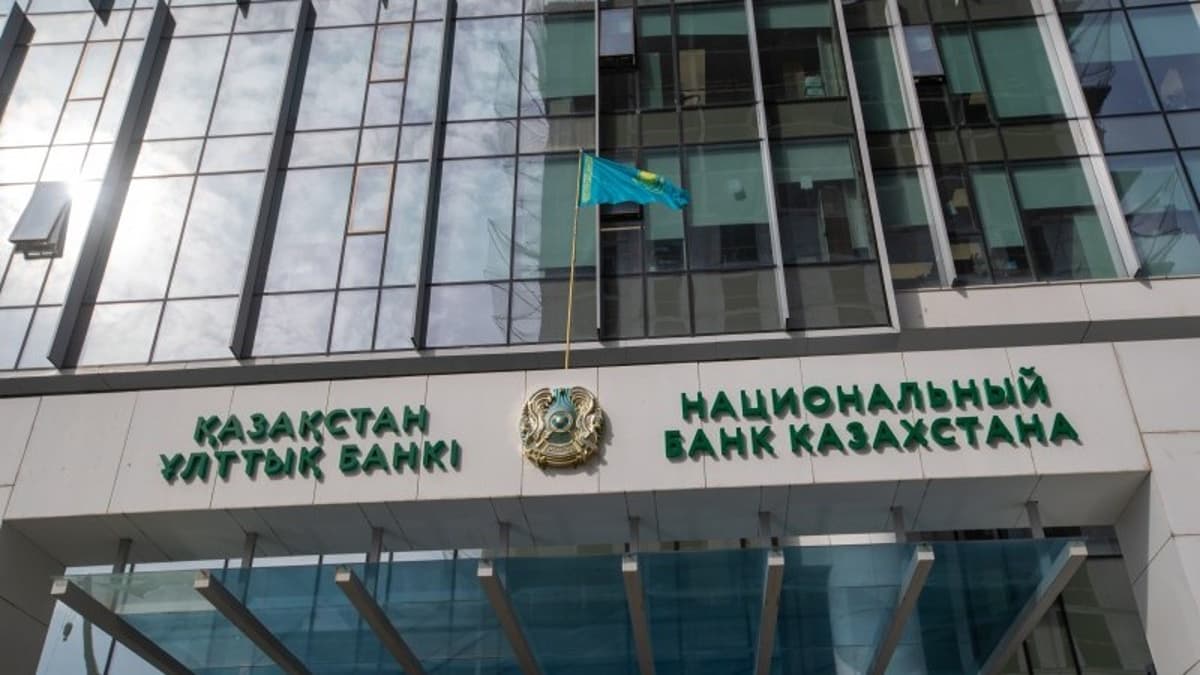
Kazakhstan Holds Rates, Indicates Room for Cuts
Kazakhstan’s National Bank left its benchmark rate unchanged at 18.00% on April 24, reaffirming a conditional easing stance for the second half of 2026. The central bank highlighted a slowdown in CPI to 11.0% YoY and a dip in 1Q...

Czech Consumers Are Worried About the Outlook
Czech consumer confidence slipped 4.4 points to 106.0 in April, while business confidence held steady at 100.4, leaving the composite index at 101.3. The drop reflects heightened worries about the Middle‑East conflict, soaring energy costs and a weakening labour market,...

Bank of England Likely to Keep Rates on Hold as Markets Ramp up Hike Bets
The Bank of England is expected to keep its policy rate at 3.75% during the April meeting, despite markets pricing in two hikes by year‑end. Governor Andrew Bailey warned investors they were “getting ahead of themselves,” and the BoE appears...

German Economy Back in Crisis Mode as Ifo Index Drops to Pandemic Levels
Germany’s Ifo business‑climate index slipped to 84.4 in April, its lowest reading since the COVID‑19 pandemic, as firms grapple with the fallout from the Middle East war, soaring energy prices and emerging supply‑chain frictions. Energy‑intensive industries, which account for 17%...

Japanese Inflation Quickened in March, Complicating Bank of Japan Outlook
Japan’s consumer price index accelerated to 1.5% year‑on‑year in March, outpacing the 1.4% market forecast, while core inflation excluding fresh food rose to 1.8% – the first increase in five months. The uptick reflects broader price pressures from goods and...

Rates Spark: Swap Lines Imply some Pressure
The market has eased from earlier fears that a frozen Strait of Hormuz would cripple oil supplies, yet oil prices remain elevated as the closure persists and Iran refuses to negotiate without a US blockade lift. Bond yields are inching...
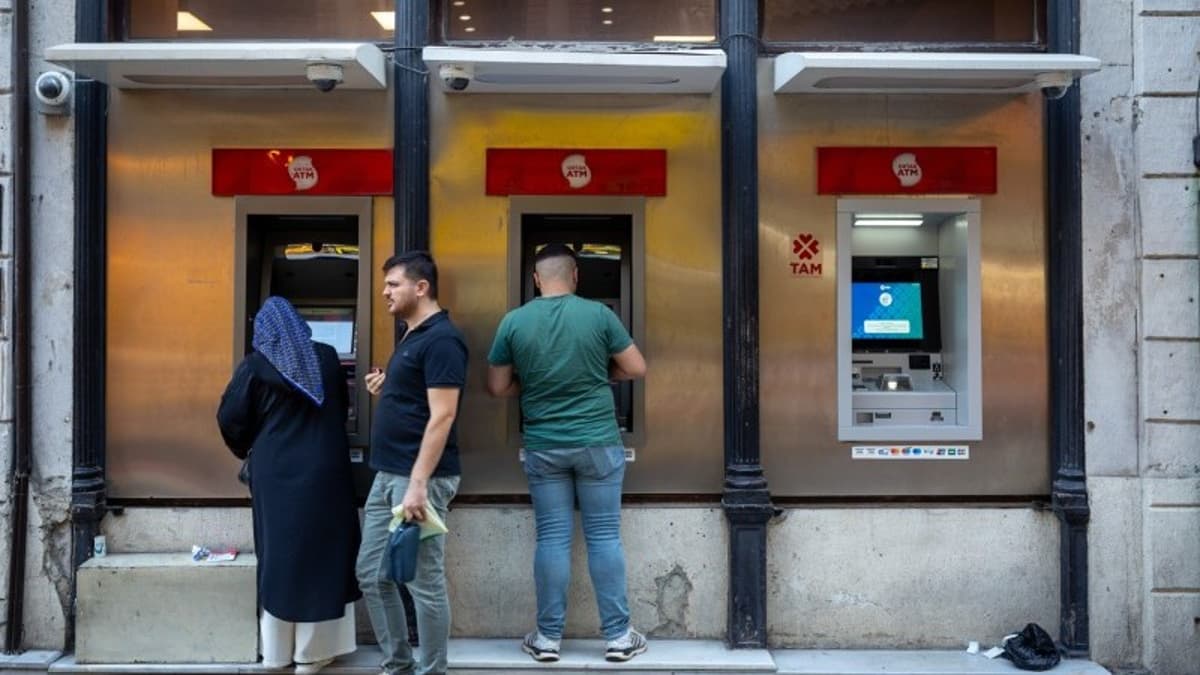
Turkish Central Bank Holds Rates, Remaining Cautious
The Central Bank of Turkey kept its 1‑week repo rate at 37% and left the 450‑basis‑point interest‑rate corridor unchanged. A surge in foreign‑exchange reserves added roughly $20 bn in April, lifting gross reserves to about $175 bn and net reserves to $38.6 bn....
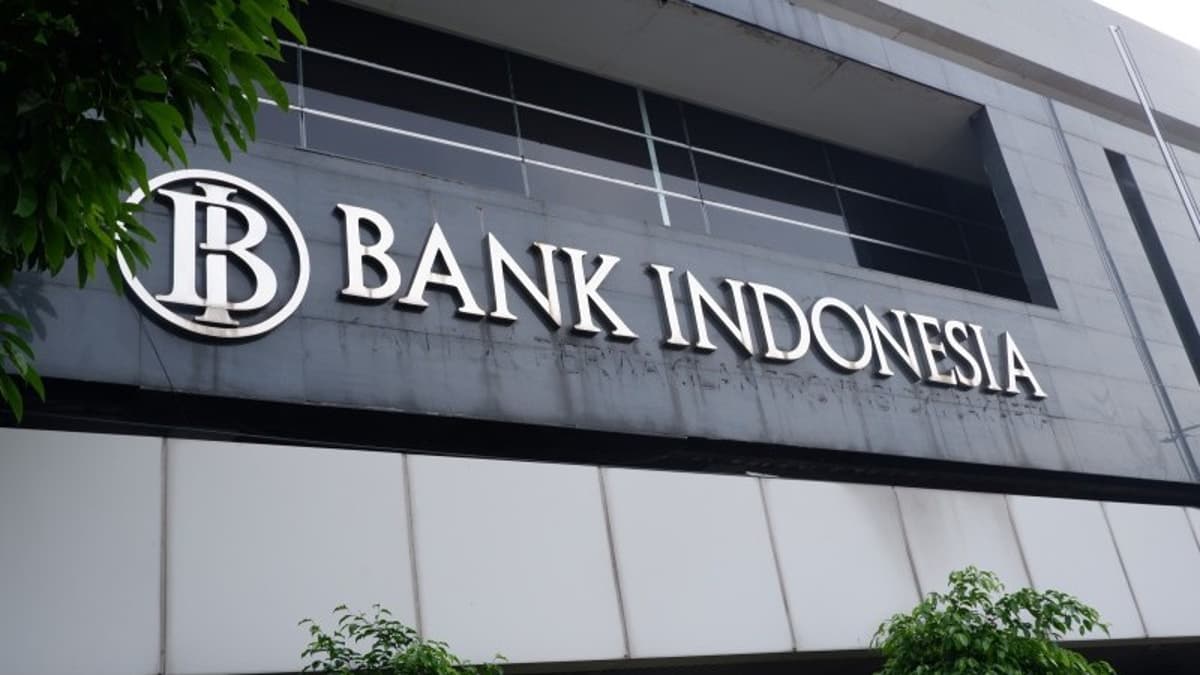
Bank Indonesia Holds Rates, Prioritises Rupiah Stability
Bank Indonesia left its benchmark policy rate unchanged at 4.75%, matching market expectations, as fuel subsidies keep inflation near 3.5% and reduce the need for a hawkish stance. The central bank highlighted rupiah stability, noting the currency remains undervalued and...

Rates Spark: Still Positioned for a Short-Lived Shock
ING rates strategist Michiel Tukker notes that European markets expect a brief inflationary shock, keeping the 10‑year EUR swap range tight between 3.0% and 3.1% over the past month. Oil price movements continue to drive the short end of the...
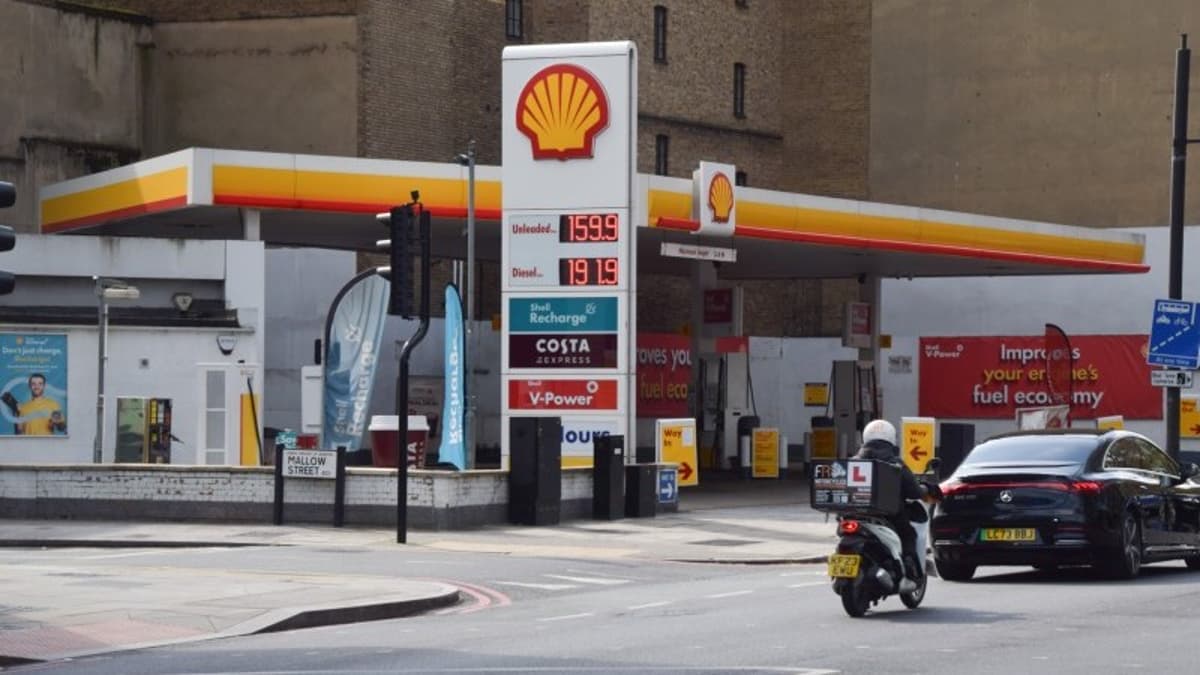
UK Inflation Heads Towards 4%, but Rate Hikes Off the Table for Now
UK headline CPI rose to 3.3% in March, with core services inflation holding at 4.2%. Energy price forecasts—oil at $90‑$100 per barrel and natural gas around €55 (≈$60) per MWh—suggest inflation will hover between 3.5% and 4% through the second...

Energy Shock 2.0 – Who Breaks, Who Bends in Central and Eastern Europe
The 2026 energy shock, triggered by a major supply disruption in the Strait of Hormuz, has struck the Czech Republic, Poland, Hungary and Turkey at a fragile moment for growth, inflation and fiscal space. Unlike the 2022 shock, the current...
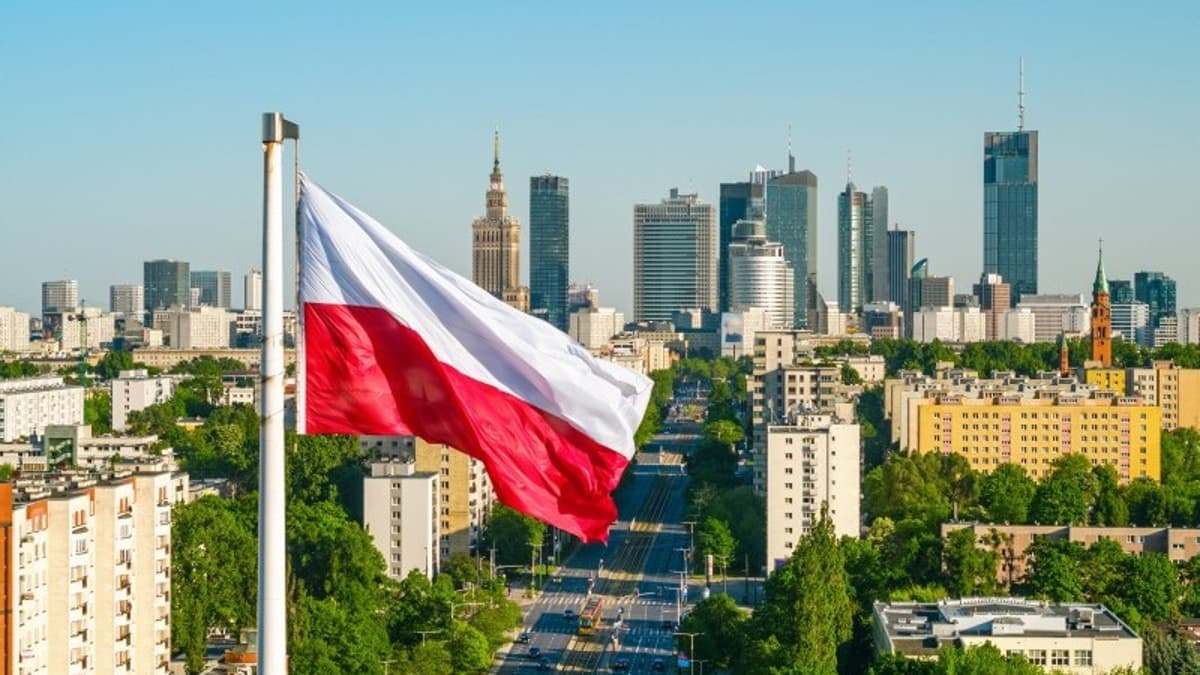
Poland’s Growth Outlook: So Far so Good
Poland’s economy rebounded in March after a harsh winter that crippled construction and industry. Construction output posted a modest 0.4% year‑on‑year gain, jumping 37% from February, while industrial production surged 9.4% YoY. The first‑quarter GDP is now estimated at 3.5%...

Drop in UK Unemployment Isn’t All It Seems
The UK unemployment rate slipped from 5.2% to 4.9%, but the decline stems largely from a rise in economic inactivity rather than new jobs. Private‑sector payrolls are still falling, with a 1.6% annualised drop driven by hospitality and retail. Recent...
Rates Spark: Bonds Losing Their Edge as a Hedge
Bonds are losing their appeal as a hedge against equities as correlations between German Bunds and stock indices hit record highs, while long‑end inflation expectations remain anchored. Front‑end rates are volatile amid lingering Middle East tensions, but the longer end...
FX Daily: Dollar to Weigh up Warsh
Kevin Warsh’s Senate confirmation hearing is set to dominate U.S. monetary policy headlines, with markets expecting a dovish stance on rates and a hawkish approach to the Fed’s balance‑sheet reduction. A potential Iranian delegation to peace talks in Pakistan is...
The Commodities Feed: Peace Talk Optimism Clouds Reality
Oil markets rallied on optimism that renewed US‑Iran peace talks could reopen the Strait of Hormuz, but analysts warn the price gains under‑price the ongoing supply disruption. European gas prices remain low, with the Dutch TTF below €40/MWh despite a...
Kevin Warsh’s Fed Confirmation Faces Tough Tests
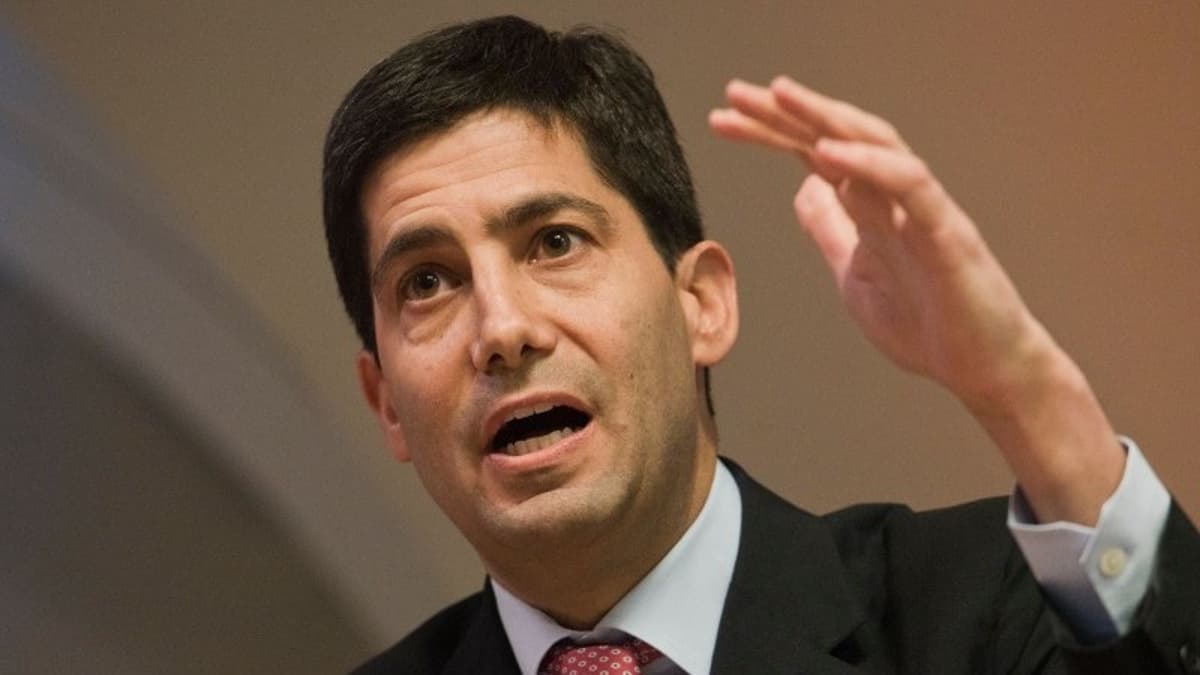
Kevin Warsh, a former Fed governor and Trump‑nominated candidate for chair, faces a Senate hearing that will test his alignment with the President’s demand for lower interest rates. Warsh is expected to argue for a dovish stance, citing the potential...

FX Daily: Looking for a New Steady State for the Dollar
The dollar rebounded after the Strait of Hormuz was declared fully open, but analysts expect it to hover around the 97.5‑98 DXY level for the rest of the quarter. Fed Governor Christopher Waller warned that prolonged high oil prices could...

G10 FX Talking: Time to Back the Hawkish Central Banks
ING’s latest G10 FX outlook highlights a shift toward real‑rate driven moves as hawkish central banks gain traction. The firm expects the euro to climb to 1.20 against the dollar by year‑end, while the Fed is projected to cut rates...

Carsten: What the Middle East War Means for the Economy Right Now
The ongoing war in the Middle East is already pushing global oil prices higher, feeding inflation and dampening growth prospects. ING’s macro chief Carsten Brzeski cautions that while a recession is not yet inevitable, the conflict will “hammer” economic expansion....
Latam FX Talking: The Brazilian Real Has Fared Well From the Crisis
ING’s Latin America FX outlook sees the Brazilian real emerging as the region’s top high‑yield currency in 2026. The firm projects USD/BRL falling to 4.50 within a year, translating to an implied 13% annual yield and a real‑effective exchange rate...

FX Talking: Forecast Table
ING’s April 2026 “FX Talking: Forecast Table” delivers a forward‑looking outlook on major currency pairs, outlining expected appreciation and depreciation trends through the next twelve months. The table presents baseline, upside and downside scenarios, integrating macro‑economic variables, commodity price movements and...

Double-Digit Wage Growth Makes a Cameo Appearance in Hungary
Hungary’s February wage data showed a 9.7% year‑over‑year rise in average earnings, pushing real wages into double‑digit growth at 10.5% thanks to record‑low inflation. The median wage jumped 11.8%, mirroring the minimum‑wage increase and compressing lower‑income brackets. Wage gains were...
Belgium’s Fiscal Clean-Up Still Has a Long Way to Go
Belgium’s federal government launched a fiscal consolidation drive over a year ago, delivering modest structural reforms in pensions, labour and capital taxes. The National Bank of Belgium estimates the package will generate net savings of about 1.1 percentage points of GDP...

Asia Week Ahead: Rate Decisions in China, Indonesia, Philippines and Key Data From Japan and Korea
Asian central banks are set to announce key policy moves next week. China is expected to leave its loan prime rates unchanged despite stronger‑than‑expected Q1 GDP, while Indonesia’s Bank Indonesia will likely keep rates steady as inflation hovers around 3.5%....

Middle East Escalation Pushes Aluminium Into a Structural Deficit
Escalating tensions in the Middle East have forced key Gulf aluminium smelters to curtail output, turning a logistics shock into a structural supply deficit. Emirates Global Aluminium halted its Al Taweelah plant, while Alba operates at roughly 30% of capacity and...

Dutch Economy Sees Recent Momentum Beginning to Fade
At the start of 2026 the Dutch economy, which posted a strong 1.8% growth in 2025, is now expected to slow to about 1.3% in the first quarter. Recent data show declines in industrial production, exports, retail sales and car...

ECB Minutes From March Meeting Confirm Hawkish Pivot
The European Central Bank’s March minutes confirm a hawkish pivot, yet the Governing Council signals no rush to tighten policy further. Officials highlighted downside risks to growth from the Middle East conflict and upside risks to inflation, especially via stronger...

ING Monthly: The World Waits for a Climbdown
The six‑week war in the Middle East is adding a fresh stagflationary drag to the global economy, according to ING's macro chief Carsten Brzeski. Conflict‑driven supply‑chain bottlenecks are pushing energy and commodity prices higher, while growth forecasts are being trimmed....
The World Waits for a Climbdown
ING’s Carsten Brzeski outlines a base‑case scenario where Iran‑U.S. talks extend 2‑4 weeks, leading to a limited blockade of the Strait of Hormuz before traffic resumes. Oil prices are projected to dip below $90 per barrel by year‑end, easing some pressure...

Three Scenarios for Energy, Central Banks, Rates and FX Markets
ING outlines three energy‑price scenarios tied to the Middle East cease‑fire outlook. In a base case, Brent crude steadies at $90‑100 per barrel and the euro trades around 1.18‑1.20 by year‑end. A moderate disruption pushes Brent above $100 and lifts...

Energy Market Outlook Hinges on the Middle East
Oil flows through the Strait of Hormuz remain largely cut off, tightening the physical market and creating a $30‑per‑barrel premium for dated Brent over futures. About 13 million barrels per day are offline, prompting demand‑destruction measures in Asia and likely elsewhere....

Our Latest Views on the Major Central Banks
ING’s latest outlook assesses the Fed, ECB, BoE and BoJ as they navigate a fresh oil price shock and lingering inflation pressures. The Fed sees inflation testing 4% but expects sub‑2% by 2027 if energy costs fall, opening space for...
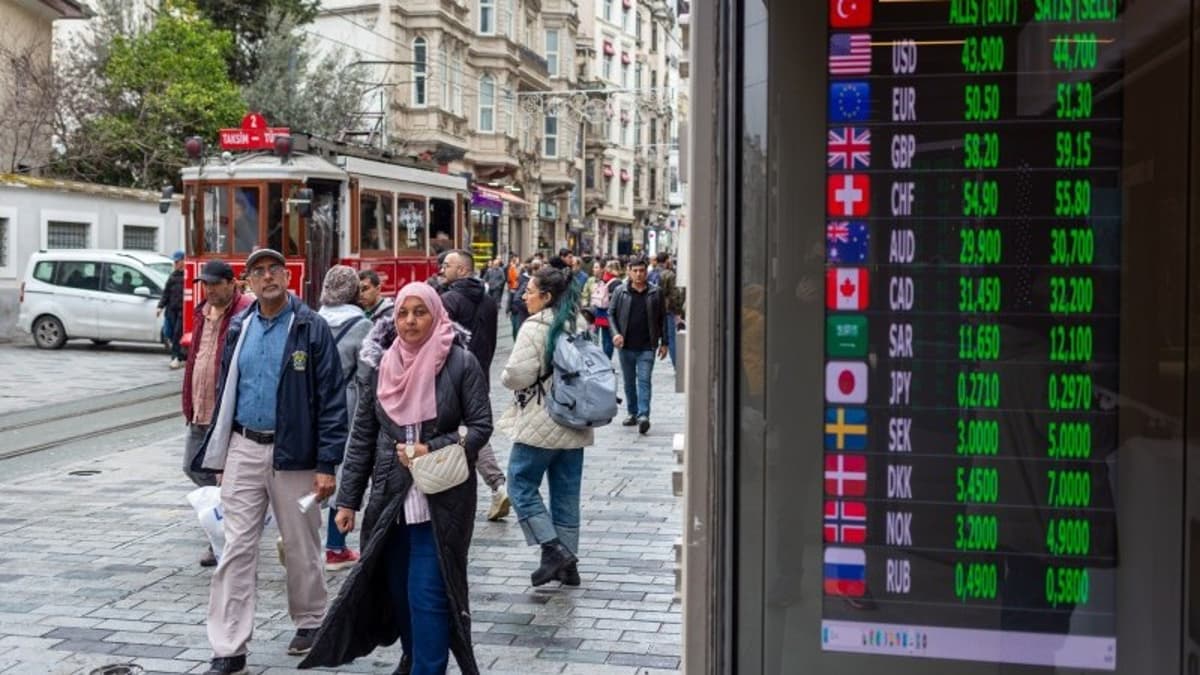
Monitoring Turkey: Geopolitics Compounds Macro Challenges
Turkey’s economy remains under strain as inflation expectations were lifted to 27.5% for 2024, driven by higher energy costs and a tax‑adjusted petrol price regime. The government’s fiscal gap narrowed to a 12‑month deficit of 2.2% of GDP—about $75 bn—thanks to...
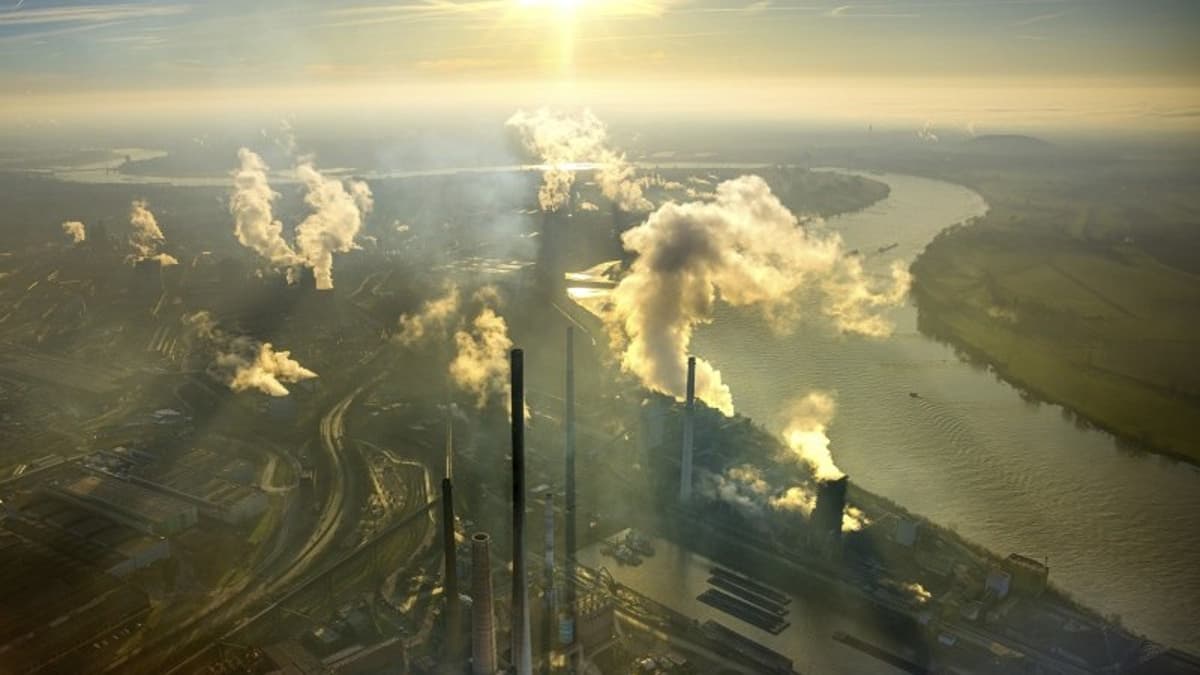
Eurozone Industrial Production Was Sluggish Ahead of Middle East War
Eurozone industrial production edged up 0.4% in February but remains below 2025 levels, signaling a weak start to 2026. The modest gain was uneven, with Germany, France and the Netherlands posting declines while Italy saw a slight rise and Ireland...

Rates Spark: Hard to Make High Conviction Central Bank Calls
Predicting central‑bank moves has become increasingly fraught as oil price swings directly tilt rate‑hike expectations. The ECB appears set to pause in April, yet markets still price a 25‑bp hike by June and another by year‑end, while the Fed and...

FX Daily: Pushing Forward Into De-Escalation Trades
The U.S. dollar slipped to just 0.5% above pre‑war levels as optimism grows around a Middle‑East de‑escalation, aided by a softer‑than‑expected March PPI (0.5% MoM) and modest Fed easing expectations. The Fed’s upcoming Beige Book and the April 21 Senate...

Rates Spark: Equities Are Back, but Bonds Are Not - Why?
Equities have largely rebounded from the February‑28 Middle East turmoil, with the S&P 500 regaining roughly 80% of its losses, while high‑yield spreads have normalized. Bond markets remain under pressure as long‑tenor yields stay elevated, driven by stubborn inflation and higher...

Poland’s External Current Account Deteriorated in February Amid Rising Flows From China
Poland's external current account turned from a €1.05 billion surplus in January to a €990 million deficit in February, roughly $1.07 billion. The deficit was driven by a €1.025 billion goods trade shortfall, offset by a robust €3.029 billion services surplus (about $3.27 billion). Imports surged...
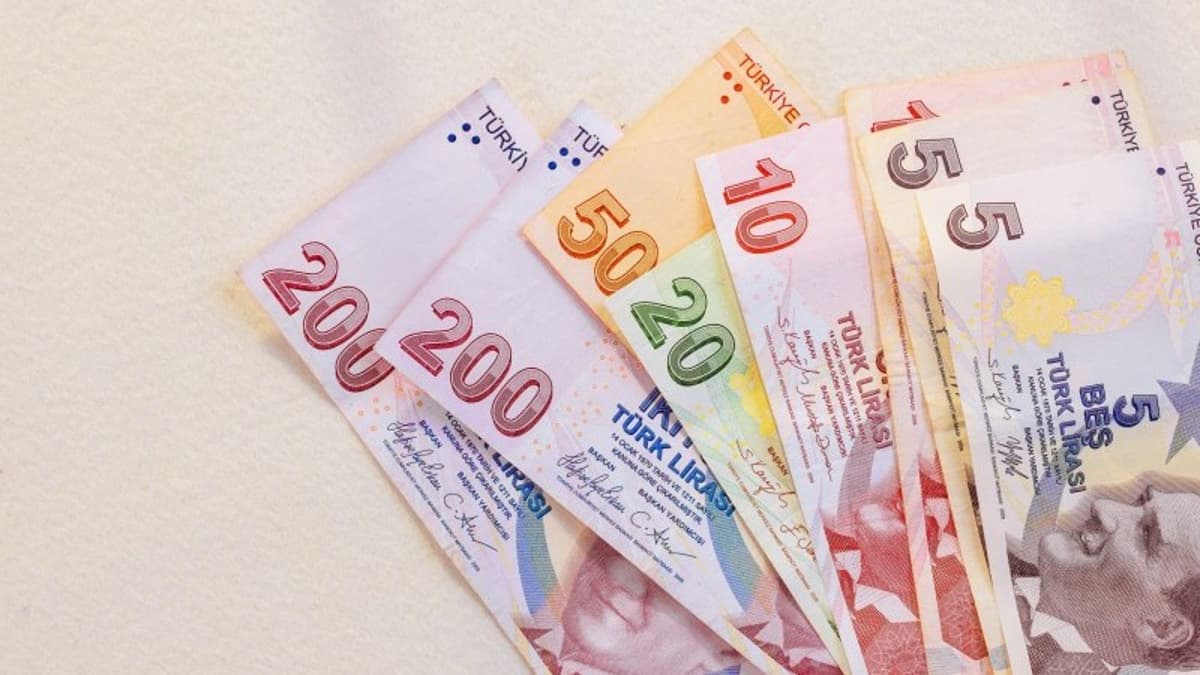
Turkey’s Current Account Deficit Widens Further
Turkey’s current account deficit widened to $7.5 billion in February, surpassing forecasts and pushing the 12‑month deficit to $35.4 billion, or about 2.4 % of GDP. The trade gap turned negative, expanding to $‑7.5 billion, driven by higher gold imports despite lower energy costs....
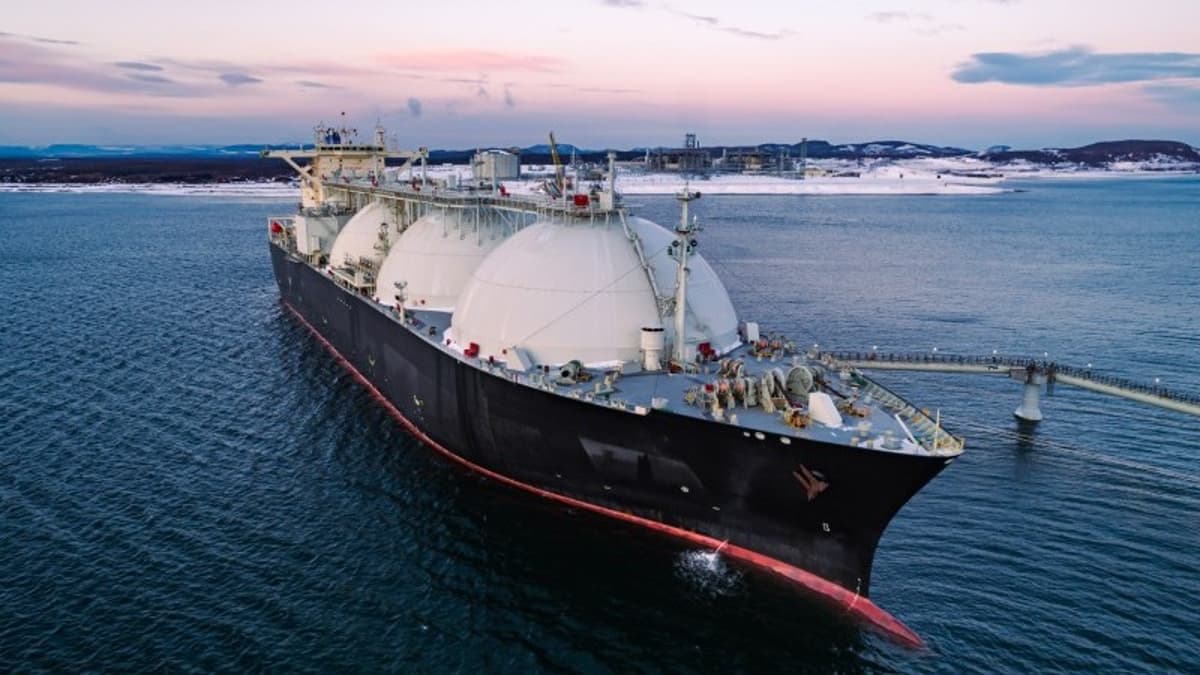
Webinar: Energy Security Under Strain - Why Cutting Europe’s Gas Dependency Won’t Be Easy
A webinar on 17 April will examine Europe’s heavy reliance on imported gas—about 70 % of its consumption—against the backdrop of renewed Middle‑East tensions. Speakers from ING will assess short‑term tools to mitigate supply risk and explain why a swift shift to...

FX Daily: Failed Peace Talks Give the Dollar a Brief Lift
After US‑Iran peace talks in Islamabad stalled, the DXY index nudged up about 0.4%, while oil prices jumped 7‑8% on news of a U.S. naval blockade aimed at curbing Iran’s roughly one‑million‑barrel‑per‑day exports. The limited rally reflects market relief that...
US Inflation Much More Likely to Be Transitory This Time Around
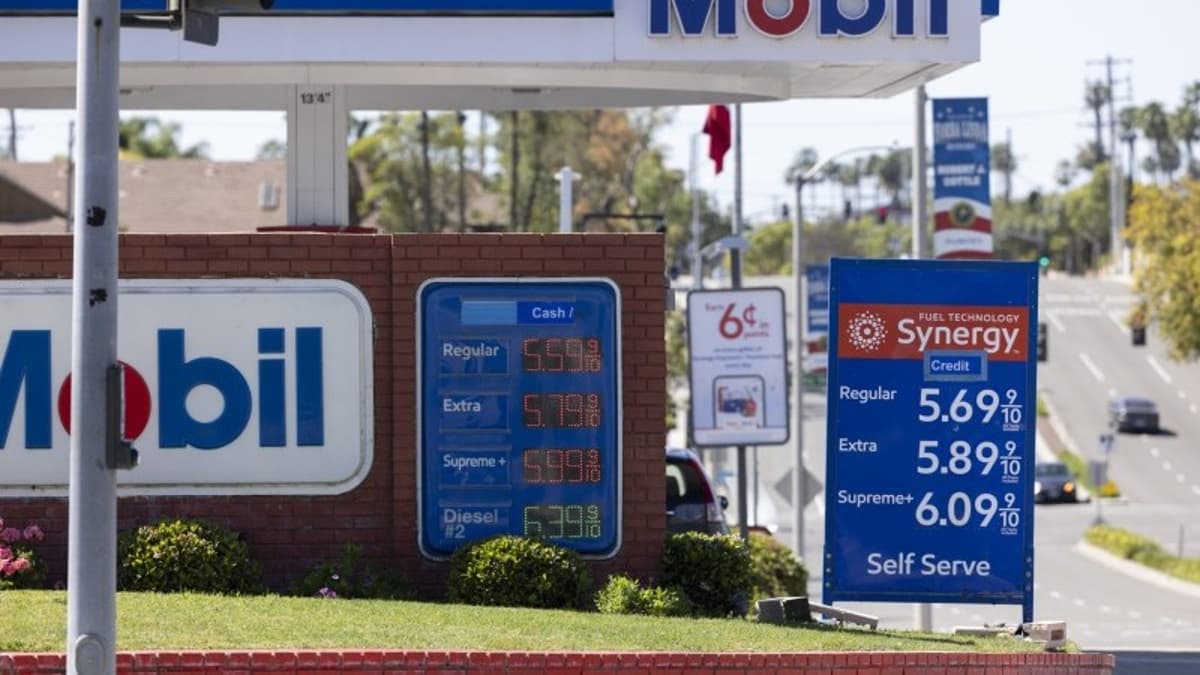
U.S. headline CPI jumped 0.9% in March, largely because gasoline prices surged 21.2% month‑on‑month. Core inflation, which strips out food and energy, rose only 0.2% MoM and 2.6% YoY, coming in below analysts’ forecasts. The report highlights weaker corporate pricing...

Watch: How the Energy Shock Is Hammering Europe’s Construction Industry
Europe’s construction sector is feeling the squeeze from persistently high oil and gas prices triggered by the Middle East conflict. ING’s Maurice van Sante notes that price‑rise expectations are the strongest since the 2022 energy crisis. Nearly one‑fifth of European...
Taiwan’s Trade Growth Smashes All Forecasts, Lifting the 2026 Growth Outlook
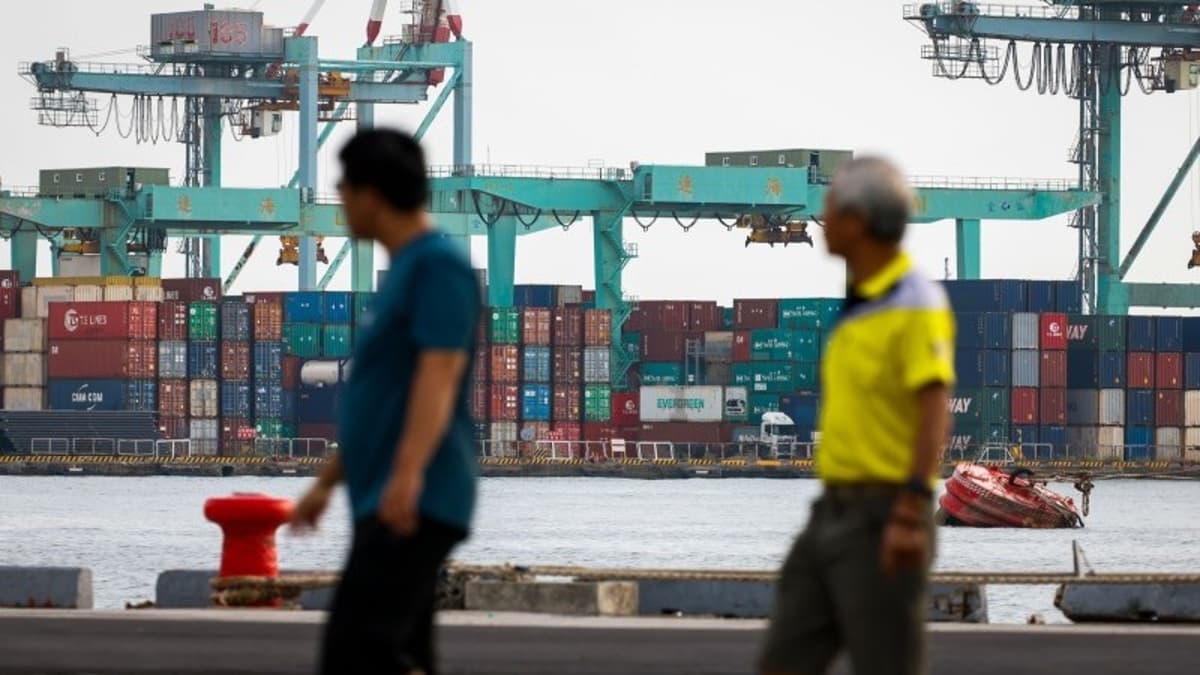
Taiwan’s March trade data showed exports soaring 61.8% year‑on‑year and imports rising 38.3%, far outpacing analysts’ expectations. The surge was driven by an 81.9% jump in machinery and electrical equipment shipments, especially a 134.5% rise in information‑communication‑audio‑video products. Export prices...

FX Daily: First Inflation Test
The market awaits the March US CPI report, expected to show a 0.9‑percentage‑point monthly jump and a 3.4% year‑on‑year increase, with core inflation only modestly higher. A higher‑than‑expected headline could keep the dollar firm, but the Fed is likely to...

The Commodities Feed: Oil Supported by Ongoing Supply Risks
Oil prices extended gains for a second day as Saudi Arabia’s crude‑export capacity fell roughly 600,000 barrels per day after attacks on its energy infrastructure and a strike on the East‑West pipeline cut another 700,000 barrels. Brent hovered around $96...

Bank of Korea Holds Rates Steady, Stressing Outlook Is Data Dependent
The Bank of Korea left its policy rate unchanged at 2.5% on April 10, citing persistent inflation and heightened geopolitical risk. Governor Rhee, set to retire on April 20, emphasized a data‑dependent approach and avoided any forward guidance on future...