
The Commodities Feed: Hormuz Recovery Continues to Weigh on Oil Market
Oil prices slipped over 1% as vessel traffic through the Strait of Hormuz rose to roughly 6‑7 million barrels per day, still far below the pre‑war 20 million b/d flow. The American Petroleum Institute reported a modest 800,000‑barrel draw in U.S. crude inventories, while refined product stocks rose. Russia is weighing a ban on diesel exports, which could remove about 900,000 b/d from global markets and has lifted the ICE gasoil crack above $41 per barrel. Meanwhile, metals retreated amid a risk‑off rally, and gold fell toward $4,000 per ounce as the dollar strengthened.

French Economic Outlook Remains Downbeat
French business confidence in June nudged up to 94, still well under its long‑term norm, while services sentiment slipped to its weakest since 2021. The employment climate indicator fell to its lowest level since 2013, hinting at rising unemployment that...

Rates Spark: Gilts Don’t Like Political Uncertainty
Andy Burnham is poised to replace Keir Starmer as UK prime minister, injecting fresh political uncertainty into the gilt market. Analysts estimate the risk premium on 10‑year gilts has crept to about 15 basis points and could climb higher if...

The Commodities Feed: Oil Sells Off as US Eases Sanctions on Iran
U.S. Treasury issued a 60‑day licence allowing Iran to export oil, prompting ICE Brent to drop 3.3%. The waiver, part of a broader U.S.–Iran memorandum, is expected to open additional markets, including the United States, and accelerate oil flows through...
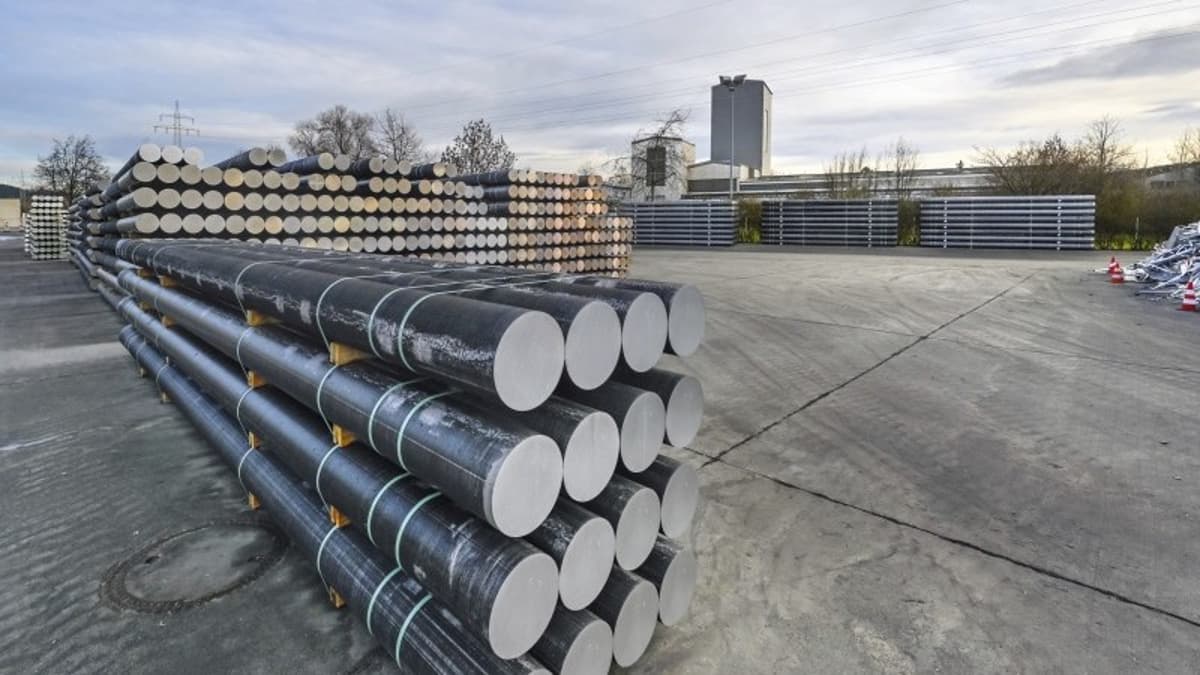
Aluminium Deficit Persists Despite Easing Middle East Tensions
Geopolitical de‑escalation in the Middle East has lowered the risk of further aluminium supply shocks, but the market remains fundamentally tight. The conflict has already erased roughly 3 million tonnes of production, leaving a projected global deficit of 1.8 million tonnes for...

Polish Activity Data Slows Further in 2Q but 3.4% Growth Still Achievable for 2026
Poland’s retail sales rebounded to a 3.0% year‑on‑year increase in May, but the gain fell short of expectations after a 1.3% rise in April. Construction output continued its recovery, climbing 3.9% YoY in May, though civil‑engineering output slipped 1.8%. Overall...
The Commodities Feed: Oil Rises Amid Shaky Start to US-Iran Ceasefire
Oil prices rose as the US‑Iran ceasefire stumbled, with talks delayed and Iran’s IRGC claiming a temporary Strait of Hormuz closure. Despite the claim, US Central Command reported 17 million barrels passed the strait on Saturday, suggesting limited immediate supply disruption....

FX Daily: US Holiday Offers Japan Intervention Window
The dollar stayed strong after Wednesday’s hawkish surprise, pushing the DXY above 101 and setting up its best week since April 2024. A U.S. holiday this week creates a low‑liquidity environment that historically invites Japanese authorities to intervene in the...
The Commodities Feed: Oil Declines as Strait of Hormuz Begins to Normalise
Oil prices are set for a weekly decline, with NYMEX WTI down more than 10% as tanker traffic through the Strait of Hormuz begins to normalize. Around 10 million barrels per day are now moving, roughly half of the typical 20 million‑bpd...
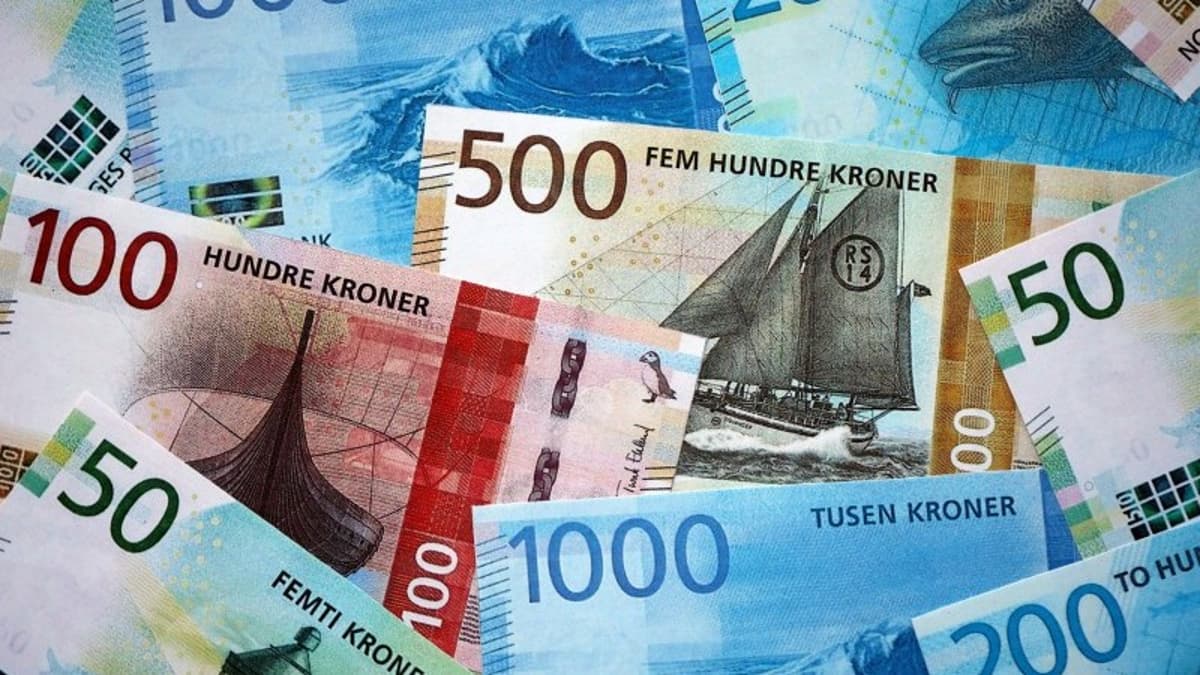
Prospect of August Hike in Norway Can Help the Krone
Norges Bank kept its policy rate at 4.25% but signaled a likely 25‑basis‑point hike in August, positioning the move as the final step of the current tightening cycle. The bank’s projections show rates rising to 4.32% in Q3 and 4.55%...

Czech National Bank Hikes Rates to Keep Inflation in Check
The Czech National Bank (CNB) voted 6‑to‑1 to raise its base rate to 3.75% from 3.5%, citing stubborn core inflation and strong credit growth. Analysts see the move as a pre‑emptive step against pro‑inflationary risks from an overheating housing market,...

Bank of England Decision Points to Prolonged Pause
The Bank of England left its policy rate unchanged at 3.75%, confirming a 7‑2 vote for a hold. While a few hawks pushed for an immediate hike, the majority signaled confidence that inflation pressures are easing. Recent CPI data and...

Middle East Conflict Puts Energy Efficiency Back at the Heart of Eurozone Housing
The Middle East war has reignited energy‑price pressures across the eurozone, eroding the fragile housing recovery that began in early 2026. New mortgage lending fell 6% quarter‑on‑quarter in Q1, while house‑price growth remains modest but constrained by affordability. Rising oil...

UK Jobs Data Keeps Questioning the Need for Rate Hikes
UK jobs data shows a modest dip in unemployment to 4.9% and a slight rise in payrolled employment, but private‑sector hiring remains weak, with a revised April loss of 53,000 jobs. Wage growth outside the public sector has accelerated its...
The Commodities Feed: Oil Falls as US-Iran Sign Deal
Oil prices slid more than 2% on Thursday, with NYMEX WTI dropping below $75 per barrel after the United States and Iran announced a fast‑tracked peace agreement that reopens the Strait of Hormuz. The deal is expected to lift Iranian...