
Webinar: Directional Economics CEE – Who Breaks, Who Bends on Energy Shock 2.0
ING’s Central and Eastern Europe (CEE) economists will host a webinar on 21 May to dissect the March‑2026 oil price shock and its macroeconomic fallout. The session will compare how different CEE nations’ fiscal buffers and institutional resilience shape their exposure to soaring energy costs. Participants will explore the structural burden on import‑dependent economies, the limits of policy levers, and spill‑over effects to CIS markets. The discussion will also assess whether tightening monetary policy amid the shock would be a misstep.

Middle East War Drives Record Capital Outflows From Turkey
Turkey posted a March current‑account deficit of $9.7 bn, roughly 2.6% of GDP, widening the 12‑month shortfall to $39.7 bn. The capital account recorded a record $26.8 bn of outflows, largely attributed to heightened geopolitical risk from the Middle East war. Combined with...

Rates Spark: Hard to See a Ceiling for Gilt Yields
UK gilt yields are climbing as the Bank of England continues aggressive quantitative tightening, shedding roughly £70 bn ($89 bn) of bonds each year and steepening the GBP swap curve by about 60 basis points versus the dollar. Political turbulence surrounding Labour’s...

Webinar: Oil, Iran and the Markets: What Happens Next?
Ten weeks after the Iran‑Israel conflict erupted, oil markets remain volatile as tanker traffic through the Strait of Hormuz has not recovered. ING is hosting a 45‑minute webinar on 15 May to dissect how oil and natural‑gas prices could move under...

Czech Consumer Remains Resilient so Far
Czech real retail sales rose 4.9% year‑on‑year in March, beating expectations, with a 1.2% monthly gain. Real wages grew 5.1% in the fourth quarter and lower regulated energy fees bolstered household spending. Motor‑vehicle sales increased 2% YoY while remaining flat...
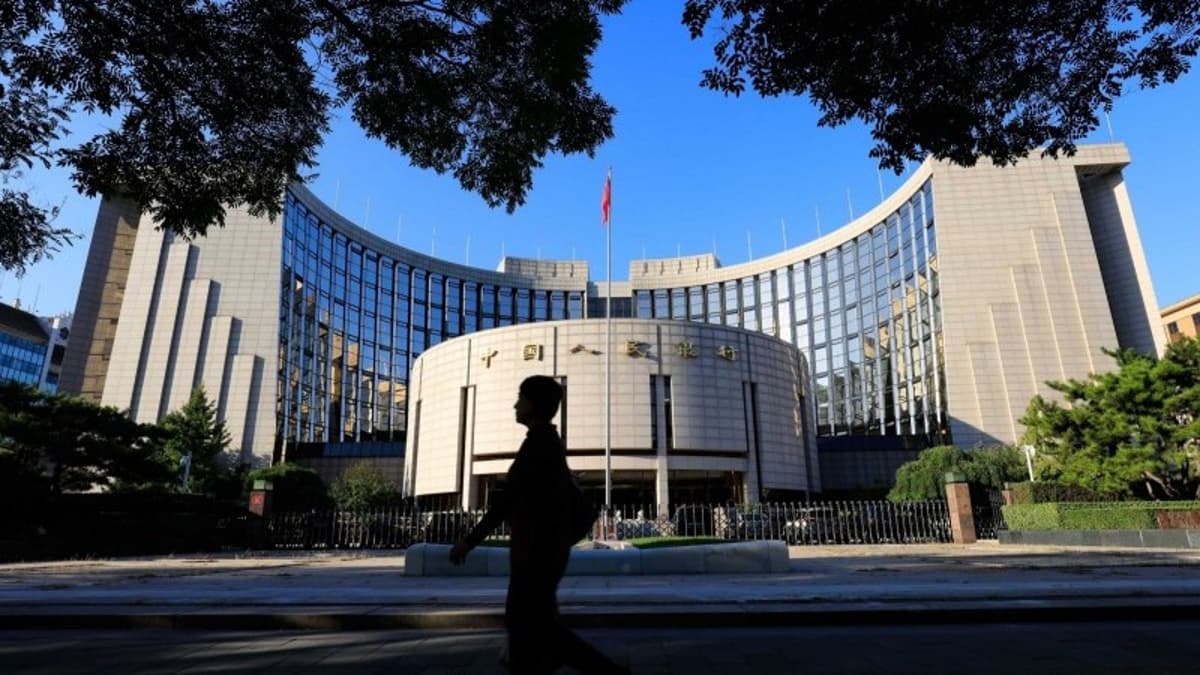
China Reflation Momentum Strengthens in April, Likely Keeping the PBOC on Hold
China’s April inflation data showed a rebound, with CPI rising to 1.2% YoY and PPI climbing to a 45‑month high of 2.8% YoY. Energy costs surged, pushing producer‑price inflation up 17.4% YoY, while food prices, especially pork, remained deflationary. Export...

The Commodities Feed: Oil Surges as Peace Deal Hopes Fade
Oil prices surged after President Trump dismissed Iran’s latest peace‑plan proposal, underscoring the market’s sensitivity to geopolitical headlines. In April, China’s crude oil imports fell 20% year‑on‑year to 9.4 million barrels per day, the lowest level since mid‑2022, while natural‑gas imports...

Back-to-Back US Jobs Gains, but Hiring Caution Lingers
U.S. payrolls posted a second straight monthly increase, with April adding 115,000 jobs versus a 65,000 consensus forecast. The unemployment rate held at 4.3% even as household surveys showed a modest rise in joblessness. Average hourly earnings grew 0.2% month‑over‑month,...

Taiwan’s Exports See a Rare Miss in April
Taiwan's export growth decelerated sharply in April, posting a 39.0% year‑on‑year increase, well below analysts’ expectations. Semiconductor shipments still rose 40.5% YoY, but computer and accessories exports slowed to 76.5%, and shipments to the United States fell to 63.8% YoY....

FX Daily: Back on the Rollercoaster
U.S. military actions in the Strait of Hormuz revived optimism for a dollar rally as hopes for a near‑term U.S.–Iran deal faded. The euro stayed resilient around 1.18 USD despite President Trump’s threat to impose tariffs on EU goods, while the...

German Industry Worsens as Middle East War Takes Its Toll
German industrial production contracted 0.7% month‑on‑month in March, extending a four‑month slump and pulling first‑quarter output more than 1% below the previous quarter. The decline was driven by weaker manufacturing, while construction showed a modest rebound. Export growth slowed to...

Asia Week Ahead: China and India Release Highly Anticipated Inflation Data
The week ahead centers on inflation releases from China and India, alongside China’s trade figures. India’s consumer price index is projected to edge higher, mainly due to food price pressures, while China’s CPI is expected to hold steady at 1.0%...

Japan’s Real Wages Rose in March, Boosting Odds of a June Hike
Japan’s real wages rose 2.7% year‑on‑year in March, marking the third straight month of growth, while regular salaries climbed 3.0% and bonuses fell 1.5%. Tokyo’s CPI increased only 1.5% YoY in April, a figure softened by temporary government price caps....

Rates Spark: Euro Rates and the War
Brent crude has settled below the $100 per barrel mark as a tentative Middle East deal looms, but strategists see limited upside for further price declines even if the Strait of Hormuz reopens. Infrastructure damage and depleted strategic reserves mean...

CNB Review: Governor Signals Wait-and-See Mode but Tone Turns Dovish
The Czech National Bank unanimously kept its key rate at 3.50%, signalling a wait‑and‑see stance while leaving a hike option open for the next meeting. Governor Aleš Michl defended the hold with dovish arguments, noting a higher inflation outlook but weaker...

France’s Manufacturing Bounce May Prove Short-Lived
French manufacturing output rose 1.2% month‑on‑month in March, lifting total industrial production 1% after February’s decline. The rebound was driven by inventory buildup and a short‑term competitiveness edge as Asian rivals faced energy disruptions. However, weak domestic and export demand...
FX Daily: Remarkable Resilience of Risk Assets
Investors are rallying risk assets after reports of progress in US‑Iran talks, prompting a sell‑off in the dollar. Oil markets remain in focus, with the U.S. Energy Information Administration expected to report a 2.4 million‑barrel draw, a figure that could trigger...

South Korea’s Steps to Limit Inflation Increases Paying Off — so Far
South Korea’s consumer‑price inflation rose to 2.6% YoY in April, driven mainly by a 21.9% jump in oil prices. Government interventions—food vouchers, a gasoline‑price cap and frozen utility rates—softened food and energy price pressures, keeping core inflation at 2.2% for...

Rates Spark: Triple-Whammy for Gilts
UK 10‑year gilt yields surged to 5.1%, the highest level since the 2008 financial crisis, as higher oil prices and a tight link to US Treasury rates create a double‑whammy for British government bonds. The rise is amplified by a...

Riksbank Likely to Hold but Hawkish Risks Are Growing
The Swedish Riksbank is expected to leave its policy rate unchanged at 1.75% during the May 7 meeting, but analysts see a growing hawkish tilt as inflation risks rise. March’s CPIF inflation eased to 1.6% thanks to a sharp drop in...
National Bank of Poland Preview: Rates on Hold for Now with a Hawkish Tilt Likely
Poland’s National Bank (NBP) is expected to keep its policy rate at 3.75% after April CPI rose to 3.2% year‑on‑year, driven by stronger core inflation, and March activity outperformed forecasts. While the rate pause reflects caution, the Monetary Policy Council...

Watch: How Two-Way Risks Are Dividing the Fed’s Policy Outlook
The Federal Reserve remains split over its future rate path as it grapples with two‑way risks: stubborn inflation and the potential for an energy price shock. While wage growth and overall economic activity are slowing, price pressures stay above target,...

Reserve Bank of Australia Delivers Decisive Hike, Signals Balanced Path Ahead
The Reserve Bank of Australia raised the cash rate by 25 basis points to 4.35%, in line with market expectations. Eight of nine board members backed the move, marking a more decisive stance than the previous split vote. Simultaneously, the...

FX Daily: It’s Good to Be Hawkish
Central banks in commodity‑exporting economies are tightening as oil prices stay high, with the Reserve Bank of Australia lifting its policy rate to 4.35% and Norges Bank expected to push rates to 4.25%. The Fed’s latest hawkish meeting has markets...

The Commodities Feed: Middle East Re-Escalation Pushes Oil Prices Higher
The cease‑fire between the United States and Iran is unraveling, with U.S. forces striking Iranian boats and Iran allegedly hitting a U.S. warship and UAE infrastructure. Brent crude rallied 5.8% to settle above $114 per barrel, while Fujairah port—crucial for...
Rates Spark: 10yr SOFR Hits the 4% Handle
On Monday the 10‑year SOFR rate climbed to 4%, up 50 basis points from the pre‑Iran‑war level of 3.5%. The rise places the rate in a zone the firm identifies as optimal for receiving fixed in swap‑to‑floating strategies, offering potentially...

US Dollar Credit Supply: Supply Continues at Strong Levels
U.S. corporate dollar bond issuance stayed robust in April, reaching $90.5 bn, roughly double the $47 bn issued a year earlier but down from March’s record $178 bn. The technology, media and telecom (TMT) segment dominated, contributing $53.9 bn or about 60% of the...

Turkey’s April Inflation Rises More than Expected
Turkey’s consumer price index jumped 4.1% month‑on‑month in April, pushing annual inflation to 32.4%, well above the Central Bank’s 16% target. The surge was led by higher food, housing and transportation costs, while core CPI rose 3.5% MoM to a...

THINK Ahead: The Big June Gamble
The European Central Bank signaled a likely rate hike in June, moving away from its previous stance as inflation climbs toward 4%. Christine Lagarde emphasized that the council will have more data on how the energy shock feeds into price...

Rates Spark: A Cacophony of Mad Stuff
Volatility eased as the CBOE VIX slipped to 17, well under its 19‑year average, while the S&P 500 surged to a fresh all‑time high. Brent crude fell from $125 to $115 per barrel, prompting a dovish move in U.S. Treasury yields...
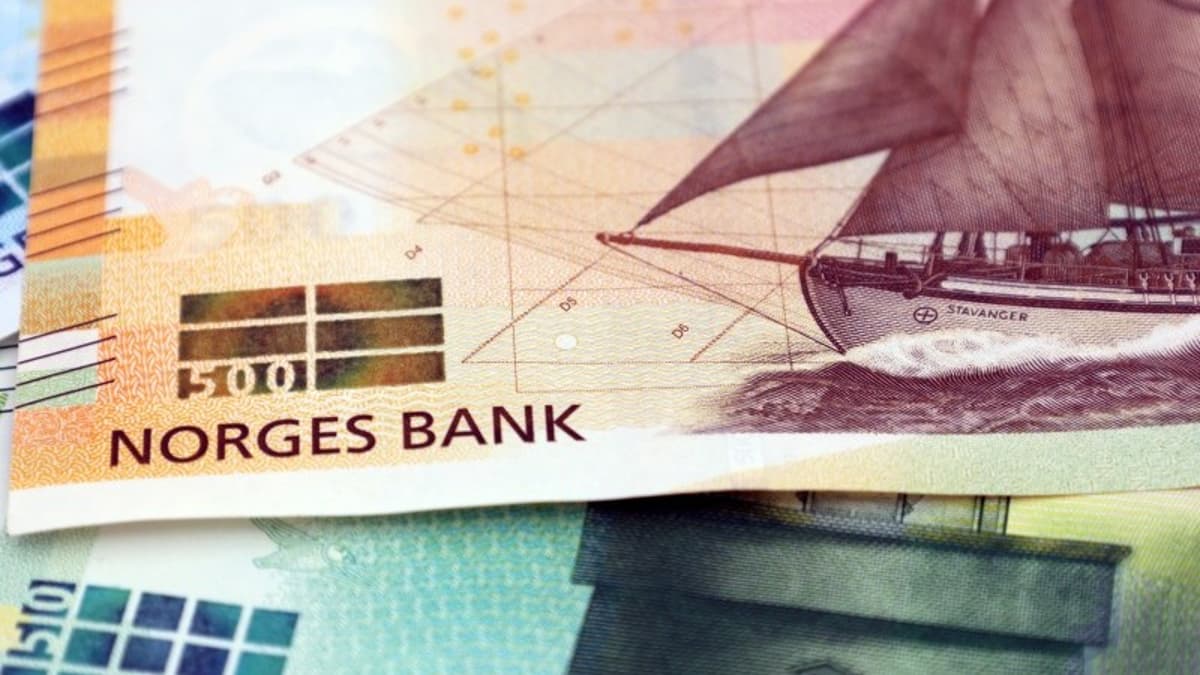
Norges Bank to Hike in May and Keep the Door Open for More
ING expects Norges Bank to break consensus with a 25‑basis‑point rate hike to 4.25% on 7 May, driven by rising headline inflation and a rebound in oil prices. Markets currently price a roughly 55% chance of the move, while a hold...

US Growth Driven by Tech Investment in First Quarter
U.S. first‑quarter GDP grew at a 2% annualised pace, outpacing the 2.3% consensus, largely thanks to a 24% year‑on‑year surge in tech and AI‑related capital spending. Consumer spending eased to 1.6% growth and a widening trade deficit shaved 1.3 percentage...

Watch: How Energy, China and Geopolitics Are Reshaping the Eurozone’s Goods Surplus
ING chief economist Bert Colijn warns that the eurozone’s long‑standing goods trade surplus is entering a more volatile phase. Rising energy costs, a slowdown in Chinese demand and heightened geopolitical tensions are eroding export margins, especially in Germany, Italy and the...

Belgian Real Estate Market Will Shift to a Lower Gear After a Strong 2025
Belgium’s residential market posted a 5.6% year‑on‑year rise in median home prices in 2025, buoyed by lower registration fees and relaxed energy‑performance regulations that improved affordability. The reduced 6% VAT on demolition and reconstruction further tilted buyer interest toward existing...
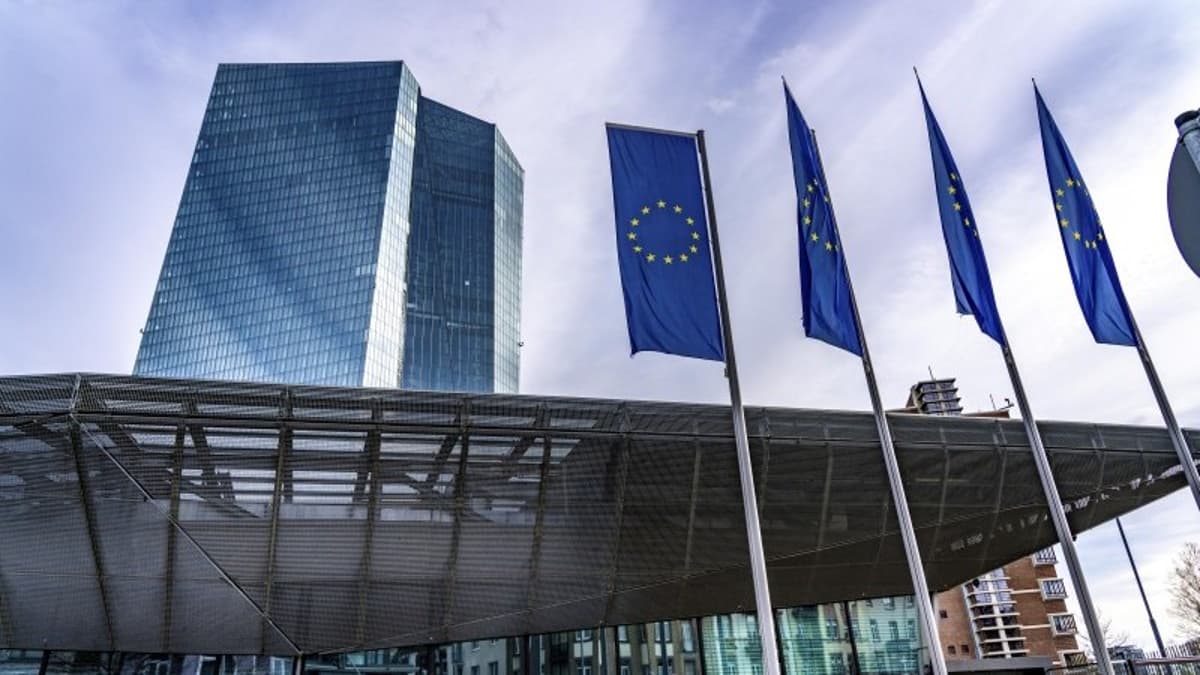
ECB Keeps Rates on Hold Amid Rising Stagflationary Pressures
The European Central Bank left its policy rate unchanged as stagflationary pressures mount in the eurozone. The ECB highlighted rising headline inflation alongside weaker growth prospects, but offered no clear forward guidance. Recent data show modest Q1 GDP growth, higher...

Webinar: Asia’s Energy Shock - Who Is Most Exposed?
ING is hosting a 30‑minute webinar on May 7 to dissect Asia’s exposure to the recent oil supply shock through the Strait of Hormuz. The session, led by Deepali Bhargava, Lynn Song and Min Joo Kang, will compare strategic oil reserves, import dependence and energy‑mix...

Hungary Breaks the Chains of Stagnation but Risks Being Bound Again
Hungary’s economy expanded 0.8% quarter‑on‑quarter in Q1 2026, matching ING’s most optimistic forecast and lifting year‑on‑year growth to 1.7%. The gain marks the fourth consecutive quarter of expansion, driven primarily by services such as professional, scientific and technical activities, with modest...

Eurozone Economic Sentiment Tumbles in April
The European Commission’s economic‑sentiment indicator slipped to 93 in April, marking a third consecutive decline after a brief early‑year rebound. Confidence fell across services and retail as households cut back on major purchases and expect higher savings. At the same...

Is Credit Now Impervious to the Middle East Conflict?
Credit markets have shown surprising resilience to the Middle East conflict, with Euro investment‑grade spreads widening only 10‑15 basis points before fully retracing. Higher swap rates have added 50‑60 basis points of extra yield, keeping demand strong despite lingering uncertainty....

Inflation Risks Rebuild in Australia, Supporting RBA Tightening
Australia’s consumer price index jumped to 4.6% year‑on‑year in March, up from 3.7% in February, as transport costs surged 9% and housing inflation accelerated to 6.8%. The underlying trim‑mean CPI rose to 3.5% YoY, indicating persistent price pressure. The data...

FX Daily: Powell’s Last Act Might Carry a Hawkish Tint
The FX Daily note highlights that Federal Reserve Chair Jerome Powell’s final press conference could tilt hawkish, bolstering the dollar amid lingering equity jitters and Middle‑East volatility. A potential hawkish Fed signal, combined with Iran‑related geopolitical risk and the UAE’s...

How Demographics Will Reshape the German Housing Market
Germany’s population is set to shrink by 2.5 million by 2040, yet the number of households will stay roughly stable as one‑ and two‑person homes rise. Smaller households drive demand for different sized units, creating a geographic split: cities face shortages...

The Commodities Feed: UAE Exit From OPEC Marks a Big Shift in Oil Market
The United Arab Emirates announced it will leave OPEC on May 1, ending its roughly 12 % share of the cartel’s output. With current capacity near 4.85 million barrels per day and a target of 5 million b/d by 2027, the UAE could add...
Rates Spark: It’s Jay’s Day
The Federal Reserve expanded its balance sheet by adding $425 bn of Treasury bills, raising total securities holdings by $185 bn, then trimmed monthly bill purchases from $40 bn to $25 bn, signalling comfort with liquidity. Incoming Fed chair Kevin Warsh aims to speed...

Bank of Japan’s Hawkish Hold Reflects High Geopolitical Uncertainty
The Bank of Japan left its policy rate unchanged at 0.75% on April 28, citing ongoing Middle‑East geopolitical uncertainty, while three board members pushed for a 25‑basis‑point hike. Its quarterly outlook sharply lifted the FY2026 inflation forecast to 2.8% YoY...

ECB’s Latest Surveys Point to Rising Stagflationary Pressures
The European Central Bank’s latest Bank Lending Survey and consumer expectations poll reveal mounting stagflationary pressures in the eurozone. Credit standards tightened for both consumer and corporate loans in Q1 2026, while demand for new loans weakened. Inflation expectations rose sharply,...
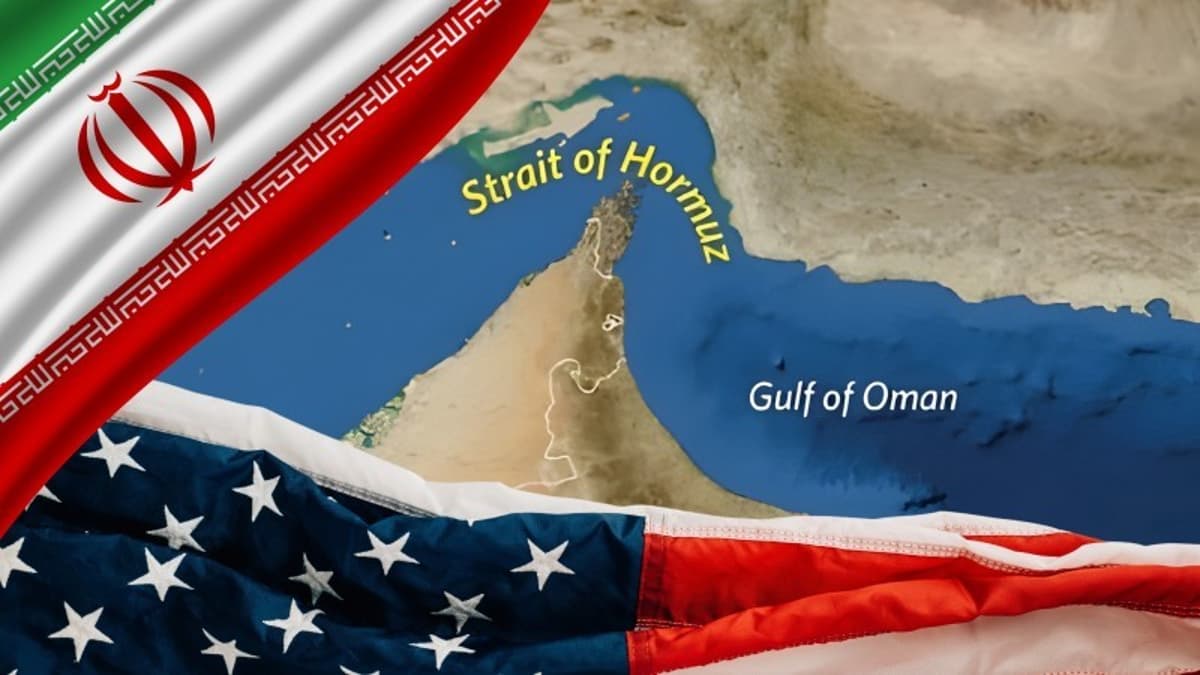
Rates Spark: Snail’s Pace, but Getting There
The US 10‑year breakeven inflation rate has risen to 2.45%, edging toward the critical 2.5% level as oil prices climb amid the ongoing virtual closure of the Strait of Hormuz. Short‑term breakevens are outpacing longer tenors, reflecting heightened near‑term inflation...

Singapore’s Growth Engines Remain Intact Despite Rising Energy Pressures
Singapore’s industrial output jumped 10.1% YoY in March, driven by a 30% surge in electronics and a 74% rise in electronics exports, keeping first‑quarter growth robust. Higher oil prices have begun to raise operating costs, especially in wholesale trade, which...

Eurozone Potential Growth Could Fall Below 1% over the Next Few Years
Eurozone potential growth is projected to fall below 1% by 2028, with the European Commission estimating a decline from 1.4% in 2024 to 1.2% in 2027. The slowdown is driven primarily by weak productivity gains—only 0.2 percentage points contributed to...
The Commodities Feed: Oil Moves Higher Amid US-Iran Stalemate
Oil prices surged as US‑Iran peace talks stalled, pushing ICE Brent up about 2% after a 17% weekly gain. Washington intensified sanctions, seizing an Iranian‑linked tanker and targeting a Chinese refinery and roughly 40 shipping firms. The tightening market leaves...