US Inflation Much More Likely to Be Transitory This Time Around
Why It Matters
A transitory inflation outlook reduces pressure on the Fed to continue aggressive rate hikes, supporting stable borrowing costs and broader economic confidence.
Key Takeaways
- •March headline CPI rose 0.9% month‑on‑month, driven by gasoline.
- •Core CPI increased 0.2% MoM, 2.6% YoY, below expectations.
- •Wage growth slowed to ~3%, reducing demand‑side inflation pressure.
- •Fed likely to keep rates steady, eyeing possible cuts later.
- •Energy shock smaller than 2021‑22, making inflation more transitory.
Pulse Analysis
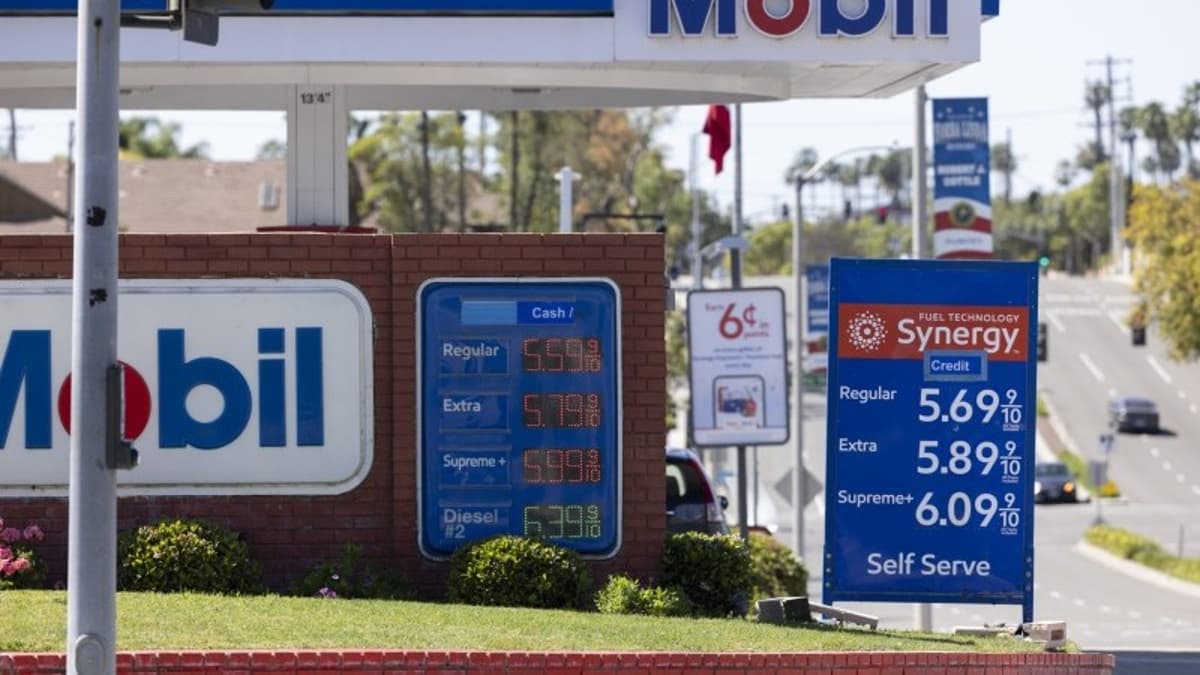
The March consumer‑price index underscored the volatile role of energy in today’s inflation narrative. While gasoline prices spiked more than 20% month‑on‑month, pushing headline CPI up 0.9%, the underlying core measure—excluding food and energy—remained modest at 0.2% MoM and 2.6% YoY. This softer core reading reflects limited pass‑through from recent tariffs and a restrained corporate pricing environment, suggesting that the price shock is confined rather than economy‑wide. Analysts point to a 0.4% dip in used‑car costs and declines in medical care as additional buffers against broader price pressures.
Unlike the 2021‑22 surge that combined pandemic‑induced supply bottlenecks with robust demand, the current inflation episode is driven primarily by fuel costs. The labor market has cooled, with wage growth retreating to roughly 3% and job openings far outnumbered by unemployed workers—a stark reversal from the two‑vacancies‑per‑unemployed scenario of 2022. Real household disposable income has plateaued, limiting consumers’ ability to absorb higher energy bills and likely curbing discretionary spending. This demand‑destructive effect further dampens the risk of a second‑round inflation spiral.
For the Federal Reserve, the data reinforce a narrative of temporary price pressures, shifting the policy calculus toward a more accommodative stance. With inflation expectations remaining anchored and the employment outlook softening, the central bank may pause rate hikes and even contemplate cuts later in the year. However, any uptick in wage demands or a resurgence of inflation expectations could prompt a policy reassessment. Overall, the prevailing view is that inflation will recede below the 2% target by next year, provided energy markets stabilize and the broader economy avoids renewed demand spikes.
US inflation much more likely to be transitory this time around
Comments
Want to join the conversation?
Loading comments...